Ignoring structural nutrient limits when formulating plant-based foods leads to incomplete protein profiles and low sensory appeal. Stagnant product lines fail. Utilizing targeted amino acids optimizes biological value.
DL-Methionine is used in food and nutrition to fortify plant-based proteins, enhance sports supplements, serve as a precursor for glutathione synthesis, improve liver health formulations, and generate savory roasted aromas in meat-free food alternatives.
Successfully developing high-quality nutritional foods requires a disciplined approach to optimizing chemical inputs. Sourcing managers must examine technical specifications and biological scores to justify bulk raw material procurement. Sourcing partners like FINETECH simplify factory checks, verify production compliance, and secure competitive pricing directly in China to guarantee bulk deliveries. This guide details how DL-Methionine is used in food and nutrition.
What Are the Main Food Applications of DL-Methionine?
Formulating soy or legume products without addressing limiting amino acids results in lower nitrogen retention and reduced nutritional scores. Unfortified proteins limit commercial appeal. Adding crystalline amino acids ensures complete nutrition.
The main food applications of DL-Methionine include the nutritional fortification of soy-based milks and plant protein flours, enhancing yeast development in bakery lines, and serving as a savory flavor precursor in thermal processing.
Dive Deeper into Soy Protein Fortification and Yeast Nutrients
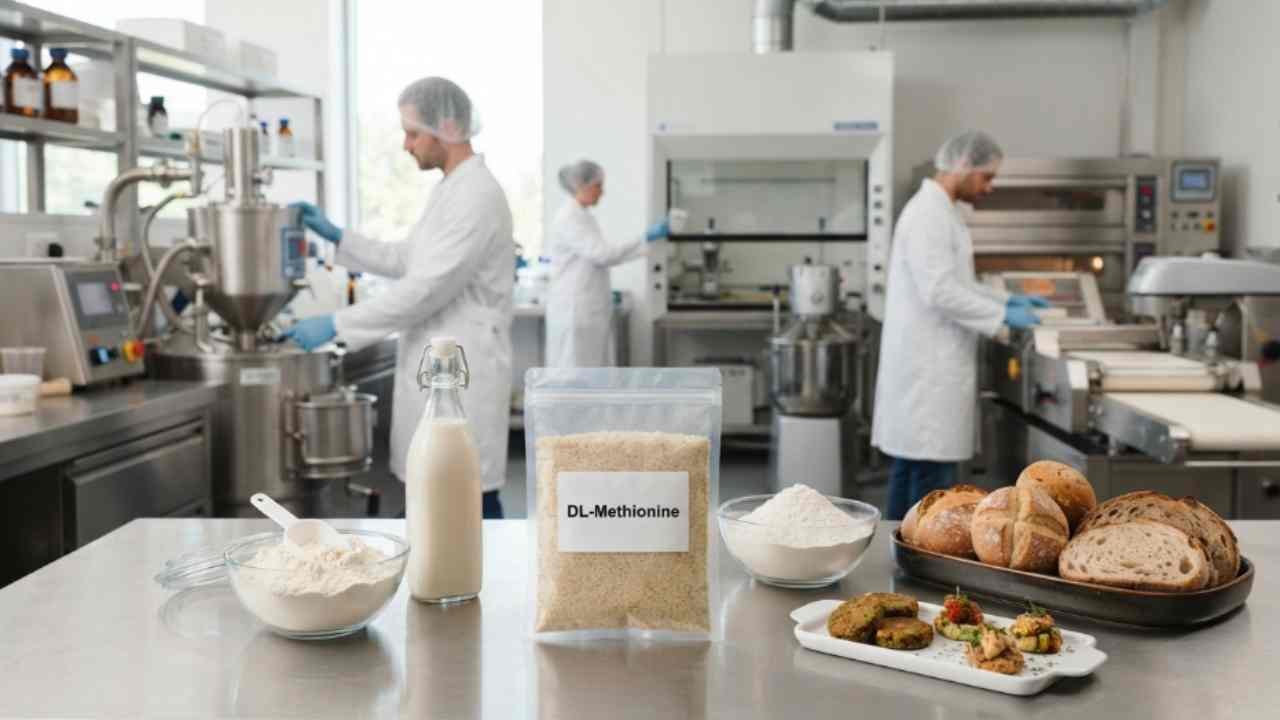
The utilization of DL-Methionine in food manufacturing is primarily centered on improving the nutritional density and sensory properties of plant-derived foods. While soybeans and legumes provide high levels of total protein, they are naturally low in sulfur-containing amino acids, making methionine the limiting nutrient. To address this nutritional gap, food processors add crystalline DL-Methionine to soy flours, isolated soy proteins, and soy-based milks. This fortification significantly increases the biological value and net protein utilization1 of the plant protein, helping human subjects retain nitrogen more effectively and supporting tissue repair.
In the commercial baking sector, DL-Methionine is also utilized as a specialized yeast nutrient and dough conditioner. It supports yeast cell metabolism during fermentation, resulting in improved dough rise, loaf volume, and bread texture. Furthermore, because of its unique sulfur-containing molecular structure, DL-Methionine acts as a key flavor precursor. When heated alongside reducing sugars in processed foods, it participates in the Maillard reaction2, generating savory, roasted, and potato-like aroma profiles that are highly valued in snacks and seasonings. Sourcing partners like FINETECH assist food manufacturers by qualifying factories in China that produce FCC-grade DL-Methionine, ensuring the raw material meets strict safety standards for human consumption.
| Food Sector | Primary Sourcing Target | Target Chemical Role | Sourcing Quality Benefit |
|---|---|---|---|
| Soy Milk Production | Food-grade DL-Methionine | Fortification of limiting amino acids | Raises biological value of proteins |
| Commercial Baking | FCC-grade fine powder | Yeast metabolism nutrient | Optimizes loaf volume and rise |
| Snacks & Seasonings | High-purity crystalline powder | Savory Maillard flavor precursor | Generates rich, roasted aroma profiles |
| Dough Conditioning | Specialized crystalline mixes | Improves gluten network stretch | Reduces industrial mixing time |
Why Is DL-Methionine Used in Nutritional Products?
Manufacturing dietary supplements without key sulfur donors limits cellular antioxidant production and reduces formulation efficacy. Deficient supplement profiles restrict brand growth. Sourcing pure essential amino acids optimizes health benefits.
DL-Methionine is used in nutritional products because it is an essential sulfur-containing amino acid that supports protein synthesis, serves as a precursor to the antioxidant glutathione, and assists in liver lipid metabolism.
Dive Deeper into Glutathione Synthesis and Methylation Pathways
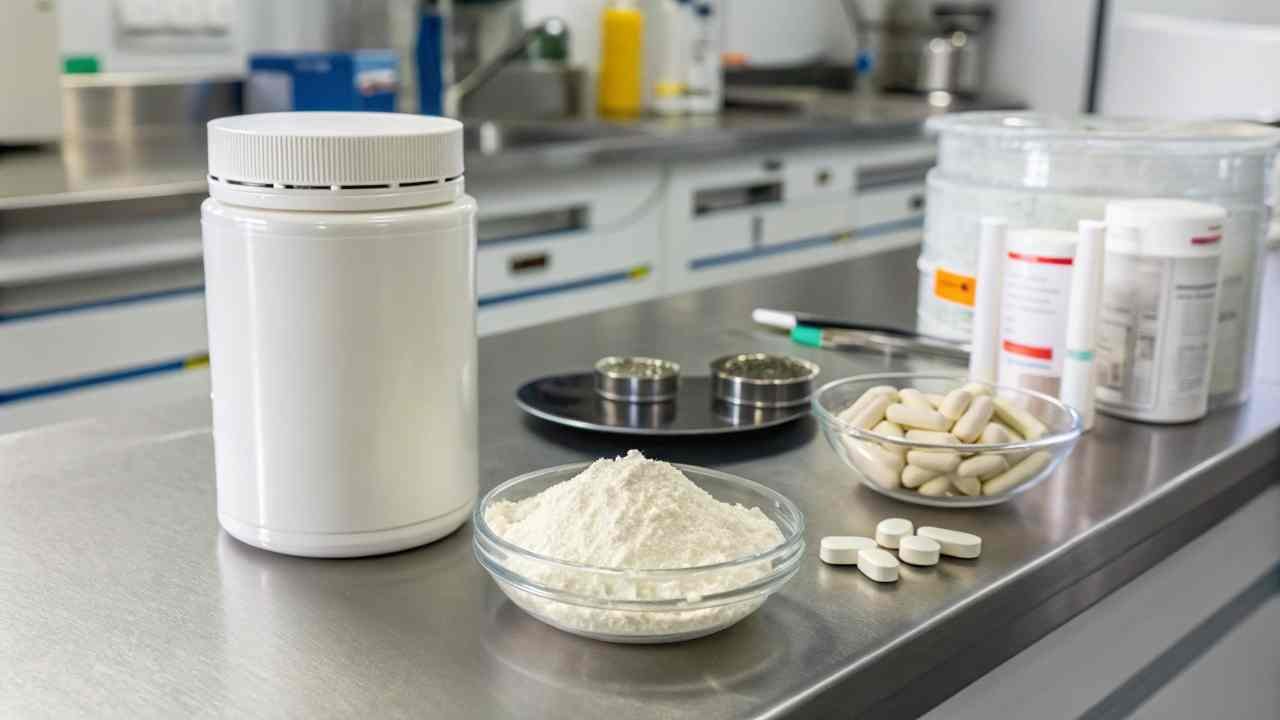
DL-Methionine is a staple ingredient in the dietary supplement and nutraceutical industries because it is an essential amino acid that the human body cannot synthesize internally. It must be obtained through diet or external supplementation to support vital biochemical processes. Once absorbed, methionine serves as a critical structural building block for protein synthesis, helping to build and repair muscle tissue, skin, hair, and nails. It is also a key precursor in the transsulfuration pathway, where it is converted into cysteine and subsequently into glutathione. Glutathione is one of the body's most powerful intracellular antioxidants, protecting cells from oxidative stress and neutralizing free radicals.
Furthermore, DL-Methionine plays an indispensable role in liver health and detoxification pathways. It acts as a primary methyl donor in transmethylation reactions, where it is converted into S-adenosylmethionine3. This compound helps prevent the buildup of excess lipids in the liver, protecting hepatic tissues from fat accumulation and supporting overall metabolic function. Sourcing partners like FINETECH assist supplement brands by auditing production lines in China to verify that the active crystals meet pharmaceutical-grade USP or EP monographs, ensuring that final capsules and tablets maintain high chemical purity and active potency.
| Health Target | Biological Mechanism | Downstream Derivative | Supplement Formulation Goal |
|---|---|---|---|
| Antioxidant Defense | Transsulfuration pathway | Glutathione synthesis | Protects cells from oxidative stress |
| Liver Detoxification | Transmethylation reactions | S-adenosylmethionine (SAMe) | Reduces hepatic lipid accumulation |
| Tissue Repair | Protein synthesis structural block | Cysteine, creatine, carnitine | Supports muscle, hair, and nail health |
| Cellular Energy | Metabolic pathway conversion | Creatine biosynthesis | Enhances athletic performance formulas |
How Does DL-Methionine Support Food Formulation?
Designing plant-based meat substitutes with weak protein scores and flat sensory qualities leads to poor consumer acceptance and low sales. Substandard profiles limit retail success. Amino acid formulation adjustments resolve quality flaws.
DL-Methionine supports food formulation by optimizing the Protein Digestibility-Corrected Amino Acid Score (PDCAAS) of plant proteins and acting as a thermal reactant to create realistic cooked-meat flavors in plant-based meats.
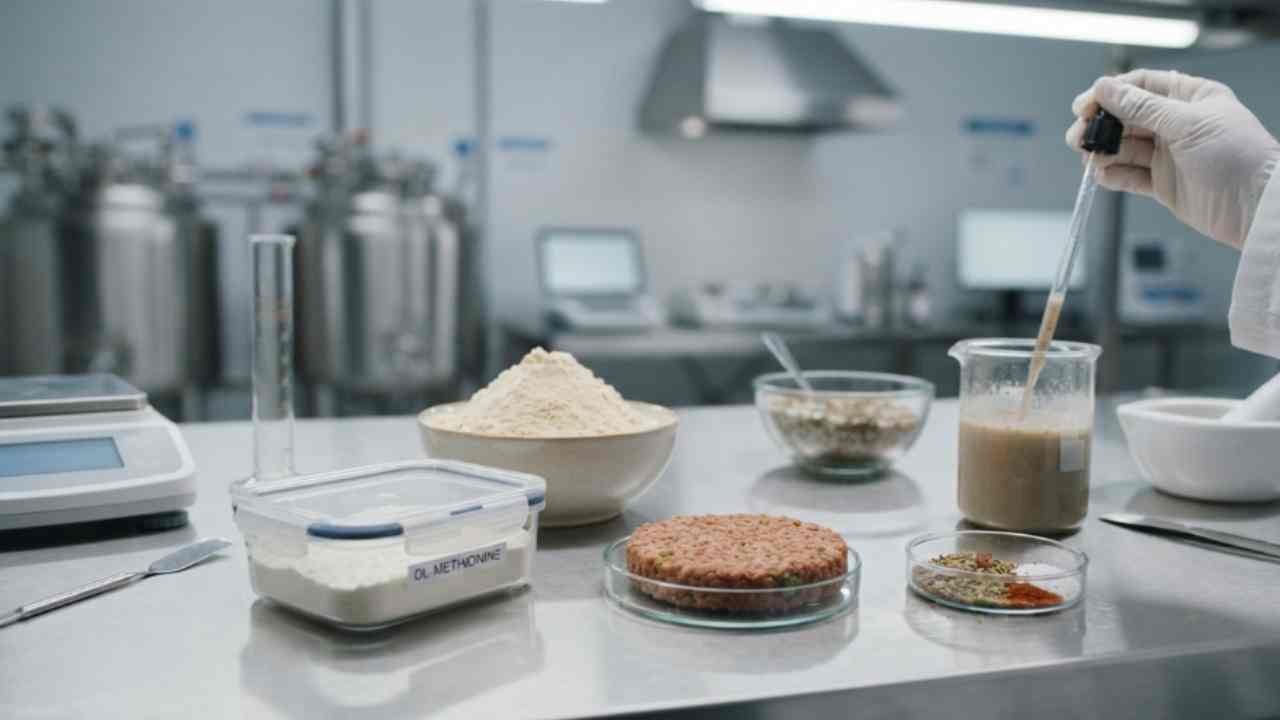
Dive Deeper into PDCAAS Optimization and Meaty Aromas
Integrating DL-Methionine into modern food formulations allows product developers to overcome both nutritional and sensory challenges. One of the primary tasks in developing plant-based foods is matching the protein quality of animal-derived items. By adding precise percentages of crystalline DL-Methionine to legume, grain, or seed proteins, developers can optimize the Protein Digestibility-Corrected Amino Acid Score (PDCAAS) and the Digestible Indispensable Amino Acid Score (DIAAS4). This modification ensures that plant-based milks and meal replacements satisfy strict regulatory standards for complete protein quality, making them nutritionally equivalent to dairy or meat.
In addition to nutritional fortification, DL-Methionine is an essential tool for flavor development in plant-based meat alternatives. When meat analogues are extruded under high heat, added methionine undergoes thermal degradation and reacts with reducing sugars. This sulfur-driven Maillard reaction produces volatile compounds, such as methional, which replicate the distinct savory, roasted, and grilled notes of real meat. Sourcing partners like FINETECH help food R&D teams select the ideal particle sizes of FCC-compliant DL-Methionine, ensuring that the powder blends evenly into dry mix lines and remains chemically stable under high-heat extrusion and cooking processes.
| Formulation Goal | Technical Sourcing Action | Food Chemistry Action | Expected Sourcing Outcome |
|---|---|---|---|
| Raise Protein Quality | Add crystalline DL-Methionine | Balances limiting amino acids | Matches milk and meat PDCAAS scores |
| Create Meat Flavor | Blend with reducing sugars | High-heat Maillard reaction | Generates authentic cooked-meat notes |
| Mask Bitter Notes | Combine with glycine or alanine | Alters taste receptor binding | Softens harsh plant-protein flavors |
| Prevent Oxidation | Integrate with fat-soluble bases | Synergistic antioxidant effect | Extends packaged food shelf life |
Which Industries Commonly Use DL-Methionine?
Relying on generic, single-grade suppliers can result in importing feed-grade materials into pharmaceutical or food facilities, causing severe safety violations. Mismatched grades compromise operations. Identifying industry-specific standards protects compliance.
DL-Methionine is commonly used in the dietary supplement, specialized clinical nutrition, plant-based food manufacturing, animal feed, pet food, and pharmaceutical compounding industries, with each sector requiring specific quality grades.
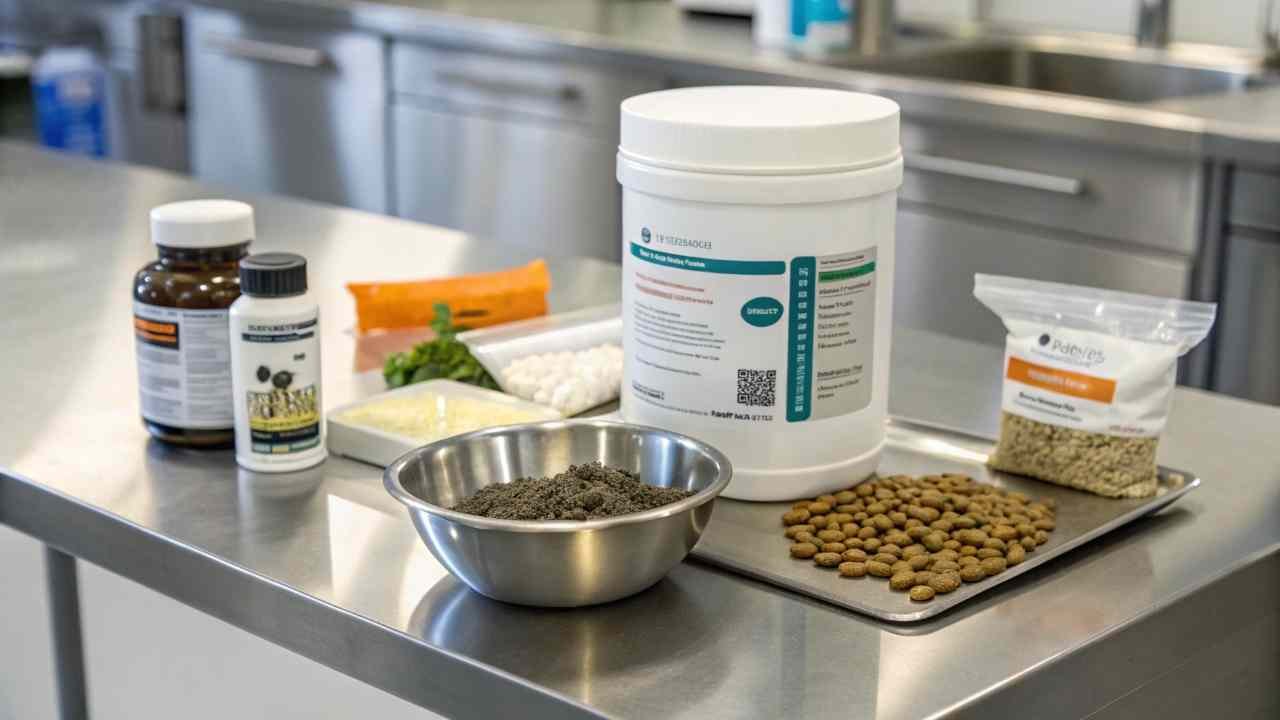
Dive Deeper into Clinical Nutrition and Pet Food Manufacturing
The utilization of DL-Methionine is distributed across several major industries, each requiring specific chemical grades to satisfy different regulatory standards. The dietary supplement and clinical nutrition sectors utilize high-purity, pharmaceutical-grade DL-Methionine to formulate meal replacements, parenteral nutrition infusions, and liver support capsules. It is important to note that while DL-Methionine is approved for adult clinical nutrition, US FDA regulations specify that only the pure L-isomer, L-Methionine, may be used in infant formulas, making grade verification a critical step during procurement.
Another major consumer is the pet food industry, where manufacturers add DL-Methionine to dog and cat kibble. Because domestic pets require balanced levels of sulfur amino acids for coat health and to prevent kidney stone formation by regulating urine acidity5, pet food brands include methionine as a standard additive. Finally, the animal feed and aquaculture sectors utilize high-volume, feed-grade DL-Methionine to support tissue growth in poultry, swine, and fish. Sourcing partners like FINETECH help B2B buyers navigate these diverse industrial sectors, verifying that the selected Chinese manufacturer holds the appropriate FAMI-QS, FSSC 22000, or GMP certifications to match the destination industry's requirements.
| Target Industry | Required Ingredient Grade | Primary Product Format | Mandatory Sourcing Check |
|---|---|---|---|
| Clinical Nutrition | USP / EP Pharmaceutical Grade | Parenteral fluids, capsules | Confirm zero pyrogens and high purity |
| Plant-Based Foods | FCC Food Grade | Vegan meats, protein milks | Verify non-GMO vegetable feedstocks |
| Pet Food Industry | Feed Grade / Food Grade | Dry kibble, wet canned food | Check heavy metal and moisture limits |
| Animal Nutrition | FAMI-QS Feed Grade | Pelleted feeds, premixes | Assure bulk volume availability |
What Are the Advantages of Using DL-Methionine in Food Products?
Sourcing expensive single-isomer amino acids can inflate your raw material costs and reduce your product's market competitiveness. High ingredient costs compress margins. Selecting cost-effective racemic mixtures optimizes spending.
The advantages of using DL-Methionine include its high bioavailability, cost-effective production compared to pure L-methionine, excellent heat and pH stability during extrusion, and natural ability to extend product shelf life through antioxidant synthesis.
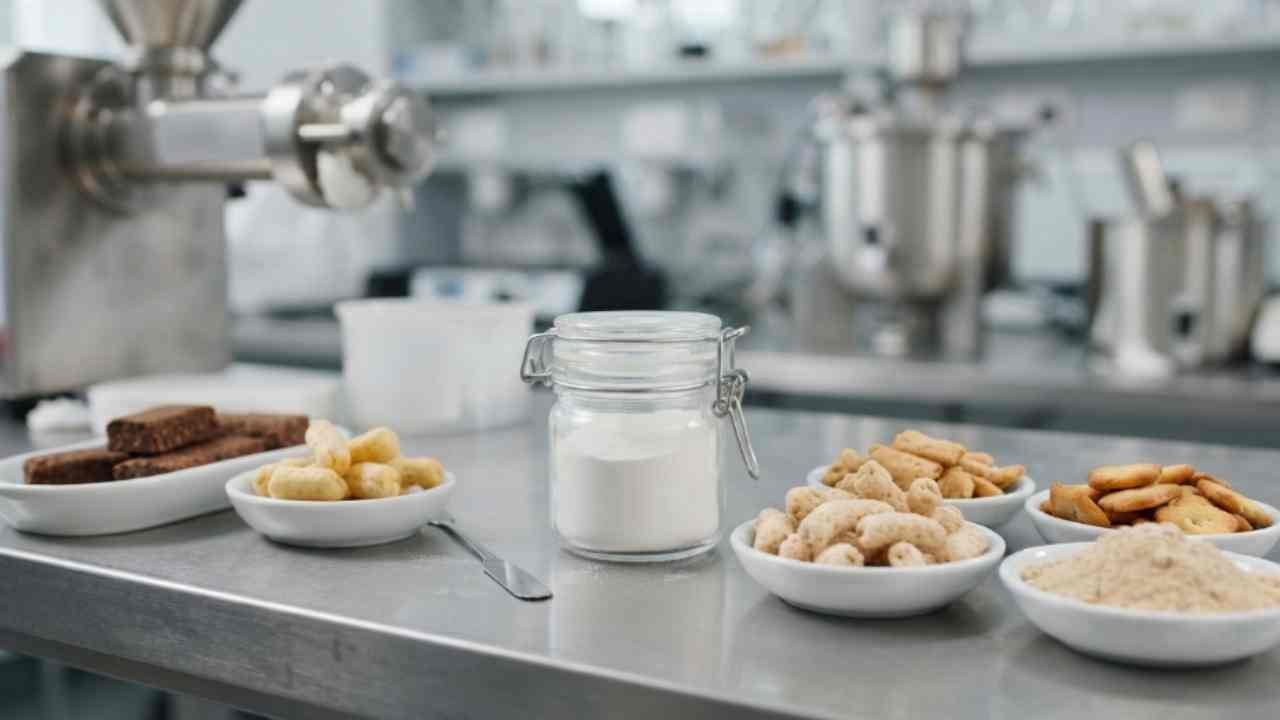
Dive Deeper into Bioavailability and Cost-Effective Formulations
Integrating DL-Methionine into food and nutritional products offers significant economic and technical advantages for food manufacturers. The primary advantage is the ingredient's high biological efficacy. Although DL-Methionine is a racemic mixture of both D- and L-isomers, the human body and animals possess specific enzymes that convert D-methionine into the active L-form, giving the racemic mixture equivalent bioavailability to pure L-methionine. Because chemical synthesis yields the racemic mixture directly, DL-Methionine is much more cost-effective to produce than isolated L-methionine, helping brands formulate affordable, high-quality products.
Technically, DL-Methionine exhibits excellent stability under standard food processing conditions. It maintains its chemical structure and nutritional value under high extrusion temperatures, pasteurization, and varying pH environments, ensuring that the fortified food retains its specified nutrient levels throughout its shelf life. Furthermore, by serving as a cellular precursor for glutathione synthesis, it supports antioxidant defenses, helping to protect fat-containing food products from lipid oxidation and rancidity. Sourcing partners like FINETECH help buyers utilize these chemical advantages. They secure direct-from-factory pricing in China, verify that the active crystals maintain excellent free-flowing properties, and confirm that packaging prevents moisture caking, securing raw material performance.
| Chemical Advantage | Technical Food Property | Sourcing Benefit | Economic Impact |
|---|---|---|---|
| Equal Bioavailability | Body converts D-form to L-form | Matches pure L-methionine potency | Reduces active ingredient usage weight |
| High Processing Stability | Withstands extrusion and heat | Retains specified nutrient labels | Eliminates overage formulation waste |
| Lower Synthesis Cost | Direct chemical racemic yield | Avoids expensive separation steps | Lowers overall cost per metric ton |
| Antioxidant Protection | Stimulates glutathione synthesis | Protects fats from turning rancid | Extends packaged food shelf life |
Conclusion
DL-Methionine is a versatile amino acid that improves plant protein quality, supports antioxidant defense systems, enhances meat-like flavors, and offers a highly cost-effective option for global food manufacturers.
-
A clinical study published in the Journal of Nutritional Science and Vitaminology evaluating the nitrogen balance and metabolic utilization of soy protein isolate supplemented with L-methionine in human subjects. ↩
-
A 2026 academic study published in the Journal of Tourism, Culinary, and Entrepreneurship analyzing volatile chemical, color, and aroma changes generated during the Maillard reaction in foods. ↩
-
A systematic review in MDPI's Nutrients analyzing S-adenosylmethionine (SAMe) therapy, transmethylation reactions, and its clinical efficacy in managing various liver health conditions. ↩
-
The official 2013 Food and Agriculture Organization (FAO) Food and Nutrition Paper, detailing the framework, ileal digestibility data, and calculation methodologies for the Digestible Indispensable Amino Acid Score (DIAAS). ↩
-
A peer-reviewed study in the Journal of Animal Science investigating the role of diet and acidifying feed additives like DL-methionine in regulating urine pH and preventing feline urolithiasis. ↩