
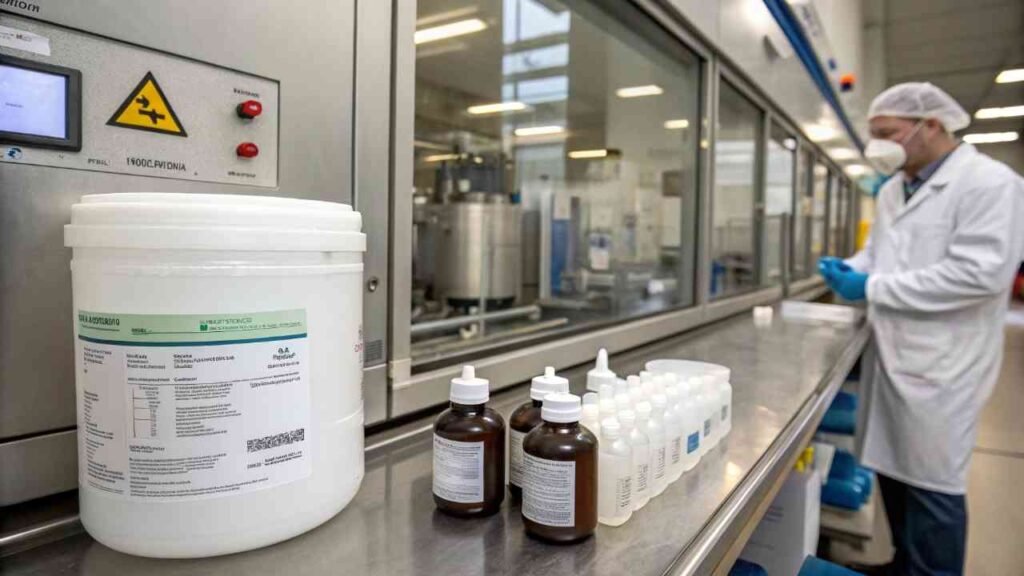
Sourcing bulk glycine without tracking feedstock costs and environmental shutdowns leads to sudden price spikes and budget deficits. Unmonitored volatility drains margins. Identifying price drivers protects procurement budgets.
Glycine price changes are driven by the costs of key chemical precursors (monochloroacetic acid and liquid ammonia), strict regional environmental safety inspections, seasonal agricultural herbicide demand, and international trade tariffs that shift export-import margins.
Successfully optimizing chemical raw material costs requires a disciplined approach to analyzing international manufacturing variables. Importers must examine global market indicators to justify large-scale bulk procurement. Sourcing partners like FINETECH simplify factory checks, verify production compliance, and secure competitive pricing directly in China to guarantee bulk deliveries. This analysis explains what factors affect glycine price changes.
Why Does Glycine Price Fluctuate Throughout the Year?
Relying on a single shipping date without planning for seasonal holidays or agricultural planting surges results in inflated spot prices. Unprepared logistics strain margins. Tracking seasonal cycles ensures stable pricing.
Glycine prices fluctuate throughout the year due to winter production halts, spring agricultural planting cycles that spike agrochemical needs, pre-holiday logistics surges, and summer maintenance shutdowns that reduce global plant operating capacities.
Dive Deeper into Environmental Inspection Cycles and Agricultural Planning
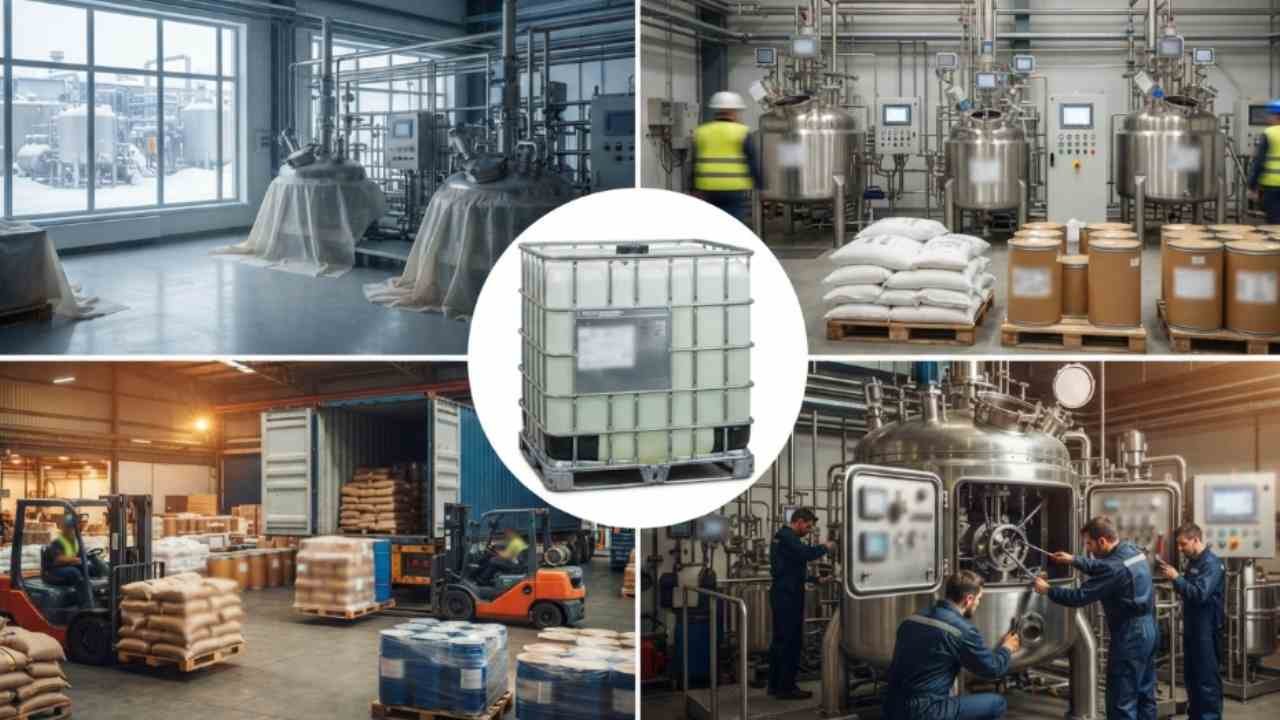
The annual pricing behavior1 of glycine is shaped by a distinct combination of industrial environmental regulations and global agricultural timelines. Because a vast majority of the world's glycine synthesis is concentrated in Chinese chemical manufacturing zones, local weather and environmental policies play a major role in pricing throughout the year. During the winter months, from November to February, northern Chinese provinces often implement strict air quality regulations and coal-to-gas restrictions to control industrial emissions. These local environmental directives force smaller, non-integrated glycine plants to curtail their operating capacity or shut down temporarily, tightening the spot market and driving FOB prices upward.
As spring approaches in the Northern Hemisphere, another cyclical price driver takes effect. Agrochemical manufacturers ramp up production of glyphosate and glufosinate herbicides ahead of the global planting season. Since tech-grade glycine is a primary precursor for these herbicides, this agricultural surge absorbs a significant portion of global glycine capacity, causing prices to spike. Conversely, during the mid-summer months of July and August, both feed mill2 demand and herbicide production naturally slow down, causing spot prices to stabilize. Buyers can utilize these seasonal trends by coordinating their procurement contracts with local partners like FINETECH, who track regional operating indexes in China to advise on the best buying windows.
| Season of the Year | Primary Market Dynamic | Industry Sourcing Impact | Sourcing Strategy Action |
|---|---|---|---|
| Winter (Nov to Feb) | Air emission restrictions | Reduces regional plant capacity | Pre-order safety buffer stock |
| Spring (Mar to May) | Agrochemical planting surge | High agricultural demand spikes prices | Secure fixed-price spring contracts |
| Summer (Jun to Aug) | Seasonal production lull | Lower spot prices and steady trading | Lock in long-term supply volumes |
| Autumn (Sep to Oct) | Pre-winter stocking rush | Increased demand from feed mills | Finalize winter orders early |
How Do Raw Material Costs Affect Glycine Prices?
Ignoring unpredictable shifts in liquid ammonia and monochloroacetic acid costs leaves buyers vulnerable to sudden supplier surcharges. Unmonitored precursors compress margins. Tracking raw materials protects procurement budgets.
Raw material costs directly shape glycine pricing because industrial synthesis is structurally dependent on monochloroacetic acid and liquid ammonia, meaning supply shifts in these upstream energy and petrochemical inputs instantly alter factory floor costs.
Dive Deeper into Acetic Acid Chlorination and Petrochemical Links
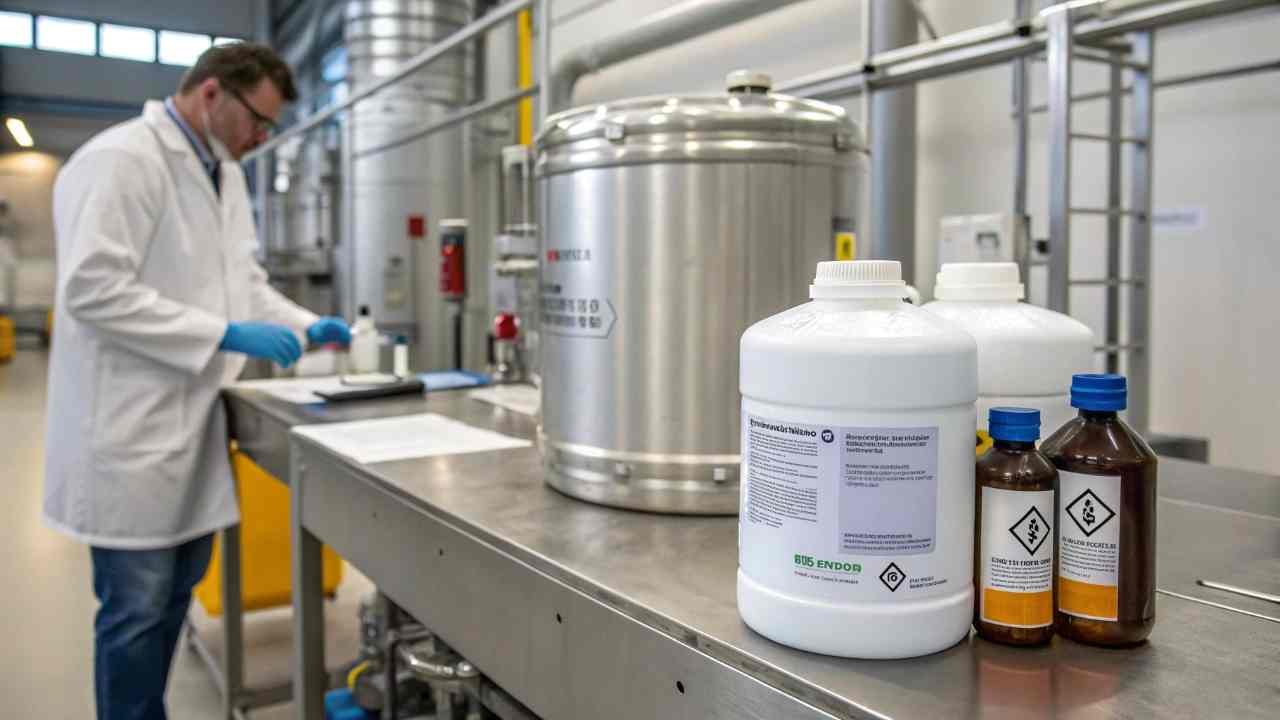
The production cost structure of food-grade and pharmaceutical-grade glycine3 is highly sensitive to price shifts in its upstream chemical precursors. Globally, the dominant industrial synthesis route for glycine is the chloroacetic acid ammonolysis process. This highly technical chemical pathway begins with the chlorination of acetic acid to synthesize monochloroacetic acid (MCA), which is then reacted with liquid ammonia under controlled catalytic conditions. Consequently, because liquid ammonia and acetic acid are bulk chemical commodities, the manufacturing cost of glycine is directly linked to the global energy, natural gas, and petrochemical markets.
For example, when international natural gas prices rise, the cost of synthesizing liquid ammonia—which relies heavily on natural gas steam reforming—increases instantly. Similarly, any capacity constraints at regional acetic acid refining plants cause MCA costs to climb. Since raw chemical precursors represent over sixty percent of the total cost of goods sold for glycine, manufacturers cannot absorb these cost shocks and must pass them directly to buyers through higher wholesale offers. Sourcing partners like FINETECH closely monitor these upstream markets in China, tracking regional MCA and ammonia price indexes to help buyers anticipate raw material cost fluctuations and secure stable pricing structures before factory-floor increases take effect.
| Key Chemical Precursor | Primary Energy Feedstock | Processing Role in Synthesis | Direct Pricing Impact |
|---|---|---|---|
| Monochloroacetic Acid | Acetic acid / Liquid chlorine | Key carbon-chain intermediate | Direct correlation with oil indexes |
| Liquid Ammonia | Natural gas / Coal | Provides essential amine group | Linked to natural gas and fertilizer |
| Process Catalysts | Hexamethylenetetramine | Promotes chemical reaction yields | Minimal overall price impact |
| Recycled Ammonia | Process byproducts | Lowers baseline synthesis waste | Offsets overall factory floor costs |
How Does Market Demand Influence Glycine Pricing?
Placing large-scale orders during agricultural herbicide spikes and pharmaceutical stock building results in paying inflated spot premiums. Unbalanced consumption squeezes capital. Aligning orders with market demand cycles preserves margins.
Market demand influences glycine pricing through the cyclical procurement needs of the agricultural sector for glyphosate synthesis, expanding poultry and pet food protein fortification, and rising demands for high-purity pharmaceutical-grade stabilizers.
Dive Deeper into Herbicide Synthesis and Premium Excipient Needs
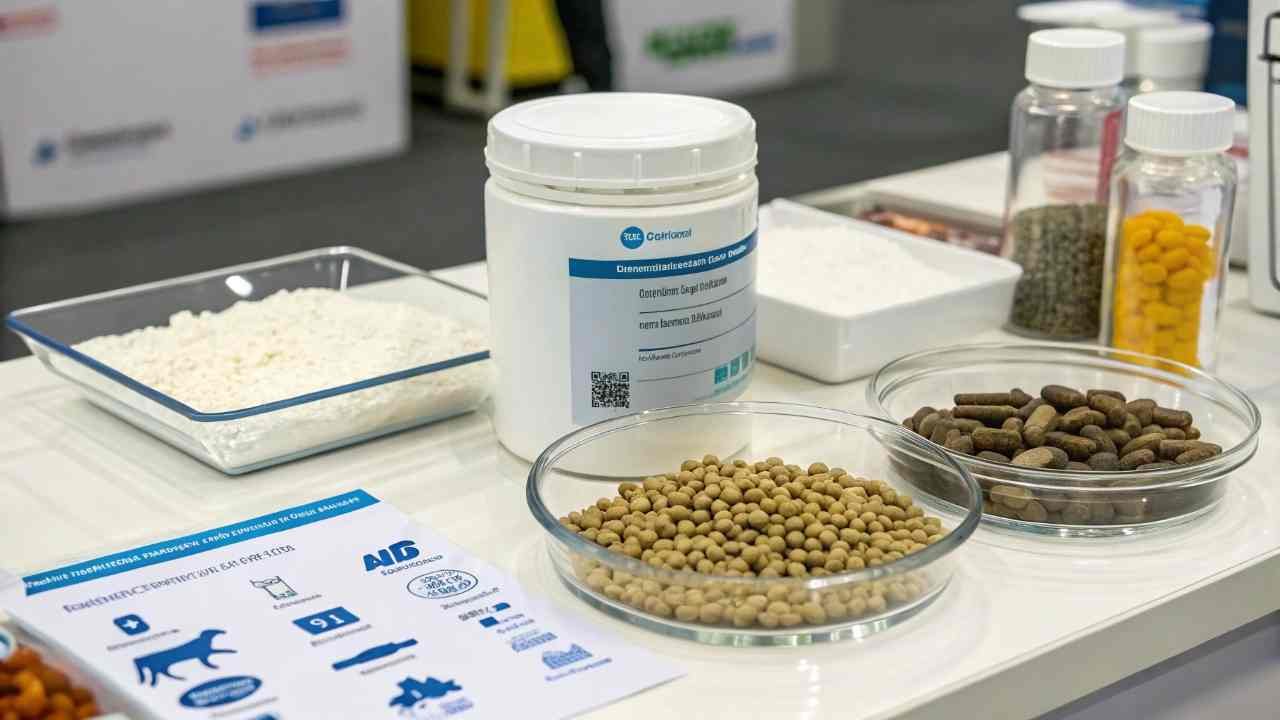
The global glycine market is unique because it serves multiple contrasting industries, each possessing different quality standards and purchasing power. The single largest driver of overall market volume is the agrochemical sector, where technical-grade glycine is utilized to synthesize glyphosate. Because the herbicide market operates on a massive scale, any changes in global glyphosate inventory levels or agricultural pricing cycles quickly alter glycine availability. When global herbicide demand increases, industrial plants allocate more resources to technical-grade production, reducing the availability of the refined crystallization lines used to produce food-grade and feed-grade glycine4.
In contrast, the premium pharmaceutical and clinical nutrition sectors drive demand for high-purity USP and EP grade glycine. The biopharmaceutical industry uses glycine as a stabilizer in sterile injectables, parenteral nutrition mixtures5, and advanced biological formulations. Because pharmaceutical manufacturers must satisfy strict purity guidelines and maintain high regulatory compliance, they are willing to pay significant price premiums to secure certified batches. This high-value demand keeps premium glycine prices insulated from technical-grade cycles, creating two distinct pricing levels within the same chemical category. Sourcing partners like FINETECH help buyers navigate these overlapping demand cycles, verifying that the selected supplier can deliver the correct grade without agricultural supply constraints.
| Sourcing Industry | Applied Product Grade | Key Application Role | Market Pricing Influence |
|---|---|---|---|
| Agrochemicals | Technical-industrial grade | Raw material for glyphosate | Highly volatile, high-volume driver |
| Pharmaceuticals | USP / EP Pharma grade | Injectable stabilizer, buffer | Premium, highly insulated pricing |
| Food & Beverage | FCC Food grade | Sweetener, bitterness masker | Steady, volume-based consumption |
| Animal Feed | Feed-safety additive grade | Swine & poultry nutrition | Steady seasonal demand spikes |
What Should Importers Know Before Buying Glycine in Bulk?
Importing high-volume chemical shipments without reviewing regional trade tariffs and regulatory certifications leads to costly custom delays. Overlooked compliance stalls logistics. Verification ensures smooth cargo clearance.
Importers must evaluate anti-dumping duties, verify required regulatory certifications like REACH for Europe, confirm specific particle sizes, and analyze regional ocean shipping rates to calculate accurate total landed costs.

Dive Deeper into Trade Remedies and Quality Specifications
Purchasing bulk glycine across international borders requires a clear understanding of regional trade regulations and technical quality parameters. For international importers, the primary financial variable to check is the presence of trade barriers. The United States, for example, imposes strict anti-dumping and countervailing duties on glycine imported from China, India, Japan, and Thailand. Failing to verify the country of origin or intermediate processing steps can expose importers to unexpected customs duties that can quickly erase any purchasing margins.
Beyond trade tariffs, buyers must confirm that the chemical specifications match their local regulatory requirements. Food-grade glycine must fully comply with the Food Chemicals Codex (FCC) monograph, specifying an active assay between 98.5% and 101.5% and heavy metal limits below 5 ppm. For European imports, the material must hold active REACH registrations to pass custom audits. Furthermore, the material's physical state must be checked, as glycine is highly hygroscopic and prone to caking during long ocean transits. Sourcing partners like FINETECH protect buyers by verifying all export documentation, auditing GHS safety labels, and managing pre-shipment inspections in China to ensure that the material complies with destination-market standards.
| Key Importing Risk | Potential Regulatory Impact | Quality Hazard Solved | Sourcing Prevention Action |
|---|---|---|---|
| Anti-Dumping Duties | Heavy financial customs tariffs | Prevents unexpected import fees | Verify and audit origin records |
| REACH Compliance | Port clearance customs holds | Satisfies European regulations | Select registered chemical plants |
| Hygroscopic Caking | Blocks raw material flow | Prevents container moisture damage | Use double-lined bags with desiccants |
| Trace Heavy Metals | Product recalls and violations | Keeps impurities below 5 ppm | Conduct pre-shipment ICP-MS tests |
How Can Buyers Optimize Glycine Procurement Costs?
Relying on short-term spot purchases exposes your supply chain to extreme market volatility and sudden inventory gaps. Transactional buying increases costs. Implementing structured cost controls protects operating budgets.
Buyers can optimize procurement costs by establishing multi-source supplier networks, negotiating index-linked annual volume contracts, optimizing packaging with bulk jumbo bags, and partnering with local sourcing agents to purchase directly from plants.

Dive Deeper into Integrated Factories and Volume Contracts
Implementing a structured cost-control strategy is essential to manage procurement budgets in a highly volatile chemical market. Sourcing teams should move away from transactional spot-market buying, which leaves their operations vulnerable to sudden price spikes. Instead, they should focus on building direct relationships with fully integrated manufacturers. Factories that synthesize their own monochloroacetic acid (MCA) and have direct pipelines for liquid ammonia are far less vulnerable to upstream raw material shortages, enabling them to offer stable wholesale pricing and reliable supply volumes.
Additionally, negotiating annual volume frame contracts with pricing formulas linked to transparent feedstock indexes protects both the buyer and the producer from market shocks. Buyers can also optimize logistics by importing in one-metric-ton bulk bags instead of standard twenty-five-kilogram bags, which reduces packaging fees and handling labor. Sourcing partners like FINETECH provide critical support in managing these cost controls directly in China. They help buyers identify integrated producers, verify active quality certifications, organize consolidated container shipments, and bypass intermediate trading broker markups, helping international importers maintain healthy margins and secure long-term supply stability.
| Cost Control Method | Technical Sourcing Action | Sourcing Operational Benefit | Expected Quality Outcome |
|---|---|---|---|
| Integrated Factories | Sourced from self-MCA plants | Minimizes feedstock price shocks | Long-term volume availability |
| Frame Agreements | Lock in index-linked pricing | Protects margins from spot spikes | Predictable raw material budgets |
| Bulk Jumbo Packing | Utilize 1 MT industrial bags | Reduces packaging handling costs | Lowers moisture exposure risks |
| Local Representation | Partner with firms like FINETECH | Bypasses intermediary trading markups | Direct factory compliance and checks |
Conclusion
Sourcing cost-effective glycine requires tracking regional environmental regulations, monitoring upstream ammonia and MCA costs, analyzing herbicide demand cycles, navigating import tariffs, and utilizing on-the-ground sourcing partners in China.
-
An industry trade report from AgriBusiness Global outlining regional production trends, manufacturing cost fluctuations, and Chinese raw material supply dynamics. ↩
-
A scientific opinion of the EFSA FEEDAP Panel (published via DOI) assessing the safety and efficacy of synthetic amino acids, including feed-grade glycine, for use in animal feed. ↩
-
Commission Regulation (EU) No 231/2012, which establishes the official specifications, purity parameters, and chemical criteria for EU-authorised food additives, including Glycine (E640). ↩
-
The official US eCFR page for 21 CFR § 170.50, outlining the regulatory restrictions of glycine in human food while confirming its safe, nutritive use status in animal feeds. ↩
-
A peer-reviewed study in MDPI's Nutrients reviewing the clinical safety, formulation guidelines, and metabolic role of amino acids in total parenteral nutrition (TPN) and clinical foods. ↩