
Sourcing bulk health ingredients without understanding amino acid biochemistries leads to low-efficacy supplement formulas, poor product dissolution, and lost brand loyalty. Unoptimized nutrients waste capital. Selecting bio-functional compounds secures performance.
Glycine is widely used in nutritional and health products because it serves as an essential precursor for glutathione and creatine synthesis, acts as a primary structural building block for collagen, supports sleep quality, and improves functional beverage flavor profiles.
Successfully manufacturing high-quality health and dietary supplements requires a disciplined approach to evaluating biochemical precursors and raw material grades. Brand owners must look beyond basic unit pricing to verify that their active ingredients satisfy strict pharmacopoeia and food-safety standards. Sourcing partners like FINETECH simplify factory checks, verify production compliance, and secure competitive pricing directly in China to guarantee bulk deliveries. This guide explains how glycine is used in nutritional and health products.
Why Is Glycine Added to Dietary Supplements?
Manufacturing daily supplements without key structural precursors limits cellular antioxidant defense systems and diminishes clinical efficacy. Substandard formulas stunt brand growth. Targeting high-purity metabolic intermediates optimizes wellness outcomes.
Glycine is added to dietary supplements because it acts as an inhibitory neurotransmitter that improves sleep quality, serves as a direct precursor to the antioxidant glutathione, and supports metabolic detoxification pathways.

Dive Deeper into Sleep Modulation and Glutathione Support
Glycine has become an essential component in dietary supplements due to its diverse roles in neurological and metabolic health. Within the central nervous system, glycine acts as an inhibitory neurotransmitter, binding to specific receptors in the brain stem and spinal cord to reduce neuronal hyperactivity. Clinical trials demonstrate that consuming three grams of high-purity glycine before bedtime calms brain activity, lowers core body temperature, and supports deep, restorative sleep cycles without causing morning drowsiness. This natural sleep-modulating effect1 makes it a valuable alternative to standard synthetic sedatives.
Additionally, glycine is one of the three precursor amino acids required to synthesize glutathione2, which is widely recognized as the human body’s primary intracellular antioxidant. Glutathione consists of glycine, cysteine, and glutamic acid, and it plays an indispensable role in protecting cellular structures from oxidative damage and assisting the liver during metabolic detoxification. As people age, the body's natural synthesis of glycine declines, which can limit glutathione production and weaken immune defenses. Fortifying dietary supplements with USP-grade glycine helps maintain optimal cellular antioxidant levels and supports healthy aging. Sourcing partners like FINETECH assist supplement brands by managing quality audits at Chinese chemical plants, verifying that the crystalline powder complies with strict USP or EP monographs.
| Health Application | Biological Mechanism | Target Metabolic Output | Nutritional Supplement Value |
|---|---|---|---|
| Sleep Support | Inhibitory neurotransmitter | Lowers core body temperature | Promotes deep, restorative sleep |
| Antioxidant Defense | Transsulfuration pathway | Glutathione biosynthesis | Protects cells from oxidative stress |
| Liver Detoxification | Conjugation pathway reactions | Hippuric acid elimination | Assists in clearing toxic metabolites |
| Cognitive Health | NMDA receptor co-agonist | Balanced neurotransmission | Supports memory and mental focus |
How Does Glycine Support Protein Nutrition Formulations?
Designing collagen and joint-support products without verifying amino acid ratios leads to incomplete tissue repair and poor protein utilization scores. Weak protein scores limit retail success. Correct amino balance restores physical structure.
Glycine supports protein formulations by serving as the primary structural building block of collagen, representing one-third of its total amino acid sequence, thereby promoting joint cartilage integrity and skin elasticity.
Dive Deeper into Collagen Synthesis and Connective Tissue Repair
Glycine plays a critical role in supporting structural protein formulations, particularly within the rapidly expanding joint and skin health categories. Although historically classified as a non-essential amino acid, modern metabolic research indicates that the body's internal synthesis of glycine (approximately three grams per day) is often insufficient to meet total physiological demands, especially during periods of heavy physical training, recovery from injury, or natural aging. This makes glycine a conditionally essential nutrient3 that must be obtained through dietary sources or specialized supplementation.
The primary destination for dietary glycine is the synthesis of collagen, which is the most abundant structural protein in mammalian connective tissues. Glycine represents approximately one-third of the total amino acid residues in the collagen triple-helix structure, where its small molecular size allows the protein chains to wind tightly together. Supplementary glycine provides the raw materials necessary to rebuild cartilage, strengthen bones, and maintain skin elasticity. By fortifying protein powders and bone broth formulations with crystalline glycine, manufacturers can optimize the overall amino acid profile to support joint health. Sourcing partners like FINETECH help brands verify the physical properties of food-grade glycine in China, ensuring that the powder blends evenly into dry protein mixes without separating.
| Structural Target | Protein Synthesis Role | Connective Tissue Impact | Product Formulation Goal |
|---|---|---|---|
| Joint Cartilage | Collagen triple-helix builder | Rebuilds worn articular cartilage | Improves joint flexibility and comfort |
| Dermal Elasticity | Structural protein foundation | Promotes skin hydration & density | Minimizes fine lines and wrinkles |
| Bone Density | Organic matrix structural mesh | Supports calcium deposition | Reduces risk of bone fractures |
| Tendon Strength | High-tensile fiber precursor | Increases connective tissue stretch | Enhances athletic structural recovery |
What Makes Glycine Suitable for Sports Nutrition Products?
Formulating high-performance pre-workout powders without critical nitric oxide and energy synthesis precursors reduces athletic recovery rates and limits training gains. Flat performance scores limit brand appeal. Metabolic boosters optimize physical recovery.
Glycine is suitable for sports nutrition because it serves as a key raw material for endogenous creatine synthesis, protects muscle tissue from catabolic breakdown, and stimulates natural growth hormone release.
Dive Deeper into Creatine Biosynthesis and Muscle Preservation
In the sports nutrition sector, glycine is valued for its unique combination of metabolic, structural, and organoleptic properties. One of its primary benefits for athletes is its role as a key precursor in the biosynthesis of creatine. Creatine is synthesized in the kidneys and liver from glycine, arginine, and methionine, and it is stored in skeletal muscle to provide the rapid energy needed for short, explosive bursts of physical activity. Supplementing with glycine ensures that the body has an abundant supply of the structural components required for internal creatine production, helping to support muscle power and physical endurance.
Additionally, glycine possesses anti-catabolic properties that help protect muscle tissue from breaking down during intense endurance training or periods of caloric restriction. It supports the synthesis of structural proteins and acts as a mild stimulator of natural growth hormone release when consumed in specific doses. For sports nutrition formulators, glycine also provides an exceptional taste advantage. It delivers a clean, pleasant sweetness without triggering a rapid insulin spike, making it an ideal calorie-free sweetening agent for low-carbohydrate pre-workout powders and post-workout recovery shakes. Sourcing partners like FINETECH assist sports supplement brands by verifying that the active glycine maintains excellent flowability and resists clumping during packaging.
| Performance Goal | Biochemical Pathway | Athletic Performance Benefit | Formulation Advantage |
|---|---|---|---|
| Creatine Production | Glycine-arginine transferase | Increases muscular power output | Boosts explosive strength capacity |
| Muscle Preservation | Anti-catabolic cell signaling | Reduces muscle tissue breakdown | Protects mass during caloric deficits |
| Hormone Stimulation | Pituitary gland activation | Stimulates growth hormone release | Supports muscle repair and recovery |
| Sugar Replacement | Low-glycemic sweetening | Calorie-free sweet taste base | Ideal for low-carb fitness powders |
How Is Glycine Used in Functional Beverage Formulations?
Creating vitamin-fortified energy drinks without masking metallic off-notes and preventing pH-driven ingredient degradation leads to poor taste ratings and short shelf lives. Off-flavors stall retail sales. Sensory stabilizers secure drink quality.
Glycine is used in functional beverages because of its excellent water solubility, pasteurization stability, pH buffering capacity, and its natural ability to mask the bitter off-notes of high-potency sweeteners.
Dive Deeper into Taste Masking and Pasteurization Stability
Integrating active compounds into functional beverages poses significant technical challenges for product developers. Many popular health ingredients, including vitamins, minerals, botanical extracts, and high-intensity sweeteners (such as stevia or monk fruit), introduce bitter, metallic, or grassy off-flavors that consumers find unappealing. Glycine serves as an exceptionally effective taste-masking agent4 in these liquid systems. Its clean, subtle sweetness interacts with taste receptors to suppress bitter overtones, while its natural chemical structure helps round out the harsh chemical spikes of artificial sweeteners, creating a more balanced, sugar-like taste profile.
Beyond sensory improvement, glycine provides critical physical and chemical benefits in beverage processing. It is highly soluble in water and remains completely stable under high-temperature pasteurization and hot-fill processing, ensuring that it does not degrade or lose nutritional potency during production. Additionally, glycine serves as an amphoteric pH buffer. It maintains a stable acid-base balance in both carbonated energy drinks and neutral dairy-based protein beverages, preventing the rapid pH fluctuations that can cause ingredient separation or color degradation. Sourcing partners like FINETECH help beverage brands secure premium food-grade glycine directly in China, managing pre-shipment laboratory checks to verify that every batch meets rigorous food safety standards.
| Beverage Challenge | Chemical Glycine Activity | Sensory & Physical Outcome | Sourcing Technical Value |
|---|---|---|---|
| Bitter Botanical Off-Notes | Suppresses bitter taste buds | Masks grassy herbal aftertastes | Enhances natural botanical flavors |
| Thermal Degradation | High chemical heat stability | Retains structure during hot-fills | Preserves consistent label claims |
| Acidity Fluctuations | Amphoteric chemical buffering | Stabilizes pH level of liquid | Prevents product phase separation |
| Mineral Metallic Taste | Chelates trace divalent metals | Softens mineral iron aftertastes | Improves consumer overall flavor |
What Trends Are Increasing the Demand for Glycine in Nutrition Products?
Failing to track clean-label wellness demand shifts leaves your supplement brand vulnerable to obsolete product lines and declining market share. Static portfolios hinder growth. Embracing functional ingredient trends secures retail longevity.
The demand for glycine is driven by the global expansion of the collagen peptide market, the rapid growth of active sleep-aid supplements, and the rise of clean-label sugar-reduction programs.
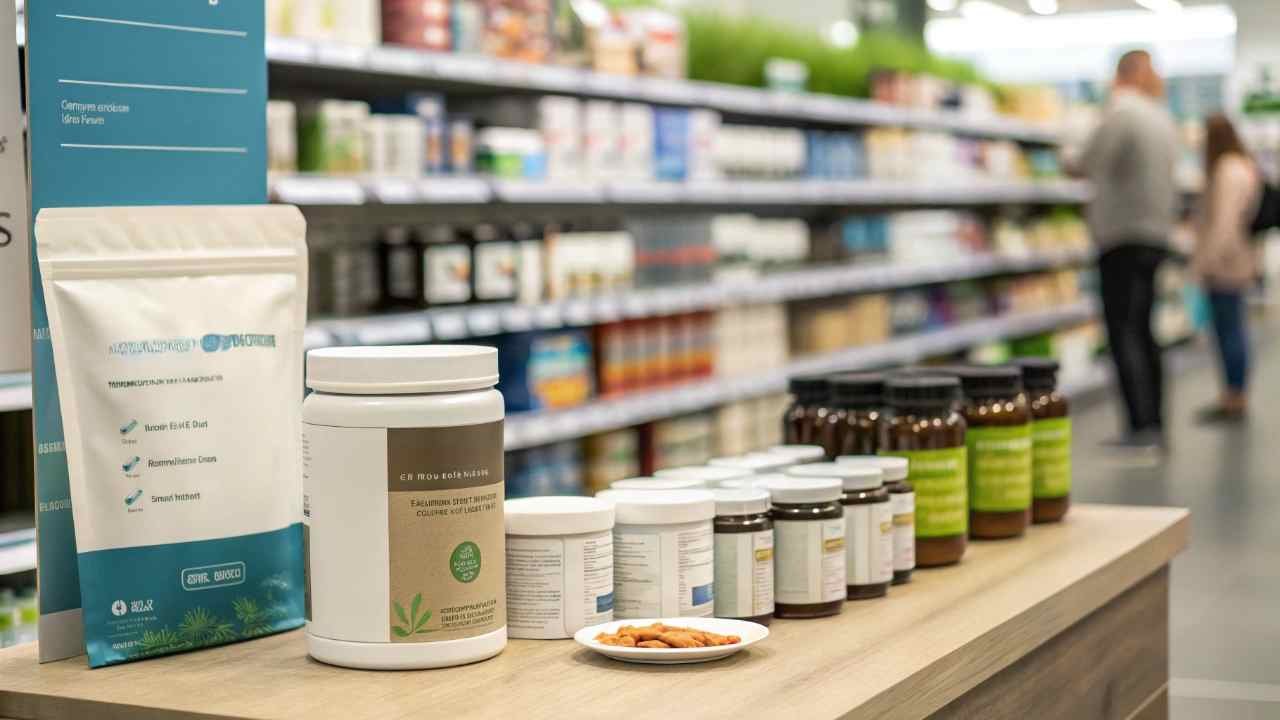
Dive Deeper into Nootropic Trends and Sustainable Plant Proteins
The global demand for food-grade and pharmaceutical-grade glycine is expanding due to several major trends in the health and wellness industries. One significant driver is the rapid rise of the "sleep and stress management" category, often referred to as nootropics or evening wellness products. Modern consumers are increasingly seeking non-habit-forming, natural alternatives to help them unwind. This has led to a surge in glycine-infused nighttime teas, powdered sleep blends, and relaxation shots, capitalizing on glycine’s proven ability to calm central nervous system activity and support deep sleep.
Another key driver is the ongoing expansion of the plant-based and vegan protein markets. While plant-based proteins are environmentally sustainable, they are often low in specific essential and structural amino acids. Formulators are increasingly using crystalline glycine to upgrade the amino acid profiles of pea, soy, and hemp protein isolates, ensuring that vegan protein5 shakes deliver comparable tissue-repair benefits to dairy-based whey. Sourcing partners like FINETECH help international buyers navigate these emerging trends. By maintaining deep connections with leading, certified Chinese manufacturers, they ensure that importers secure reliable, high-volume allocations of compliant glycine to satisfy growing consumer demands.
| Emerging Wellness Trend | Primary Consumer Driver | Glycine Functional Value | Sourcing Opportunity |
|---|---|---|---|
| Evening Relaxation | Sleep support and stress relief | Inhibitory neurotransmitter action | High demand for refined sleep aids |
| Vegan Protein Upgrades | Dairy-free nutritional parity | Fortifies structural amino acids | Boosts sales in plant protein powders |
| Sugar-Free Wellness | Weight control and low carbs | Natural calorie-free sweetener | Expands use in diet beverages |
| Active Collagen Blends | Anti-aging joint & skin health | Represents 1/3 of collagen chain | Drives bulk pharmaceutical sourcing |
Conclusion
Glycine is a highly effective amino acid that improves sleep quality, serves as a structural foundation for collagen synthesis, enhances creatine production, masks bitter beverage off-notes, and satisfies emerging wellness trends.
-
A peer-reviewed study in PMC investigating the neurological hypothermic and sleep-promoting effects of oral glycine intake mediated via suprachiasmatic nucleus receptors. ↩
-
A double-blind, randomized clinical trial published in Clinical and Translational Medicine evaluating how combined glycine and N-acetylcysteine (GlyNAC) supplementation corrects glutathione deficiency, improves mitochondrial function, and promotes healthy aging in older adults. ↩
-
A landmark metabolic study published in the Journal of Biosciences detailing how the stoichiometric constraints of internal human biosynthesis limit glycine production, classifying it as a conditionally essential amino acid. ↩
-
A peer-reviewed study in MDPI's Foods evaluating different pharmaceutical and food industry taste-masking technologies and excipient combinations used to overcome raw bitter and metallic off-flavors. ↩
-
A peer-reviewed study published in the British Journal of Nutrition assessing the total essential amino acid composition and complete protein quality profiles of commercially available vegan meat and dairy analogues. ↩