
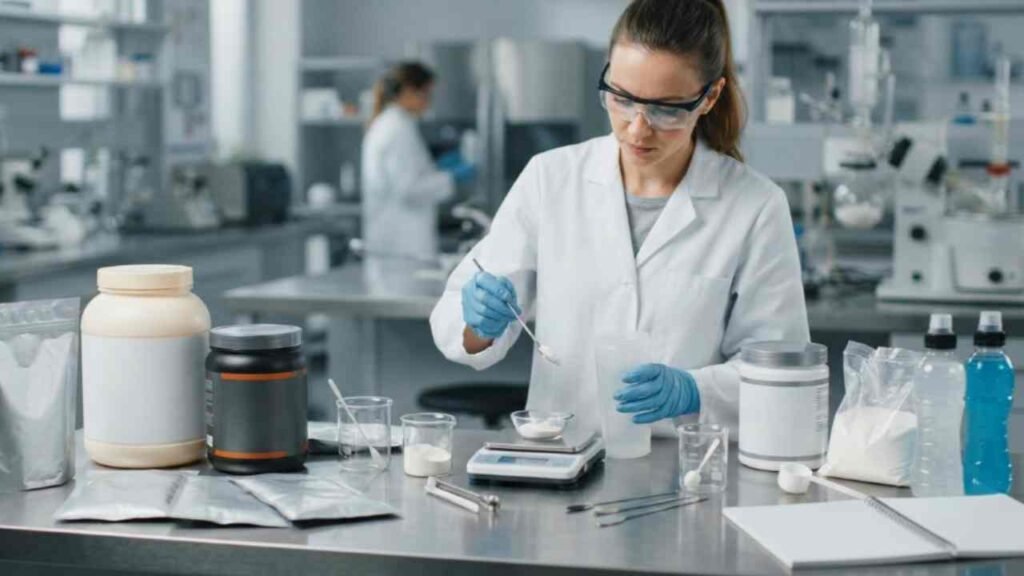
Formulating athletic powders without understanding the biochemical properties of the arginine series results in poor muscle pump delivery, unstable shelf lives, and bitter-tasting supplement lines. Vague ingredient choices lower product viability.
The arginine series is highly popular in sports nutrition due to its role as a direct substrate for nitric oxide synthesis, promoting vasodilation, increasing exercise endurance, clearing ammonia, and offering versatile formulation formats like L-Arginine HCl and AAKG.
Successfully manufacturing high-performance sports supplements requires a disciplined approach to selecting active amino acid profiles. Sourcing managers must examine specific biological pathways and physical powder behaviors to build effective, stable consumer products. Sourcing partners like FINETECH simplify factory checks, verify production compliance, and secure competitive pricing directly in China to guarantee bulk deliveries. This guide explains why the arginine series is popular in sports nutrition products.
Why Is Arginine Series Commonly Used in Pre-Workout Supplements?
Blending pre-workout supplements without optimizing vasodilation pathways leads to flat muscle pumps, slower nutrient delivery, and poor user reviews. Unenhanced formulas limit athletic performance. Targeted vasodilators drive recovery.
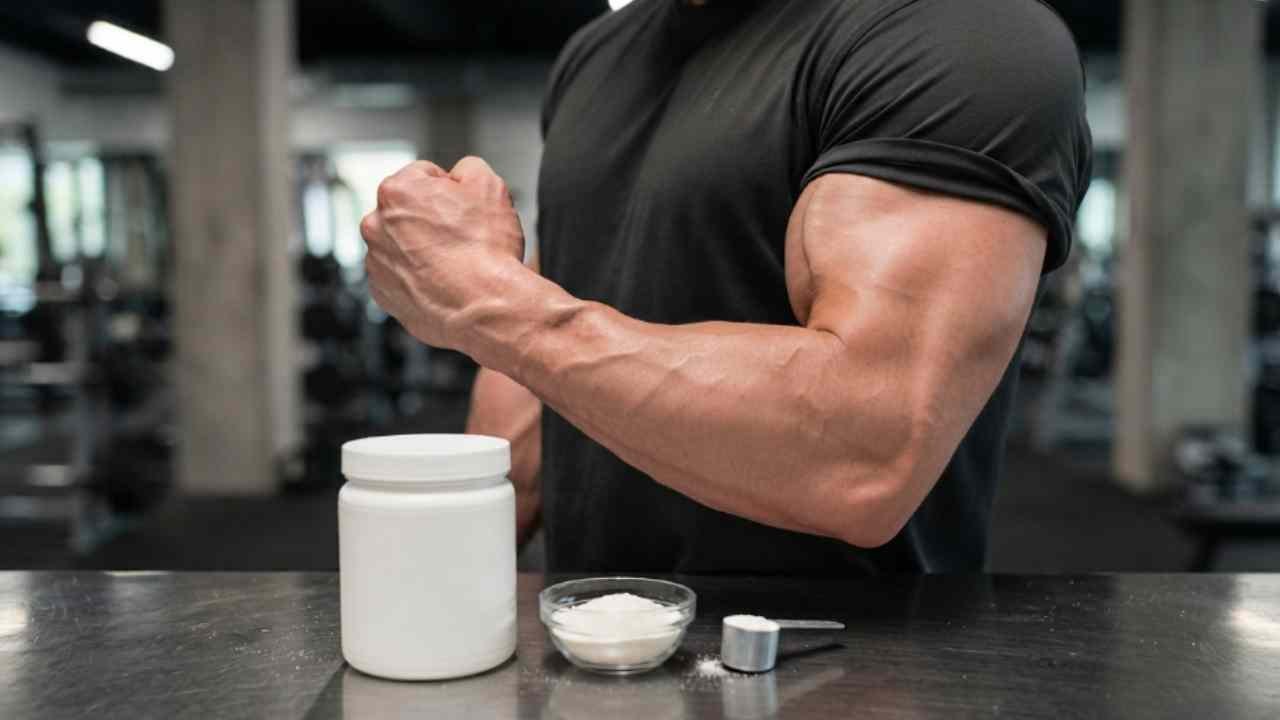
Arginine is commonly used in pre-workout supplements because it acts as a primary catalyst for the muscle pump effect, accelerating oxygenated blood flow, increasing nutrient transport, and supporting muscle cell volume.
Dive Deeper into Vasodilation and Ammonia Buffering
In the highly competitive sports nutrition1 market, pre-workout supplements are designed to maximize athletic power, delay the onset of muscle fatigue, and create the desirable "muscle pump" sensation. L-Arginine and its specialized derivative compounds are cornerstone ingredients in these formulations due to their unique physiological mechanisms. When consumed before intense physical training, arginine serves as a primary driver of vasodilation—the widening of blood vessels. This widening reduces vascular resistance, allowing a larger volume of oxygenated blood, glucose, and essential amino acids to be transported directly to active muscle tissues. This accelerated nutrient delivery fuels ATP production and supports muscle cell volume.
Beyond vasodilation, arginine plays a vital role in metabolic waste clearance. Intense resistance training causes a rapid accumulation of ammonia and lactic acid in muscle tissue, which contributes directly to localized muscle fatigue and burning sensations. Arginine is a key intermediate in the urea cycle2, the biochemical pathway responsible for converting toxic ammonia into urea for excretion. By accelerating this cycle, pre-workout formulas containing arginine help athletes sustain higher output levels for longer durations and recover faster between training sets. Sourcing partners like FINETECH assist supplement brands by evaluating factory specifications, ensuring they receive pure, free-flowing arginine that blends seamlessly into high-performance pre-workout mixes.
| Performance Goal | Physiological Mechanism | Arginine Action | Expected Athletic Outcome |
|---|---|---|---|
| Vasodilation | Relaxes vascular smooth muscle | Widens vascular pathways | Intense "muscle pump" sensation |
| Nutrient Delivery | Increases regional blood flow | Transports glucose & amino acids | Enhances muscle recovery speed |
| Fatigue Delay | Accelerates the urea cycle | Clears ammonia waste build-ups | Sustains high physical output |
| Cell Hydration | Increases osmotic pressure | Pulls water into muscle cells | Supports full muscle appearance |
How Does Arginine Series Support Nitric Oxide Production?
Formulating performance powders without supporting nitric oxide pathway biology can lead to weak vascular relaxation and poor oxygen delivery during intense workouts. Inefficient blood flow limits stamina. Biochemical substrates stimulate vasodilation.
Arginine supports nitric oxide production by acting as the direct biological precursor for the nitric oxide synthase enzyme, which converts the amino acid into nitric oxide and L-citrulline to relax blood vessels.
Dive Deeper into the Enzymatic Nitric Oxide Synthase Pathway
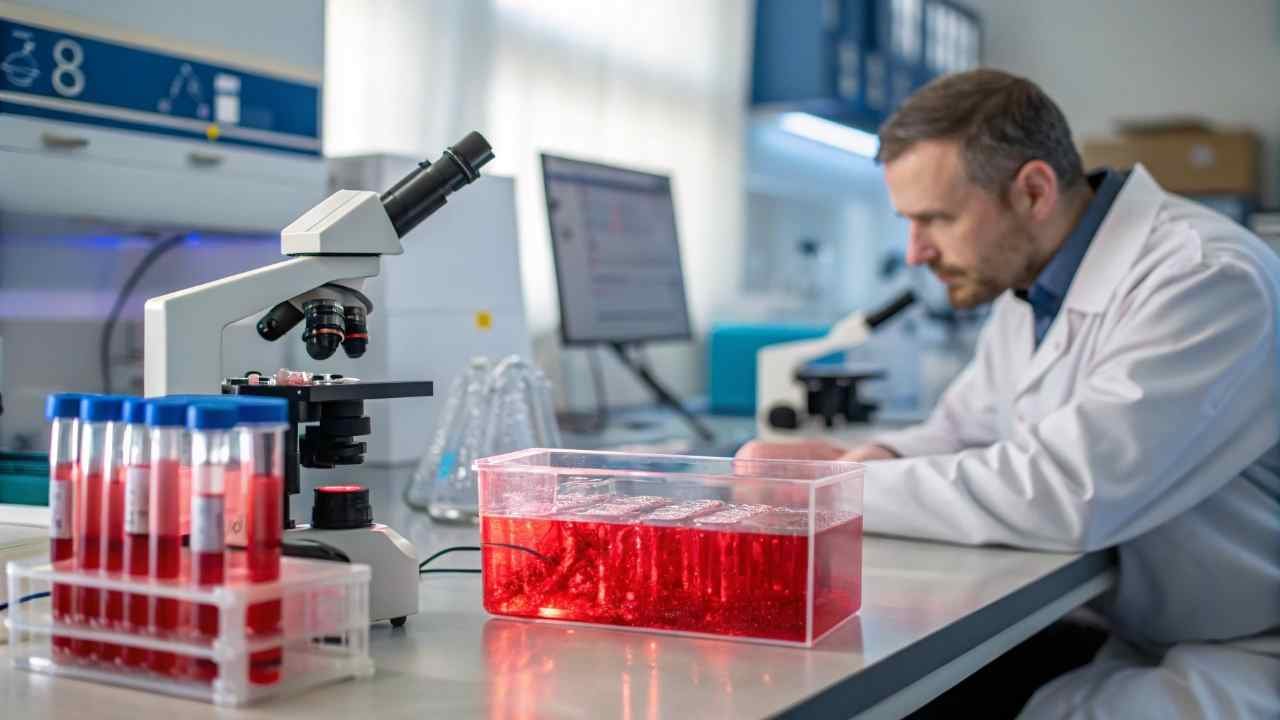
Understanding how the arginine series supports nitric oxide production requires analyzing the enzymatic pathways of human vascular biology. Inside the body, the endothelium (the inner lining of blood vessels) utilizes a specialized enzyme called nitric oxide synthase (NOS)3 to synthesize nitric oxide (NO), a powerful gas molecule that regulates vascular tone. L-Arginine is the direct, rate-limiting biological substrate for the NOS enzyme. During this enzymatic reaction, NOS oxidizes the nitrogen group of L-Arginine, converting it into L-citrulline and releasing nitric oxide gas.
Once synthesized, the nitric oxide gas diffuses rapidly into the surrounding vascular smooth muscle cells, activating an enzyme called soluble guanylyl cyclase. This enzyme triggers an increase in cyclic guanosine monophosphate (cGMP)4, which signals the smooth muscle fibers surrounding the arteries to relax and dilate. This dilation increases localized blood flow and enhances vascularity. Because arginine is the direct substrate in this process, maintaining high concentrations of cellular L-Arginine is critical for maximizing nitric oxide output during exercise. Sourcing partners like FINETECH support supplement manufacturers by securing high-grade, fully compliant arginine series materials from automated Chinese fermentation plants, guaranteeing the high biological activity needed for premium nitric oxide formulations.
| Biochemical Step | Biological Location | Enzymatic Reaction | Vascular Outcome |
|---|---|---|---|
| Substrate Binding | Endothelial cell lining | L-Arginine attaches to NOS enzyme | Initiates oxidation process |
| Gas Synthesis | Endothelial cytoplasm | NOS converts Arginine to L-Citrulline | Releases active Nitric Oxide gas |
| Signal Activation | Vascular smooth muscle | NO gas stimulates cGMP pathways | Triggers smooth muscle relaxation |
| Arterial Dilation | Arterial walls | Muscle fibers relax and expand | Lowers blood pressure, increases flow |
Which Arginine Series Products Are Most Popular in Sports Nutrition?
Sourcing generic arginine materials without differentiating between salt and compound forms can cause poor dissolution speeds and unpalatable taste in finished powders. Unoptimized formats compromise formula appeal. Differentiated derivatives optimize products.
The most popular arginine products in sports nutrition are L-Arginine HCl for its excellent cold-water solubility, L-Arginine Base for high active concentration, and L-Arginine Alpha-Ketoglutarate for optimized metabolic absorption.
Dive Deeper into Active Concentrations and Metabolic Absorption Boosters
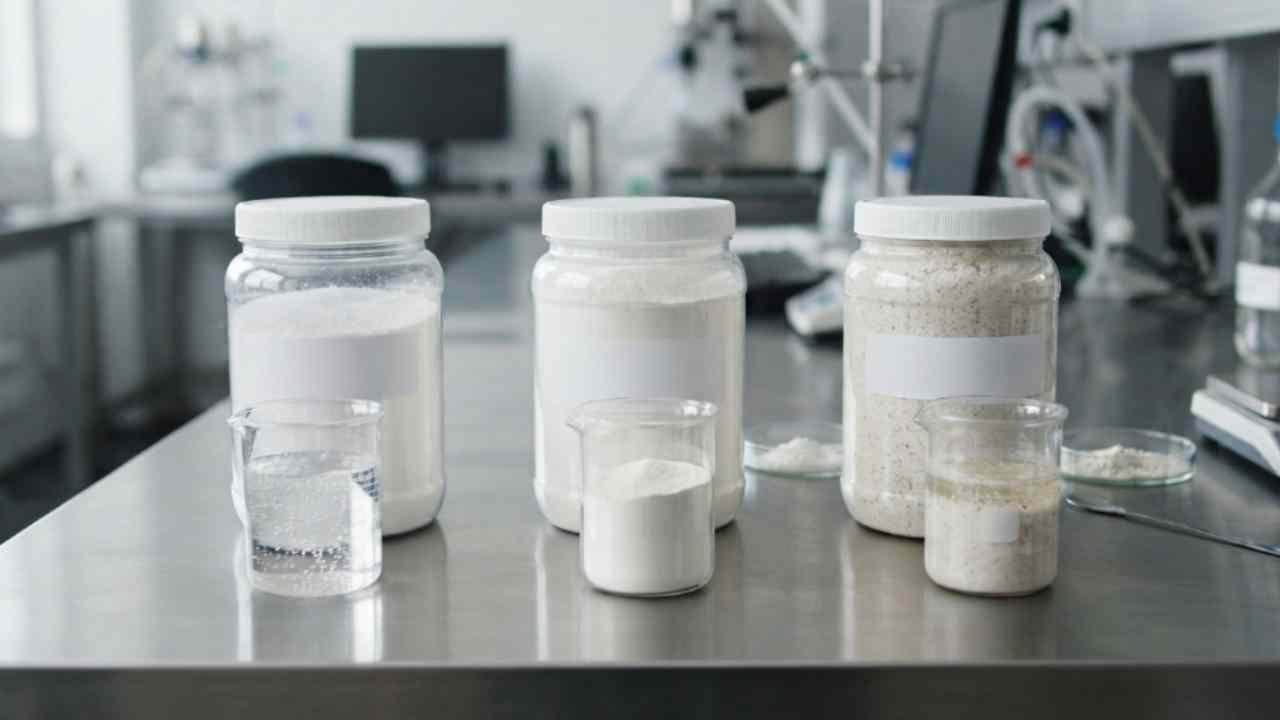
Manufacturers of sports nutrition products utilize several distinct forms of the arginine series to achieve specific solubility, stability, and absorption profiles. The most common commercial forms are L-Arginine Base, L-Arginine HCl, and L-Arginine Alpha-Ketoglutarate (AAKG)5. L-Arginine Base represents the pure, free-form amino acid, offering approximately one hundred percent active ingredient by weight. While it provides the highest active payload, its high alkalinity and slower dissolution speed in cold water can make it challenging to formulate into instant-mix beverage powders.
To resolve these processing challenges, L-Arginine HCl is widely utilized. By reacting the base with hydrochloric acid, manufacturers produce a highly stable, water-soluble salt. L-Arginine HCl dissolves rapidly and has a near-neutral pH, making it the preferred choice for instant pre-workout drinks. Another highly popular variant in bodybuilding supplements is AAKG, which pairs two molecules of L-Arginine with one molecule of alpha-ketoglutarate, an intermediate in the Krebs cycle. AAKG is favored for its potential to support cellular energy production while providing a sustained nitric oxide release. Sourcing partners like FINETECH help brands navigate these options, procuring the exact chemical forms that match their solubility and absorption targets.
| Arginine Derivative | Active Payload Yield | Primary Formulation Benefit | Common Supplement Application |
|---|---|---|---|
| L-Arginine Base | Approximately 100% | Highest active amino concentration | Compressed tablets and capsules |
| L-Arginine HCl | Approximately 82% | Rapid solubility, neutral pH | Instant-mix pre-workout powders |
| AAKG (2:1) | Approximately 65% | Pairs with Krebs cycle intermediate | Premium muscle pump formulations |
| L-Arginine L-Aspartate | Approximately 50% | Synergistic anti-fatigue effects | Recovery drinks and wellness capsules |
How Do Manufacturers Select the Right Arginine Series for Supplement Formulas?
Choosing arginine variants without analyzing raw pH levels and static electrical behaviors causes severe manufacturing blocks and unpalatable beverage profiles. Incompatible materials disrupt packaging lines. Vetted parameters secure batch stability.
Manufacturers select the right arginine variant by comparing active amino payloads, analyzing formulation pH stability, evaluating taste-masking capabilities, and checking particle mesh sizes to avoid static clumping during dry blending.
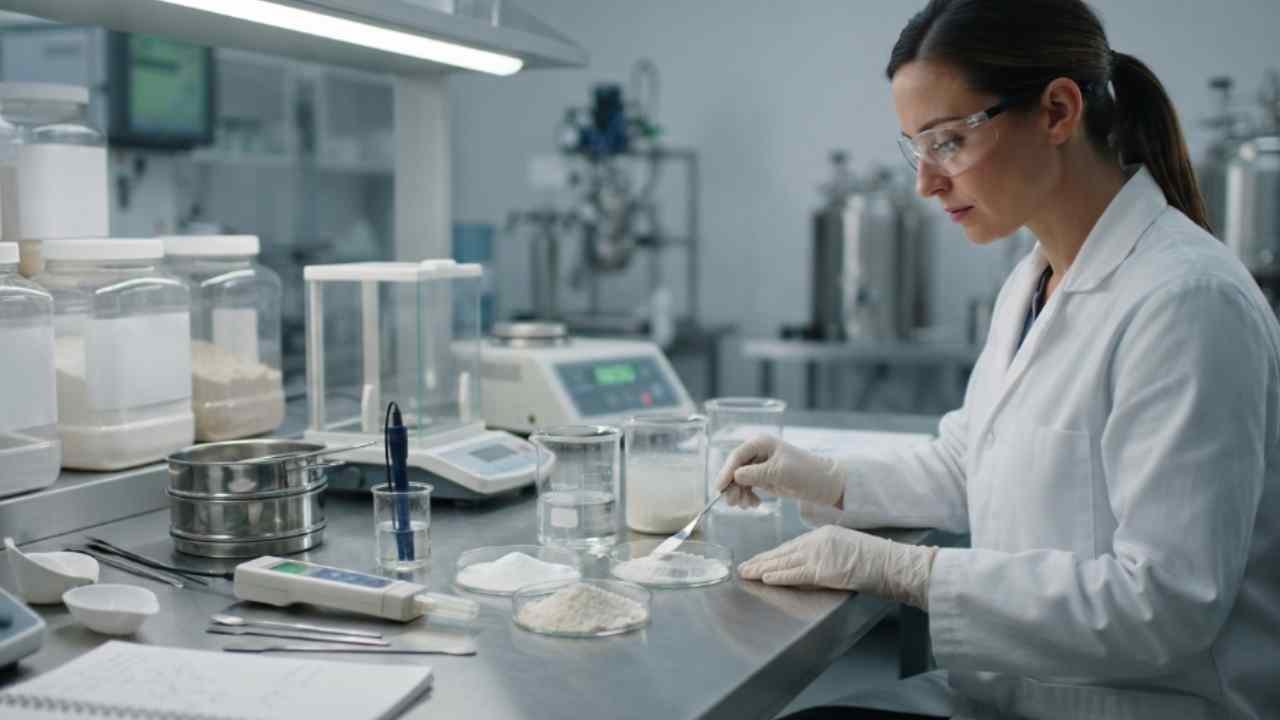
Dive Deeper into Physical Flowability and Formulation pH Balance
Selecting the ideal arginine series product for a supplement formula requires balancing physical powder characteristics with biochemical compatibility. One of the first variables formulation chemists must evaluate is the pH of the finished powder blend. L-Arginine Base is highly alkaline (pH 10.5 to 11.5), which can neutralize acidulants like citric acid and denature whey proteins if added to a liquid mixture. Therefore, for ready-to-drink beverages and acid-based pre-workout powders, L-Arginine HCl (pH 5.5 to 6.5) is usually selected to maintain flavor stability and prevent ingredient degradation.
Physical flowability6 is another critical selection parameter. Arginine Base often crystallizes as fluffy, needle-like particles that are prone to developing static electrical charges during mechanical blending. This static behavior causes the powder to stick to packaging hoppers, resulting in weight variations in the finished product. To prevent these mechanical issues, manufacturers prefer granular L-Arginine HCl or custom-milled mesh sizes that ensure uniform blending and high-speed packaging runs. Sourcing partners like FINETECH provide essential support by coordinating sieve analyses and physical property verifications at Chinese factories, ensuring that the supplied powders meet the exact physical requirements of the buyer's packaging equipment.
| Selection Metric | Formulation Challenge | Engineering Solution | Sourcing Precaution |
|---|---|---|---|
| pH Compatibility | Base neutralizes fruit acid flavors | Formulate using L-Arginine HCl | Verify standard pH limits on COA |
| Powder Clumping | Static charge in needle crystals | Utilize micro-granulated powders | Request calibrated sieve analysis |
| Flavor Masking | Harsh soapy alkaline taste | Blend with citric acid and sweeteners | Audit organic volatile impurities |
| Active Dosing | Salt weight lowers payload | Adjust dose calculation upward | Verify active assay percentages |
What Market Trends Are Increasing Demand for Arginine Series?
Relying on synthetic, chemical-based ingredients restricts product appeal in a modern wellness market that demands natural, clean-label raw materials. Synthetic additives limit market reach. Fermented, plant-derived amino acids satisfy consumers.
Market trends boosting arginine demand include the massive growth of non-stimulant pre-workouts, consumer preferences for non-GMO fermented vegan ingredients, and a rising crossover between athletic performance and cardiovascular health.

Dive Deeper into Non-Stimulant Supplements and Vegan Fermentation
The global demand for the arginine series in sports nutrition is expanding rapidly, driven by several major consumer trends and formulation shifts. A primary driver is the rising popularity of non-stimulant (caffeine-free) pre-workout supplements. Historically, pre-workout products relied heavily on high doses of caffeine and other central nervous system stimulants to provide energy. However, modern fitness consumers are increasingly seeking stimulant-free alternatives that support blood flow, mental focus, and muscle pumps without causing jitters or sleep disruptions. This shift has forced supplement brands to increase their dosages of nitric oxide precursors like arginine and citrulline.
Additionally, the clean-label movement has generated a strong preference for plant-derived, non-animal-sourced amino acids. High-quality arginine is produced via microbial fermentation of agricultural starches such as corn, which aligns with vegan and non-GMO consumer preferences. Finally, a growing consumer interest in active aging and cardiovascular wellness has created a crossover market where arginine is used in daily heart-health supplements to support arterial elasticity. Sourcing partners like FINETECH help buyers capitalize on these trends by auditing Chinese fermentation plants to secure non-GMO, allergen-free, and vegan-certified arginine series products that satisfy clean-label standards.
| Sourcing Trend | Consumer Driver | Formulation Shift | Sourcing Certification Need |
|---|---|---|---|
| Stim-Free Products | Avoids caffeine jitters | Increases dose of vasodilators | Highly soluble L-Arginine HCl |
| Vegan Sourcing | Cruelty-free lifestyle | Uses corn-starch fermentation | Non-GMO & plant-derived statement |
| Clean Labeling | Avoids chemical additives | Removes artificial coloring agents | Heavy metal levels below 5 ppm |
| Heart Health Crossover | Focuses on arterial elasticity | Combines Arginine with vitamins | Pharmaceutical-grade USP monographs |
Conclusion
The popularity of the arginine series in sports nutrition is driven by its essential role in nitric oxide vasodilation, recovery-boosting ammonia clearance, versatile formulation properties, and the growth of clean-label, stimulant-free athletic supplements.
-
A systematic review in the Journal of the International Society of Sports Nutrition (JISSN) evaluating the performance effects of nitrate, L-arginine, and L-citrulline in endurance and athletic training. ↩
-
A comprehensive peer-reviewed review in The EMBO Journal detailing the biochemical pathways, regulatory mechanisms, and metabolic flux of arginine at the crossroads of nitrogen metabolism and the urea cycle. ↩
-
A foundational research paper in the Biochemical Journal illustrating the enzymatic functions of nitric oxide synthase (NOS) and the cellular compartmentation and metabolic pathways of arginine. ↩
-
A peer-reviewed study in the American Heart Association's Circulation Research reviewing the specific biochemical and physiological pathways through which cyclic guanosine monophosphate (cGMP) induces smooth muscle relaxation. ↩
-
A double-blind, randomized, controlled clinical study published in Nutrition evaluating the pharmacokinetics, safety profiles, and exercise performance effects of L-arginine alpha-ketoglutarate (AAKG) supplementation. ↩
-
A comprehensive scientific review published in MDPI Powders evaluating the physical properties, moisture dynamics, cohesive forces, and operational methodologies used to enhance and evaluate food powder flowability. ↩