
Sourcing bulk NAC without tracking precursor reagent costs, environmental winter shutdowns, and hidden logistical protection fees leads to sudden margin collapses and severe budget overruns.
N-Acetyl-L-Cysteine price trends are driven by precursor L-cysteine and acetic anhydride costs, premium purification costs for pharmaceutical grades, environmental regulatory closures, hidden oxygen-barrier packaging expenses, and strategic procurement contracts.
Successfully optimizing raw material costs requires a disciplined approach to analyzing chemical manufacturing processes and international supply chains. Sourcing managers must examine biochemical conversion ratios and physical handling variables to protect their procurement budgets. Sourcing partners like FINETECH simplify factory checks, verify production compliance, and secure competitive pricing directly in China to guarantee bulk deliveries. This analysis explains what factors influence N-Acetyl-L-Cysteine (NAC) price trends.
How Do Raw Material Costs Affect N-Acetyl-L-Cysteine (NAC) Prices?
Ignoring volatile glucose crops and tightly restricted acetylation reagent licensing leaves procurement departments vulnerable to sudden factory-level price surcharges. Unmonitored overheads inflate budgets.
Raw material costs drive NAC pricing because synthesis depends on L-cysteine feedstocks—influenced by agricultural grain and feather markets—and strictly regulated, high-license acetylating agents like acetic anhydride.
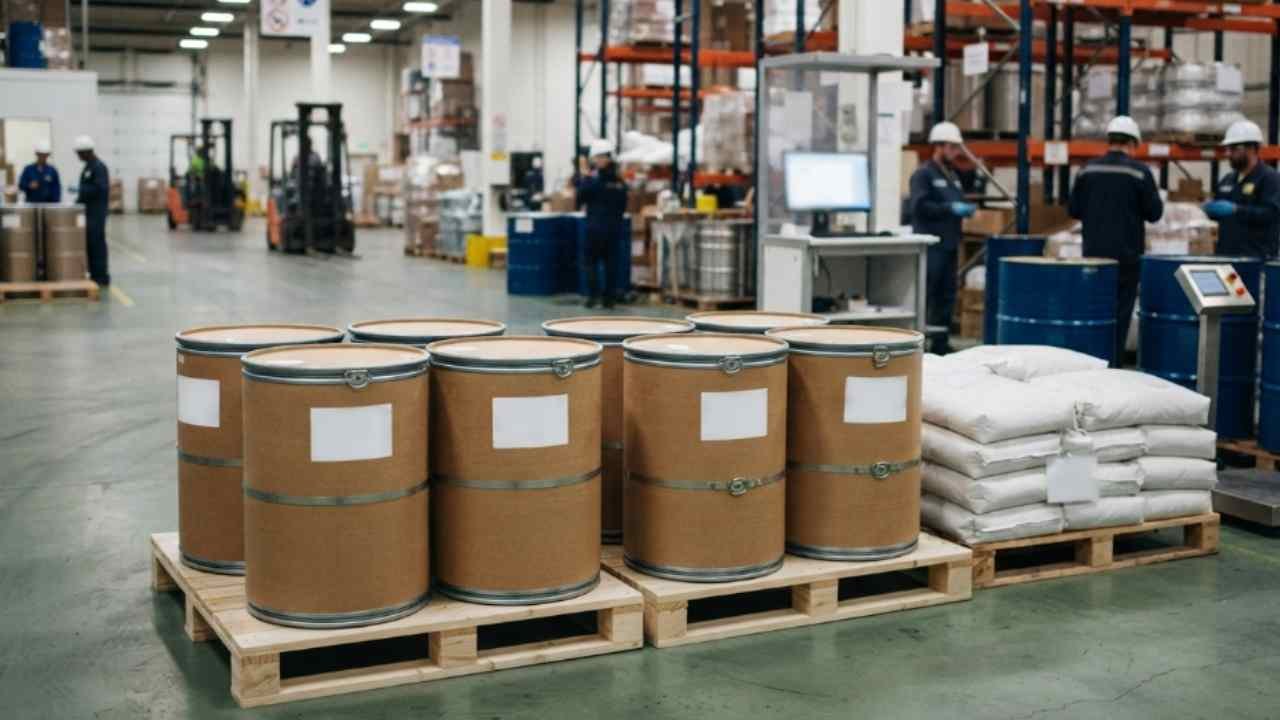
Dive Deeper into L-Cysteine Sourcing and Acetylation Reagent Licensing
The global pricing of N-Acetyl-L-Cysteine (NAC) is fundamentally shaped by the raw material economics of its primary chemical inputs: L-cysteine and the acetylating agent. L-cysteine represents the largest cost component in the synthesis of NAC. It can be derived either through the traditional acid hydrolysis of animal keratins (such as poultry feathers) or via modern microbial fermentation1 of agricultural starches. The keratin-based route is highly sensitive to livestock disease outbreaks, which can restrict supply and cause sudden raw material price spikes. In contrast, the fermentation-based route is influenced by global grain and glucose markets, where fluctuations in corn and sugar cane prices directly alter the baseline manufacturing costs.
Beyond the amino acid substrate, the acetylation process requires specialized chemical reagents, primarily acetic anhydride or acetyl chloride. Because acetic anhydride is a dual-use chemical precursor that is heavily restricted under international narcotics laws, factories must obtain strict government licenses to purchase, transport, and store it. These regulatory requirements limit the number of certified factories capable of producing NAC, creating localized supply constraints. Sourcing partners like FINETECH monitor these upstream raw material indexes and licensing requirements in China, helping buyers negotiate fair contract pricing based on real-time market data.
| Cost Variable | Primary Input Source | Downstream Price Impact | Strategic Sourcing Action |
|---|---|---|---|
| Keratin L-Cysteine | Poultry feathers | Volatile price spikes | Track livestock disease indexes |
| Fermented L-Cysteine | Corn starch / Glucose | Tied to global grain markets | Monitor regional crop harvests |
| Acetic Anhydride | Regulated chemical reagent | High licensing compliance fees | Verify factory permit histories |
| Energy & Utilities | Steam and electricity | Inflates baseline operating costs | Partner with energy-stable plants |
Why Do Different Purity Grades of N-Acetyl-L-Cysteine (NAC) Have Different Prices?
Procuring standard food-grade amino acids for highly sensitive clinical or injectable formulations results in severe quality failures and customs holding actions. Premium purification steps justify cost.
Different purity grades carry diverse price tags because pharmaceutical-grade NAC requires extensive high-vacuum crystallization, strict oxygen-purging, sterile nitrogen-blanketing, and rigorous analytical related-substance screenings.

Dive Deeper into High-Vacuum Crystallization and Oxygen-Free Purification
The price structure of the NAC market is clearly segmented by purity grades, reflecting the varied processing complexity and quality control standards required for different applications. Standard food-grade and dietary supplement-grade NAC are typically priced as bulk commodities. These grades require standard crystallization and drying processes to achieve an active assay of ninety-nine percent, with related substances like unreacted L-cysteine kept below 0.5%.
Conversely, pharmaceutical-grade NAC—utilized in clinical intravenous solutions, inhalation therapies, and prescription drugs—demands a significantly higher price premium. Achieving pharmaceutical-grade purity requires advanced, energy-intensive purification technologies. Factories must implement multi-stage recrystallization, high-vacuum distillation, and continuous sterile nitrogen-blanketed loops to prevent the active sulfhydryl group from oxidizing into the inactive dimer, N,N-diacetyl-L-cystine (di-NAC). The limit for related substances in pharmaceutical grades is exceptionally tight, often requiring di-NAC levels to remain strictly below 0.2%. Additionally, these premium batches must undergo rigorous testing for heavy metals2 down to parts-per-billion levels and satisfy endotoxin-free standards. Sourcing partners like FINETECH help buyers evaluate these grade-specific differences, ensuring that they procure the correct specification without paying unnecessary premiums for over-engineered materials.
| Product Grade | Active NAC Assay | Purification Level | Pricing Category |
|---|---|---|---|
| Standard Food Grade | 98.0% to 102.0% | Standard crystallization | Commodity baseline pricing |
| Premium supplement | Minimum 99.0% | Double recrystallization | Moderate value brand |
| Pharmaceutical API | Minimum 99.5% | High-vacuum purification | Premium specialized cost |
| Sterile Clinical | Minimum 99.8% | Closed sterile processing | Ultimate high-tier pricing |
How Do Regulatory Changes Influence the N-Acetyl-L-Cysteine (NAC) Market?
Underestimating environmental compliance mandates and sudden FDA policy shifts exposes your import pipeline to immediate customs holds and manufacturing stoppages. Unmitigated compliance risks disrupt logistics.
Regulatory changes influence pricing through winter environmental emission rollbacks in Asian chemical hubs, anti-pollution wastewater audits, and historical food-versus-drug status changes in Western dietary markets.
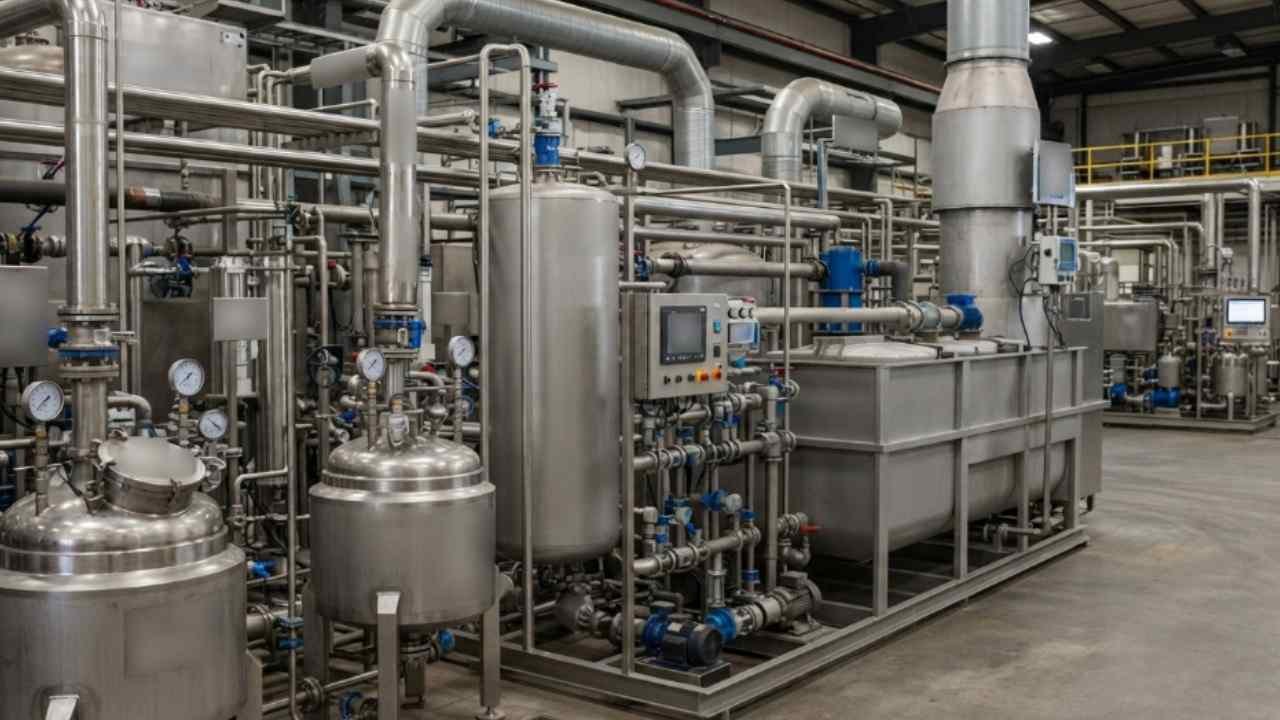
Dive Deeper into Environmental Wastewater Compliance and FDA Status Shifts
The global NAC market has historically experienced high price volatility driven by regulatory shifts and environmental policies in key manufacturing hubs. A primary regulatory driver is environmental compliance in China and India, where the majority of global NAC synthesis takes place. The chemical acetylation of L-cysteine generates large volumes of highly acidic, sulfur-rich wastewater with high chemical oxygen demand (COD). To meet strict national environmental standards, factories must operate complex and expensive waste treatment facilities. During regional anti-pollution audits, particularly in the winter months, local governments often order plants that fail to meet wastewater standards to reduce their operating capacity, instantly tightening spot supply and driving up prices.
Additionally, policy decisions in importing countries can trigger massive demand shocks. A notable historical example is the US FDA’s changing stance on the regulatory status of NAC in dietary supplements, which caused major retail platforms to temporarily halt sales, disrupting global demand and causing price fluctuations. While the US market has stabilized under enforcement discretion, staying compliant with changing global standards remains essential. Sourcing partners like FINETECH protect buyers by tracking environmental policies and pre-screening Chinese manufacturers to ensure they maintain full regulatory compliance, protecting shipments from sudden regulatory halts.
| Regulatory Factor | Primary Location | Downstream Sourcing Impact | Sourcing Preventive Action |
|---|---|---|---|
| Wastewater Audits | China & India | Sudden plant closures, low supply | Audit plant wastewater permits |
| Winter Emissions | Northern China hubs | Seasonal operating cuts | Place winter orders months ahead |
| FDA Status Decisions | United States | Sudden retail demand shifts | Verify supplement compliant status |
| REACH Registration | European Union | Restricts un-registered imports | Confirm valid REACH registrations |
What Hidden Procurement Costs Should Buyers Consider for N-Acetyl-L-Cysteine (NAC)?
Overlooking vulnerable thiol group properties and international freight temperatures results in receiving heavily oxidized, caked cargo that must be completely discarded. Unchecked logistics drain capital.
Hidden procurement costs include premium nitrogen-purged double PE packaging, oxygen-barrier aluminum bags, temperature-controlled ocean shipping to prevent oxidation, and third-party laboratory verification fees.
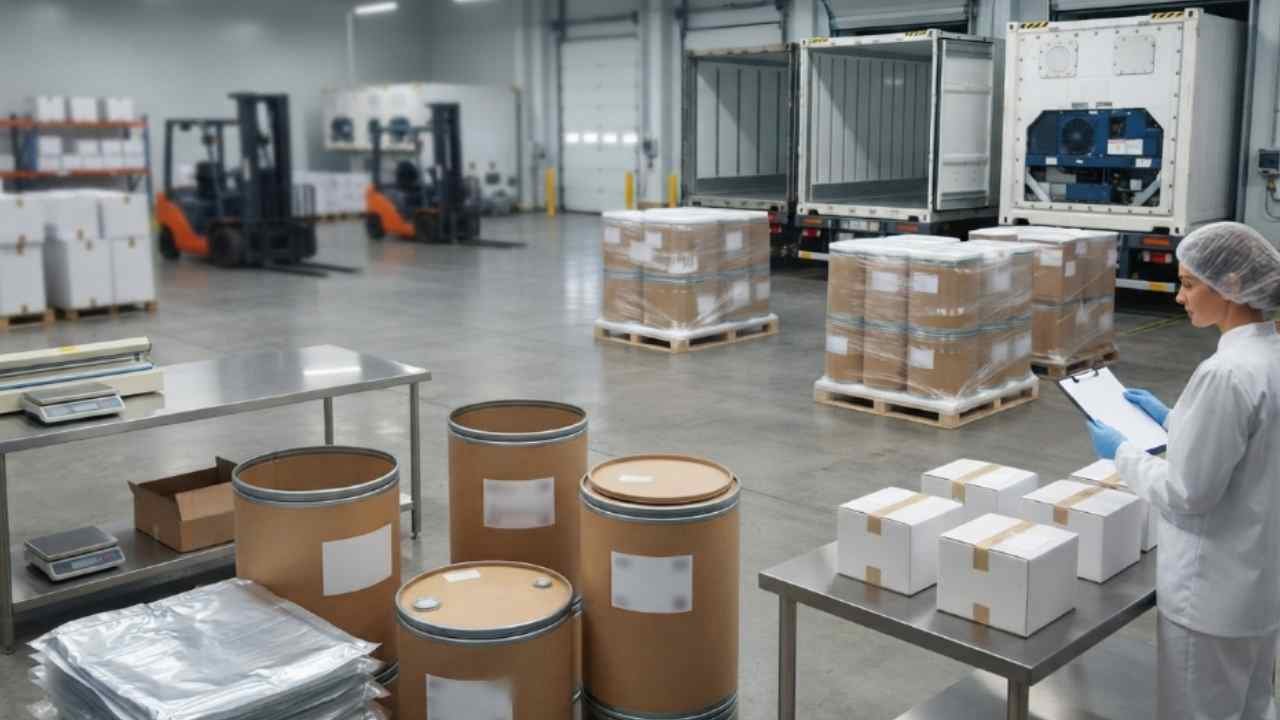
Dive Deeper into Nitrogen Flushing, Aluminum Barrier Bags, and Reefer Containers
When calculating the total cost of ownership for imported NAC, procurement managers must look beyond the initial FOB (Free on Board)3 factory quote and account for several significant hidden costs associated with the compound’s chemical sensitivity. Because the active sulfhydryl (thiol) group on the NAC molecule is highly prone to oxidation, exposure to ambient air and moisture will quickly convert the active compound into inactive di-NAC, releasing an unpleasant sulfurous odor and ruining the sensory profile of the finished supplement.
To prevent this degradation, buyers must pay premium packaging fees for advanced moisture and oxygen barriers. This includes hermetically sealed, double-layer polyethylene bags flushed with inert nitrogen gas, further sealed inside heavy-duty aluminum foil barrier bags with active desiccant packs, and packed in durable fiber drums. Additionally, international maritime shipping poses thermal risks; standard shipping containers can reach temperatures over sixty degrees Celsius, accelerating oxidation. Importers must therefore budget for temperature-controlled reefer containers4 or high-quality thermal blankets during transit. Sourcing partners like FINETECH mitigate these hidden costs by auditing factory packaging lines, verifying the quality of the nitrogen flush, and coordinating climate-controlled logistics to ensure that the cargo arrives in perfect condition.
| Hidden Procurement Cost | Cause of Cost | Technical Risk Vetted | Preventive Sourcing Action |
|---|---|---|---|
| Nitrogen Purging | Prevents atmospheric oxidation | Prevents dimerization to di-NAC | Audit heat-seal lines at factory |
| Aluminum Barriers | Hermetic gas protection | Stops ambient oxygen ingress | Require thick foil barrier liners |
| Reefer Logistics | Climate-controlled transport | Prevents thermal browning decay | Use reefer or container blankets |
| Isotopic Lab Testing | Verifies non-animal sourcing | Confirms vegan-friendly claims | Pre-test composite lot samples |
How Can Buyers Improve Cost Efficiency When Purchasing N-Acetyl-L-Cysteine (NAC)?
Buying active wellness compounds solely on the spot market exposes your commercial formulations to extreme price volatility and unexpected inventory shortages. Standardized blanket agreements protect budgets.
Buyers improve cost efficiency by partnering with vertically integrated manufacturers, locking in index-linked annual volume contracts, optimizing container logistics, and utilizing local sourcing agents.

Dive Deeper into Vertical Integration, Frame Agreements, and Local Representation
Implementing a long-term purchasing plan is the most effective strategy for stabilizing procurement budgets and protecting margins from sudden price fluctuations in the global NAC market. Sourcing raw amino acids solely on the spot market exposes brands to extreme price volatility during periods of energy cost increases, feedstock grain shortages, or seasonal manufacturing curtailments. By contrast, establishing a structured purchasing agreement allows buyers to secure a guaranteed volume of raw material at predictable price points.
An effective long-term strategy involves negotiating annual blanket orders5 or volume frame agreements with selected manufacturers. These agreements often utilize index-linked pricing models, where the price of NAC is tied to transparent agricultural benchmarks, such as regional corn starch or glucose indexes, protecting both the buyer and the seller from market shocks. Sharing rolling demand forecasts with the factory also allows the producer to pre-allocate fermentation capacity during low-demand periods, reducing manufacturing overheads. Sourcing partners like FINETECH provide critical support in executing these long-term strategies. Based in China, they physically audit fermentation plants, verify batch-to-batch quality consistency, and negotiate competitive volume pricing directly with major producers on behalf of international buyers.
| Sourcing Efficiency Tool | Operational Sourcing Step | Downstream Financial Benefit | Sourcing Safety Outcome |
|---|---|---|---|
| Integrated Factories | Partner with self-cysteine plants | Protects margins from price spikes | Pre-allocated manufacturing space |
| Blanket Orders | Schedule monthly cargo releases | Guarantees stable wholesale prices | Predictable material cash flows |
| Index-Linked Models | Tie pricing to transparent indexes | Eliminates surprise factory charges | Stable material cost protection |
| Local Sourcing Agents | Partner with firms like FINETECH | Bypasses intermediate trader cuts | Direct physical quality checking |
Conclusion
Controlling N-Acetyl-L-Cysteine costs requires managing precursor L-cysteine and acetylation economics, matching purity grades to target applications, monitoring environmental audit seasons, budgeting for oxygen-barrier packaging, and negotiating long-term agreements.
-
An industrial amino acid guide from the Ajinomoto Group explaining how essential amino acids are commercially produced through microbial fermentation using plant-derived feedstocks. ↩
-
A comprehensive testing services overview by SGS outlining modern analytical ICP-MS methodologies and regulatory compliance thresholds for heavy metals and toxic trace elements in food and supplements. ↩
-
An explanatory Incoterms guide by the ICC Academy clarifying the specific cost division, transport responsibilities, and transfer of risk points under FOB (Free on Board) maritime rules. ↩
-
A comprehensive guide by MSC explaining the operational parameters of reefer containers, including microprocessor controls, temperature regulation, humidity adjustments, and airflow design. ↩
-
A detailed manufacturing procurement guide by Mechanical Power Inc. explaining how blanket purchase orders streamline supply chains, lock in pre-negotiated pricing, and mitigate sourcing risks. ↩