
High Erythritol prices cut your margins and stop your growth. This volatility creates financial stress for your business. I track market shifts in China to help you buy at the best price.
Erythritol prices are currently stabilizing after a period of overcapacity. Prices are primarily driven by corn starch costs, coal/energy prices in China, and anti-dumping duties in the EU and US. International rates range between $1.60 and $2.60 per kg depending on volume and grade.
I manage factory selection and quality oversight for my B2B clients. I want to share the technical factors that change the price of your sweetener so you can budget better for the next year.
What drives Erythritol price fluctuations?
Unseen cost increases ruin your profit projections. This uncertainty blocks your business expansion. I identify the core drivers that move the price of Erythritol in the Chinese export market.
Erythritol price fluctuations are driven by raw material costs like corn starch and industrial energy rates. Furthermore, government environmental audits and trade policies, such as anti-dumping duties in Europe and the USA, significantly impact the final landed cost for international buyers.
Understanding the Cost Structure
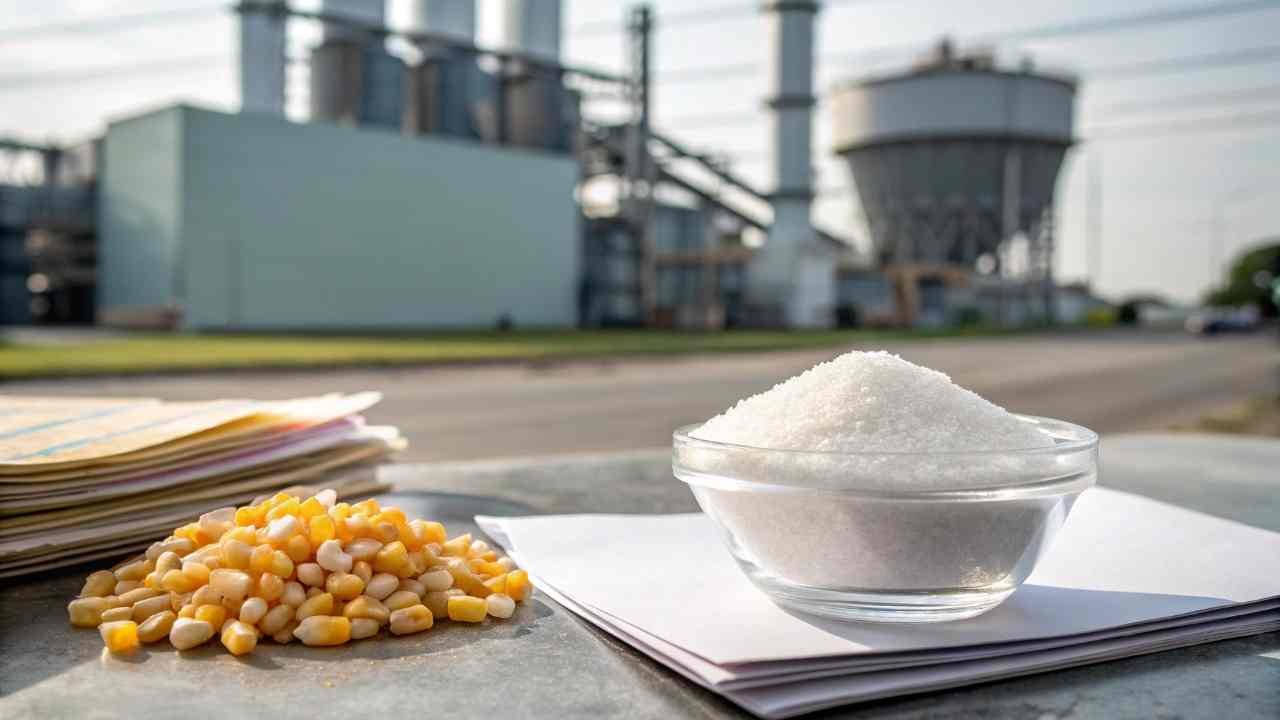
I see that the price of Erythritol starts with the price of corn. Erythritol is a product of fermentation. The bacteria eat glucose, which comes from corn starch1. When the corn harvest in China is poor, the price of starch goes up. This is a technical fact of the supply chain. In my experience, corn starch makes up a large part of the production cost. If corn prices rise by 10%, the factory must raise the Erythritol price. I monitor the corn market in Shandong province to warn my clients. I want them to know when a price hike is coming.
Energy is the second biggest driver. Fermentation tanks must stay at a specific temperature for days. This uses a lot of electricity and steam. In China, most of this energy comes from coal. When coal prices are high, the factory overhead increases. Also, the government sometimes limits power use in the winter to reduce pollution. This is the "Blue Sky" policy. It reduces the total supply of Erythritol. I visit the factories to check their energy contracts. I also look at trade taxes. The EU and US have placed anti-dumping duties2 on Chinese Erythritol. This tax is added to the price at the border. I help my buyers find factories with lower tax rates to keep their costs down.
Erythritol Cost Component Breakdown
| Cost Component | Percentage of Total | Main Influence Factor | Monitoring Method |
|---|---|---|---|
| Raw Materials | 45% - 55% | Corn starch market price | Weekly starch price checks |
| Energy & Utilities | 15% - 20% | Coal and electricity rates | Monitoring Shandong power rules |
| Labor & Overhead | 10% | Factory automation level | Site visits and audits |
| Packaging & Logistics | 5% | Plastic and paper prices | Checking drum and bag costs |
| Trade Taxes (Duties) | Variable | EU/US Anti-dumping laws | Tracking trade lawyer reports |
| Factory Margin | 5% - 10% | Global supply and demand | Negotiating bulk deals |
How does supply and demand affect Erythritol pricing?
Rapid demand spikes leave you with empty warehouses. This stockout kills your revenue. I analyze the balance between factory capacity and global consumption to predict future price shifts for your procurement.
Pricing is sensitive to the beverage industry's seasonal demand and the current overcapacity in China. While high supply usually lowers prices, sudden surges in sugar-free trends or factory shutdowns for maintenance can create short-term price spikes for uncontracted wholesale buyers.
The Balance of Capacity and Consumption
I see that the Erythritol market changed forever in 2021. Back then, demand for sugar-free drinks exploded. Prices went up to $4.00 per kg. Many new factories were built in China. Now, we have too much capacity. This oversupply3 is why prices have stayed low recently. But this does not mean the price will stay low forever. If the price is too low, the factories lose money. Some smaller plants have already stopped production. When plants close, the supply drops. I watch these closures very closely. I do not want my clients to be caught in a shortage when the market rebalances.
Demand also follows a seasonal pattern. The beverage giants in Indonesia, Saudi Arabia, and the UAE buy a lot of Erythritol in the spring. They are preparing for summer drink sales. This is a technical requirement for the drink industry. When these big companies buy, they take up all the production slots. If you are a medium-sized distributor, you might face higher prices or longer lead times. I manage these relationships for my buyers. I sign annual contracts to ensure they have a fixed price. This protects them from the "Spot Market" chaos. I act as your strategic office to balance the global supply facts with your specific needs.
Supply and Demand Scenarios
| Market Event | Supply Level | Demand Level | Price Direction | Buying Strategy |
|---|---|---|---|---|
| Summer Peak | Normal | Very High | Upward | Buy 3 months ahead |
| Factory Audits | Low | Normal | Rapid Increase | Maintain safety stock |
| New Capacity Launch | Very High | Normal | Downward | Wait for price drop |
| Global Sugar Tax | Normal | Rising | Steady Growth | Sign annual contract |
| Feedstock Shortage | Low | Normal | Upward | Lock in current stock |
When is the best time to purchase Erythritol in bulk?
Buying at the peak of the market wastes your capital. This poor timing reduces your competitive edge in the local market. I provide a buying calendar based on Chinese production cycles to save you money.
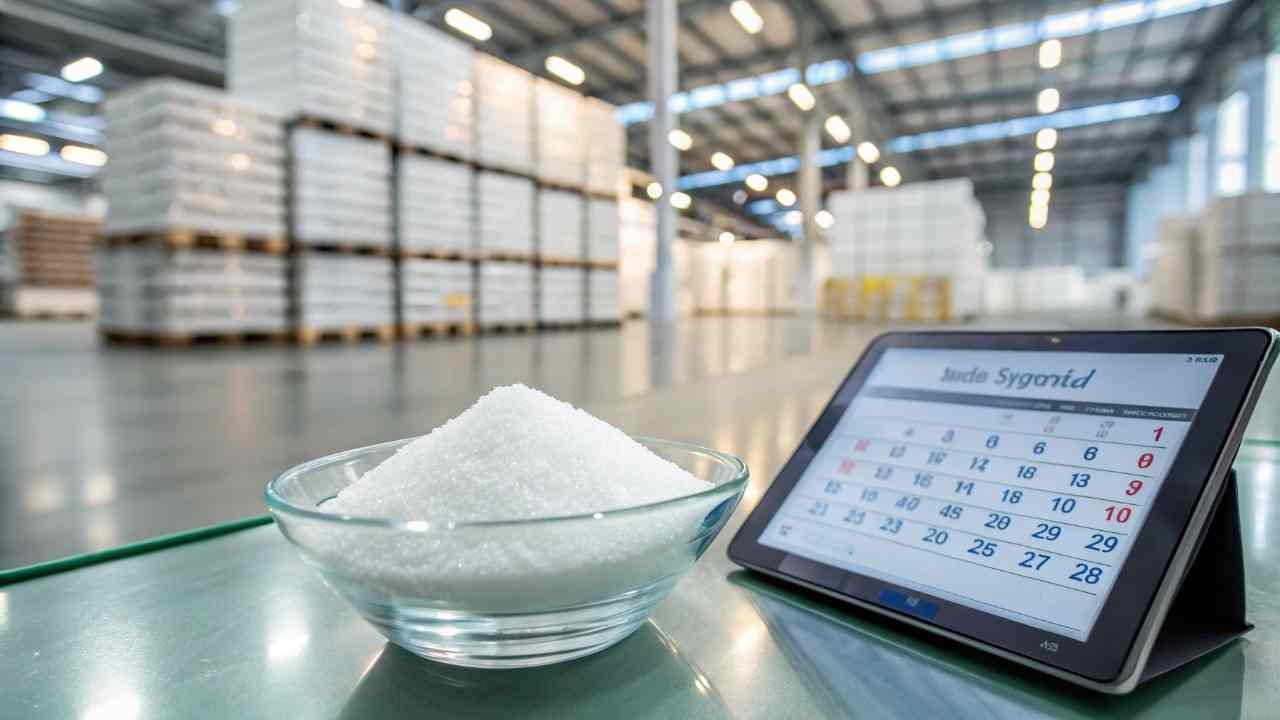
The best time to purchase Erythritol is during the fourth quarter (October to December) before the Chinese New Year rush, or during the summer lull in July. Buying during these windows helps you avoid the February logistics gap and the spring price peaks driven by beverage manufacturing.
Timing the Chinese Market Cycles
I see that timing is everything in the food additive trade. In China, everything revolves around the Chinese New Year. This usually happens in January or February. Before this holiday, every factory wants to ship their stock. They need cash to pay worker bonuses. This is a technical fact of the Chinese business culture. I often find better prices in December. But you must be careful. If you wait too long, the ports get crowded. Then your sea freight price goes up. I suggest my clients in Russia and Europe book their Q1 stock in November. This ensures you have the material when China is on holiday for two weeks.
Another good window is July. In China, the weather is very hot in July. Many factories do annual maintenance during this time. They stop the fermentation tanks to clean them. Because demand for summer drinks is already being met, the market is often quiet. I look for "Pre-maintenance" deals. Factories want to empty their warehouses before they shut down the lines. This is a great time for a wholesaler to buy a full container. I also watch the corn harvest. New corn comes to the market in October. This can lower the raw material cost. I act as your local scout to find these specific windows. Good timing can save you $200 to $400 per ton.
Annual Procurement Calendar for Erythritol
| Month Range | Market Status | Price Trend | Action Recommendation |
|---|---|---|---|
| Jan - Feb | CNY Holiday | High / Volatile | Avoid buying; use stock |
| Mar - Apr | Post-Holiday Reset | Stabilizing | Good for Q2 planning |
| May - Jun | Beverage Peak Prep | Rising | Buy early for summer |
| Jul - Aug | Summer Lull | Low / Stable | Best for bulk buying |
| Sep - Oct | Harvest Season | Variable | Monitor corn prices |
| Nov - Dec | Year-End Rush | Potentially Low | Best for Q1 stock |
How do freight costs influence Erythritol prices?
High sea freight rates turn a cheap product into an expensive burden. This hidden cost eats your profit. I manage logistics to minimize the impact of shipping on your total Erythritol price.
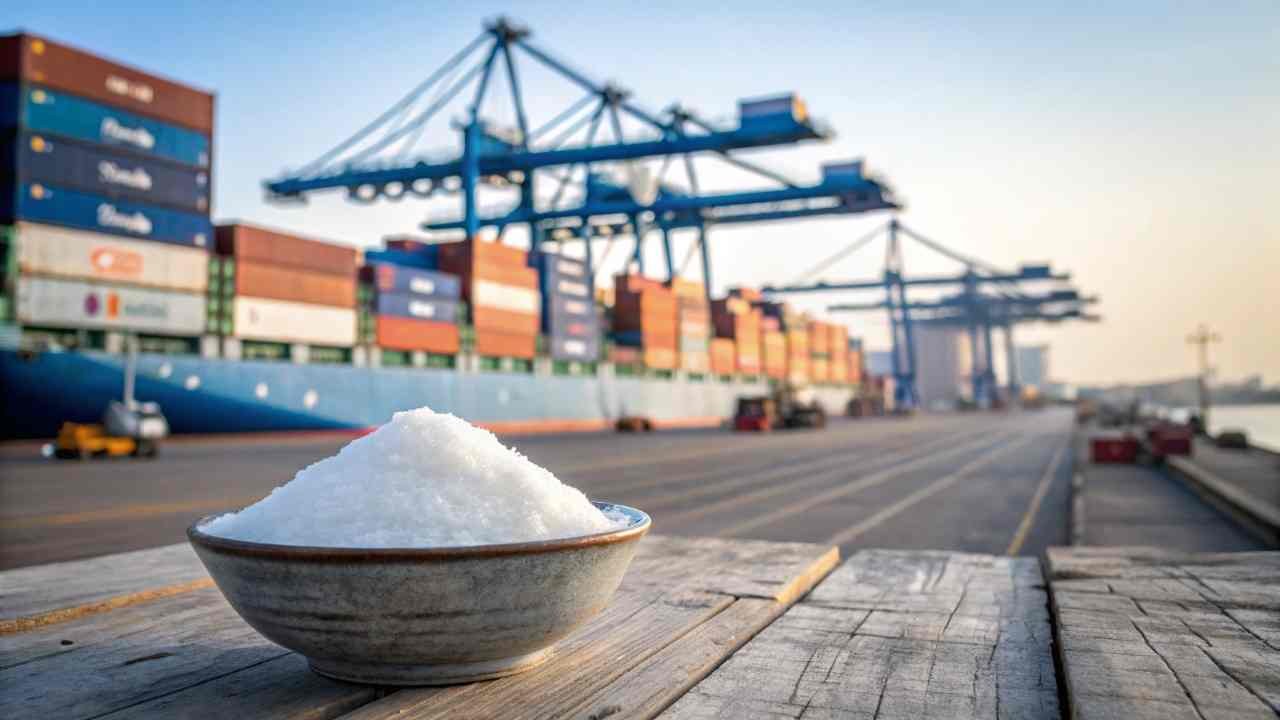
Freight costs can account for 10% to 25% of the final Erythritol price. Because Erythritol is a heavy, low-value product, fluctuations in container rates or port congestion in Qingdao directly change the CIF price for buyers in the Middle East, Europe, and Southeast Asia.
The Weight-to-Value Ratio Problem
I want to explain a technical fact about shipping. Some vitamins, like Vitamin B12, are very expensive per kg. For those, freight is only 1% of the cost. But Erythritol is different. It is a bulk sweetener. A 20-foot container holds 20 tons of Erythritol. If the sea freight4 price goes from $2,000 to $6,000, that adds $200 to the cost of every ton. That is a 10% price increase just from shipping. This is why I focus so much on logistics for my B2B clients. I monitor the container availability at the Port of Qingdao. If the port is busy, I might use the Port of Tianjin to save time and money.
I also suggest "Mixed Containers" to my buyers. If you buy Erythritol with high-value products like Stevia or Monk Fruit, you can balance your costs. I manage the loading to ensure the heavy Erythritol drums are at the bottom and the lighter boxes are on top. This is a technical requirement for safety. I also track the "Blank Sailings" from shipping lines. If a ship is cancelled, the next ship will be very expensive. I book space 3 weeks in advance to lock in the lower rate. This professional management is how I keep your CIF (Cost, Insurance, and Freight) price stable even when global shipping is in chaos. My goal is to make the logistics invisible to you.
Freight Impact on Landed Cost
| Sea Freight Rate (20' FCL) | Freight Cost per Ton | Impact on Total Price | Mitigation Strategy |
|---|---|---|---|
| $1,500 (Low) | $75 | ~4% | Buy maximum volume now |
| $3,000 (Average) | $150 | ~8% | Standard procurement |
| $6,000 (High) | $300 | ~15% | Shift to FOB / Wait |
| $10,000 (Crisis) | $500 | ~25% | Buy only urgent stock |
| Any Level | Variable | Fixed | Use mixed containers |
What are the price differences between food grade and pharma grade Erythritol?
Using the wrong grade leads to quality failure or overspending. This technical error hurts your bottom line. I explain the price gap between different grades to ensure you buy the correct material for your needs.
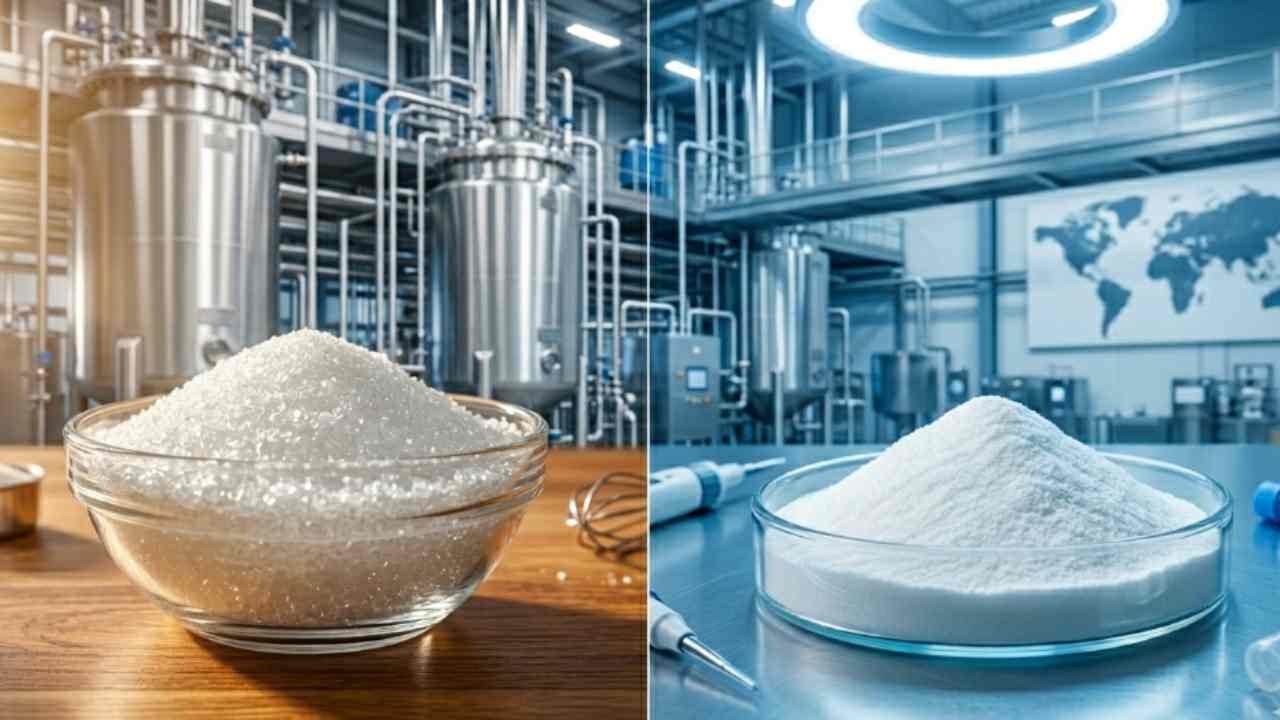
Pharma-grade Erythritol is 20% to 40% more expensive than food-grade due to stricter purity requirements and intensive testing. While food-grade is suitable for beverages and baking, pharma-grade is required for oral care, clinical formulations, and products requiring USP or EP compliance.
Purity, Testing, and Compliance Costs
I see that many buyers are confused by the grades. Food-grade Erythritol is usually 99.5% pure. It is great for juice, soda, and sugar-free cookies. I source this in large volumes for my clients in Southeast Asia. The price is competitive because the testing is standard. We check for assay, moisture, and basic heavy metals. But pharma-grade is a different level. It must meet USP (United States Pharmacopeia)5 or EP (European Pharmacopoeia) standards. This is a technical requirement for drugs and medical products. The factory must use extra filtration steps. They must also test for specific impurities that food-grade does not require.
These extra steps cost money. The lab time alone is much longer. Also, pharma-grade is often produced in a cleaner environment. The workers must wear full protective gear. I visit these cleanrooms to ensure they are up to code. This higher overhead is why the price is higher. I also see a difference in "Mesh Size." Standard 18-60 mesh is cheaper than ultra-fine 100 mesh powder. To make fine powder, the factory must grind the crystals and sieve them. This creates more waste and uses more energy. I help you choose the right grade. If you are making a soda, you do not need pharma-grade. I save you money by matching the technical spec to your actual application.
Grade Comparison and Pricing Table
| Technical Feature | Food Grade (FCC/E968) | Pharma Grade (USP/EP) | Application Advice |
|---|---|---|---|
| Assay (Purity) | 99.5% - 100.5% | > 99.7% (Stricter) | Pharma for sensitive meds |
| Price Gap | Base Price | +20% to +40% | Use Food for 90% of B2B |
| Testing Scope | Standard Safety | Full Monograph | Pharma for clinical use |
| Production Area | GHP Standard | GMP Certified / Cleanroom | Pharma for GMP lines |
| Typical Mesh | 18-60 Mesh | 100 Mesh (Fine) | Fine mesh for tableting |
| Application | Drinks / Baking | Oral Care / Tablets | Match grade to label claims |
Conclusion
Erythritol prices change based on corn costs, energy, freight, and grade. I manage these technical shifts at FINETECH to keep your procurement safe, stable, and profitable for the long term.
-
Expert Market Research – Detailed analysis of the corn starch market trends and price volatility affecting food additive production. ↩
-
European Commission – Official explanation of anti-dumping measures and how trade policy impacts global import costs. ↩
-
Investopedia: An economic guide to understanding oversupply and how excess capacity impacts market prices and production stability. ↩
-
Maritime Executive – Leading source for global maritime news and current trends in sea freight logistics. ↩
-
U.S. Pharmacopeia – Official resources for quality and purity standards for pharmaceutical and dietary supplement ingredients. ↩