Selecting an unvetted DL-Methionine supplier risks contaminated feed, sudden supply chain disruptions, and devastating financial losses. Unverified sourcing threatens growth. Implementing strict supplier criteria safeguards operations.
Choosing a reliable DL-Methionine supplier requires verifying compliance with global feed-safety standards like FAMI-QS, auditing chemical synthesis environmental safety controls, verifying raw material traceability, checking pre-shipment laboratory capabilities, and confirming long-term supply volume commitments.
Successfully securing bulk raw materials requires a disciplined, step-by-step approach to evaluating global manufacturers. Sourcing managers must look beyond unit pricing to verify technical capabilities. Sourcing partners like FINETECH simplify factory checks, verify production compliance, and secure competitive pricing directly in China to guarantee bulk deliveries. This guide explains how to select a reliable DL-Methionine supplier.
What Should Buyers Look for in a DL-Methionine Supplier?
Buying chemical additives without checking manufacturer credentials often results in customs delays and off-spec raw materials. Missing regulatory certifications halt logistics. Targeting certified suppliers avoids compliance risks.
Buyers must prioritize suppliers with active feed and food safety certifications, direct control over petrochemical precursor pipelines, fully automated manufacturing facilities, and comprehensive quality assurance systems that issue batch-specific analytical reports.
Dive Deeper into Certifications and Precursor Control
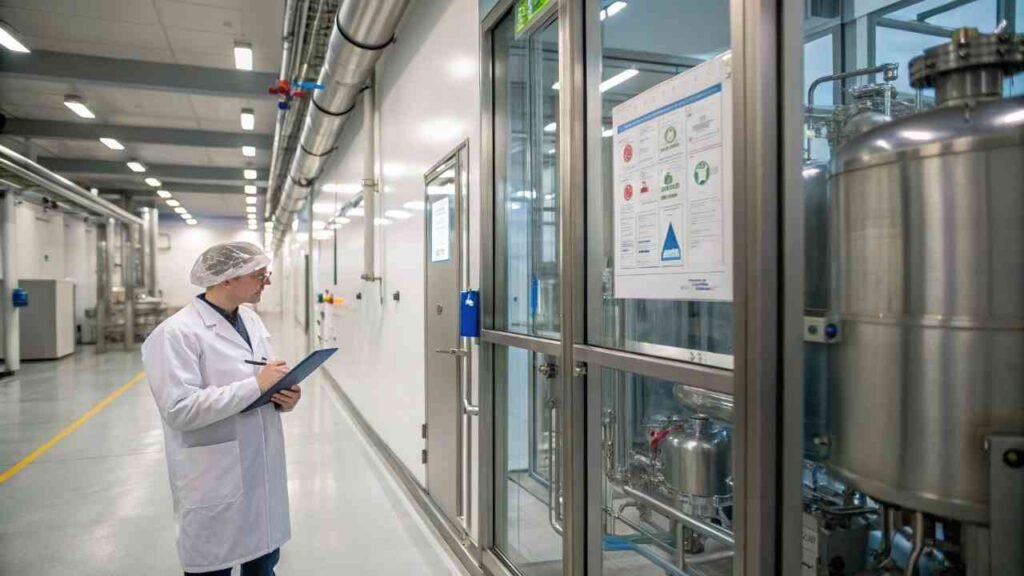
Evaluating a potential DL-Methionine supplier requires a systematic review of their operational and regulatory credentials. The first parameter buyers must verify is the presence of recognized international certifications. For animal nutrition, an active FAMI-QS certificate is a mandatory requirement. This standard ensures that the specialty feed ingredients1 are manufactured, handled, and traced under strict risk-mitigation protocols. For food or pharmaceutical applications, buyers must confirm compliance with FSSC 220002, ISO 22000, or pharmaceutical GMP standards.
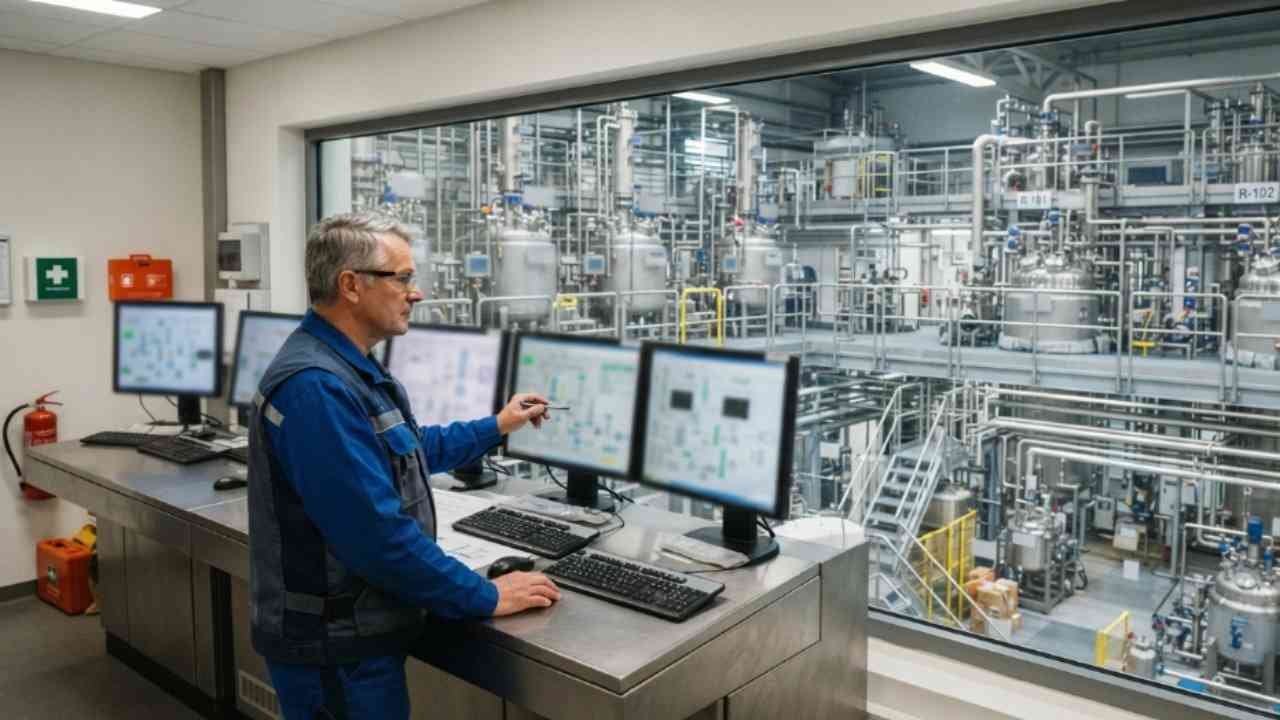
Equally important is the supplier's control over their raw material supply chains. Because DL-Methionine production is a complex process utilizing hazardous petrochemical intermediates, suppliers with backward integration into propylene, sulfur, and methanol production have a significant advantage. These integrated companies are less vulnerable to upstream raw material shortages, allowing them to maintain stable production schedules and consistent wholesale prices even during global energy crises. Additionally, buyers should look for automated manufacturing systems that record temperature, pressure, and flow rates in real time, reducing the risk of human error during synthesis. Sourcing partners like FINETECH assist buyers by checking these qualifications directly at Chinese plants, ensuring that the chosen partner is fully compliant.
| Key Sourcing Parameter | Target Standard | Sourcing Significance | Operational Value |
|---|---|---|---|
| Safety Certificates | FAMI-QS / FSSC 22000 | Confirms compliance with laws | Prevents custom port rejections |
| Precursor Integration | Direct chemical pipeline | Mitigates raw material risks | Stabilizes bulk volume supply |
| Facility Automation | DCS control systems | Reduces human error risks | Delivers uniform batch quality |
| Quality Documentation | Batch-specific COA | Verifies active assay limits | Guarantees formulation potency |
How Can Buyers Evaluate a DL-Methionine Manufacturer?
Relying on paper-only self-assessments increases the risk of partnering with substandard factories prone to sudden environmental shutdowns. Unverified profiles compromise supply. Conducting systematic plant audits mitigates hidden operational risks.
Buyers can evaluate a manufacturer by conducting on-site or third-party cleanroom audits, reviewing environmental waste treatment capacities, verifying testing lab equipment like HPLC and polarimeters, and analyzing historical batch performance logs.

Dive Deeper into Wastewater Treatment and Analytical Labs
A comprehensive evaluation of a DL-Methionine manufacturer must extend beyond reviewing standard sales brochures to include rigorous physical plant audits. Because methionine production involves hazardous chemical synthesis and generates highly concentrated wastewater, environmental compliance is a critical factor. Buyers must verify that the factory operates modern, fully permitted biological wastewater treatment3 facilities. Plants that lack adequate treatment capacity face immediate, mandatory shutdowns during regional environmental inspections, which can halt deliveries for months.
Furthermore, buyers must evaluate the manufacturer's quality control laboratory. The laboratory must be equipped with calibrated analytical instruments, including High-Performance Liquid Chromatography (HPLC)4 systems for active assays and polarimeters to confirm racemic neutrality. Importers should request historical batch logs to check the consistency of physical parameters, such as particle size distribution and bulk density, over multiple production months. This analytical review confirms whether the factory can maintain uniform quality across different shipments. Sourcing partners like FINETECH manage these evaluations on the ground in China. They conduct physical plant audits, verify environmental compliance records, and cross-check laboratory testing logs, protecting international buyers from choosing unreliable manufacturing partners.
| Audit Focus Area | Technical Assessment | Quality Risk Solved | Sourcing Value |
|---|---|---|---|
| Environmental Systems | Wastewater treatment permits | Regulatory factory shutdowns | Secures year-round supply |
| Laboratory Instruments | HPLC & polarimeter calibration | Substandard or weak batches | Guarantees chemical purity |
| Historical Batch Logs | Particle size consistency | Feed segregation in mixers | Delivers uniform feed blending |
| Cleanroom Packaging | HEPA airflow and zones | Biological contamination | Extends stable warehouse shelf life |
Why Is Industry Experience Important for DL-Methionine Suppliers?
Partnering with inexperienced producers often leads to inconsistent purification levels, hazardous dust management failures, and shipping delays. Lack of expertise compromises quality. Seasoned manufacturers ensure reliable performance.
Industry experience is vital because established suppliers possess the technical expertise needed to refine hazardous intermediates, maintain sophisticated dust explosion prevention systems, and manage complex international maritime shipping procedures.
Dive Deeper into Purification Skills and Hazard Management
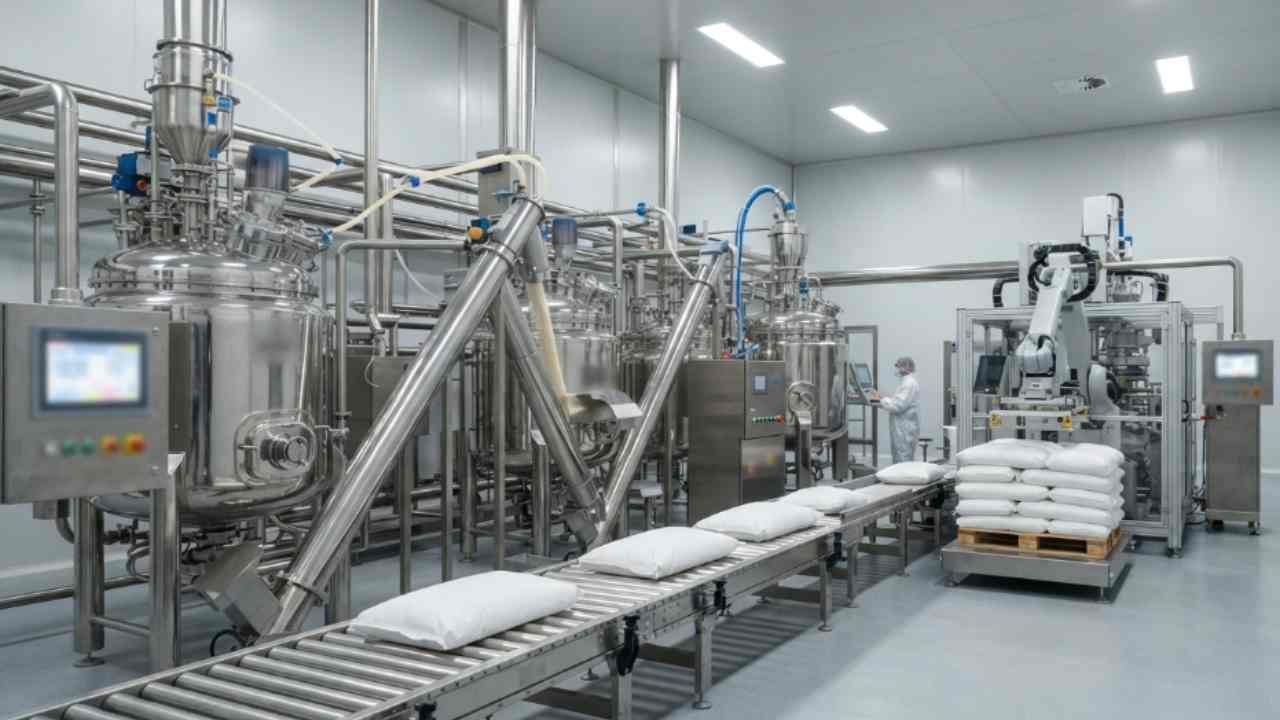
The chemical synthesis of DL-Methionine is a highly sophisticated process that requires deep scientific expertise and specialized engineering. Inexperienced chemical plants often struggle with the purification and crystallization5 stages of downstream processing. If these steps are not controlled precisely, the finished powder can retain trace amounts of ammonium ions, halogen residues, or volatile organic solvents, which can compromise product safety. Experienced manufacturers utilize proprietary crystallization techniques to ensure that the active substance consistently meets the ninety-nine percent purity threshold.
Additionally, experienced suppliers understand how to manage the safety risks associated with bulk powder handling. Fine methionine dust is highly flammable and can form explosive mixtures6 with air. Seasoned producers operate advanced electrostatic grounding, explosion venting, and dust collection systems throughout their packaging lines, ensuring a safe working environment and preventing catastrophic facility accidents. They also possess extensive experience navigating international logistics, including global REACH regulations, customs declarations, and carrier bookings. Sourcing partners like FINETECH help buyers by working exclusively with China's most experienced chemical manufacturers, ensuring that imported shipments are produced safely, purified correctly, and exported without administrative delays.
| Supplier Experience Level | Downstream Refining Capability | Safety Hazard Management | Shipping and Logistics Skills |
|---|---|---|---|
| Established Producer | Multi-step recrystallization | Automated explosion venting | Complete GHS & REACH compliance |
| New Market Entrant | Standard mechanical filtration | Basic manual dust controls | Limited export document skills |
| General Broker | None (relies on third parties) | None (outsourced packaging) | Varies, often lacks safety audits |
How Can Buyers Compare Different DL-Methionine Suppliers?
Comparing suppliers based solely on unit price can lead to hidden logistics charges, late shipments, and failed quality tests. One-dimensional evaluations inflate costs. Comprehensive comparison matrices protect margins.
Buyers can compare suppliers by evaluating total landed costs (FOB vs CIF), measuring factory-direct production capacities, checking the consistency of physical particle sizes, and testing the responsiveness of customer service teams.

Dive Deeper into Total Landed Costs and Particle Uniformity
A thorough comparison of DL-Methionine suppliers requires a balanced evaluation of both financial and physical parameters. Sourcing managers should avoid comparing suppliers based solely on the ex-works price per kilogram. Instead, they must calculate the total landed cost, which includes international ocean freight, port handling fees, customs tariffs, and local transport costs. Some suppliers may offer low product prices but charge inflated packaging or logistics fees, erasing any initial savings.
Beyond pricing, buyers must compare the physical properties of the material. Different factories produce powders with varying bulk densities and particle size distributions. Comparing these properties is essential to ensure that the material is compatible with the buyer's automated mixing machinery. A supplier that delivers a consistent particle size (such as sixty to eighty percent of particles between 63 and 100 micrometers) is highly valuable, as this uniformity prevents ingredient separation during feed blending. Sourcing partners like FINETECH assist in this comparison process. They collect samples from multiple Chinese factories, arrange independent laboratory analysis, and compile transparent cost breakdowns, enabling buyers to make informed purchasing decisions.
| Comparison Criteria | Direct Factory A (Integrated) | Specialized Factory B | Sourcing Comparison Value |
|---|---|---|---|
| Total Landed Cost | Highly competitive bulk rates | Premium, grade-specific prices | Balances product cost and freight |
| Particle Uniformity | Highly consistent, automated | Manual milling, variable | Prevents ingredient segregation |
| Capacity Security | Massive, continuous output | Batch-based, subject to queues | Guarantees volume for large orders |
| Customer Response | Automated, formal system | Highly responsive, flexible | Speeds up custom order handling |
What Makes a DL-Methionine Supplier Reliable?
Sourcing raw chemicals from transactional brokers exposes your brand to sudden price hikes and unexpected shipping delays. Transactional relationships increase operational risks. Long-term supplier reliability ensures stability.
A DL-Methionine supplier is reliable when they maintain direct factory integration, share transparent production updates, hold active global certifications, and utilize on-the-ground agents to oversee quality and logistics.

Dive Deeper into Supply Transparency and Quality Oversight
Supplier reliability is characterized by a commitment to supply security, quality consistency, and transparent communication. A truly reliable partner operates with complete transparency, sharing realistic production schedules and providing early warnings about upcoming factory maintenance closures, environmental audits, or logistics bottlenecks. This foresight enables buyers to adjust their inventory levels in advance, preventing unexpected out-of-stock situations.
Reliable suppliers also maintain active, globally recognized certifications and adhere to strict quality agreements that define specification limits, sampling protocols, and dispute resolution procedures. Furthermore, they utilize dedicated local representation to manage physical supply chain steps. Sourcing partners like FINETECH provide this essential on-the-ground oversight in China. They manage direct factory relations, verify active certificate registrations, inspect cleanrooms, and coordinate pre-shipment quality checks. This comprehensive oversight reduces communication errors, protects the buyer's supply chain from broker markups, and ensures that every imported container of DL-Methionine meets the highest standards of purity and safety.
| Reliability Indicator | Supplier Action | Technical Benefit | Sourcing Value |
|---|---|---|---|
| Direct Integration | Controls raw feedstock starch | Minimizes price fluctuations | Long-term supply security |
| Supply Transparency | Shares maintenance schedules | Prevents sudden out-of-stock | Enables proactive purchasing |
| Active Certificates | Renews FAMI-QS / FSSC 22000 | Satisfies import regulations | Fast and smooth customs clearance |
| Local Representation | Works with agents like FINETECH | Physical plant & cargo audits | Guarantees batch specification purity |
Conclusion
Selecting a reliable DL-Methionine supplier requires verifying FAMI-QS compliance, auditing environmental wastewater systems, comparing total landed costs, and utilizing local sourcing partners to manage factory quality in China.
-
An international technical report of the Specialty Feed Ingredients Sustainability (SFIS) Project, explaining the ecological, nutritional, and industrial footprint of specialty feed ingredients in optimal feed formulations. ↩
-
A peer-reviewed study in the scientific journal Polímeros analyzing the practical steps, technical challenges, and industrial competitiveness gains of FSSC 22000 food safety system implementation. ↩
-
A peer-reviewed research paper published in Environmental Science and Pollution Research investigating the biological nitritation kinetics and biofiltration performance of treatment facilities handling amino acid synthesis wastewater. ↩
-
A technical application note by Waters Corporation detailing pre-column derivatization parameters, liquid chromatograph setup, and precise quantitation methods of amino acids in commercial formulations. ↩
-
A peer-reviewed scientific paper in the Royal Society of Chemistry's Analytical Methods investigating chiral chromatographic resolution, purification, and enantioselective crystallization of methionine isomers. ↩
-
A peer-reviewed study published in the Journal of Loss Prevention in the Process Industries evaluating the minimum ignition energy, pyrolysis pathways, and dust explosion sensitivity of amino acid powders during processing. ↩