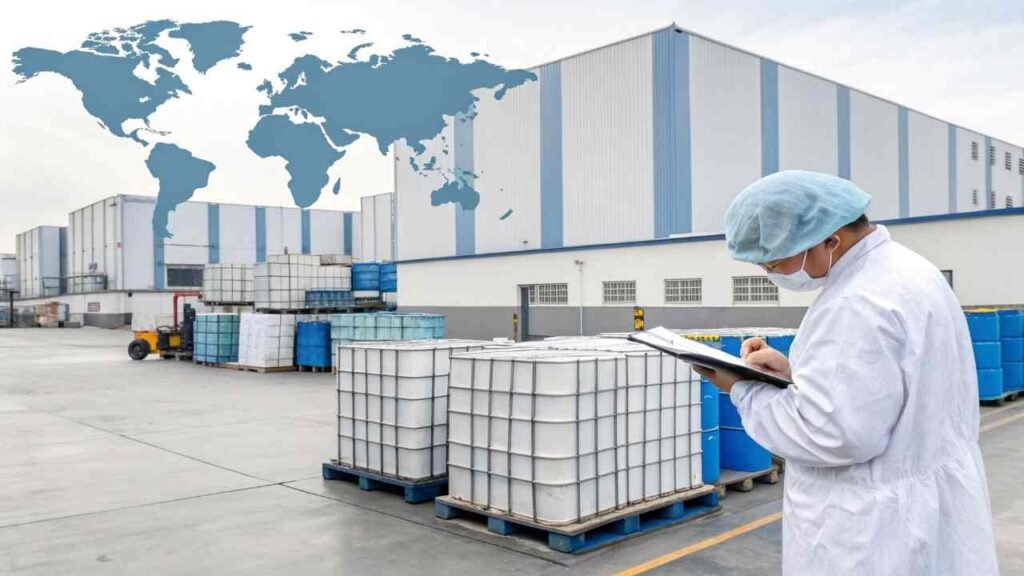
Unreliable Vitamin B2 suppliers cause production stops and financial loss. Bad quality ruins your brand. I provide the vetting criteria to ensure your supply chain stays strong and safe.
Choosing a reliable Vitamin B2 supplier involves verifying their manufacturing license, export history, and international certifications like ISO 22000. Buyers must evaluate the factory's technical capacity, check third-party lab reports, and confirm their ability to provide consistent batch quality meeting USP/BP standards for global trade.
Understanding these technical criteria helps you avoid bad suppliers and secure top-quality Riboflavin for your specific business needs.
What Qualifications Should Vitamin B2 (Riboflavin) Suppliers Have?
Poorly qualified suppliers ship off-spec material. This leads to rejected batches and waste. I identify the essential legal and technical credentials required for a professional and safe vitamin exporter.
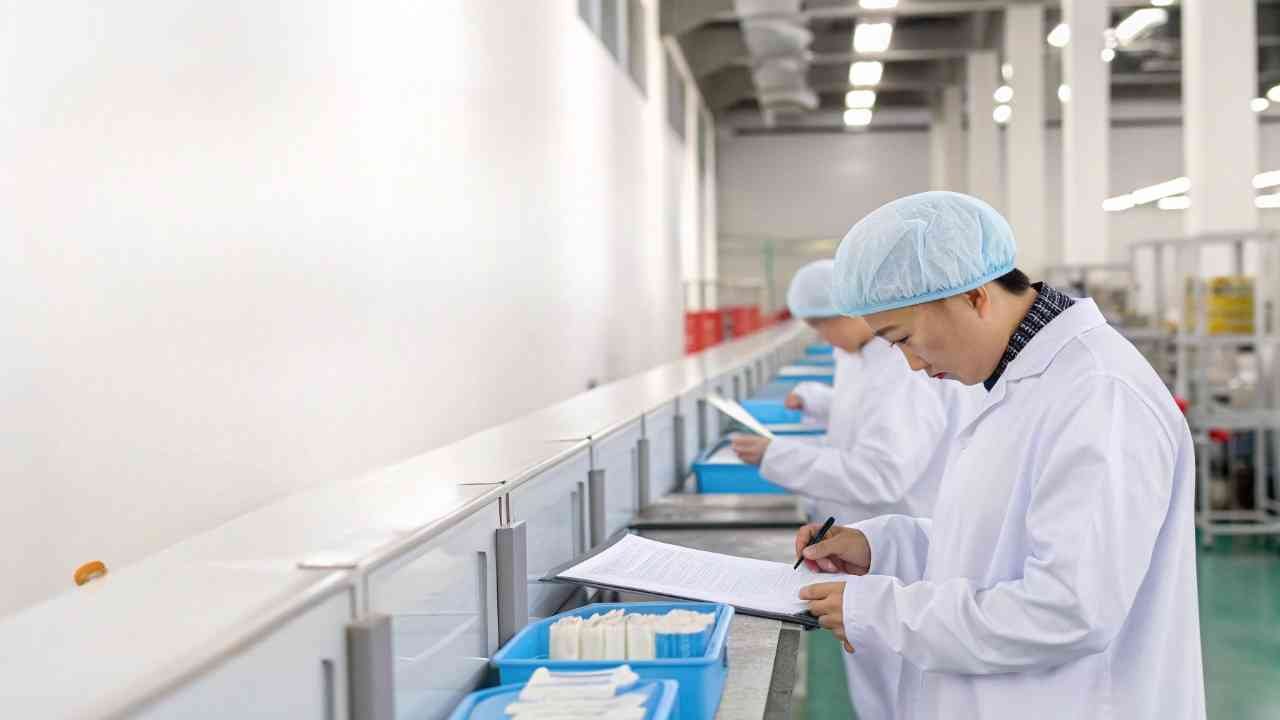
A reliable supplier must have a valid Chinese business license and a food additive production permit. They should employ technical experts who understand HPLC testing. Providing a detailed Certificate of Analysis (COA) for every production batch is mandatory for any qualified partner in this industry.
Legal and Technical Credentials
I always check the legal status of a factory first. In China, a real producer must have a high-level manufacturing license for food additives1. You should ask for a copy of their business license. Look at their registered capital. A supplier with low capital is often a high risk. I ensure the factory is not on a government blacklist for safety violations. This legal check protects you from sudden supply stops. Professional suppliers like us have years of experience with Chinese rules.
Technical knowledge is just as important. Vitamin B2 is a complex product made by fermentation. Your supplier must understand assay levels and heavy metal limits. I evaluate suppliers based on their lab equipment. A qualified supplier must have an HPLC machine2 on-site. Without this tool, they cannot verify the purity of the Riboflavin. This technical depth separates a professional exporter from a simple trader. I also look for technical staff3 who can answer questions about solubility. This ensures the product works in your specific recipes.
Comparing Supplier Types
| Supplier Type | Legal Control | Technical Depth | Price Level | Risk Level |
|---|---|---|---|---|
| Small Trader | Low | Very Low | Variable | Very High |
| Large Factory | High | High | Low | Low |
| Managed Exporter (FINETECH) | Very High | Very High | Competitive | Very Low |
| Local Distributor | Moderate | Moderate | High | Moderate |
How Important Are Certifications for Vitamin B2 (Riboflavin)?
Uncertified vitamins pose health risks and legal liabilities. One bad batch can kill your sales. I show you which certifications provide a real guarantee of safety and purity for your company.
Certifications like GMP, ISO 22000, and HACCP are mandatory for quality assurance. For regional markets, HALAL and KOSHER are essential. These documents prove the factory follows hygiene protocols and microbial control during the fermentation process required for food-grade Riboflavin.
Safety Management Systems
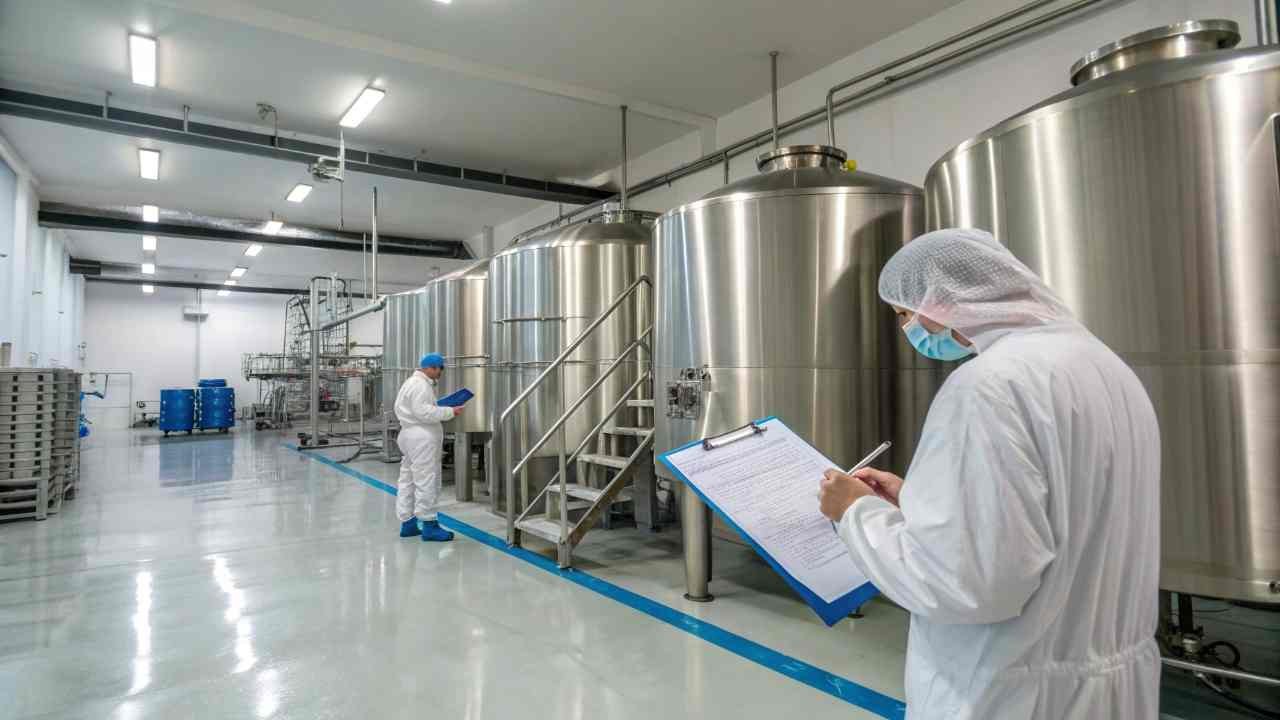
I prioritize factories with ISO 9001 and ISO 22000 certifications. ISO 9001 is for general management. ISO 22000 is for food safety4. These standards require the factory to document every step. They must have a plan to prevent contamination. When I visit a factory in China, I check their internal audit records. If a factory has no records, the certificate is not useful. A reliable supplier uses these systems to keep purity above 98% in every shipment. This shows they want long-term quality.
HACCP is another vital certification. It means the factory finds "critical points" where things go wrong. They use sensors and human checks at these points. This reduces the risk of heavy metals like lead entering the product. For my clients in the Middle East and Southeast Asia, these papers are needed to pass health inspections. Buying from a HACCP factory is the best way to avoid recalls. I verify that these certificates are valid before every order. This protects your brand from health risks.
Certification Functionality
| Certification | Focus Area | Market Requirement | Buyer Benefit |
|---|---|---|---|
| GMP | Clean Production | Pharma / High-end Food | Prevents batch contamination |
| ISO 22000 | Food Safety | Europe / Global | Ensures safe human consumption |
| HACCP | Risk Control | Global Wholesale | Reduces lead and arsenic risk |
| HALAL | Religious Law | Middle East / SE Asia | Necessary for regional entry |
| KOSHER | Religious Law | USA / Europe | Proves high hygiene standards |
How Can Buyers Audit Vitamin B2 (Riboflavin) Suppliers?
Trusting a website leads to procurement failure. You cannot see quality from a computer screen. I explain the audit steps to verify a supplier's true operational standards and honesty.
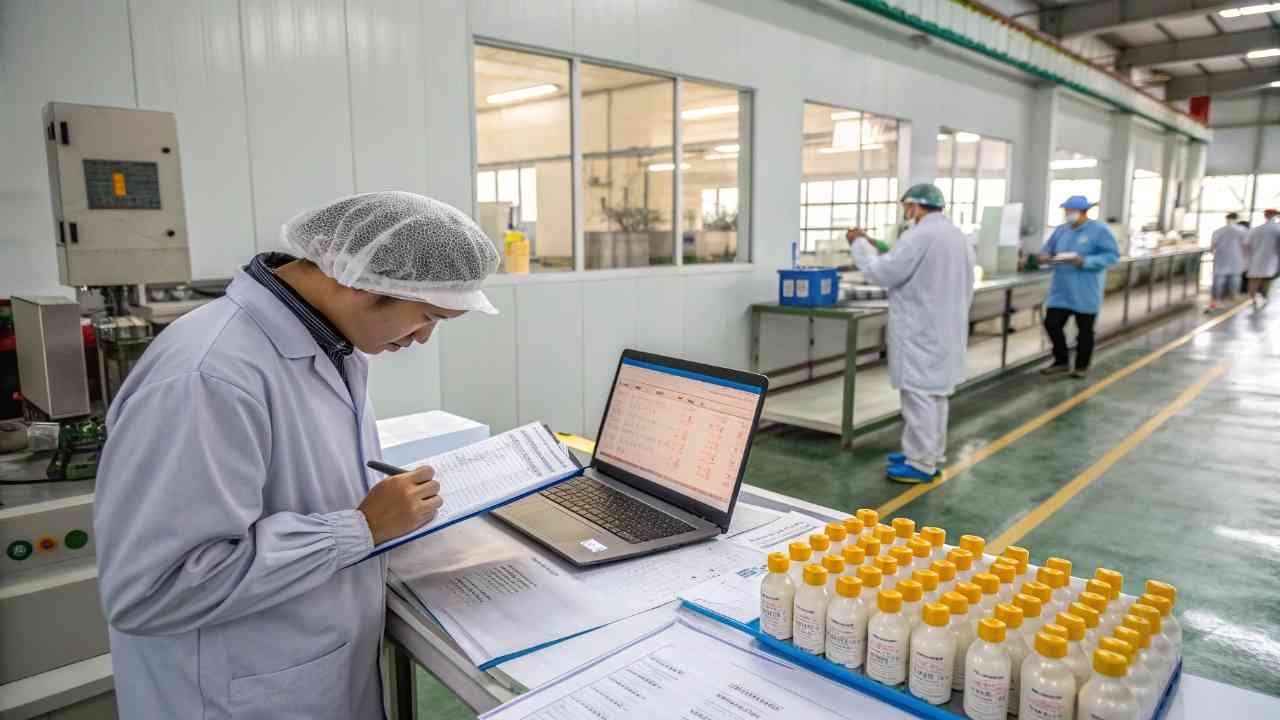
Buyers audit suppliers by reviewing internal lab logs and requesting video inspections. Verifying the Certificate of Analysis (COA) against independent third-party tests like SGS provides objective proof of quality. Checking raw material sources also confirms the stability of the production process.
Physical and Document Audits
I always suggest a Pre-Shipment Inspection (PSI). You can hire a company like SGS or Intertek. Their inspector goes to the factory. They count the drums and check the labels. They also take random samples for their own lab. This gives you an honest report. It removes the fear of buying from a distant country. I welcome these inspections because they prove we deliver what we promise. Once the report says "Passed," you pay the balance. This is the most professional way to reduce your financial risk.
Before you sign a contract, you should audit the factory's lab. I visit our partners to check their HPLC machines. I want to see the original testing data for the last five batches. If the numbers are always exactly the same, they might be fake. Real lab results have tiny variations. I also look at the storage area for raw materials like glucose. If the storage is dirty, the Vitamin B2 will have microbial issues. I do this oversight for my clients so they do not have to fly to China. My audit reports give you confidence.
Factory Audit Checklist
| Audit Point | Target Standard | Importance |
|---|---|---|
| Lab Equipment | Calibrated HPLC / AA | Critical |
| Warehouse | Clean / Dry / Cool | High |
| Traceability | Batch numbers on all bags | Critical |
| Staff Training | Hygiene certificates | Moderate |
| Waste Control | Water treatment in place | High |
How Does Production Capacity Affect Vitamin B2 (Riboflavin) Reliability?
Small factories often stop during market shortages. This leaves your warehouse empty and stops your sales. I analyze why high production capacity is a key indicator of supply chain security.
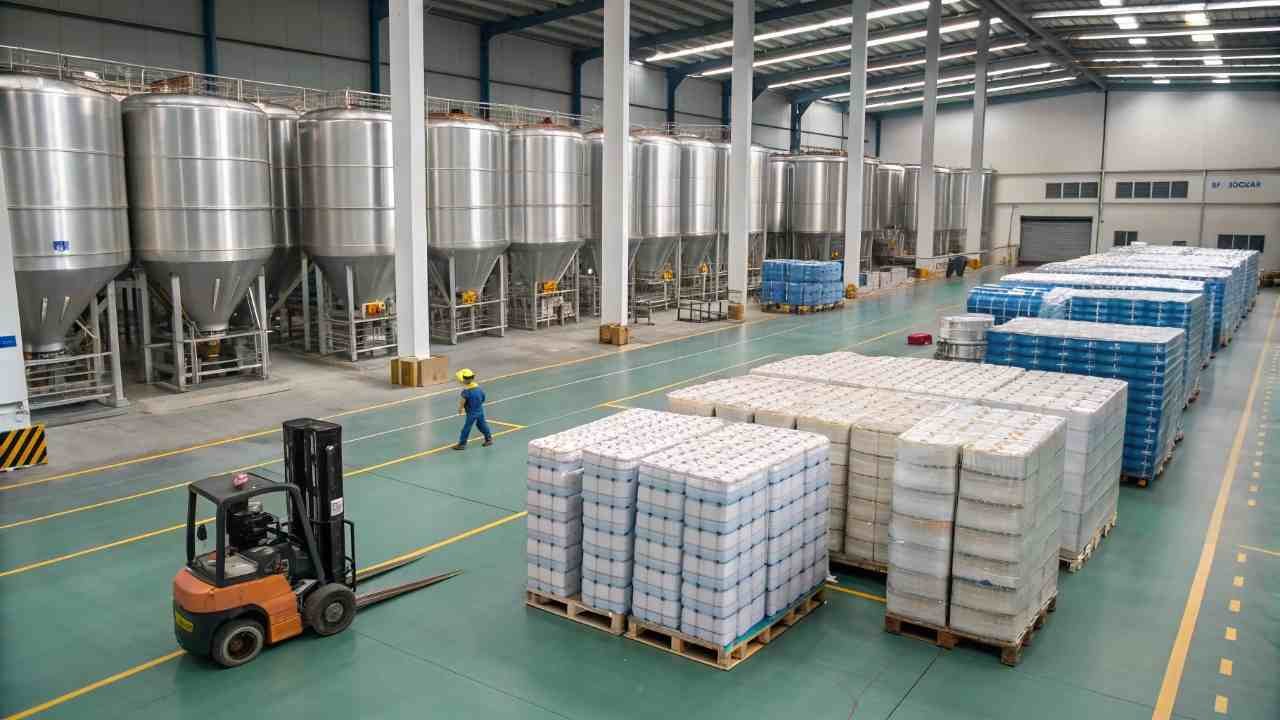
High production capacity ensures a supplier can fulfill large orders during market peaks. Factories with multiple fermentation lines and large storage can manage environmental shutdowns better. This scale allows for consistent pricing and ensures you never face a stockout during seasonal surges.
Scale and Market Stability
I visit our partner factories to see their actual scale. A top-tier Vitamin B2 factory has large reactors and automated packing. You should ask for their average monthly output. If your order is more than 50% of their monthly limit, you are at risk. If one machine breaks, your order is late. I prefer suppliers who can fill a container in 10 days. This speed shows they have a stable rhythm. It also shows they have enough stock for sudden needs. I check their packing speed to ensure there are no bottlenecks at the final stage.
Capacity also includes raw material5 security. Vitamin B2 needs corn-derived glucose. I look for factories with long-term contracts for their own raw materials. Some of our partners produce their own glucose. This integrated production makes them very reliable during shortages. If a factory buys everything on the spot market, their capacity drops when prices rise. I audit the supply chain of the factories I choose. This ensures they have the materials to finish your order. Large capacity gives you a safety buffer that small plants cannot provide.
Capacity Risk Assessment
| Output Level | Yearly Volume | Supplier Type | Risk to Buyer |
|---|---|---|---|
| Low | < 200 Tons | Small Local Plant | Very High (Frequent stops) |
| Moderate | 200 - 800 Tons | Medium Factory | Moderate (Seasonal delays) |
| High | > 1,000 Tons | Large Industrial Hub | Low (Stable supply) |
| Very High | > 5,000 Tons | Global Market Leader | Very Low (Strategic source) |
How Can Buyers Build Long-Term Vitamin B2 (Riboflavin) Partnerships?
Switching suppliers every month wastes your time and creates quality risks. Inconsistent batches ruin your final food products. I provide the strategy to build stable, profitable, long-term relationships with Chinese exporters.
Building long-term partnerships requires clear demand forecasts and timely payments. Establishing mutual quality benchmarks and signing annual volume contracts leads to preferential pricing. This relationship ensures priority production slots and better technical support for your specific manufacturing or distribution needs.

Communication and Strategic Planning
A partnership is a two-way street. I treat my clients as partners and expect the same. You should share your sales goals for the next year. This data helps me plan production cycles. If I know you need 100 tons in Q3, I can lock in prices when the market is low. Honest communication about quality is also vital. If you need a specific particle size, tell me early. I can work with the factory lab to create a custom batch. This shared planning reduces stress for both sides. It makes your supply chain much more efficient.
Trust is built through consistency. If you pay on time, I will always prioritize your orders. When global supply gets tight, I make sure my partners get their material first. I use my influence with factories to protect my best clients. You should also sign an annual supply contract. This locks in your price and ensures a steady flow of goods. This financial safety is essential for large company buyers. A long-term agreement reduces the total cost of procurement over time. I also encourage feedback on every shipment. This helps us improve our logistics service for your region.
Relationship Growth Stages
| Phase | Key Buyer Action | FINETECH Support | Strategic Result |
|---|---|---|---|
| Trial | 500kg Order | Full Lab COA / Photos | Quality Proof |
| Growth | Quarterly Forecast | Priority Production | Inventory Safety |
| Stability | Annual Contract | Fixed Price Protection | Budget Security |
| Strategic | Joint Technical R&D | Custom Grade Options | Market Dominance |
Conclusion
Choosing a reliable Vitamin B2 supplier requires checking qualifications, certificates, capacity, and experience. I manage these details at FINETECH to ensure your business stays successful and competitive.
-
World Health Organization (WHO) – Official guide and safety evaluation standards for food additives used in global food manufacturing. ↩
-
ScienceDirect – Technical overview of High-Performance Liquid Chromatography (HPLC) used for analytical verification in chemical manufacturing. ↩
-
Lab Manager – Professional advice for technical personnel on managing quality control laboratories and maintaining industrial standards. ↩
-
ISO 22000 – The international standard for food safety management, focusing on the integrity of the production chain for food enterprises. ↩
-
ICIS Chemical News – A leading resource for monitoring raw material markets and chemical supply chain trends. ↩