
High Vitamin B3 costs drain your profits. Price volatility makes budgeting impossible. I help you lower procurement expenses with technical strategies for bulk purchasing and logistics optimization for your business.
Buyers reduce Vitamin B3 costs by purchasing in full container loads (FCL), timing orders during Chinese market lows, and signing annual fixed-price contracts. Consolidating different additives into one shipment and sourcing directly from managed exporters also significantly lowers unit prices and logistics fees.
I manage factory selection and quality oversight for my B2B clients at FINETECH. I want to explain how you can use technical buying plans to lower your costs and protect your margins.
What Cost Elements Matter Most in Vitamin B3 (Niacin) Purchasing?
Hidden costs in Vitamin B3 trade lead to overspending. You pay more than necessary without knowing the price drivers. I analyze these cost elements to help you save money and plan.
The main cost elements for Vitamin B3 are the price of 3-picoline (raw material), energy costs for synthesis, and environmental compliance fees in China. Global demand from the animal feed sector and ocean freight rates also determine the total landed cost.
Understanding the Raw Material and Energy Link
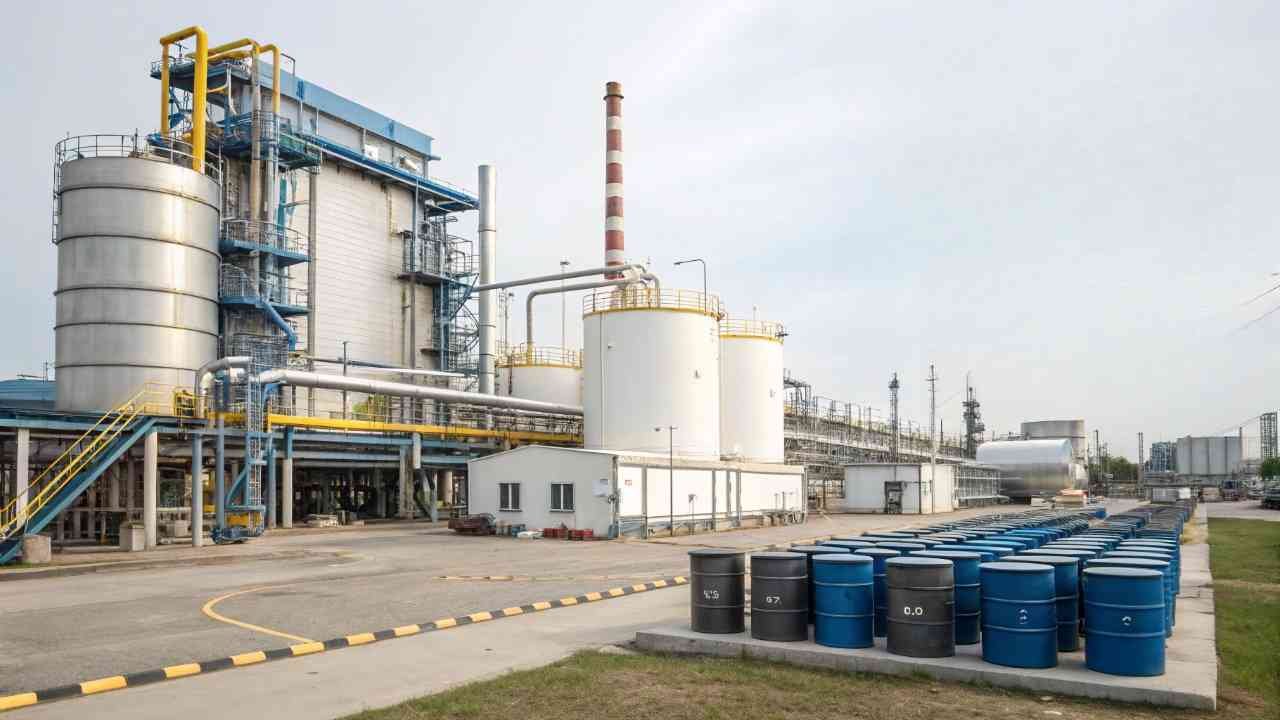
I see that 3-picoline is the biggest factor in your final price. This chemical is a byproduct of pyridine production. If the pyridine market in China slows down, the supply of 3-picoline drops. This makes the price of Vitamin B3 go up fast. I monitor the chemical markets in provinces like Hubei and Jiangsu. I tell my buyers when raw material1 prices are about to rise. This early warning lets you buy stock before the price increases. You must also consider energy costs. Synthesis requires a lot of electricity and steam. When coal prices go up in China, the factory passes those costs to the buyer.
The Environmental Factor in China
Environmental rules in China are very strict now. Factories must pay for advanced waste treatment to handle the chemical byproducts of Niacin production. Sometimes the government stops production for audits. This lowers the total supply and raises the price for everyone. I visit our partner factories to ensure they follow all rules. This prevents sudden supply stops that force you to buy expensive spot stock. By choosing factories with high efficiency and lower waste, I help you get a better base price. I act as your eyes on the floor to find these savings.
Breakdown of Vitamin B3 Cost Components
| Cost Component | Percentage | Primary Driver | Sensitivity |
|---|---|---|---|
| Raw Materials | 45% - 55% | 3-Picoline / Ammonia | Very High |
| Energy Costs | 15% - 20% | Electricity / Coal / Gas | High |
| Env. Compliance | 10% - 15% | Waste treatment audits | Moderate |
| Logistics (Inland) | 5% | Trucking to port | Low |
| Admin & Testing | 5% | Lab work / COA / Filing | Low |
How Can Bulk Planning Lower Vitamin B3 (Niacin) Expenses?
Small, frequent orders result in high unit prices and administrative waste. This inefficiency hurts your margins. Bulk planning allows you to leverage volume for better wholesale pricing and lower shipping fees.
Bulk planning lowers costs through tiered discounts and reduced per-kilogram logistics fees. Ordering full pallets or containers spreads fixed costs like customs, COA testing, and documentation across a larger weight, resulting in a lower average price for professional wholesalers in international trade.

Using Volume as Pricing Leverage
I see that Chinese factories always give better prices for larger batches. If you buy 100kg, you pay a premium. If you buy 10 tons, you get a much lower rate. This is because the factory can plan their production weeks in advance. It reduces their risk and labor cost per kilogram. I negotiate these tiered prices for my clients. Even if you are a medium distributor, I can help you group your annual needs into fewer shipments. This helps you reach the "bulk price" tier. This strategy can save you $0.50 to $1.00 per kilogram on your Vitamin B3 orders.
Shipping Efficiency: LCL vs. FCL
Shipping costs are a major part of your total landed cost. A Full Container Load (FCL) is always cheaper per unit than a Less than Container Load (LCL). In LCL, you pay high fees for shared space and extra handling at the port. For Vitamin B3, a 20ft container holds about 12 to 15 tons on pallets. I suggest my buyers2 in the Middle East and Southeast Asia use FCL whenever they can. I also offer "mixed containers." This means you can buy Vitamin B3 with Vitamin B1 or B6. This way, you get the low FCL shipping rate even if you don't need 15 tons of just one vitamin.
Order Volume and Savings Potential
| Order Level | Volume (kg) | Price Tier | Shipping Mode | Savings (est) |
|---|---|---|---|---|
| Trial Order | 100 - 500 | Retail | LCL Sea / Air | 0% (Base) |
| Wholesale | 1,000 - 3,000 | Standard | LCL Sea Freight | 5% - 8% |
| Bulk Lot | 5,000 - 10,000 | Priority | FCL (Partial) | 10% - 15% |
| Industrial | 15,000+ | Contract | FCL (Full) | 18% - 25% |
How Does Supplier Selection Impact Vitamin B3 (Niacin) Margins?
Working with the wrong supplier leads to markups and quality failure. Recalls eat your profits and ruin your brand. I manage factory selection to remove middlemen and protect your business margins.
Supplier selection impacts margins by providing direct factory access and consistent batch quality. Managed exporters like FINETECH vet factories for technology efficiency and yield, ensuring you get competitive pricing and avoid the hidden costs of off-spec material and customs delays.
Removing the Middleman Markup
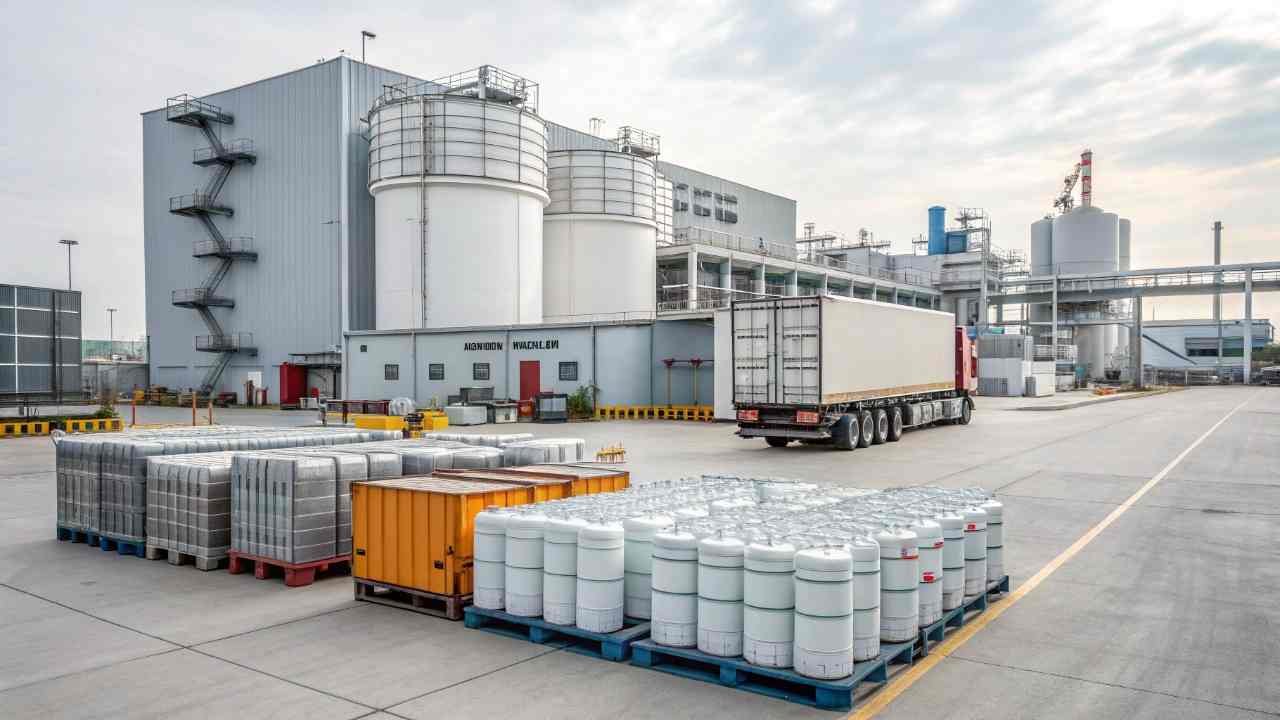
I see many traders in the market who just add a profit on top of the factory price. They do not add any value. I work directly with the top-tier producers in China. This "managed exporter" model gives you factory-direct pricing with professional oversight. I handle the production schedules and the quality checks. By removing extra layers of traders, I can save my clients 3% to 5% on their base cost. This saving goes directly into your profit margin. I also ensure the factory uses the newest synthesis tech. Better technology means higher yields and lower prices for the end buyer.
Avoiding the Cost of Poor Quality
The "cheapest" supplier is often the most expensive in the long run. If your Vitamin B3 has high heavy metals or low purity, your final food product3 will fail. A product recall can cost you thousands of dollars in lost freight, destruction fees, and fines. It also ruins your reputation with your customers. I select factories that have a perfect record of batch consistency. I check the COA for every shipment and do pre-shipment inspections. This oversight prevents quality errors before they leave the port. Avoiding just one bad shipment can save your entire profit for the year. I focus on long-term safety to protect your money.
Comparison of Supplier Types
| Supplier Type | Initial Price | Quality Risk | Hidden Costs | Total Value |
|---|---|---|---|---|
| Small Trader | Moderate | High | Recalls / Fines | Low |
| Broker | Low | Moderate | Delays / No Tech | Moderate |
| Large Factory | Lowest | Low | Hard to reach / Admin | Moderate |
| Managed Exporter | Competitive | Very Low | Minimal | High |
How Can Logistics Optimization Reduce Vitamin B3 (Niacin) Costs?
High freight rates and port delays drain your capital. Poor logistics planning adds unnecessary fees to every shipment. I optimize your shipping routes to lower your total landed expenses for your Vitamin B3.
Logistics optimization reduces expenses by using mixed container loads and selecting efficient ports like Qingdao. Booking vessels early and negotiating longer free time at the destination port prevents expensive demurrage fees and minimizes the financial impact of ocean freight volatility on your business.
Port Proximity and Inland Freight
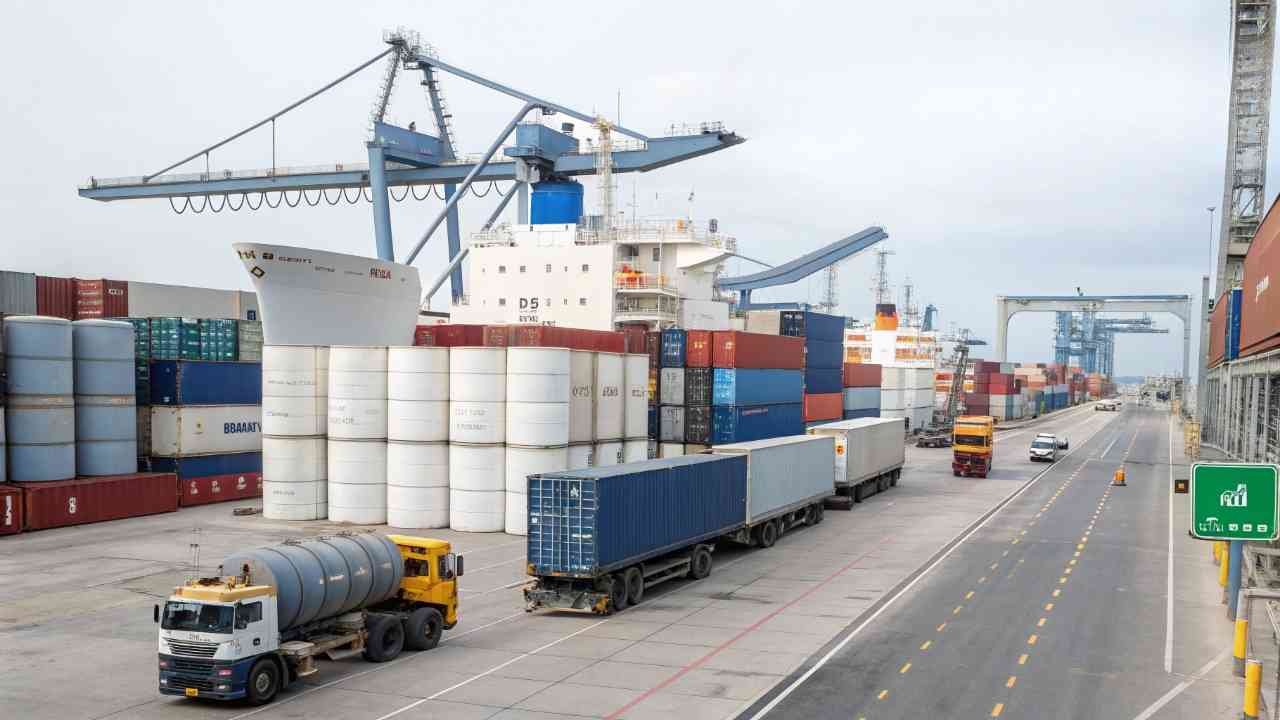
I manage shipments from ports that are close to the factories. Most Vitamin B3 is made in Northern and Central China. Using the port of Qingdao or Tianjin reduces the truck transport cost. Some traders ship from distant ports because it is easier for them, but it costs you more. I also check the container space maximization. We palletize the drums to ensure they fit perfectly without wasted space. This technical detail lowers your freight cost per kilogram. I oversee the loading to make sure everything is secure. This prevents damage that leads to insurance claims and delays.
Negotiating Free Time and Fees
I use my relationships with shipping lines to help my clients. I often negotiate 14 or 21 days of "free time" at your destination port. This is the time you have to pick up the container before you pay storage fees (demurrage). If your customs clearance takes a few extra days, you don't get hit with a high bill. I also use "telex release" for the Bill of Lading. This means I send a digital message to the shipping line. You do not have to pay for a DHL courier to send original paper documents. These small savings add up to hundreds of dollars over several shipments. I handle these logistics4 details so you don't have to worry about them.
Logistics Efficiency Checklist
| Optimization Tool | Eric's Action | Saving Type | Financial Impact |
|---|---|---|---|
| Mixed Containers | Group multiple additives | Lower unit freight | High |
| Port Selection | Use Qingdao / Tianjin | Lower inland trucking | Moderate |
| Free Time | Negotiate 21 days | No demurrage fees | High (if delayed) |
| Telex Release | Digital document release | No DHL / Courier fees | Moderate |
| Space Planning | Maximize pallet layout | Lower cost per kg | Moderate |
How Can Long-Term Agreements Stabilize Vitamin B3 (Niacin) Pricing?
Spot market price spikes can double your costs without warning. This volatility makes sales planning impossible for your team. Long-term agreements act as a shield to protect your pricing and supply for the whole year.
Long-term agreements stabilize pricing by locking in a set price and volume for 6 to 12 months. This protects buyers from market surges and energy hikes in China, ensuring priority supply and predictable procurement costs for the whole year even during shortages.
Hedging Against Market Volatility
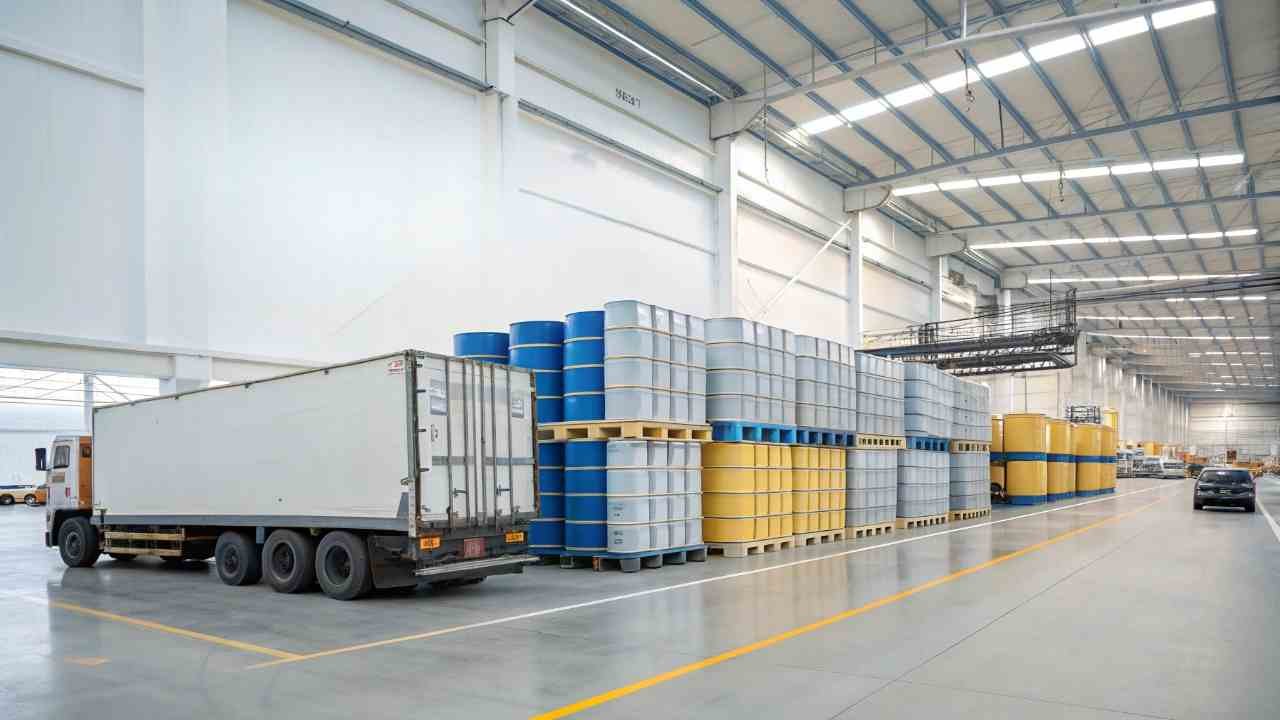
I see that the most successful wholesalers always use annual contracts. The price of Vitamin B3 in China can jump because of raw material shortages. If you buy on the spot market, your cost is a gamble. With an annual agreement, I help you lock in a fixed price. Even if the market price doubles next month, your cost stays the same. This allows you to give stable quotes to your own customers. It gives you a huge competitive advantage in markets like the Middle East and Southeast Asia. I manage the relationship with the factory to ensure they honor the price for all 12 months.
Supply Priority During Shortages
A long-term agreement is also about "supply security5." During peak seasons like the weeks before Chinese New Year, factories are very busy. They often stop taking new orders. But if you have a contract, the factory reserves a production slot for you every month. Your Vitamin B3 is made and shipped first. I oversee this schedule to ensure the material is always fresh. You do not have to worry about running out of stock. This long-term cooperation builds deep trust between you and the producer. I act as the manager of this relationship in China to ensure you always get priority service and top quality.
Spot Buying vs. Long-Term Contracts
| Feature | Spot Market Buying | Long-Term Agreement | Result |
|---|---|---|---|
| Price Risk | Very High | Zero / Locked | Budget security |
| Supply Priority | Low | Very High | No stockouts |
| Quality | Batch-to-batch | Single standard | Consistency |
| Admin Time | High (Negotiate often) | Low (Planned) | Saves labor |
| Market Power | Low | High | Market leadership |
Conclusion
Strategic bulk planning, logistics optimization, and long-term agreements are key to reducing Vitamin B3 costs. I help you manage these details at FINETECH to protect your profit and business growth for many years.
-
ICIS – Global chemical market intelligence providing data on raw material price trends and supply chain precursors. ↩
-
CIPS – The professional body for procurement, providing technical guides for buyers on managing industrial supply chains. ↩
-
Food Processing – Industry resource for food enterprises focusing on manufacturing technology and final product standards. ↩
-
Flexport – Trade-oriented resource explaining global logistics, ocean freight, and shipping risk management for importers. ↩
-
Harvard Business Review – Analysis of global supply chain strategies to ensure long-term supply security in a volatile market. ↩