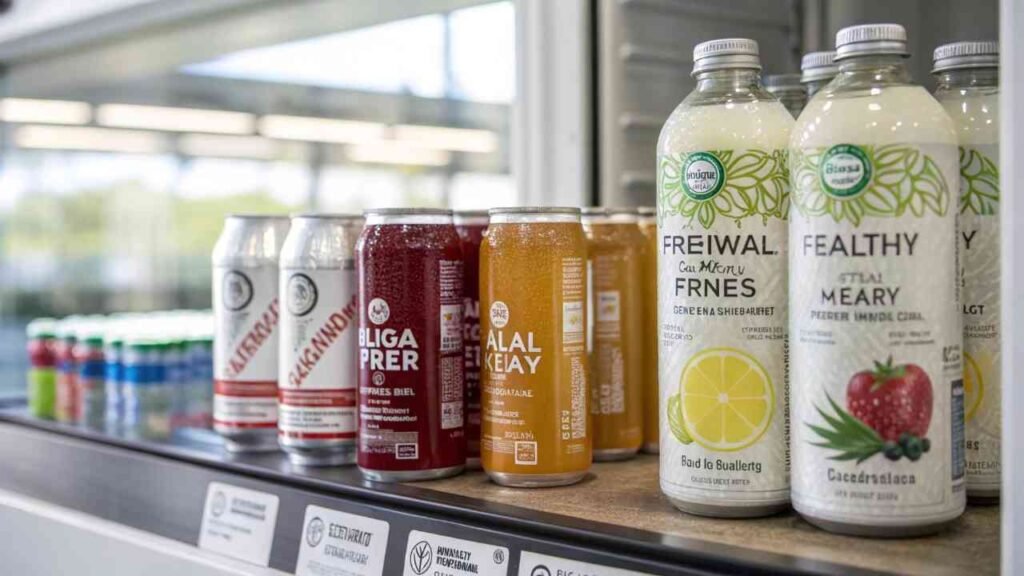
Formulating functional drinks without managing amino stability results in severe thermal degradation, liquid discoloration, and unappealing taste profiles. Unoptimized beverage design limits commercial success. Vetted processing secures innovation.
Gamma-aminobutyric acid improves functional beverage innovation by providing clean-label relaxation benefits, dissolving instantly in ready-to-drink liquids, pairing synergistically with adaptogens like L-theanine, and maintaining high heat-processing stability when formulated at optimal acidic pH levels.
Successfully launching premium functional beverages requires a disciplined approach to evaluating raw amino acid performance in liquid states. Sourcing managers must analyze how biological ingredients interact with pasteurization temperatures, liquid acidity, and other active botanicals. Sourcing partners like FINETECH simplify factory checks, verify production compliance, and secure competitive pricing directly in China to guarantee bulk deliveries. This guide explains how Gamma-aminobutyric acid (GABA) can improve functional beverage innovation.
Why Is Gamma-aminobutyric acid (GABA) Becoming Popular in Functional Drinks?
Relying entirely on energy-boosting caffeine restricts a drink line's appeal to modern, stress-conscious consumers seeking calm focus. Stimulant-heavy menus restrict sales. Calming active ingredients open new market shares.
GABA is becoming popular in functional drinks due to the rapid growth of the mental wellness segment, as consumers seek natural, non-drowsy relaxation, stress reduction, and alcohol-free alternative beverages.
Dive Deeper into Mental Wellness and Sober Curious Movements
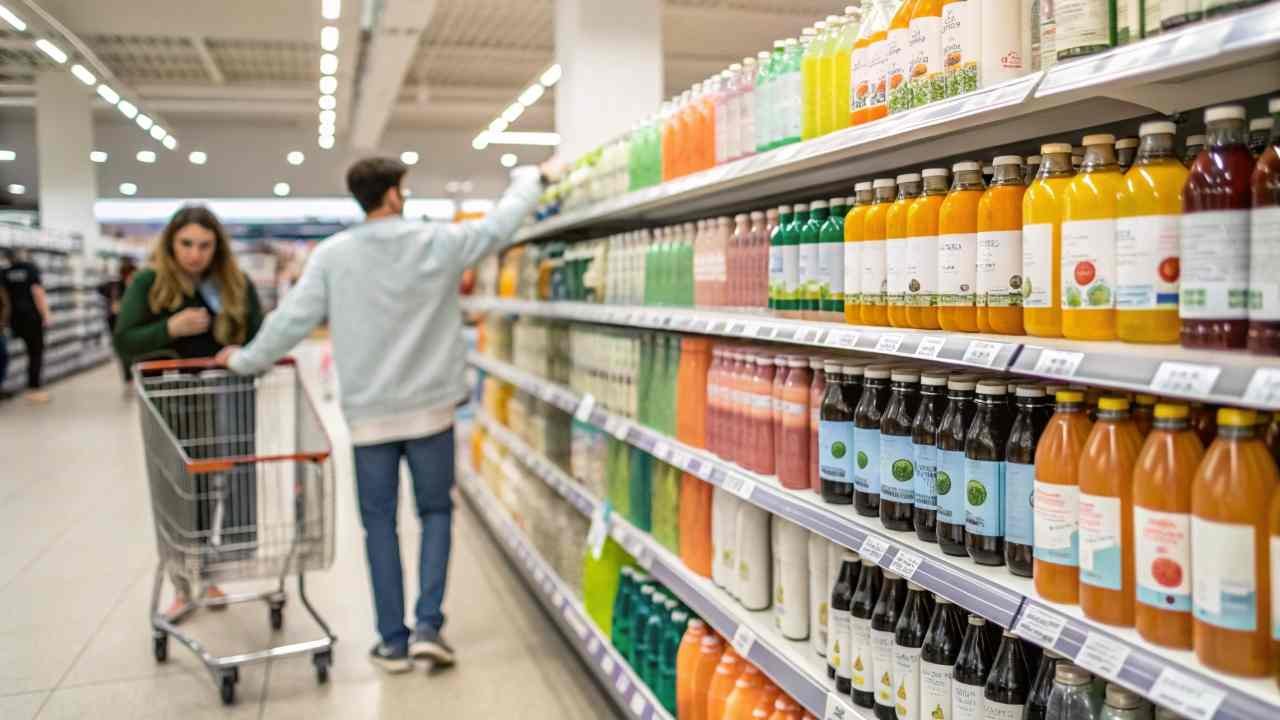
The functional beverage market is undergoing a significant transformation, driven by a global shift in consumer priorities toward mental health, stress mitigation, and emotional well-being. For decades, the functional drink1 sector was dominated by energy drinks loaded with caffeine, taurine, and high amounts of sugar, designed to provide physical stimulation. However, modern consumers are increasingly experiencing chronic stress, screen fatigue, and sleep disturbances, leading to a strong demand for "down-regulation" products that promote relaxation, calmness, and mental clarity without causing drowsiness. This is where Gamma-aminobutyric acid (GABA) plays a critical role as a highly popular active ingredient.
Furthermore, the rapid rise of the "sober curious2" movement has created a lucrative market for functional alcohol alternatives. Gen Z and millennial consumers are actively reducing their alcohol intake, seeking instead sophisticated, non-alcoholic adaptogenic mocktails and carbonated relaxation sodas that provide a mild calming effect. GABA, as a natural inhibitory neurotransmitter, is the ideal bioactive component to deliver this relaxed sensation. Sourcing partners like FINETECH support beverage brands by auditing raw material quality directly in China, securing premium, natural, bio-fermented GABA that aligns with vegan and clean-label market expectations.
| Market Driver | Consumer Target Audience | Functional Goal | Sourcing Ingredient Value |
|---|---|---|---|
| Mental Wellness | Stressed working professionals | Stress reduction, calm focus | Natural, bio-fermented GABA |
| Sober Curious | Health-conscious younger adults | Sophisticated alcohol alternative | Delivers mild, relaxed sensation |
| Sleep Support | Individuals with sleep issues | Improved sleep hygiene | High-purity, standardized assay |
| Clean Label | Natural wellness consumers | Plant-based, vegan choices | Non-GMO, allergen-free certifications |
How Does Gamma-aminobutyric acid (GABA) Perform in Ready-to-Drink Products?
Formulating liquid canned beverages with low-grade active compounds leads to cloudiness, sedimentary residue, and shortened shelf lives. Mismatched solubility degrades product appeal. High-clarity parameters resolve liquid defects.
In ready-to-drink products, GABA performs exceptionally well due to its complete aqueous solubility, odorless profile, and long-term chemical stability within typical acidic carbonated or non-carbonated packaging matrices.
Dive Deeper into Canned Liquid Stability and Clarity Performance
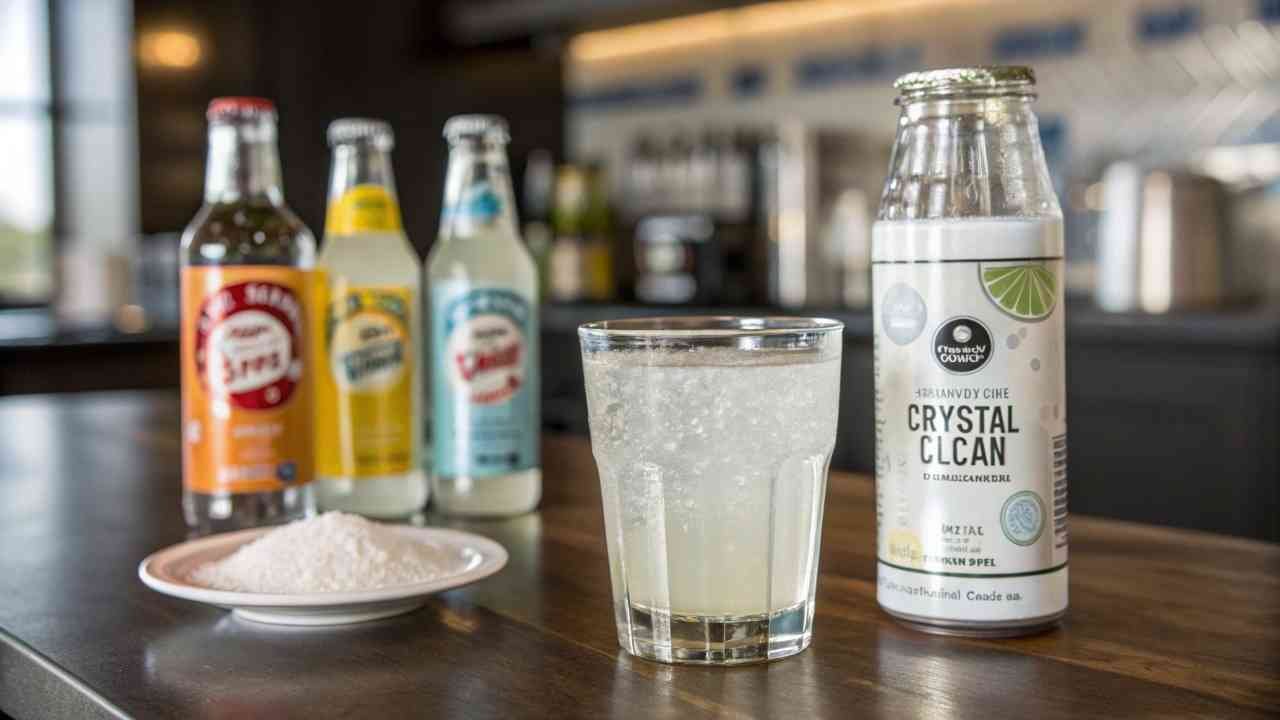
Ready-to-drink (RTD)3 beverages—such as sparkling waters, functional shots, and botanical-infused teas—require active ingredients that are both chemically stable and physically compatible with liquid manufacturing processes. GABA exhibits exceptional performance in RTD matrices. Because it is highly soluble in water, it dissolves rapidly to form a completely transparent, sediment-free solution, preserving the visual appeal of clear beverages in glass or plastic bottles. Unlike other calming botanical extracts that can introduce heavy odors or dark, muddy colors, premium natural GABA is virtually odorless and neutral in taste, making it easy for product developers to flavor.
Chemically, GABA maintains its structural integrity over an extended shelf life when packaged in standard aluminum cans or glass containers, provided the formulation's pH4 is managed. The molecule is highly stable in slightly acidic environments, which is the standard pH range (3.5 to 5.5) for most carbonated soft drinks and functional juices. This stability ensures that the beverage maintains its active label claims from the production line to the retail shelf. Sourcing partners like FINETECH manage these formulation requirements by arranging pre-shipment quality testing in China, verifying that the GABA is free from impurities and satisfies strict beverage clarity standards.
| Processing Aspect | RTD Formulation Challenge | GABA Performance | Technical Sourcing Target |
|---|---|---|---|
| Aqueous Clarity | Avoid turbidity or cloudiness | Dissolves instantly clear | Pure food-grade FCC standard |
| Flavor Profile | Masking chemical off-tastes | Neutral, virtually odorless | Residual glutamate under 0.1% |
| Acid Stability | Avoiding acidic degradation | Highly stable at pH 3.5-5.5 | Verified pH stability data |
| Packaging Match | Shelf life assay degradation | Maintains potency in cans/glass | Low moisture, high-purity assay |
Which Ingredients Work Well with Gamma-aminobutyric acid (GABA) in Beverage Formulas?
Combining active botanical extracts without evaluating chemical synergies can lead to weak functional benefits and difficult taste profiles. Unstructured blending compromises efficacy. Targeted ingredient pairings optimize functionality.
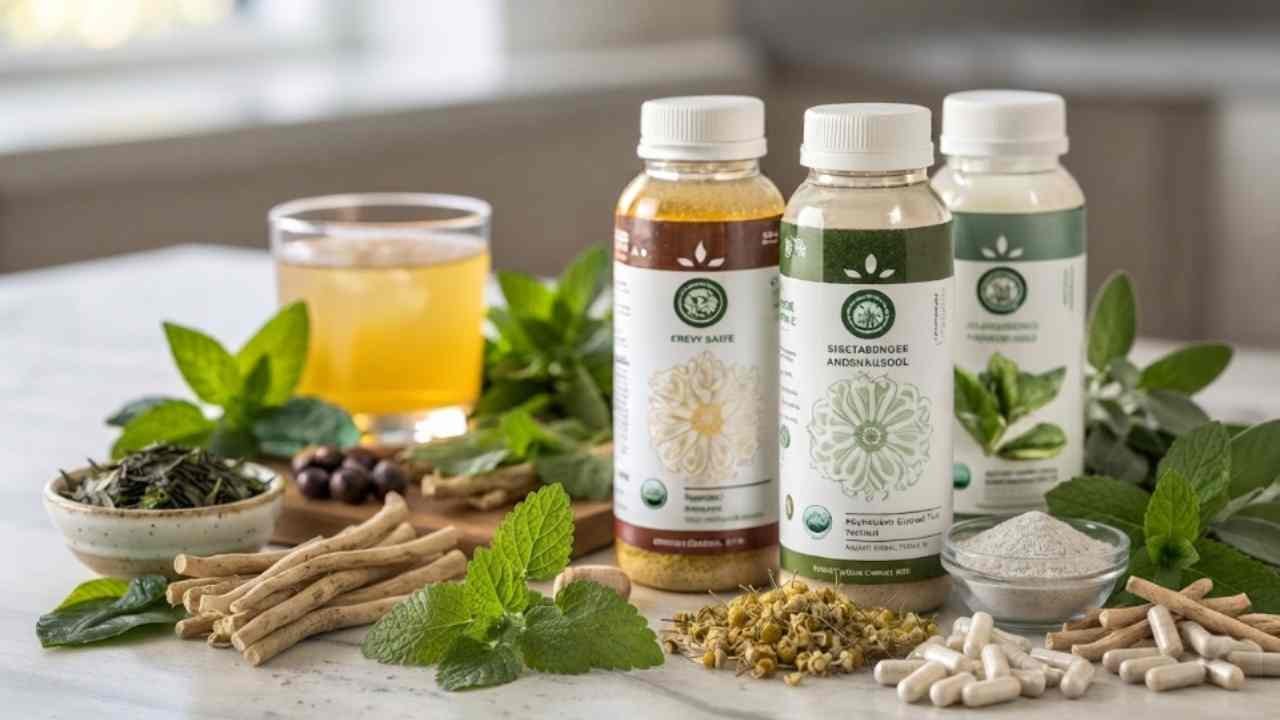
Ingredients that work well with GABA include L-theanine, ashwagandha, lemon balm, chamomile, and magnesium, which provide synergistic cognitive relaxation and enhance the overall calming efficacy of the beverage.
Dive Deeper into Synergistic Botanicals and Neurotransmitter Pathways
To maximize the efficacy of calming and cognitive-support beverages, formulation chemists rarely use GABA in isolation; instead, they pair it with synergistic ingredients that target complementary biochemical pathways. One of the most common and effective pairings is GABA with L-Theanine, an amino acid naturally found in green tea. L-Theanine promotes alpha brain wave activity, which supports a state of relaxed alertness, working in harmony with GABA’s inhibitory effects on the central nervous system to reduce acute stress.
Additionally, adaptogenic botanical extracts like ashwagandha (Withania somnifera), lemon balm (Melissa officinalis), chamomile, and passionflower are frequently blended with GABA to provide a sustained, multi-pathway relaxation effect. Mineral supplements, particularly magnesium glycinate or magnesium citrate, also work exceptionally well in these formulas, as magnesium acts as a natural NMDA receptor blocker and supports GABA receptor function. Sourcing partners like FINETECH help beverage developers optimize these blends by coordinating the procurement of multiple active ingredients. They source high-purity L-theanine, magnesium, and premium botanical extracts directly from certified Chinese manufacturers, streamlining the supply chain and ensuring batch-to-batch consistency.
| Partner Ingredient | Synergistic Mechanism | Formulation Value | Target Consumer Benefit |
|---|---|---|---|
| L-Theanine | Promotes alpha brain waves | Enhances relaxed alertness | Calm focus without drowsiness |
| Ashwagandha | Regulates cortisol response | Supports long-term stress control | Balanced mood and stamina |
| Lemon Balm | Inhibits GABA transaminase | Prolongs natural GABA activity | Deeper, sustained calming effect |
| Magnesium | Blocks NMDA receptors | Relaxes muscular tension | Restorative body and mind ease |
How Can Manufacturers Maintain Gamma-aminobutyric acid (GABA) Stability During Heat Processing?
Exposing amino-acid liquid lines to high-heat pasteurization causes rapid Maillard browning and active ingredient loss when mixed with reducing sugars. Uncontrolled thermal processing ruins clarity.
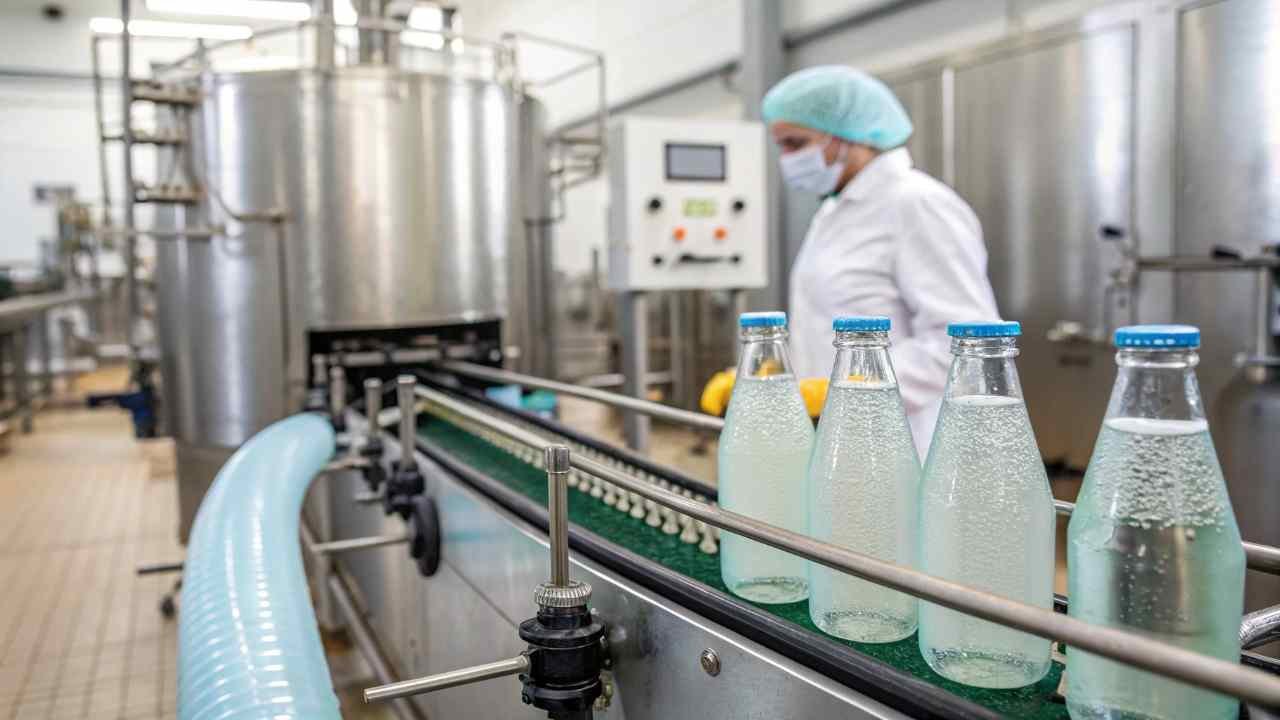
Manufacturers maintain GABA stability during heat processing by adjusting solution pH between 4.0 and 5.5, using non-reducing sweeteners, and employing high-temperature short-time thermal sterilization methods.
Dive Deeper into Maillard Browning Mitigation and HTST Sterilization
While GABA is a relatively robust amino acid, maintaining its stability during thermal pasteurization5 and ultra-high temperature (UHT) processing requires careful formulation engineering. The primary risk during heat processing is the Maillard browning reaction. GABA contains free amino groups that are highly reactive. If a beverage formulation contains reducing sugars—such as glucose, fructose, or high-fructose corn syrup—exposing the liquid to high pasteurization temperatures will trigger a rapid browning reaction, leading to off-flavors and chemical degradation.
To prevent this, manufacturers must utilize non-reducing sweeteners, such as stevia, erythritol, monk fruit, or sucralose, which do not participate in Maillard browning. Additionally, maintaining a slightly acidic pH (between 4.0 and 5.0) significantly slows down chemical degradation pathways during thermal stress. Processing parameters must also be optimized; utilizing High-Temperature Short-Time (HTST) pasteurization or aseptic cold-filling lines minimizes the duration of heat exposure, protecting the active GABA molecules from thermal breakdown. Sourcing partners like FINETECH support beverage engineers by providing technical feedback and stability data from Chinese manufacturing partners, helping brands design heat-tolerant formulations that preserve high active assays throughout the pasteurization process.
| Thermal Sourcing Risk | Chemical Mechanism | Formulation Solution | Expected Sourcing Target |
|---|---|---|---|
| Maillard Browning | Amino groups react with sugars | Use non-reducing sweeteners | Protects color, flavor, clarity |
| Thermal Decay | Heat breaks amino structure | Implement HTST pasteurization | Preserves target label assays |
| pH Instability | Alkaline solutions accelerate decay | Maintain pH between 4.0 and 5.0 | Stable, robust liquid shelf life |
| Sedimentation | Heated calcium / minerals react | Use mineral chelates, buffers | Clear, precipitate-free drinks |
What Beverage Trends Are Driving Gamma-aminobutyric acid (GABA) Demand?
Pitching traditional sugary sodas to health-conscious consumers limits brand growth in an era dominated by clean-label functional beverages. Legacy soft drinks lose relevance. Adapting to modern lifestyle shifts captures demand.
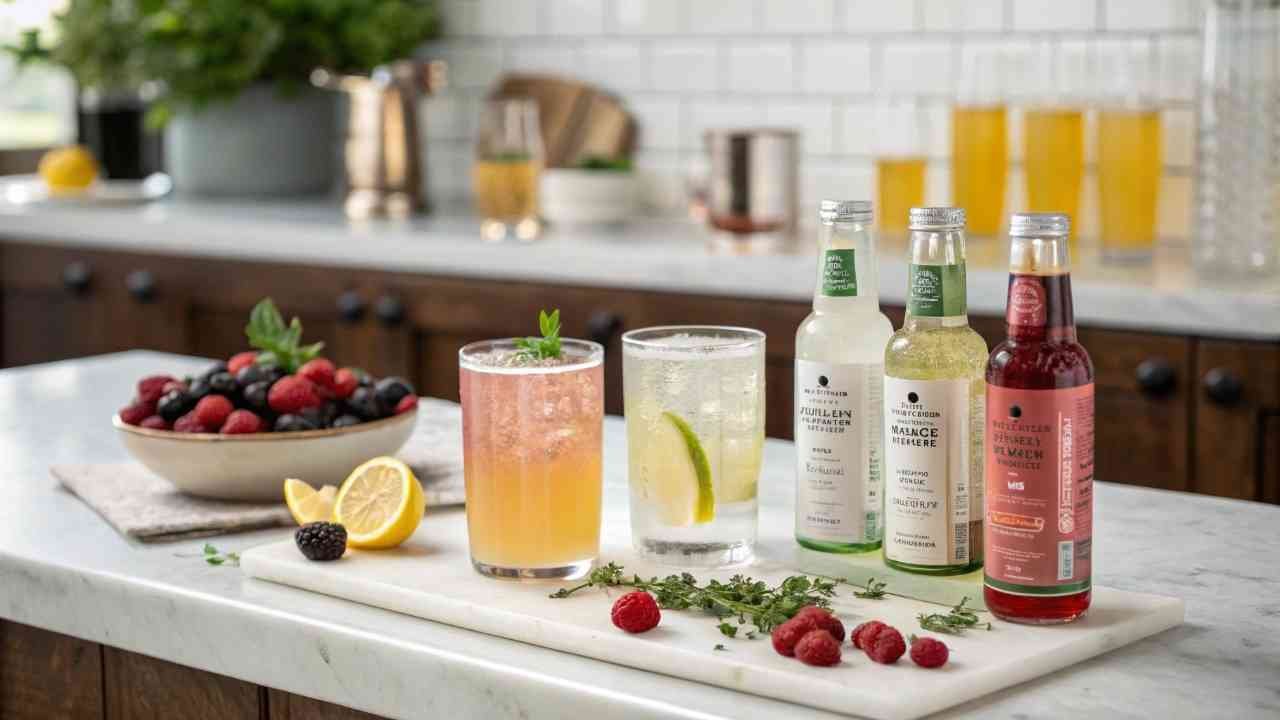
Beverage trends driving GABA demand include the rise of functional relaxation sodas, sober-curious adaptogenic mocktails, pre-bedtime sleep-aid shots, and clean-label non-GMO vegan certified ingredients.
Dive Deeper into Functional Sodas and Non-Alcoholic Mocktail Trends
The global demand for GABA in the beverage industry is being propelled by several major consumer trends that are redefining the soft drink market. A primary driver is the explosive growth of functional sodas and "mood-boosting" sparkling waters. Modern consumers are replacing traditional, high-sugar carbonated soft drinks with low-calorie, prebiotic-rich, or adaptogen-infused sodas that offer a tangible health benefit. Brands that incorporate GABA can market these sodas as premium relaxation beverages that help consumers wind down after a stressful day.
Another powerful trend is the expansion of non-alcoholic mocktails and adaptogenic spirits. As the "sober curious" lifestyle gains mainstream traction, consumers are seeking sophisticated beverages that replicate the relaxing social experience of drinking alcohol without the subsequent hangover. GABA is uniquely suited for this application, providing a mild, comforting sense of relaxation. Additionally, the clean-label trend demands that these active ingredients are produced via sustainable, plant-based microbial fermentation rather than chemical synthesis. Sourcing partners like FINETECH assist international beverage brands by auditing Chinese fermentation plants to secure non-GMO, allergen-free, and vegan-certified GABA, ensuring that the raw materials align with premium, clean-label consumer expectations.
| Emerging Beverage Trend | Applied Product Type | Target Consumer Benefit | Key Sourcing Cert Need |
|---|---|---|---|
| Functional Relaxation Sodas | Canned carbonated water | Daily wind-down, stress relief | High-purity, neutral flavor |
| Adaptogenic Mocktails | Non-alcoholic retail cocktails | Social relaxation without hangover | Carbon-14 natural fermentation |
| Pre-Bedtime Shots | Concentrated wellness liquid | Sleep support, deeper rest | Allergen-free, GMP compliant |
| Clean-Label Beverages | Organic botanical wellness mixes | Transparent, natural ingredients | Vegan, Non-GMO certified |
Conclusion
Gamma-aminobutyric acid is transforming functional beverage innovation by providing clean-label mental wellness benefits, performing exceptionally well in ready-to-drink formulations, pairing synergistically with complementary adaptogens, and maintaining chemical stability during thermal heat processing.
-
An industry-focused analysis published in Forbes examining the shift in purchasing patterns and wellness priorities among younger demographics driving the functional beverage market. ↩
-
An official press release and market analysis from IWSR detailing the divergence of consumer trends driving both no-alcohol and alcohol-adjacent functional beverages. ↩
-
A practical industry development guide from RapidCPG exploring what it takes to formulate, manufacture, scale, and ensure the shelf life of ready-to-drink (RTD) beverages. ↩
-
A technical developer guide by JAI Development explaining how pH and titratable acidity interact to control microbiological safety, flavor stability, and processing parameters in beverage formulation. ↩
-
A peer-reviewed study in MDPI's Beverages evaluating how thermal pasteurization affects both active functional compounds (like GABA) and volatile odor substances. ↩