
Sourcing substandard bulk ingredients leads to delayed product rollouts, failed custom inspections, and damaged commercial reputation. Blind importing threatens overall profitability. Standardized sourcing processes prevent these risks.
Importers can source high-quality Vitamin C and ascorbates by verifying specific pharmacopoeia standards, conducting thorough supplier compliance audits, requesting comprehensive shipping documentation, implementing dual-sourcing models, and partnering with experienced local sourcing experts to oversee quality controls.
Successful chemical procurement operations depend on securing stable volume allocations and verifying raw material purity. Importers must follow systematic selection steps to optimize their international supply pipelines. Sourcing partners like FINETECH simplify factory checks, oversee production, and manage quality directly in China to secure bulk deliveries. This comprehensive guide outlines the best practices for sourcing high-quality Vitamin C series and ascorbates.
What Should Buyers Check Before Purchasing Vitamin C Series & Ascorbates?
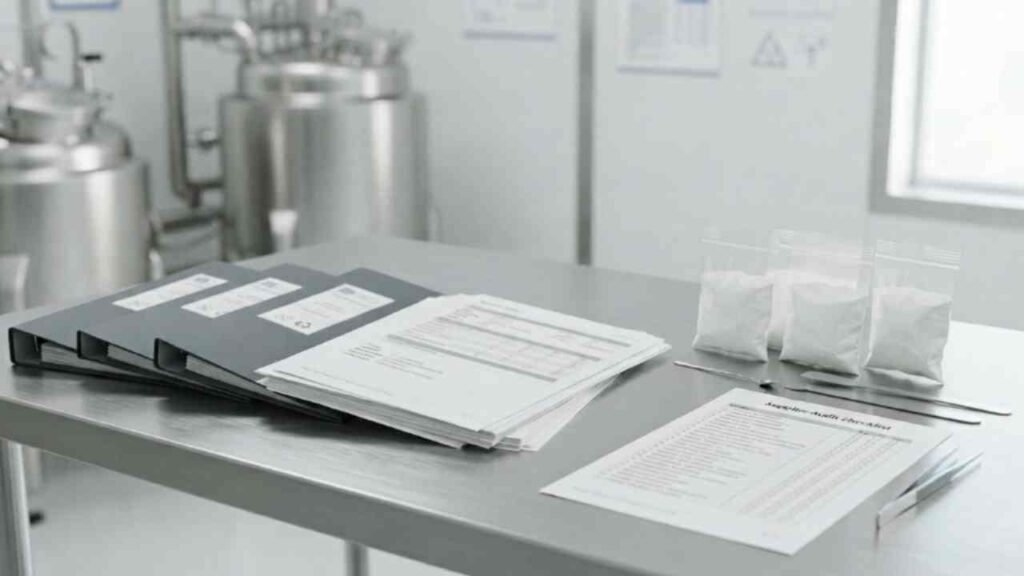
Purchasing bulk vitamins based solely on generic catalog pictures can result in receiving incompatible powder meshes or degraded materials. Neglecting physical specs ruins blending processes. Checking critical indicators ensures compatibility.
Before purchasing, buyers must check the specific physical form (fine powder vs. granular), mesh size requirements, chemical assay purity (minimum 99.0%), moisture loss on drying (maximum 0.4%), specific optical rotation, and barrier packaging specifications.

Dive Deeper into Technical Specifications and Mesh Grades
Successful procurement begins with a detailed review of the product's technical parameters. Sourcing managers must look beyond basic pricing and specify the exact physical grade required for their formulation. For example, standard L-ascorbic acid is available in various mesh sizes1, ranging from ultra-fine powders (100 to 200 mesh) to free-flowing granular forms (30 to 80 mesh). Ultra-fine powders are ideal for cosmetic creams and instant beverages due to their rapid dissolution rates. However, they are highly sensitive to moisture and can easily cake during storage.
Granular forms are preferred for tableting and dry-feed blending because they offer superior flowability and do not segregate in the mixing hopper. Furthermore, buyers must verify critical chemical indicators on the manufacturer's technical data sheet. These indicators include specific optical rotation, which must range between plus twenty point five and plus twenty-one point five degrees to confirm active isomer purity. Loss on drying must not exceed zero point four percent to prevent microbial growth. Sourcing partners like FINETECH assist buyers by reviewing these technical requirements with the factory, ensuring that the selected product matches the buyer's formulation needs.
| Technical Parameter | Standard Specification | Operational Importance | Sourcing Quality Action |
|---|---|---|---|
| Physical Form | Fine Powder vs. Granular | Determines dissolution and flow | Specify mesh size on contract |
| Active Assay | 99.0% to 100.5% (dry basis) | Guarantees nutritional potency | Verify with HPLC testing logs |
| Loss on Drying | Maximum 0.4% | Prevents caking and degradation | Store in a humidity-controlled warehouse |
| Optical Rotation | +20.5° to +21.5° | Confirms active biological isomer | Check automatic polarimeter records |
How Can You Evaluate a Vitamin C Series & Ascorbates Supplier?
Relying on self-proclaimed quality claims can result in partnering with uncertified brokers who cannot guarantee shipping timelines or consistent purity. Unverified suppliers risk cargo delays. Standard evaluation steps find reliable partners.
Evaluate suppliers by verifying active international safety certificates like FSSC 22000, checking in-house laboratory testing capabilities, reviewing past shipping records to regulated markets, and evaluating factory waste-treatment systems to avoid environmental shutdowns.
Dive Deeper into Supplier Auditing and Verification
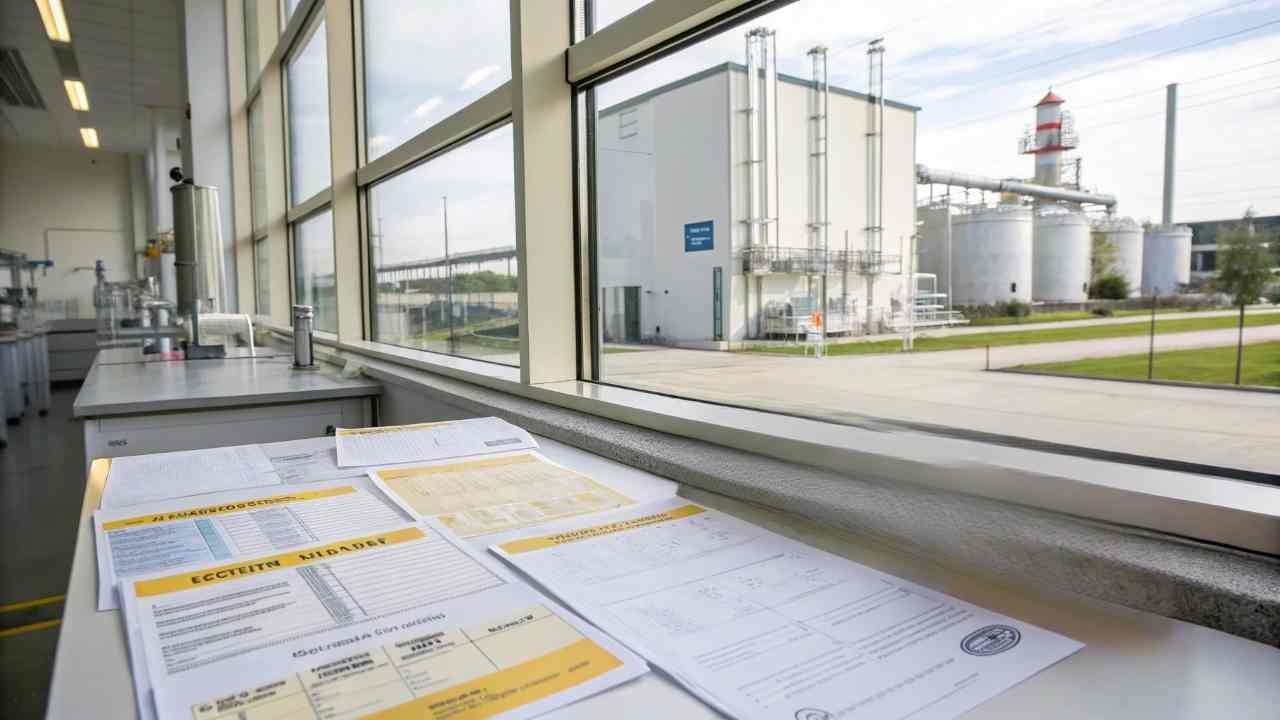
Selecting an international supplier requires a rigorous vetting process that goes beyond comparing basic pricing sheets. The first step in this evaluation is verifying the supplier's active quality management certificates. Reliable factories must hold recognized certifications such as FSSC 220002 for food safety and GMP for pharmaceutical compliance. Sourcing managers must ask for these certificate registry numbers and verify their validity against official auditing databases.
Second, buyers must evaluate the factory's analytical laboratory setup. A reliable manufacturer operates fully calibrated testing equipment, including High-Performance Liquid Chromatography3 (HPLC) and Gas Chromatography (GC), to verify batch purity and test for residual solvents in-house. Third, checking the factory's environmental compliance history is critical. Because fermentation processes generate significant industrial wastewater4, plants without robust waste-treatment systems face sudden, government-enforced shutdowns during regional audits. Sourcing partners like FINETECH manage these evaluation steps by conducting thorough, in-person audits of Chinese factories. They inspect laboratory logs, check cleanroom safety, and review environmental compliance records to ensure that B2B buyers purchase materials only from stable, fully compliant export manufacturers.
| Evaluation Area | Target Audit Point | Sourcing Risk Managed | Verification Action |
|---|---|---|---|
| Quality Systems | FSSC 22000 and GMP status | Substandard manufacturing safety | Check active certification databases |
| Lab Capabilities | Presence of HPLC and GC units | Inaccurate batch purity claims | Review equipment calibration logs |
| Environmental | On-site wastewater treatment | Sudden government shutdowns | Inspect factory emission permits |
| Export History | Shipments to regulated markets | Lack of custom clearance skill | Request past bills of lading copies |
What Documents Should Accompany Vitamin C Series & Ascorbates Shipments?
Missing or incorrect shipping paperwork results in extended customs delays, high port storage fees, and potential seizure of imported goods. Flawed documentation disrupts transit. Verifying mandatory paperwork ensures smooth clearances.
Every shipment must be accompanied by a batch-specific Certificate of Analysis (COA), detailed Packing List, Bill of Lading (B/L), commercial invoice, Health/Phytosanitary Certificate, Non-GMO declaration, Allergen-free statement, and a Material Safety Data Sheet (MSDS).

Dive Deeper into Customs and Import Documentation
Importing chemical ingredients requires flawless administrative compliance to clear international borders without delay. The most critical document is the batch-specific Certificate of Analysis (COA). This document must show actual numerical test results for purity, heavy metals, and moisture, rather than generic range declarations, and must match the batch number stamped on the shipping drums. Second, the packing list and commercial invoice must display matching product descriptions, batch codes, and net weights to avoid discrepancies.
Additionally, dietary supplement and food brands require specialized declarations. These include Non-GMO statements and Allergen-free certificates to satisfy consumer labeling laws. A comprehensive Material Safety Data Sheet (MSDS) is also mandatory to guide transport handlers on safe storage protocols. Sourcing partners like FINETECH protect buyers by managing this documentation preparation. They review all certificates and declarations prior to vessel departure, ensuring that every document matches regional import customs requirements. This meticulous check prevents unexpected customs holds, port storage fees, or administrative penalties at destination ports, keeping international logistics running on schedule.
| Required Document | Primary Operational Purpose | Core Content Checked | Importer Action |
|---|---|---|---|
| Certificate of Analysis | Proves chemical specification compliance | Purity assay, heavy metals, moisture | Cross-reference with drum batch codes |
| MSDS Sheet | Details safe storage and transport | Hazard classifications, emergency steps | Provide to shipping carrier in advance |
| Allergen Certificate | Confirms product safety for consumers | Presence of soy, gluten, dairy | Upload to food safety registry systems |
| Bill of Lading | Acts as cargo title and receipt | Container numbers, weight, seal codes | Confirm details match packing lists |
How Can Buyers Reduce Procurement Risks?
Relying on a single factory can cause production lines to halt instantly if that plant faces an unexpected shutdown or tariff hike. Concentrated supply structures threaten operations. Diversifying sourcing methods reduces buying risks.
Buyers can reduce procurement risks by implementing a dual-sourcing model across different regions, maintaining a three-month safety buffer stock, using fixed-price quarterly contracts, and partnering with experienced local sourcing experts to supervise factory quality.
Dive Deeper into Strategic Sourcing and Hedging
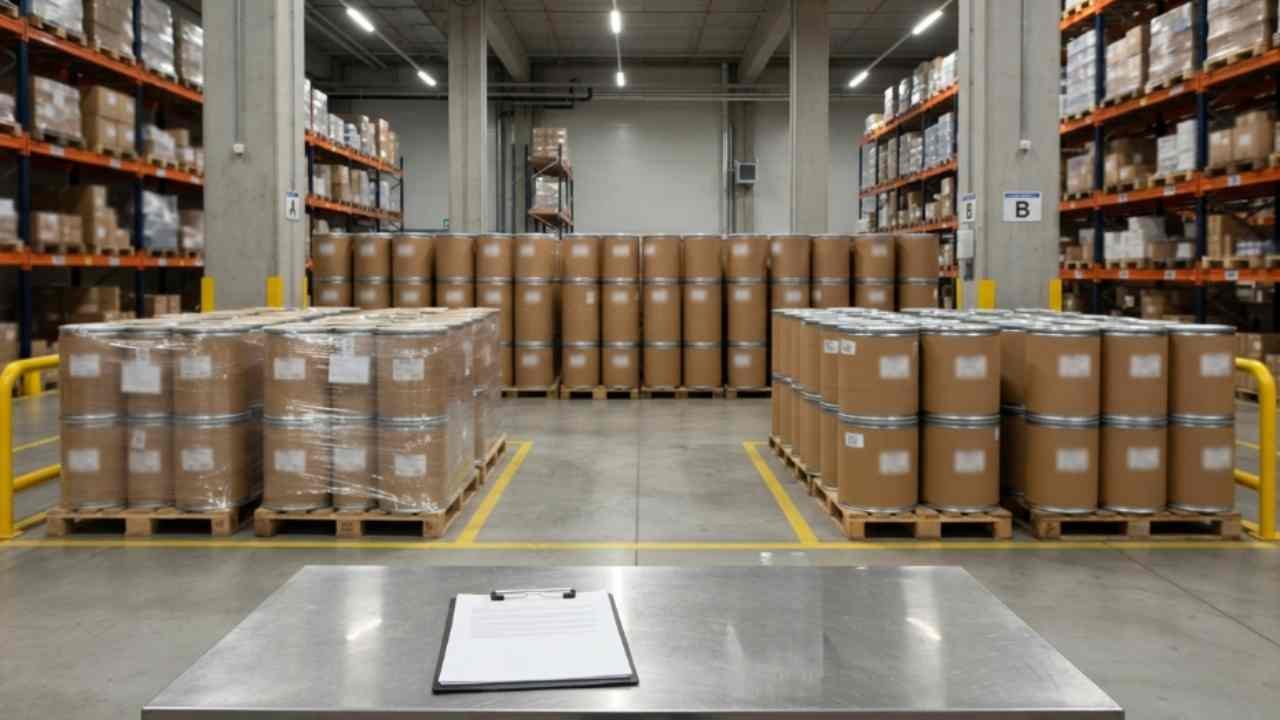
Sourcing bulk chemical ingredients requires a structured risk-mitigation framework. The most effective way to protect your business is by implementing a multi-sourcing model. Buyers should avoid relying on a single manufacturing facility. Instead, they must audit and approve backup factories in different regional hubs, such as partnering with suppliers in both North and East China. If one factory faces an unexpected environmental audit, technical failure, or local power regulation, the backup facility can quickly fulfill the orders, preventing manufacturing halts.
Additionally, holding a three-month buffer safety stock5 protects against ocean shipping delays or port congestion. Buyers should also utilize fixed-price quarterly or annual contracts to hedge against spot-market price spikes during seasonal factory shutdowns. Sourcing partners like FINETECH help B2B buyers implement these risk-reduction strategies. They streamline factory audits, oversee production, guarantee quality, and secure competitive pricing with low MOQs. This support allows buyers to purchase smaller, fresh batches of raw materials, reducing inventory storage risks while keeping their international supply pipeline consistent, compliant, and cost-effective even during periods of high global market volatility.
| Risk Mitigation Method | Operational Mechanism | Sourcing Risk Managed | Implementation Step |
|---|---|---|---|
| Multi-Sourcing | Register alternate factories | Localized plant closures | Approve a backup regional facility |
| Buffer Safety Stock | Hold 3 months of inventory | Marine logistics delays | Adjust warehouse safety thresholds |
| Fixed Contracts | Lock in quarterly pricing | Spot market price spikes | Sign volume commitments during low seasons |
| Sourcing Experts | Work with local specialists | Sourcing and quality errors | Consolidate shipping with local agents |
What Makes a Reliable Vitamin C Series & Ascorbates Manufacturer?
Partnering with underfunded manufacturers leads to receiving off-spec ingredient batches, inconsistent powder flow, and sudden contract cancellations due to margin squeezes. Unstable producers ruin business plans. Evaluating manufacturer reliability protects pipelines.
A reliable Vitamin C manufacturer is characterized by fully integrated upstream corn starch processing lines, large-scale automated fermentation, active international safety certifications (FSSC 22000), robust wastewater recycling facilities, and transparent communication regarding plant maintenance schedules.
Dive Deeper into Manufacturer Scale and Capabilities
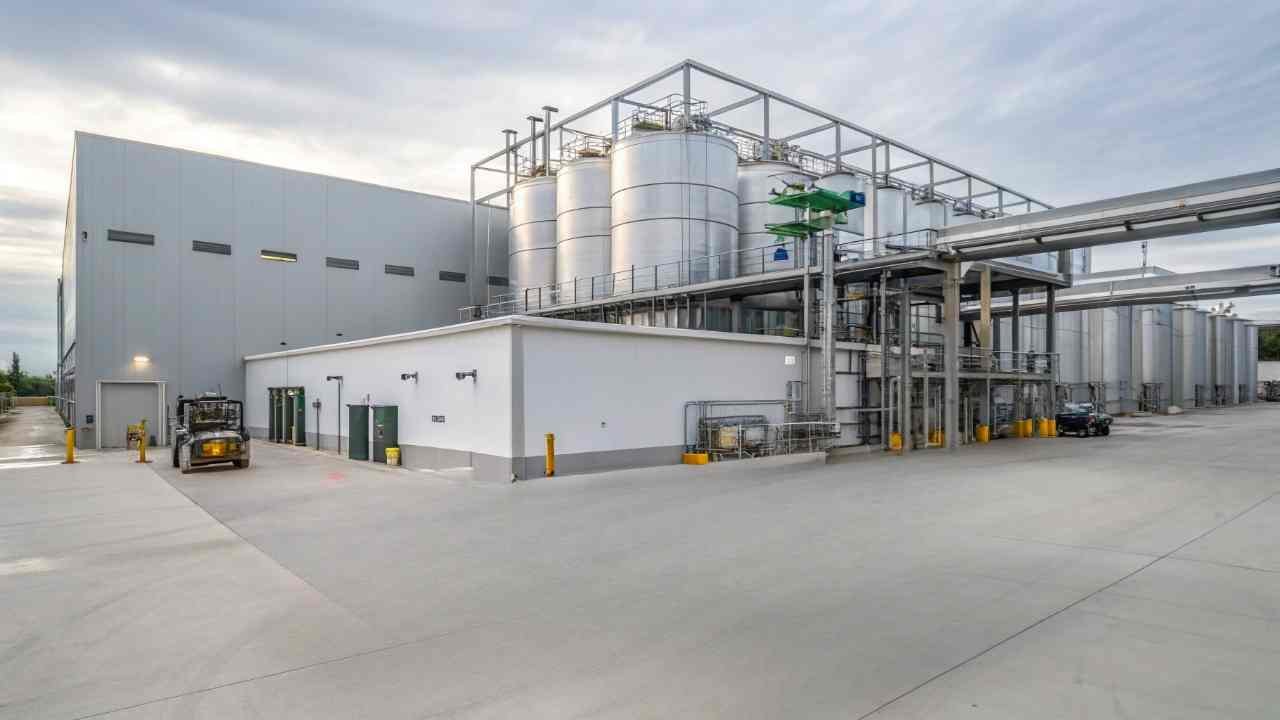
The reliability of a Vitamin C manufacturer is determined by their industrial integration and infrastructure. The most reliable producers, such as CSPC (with ~80,000 t/y capacity) or Zhejiang NHU (with ~45,000 t/y capacity), operate fully integrated upstream processing lines. These companies process raw corn into D-glucose on-site, shielding their fermentation lines from external raw material shortages. This vertical integration allows them to maintain consistent production schedules and offer competitive pricing even during global intermediate shortages.
Additionally, reliable plants utilize advanced, closed-loop automated fermentation systems that run continuously. This automation ensures high batch-to-batch consistency, reducing the risk of active assay drops or particle size variations. They also invest heavily in wastewater treatment systems to comply with strict national environmental regulations, preventing unplanned factory closures. Sourcing partners like FINETECH visit these integrated giants in person, auditing their automated systems, checking lab records, and reviewing environmental permits. This strict, on-the-ground evaluation ensures that international B2B buyers purchase raw materials only from highly reliable, financially stable manufacturers that can guarantee consistent, long-term supply.
| Manufacturer Metric | Industry Standard Profile | Operational Benefit | Verification Method |
|---|---|---|---|
| Vertical Integration | In-house corn processing | Shields plant from precursor shortages | Audit factory supply chain flowcharts |
| Plant Automation | Closed-loop fermentation lines | High batch-to-batch purity | Review computer-aided processing logs |
| Waste Treatment | Multi-stage water recycling | Prevents environmental closures | Confirm active factory discharge permits |
| Quality Assurance | ISO/GMP in-house lab setup | Accurate purity and heavy metal test | Check HPLC instrument calibration records |
Conclusion
Sourcing high-quality Vitamin C requires verifying technical specifications, auditing supplier certifications, and implementing dual-sourcing models. Partnering with a reliable sourcing team keeps your global import pipeline safe.
-
Wikipedia – Comprehensive reference detailing the mesh scale standard, wire diameters, and particle size conversion methods used in industrial powder classification. ↩
-
Foundation FSSC – Official program portal outlining the food safety management system requirements, GFSI benchmark alignment, and auditing standards of the FSSC 22000 scheme. ↩
-
Shimadzu Corporation – Technical overview presenting the separation mechanisms, core components, and general principles of High-Performance Liquid Chromatography (HPLC) analysis. ↩
-
U.S. Environmental Protection Agency (EPA) – Regulatory portal detailing the national Effluent Limitation Guidelines (ELGs) for industrial wastewater discharges. ↩
-
Massachusetts Institute of Technology (MIT) – PDF resource of Peter L. King's seminal work analyzing the statistical formulas, Z-score calculations, and operational considerations of safety stock. ↩