High industrial pollution leads to factory closures and government fines. These disruptions stop your orders and damage your supply chain. Sustainable production ensures a stable and long-term chemical supply.
Sodium Erythorbate supply is made sustainable through eco-friendly fermentation, responsible corn sourcing, and wastewater recycling. Suppliers reduce their footprint by using natural gas and recyclable packaging. Buyers support this by ordering full containers (FCL) and choosing factories with ISO 14001 environmental certifications.
I want to share how sustainability protects your future procurement and reduces your business risks.
What Are the Environmental Impacts of Sodium Erythorbate Production?
Unmanaged waste pollutes water and air, leading to sudden factory shutdowns. These stops ruin your delivery schedules. Identifying environmental impacts helps you select compliant and reliable manufacturing partners.
The main impacts include energy-heavy fermentation and organic wastewater production. Factories also emit greenhouse gases from coal boilers. Modern plants reduce these effects by using water recycling systems and switching to natural gas to lower their total carbon footprint.
Energy Efficiency and Wastewater Management
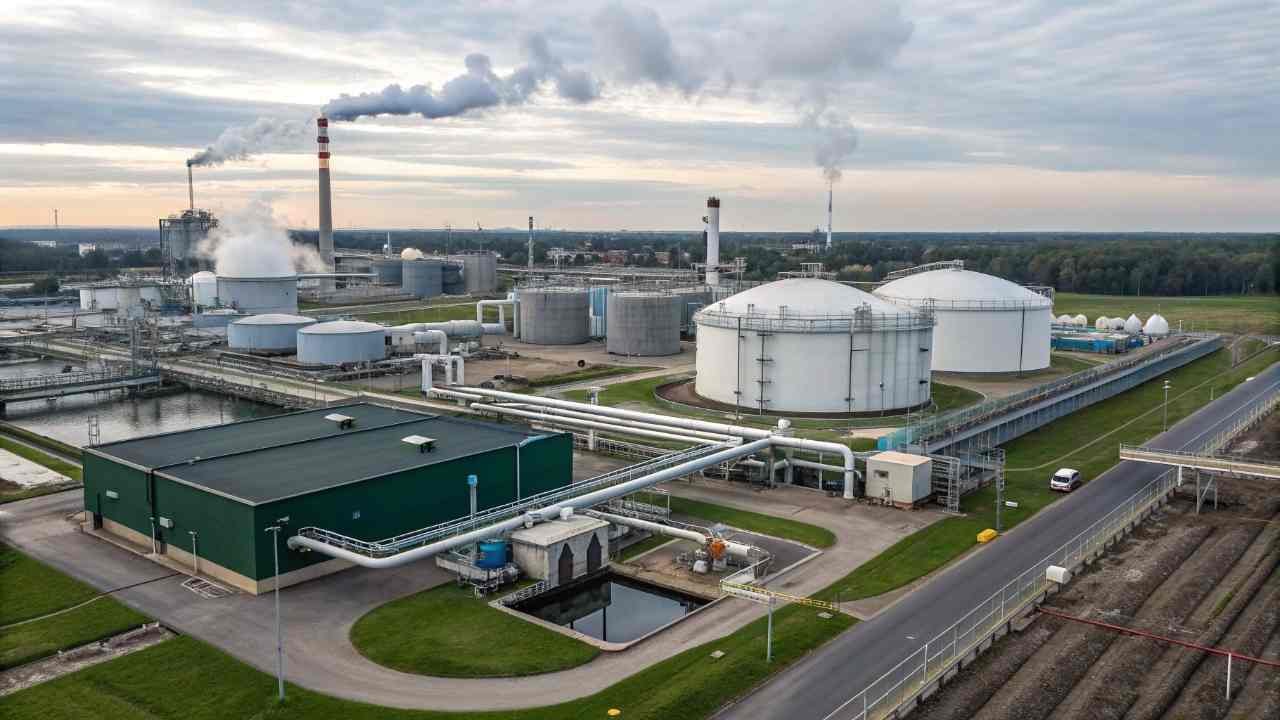
Sodium Erythorbate is produced via biological fermentation1. This process requires constant heat for microbes to grow. Traditional factories use coal-fired boilers, which release high CO2 levels. I prefer working with factories that use natural gas. This energy source is cleaner and keeps production stable. High energy efficiency also lowers the unit cost. When a factory saves power, they can offer better prices to wholesalers2 in Europe and the Middle East. China now enforces strict carbon laws. Factories that do not improve face forced shutdowns. I check the energy systems of our partners to ensure they use insulated tanks. These tanks maintain heat better and use less electricity.
Wastewater is a significant byproduct of fermentation. It contains organic matter like sugars and proteins. If this water is not cleaned, it harms local water systems. I inspect the treatment plants at our factories. Modern sites use anaerobic systems to clean the water before release. They also recycle this treated water for cooling. This "closed-loop" model saves water and reduces the factory's environmental load. It is a key indicator of a professional manufacturer. Sustainable factories also manage solid waste by drying spent microbes for use as animal feed. This turns waste into a resource and keeps the final price of Sodium Erythorbate stable for you.
| Impact Category | Traditional Impact | Sustainable Solution |
|---|---|---|
| Energy Consumption | High CO2 emissions | Natural gas or solar power |
| Water Usage | High waste volume | Closed-loop recycling |
| Solid Waste | Landfill disposal | Conversion to animal feed |
| Air Quality | Smoke and dust | High-efficiency gas boilers |
How Do Suppliers Source Raw Materials Responsibly?
Irresponsible sourcing leads to price spikes and low-quality materials. These issues make your procurement planning difficult. Responsible raw material management ensures a steady and safe chemical supply for your business.
Responsible sourcing involves selecting corn and glucose suppliers that follow sustainable farming. It focuses on non-GMO crops and avoids deforestation. Suppliers track material origins to ensure they meet international safety standards and ethical labor requirements for food additives.
Sustainable Agriculture and Local Supply Chains
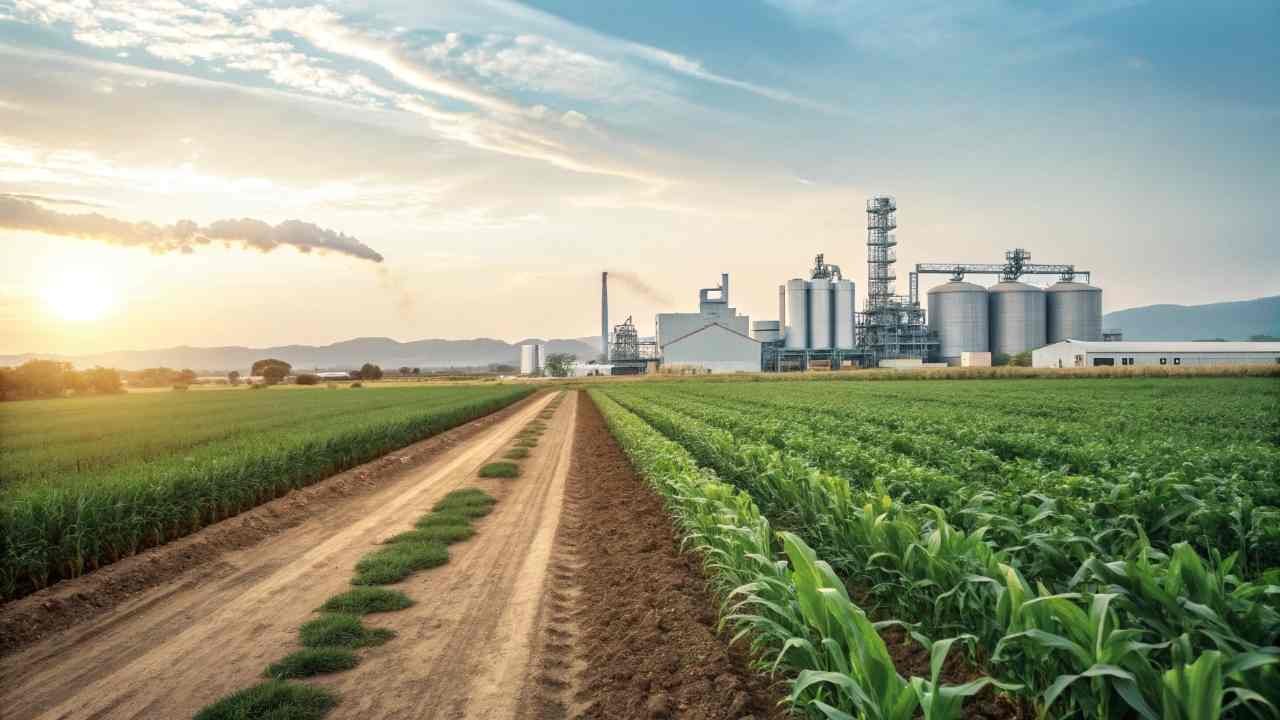
The primary raw material for Sodium Erythorbate is glucose from corn. Responsible sourcing starts with healthy farming. I verify if glucose suppliers use efficient irrigation to save water. They should also limit chemical fertilizers to protect the soil. Healthy soil produces higher-quality glucose. This is vital for the fermentation process. Pure glucose leads to high-purity Sodium Erythorbate that meets FCC standards3. We also prioritize factories located near corn-growing regions. This reduces the fuel used for transportation. Short supply chains have a lower carbon footprint and lower logistics costs.
In Northeast China, many factories are built in the corn belt. This "source-to-factory" model is very efficient. It lowers costs and reduces the risk of transport delays. For my clients in Korea and Vietnam, this proximity means a more reliable supply. Responsible sourcing is a technical necessity for maintaining stable prices. Traceability is also essential. We must know where the corn was grown to ensure it does not come from protected lands. I look for suppliers with transparent records. This data is necessary for buyers who report on supply chain ethics. Large company buyers often require these details for their social responsibility goals. I provide this information to ensure full transparency for every order.
| Sourcing Factor | Buyer Benefit | Environmental Goal |
|---|---|---|
| Local Procurement | Lower inland freight costs | Reduced carbon emissions |
| Sustainable Farming | Consistent glucose quality | Soil and water protection |
| Non-GMO Tracking | Access to premium markets | Biodiversity conservation |
| Ethical Labor | Reduced social risk | Fair treatment of farmers |
What Packaging Options Reduce Sodium Erythorbate Waste?
Excessive packaging waste creates high disposal costs for your warehouse. It also harms your brand image with customers. Green packaging options solve this problem while protecting your product quality.
Packaging waste is reduced by using multi-layer kraft paper bags and recyclable plastic liners. Bulk jumbo bags (500kg-1000kg) also lower the total material used per ton. Standardizing recyclable corrugated cartons helps minimize the ecological footprint of every international shipment.
Minimizing Material Use and Waste
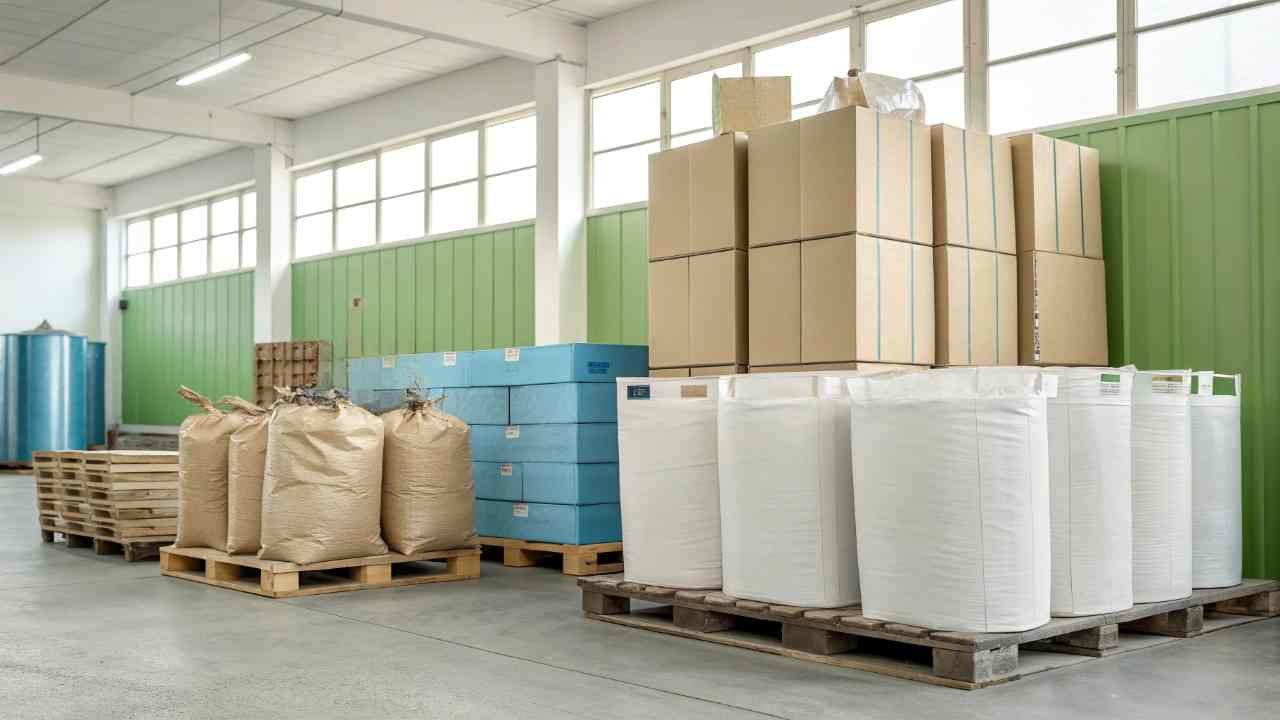
Most Sodium Erythorbate uses 25kg corrugated cartons. These boxes are made of paper. I ensure our factories use recycled paper for these cartons. This saves trees and uses less energy in production. Inside the box, we use PE liners to block moisture. We now use thinner, high-strength liners. This uses less plastic per bag. Reducing packaging weight also lowers shipping fuel use. These small changes help the environment and reduce your total landed cost. For large industrial buyers, I offer jumbo bags. One jumbo bag replaces 20 or 40 small cartons. This significantly reduces waste at your factory. You have fewer pallets and less plastic to dispose of. This is a popular choice for meat processors in Russia and the UAE.
Standardization is another tool for sustainability. If we use the same size cartons, we use container space more efficiently. This means we fit more product into one 20ft container. I help my clients optimize their palletizing to avoid empty space. We also use recyclable stretch film to secure the pallets. This film can be collected and recycled easily. I encourage my buyers to start recycling programs in their warehouses. This reduces their environmental footprint further. The ink used on the bags also matters. We use water-based inks that do not have harmful solvents. These small details improve the safety of the workspace and the earth. For wholesalers, easy-to-recycle packaging is a great selling point. It helps them meet the green goals of their own customers.
| Packaging Type | Waste Impact | Key Environmental Benefit |
|---|---|---|
| Recycled Carton | Low | Saves forests and energy |
| Kraft Paper Bag | Very Low | Biodegradable and low volume |
| Bulk Jumbo Bag | Minimal | Lowest material use per ton |
| Recyclable PE Liner | Moderate | Reduces virgin plastic demand |
How Can Buyers Support Sustainable Sodium Erythorbate Trade?
Ignoring sustainability makes you vulnerable to new green taxes. These extra costs lower your profit margins and increase risk. Supporting sustainable trade protects your financial interests and the environment at once.
Buyers support sustainable trade by ordering full container loads (FCL) to maximize fuel efficiency. Choosing suppliers with ISO 14001 certifications also helps. Committing to long-term contracts provides factories with the financial stability to invest in green technology and energy-efficient equipment.
Logistics Optimization and Strategic Partnerships
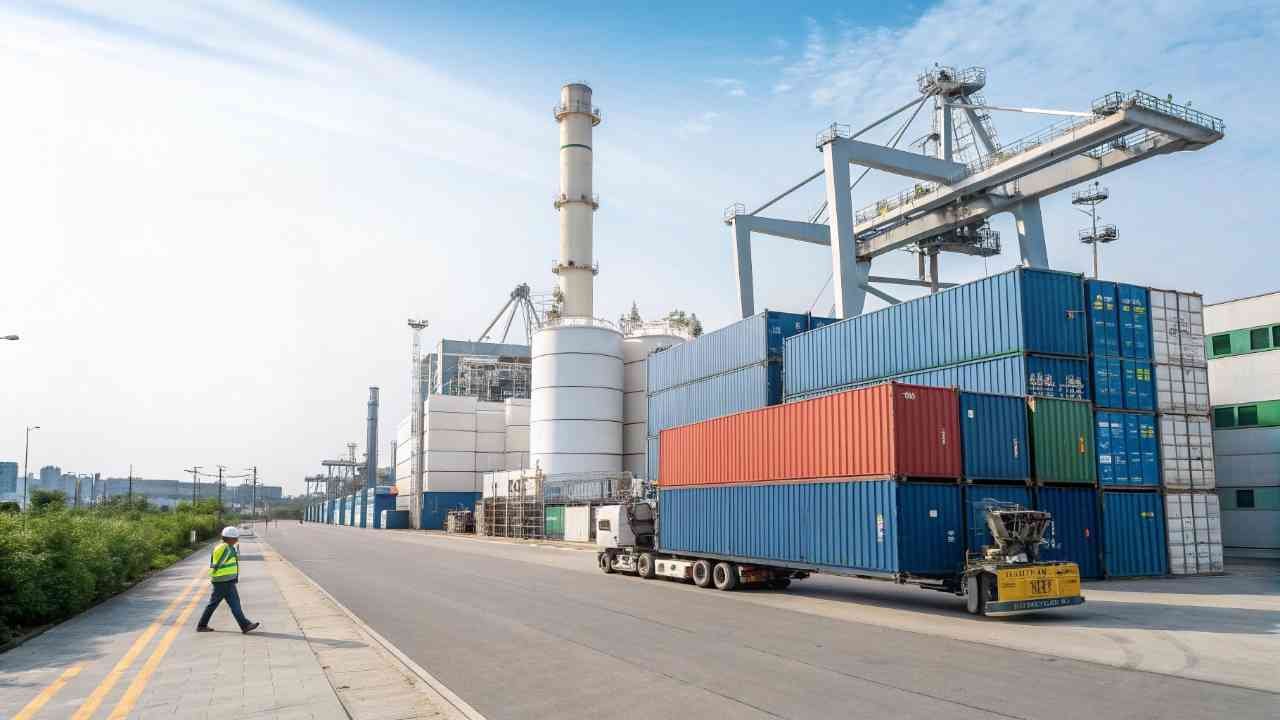
Your ordering habits change the environment. When you order LCL (Less than Container Load), the goods move many times. This uses more fuel and creates more CO2. If you plan your inventory and order FCL, you reduce the carbon footprint per ton. I help my clients in the Middle East and Southeast Asia create these plans. We ensure the container is full. This is the most eco-friendly way to ship food additives. It also saves you money on port handling fees. Order frequency is also important. Shipping a large volume once is better than shipping small volumes many times. I suggest using a reorder point that allows for larger shipments. This reduces administrative work and logistics impact.
I provide my buyers with reorder schedules based on their actual consumption. This data-driven approach keeps their supply stable and their footprint low. You should also ask for ISO 14001 certification4. This is the international standard for environmental management. It proves the factory has a plan to reduce its impact. I also look for social compliance audits. This ensures workers have safe conditions. When you buy from these factories, you support better industry standards. Long-term contracts also support sustainability. When a factory has a steady customer, they can invest in new equipment. Green technology like solar panels or water plants is very expensive. A factory with only short-term orders will not spend money on these. By signing a 12-month contract, you give the manufacturer confidence to improve.
| Buyer Strategy | Impact | Financial Benefit |
|---|---|---|
| FCL Shipping | Lower CO2 per ton | Reduced freight cost |
| Long-term Contracts | Funds green investment | Price and supply stability |
| ISO 14001 Choice | Lower regulatory risk | Verified factory compliance |
| Consolidated Orders | Fewer logistics moves | Lower port and handling fees |
What Trends Are Driving Green Sodium Erythorbate Products?
Traditional chemical products are losing market share to green alternatives. If you do not follow these trends, your business will fall behind. Green trends are now shaping the future of the global food additive market.
Trends driving green products include "Clean Label" demands and carbon-neutral goals. Consumers want additives made with zero-waste targets. Digital traceability and bio-based raw materials are becoming standard requirements for premium buyers in the food and beverage industries.
Clean Label Demands and Digital Traceability
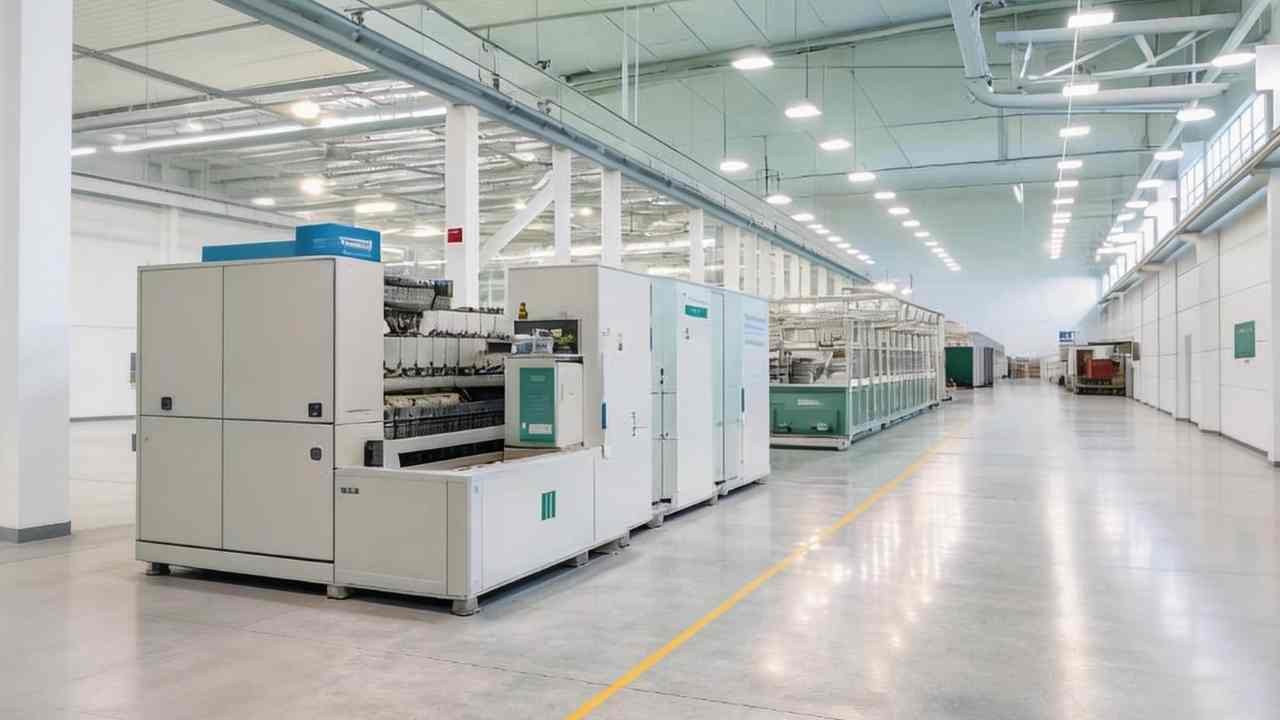
The "Clean Label"5 trend is very strong in Germany and Korea. Consumers want to know how their food is made. They want to see that antioxidants like Sodium Erythorbate are produced eco-friendly. This pushes factories to be more transparent. We see more factories in China applying for green energy certificates. They want to prove they use wind or solar power. This transparency helps you sell to premium food brands. I provide the data you need to satisfy these customer requests. Digital traceability is another growing trend. We use QR codes on bags to show production data and material origin. This gives you instant information about the sustainability of your order. I encourage my clients to use these tools. It makes your supply chain look more professional.
In the future, every ton will have a digital "passport." This will track emissions from the farm to the warehouse. Being early to this trend gives you a competitive advantage in your local market. Many global food companies want to be carbon neutral6 by 2040. This means every ingredient they buy must also be low-carbon. I work with factories that plant trees or buy carbon credits to offset emissions. This is now a real business requirement. If you cannot prove your product is low-carbon, you might lose large customers. I stay updated on these policies to help my clients stay compliant. The circular economy is also becoming a standard. This means using waste from one process as a resource for another. Some factories use heat from wastewater to warm their fermentation tanks. These technical innovations make Sodium Erythorbate production much cleaner.
| Green Trend | Industry Change | Supply Chain Impact |
|---|---|---|
| Clean Label | Demand for eco-purity | Switch to certified green sites |
| Carbon Neutrality | Focus on CO2 reduction | Stricter energy reporting |
| Digital Traceability | Use of QR codes | Increased data transparency |
| Circular Economy | Waste-to-resource | Lower pollution and costs |
Conclusion
Sustainable Sodium Erythorbate supply requires green production, responsible sourcing, and efficient logistics. I help my clients manage these factors to ensure a stable and eco-friendly supply chain.
-
Encyclopaedia Britannica – Scientific overview of fermentation processes used in industry. ↩
-
Wikipedia – Explanation of wholesalers and their role in supply chains and trade. ↩
-
Wikipedia – Overview of the Food Chemicals Codex (FCC) and its role in food ingredient standards. ↩
-
ISO – ISO 14001 environmental management system requirements and benefits. ↩
-
Wikipedia – Definition and market relevance of the Clean Label concept in food manufacturing. ↩
-
United Nations – Global net-zero and carbon neutrality initiatives for businesses. ↩