

Is your supplier unable to keep up with your busy season? Or are they failing to anticipate a slowdown? This unpredictability creates chaos in your own planning and inventory.
Suppliers adjust to demand changes by using proactive forecasting, flexible production planning, and strategic inventory. Strong communication with clients is essential to anticipate market shifts and respond effectively, ensuring a stable and reliable supply chain.
My role is not just to react to orders; it is to anticipate them. A professional buyer needs a partner who understands the rhythm of their business. Adjusting to demand is a professional discipline built on data, planning, and a strong customer relationship. A reliable supplier is a stable partner, not a source of surprises.
How to predict Taurine demand fluctuations?
Does market demand for Taurine seem completely random? This unpredictability makes it impossible to plan your own inventory and budget with any confidence.
Suppliers predict demand fluctuations by using a three-pronged approach: analyzing historical sales data to find patterns, monitoring market indicators like raw material costs, and collaborating directly with clients to obtain their future purchasing forecasts.

A professional supplier turns guessing into a science. We analyze your historical order data1 to understand your buying rhythm. We also monitor macro-market indicators2, like raw material prices and energy drink market growth. Most importantly, we rely on client forecasts. Direct communication and shared planning with our partners is the most accurate way to ensure a smooth and reliable supply.
Forecasting Method Comparison:
| Forecasting Method | Data Source | Reliability |
|---|---|---|
| Historical Analysis | Client's past order patterns. | Good |
| Market Indicators | Industry reports, raw material prices. | Fair |
| Client Forecasts | Direct communication with the buyer. | Excellent |
How do seasonal trends affect Taurine orders?
Do you find your business is much busier at certain times of the year? Unprepared for this peak season? These seasonal patterns are predictable and must be planned for.
Seasonal trends significantly affect Taurine orders. Demand from the beverage industry often peaks in spring and summer. The most critical supply-side event is the Chinese New Year holiday (Jan-Feb), which causes a multi-week shutdown of all production and logistics.

Taurine demand follows a predictable calendar. Demand peaks in Q1 and Q23 as beverage companies prepare for the busy summer season. From the supply side, the Chinese New Year (CNY)4 holiday in Jan-Feb is a critical event where factories shut down for weeks. A professional supplier plans for both of these events months in advance to ensure their clients have an uninterrupted supply.
Seasonal Demand & Supply Calendar for Taurine:
| Quarter | Demand Trend (Beverage) | Supply Event (China) | Key Action for Buyers |
|---|---|---|---|
| Q1 | High | Chinese New Year Shutdown | Must have already received pre-CNY stock. |
| Q2 | Peak | Normal Production | Place orders for the busy summer production. |
| Q4 | Low to Moderate | Normal Production | Place orders for pre-CNY shipment. |
Why is flexible Taurine production planning important?
Does your supplier give you the same long, rigid lead time for every single order, no matter how urgent? This lack of flexibility can cripple your ability to react.
Flexible production planning is essential for a supplier to be a real partner. It allows them to adjust batch sizes and schedules to accommodate a client's urgent needs, reducing lead times and providing a much more responsive service.
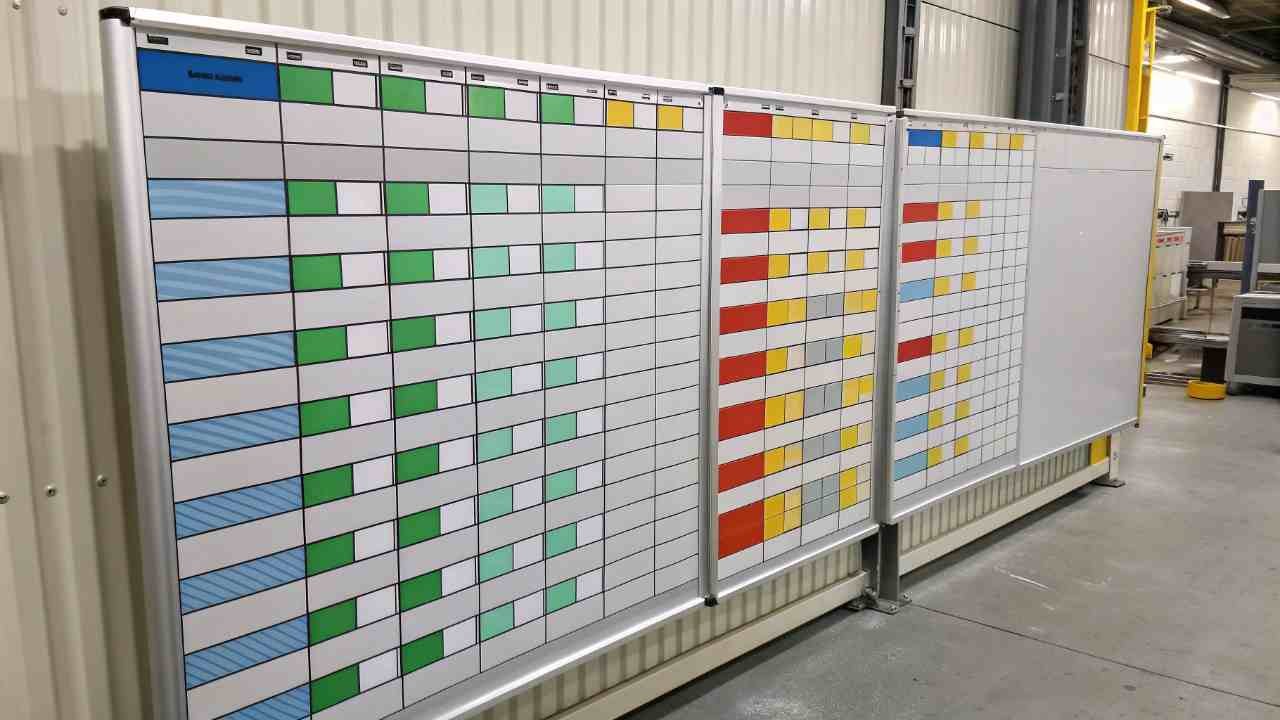
A modern supplier must be agile. Instead of long, rigid production "campaigns," a flexible factory can adjust its schedule to "slot in" an urgent order for a key client. One of the best ways to achieve this is by holding a strategic inventory of intermediate chemicals5. By having stock partway through the production process, we can cut the final lead time in half, providing a much faster and more responsive service when you need it most.
Rigid vs. Flexible Production:
| Feature | Rigid "Campaign" Production | Flexible (Agile) Production |
|---|---|---|
| Lead Time | Long and fixed. | Shorter and adaptable. |
| Responsiveness | Very Low. Cannot handle urgent orders. | High. Can accommodate unexpected needs. |
| Best For | Maximizing factory efficiency. | Serving the real-world needs of key customers. |
How to manage sudden spikes in Taurine demand?
A new energy drink craze hits, and demand for Taurine skyrockets. Your supplier tells you they are sold out. Now what?
A prepared supplier manages demand spikes by first deploying their safety stock. They then implement a triage system, prioritizing and allocating this limited supply to their loyal, long-term contract customers first. Honest communication is maintained throughout the crisis.
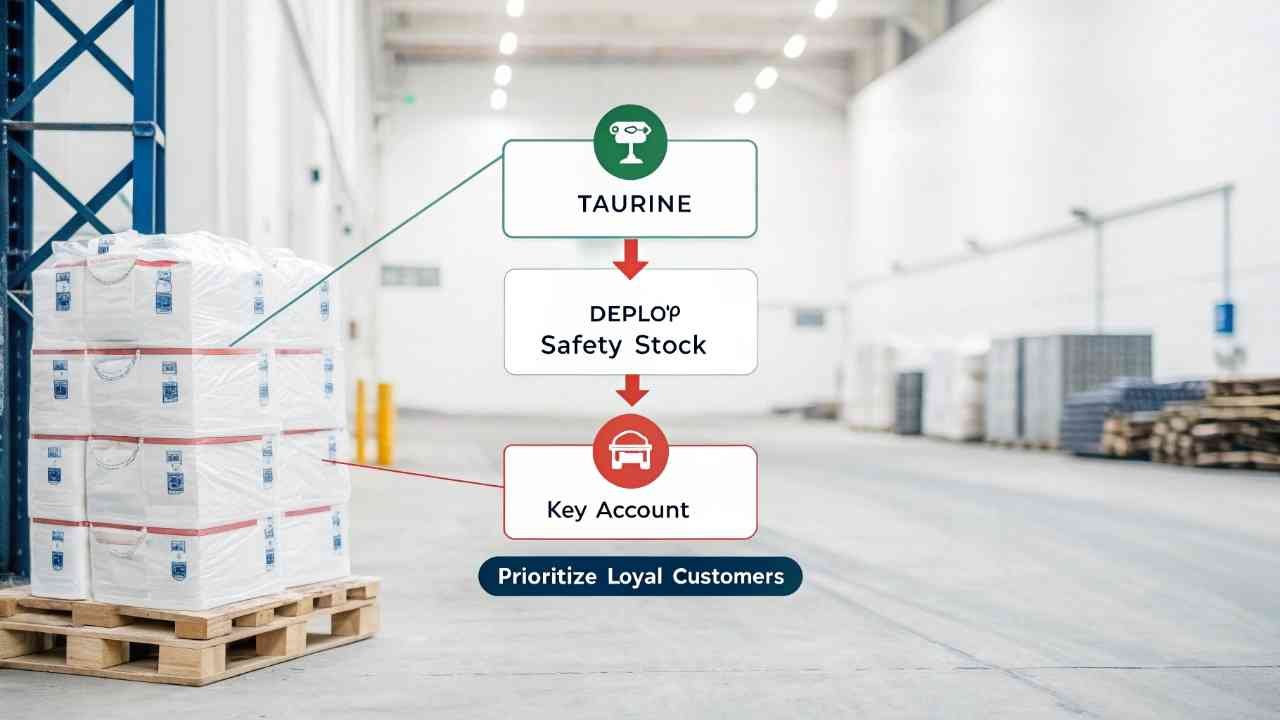
A crisis is the ultimate test of a supplier. A prepared partner has two tools. First, a safety stock of finished goods to act as a buffer. Second, a priority list. During a shortage, we cannot supply everyone. We always serve our long-term contract partners first. They are our number one priority. In a crisis, a contract is not just paper; it is your ticket to the front of the line.
Customer Priority During a Demand Spike:
| Priority | Customer Type | Supplier Action |
|---|---|---|
| 1 | Long-Term Contract | Receives first and highest allocation of available stock to meet commitments. |
| 2 | Loyal, Regular Customer | Receives allocation after contract needs are met. |
| 3 | New / Spot Market Buyer | Offered any remaining stock, likely at a higher price. |
How can market research guide Taurine sales strategies?
Does your supplier seem to have no idea about the trends that are affecting your business? A supplier who is not looking at the future cannot be a good partner.
Continuous market research is a strategic tool. It allows a supplier to understand regional growth drivers and competitive dynamics. This insight enables them to provide better advice to clients and anticipate future needs, becoming a more valuable strategic partner.

My job is to understand where the market is going tomorrow, not just where it is today. By researching trends in raw material markets and end-user industries like energy drinks and pet food, I can do more than just sell a product. I can become a strategic advisor6. I can warn my long-term partners about potential price increases or share insights about new growth areas. This transforms the relationship from a simple transaction into a partnership focused on mutual success.
Benefits of Supplier Market research:
| Research Area | Strategic Benefit for the Buyer |
|---|---|
| Regional Growth Trends | Supplier can anticipate future demand and ensure supply. |
| Raw Material Markets | Supplier can provide early warnings of potential price changes. |
Conclusion
Adjusting to Taurine demand is a key supplier skill. It requires data-driven forecasting, flexible planning, and strong, collaborative partnerships to create a truly resilient supply chain.
-
Understanding historical order data can enhance your supply chain efficiency and forecasting accuracy. ↩
-
Exploring macro-market indicators can provide insights into market trends and help in strategic planning. ↩
-
Understanding these factors can help businesses optimize their production and marketing strategies during peak seasons. ↩
-
Exploring this topic reveals insights into supply chain management and planning around major holidays. ↩
-
Understanding intermediate chemicals can enhance your production efficiency and responsiveness. ↩
-
Exploring this link will provide insights into the role of a strategic advisor and how they can enhance business relationships. ↩