
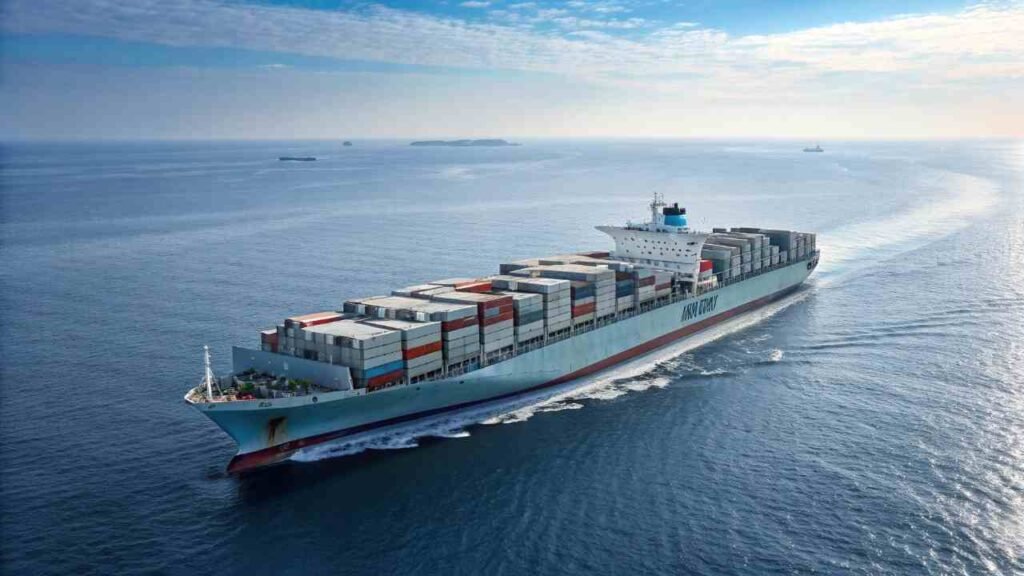
Is your production line waiting for a late shipment of Potassium Sorbate? This stressful delay costs you money and damages your reputation with your own customers.
Timely delivery is achieved through a disciplined process of proactive planning, including early vessel booking and clear forecasting, and by partnering with an expert supplier who provides perfect documentation and manages the entire logistics process, especially during peak seasons.
For a professional buyer, a late shipment is a major business crisis. I believe my job is not finished until the product arrives safely in your warehouse, on time. Timely delivery is never a matter of luck; it is the result of a professional, proactive, and precisely executed plan. Let’s look at the key elements of that plan.
What Shipping Methods Are Used for Potassium Sorbate?
Are you wondering about the best way to ship your Potassium Sorbate? Air freight seems too expensive, but sea freight feels slow and complicated.
The primary shipping method for bulk Potassium Sorbate is sea freight, using standard dry containers. Full Container Loads (FCL) are the most efficient for large orders. Air freight is reserved for small, urgent shipments like samples or emergency stock.

The choice balances cost, speed, and order size. Sea freight1 is the global standard for bulk shipments. For large orders (e.g., 20 tons), a Full Container Load (FCL)2 is the most efficient and safest method. For smaller orders, Less than Container Load (LCL) is an option, but the cost per kg is higher. Air freight is extremely fast but also very expensive. It is not for commercial orders but is reserved for small, urgent R&D samples or emergency stock.
Shipping Method Comparison:
| Method | Best For | Cost | Speed |
|---|---|---|---|
| Sea Freight (FCL) | Bulk Orders (e.g., 20 tons) | Low | Slow |
| Sea Freight (LCL) | Small to Medium Orders (e.g., 1-5 tons) | Moderate | Slow |
| Air Freight | Urgent Samples, Emergency Stock (e.g., 50 kg) | Very High | Fast |
How Long Does Potassium Sorbate Sea Shipment Usually Take?
Your supplier told you the "transit time" is 25 days, but it took two months for the goods to arrive. Why is there such a big difference?
The total lead time is much longer than just the sea transit time. It includes production (2-3 weeks), inland transport (1 week), sea transit (3-5 weeks), and customs clearance (1 week). A realistic total lead time is often 7-10 weeks.
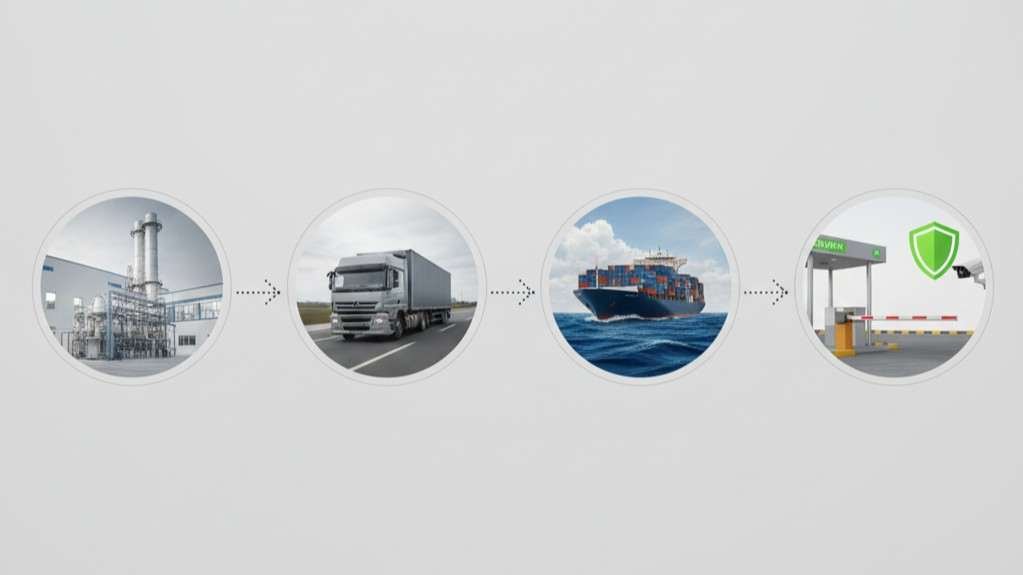
A common mistake is confusing "sea transit time" with "total lead time." The total lead time is the full journey from order to delivery. It includes production (2-3 weeks), inland transport in China (1 week), the sea transit itself (3-5 weeks depending on destination), and customs clearance at your end (1 week). For a shipment to the Middle East, a realistic total lead time to plan for is approximately 9 weeks.
Example Total Lead Time to the Middle East:
| Phase | Average Time | Notes |
|---|---|---|
| 1. Production | 3 Weeks | |
| 2. Inland China | 1 Week | Booking, trucking, export customs. |
| 3. Sea Transit | 4 Weeks | The time on the water to Jeddah. |
| 4. Destination Port | 1 Week | Customs clearance, final trucking. |
| Total Lead Time | ~9 Weeks | This is the realistic number to use for planning. |
What Causes Delays in Potassium Sorbate Delivery?
Your shipment is late again, and your supplier is giving you vague excuses. To prevent delays, you must first understand exactly where and why they happen.
Delays are caused by three main factors: supplier issues (e.g., production problems), logistics process failures (e.g., late booking, incorrect documents), and external events (e.g., port congestion, customs inspections, bad weather).
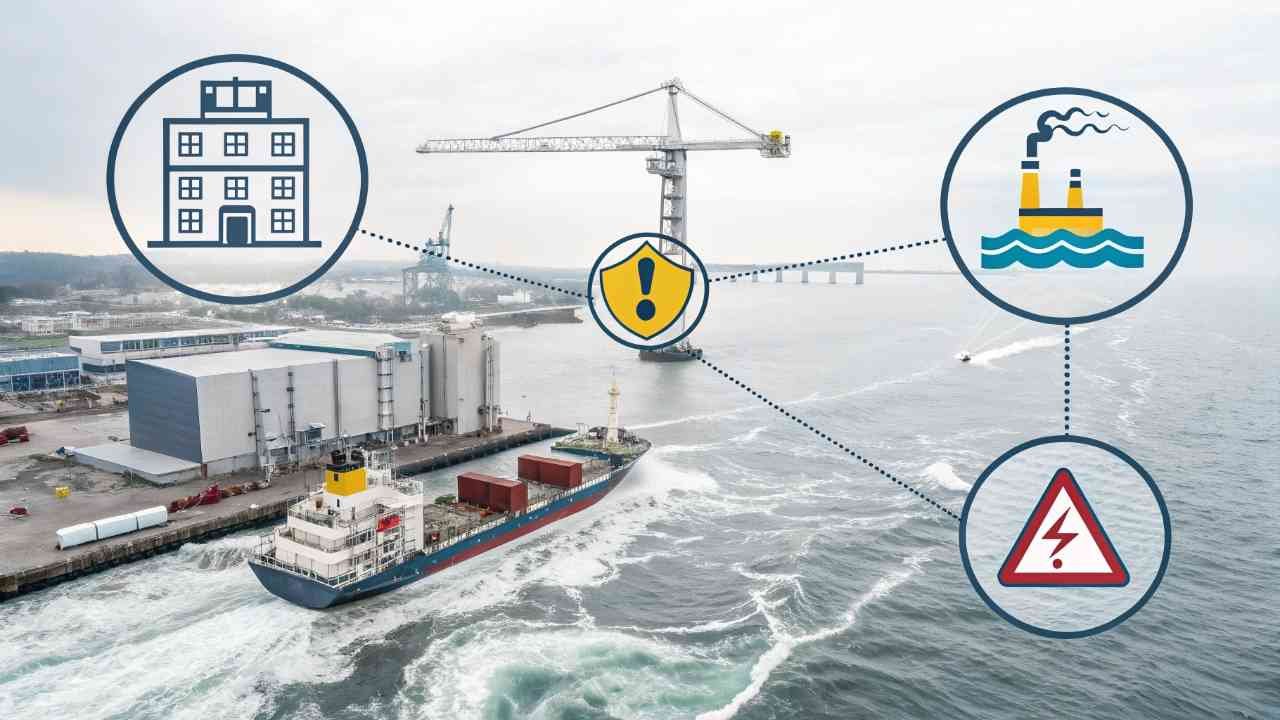
Delays are failures in the system. Some are caused by supplier issues3 like production breakdowns. Others are external factors like bad weather or port congestion. However, the most common preventable delays are due to logistics process failures4. These include amateur mistakes like booking the vessel too late or, most critically, preparing incorrect customs documents, which can cause a shipment to be held for weeks.
Key Delay Types and Prevention:
| Delay Category | Example | Best Prevention Strategy |
|---|---|---|
| Supplier | Production breakdown. | Work with a reliable supplier with strong factory relationships. |
| Logistics | Incorrect customs documents. | Partner with an expert supplier who provides perfect paperwork. |
| External | Random customs inspection. | Build buffer time into your own planning schedule. |
How Can Buyers Plan Ahead for Potassium Sorbate Shipping?
Do you feel like you are always at the mercy of the shipping lines, constantly reacting to delays? A proactive buyer can take control of their own supply chain.
Buyers can plan ahead by providing their supplier with a rolling sales forecast, building a buffer of 1-2 weeks into their own production schedule, and holding a strategic safety stock to absorb any unexpected shocks. These actions create a resilient supply chain.

A proactive buyer builds a resilient supply chain. The three most powerful strategies are: 1) Provide your supplier with a rolling forecast5 of your needs. This allows us to book production and vessel space for you in advance. 2) Build buffer time of 1-2 weeks into your own production schedule. Never plan around the best-case arrival date. 3) Maintain a safety stock6 (e.g., 4 weeks' supply). This is your ultimate insurance policy against any unexpected delays.
Reactive vs. Proactive Planning:
| Behavior | The Reactive Buyer | The Proactive Buyer (like Victor) |
|---|---|---|
| Ordering | Places an urgent order when inventory is low. | Provides a rolling forecast and orders well in advance. |
| Scheduling | Plans production based on the supplier's ETA. | Builds 2+ weeks of buffer time into their own schedule. |
| Inventory | Operates with very little reserve stock. | Maintains a strategic safety stock for emergencies. |
| Result | Constant stress, frequent production disruptions. | A calm, predictable, and resilient supply chain. |
How Do Suppliers Handle Peak Season Potassium Sorbate Orders?
Are you trying to place an order in November for a December shipment? During the peak season, this is often impossible, leading to stock-outs during your busiest time.
A professional supplier handles peak season (Q4 and pre-CNY) by using their client forecasts to book production capacity and vessel space far in advance—often 4-6 weeks ahead of time. Proactive communication and strong forwarder relationships are essential to secure capacity.

Peak season (Q4 and pre-Chinese New Year) is the ultimate test of a supplier's expertise. The market is squeezed by high demand and limited vessel space. An amateur supplier will fail. A professional supplier navigates this by using client forecasts to plan months in advance. We book production capacity early and, most importantly, book vessel space 4-6 weeks ahead of time, much earlier than usual. This proactive planning is the only way to guarantee a timely shipment during the most challenging time of the year.
Normal Season vs. Peak Season Planning:
| Planning Step | Normal Season (Q2/Q3) | Peak Season (Q4 / Pre-CNY) |
|---|---|---|
| Order Placement | ~10 weeks before need. | ~12-14 weeks before need. |
| Vessel Booking | 2-3 weeks before sailing. | 4-6 weeks before sailing. |
| Contingency Planning | Standard buffer time. | Add extra buffer time for potential delays. |
Conclusion
Timely delivery of Potassium Sorbate is not a hope, but a plan. It is achieved through proactive forecasting, professional logistics management, and a strong partnership with your supplier.
-
Explore this link to understand why Sea freight is the preferred choice for bulk shipments globally. ↩
-
Learn about FCL shipping to see how it can optimize your logistics for large orders. ↩
-
Understanding supplier issues can help you mitigate risks and improve your logistics strategy. ↩
-
Exploring solutions for logistics process failures can enhance efficiency and reduce costly delays. ↩
-
Understanding rolling forecasts can enhance your supply chain strategy and improve supplier relationships. ↩
-
Learning about safety stock can help you mitigate risks and ensure product availability during disruptions. ↩