
Unexpected Vitamin B1 stockouts stop your production and lead to lost revenue. This crisis ruins your brand reputation. I provide fast-track solutions to handle these supply emergencies effectively.
Urgent Vitamin B1 orders are handled through strategic inventory buffers, prioritized factory production slots, and expedited logistics like air freight. Suppliers in China maintain ready-to-ship stock of standard grades to dispatch emergency batches within 24 to 48 hours, ensuring manufacturing continuity for global food and pharmaceutical buyers.
I manage every step of the supply chain for my clients at FINETECH. I want to show you the technical methods we use to solve your urgent material needs.
What Causes Emergency Demand for Vitamin B1 (Thiamine)?
Sudden demand spikes or shipping delays leave your warehouse empty. This crisis stops your production line immediately. Understanding the root causes helps you prevent future supply emergencies and financial losses.
Emergency demand for Vitamin B1 is often caused by sudden surges in consumer supplement sales, unexpected logistics delays at major ports, or raw material shortages in China. Mandatory government nutrition programs can also create large, immediate needs for grain fortification in developing markets.
Market Volatility and Precursor Shortages
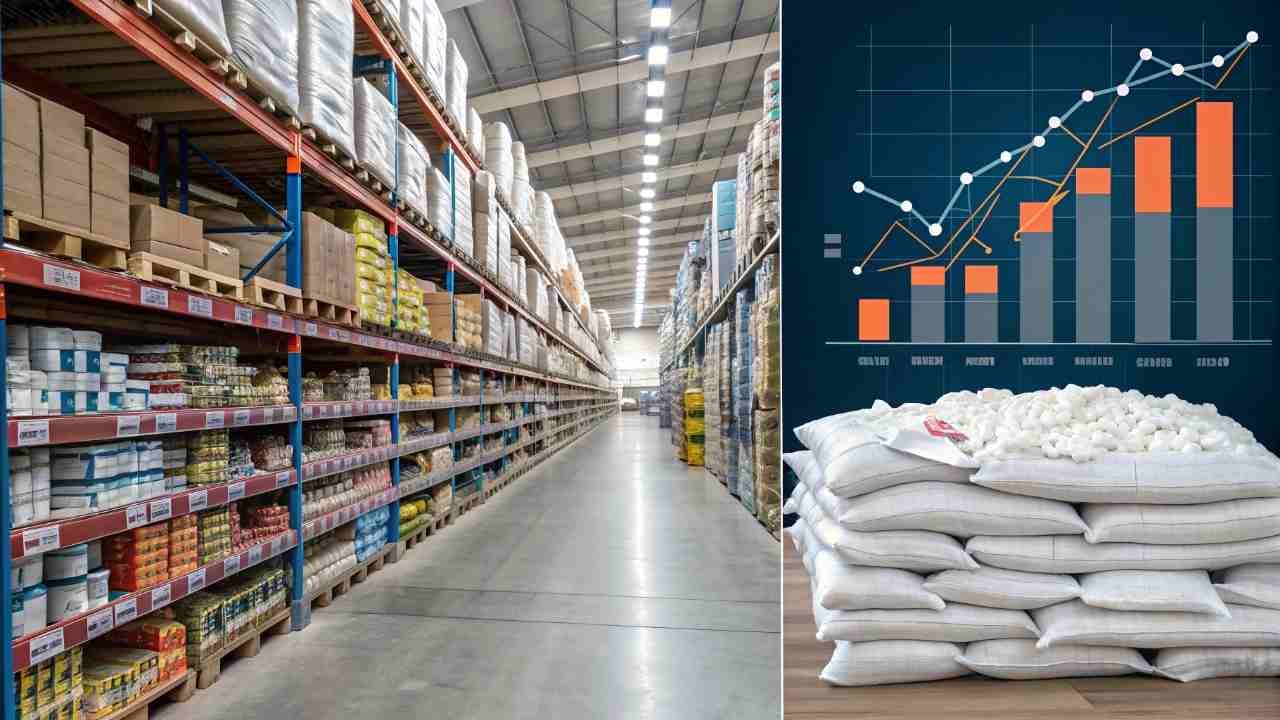
Vitamin B1 production depends on chemical precursors1 like acrylonitrile. If these intermediate factories have technical failures, the supply of Thiamine drops instantly. I monitor the upstream chemical market in China to identify these risks. When supply tightens, prices rise, and lead times extend. This forces buyers who lack safety stock to place emergency orders. Another factor is the animal feed industry. Large-scale livestock health programs in regions like Russia or Brazil can consume global stock quickly. This creates a shortage for food-grade buyers, requiring immediate procurement action to secure remaining inventory.
Logistics Bottlenecks and Internal Errors
Logistics issues are the most frequent cause of urgent requests. Port strikes, container shortages, or severe weather events delay vessels for weeks. For my clients in the Middle East and Southeast Asia, port congestion2 can turn a 4-week transit into a 7-week delay. If the safety stock is only 2 weeks, the factory runs out of material. Internal errors also contribute. A production batch failure at your local plant might destroy your current Thiamine stock. In these cases, you need a replacement shipment immediately to avoid a complete shutdown. I help my buyers calculate their risk exposure to these events to set better buffer levels.
| Cause Category | Specific Trigger | Frequency | Business Impact |
|---|---|---|---|
| Supply Chain | Port congestion or strikes | High | Production delays |
| Raw Material | Intermediate chemical shortages | Moderate | Price spikes and gaps |
| Regulatory | New fortification mandates | Low | Immediate high volume need |
| Factory | Batch failure or contamination | Low | Immediate stock loss |
How Can Suppliers Respond Quickly to Vitamin B1 (Thiamine)?
Late shipments from slow suppliers ruin your production schedule. This failure wastes your resources and harms your sales. Rapid response systems from professional exporters are the only way to save your operations.
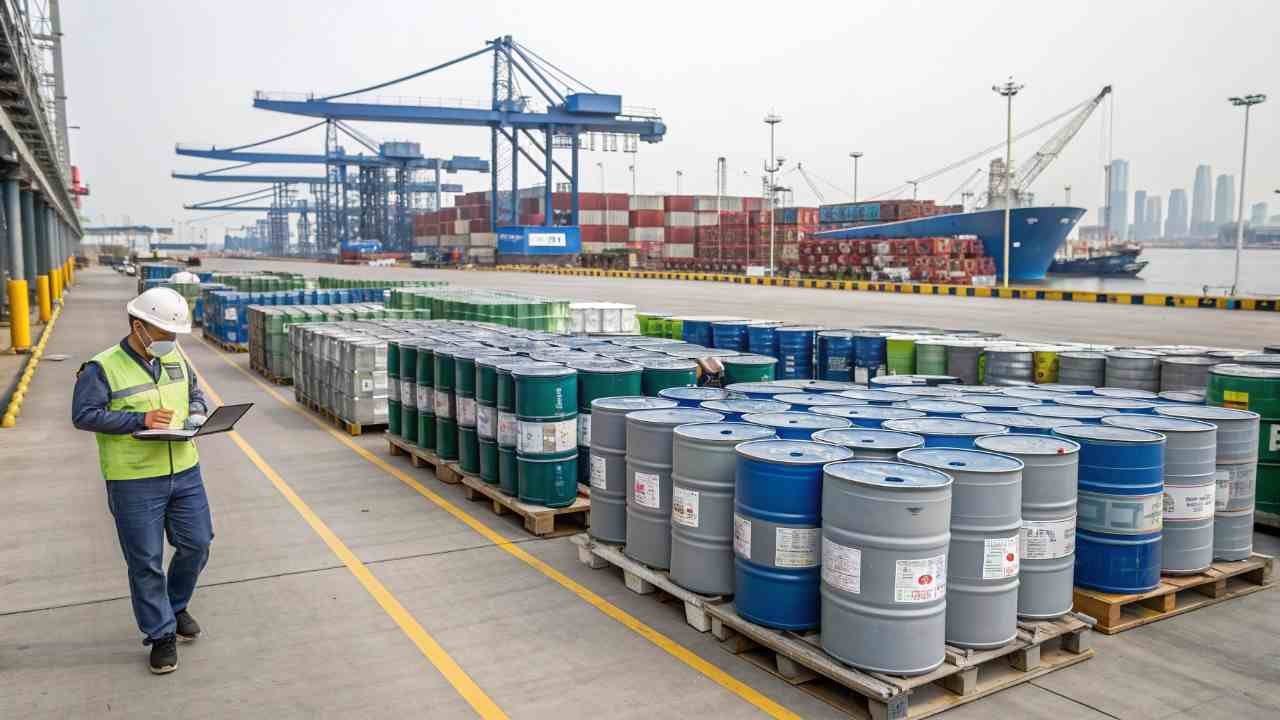
Suppliers respond quickly by maintaining a buffer of ready-to-ship Thiamine HCl and Mononitrate. They prioritize production for regular partners and use telex release for paperwork. Proximity to major export ports like Qingdao allows for 24-hour dispatch to the shipping vessel.
Prioritizing Regular Partner Production
I treat my long-term clients as strategic partners. When an emergency arises, I coordinate with the factory production managers to move your order to the front of the queue. This is a primary benefit of a stable relationship. We also keep common food-grade Thiamine in our warehouse. This material is pre-tested and ready for immediate labeling and packing. For distributors in Indonesia or Korea, I can often arrange for the cargo to leave our facility within 24 hours. I oversee the quality of this stock to ensure the assay level3 is fresh and meets USP or BP standards despite the rush.
Expedited Documentation and Port Logistics
Paperwork is often a bottleneck in international trade. For urgent orders, I use digital documentation and telex release for the Bill of Lading4. This removes the need for physical couriers and allows your customs broker to start work immediately. I ensure that the Certificate of Analysis (COA) and Health Certificates are prepared during the packing stage. Our location near major logistics hubs like Qingdao provides a technical advantage. I use a network of dedicated trucks that operate 24/7. This ensures that the material moves from our warehouse to the container yard without any administrative or transport delays.
| Response Step | Action Taken | Timeframe | Efficiency Gain |
|---|---|---|---|
| Order Confirmation | Immediate ERP entry | < 4 Hours | Prevents data delays |
| Stock Allocation | Pick from ready-to-ship buffer | Immediate | Saves production time |
| Lab Verification | Priority testing slot | 24 Hours | Ensures spec compliance |
| Inland Transport | Dedicated express truck | 12-24 Hours | Avoids road congestion |
| Documentation | Electronic telex release | < 4 Hours | Fast customs clearance |
How Do Short Lead Times Affect Vitamin B1 (Thiamine) Pricing?
Demanding fast delivery often leads to hidden surcharges. These extra costs destroy your budget and lower your profits. Knowing how short lead times impact pricing helps you plan your financial strategy more effectively.
Short lead times increase Vitamin B1 pricing by adding air freight costs and logistics premiums. Suppliers may charge a spot market price rather than a lower contract rate. Overtime labor fees and express documentation services also lead to a 5% to 15% price increase for emergency shipments.

Labor Surcharges and Market Rates
Handling an urgent order requires extra resources. I often have to pay overtime to factory staff and warehouse workers to pack and load your goods outside of normal hours. These costs are reflected in the final price. If the order is large, we might need to displace other scheduled production, creating an opportunity cost for the factory. Furthermore, urgent orders usually bypass long-term contract pricing. We must use the current spot market5 price in China. If you need material during a market peak, the cost will be significantly higher. I help my clients calculate these premiums to decide if the speed is worth the investment.
Logistics Premiums and Opportunity Costs
Logistics companies charge higher rates for immediate bookings. During peak shipping seasons, a last-minute container slot can cost twice as much as a planned booking. Air freight6 is the most expensive variable, often costing more than the product itself. However, I remind my clients to calculate the "cost of a production stop." If your factory loses $10,000 in daily revenue because you lack Vitamin B1, then a $2,000 rush fee is a net saving. I provide transparent cost breakdowns so you can make this data-driven decision. My goal is to protect your main revenue stream by ensuring the factory keeps running.
| Cost Element | Increase % | Reason | Strategy |
|---|---|---|---|
| Product Unit Price | 5% - 10% | Spot market rates | Use contract buffers |
| Freight Cost | 50% - 300% | Air freight/Rush booking | Ship only what is needed |
| Handling Fees | 10% - 20% | Overtime labor | Use ready-stock suppliers |
| Admin/Docs | Fixed Fee | Express filing service | Use digital documents |
What Logistics Options Enable Fast Vitamin B1 (Thiamine) Delivery?
Slow sea freight cannot solve an immediate stock crisis. Your factory needs material now, not next month. Picking the right fast-track logistics prevents total production failure and keeps your customers happy.
Fast delivery options include air freight for small batches and express sea routes for bulk orders. Using first-tier forwarders and telex release saves up to 10 days. For landlocked regions like Russia or Central Asia, rail freight provides a faster alternative than traditional sea routes.

Expedited Air and Sea Solutions
Air freight is the standard solution for critical stockouts. We can ship from 25kg to 1 ton by air, reaching most global hubs in 5 to 7 days. I manage the customs documentation in China to ensure immediate clearance for takeoff. For larger volumes that do not fit an air budget, I select express sea routes. These are direct vessels with fewer port calls. For example, an express route to Jebel Ali can save 8 days compared to a standard transshipment route. I work with specific shipping lines that prioritize schedule reliability over the lowest price. This ensures the cargo actually arrives on the promised date.
Rail Freight and Multimodal Paths
For buyers in Russia, Germany, or Central Asia, the China-Europe Railway is a vital tool. It is twice as fast as sea freight and significantly cheaper than air. A train from China to Moscow or Hamburg takes 18 to 22 days. This provides an excellent middle ground for urgent wholesale orders. I book space on these trains in advance for my regular clients. Multimodal transport, such as truck-to-air, is another option I manage. We truck the goods to a less congested airport to get a faster flight. I track every movement and provide you with real-time updates so you can coordinate with your warehouse team.
| Method | Lead Time | Cost Level | Best Use Case |
|---|---|---|---|
| Courier (DHL) | 3 - 5 Days | Extremely High | Lab samples / Small urgent fix |
| Air Cargo | 5 - 9 Days | High | 100kg - 1 Ton Emergency |
| Rail Freight | 18 - 25 Days | Moderate | Russia / EU Wholesale |
| Express Sea | 25 - 35 Days | Low | Full containers (FCL) |
How Can Buyers Prepare for Vitamin B1 (Thiamine) Shortages?
Waiting for a shortage to happen is too late. This passive approach puts your business at high risk of failure. Strategic preparation is the only way to maintain a steady supply in a volatile global market.
Buyers prepare for shortages by maintaining a 2-month safety stock and signing 6-month supply contracts. Monitoring Chinese raw material trends and environmental policies allows for early procurement. Building a partnership with a managed exporter like FINETECH ensures priority during market tightening.

Inventory Mathematics and Safety Buffers
I help my clients set a mathematical "Reorder Point" (ROP). The formula is: (Average Daily Usage x Total Lead Time) + Safety Stock. For Vitamin B1, I recommend a safety stock of at least 60 days. This buffer protects you from port strikes, vessel delays, and factory shutdowns in China. If your lead time is 6 weeks, you should order when you still have 10 weeks of stock left. This system removes emotion from buying and ensures you are never desperate. Desperation leads to high prices and low quality. I provide usage reports to my regular buyers to help them refine these calculations every quarter.
Monitoring Market Cycles and Policies
Vitamin B1 is a chemical product. Its availability depends on Chinese government policies and environmental inspections. Production often slows down during major national events or winter heating seasons to reduce air pollution. I stay in close contact with factory managers to know these dates early. I warn my clients to stock up 3 months before the Chinese New Year. This proactive approach allows you to buy during "quiet" market periods when prices are stable. I also track the price of chemical precursors like acrylonitrile. If raw material prices rise, the vitamin price follows in 4 weeks. Buying early based on this data saves my clients thousands of dollars.
| Preparation Step | Required Action | Frequency | Goal |
|---|---|---|---|
| Safety Stock | Keep 60-day inventory | Continuous | Prevent production stops |
| Demand Plan | Share 6-month forecast | Quarterly | Secure factory priority |
| Market Audit | Review China policy news | Weekly | Time purchases correctly |
| Supply Contract | Sign annual fixed-price deal | Annual | Budget and volume security |
Conclusion
Handling urgent Vitamin B1 orders requires prioritized production, fast logistics, and strategic inventory buffers. I manage these technical details to ensure your business remains stable and successful.
-
ICIS – Technical chemical market intelligence for monitoring precursors and feedstock trends to predict supply availability. ↩
-
Container News – Real-time logistics updates on port congestion and vessel delays to assist in international trade planning. ↩
-
Waters Corporation – Analytical technical notes on using HPLC to verify assay levels and chemical purity in water-soluble vitamins. ↩
-
International Chamber of Commerce (ICC) – Official standards and rules for trade documents like the Bill of Lading and Incoterms. ↩
-
Reuters Markets – Global commodity data and news for tracking spot market price volatility in the energy and chemical sectors. ↩
-
IATA – Quality and safety standards for air freight logistics, focusing on time-sensitive and temperature-controlled food-grade cargo. ↩