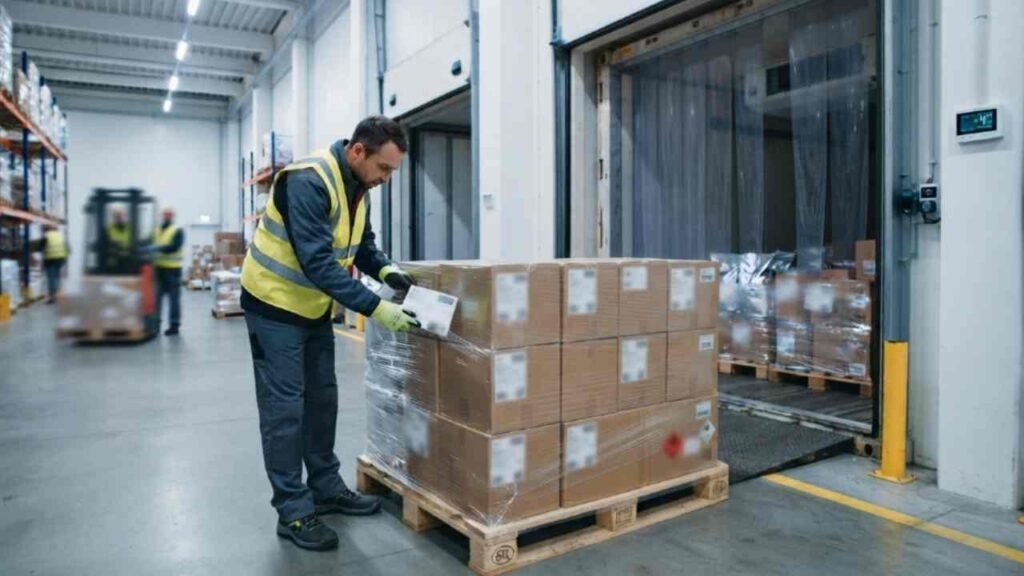
Delivering degraded chemical raw materials ruins final product efficacy and generates costly consumer returns. Unprotected vitamins lose potency quickly. Implementing strict stabilization methods protects inventory value.
Vitamin D3 maintains stability through the supply chain by using nitrogen-flushed high-barrier packaging, maintaining temperature-controlled storage under 15°C, using refrigerated shipping containers, and implementing advanced microencapsulation technologies combined with tocopherol antioxidants.
Preserving active ingredient potency from the manufacturing plant to the final processing facility is essential. Standard supply chains must adopt specialized preservation protocols to prevent thermal and oxidative degradation. Sourcing partners like FINETECH simplify factory checks, oversee production, and manage quality directly in China to secure stable bulk deliveries. This analysis outlines the critical methods to maintain Vitamin D3 series stability.
How Do Light and Oxygen Affect Vitamin D3 Series Stability?
Storing sensitive vitamins in standard warehouses without protective atmospheres leads to rapid chemical degradation and failed quality assays. Unchecked environmental exposure ruins raw materials. Understanding chemical sensitivities prevents potency loss.
Light and oxygen cause rapid degradation of Vitamin D3. Ultraviolet light triggers photolytic isomerization into inactive isomers, while atmospheric oxygen attacks the double bonds in cholecalciferol, resulting in auto-oxidation and a severe drop in biological potency.

Dive Deeper into Cholecalciferol Chemical Degradation
Vitamin D3 (cholecalciferol) is chemically unstable when exposed to the ambient environment. The molecular structure of cholecalciferol contains a conjugated triene system of double bonds. This specific chemical configuration makes the molecule highly susceptible to external energy sources and oxidizing agents. When exposed to ultraviolet (UV) or intense visible light, the triene system absorbs light energy. This absorption initiates photolytic degradation, converting the active vitamin into biologically inactive isomers, such as tachysterol and lumisterol.
Furthermore, oxygen exposure triggers a chain reaction of auto-oxidation1. Free radicals in the air attack the double bonds of the cholecalciferol molecule, forming peroxides and hydroperoxides. These oxidative byproducts lack any nutritional value and can introduce off-odors and discoloration to the raw material. This chemical breakdown accelerates rapidly in the presence of trace metals, high humidity, and elevated temperatures. To prevent this degradation, manufacturers must process the raw material in darkened, climate-controlled cleanrooms. They must also package the finished product immediately after production to isolate it from the atmosphere. Sourcing partners like FINETECH verify these protective manufacturing conditions in China, ensuring that the raw vitamins are synthesized and packed under strict oxygen-free parameters.
| Environmental Factor | Chemical Action on Vitamin | Final Physical Outcome | Potency Loss Risk |
|---|---|---|---|
| Ultraviolet Light | Photolytic isomerization | Discoloration and isomerization | High (inactive byproducts formed) |
| Atmospheric Oxygen | Free radical auto-oxidation | Potency drop and chemical decay | Extremely High (destruction of triene) |
| High Humidity | Hydrolysis of matrix carriers | Particle caking and clumping | Medium (facilitates oxygen exposure) |
| Elevated Heat | Thermolytic degradation | Melts protective carriers | High (accelerates all decay reactions) |
Which Packaging Options Best Protect Vitamin D3 Series?
Shipping sensitive chemical raw materials in weak, non-barrier containers allows ambient air and moisture to ruin your ingredients during ocean transit. Substandard containers waste capital. High-barrier packaging options secure raw materials.
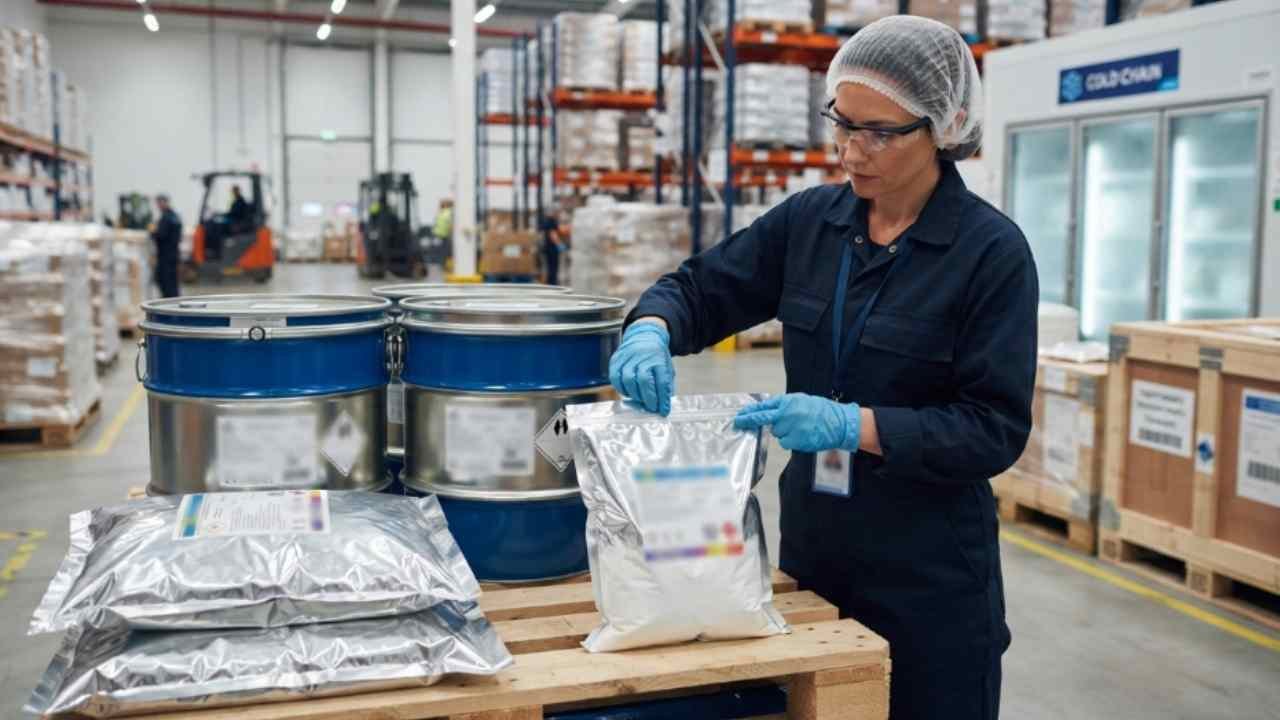
The best packaging options are vacuum-sealed multi-layer aluminum-foil bags with double polyethylene liners for dry powders, and nitrogen-flushed, airtight aluminum or steel drums that reduce residual oxygen levels below 2% for liquid oils and crystalline formats.
Dive Deeper into High-Barrier Packaging Technology
Preserving Vitamin D3 during long-distance shipping requires high-barrier packaging technology. Standard paper or single-layer plastic bags are insufficient because they allow water vapor and oxygen molecules to pass through over time. To solve this issue, chemical manufacturers utilize multi-layer laminated packaging systems. For powder formulations, such as feed-grade beadlets or food-grade cold-water-soluble (CWS) powders, the raw material is placed inside double food-grade polyethylene2 (PE) inner bags. These inner bags are then vacuum-sealed inside a thick aluminum-foil outer bag.
This laminated aluminum layer acts as an absolute barrier, blocking both moisture vapor transmission and light penetration. For liquid formulations, including Vitamin D3 oil 1,000,000 IU/g, manufacturers utilize airtight aluminum or steel drums. During the filling process, automated machinery performs a nitrogen displacement3 cycle. This process flushes the container head space with high-purity nitrogen gas, bringing the residual oxygen concentration below two percent before sealing. Sourcing partners like FINETECH inspect these packaging setups prior to container loading. This pre-shipment quality check ensures that the moisture-resistant seals remain intact and nitrogen levels are correct, guaranteeing that the raw materials arrive in stable condition.
| Vitamin Form | Packaging Medium | Protective Mechanism | Sourcing Quality Check |
|---|---|---|---|
| Dry Powders | Double PE + Aluminum Foil | Light block & vapor barrier | Inspect vacuum seal integrity |
| Liquid Oils | Nitrogen-Flushed Steel Drums | Oxygen displacement to <2% | Verify nitrogen gas purity logs |
| Pure Crystals | Sealed Glass/Airtight Canisters | Complete airtight isolation | Confirm low-temperature packing |
| Bulk Shipments | Palletized fiber drums | Mechanical protection | Check outer drum structural strength |
What Storage Conditions Extend the Shelf Life of Vitamin D3 Series?
Storing sensitive ingredients in hot, humid warehouses causes rapid active potency decay and clumping, rendering raw materials useless. Inadequate storage controls ruin investments. Maintaining controlled storage zones preserves inventory.
Storage conditions that extend shelf life include keeping temperatures below 15°C (or 2–8°C for pure crystals), maintaining relative humidity below 60%, storing in dark climate-controlled warehouses, and keeping materials isolated from strong acids, bases, and oxidizing agents.

Dive Deeper into Climate-Controlled Warehouse Management
Proper warehouse storage is critical to preventing the premature degradation of the Vitamin D3 series. Even when packed in high-barrier containers, the raw material remains vulnerable to ambient temperature spikes. Standard warehouses can experience extreme heat during summer months, reaching temperatures that exceed thirty degrees Celsius. This heat accelerates the rate of chemical oxidation inside the packaging. Therefore, buyers must store Vitamin D3 in climate-controlled facilities where temperatures are kept consistently below fifteen degrees Celsius. For highly concentrated formats, such as pure Vitamin D3 crystals, continuous refrigeration at two to eight degrees Celsius is mandatory.
Humidity control is also essential. Warehouses must maintain a relative humidity4 (RH) below sixty percent. High humidity can cause moisture condensation on the outer packaging, leading to fiber drum degradation or moisture seepage through micro-tears in seals, which results in powder clumping. Furthermore, the storage area must remain completely dark to prevent light exposure during handling. Sourcing partners like FINETECH advise buyers on proper warehouse protocols. They help international importers establish strict quality check systems, ensuring that stored ingredients are kept away from direct heat sources, acids, and strong bases to maintain stability over their entire shelf life.
| Storage Parameter | Target Operational Limit | Failure Consequence | Warehouse Control Method |
|---|---|---|---|
| Temperature | Below 15°C (Refrigerated for crystals) | Rapid oxidation, carrier melting | Automated HVAC cooling systems |
| Humidity | Below 60% Relative Humidity | Powder clumping, seal failure | Industrial dehumidification zones |
| Light Exposure | Dark storage, no windows | Photolytic isomerization | Utilization of UV-blocking light bulbs |
| Chemical Segregation | Keep away from strong acids/bases | Direct molecular breakdown | Dedicated chemical storage bays |
How Does Transportation Influence Vitamin D3 Series Quality?
Shipping sensitive chemical raw materials across the equator in standard sea containers exposes ingredients to extreme heat, causing rapid potency loss. Unmonitored transit routes ruin shipments. Temperature-controlled transit protects cargo.
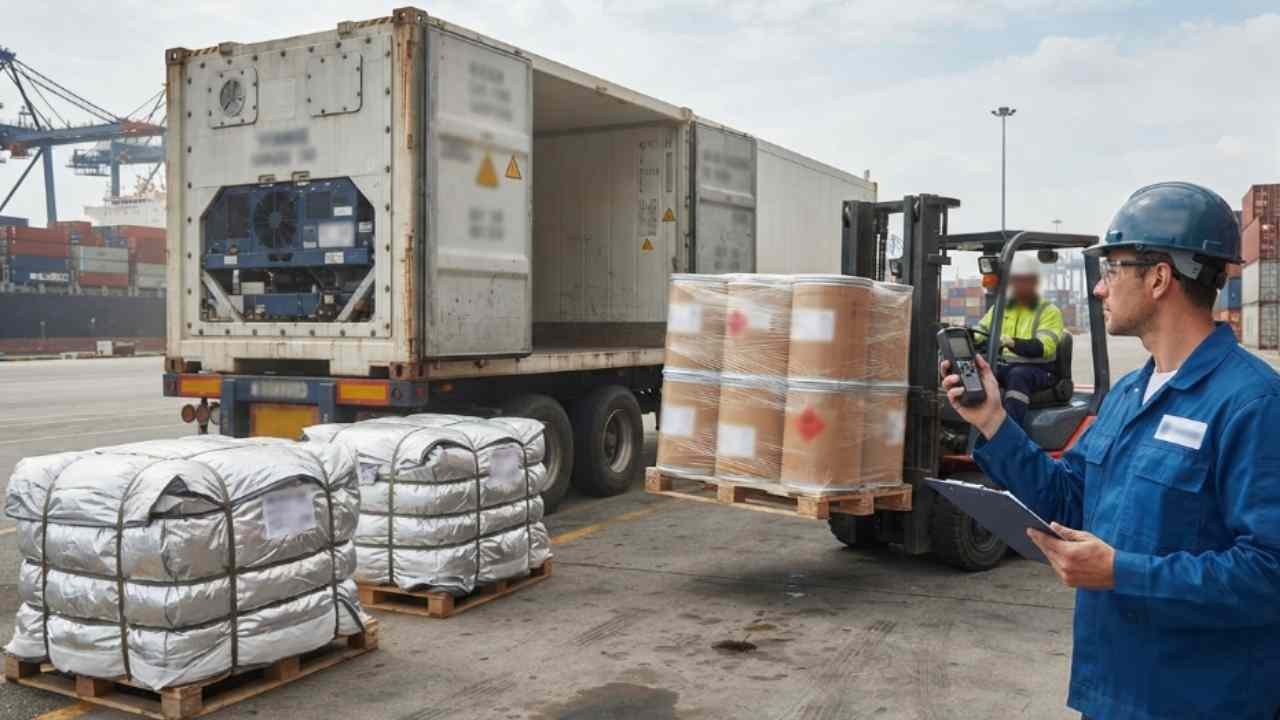
Transportation influences quality through extreme temperature swings during transit, where standard container temperatures can exceed 50°C. Importers must use refrigerated reefers or insulated thermal blankets to prevent the melting of protective carriers and oil oxidation.
Dive Deeper into Maritime Logistics and Thermal Protection
The transport phase is one of the most vulnerable stages of the Vitamin D3 supply chain. When shipping goods by sea from manufacturing centers in China to destination ports in Europe, the Middle East, or Southeast Asia, cargo vessels often cross different climatic zones. Inside a standard dry shipping container, solar radiation can raise internal temperatures to over fifty degrees Celsius. This extreme heat is highly damaging to Vitamin D3. For powder beadlets, high temperatures can melt the protective starch or gelatin matrix, causing the particles to fuse together and release the active vitamin oil, which then oxidizes rapidly.
To prevent these transit losses, professional importers utilize temperature-controlled refrigerated containers, commonly known as reefers. Reefers maintain a constant internal temperature of fifteen degrees Celsius throughout the voyage. For shorter shipping routes, utilizing insulated thermal blankets inside the container can help buffer against daily temperature spikes. Sourcing partners like FINETECH manage these logistics challenges directly. They coordinate with reliable shipping lines, select direct routes to minimize transit times, and supervise container loading. This careful management ensures that the temperature-sensitive raw materials are protected from extreme thermal shock, arriving in perfect condition.
| Shipping Method | Thermal Risk Level | Protective Equipment Needed | Sourcing Logistics Advantage |
|---|---|---|---|
| Standard Dry Container | Extremely High | Insulated thermal blankets | Low-cost option for mild seasons |
| Refrigerated Reefer | Very Low | Automated refrigeration system | Best protection for long sea voyages |
| Air Freight | Low | Insulated pallet covers | Fastest transit, minimizes heat exposure |
| LCL Consolidation | Medium to High | Temperature-controlled cargo holds | Cost-effective for smaller, low MOQ orders |
How Can Manufacturers Improve the Stability of Vitamin D3 Series?
Using cheap, unprotected active chemicals in formulations leads to rapid nutrient degradation and costly product failures. Substandard manufacturing processes reduce shelf life. Implementing advanced protective technologies improves stability.
Manufacturers improve stability by utilizing microencapsulation (beadlet technology) with gelatin or starch matrices, spray-drying techniques, and incorporating synergistic antioxidants like tocopherol (Vitamin E) directly into the formulation to scavenge free radicals and block environmental degradation.
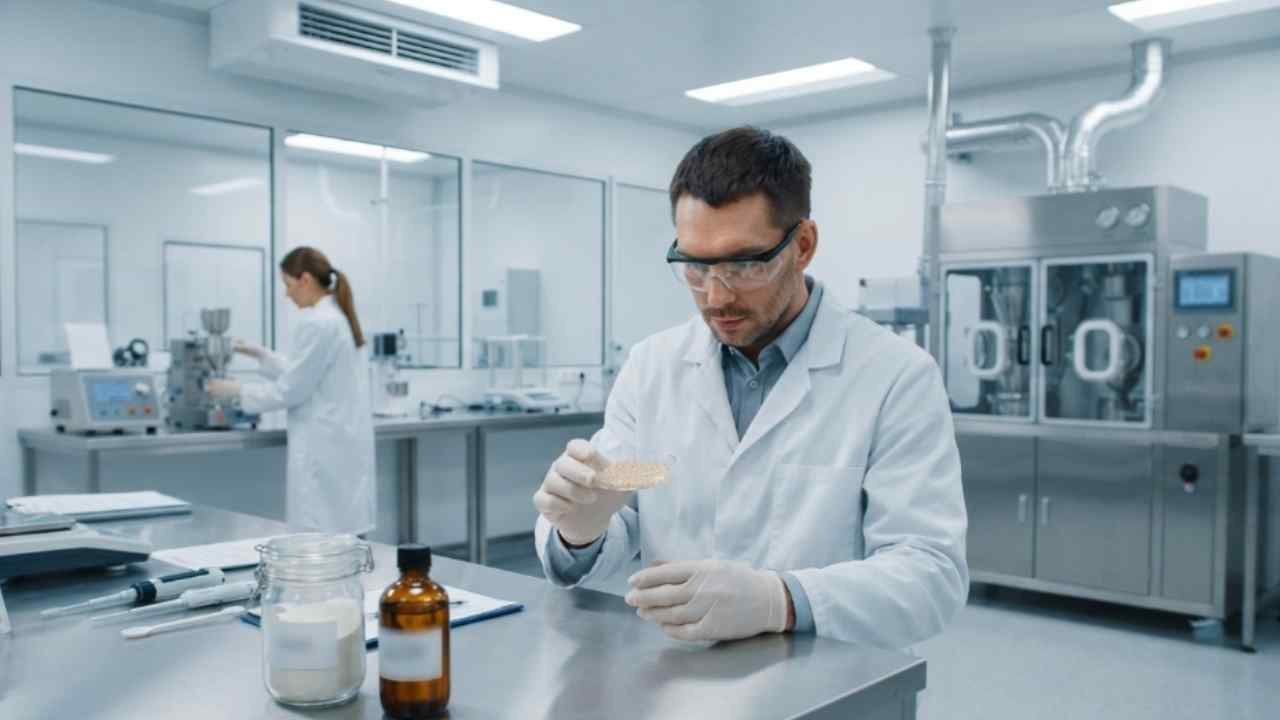
Dive Deeper into Microencapsulation and Antioxidant Synergies
Biochemical manufacturers utilize advanced formulation technologies to improve the baseline stability of the Vitamin D3 series. The primary method is microencapsulation, commonly referred to as beadlet technology. In this process, the active cholecalciferol oil is dispersed into tiny microscopic droplets and suspended inside a protective matrix of food-grade gelatin or modified food starch. The emulsion is then spray-dried into robust, free-flowing spherical beadlets. This carbohydrate or protein shell acts as a physical barrier, blocking oxygen and light from reaching the sensitive vitamin inside.
Additionally, manufacturers add synergistic antioxidants directly into the formulation matrix before encapsulation. Synthetic antioxidants like BHT, or natural options like tocopherol (Vitamin E) and sodium ascorbate5, are blended with the cholecalciferol. These antioxidants act as sacrificial oxygen scavengers. They react with any entering oxygen molecules first, neutralizing free radicals before they can attack the double bonds of the Vitamin D3. Sourcing partners like FINETECH assist buyers by evaluating these manufacturing technologies. They select factories that utilize state-of-the-art microencapsulation and premium antioxidant blends, ensuring that B2B clients receive highly stable, top-quality vitamin raw materials that maintain their potency throughout the entire product lifecycle.
| Stabilization Method | Technical Mechanism | Added Ingredient | Final Sourcing Advantage |
|---|---|---|---|
| Microencapsulation | Physical barrier shell coating | Gelatin or modified starch | Protects against heat and pressure |
| Antioxidant Blending | Sacrificial free-radical scavenging | Tocopherol (Vitamin E) or BHT | Prevents chemical auto-oxidation |
| Spray-Drying | Evaporates liquid moisture | Silica or food-grade starch | Produces dry, free-flowing powders |
| Isomer Stabilization | Thermal stabilization | Organic buffers and salts | Maintains correct active D3 isomers |
Conclusion
Maintaining Vitamin D3 stability requires nitrogen-flushed packaging, temperature-controlled storage, refrigerated transport, and microencapsulated formulations. Partnering with a dedicated sourcing team keeps your global import pipeline highly consistent.
-
ScienceDirect – An agricultural and food science compendium discussing the pathways of auto-oxidation, highlighting how free radicals degrade lipids and fat-soluble active molecules during storage. ↩
-
Encyclopaedia Britannica – Industry reference outlining the molecular structures, polymerization methods, and specific moisture-barrier behaviors of polyethylene grades used in commercial food-contact packaging. ↩
-
Compressed Air Best Practices – A technical B2B trade article discussing nitrogen gas handling, purity verification, and head space flushing parameters to isolate oxygen-sensitive raw materials during processing. ↩
-
National Weather Service (NOAA) – A meteorology guide explaining relative humidity (RH), moisture-holding limits of air at varying temperatures, and dew point correlations essential for warehouse environment control. ↩
-
ChemicalBook – A specialized B2B chemical directory detailing the physical properties, safety data sheets, commercial suppliers, and industrial antioxidant functions of sodium ascorbate. ↩