

Supply chain gaps stop your food production line. This downtime ruins your brand reputation and profits. I provide the strategic steps to keep your Phosphoric Acid stock stable and secure.
Ensure stable supply by diversifying your supplier base across different Chinese provinces and signing long-term volume agreements. Maintain a 30-day safety stock, monitor seasonal fertilizer demand, and partner with a wholesaler like FINETECH to manage production audits and logistics year-round.
I manage factory selection and oversee production for my B2B clients at FINETECH. I want to share the technical facts about supply stability so you can protect your inventory and your business.
Why does Phosphoric Acid supply fluctuate?
Sudden price spikes and empty warehouses destroy your budget. These shifts make it impossible to plan your growth. I analyze the technical reasons behind these market changes.
Supply fluctuates due to seasonal fertilizer demand, Chinese export quotas, and power rationing in production hubs. Environmental audits and changes in phosphate rock mining output also cause sudden decreases in global availability and high price volatility.
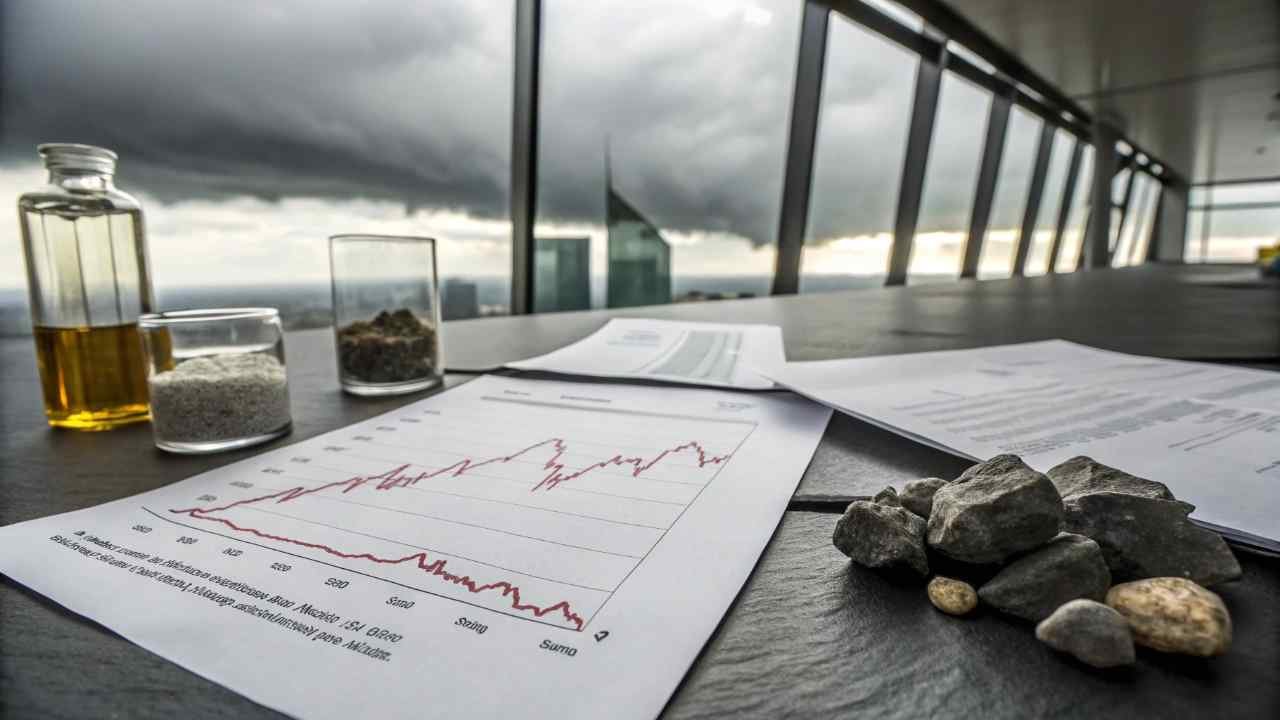
The Impact of Seasonality and Policy
I see that the fertilizer industry1 is the biggest driver of supply. About 80% of phosphate goes into agriculture. When the planting season starts in Brazil or India, the demand for rock increases. This leaves less raw material for food-grade Phosphoric Acid2. I monitor these global planting cycles for my clients. If fertilizer demand is high, I warn you to buy your food-grade stock early. This foresight prevents you from facing a "Zero Stock" situation when the mines prioritize fertilizer producers.
Government policy in China is the second major factor. China is a top exporter of Phosphoric Acid. The government often sets export quotas to keep enough supply for local farmers. If they lower the quota, the international supply drops instantly. I also watch the "Blue Sky" environmental audits. In provinces like Yunnan, the government stops factories to check for pollution. This usually happens in the winter or before major events. I act as your strategic partner to monitor these government notices. This helps us move your production to factories in other provinces that are not under audit.
Supply Risk Factor Table
| Risk Factor | Probability | Duration | FINETECH's Strategy |
|---|---|---|---|
| Fertilizer Season | High | 3 - 4 Months | Buy during off-peak |
| Export Quotas | Moderate | 6 - 12 Months | Maintain safety stock |
| Env. Audits | Moderate | 2 - 4 Weeks | Diversify factory zones |
| Power Rationing | Seasonal | 1 - 2 Months | Use integrated plants |
| Rock Shortage | Low | Long-term | Select mine-owning plants |
| Port Congestion | Moderate | 2 - 3 Weeks | Book 3 weeks early |
How should buyers plan Phosphoric Acid inventory?
Running out of stock during peak season kills your reputation. High storage costs also hurt your cash flow. I show you how to find the perfect inventory balance for your warehouse.
Plan inventory by maintaining a 30-day safety stock and tracking lead times from China. Consider seasonal demand peaks in the Middle East and Europe. Use data-driven forecasting to align your orders with factory production cycles and ocean freight schedules.

Lead Time and Safety Stock Calculation
I see that lead time is the most important variable in your plan. Shipping from China to the Middle East takes about 20 days. To Europe, it takes 30 to 40 days. But you must also add the production time. A good factory needs 7 to 10 days to prepare a bulk order. I tell my clients to plan for a 60-day cycle. This includes 10 days for production, 35 days for shipping, and 15 days for customs and local delivery. If you only have 10 days of stock left, you are already in the "Danger Zone." I help you calculate the re-order point based on these technical facts.
Storage conditions also impact your inventory plan. Phosphoric Acid 85% is a stable liquid, but it is heavy. You need a warehouse that can handle the weight of IBC tanks. I suggest keeping a 30-day "Safety Stock3." This buffer protects you from vessel delays or port strikes. I act as your logistics office to track every vessel. If I see a delay in the Suez Canal4 or at a major port, I tell you immediately. This gives you time to slow down your consumption or find a local bridge supply. Proper inventory planning is about managing the "Worst Case Scenario."
Inventory Management Benchmarks
| Region | Average Transit | Production Time | Total Lead Time | FINETECH's Buffer Stock |
|---|---|---|---|---|
| Middle East | 20 Days | 10 Days | 30 Days | 21 Days |
| SE Asia | 10 Days | 10 Days | 20 Days | 14 Days |
| Europe | 35 Days | 10 Days | 45 Days | 30 Days |
| Russia | 30 Days | 10 Days | 40 Days | 30 Days |
| Korea | 5 Days | 10 Days | 15 Days | 10 Days |
| South America | 45 Days | 10 Days | 55 Days | 40 Days |
What sourcing strategies improve Phosphoric Acid stability?
Relying on a single factory puts your business at risk. One power cut can stop your entire supply chain. I identify the best strategies to build a resilient sourcing model in China.
Improve stability by sourcing from integrated producers who own their phosphate mines. Diversify suppliers geographically across different provinces to avoid regional power rationing. Prioritize partners with established export licenses and strong financial health to ensure reliable delivery year-round.

Mine Integration and Regional Diversity
I see that "Mine Integration" is a huge advantage for stability. A factory that owns its own mine does not need to worry about the rock market. They have a constant flow of raw material. I prioritize these integrated plants for my B2B clients. If a small factory must buy rock from the open market, they might stop production when rock prices get too high. I visit the mine-integrated plants in Yunnan and Sichuan. They offer the most stable output in China. This technical choice is your first layer of protection against supply gaps.
Regional diversity is the second strategy. China is a big country. Power rationing usually happens in one province at a time. If the factories in Yunnan are stopped, the factories in Guizhou or Sichuan might still be running. I manage a network of suppliers across all major production zones. I act as your strategic office to move your order if one region faces an audit or a power cut. This is why I do not use only one factory. A multi-province strategy ensures that your "Brand Name" never disappears from the market. I also check the financial status of the plants. I want to see that they have enough cash to buy sulfur and maintain their machines.
Sourcing Strategy Matrix
| Strategy | Technical Benefit | Risk Mitigated | FINETECH's Role |
|---|---|---|---|
| Mine Integration | Stable raw materials | Rock price spikes | Audit mining licenses |
| Regional Split | Geographic backup | Power rationing | Manage multiple zones |
| Financial Audit | Continuity of supply | Factory bankruptcy | Use Sinosure checks |
| Export License | Legal compliance | Customs seizure | Verify export permits |
| Quality Oversight | Consistent specs | Batch rejection | On-site inspections |
| Tech Wholesaler | Market intelligence | Sudden policy shifts | Send market alerts |
How do long-term agreements support Phosphoric Acid procurement?
Spot market prices are unpredictable and dangerous for your margins. Constant price negotiation wastes your time and money. I explain why long-term volume contracts are your best defense against volatility.
Long-term agreements lock in production capacity and stabilize pricing for 6 to 12 months. They prioritize your orders during supply shortages and help factories plan their raw material purchases. This ensures you get a consistent supply even when global market demand spikes.

The Power of Annual Volume Commitments
I see that "Fixed Volume" is better than "Fixed Price" sometimes. When the market is tight, money cannot buy acid. Only a contract can buy acid. I help my long-term partners sign "Annual Frame Agreements." We commit to a total volume, like 1,000 tons per year. The factory then reserves a "Slot" in their production schedule for us. This means your order is loaded first, even if a new buyer offers a higher price. I act as your negotiator to get these priority terms. This is a technical way to ensure you never run out of product during the peak fertilizer season.
Pricing in these contracts can be fixed or formula-based. A fixed price is good for your budget. A formula price is linked to the price of rock or sulfur. This is very transparent. If raw material costs go down, your price goes down too. I manage these complex contract details for my clients in Europe and the Middle East. I also include "Quality Clauses." This ensures the factory cannot lower the purity to save money during a contract. I visit the factories twice a year to audit their adherence to our agreement. A contract is not just a paper; it is a technical bond that protects your profit margins.
Contract Type Comparison
| Agreement Type | Best For | Price Stability | FINETECH's Technical Tip |
|---|---|---|---|
| Annual Fixed | Large wholesalers | Excellent | Best for fixed budgets |
| Formula Based | Industrial users | Moderate | High transparency |
| Quarterly Lock | Mid-sized traders | Good | Balance of risk/price |
| Volume Frame | Growing brands | Moderate | Reserves production slot |
| Spot Contract | Small trial orders | None | High risk of delays |
| Take-or-Pay | High-volume plants | Moderate | Ensures supply priority |
Why is multi-supplier sourcing important for Phosphoric Acid?
A factory strike or environmental audit can instantly cut your supply. This dependency is a major weakness in your procurement model. I show you why a multi-source strategy is essential for your survival.
Multi-supplier sourcing reduces risk by spreading your volume across multiple production zones. It creates internal competition for price and quality. This strategy ensures that if one factory faces a shutdown or technical failure, your other sources keep your business running without interruption.

Creating Competition and Reducing Dependency
I see that "Single Sourcing" is the most common mistake. Buyers like it because it is simple. But it is very dangerous for a corrosive liquid like Phosphoric Acid. Production lines for acid are complex and can break down. If your only factory has a technical failure, you have nothing to sell. I divide my clients' orders between at least two major factories. I act as your strategic office to manage these two streams. If Factory A has a problem, I move the volume to Factory B. This keeps your delivery dates on time. It also forces the factories to be more competitive with their pricing.
Benchmarking is the second benefit. When you buy from two factories, you can compare the quality. I use the lab reports from both sources to see who has the lowest heavy metals5. This creates a "Race to the Top" for quality. I show the results to the factories. If Factory B is cleaner, Factory A will try to improve their purification. I also manage the logistics for multiple sources. I find the best ports for each factory to reduce the inland freight cost. This multi-source strategy is how large companies stay big. It is about technical resilience and market leverage. I help you build this system without adding more work to your desk.
Benefits of Multi-Sourcing
| Benefit | Technical Reason | FINETECH's Role |
|---|---|---|
| Risk Spreading | No single point of failure | Monitor factory health |
| Price Leverage | Internal competition | Negotiate with both sides |
| Quality Bench | Compare impurity logs | Verify COAs from both |
| Logistics Flex | Use different ports | Find fastest routes |
| Supply Security | Bypass regional power cuts | Use different provinces |
| Volume Scale | Access more total capacity | Coordinate split loading |
Conclusion
Stable Phosphoric Acid supply depends on geographic diversification, inventory safety stocks, and long-term volume contracts. I manage these technical strategies at FINETECH to keep your procurement reliable and your production lines running year-round.
-
International Fertilizer Association (IFA) – Global industry resources and data regarding the production and market trends of phosphate fertilizers. ↩
-
PubChem – Detailed chemical profile, molecular data, and safety information for Phosphoric Acid (H3PO4). ↩
-
NetSuite – An educational resource on calculating and managing safety stock to prevent inventory stockouts during disruptions. ↩
-
Suez Canal Authority – The official portal providing operational updates and navigation statistics for one of the world's most critical shipping bottlenecks. ↩
-
World Health Organization (WHO) – Fact sheets explaining the health risks of chemical hazards and heavy metal contaminants in food systems. ↩