
Unstable Vitamin B1 supply disrupts your factory lines and lowers profits. These gaps ruin your brand trust with customers. Bulk orders provide the financial safety and supply stability you need.
Bulk orders for Vitamin B1 leverage high-volume production in China to lower unit prices. Buyers secure full container loads (FCL) to minimize freight costs. This strategy ensures batch consistency, reduces administrative overhead, and guarantees priority production slots for large-scale pharmaceutical and food fortification needs globally.
I manage wholesale additive procurement for many global companies. I want to explain the technical details of bulk ordering to help you optimize your supply chain.
What Are the Benefits of Bulk Vitamin B1 (Thiamine) Purchasing?
Small orders lead to high shipping costs and quality variation. These inefficiencies waste your procurement budget. Bulk buying provides a more reliable and cost-effective path for your factory.
Bulk purchasing reduces freight costs per kilogram and ensures batch consistency. It provides a reliable inventory buffer, lowering the risk of stockouts during market surges. Large orders also secure priority production from major Chinese manufacturers like Huazhong Pharmaceutical or Brother Enterprises.
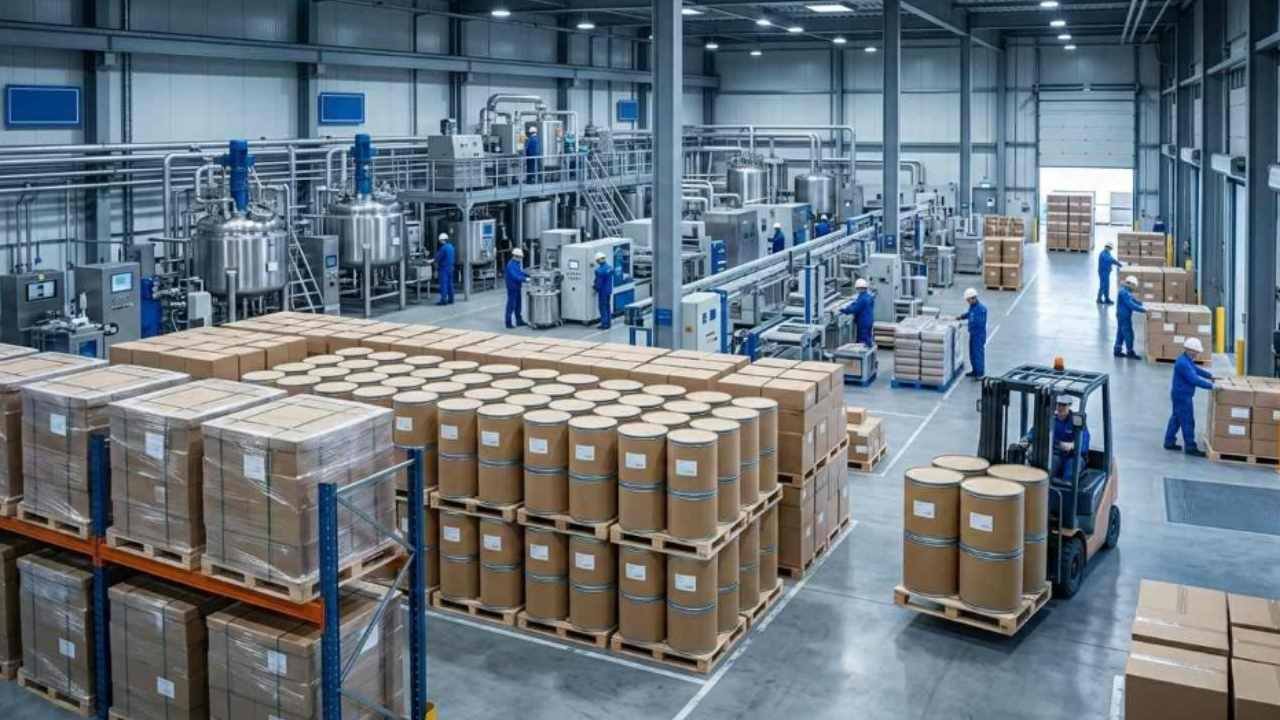
Logistics Efficiency and Quality Control
I see many buyers1 lose money by ordering small pallets frequently. When you buy in bulk, you can use a Full Container Load (FCL). FCL shipping is cheaper than Less than Container Load (LCL). In LCL, you pay high fees for shared space and port handling. In FCL, the cost per kilogram of Vitamin B1 drops significantly. For my clients in Saudi Arabia and the UAE, this saving reaches 20% of the total landed cost. Bulk orders also reduce the number of customs entries. This saves you administrative time and money every month.
Quality consistency is vital for food fortification. If you buy small amounts from different batches, your final product has slight variations. Bulk orders allow you to receive a large volume from one single production run. I oversee this process to ensure the assay level is uniform across all drums. This makes your production more predictable. You do not need to adjust your mixing recipe for every new pallet. Large orders also receive better attention from the factory quality lab. They perform more detailed testing on large batches to meet USP or BP standards.
Supply Chain Priority
When the global market gets tight, factories prioritize their biggest orders. I use your bulk volume to secure your production slot. If a factory has a limited supply of raw materials, they will always serve the bulk buyers first. This priority is essential for large companies in Europe and Southeast Asia that cannot stop their production lines. Having a large order makes you a strategic partner to the manufacturer. This relationship provides you with better service and more honest market data from the factory floor.
| Benefit Category | Impact on Business | Financial Result |
|---|---|---|
| Shipping | Lower freight per kg | Significant cost reduction |
| Production | Single batch consistency | Stable final product quality |
| Supply Chain | Priority production | Reduced risk of stockouts |
| Admin | Fewer customs filings | Lower operational overhead |
How Do MOQs Affect Vitamin B1 (Thiamine) Orders?
High Minimum Order Quantities (MOQ) block small trials, but low MOQs increase your unit price. This balance is hard to find. Understanding the logic of MOQs helps you negotiate better terms.
MOQs for Vitamin B1 are typically 100kg to 500kg. Meeting these limits allows factories to run efficient batches. It covers the fixed costs of machine setup, lab testing, and export documentation. This leads to a more competitive price for the buyer.
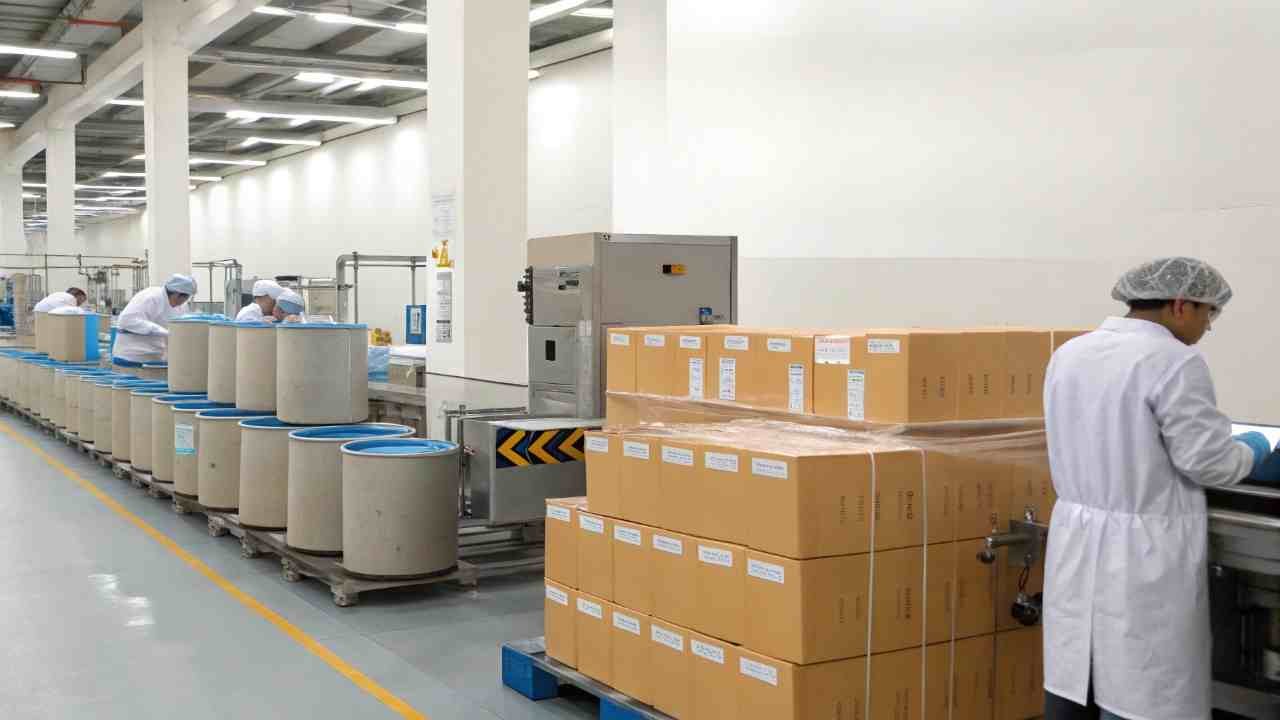
The Technical Logic of Factory MOQs
I want you to understand why factories set these limits. Vitamin B1 is produced in large chemical reactors. These machines work best when they are full. Running a reactor for only 10kg wastes energy and labor. The cost to clean and set up the machine is the same for a small batch as for a large one. The factory sets an MOQ to ensure the run is profitable. At FINETECH, I work with factories to find the lowest MOQ for my clients while keeping the price competitive. We group small orders to meet these targets.
Every shipment of Vitamin B1 must have a Certificate of Analysis (COA) and other export papers. The lab technician spends the same time testing 100kg as they do for 1,000kg. The cost for a Health Certificate or a Bill of Lading is a fixed fee. If your order is too small, these fees make each kilogram very expensive. I help my buyers calculate the break-even point where the MOQ makes financial sense. For wholesalers2 in Indonesia or Korea, meeting the 500kg MOQ is the best way to get professional service and a fair price.
Negotiating Flexibility
Sometimes you need a smaller amount for a new product trial. In these cases, I can negotiate with the factory. We use "off-the-shelf" stock already produced for other clients. This allows you to buy below the standard MOQ. But you must accept the standard specifications of that batch. If you need custom specs, the high MOQ will apply again. I also suggest mixing different vitamins in one order. You can buy 200kg of Vitamin B1 and 300kg of another additive. This helps you meet total weight requirements without overstocking one item.
| MOQ Level | Unit Price Impact | Service Level | Best Use Case |
|---|---|---|---|
| < 100 kg | Very High | Basic | Small Lab Trials |
| 100 kg - 500 kg | Moderate | Professional | Distributors |
| 500 kg - 1 Ton | Low | High | Large Wholesalers |
| 5 Tons+ | Very Low | Top Priority | Industrial Manufacturers |
How Can Long-Term Contracts Stabilize Vitamin B1 (Thiamine) Supply?
Sudden price spikes and shortages in the Chinese market hurt your budget. Spot buying in a volatile market is a gamble. Long-term contracts offer a safe path to protect your supply chain and budget.
Long-term contracts stabilize supply by locking in prices and reserving production capacity. These agreements protect buyers from sudden market price shifts in China. They ensure a consistent flow of fresh material according to a pre-defined shipping schedule for your needs.

Price Hedging and Safety
The price of Vitamin B1 changes based on raw material costs and environmental rules. If you buy only when you are empty, you might pay a peak price. I help my clients sign 6-month or 12-month contracts. This locks in the price on the day we sign. Even if the market price doubles next month, your cost stays the same. This is price hedging3. It makes your financial planning much easier. For large companies in Germany or Russia, this stability is more important than finding the absolute lowest price on one day.
During busy seasons like the Chinese New Year, many buyers cannot get their goods. Production lines are full. But if you have a long-term contract, the factory reserves a slot for you every month. You get priority over spot buyers. I manage these schedules to ensure your container is loaded on time. This guarantee is vital for maintaining your stock levels. You do not have to worry about a factory shutdown stopping your production. I oversee the production and quality for every shipment under the contract to ensure nothing changes.
Simplified Procurement Workflow
A contract reduces the work for your team. You only negotiate the price and terms once. After that, the process is automated. I send you the shipping schedule and the documents for each batch. This saves you from finding a new supplier every month. it also helps with logistics. I can book space on ships months in advance because I know exactly when your goods will be ready. This lead time results in more reliable delivery dates and lower freight rates. It is the professional way to handle Vitamin B1 procurement.
| Contract Type | Price Security | Supply Priority | Admin Work |
|---|---|---|---|
| Spot Order | Low | Low | High |
| 6-Month Deal | High | Moderate | Moderate |
| 12-Month Deal | Very High | High | Low |
What Price Advantages Come with Bulk Vitamin B1 (Thiamine)?
High procurement costs reduce your profit margins and make you less competitive. In a crowded market, every cent matters. Bulk orders provide the financial leverage you need to lower your unit costs.
Price advantages in bulk orders come from tiered discounts and reduced unit export fees. Buying by the container (18-20 tons) can lower the total landed cost per kilogram by 15-20% compared to small orders. This is due to spreading fixed costs over more units.
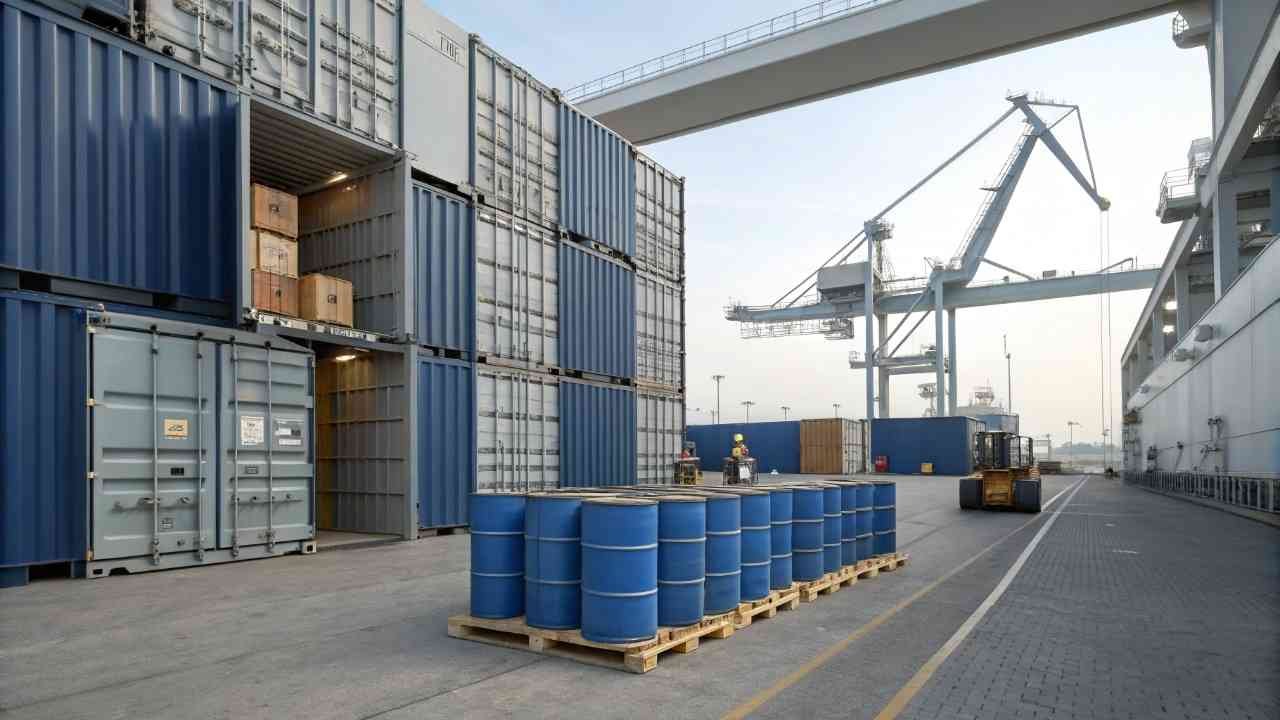
Tiered Pricing and Fixed Costs
Chinese factories use tiered pricing. The more you buy, the less you pay per kilogram. I see that the first big price drop usually happens at 1 ton. The next big drop is at a full container load. I use my relationship with manufacturers to get you the best tier for your volume. Even if you are a medium-sized trader, I can help you reach a better tier by planning your orders. Instead of ordering 5 tons every two months, we can order 15 tons once every six months. This saves you thousands of dollars in the long run.
There are many fixed costs in international trade4. These include bank transfer fees, port documentation, and customs clearance. These fees do not change much whether you ship 500kg or 10,000kg. If you ship a small amount, these fees add a lot to the price of each bag. But in a bulk order, these costs are spread over more units. They become almost invisible. This is a powerful way to lower your unit price. I help my clients calculate these hidden costs to show them the real value of bulk purchasing.
Freight Leverage and Port Efficiency
Freight is the biggest variable in your landed cost. When you buy in bulk, you have more power with the shipping lines. You get better rates for full containers. Port handling fees are often charged per container rather than per kilogram. This means a full container is more efficient than a partial one. I manage the logistics for my buyers to ensure they get the lowest freight rate. For my clients in Southeast Asia, buying bulk is the only way to stay competitive against local producers who have lower transport costs.
| Cost Element | Small Order Impact | Bulk Order Impact | Savings Potential |
|---|---|---|---|
| Unit Price | Highest | Lowest | 5 - 10% |
| Port Fees | High per kg | Minimal per kg | 3 - 5% |
| Documentation | High per kg | Negligible | 1 - 2% |
| Freight Rate | Premium rates | Volume rates | 10 - 15% |
How Can Buyers Plan Annual Vitamin B1 (Thiamine) Demand?
Poor demand planning leads to high air freight costs or excessive stock that ties up your cash. Both problems hurt your results. Accurate forecasting is the key to a lean and stable supply chain.
Buyers plan annual demand by analyzing historical usage and growth forecasts. Coordinating this data with Chinese holiday cycles and seasonal environmental inspections allows for a balanced delivery schedule. This prevents stockouts and maintains optimal inventory levels throughout the year for your business.
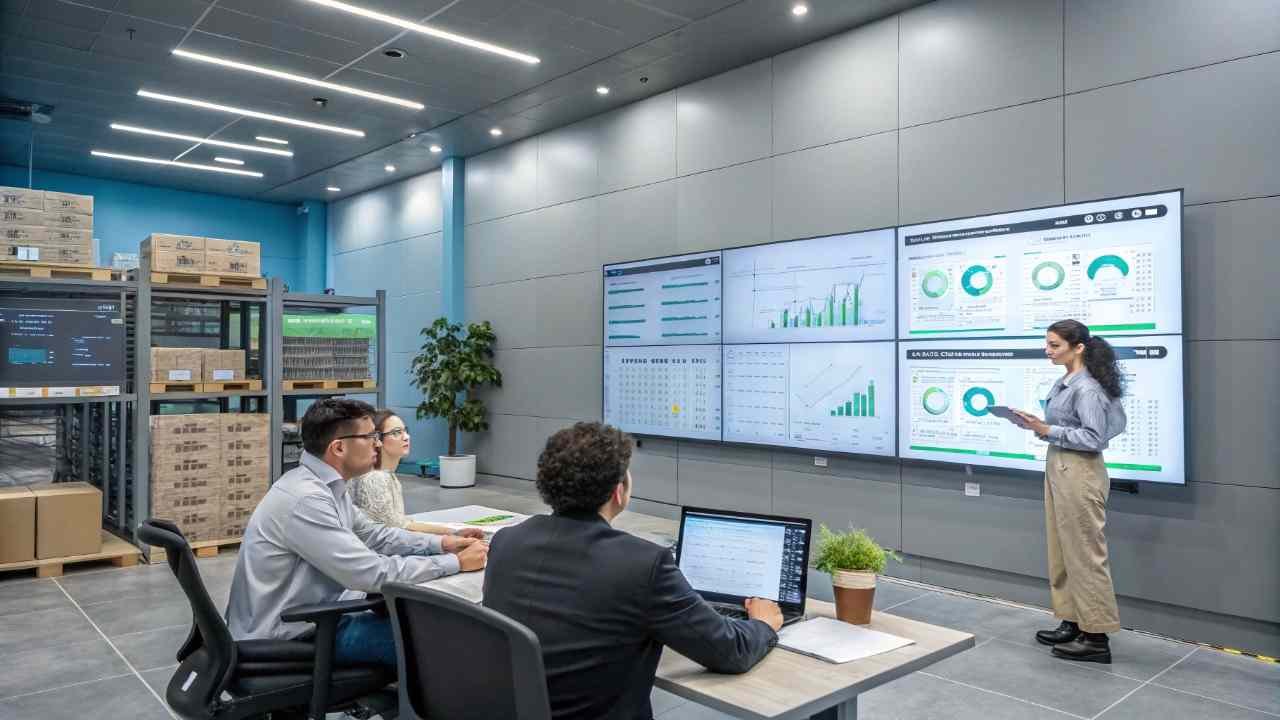
Data-Driven Usage Analysis
I suggest you start by looking at your usage for the last 24 months. This gives you a baseline for your average demand. Then, talk to your sales team about their goals. If they plan to grow by 10%, you must add that to your vitamin forecast. I help my regular clients review this data every quarter. We look for patterns. For example, some wholesalers sell more in the summer. By using real data instead of guessing, you avoid having too much or too little stock. This is how professional procurement managers work.
The Chinese market has two main periods you must plan for. The first is the Spring Festival in January or February. All production stops. The second is the winter environmental inspections. The government often limits factory power to reduce pollution. I tell my clients to buy extra stock in October and November to survive these periods. If you only plan for 30 days of stock, a 2-week factory stop will ruin you. I recommend a safety stock5 of at least 60 days. This buffer gives you time to react to a delay at the port.
Synchronization and Cash Flow
Annual planning is also about your money. You do not have to receive all your annual demand at once. I can help you set up a blanket order. You sign for 100 tons a year, but we ship 10 tons every month. This gives you the bulk price and supply security without tying up all your cash in a warehouse. It also ensures you always receive fresh material from recent batches. I oversee the timing of these shipments to match your consumption. This synchronization is the goal of professional inventory management.
| Planning Factor | Action Item | Target Result |
|---|---|---|
| Usage History | Review 12-month logs | Accurate base demand |
| Growth Target | Add sales forecast % | Prevent supply gaps |
| Chinese Holidays | Stock up in Q4 | Survive factory closures |
| Cash Flow | Use monthly shipments | High liquidity |
Conclusion
Bulk orders for Vitamin B1 require careful planning, clear MOQs, and long-term contracts. I manage these details to ensure your wholesale business remains profitable, stable, and competitive.
-
CIPS – Official professional body for procurement and supply, detailing the strategic role of buyers in organizational structures. ↩
-
Investopedia – A financial definition of wholesalers and their critical role as food enterprises in the distribution supply chain. ↩
-
Corporate Finance Institute – An explanation of price hedging as a trade orientation strategy to manage financial risks in volatile markets. ↩
-
WTO – World Trade Organization’s overview of the fundamental frameworks and costs involved in international trade. ↩
-
InventoryOps – A specialized technical resource for calculating safety stock to ensure supply chain resilience for food manufacturers. ↩