
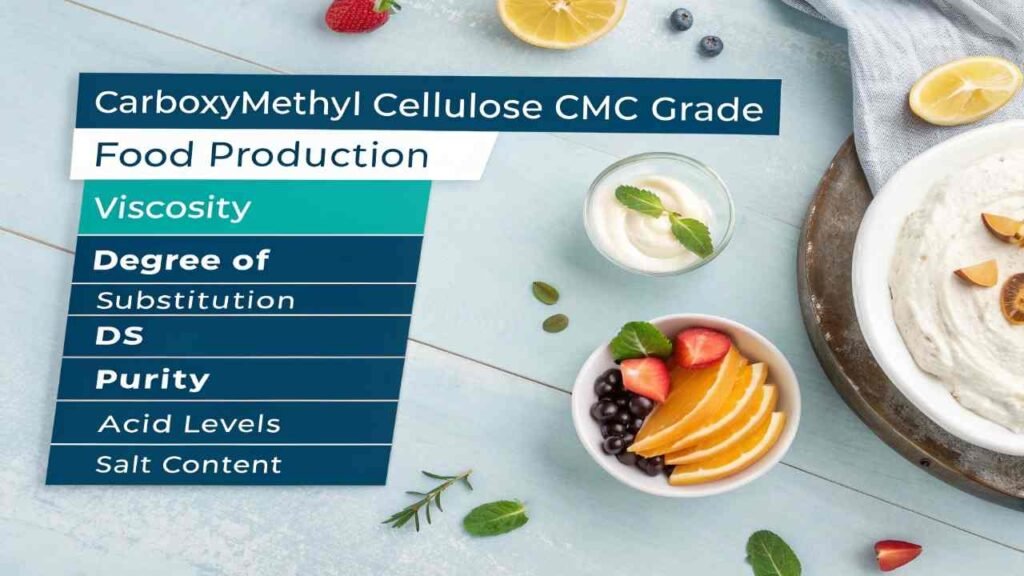
Buying the wrong CMC grade ruins food texture and wastes money. It causes clumping and inconsistent products. I will help you choose the right grade for your business today.
To choose the right CMC grade, match viscosity, degree of substitution (DS), and purity to your food application. Consider acid levels and salt content. At FINETECH, we ensure your specifications meet your production needs perfectly.
I have helped many buyers from Saudi Arabia to Vietnam find the perfect fit. Selecting CMC is not just about the lowest price. It is about how the powder behaves in your recipe. Let me show you the details so you can buy with confidence.
What Food Grades of Carboxymethyl Cellulose (CMC) Are Available?
Industrial CMC in food is dangerous. It causes legal trouble and health risks. Let's look at the safe food-grade options I supply at FINETECH.
Food-grade CMC is defined by high purity (99.5%+). Key types include standard thickening CMC, salt-tolerant CMC, and acid-resistant CMC. These are essential for stable dairy, beverages, and processed foods.
Purity is the First Standard
When I talk to buyers, I always start with purity. For food, it must be above 99.5%. If the purity is low, the powder has too much salt. This byproduct comes from the making process. It changes the taste of your food. I see traders sell 90% purity as food grade to lower the price. This is a mistake. You need the "Pure" type for safety. We focus on the FH9 and FVH9 series. These are common codes for high-quality food grades. High purity also means the CMC dissolves clearly. This is very important for clear drinks or syrups.
Fine Powder or Granules
The shape of the CMC matters too. Most of my clients in the Middle East like fine powder1. Usually, they want 80 or 100 mesh. Fine powder dissolves fast in a mix. But it can clump if you don't have a high-speed mixer. This is why some buyers ask for granular CMC2. Granular CMC does not make much dust. It sinks into the water and dissolves from the bottom. This prevents "fish eyes." These are lumps that stay dry in the middle. I always ask about your mixing tools before I suggest a mesh size.
CMC Grade Comparison
| Grade Type | Purity (%) | Main Feature | Common Application |
|---|---|---|---|
| Standard | > 99.5 | Thickening | Sauces, Bakery |
| Acid-Resistant | > 99.5 | Stable at low pH | Yogurt, Juice |
| Salt-Tolerant | > 99.5 | Works with salt | Canned meat, Soy sauce |
| Instant | > 99.5 | Quick mixing | Instant drinks |
How Does Viscosity Level Affect Carboxymethyl Cellulose (CMC) Use?
Wrong viscosity makes your sauce too thin or too thick. This ruins your brand reputation. I can help you avoid these costly mistakes.
Viscosity determines product thickness. Low viscosity (10-500 mPa.s) suits drinks. High viscosity (over 5000 mPa.s) is for thick pastes. Always check if the test used a 1% or 2% solution.

Matching Viscosity to Your Product
I often get emails asking for "high viscosity CMC3." But "high" means different things to everyone. For some, 2000 mPa.s is high. For others, they need 10,000 mPa.s. Viscosity measures how thick a liquid is. If you make a juice drink, you want low viscosity. You want it smooth but not thick like syrup. If you make mayonnaise, you need very high viscosity. This holds the oil and water together. I have seen production lines stop because the CMC was too thick for the pumps. You must match the viscosity to your machines and your product feel.
Measuring the Numbers Correctly
We use machines to get a viscosity number. We test a 1% or 2% solution in water. But you must check the test method on the certificate of analysis (COA). Some factories use the Brookfield method4. Others use the Hoppler method. The numbers will be different for the same product. I always tell my clients to send me their current spec sheet. I need to see the temperature and the percentage used. If you test at 25 degrees versus 20 degrees, the result changes. At FINETECH, we make sure our lab tests match yours.
Common Viscosity Ranges
| Viscosity (2% Sol) | Category | Best Used For |
|---|---|---|
| 10 - 500 mPa.s | Low | Milk drinks, protein shakes |
| 500 - 3000 mPa.s | Medium | Ice cream, syrups, dressings |
| 3000 - 8000 mPa.s | High | Thick sauces, meat products |
| 10,000+ mPa.s | Ultra High | Noodles, specialized pastes |
What DS Values Matter in Carboxymethyl Cellulose (CMC) Selection?
Does your CMC fail in acidic juice? Low Degree of Substitution (DS) causes sediment and separation. This leads to customer complaints.
DS measures the carboxymethyl groups on the cellulose. A higher DS (0.9 to 1.2) provides better stability in acidic or salty environments. It prevents protein clumping in milk and yogurt.
Why DS is Critical for Stability
Think of the CMC chain like a long string. The DS tells us how many "hooks" are on that string. These hooks like water. If there are more hooks (High DS5), the CMC is stronger against acid. When I work with dairy factories in Indonesia, they ask for a DS above 0.9. If the DS is low, like 0.7, the CMC reacts with milk protein. It causes the milk to clump. This makes the yogurt look spoiled. A high DS keeps the liquid smooth. High DS CMC costs more, but it is necessary for a long shelf life.
Performance and Acid Resistance
A low DS CMC is okay for simple thickening with no acid. It is a good way to save money for simple sugar syrups. But if you have vinegar or lemon juice, you must go higher. I had a client who bought 0.7 DS for salad dressing. It looked good at first. But after one week, the vinegar broke down the CMC. The dressing became thin like water. This cost them a lot in returns. At FINETECH, we test every batch to ensure the DS fits your pH level. We want your product to stay stable for months, not days.
DS Level Impact
| DS Level | Acid Resistance | Salt Resistance | Solution Clarity |
|---|---|---|---|
| 0.7 - 0.8 | Low | Low | Good |
| 0.8 - 0.9 | Medium | Medium | Excellent |
| 0.9 - 1.2 | High | High | Best |
How Do Applications Influence Carboxymethyl Cellulose (CMC) Grade Choice?
One CMC grade does not work for everything. Ice cream CMC fails in noodles. You waste money testing the wrong materials.
Different foods need specific CMC functions. Ice cream needs ice crystal control. Noodles need dough strength. Choose a grade based on stability, water retention, or film-forming needs.
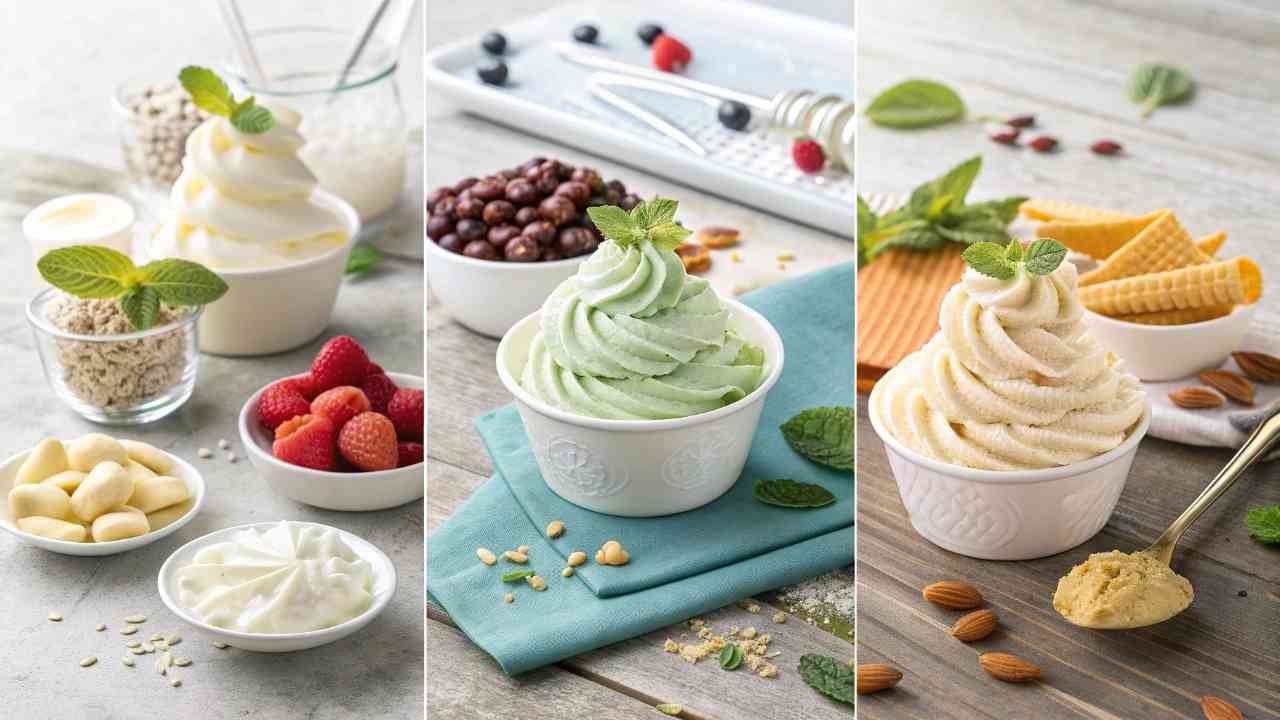
CMC in Frozen Desserts
I like talking about ice cream. CMC is a hero here. It stops big ice crystals from growing when the ice cream melts and freezes again. It makes the ice cream feel creamy even with less fat. For this, you need a medium viscosity grade. It must hydrate well at low temperatures. If the CMC is too thick, the ice cream feels gummy. If it is too thin, it won't stop the ice crystals. I suggest our special ice cream grade. It is a blend for heat shock resistance. It is popular in Southeast Asia where it is very hot.
CMC in Noodles and Bakery
In noodles, CMC makes the dough strong. When you boil noodles, they should not break. CMC also helps noodles absorb more water. This increases the weight of your product and your profit. In bakery items like bread, CMC keeps moisture inside. This means the bread stays soft for more days. If you are a wholesaler in Russia or Korea, you know shelf life is a big deal. You need a grade that forms a good film to lock moisture in. It helps the bread look fresh even after a few days in the store.
Application Guide
| Food Category | Primary Goal | Suggested Property |
|---|---|---|
| Beverages | Stability | Low Viscosity, High DS |
| Ice Cream | Texture | Medium Viscosity |
| Bakery | Softness | High Viscosity |
| Meat | Yield | High Viscosity, Salt Tolerant |
| Noodles | Strength | Medium-High Viscosity |
What Mistakes Do Buyers Make When Selecting Carboxymethyl Cellulose (CMC)?
Many buyers only look at the price. They get low-quality powder that clumps. This "cheap" choice becomes very expensive later.
Common mistakes include ignoring the DS value and testing at wrong temperatures. Always verify the purity and request a COA. Test samples in your real recipe before buying bulk.

Reading the COA Correctly
I see many buyers just check the price. They do not look at the Certificate of Analysis (COA). A COA tells the story of the batch. If moisture is high, you pay for water. If the pH is wrong, it might react with your food. I always provide an honest COA from FINETECH. I want you to know what is in the bag before it leaves China. If a supplier cannot give a detailed COA, you should be worried. It means they might not control the quality well during production.
Testing in Real Conditions
Another mistake is testing CMC in plain water only. CMC acts differently with sugar, salt, or milk. I suggest a small trial run in your factory. I offer a low MOQ so you can test without a big risk. If you are a trader in Germany, your customers will trust you if you explain how the product works in their recipe. Also, the mixing order6 matters. If you add CMC at the wrong time, it might not dissolve. Always follow the right steps for your specific equipment to get the best results.
Checklist for Buyers
- Purity: Check for 99.5% or higher.
- Viscosity: Verify if it is a 1% or 2% test.
- DS Level: Match it to your acid levels.
- Sample: Use a sample from the current batch.
- Packaging: Ensure bags are moisture-proof for shipping.
Conclusion
Choosing the right CMC grade requires matching viscosity, DS, and purity to your food. I help you get the best quality and price for your specific production needs.
-
Exploring this resource will provide insights into the advantages of fine powder, especially in terms of dissolution speed and mixing efficiency. ↩
-
This link will help you understand how granular CMC can enhance your mixing process and minimize dust, leading to better results. ↩
-
Understanding high viscosity CMC is crucial for product formulation and ensuring optimal performance in various applications. ↩
-
Understanding the Brookfield method can help you compare viscosity results accurately and ensure consistency in testing. ↩
-
Understanding High DS is crucial for ensuring product quality and shelf life in dairy applications. ↩
-
Learning about mixing order can help you achieve better results in your culinary creations. ↩