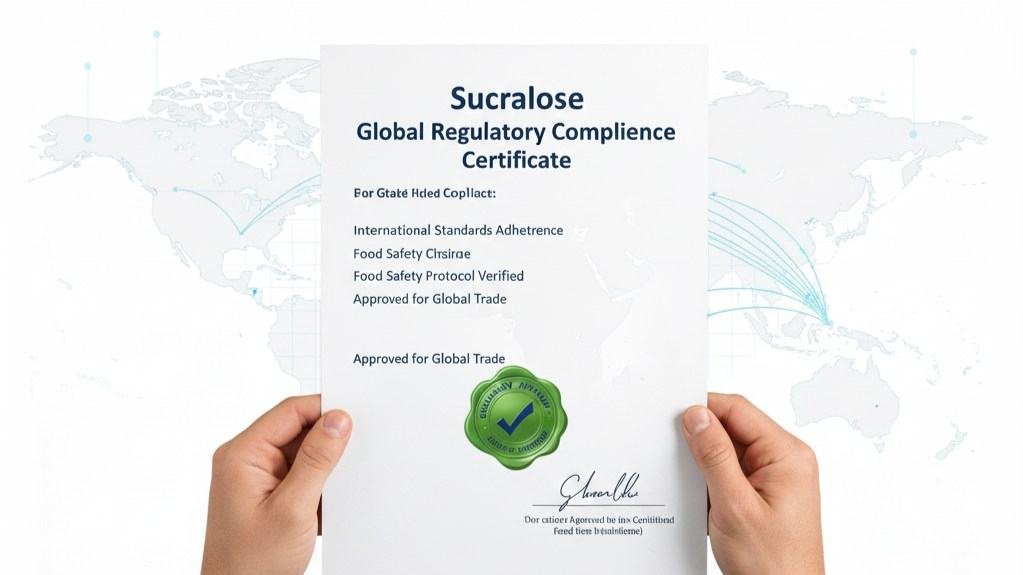
Is your container of Sucralose stuck at the port? A small mistake in regulatory paperwork can cause huge delays, costing you time, money, and your business's reputation.
Regulations impact Sucralose trade by setting strict food safety standards (e.g., FDA, EFSA), requiring specific import documents for customs clearance, and dictating precise labeling rules. Full compliance is non-negotiable for smooth, risk-free international trade.
Regulations form the framework that builds trust and ensures safety across the global food supply chain. A professional buyer knows that a supplier who cuts corners on compliance highresents a major business ris cuts corners on compliance highresents a major business ris not. to be an expert in the regulations that ensure it arrives safely and clears customs without any issues.
What regulatory approvals are required for Sucralose export?
Are you assuming all Sucralose is legally approved for sale in your country? Using an ingredient from an unapproved source can get your entire shipment rejected.
Sucralose requires safety approvals from major global bodies like the U.S. FDA (GRAS status) and the EFSA in Europe. A reputable supplier only sources from factories that meet these global standards, ensuring the product is legally permitted for import.
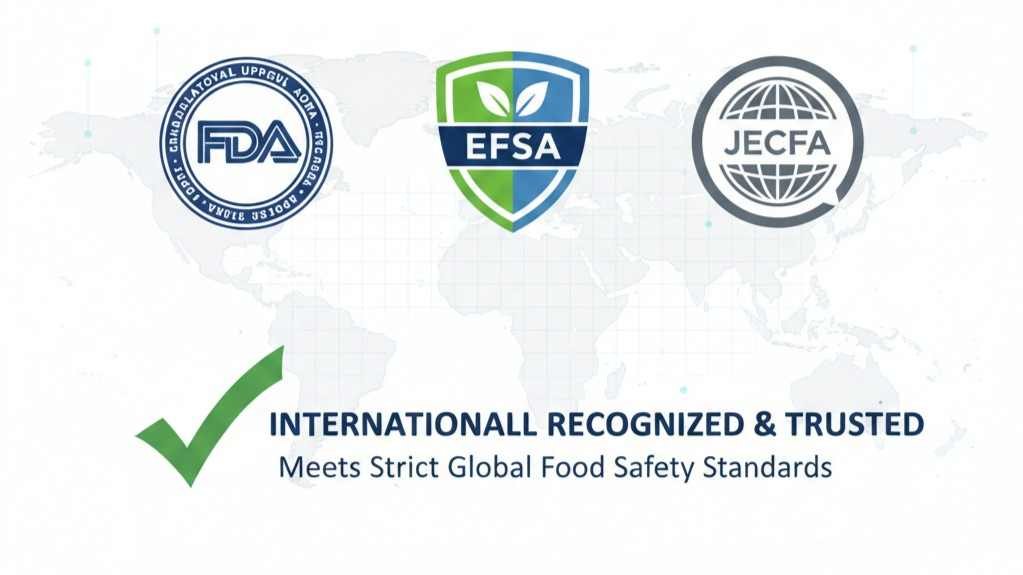
For a food additive to be traded globally, it must meet international safety standards. The most important approvals come from the U.S. FDA1 (which classifies Sucralose as GRAS - Generally Recognized as Safe) and the European Food Safety Authority (EFSA)2. These are the global "gold standards" for safety. The international scientific benchmark is set by JECFA (FAO/WHO). A professional supplier must ensure their product complies with these standards as a baseline requirement.
Key Global Regulatory Bodies for Sucralose:
| Regulatory Body | Region / Scope | Key Role for Sucralose |
|---|---|---|
| U.S. FDA | United States | Confirms "Generally Recognized as Safe" (GRAS) status. |
| EFSA | European Union | Provides scientific approval for use in food (E955). |
| JECFA (FAO/WHO) | Global | Sets the international safety and quality benchmark. |
How do food safety rules affect Sucralose buyers?
Are you just trusting your supplier's word that their factory is clean and safe? A food safety failure can lead to a catastrophic product recall.
Food safety rules, governed by systems like HACCP and ISO 22000, are critical. They require buyers to perform due diligence on their supplier's manufacturing processes. Buyers must demand proof of these certifications to ensure the Sucralose is free from contamination.
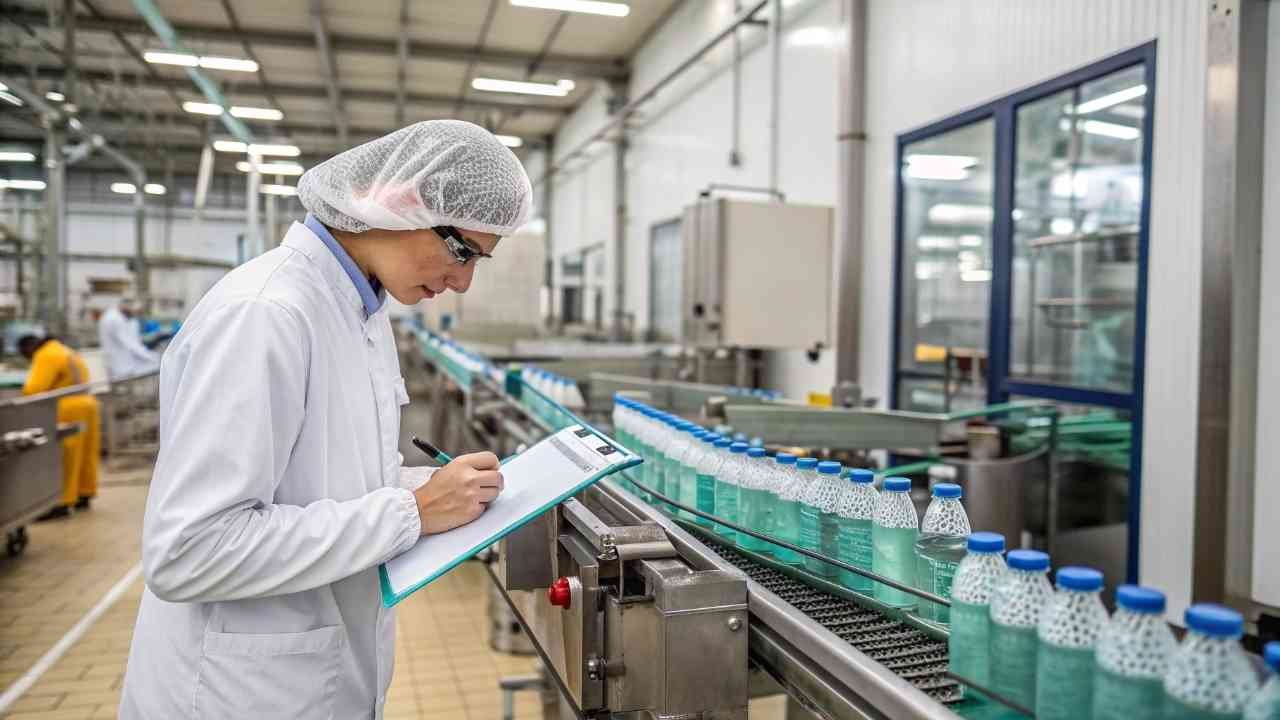
A Certificate of Analysis proves product quality, but food safety certifications prove process quality. A buyer must demand proof that their supplier operates under a robust system. HACCP3 is a system focused on proactively preventing specific hazards. ISO 220004 is a comprehensive food safety management system that includes HACCP. Demanding these certificates is a key part of a buyer's due diligence and protects your business from the risk of contamination.
Food Safety System Comparison:
| System | Focus | What It Guarantees a Buyer |
|---|---|---|
| HACCP | Identifying and controlling specific hazards. | The supplier has a proactive system to prevent contamination. |
| ISO 22000 | The entire food safety management system. | The supplier has a robust, documented, and audited quality culture. |
How can suppliers help meet Sucralose compliance needs?
Are you drowning in a sea of paperwork and confusing regulations for your country? Trying to manage international compliance alone is a complex, full-time job.
A professional supplier acts as a compliance partner. We help by proactively providing a complete and accurate documentation package that is customized to meet the specific import requirements of the buyer's country, ensuring a smooth and delay-free process.

My job is to make the import process easy for you. I do this by acting as a compliance expert. I proactively prepare a full documentation package tailored to your country's needs. This includes core shipping documents, quality and safety certificates (COA, ISO), and country-specific requirements like a Certificate of Origin (COO)5 or Halal Certificate6. Knowing the rules for your specific port is a key part of the value I provide.
Example Documentation Package for the Middle East:
| Document | Purpose | My Responsibility |
|---|---|---|
| Commercial Invoice | Customs Valuation | Prepare accurately, get it attested if required. |
| Certificate of Origin (COO) | Prove origin for customs tariffs | Prepare and get it certified by the Chamber of Commerce. |
| Halal Certificate | Religious Compliance | Provide a valid certificate from a recognized body. |
| ISO 22000 Certificate | Proof of Food Safety Management System | Provide a valid copy of the factory's certificate. |
How do labeling rules differ for Sucralose across markets?
Are you assuming the label on the bag is just a simple sticker? A small mistake in the ingredient name, net weight, or batch number can cause your shipment to be rejected.
Labeling rules for Sucralose differ significantly across markets. Regulations cover the ingredient name (e.g., "Sucralose" vs. the E-number E955), net weight, expiry dates, and the legally required batch number for traceability. Suppliers must customize labels for each destination.
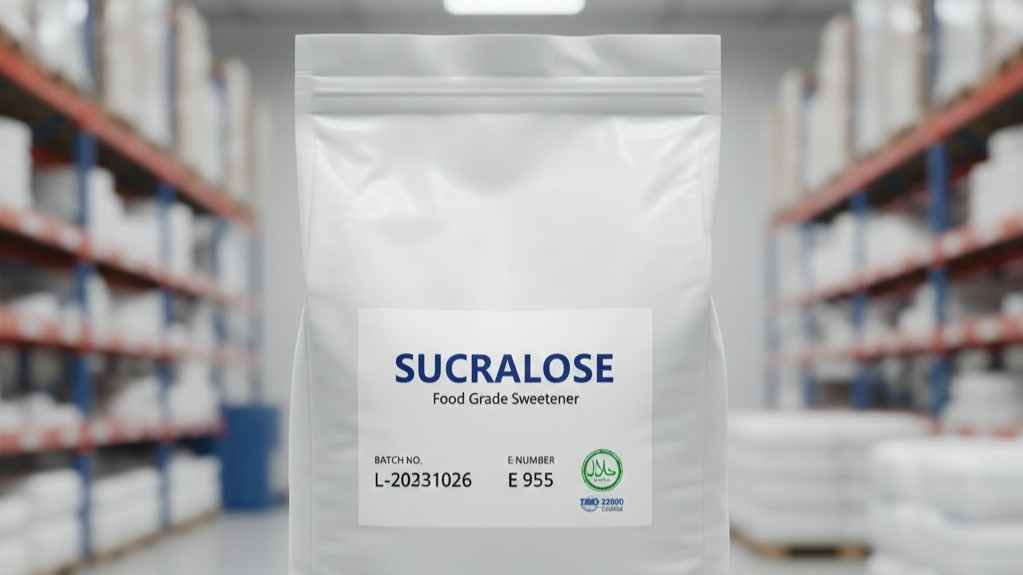
The label on every bag is a legal document that must comply with your local rules. For example, Europe often uses the E-number E955, while other regions use the name "Sucralose." The most critical piece of information is the batch number, which is legally required for traceability back to the Certificate of Analysis. Country-specific requirements, like mandatory production/expiry dates in the Middle East, must also be followed. A professional supplier will customize the labels to meet your market's needs.
Labeling Differences Example:
| Region | Ingredient Name Requirement | Key Focus for Regulators |
|---|---|---|
| Europe | Often uses E-number (E955). | Traceability (Batch Number linking to COA). |
| USA | Uses "Sucralose". | FDA compliance on all statements. |
| Middle East | "Sucralose" in English/Arabic. | Mandatory Production & Expiry Dates, Halal certification. |
How can buyers avoid compliance issues with Sucralose imports?
Are you just hoping for the best when your container arrives at the port? Hope is not a business strategy. A single compliance failure can stop your entire supply chain.
Buyers avoid compliance issues by performing thorough due diligence on their supplier, working closely with an expert local customs broker, and clearly communicating their country's specific requirements to the supplier before the order is confirmed. Proactive partnership is the key.

Avoiding compliance problems is a shared responsibility. A smart buyer takes three proactive steps. First, perform supplier due diligence by verifying their quality and safety certificates upfront. Second, hire a professional local customs broker—they are the ultimate expert on your country's rules. Third, practice clear communication: give your supplier a complete checklist of all requirements from your broker. This teamwork is the secret to a delay-free supply chain.
Buyer's Compliance Checklist:
| Step | Action | Why It Is Critical |
|---|---|---|
| 1. Supplier Vetting | Request and verify all quality and food safety certificates. | Establishes your supplier's credibility and professionalism. |
| 2. Hire a Local Expert | Engage a professional customs broker in your country. | Provides expert, up-to-date knowledge of your local import rules. |
| 3. Communicate Proactively | Provide your supplier with a clear checklist of all requirements. | Ensures everyone is on the same page and prevents mistakes. |
Conclusion
Regulations are the language of trust in global trade. Choosing a supplier who is an expert in compliance is the best way to ensure safe, smooth, and successful business.
-
Understanding the U.S. FDA's role can help you grasp the safety standards for food additives globally. ↩
-
Exploring EFSA's regulations will provide insights into European safety standards for food additives. ↩
-
Understanding HACCP is crucial for ensuring food safety and preventing hazards in the supply chain. ↩
-
Exploring ISO 22000 can help you grasp its comprehensive approach to food safety management and its benefits. ↩
-
Understanding the significance of a COO can streamline your import process and ensure compliance with regulations. ↩
-
Exploring the importance of a Halal Certificate can help you navigate market demands and compliance in specific regions. ↩