
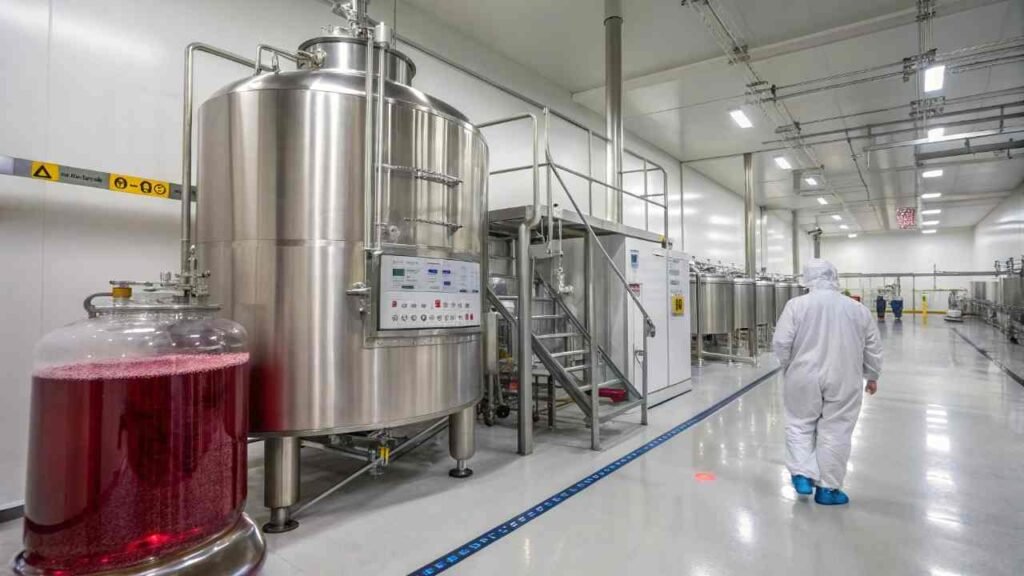
Unstable Vitamin B12 supplies stop your factory lines. This scarcity drains your profits and ruins client trust. I explain how fermentation technology dictates the global supply and your procurement success.
Fermentation technology is the only industrial method for Vitamin B12 production. Supply stability depends on bioreactor capacity, bacterial strain efficiency, and sterile process control. Any technical failure in these biological systems immediately reduces market availability and increases wholesale prices for B2B buyers.
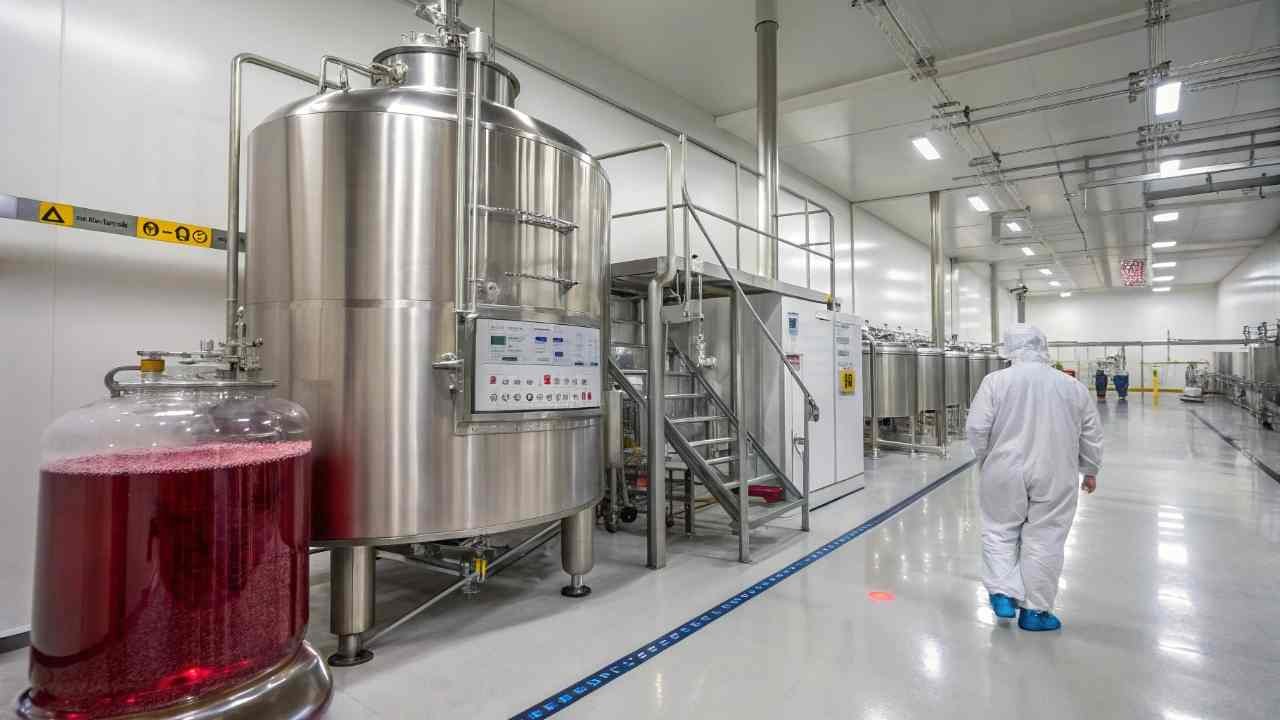
Understanding these technical details helps you pick better suppliers and manage your stock levels. I use my experience in the Chinese market to identify the best producers for your business.
Why is fermentation capacity a bottleneck for Vitamin B12 (Cobalamin)?
Limited production space causes sudden market shortages. You pay higher prices when supply cannot grow fast enough. I identify the technical limits that create these supply bottlenecks.
Fermentation is a bottleneck because it requires massive bioreactors and weeks of sterile processing. B12 synthesis is too complex for chemical methods. Only a few global factories have the high-tech infrastructure needed for large-scale bacterial cultivation and stable output.
The Complexity of Biological Scaling
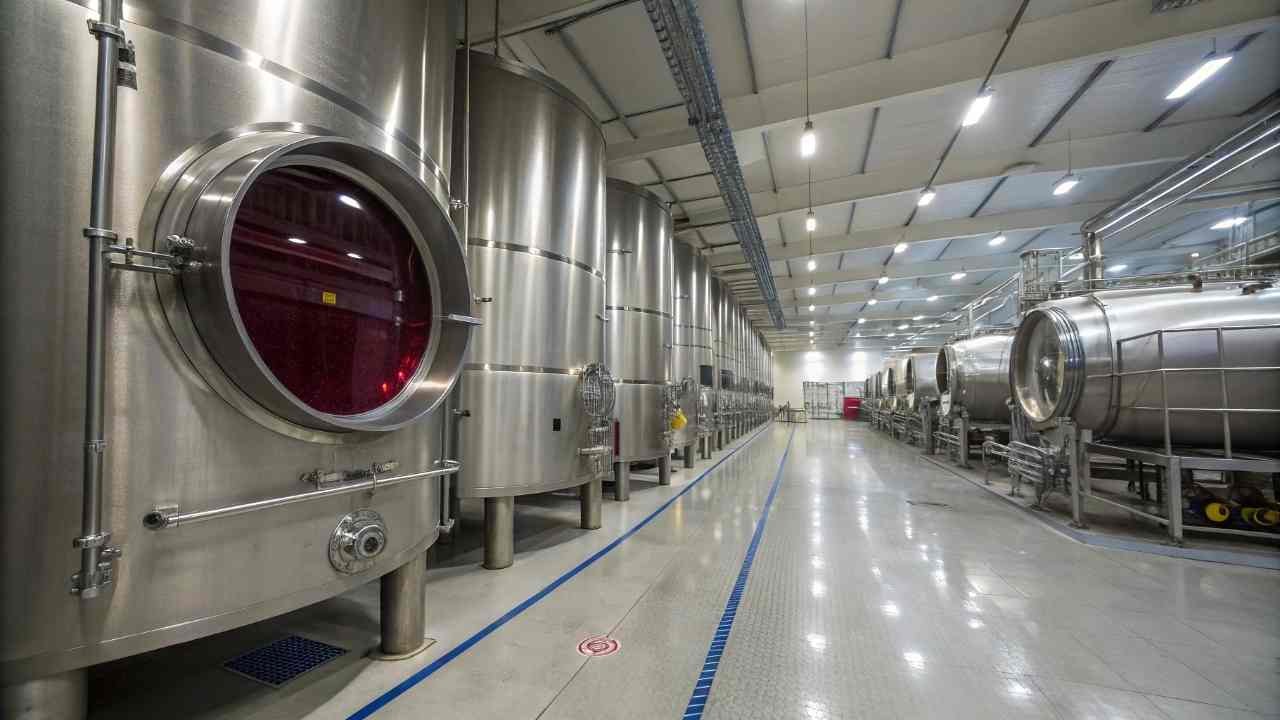
I see that Vitamin B121 is the most complex vitamin to produce. Its molecule contains a central cobalt atom. Nature creates this only through specific bacteria. We cannot use simple chemical mixing to make it. So production must happen in giant tanks called fermenters. These tanks often hold 100,000 liters or more. Building these facilities takes years and millions of dollars. I monitor the capacity of our partner factories in China. If a factory wants to double its output, it cannot do it in a month. It must build new infrastructure. This long lead time makes the market very sensitive to demand spikes.
Technical Maintenance Requirements
Also, fermenters must be perfectly sterile. If a single unwanted microbe enters the tank, the entire batch dies. This is a massive loss of time and money. I visit these plants to check their clean-room standards. High-tech factories use automated sensors to track oxygen and PH levels every second. This precision reduces the risk of batch failure. I prioritize these advanced plants for my clients in Europe and Southeast Asia. Their stable capacity ensures you get your cargo on time. When capacity is limited, the price goes up fast. This happens because buyers are fighting for a fixed amount of material.
| Production Method | Technical Complexity | Scaling Speed | Output Stability |
|---|---|---|---|
| Chemical Synthesis | Extreme (70+ steps) | Very Slow | Low (Lab only) |
| Microbial Fermentation | High (Biological) | Moderate | High (Industrial) |
| Extraction from Food | Low | Very Slow | Very Low |
How do raw materials influence Vitamin B12 (Cobalamin) production output?
Raw material shortages lead to empty factory warehouses. This stops your cargo from shipping. I track these chemical building blocks to ensure your supply chain stays safe and steady.
Raw materials like cobalt salts and glucose determine B12 output. Cobalt is the core of the Cobalamin molecule. Shortages in cobalt or high-quality fermentation nutrients slow down production and reduce the total volume available for the global food and feed markets.
The Critical Role of Cobalt Salts
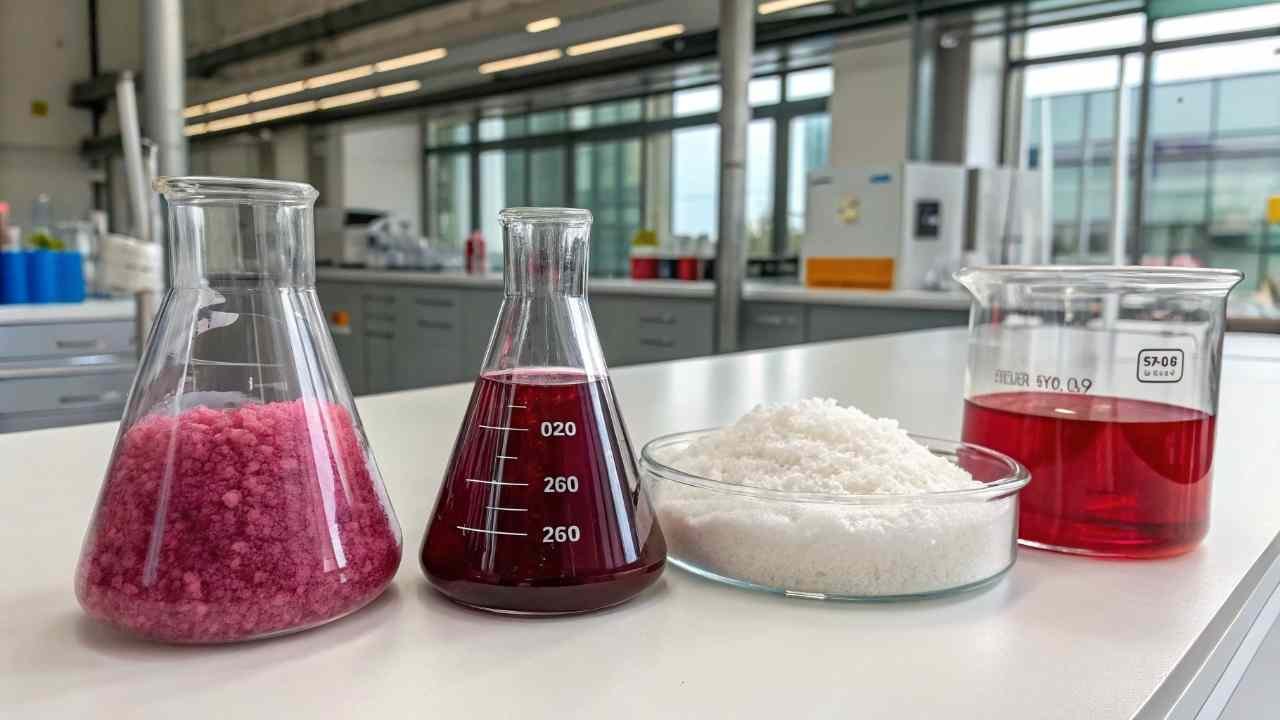
I see that Cobalt is the most critical mineral for B12. Without it, the bacteria cannot build the vitamin molecule. The battery industry2 also uses a lot of cobalt for electric vehicles. So this creates a fight for the same raw material. I monitor the cobalt market in China and Africa every week. If the price of cobalt rises, the cost of B12 follows. I work with factories that have long-term cobalt contracts. This ensures they always have the building blocks to finish your order. I also check the purity of the cobalt salts. Low-purity minerals can introduce heavy metals like Lead or Arsenic into the vitamin.
Nutrient Broth Stability and Supply
Bacteria also need energy to grow. We feed them glucose3, soy peptone, and corn steep liquor. These are agricultural products. I track the prices of corn and soy in the market. If these nutrients become expensive, small factories might use lower-quality alternatives. This reduces the yield and makes the final product less stable. I visit the raw material storage areas in our partner factories. I ensure they use high-grade nutrients. This keeps the bacteria healthy and the B12 output high. Stable raw materials lead to consistent batch quality. This is a technical fact that protects your business reputation.
| Material | Role in Process | Source | Risk Level |
|---|---|---|---|
| Cobalt Salts | Molecule Core | Mining / Chemical | High (Market competition) |
| Glucose / Sugars | Energy Source | Agriculture | Moderate (Seasonal price) |
| Soy Peptone | Nitrogen Source | Agriculture | Moderate |
| Pure Water | Growth Medium | Municipal / Treated | Low |
What innovations are improving Vitamin B12 (Cobalamin) yield?
Low yields make vitamins expensive and hard to find. This hurts your purchasing power. I monitor new technology to find suppliers who offer better value through higher production efficiency.
Yield innovations focus on genetic strain selection and high-density fermentation. Modern factories use Pseudomonas denitrificans strains that produce more vitamin per liter of broth. These technical improvements increase the global supply and lower the production cost for wholesalers.
Genetic Strain Optimization
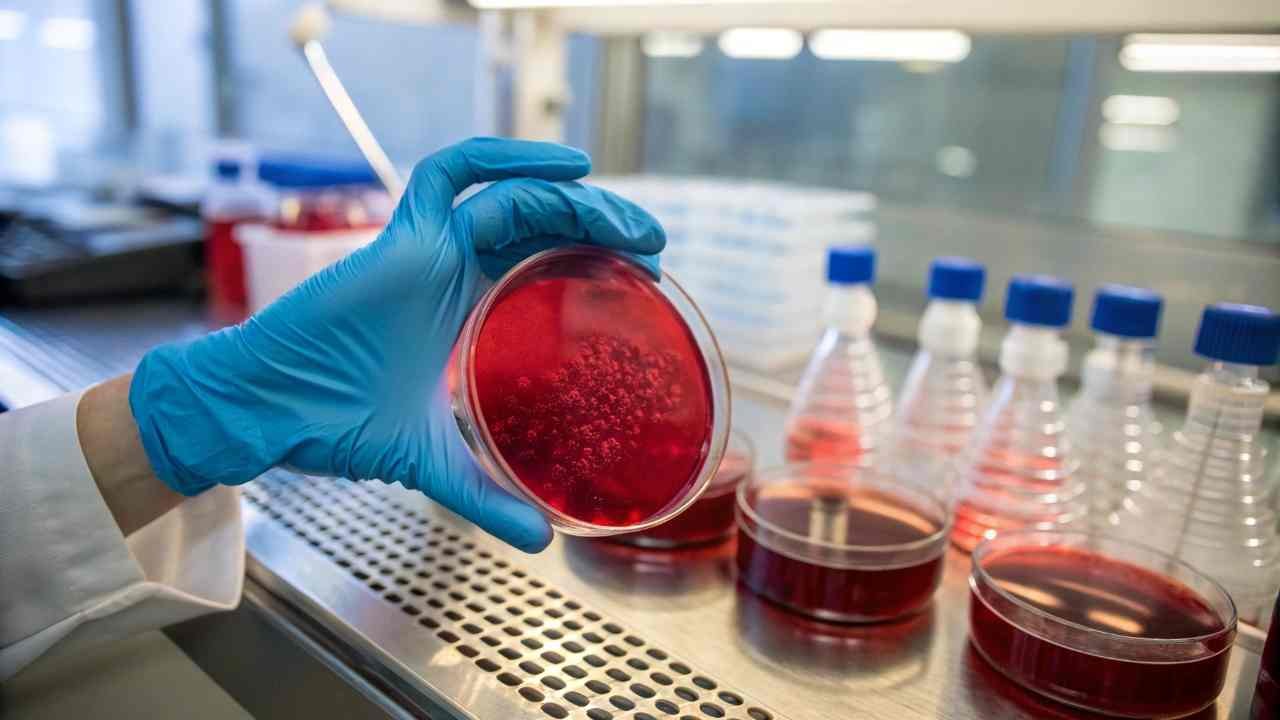
I see that the "strain" of bacteria is the secret weapon of a factory. Old strains produced very little B12. Modern labs in China use advanced selection to find the strongest bacteria. These bacteria grow faster and eat less food. This is not just about GMO. It is about technical evolution. I check the lab logs of our partner factories. I want to see a high "Assay" in the fermentation broth. A higher yield means the factory can produce more tons with the same amount of energy. This efficiency is how I get a competitive price for my buyers in the Middle East and Russia. Better strains lead to a more reliable market.
High-Density Bioreactors
And new reactors can pack more bacteria into the same space. This is called "high-density" fermentation. It requires very precise oxygen control. If the oxygen level drops for one minute, the bacteria die. I prioritize factories that use automated DCS systems for their reactors. These computers manage the oxygen and mixing 24/7. This technology reduces the cost per kilogram. It also ensures the final dark-red crystals are pure and stable. I act as your technical partner to find these high-yield producers. Innovations in yield are the only way to meet the growing demand for plant-based food fortification4.
| Innovation | Technical Focus | Impact on Supply | Cost Benefit |
|---|---|---|---|
| Strain Selection | Microbial Genetics | Increased capacity | 15% - 20% Reduction |
| High-Density Tank | Bioprocess Eng. | More output per m3 | Moderate |
| Automated Feed | Sensors / AI | Consistent batches | Lower waste |
How does technology impact Vitamin B12 (Cobalamin) cost efficiency?
Inefficient factories have high prices and slow delivery. You pay for their waste. I analyze factory technology to help you lower your landed costs and improve your profit margins.
Technology impacts cost efficiency by reducing energy waste and labor. Automated fermentation and high-speed chromatography lower the electricity and reagent use per batch. Integrated factories that recover heat and solvents can offer the most competitive wholesale prices globally.
Automation and Labor Reduction
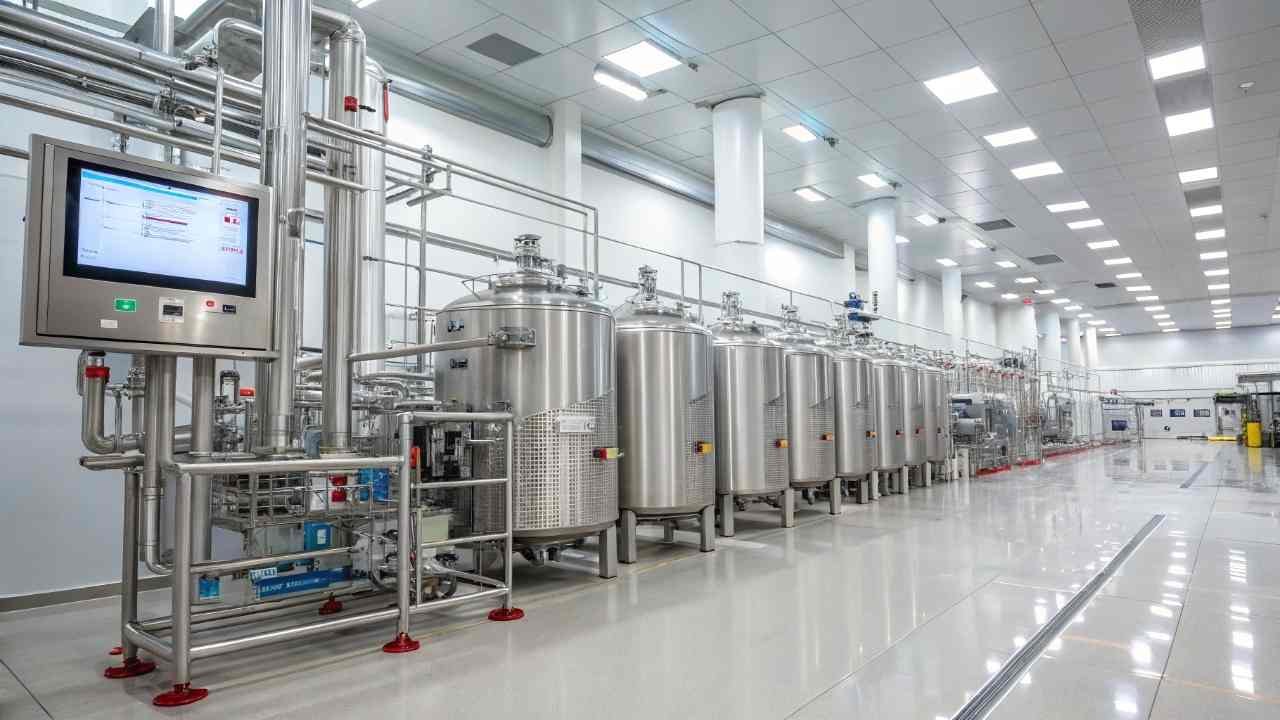
I see that automation is the key to low-cost production. Old factories need many workers to turn valves and check PH levels by hand. Humans make mistakes. And mistakes lead to ruined batches. Modern plants in China use full DCS automation5. One engineer can monitor the whole factory from a computer screen. This reduces the labor cost. It also reduces the "fail rate" of the batches. I visit these control rooms to verify the technology. When the process is automated, the quality is stable and the price is lower. I pass these savings to my B2B clients. Automation is a technical fact of the modern vitamin market.
Solvent and Energy Recovery
Plus, pure Vitamin B12 requires many steps of purification. This uses energy for heating and drying. It also uses solvents for extraction. High-tech factories have "closed-loop" systems. They catch the steam and use it again for another tank. They also recycle 95% of their solvents. I prioritize these green factories for my buyers in Europe. These systems lower the utility bill for the factory. This makes the B12 price more stable even when energy prices rise. I also check their waste water treatment systems. If a factory is efficient with waste, they are safe from government shutdowns. This keeps your supply chain running.
| Efficiency Driver | Technical Method | Resource Saved | Cost Saving |
|---|---|---|---|
| DCS Automation | Computer control | Labor / Raw materials | High |
| Heat Recovery | Steam exchangers | Electricity / Fuel | Moderate |
| Solvent Recycle | Distillation loops | Chemical reagents | High |
What risks exist in Vitamin B12 (Cobalamin) production scaling?
Scaling production too fast leads to quality failures and supply gaps. This risk ruins your inventory planning. I identify these scaling dangers to ensure your procurement stays safe and reliable.
Risks in scaling include bacterial contamination, inconsistent batch quality, and environmental regulatory pressure. Large-scale fermentation is harder to keep sterile. Rapid expansion often leads to higher impurity levels or sudden government shutdowns due to increased waste output.
Contamination and Sterile Control
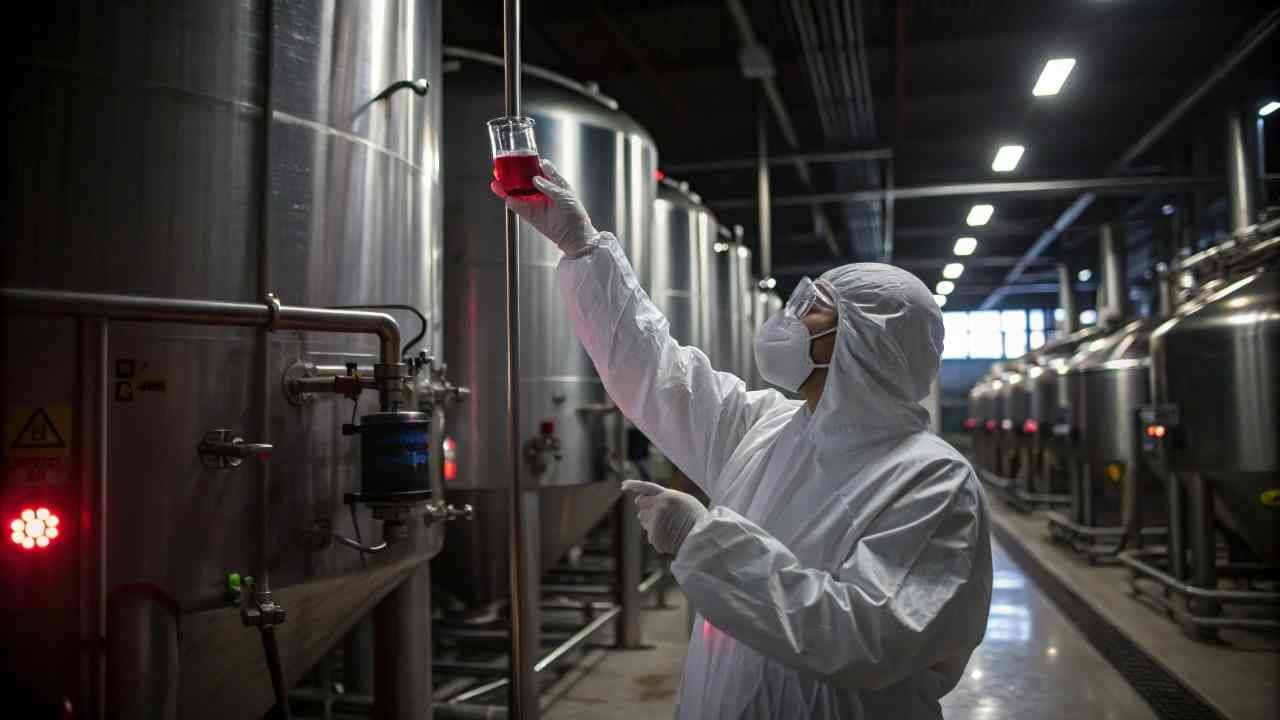
I see that "Scale" is a double-edged sword. When a tank gets bigger, the risk of contamination grows. A small 10-liter tank is easy to clean. But a 100,000-liter tank has many valves and pipes where bacteria can hide. I inspect the piping systems of our partner factories. I look for "dead legs" where old broth can sit and rot. If the scaling is done poorly, you get batches with high microbial counts. I check the lab results for Salmonella and E. coli for every shipment. Scaling up requires better technology, not just bigger tanks. I help you avoid factories that grow too fast without the right technical controls.
Environmental Regulatory Pressure
And making more B12 means making more waste. Large factories produce a lot of nitrogen-heavy water. In China, the government monitors this waste 24/7 with sensors. If a factory scales up but their waste treatment plant is too small, the government will close them. I check the "Environmental Impact Assessment" (EIA) for every factory I source from. I ensure they have the capacity to handle their waste. This oversight protects you from sudden supply shortages. Scaling also requires more cobalt and energy. If these inputs are not secured, the factory will have "ghost capacity." They have big tanks but no material to fill them. I manage these facts to protect your business.
| Scaling Risk | Technical Cause | Consequence | Mitigation |
|---|---|---|---|
| Contamination | Complexity of pipes | Ruined batch | CIP (Clean in Place) |
| Waste Volume | Fermentation runoff | Gov. Shutdown | Advanced WTP plant |
| Quality Drift | Strain mutation | Low assay | Master cell bank |
Conclusion
Fermentation technology determines the availability and price of Vitamin B12. I manage these technical factors at FINETECH to ensure your business receives a stable, high-quality, and competitive wholesale supply.
-
NIH – Professional fact sheet detailing the biological functions and complex structure of Vitamin B12. ↩
-
IEA – Analysis of global EV battery trends and the resulting impact on cobalt demand. ↩
-
Britannica – Scientific overview of glucose properties and its role as a primary energy source in biological processes. ↩
-
WHO – International standards and strategies for food fortification to improve public health nutrition. ↩
-
Yokogawa – Technical guide to Distributed Control Systems (DCS) used in stabilizing high-precision chemical production. ↩