

Food spoilage ruins your inventory and brand reputation. This instability leads to high financial loss. I provide technical solutions using Phosphoric Acid to secure your product quality and safety.
Phosphoric Acid improves food quality by acting as an acidulant that regulates pH levels. It inhibits microbial growth, prevents oxidation, and stabilizes texture. These functions effectively extend shelf life and maintain consistent flavor profiles in beverages and processed foods while meeting strict food safety standards.
I manage factory selection and quality oversight at FINETECH. I want to explain the chemical mechanisms of Phosphoric Acid so you can optimize your food production and procurement.
How does Phosphoric Acid inhibit microbial growth?
Pathogens in your food line cause dangerous health risks and recalls. This failure destroys customer trust and profit. I analyze how Phosphoric Acid creates a hostile environment for harmful bacteria.
Phosphoric Acid inhibits microbial growth by lowering the food's pH. Most bacteria and molds cannot survive in highly acidic environments below pH 4.5. This acidification slows down cellular metabolism in microorganisms, preventing spoilage and ensuring long-term product safety for consumers.
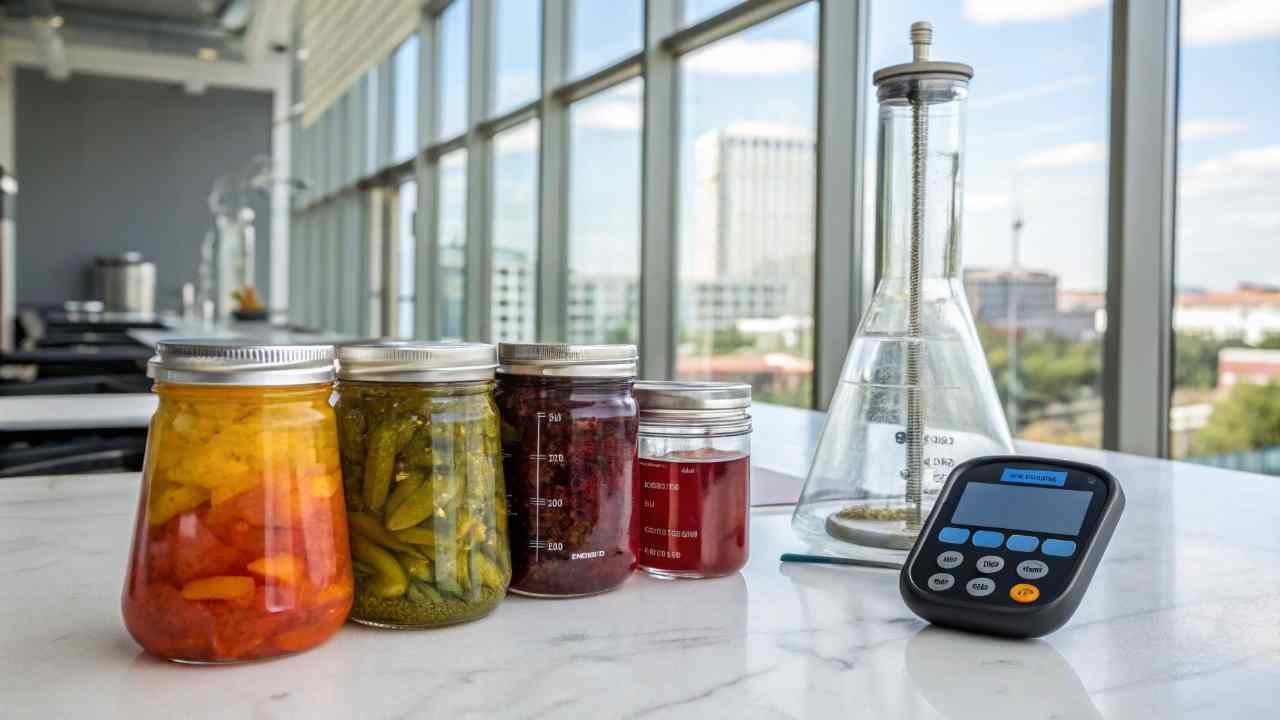
The Technical Mechanism of Acidification
I see that many food manufacturers struggle with bacterial contamination. Phosphoric Acid is a very strong inorganic acid. When we add it to a food system, it releases hydrogen ions. These ions lower the pH value of the product. Most dangerous bacteria like E. coli or Salmonella1 need a neutral pH to thrive. When the pH drops below 4.0, the acid penetrates the cell walls of the microbes. This disrupts their internal balance and stops them from multiplying. I check the lab reports from our Chinese factories to ensure the acid has the correct 85% concentration. This strength is necessary to reach the target pH quickly in large batches.
I also observe that Phosphoric Acid works differently than organic acids like acetic acid. It is more efficient at lower dosages. This means you use less chemical to achieve the same safety level. For my clients in the Middle East and Southeast Asia, I suggest using food-grade2 Phosphoric Acid in sauces and canned goods. It acts as a primary barrier against spoilage. I visit the production lines to see how the acid is mixed. Proper mixing ensures that every part of the food has the same acidic protection. This technical oversight prevents "hot spots" where bacteria might still grow. Using high-purity acid ensures no unwanted minerals interfere with this antimicrobial process.
Microbial Growth Limits by pH
| Microorganism Type | Minimum Growth pH | Growth Level at pH 4.0 | FINETECH's Technical Insight |
|---|---|---|---|
| Salmonella | 4.0 - 4.5 | Inhibited | Requires strict pH control |
| E. coli | 4.4 - 5.0 | Inhibited | Very sensitive to acidity |
| Listeria | 4.3 - 4.5 | Inhibited | Needs constant monitoring |
| Clostridium | 4.6 - 5.0 | Stopped | Critical for canned safety |
| Common Mold | 2.0 - 3.0 | Active | Needs secondary preservative |
| Yeast | 2.5 - 3.5 | Active | Use in combination with salts |
Why does Phosphoric Acid extend shelf life?
Rapid product degradation leads to high waste and lost sales. This inefficiency eats your profit margins every month. I show how Phosphoric Acid stops chemical and biological decay to keep products fresh.
Phosphoric Acid extends shelf life by preventing oxidation and maintaining chemical stability. It acts as a sequestering agent that binds metal ions like iron and copper. This action stops the ions from triggering rancidity in fats and discoloration in vegetables, preserving freshness for months.
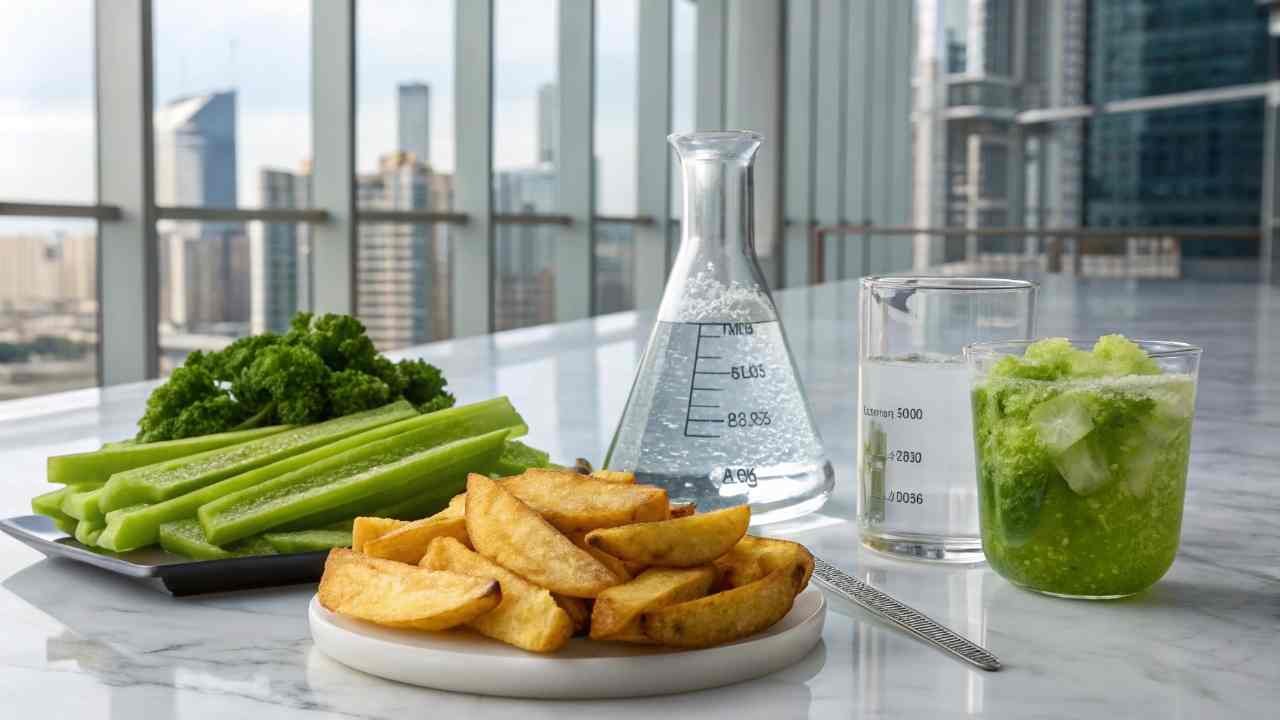
Preventing Oxidation and Chemical Decay
I see that shelf life is not just about bacteria. It is also about chemistry. Many food products contain small amounts of metals like iron or copper. These metals act as catalysts for oxidation. Oxidation makes fats go rancid and makes fruits turn brown. Phosphoric Acid has a technical property called "Chelation3." It wraps around these metal ions and makes them inactive. This stops the chain reaction of oxidation. I provide 85% food-grade acid to wholesalers in Europe and Russia for this specific reason. It keeps their vegetable oils and fats stable during long shipping times.
Stability is the second part of the shelf life equation. Phosphoric Acid is very stable under heat and light. Unlike some natural preservatives, it does not break down during the cooking process. I audit our partner factories in China to ensure they use the thermal process. This process produces the cleanest acid for long-term stability. If the acid is pure, it does not introduce new minerals that might shorten the shelf life. I also check the packaging, such as our IBC tanks. We use new, UV-protected tanks to ensure the acid stays perfect until you use it. This technical chain of quality is how I help my clients reduce their waste and increase their market share.
Factors Controlled by Phosphoric Acid
| Factor | Cause of Decay | Phosphoric Acid Role | Benefit to Buyer |
|---|---|---|---|
| Lipid Rancidity | Metal catalysts | Chelation of ions | Better fat stability |
| Discoloration | Oxidation enzymes | pH inhibition | Fresh appearance |
| Flavor Drift | Chemical reactions | pH buffering | Consistent taste |
| Texture Loss | Protein breakdown | Stabilization | Firm food structure |
| Syneresis | Liquid separation | Emulsification aid | No water leaking |
| Vitamin Loss | Oxidation | Antioxidant synergy | Higher nutrient value |
How does Phosphoric Acid enhance flavor in beverages?
Bland or overly sweet drinks fail to capture market share. This lack of appeal stops your business growth. I explain the technical role of Phosphoric Acid in creating the perfect beverage profile for your brand.
Phosphoric Acid enhances flavor by providing a sharp, clean tartness that balances sugar sweetness. In colas and root beers, it creates a specific "bite" that organic acids cannot replicate. It also maintains beverage clarity by preventing minerals from precipitating out of the liquid.

The Sensory Science of Tartness
I see that the beverage industry depends on the "Brix-Acid Ratio." This is the balance between sugar and acid. Phosphoric Acid is the primary acidulant for dark sodas. It provides a "Dry" and "Sharp" sourness. Organic acids like citric acid are too "Fruity" for a cola. I supply high-volume wholesalers who serve large bottling plants in Southeast Asia. They need the acid to be 100% odorless. Any smell in the acid will ruin the delicate aroma of the soda. I visit the refining sections of the factories to ensure the purification towers are working perfectly. This ensures a clean flavor every time.
Clarity is another part of the sensory experience. Phosphoric Acid helps keep the drink transparent. It prevents calcium and magnesium in the water from forming cloudy crystals. This is a technical benefit that keeps the product looking premium on the shelf. I act as your strategic partner to monitor the heavy metal4 levels. Metals like iron can create a metallic aftertaste. By keeping iron levels below 5 ppm, we ensure the flavor remains crisp and refreshing. I also check the 85% assay carefully. A consistent concentration means your flavor team does not have to change the recipe for every batch. This consistency is the key to building a global beverage brand.
Acidulant Flavor Comparison
| Acid Type | Flavor Profile | Main Application | FINETECH's Technical View |
|---|---|---|---|
| Phosphoric Acid | Sharp, biting, clean | Colas / Root beers | Best for strong tartness |
| Citric Acid | Fruity, bright | Lemon-lime / Juices | Too fruity for dark sodas |
| Malic Acid | Lingering, apple-like | Candy / Fruit drinks | Used for "sour" candy |
| Tartaric Acid | Grapelike, hard | Grape drinks / Baking | Very expensive |
| Lactic Acid | Mild, milky | Dairy / Fermentation | Best for smooth mouthfeel |
| Acetic Acid | Pungent, vinegar | Pickles / Sauces | Not for beverages |
What role does Phosphoric Acid play in food preservation?
Inconsistent preservation methods cause unpredictable batch quality. This variability complicates your logistics and warehouse planning. I show how Phosphoric Acid serves as a reliable cornerstone for modern food preservation strategies.
Phosphoric Acid serves as a preservation cornerstone by maintaining stable pH levels, which is essential for the effectiveness of other preservatives. It also prevents the breakdown of proteins and fats. Its role as a buffering agent ensures that the food environment remains safe throughout the entire distribution chain.
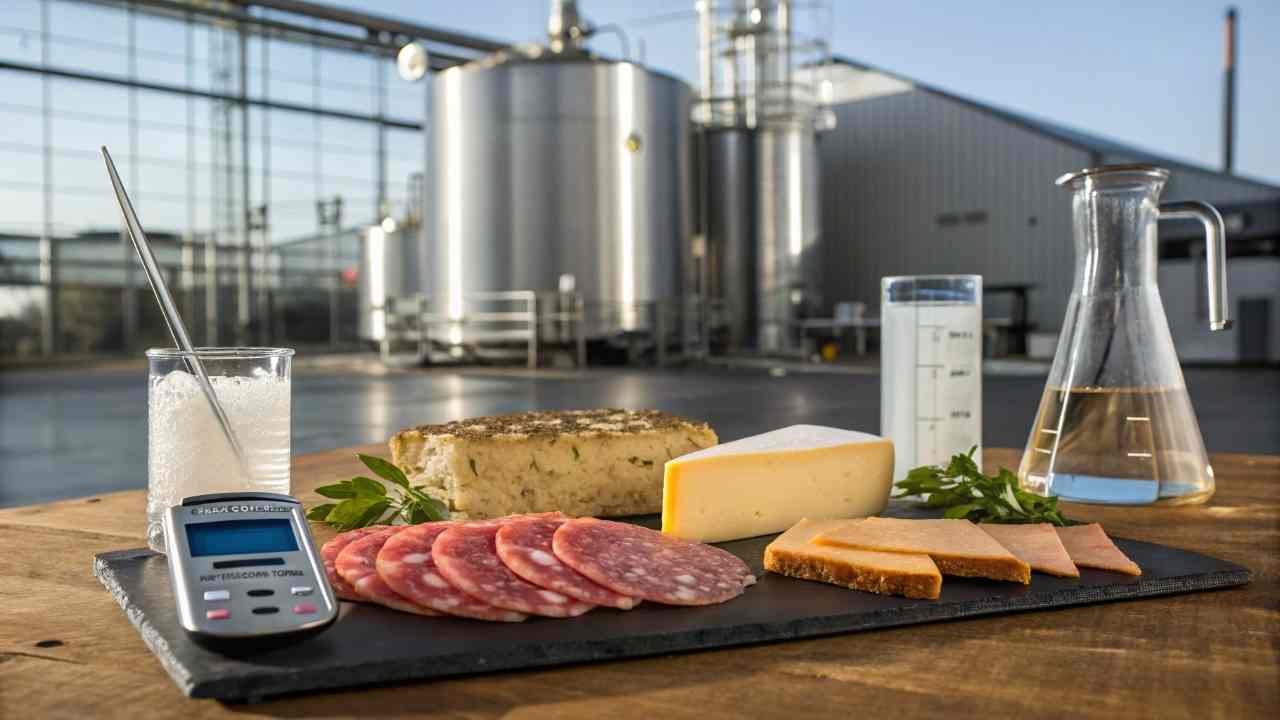
Buffering and Synergistic Preservation
I see that preservation is often a team effort. Many preservatives like Sodium Benzoate or Potassium Sorbate only work at a low pH. If the pH of the food rises, these chemicals stop working. Phosphoric Acid is a great "Buffering Agent." It resists changes in pH. This keeps the environment stable even if the food is stored in a warm warehouse. I help my clients in Europe and the Middle East set their preservation levels. I prioritize sourcing from factories that have ISO 220005 and HACCP certifications. These standards prove the factory can produce acid that is consistent enough for delicate preservation tasks.
Protein stability is also a key role in preservation. In processed meats and dairy, proteins can break down and release water. This water then allows bacteria to grow. Phosphoric Acid and its salts (phosphates) help bind the water to the protein. This keeps the meat juicy and the cheese smooth. It also removes the "Free Water" that microbes need. I act as your technical gatekeeper to ensure no impurities like lead or arsenic are in the acid. If the acid is dirty, it can actually speed up the decay of the food. I only provide the highest food-grade quality to ensure your preservation strategy is 100% effective.
Preservation Synergy Table
| Combined Additive | Target Microbe | pH Requirement | Phosphoric Acid Role |
|---|---|---|---|
| Sodium Benzoate | Yeast / Mold | Below 4.5 | Lowers and holds pH |
| Potassium Sorbate | Bacteria / Mold | Below 6.0 | Stabilizes acid levels |
| Nisin | Gram+ Bacteria | Acidic to Neutral | Enhances effectiveness |
| Sodium Nitrite | C. botulinum | Acidic | Speeds up the reaction |
| Calcium Propionate | Bread Mold | Below 5.5 | Balances leavening pH |
| BHA / BHT | Fat Oxidation | Any | Binds metal catalysts |
Which food products benefit most from Phosphoric Acid?
Using the wrong additive for your specific product wastes money and lowers your quality. This technical mismatch slows your production. I identify the industries where Phosphoric Acid provides the highest technical value for your procurement.
Soft drinks, processed meats, and dairy products benefit most from Phosphoric Acid. It provides the bite in colas, moisture retention in ham, and prevents protein precipitation in cheese. It is also essential in jams for pectin set and in vegetable oils for the degumming process during refining.

Application Across Different Food Sectors
I see that the beverage sector is the most obvious user. But the meat industry is also a major buyer of our food-grade 85% acid. In ham and sausages, Phosphoric Acid helps with "Water Binding." This increases the weight of the final product and improves the "Bite." For my clients who are wholesalers, this is a high-demand product for their local meat factories. I manage the logistics from China to ensure fast delivery. We keep the lead time short so the meat plants never run out of stock. I also audit the heavy metal levels to meet the strict food laws in regions like Russia and Korea.
The dairy and oil industries have technical needs too. In cheese making, Phosphoric Acid helps adjust the pH of the milk to get the right curd. It also prevents the cheese from getting too grainy. In the vegetable oil industry, we use the acid for "Degumming." It pulls the impurities out of the crude oil so the final oil is clear and safe for frying. I act as your strategic partner to provide the full COA for these diverse uses. Whether you are a trader in Indonesia or a distributor in Greece, I find the right factory for your specific industry. We focus on low MOQs and competitive pricing to help you serve multiple sectors at once.
| Industry Sector | Primary Benefit | Technical Requirement | FINETECH's Solution |
|---|---|---|---|
| Soft Drinks | Sharp tartness | No odor / 85% Assay | Thermal process acid |
| Meat Processing | Moisture retention | Low heavy metals | Batch-specific COA |
| Dairy / Cheese | Protein stability | High purity | Direct factory audit |
| Vegetable Oils | Degumming aid | Bulk supply | Secure IBC packaging |
| Jams / Jellies | Pectin set | pH control | Fast delivery terms |
| Pet Food | Palatability | Food-grade safety | Competitive pricing |
Conclusion
Phosphoric Acid is essential for pH control, microbial inhibition, and flavor stability in the food industry. I manage high-purity supply at FINETECH to help you achieve consistent food quality and longer shelf life.
-
World Health Organization – Fact sheet detailing the risks of Salmonella infection and its prevention in the global food supply chain. ↩
-
U.S. FDA – Official regulatory database defining the status and safety guidelines for additives approved for human consumption. ↩
-
ScienceDirect – Scientific overview explaining how chelating agents stabilize food products by inactivating pro-oxidant metal ions. ↩
-
Food Safety Magazine – An exploration of the regulatory landscape and safety standards concerning heavy metal contaminants in food ingredients. ↩
-
International Organization for Standardization – Official page for the ISO 22000 standard detailing requirements for food safety management systems. ↩