

Are you caught off guard by holiday demand spikes or the Chinese New Year shutdown? These predictable events can cause chaos in your supply chain if you do not plan.
Seasonality affects the entire Sucralose supply chain. Demand peaks with holiday beverage production, while the Chinese New Year shutdown halts all production and shipping from China. Both require buyers and suppliers to plan months in advance to avoid costly delays and stockouts.
The global market has a rhythm. As your partner, it is my job to understand this calendar and help you navigate it. For a professional buyer, seasonal disruptions are not surprises; they are challenges to be managed with foresight. A reliable supply chain is about planning for these events together.
How do seasonal trends affect Sucralose production?
Does your supplier seem to have random production delays? These are not random. The biggest disruption is a predictable, multi-week shutdown that happens every single year.
The most significant seasonal trend affecting Sucralose production is the Chinese New Year holiday (Jan-Feb). This causes a multi-week shutdown of all factories and logistics in China. A second, minor factor is summer energy rationing, which can sometimes slow production.
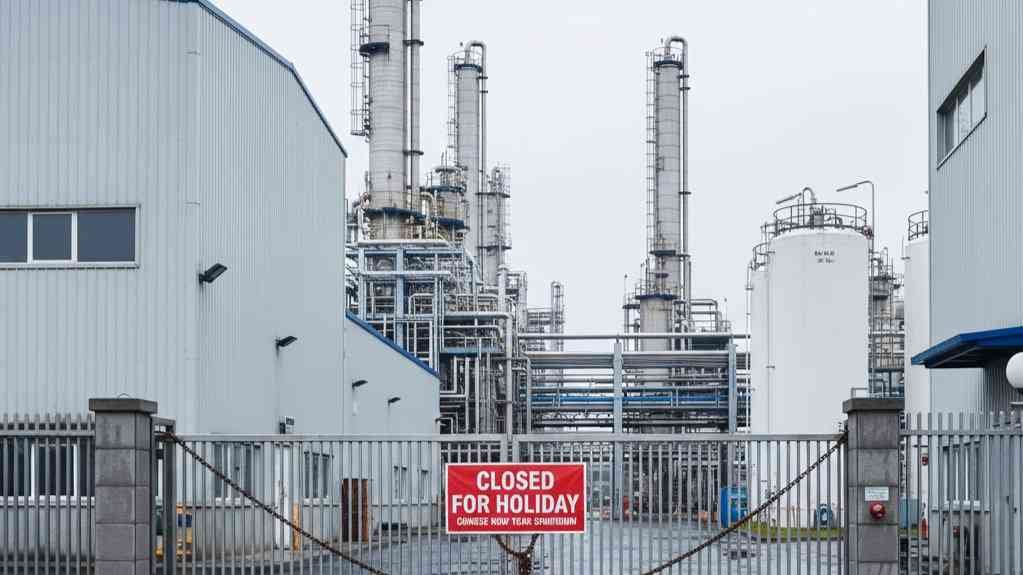
The most critical event is the Chinese New Year (CNY)1 holiday, which shuts down all production in China for 2-3 weeks. A professional supplier starts planning for this with their clients in October/November to ship cargo before the shutdown begins. A less severe issue is potential summer energy rationing, which can sometimes slow production and extend lead times.
Production Seasonality Calendar:
| Quarter | Event in China | Impact on Production | Buyer Action Required |
|---|---|---|---|
| Q1 | Chinese New Year Shutdown | Complete Stop for 2-3 weeks. | Have already received pre-CNY stock. Place post-CNY orders. |
| Q2 | Normal Production | Stable | Place orders for peak summer beverage production. |
| Q3 | Potential Energy Rationing | Possible slowdowns, longer lead times. | Factor in buffer time for orders. |
| Q4 | Pre-CNY Production Rush | High output, busy. | Place orders for pre-CNY shipment. |
How does holiday demand change Sucralose orders?
Do you find yourself scrambling for stock before the summer or the end-of-year holidays? This peak demand is predictable. Your supplier should help you prepare for it.
Holiday demand, especially for summer and end-of-year festive beverages, creates a predictable peak ordering season for Sucralose. Beverage manufacturers increase their production in the preceding quarters (Q1/Q2 and Q4), driving up Sucralose orders globally.

Sucralose demand follows consumer holidays. The summer beverage rush2 means that manufacturers place their largest orders in Q1 and Q2. A second peak occurs in Q4 as companies prepare for the end-of-year festive season3. A smart buyer works backward from these retail peaks to plan their ingredient purchasing well in advance. This Q4 demand peak flows directly into the busy pre-Chinese New Year buying season, making it a critical time for early planning.
Demand Seasonality vs. Production Seasonality:
| Quarter | Global Demand Trend (Beverages) | Supply Reality (China) | Strategic Consideration |
|---|---|---|---|
| Q1 | High (Preparing for Summer) | Shutdown (CNY) | CRITICAL MISMATCH. Must have stock on hand. |
| Q2 | Peak (Summer Production) | Normal | Secure supply for the busiest production time. |
| Q4 | High (Holiday & Pre-CNY Buying) | Busy | Place orders early to avoid congestion. |
How does weather influence Sucralose transportation?
Is your shipment delayed by a "typhoon"? This is not just a random excuse. Weather is a real and predictable risk in global shipping that must be managed.
Severe weather, especially the typhoon season in Asia (July-September) and winter storms in the North Atlantic, can significantly influence transportation. These events cause port closures and shipping delays, disrupting the entire logistics chain and extending lead times.

The main weather risk is the Asian typhoon season4 from July to September. Typhoons can force major Chinese export ports like Shanghai to shut down for several days, creating huge backlogs and delaying your shipment by a week or more. For clients in Europe and Russia, winter storms5 can delay the final leg of the journey from the destination port to your warehouse. Both of these are predictable seasonal risks that must be factored into your timeline.
Weather Risk Calendar:
| Months | Region | Weather Risk | Impact on Logistics |
|---|---|---|---|
| Jul - Sep | East Asia (China) | Typhoon Season | Port closures, vessel delays, schedule disruptions. |
| Dec - Feb | Europe / Russia | Winter Storms | Potential delays in trucking/rail from the destination port. |
How can buyers avoid peak-season Sucralose delays?
Are you always paying premium prices and suffering from delays during the busiest times of the year? With a simple strategy, you can sail smoothly through the chaos.
Buyers avoid peak-season delays through proactive planning. This involves providing accurate forecasts to their supplier, placing orders well in advance, and booking vessel space 4-5 weeks ahead of the required shipment date to avoid congestion and rolled cargo.

You cannot control the seasonal rush, but you can control your preparation. A professional buyer acts months in advance. The key is to share your purchasing forecast with your supplier, place your orders early (e.g., place pre-CNY orders in November), and book vessel space 4-5 weeks ahead. Always build in a buffer time of 1-2 weeks into your own schedule. This proactive approach turns a potentially chaotic period into a manageable one.
Proactive Buyer Checklist for Peak Season:
| Action | Why It's Important | Recommended Timing |
|---|---|---|
| Share Your Forecast | Allows supplier to reserve capacity and raw materials for you. | At least one quarter in advance. |
| Place Orders Early | Avoids the rush and secures production slots. | Place Pre-CNY orders in Nov. Place Q4 orders in Sep. |
| Book Vessel Space Early | Secures a spot on the ship, prevents "rolled" cargo. | At least 4-5 weeks before cargo is ready. |
| Plan Buffer Time | Accounts for potential, unpredictable delays. | Always add 1-2 weeks to your logistics planning. |
How can suppliers plan ahead for seasonal Sucralose demand?
Does your supplier seem surprised by your biggest orders of the year? This lack of foresight creates risks for your business. A professional partner should be one step ahead.
Suppliers plan ahead by analyzing historical sales data to forecast seasonal peaks, collaborating with clients to get their purchasing forecasts, and strategically building up raw material and finished goods inventory before the peak demand seasons begin.

My job is to be a stable link in your supply chain. I do this by planning far in advance. I analyze historical data to anticipate seasonal demand. Based on this, I strategically build up safety stock of finished goods and raw materials before the busy season begins. Most importantly, I practice collaborative planning by asking my key clients for their forecasts. This shared information is the foundation of a true supply chain partnership and ensures I am always ready to meet their needs.
Supplier's Seasonal Planning Cycle:
| Quarter | Key Planning Action | Reason |
|---|---|---|
| Q1 | Fulfill post-CNY orders, plan for summer demand. | Re-start the supply chain after the holiday. |
| Q2 | Manage peak summer beverage shipments. | Meet the busiest demand season. |
| Q4 | Build safety stock, secure raw materials, get client forecasts. | Proactively prepare for both holiday demand and CNY. |
Conclusion
Seasonality is a predictable part of business. Proactive planning and a strong supplier partnership are the keys to managing it successfully and avoiding costly disruptions.
-
Understanding the effects of CNY on supply chains can help businesses plan better and avoid delays. ↩
-
Understanding the summer beverage rush can help manufacturers optimize their ingredient orders and meet consumer demand effectively. ↩
-
Exploring this topic reveals strategies for managing inventory and maximizing sales during peak holiday periods. ↩
-
Understanding the effects of the Asian typhoon season can help you plan better for shipping and avoid costly delays. ↩
-
Exploring the impact of winter storms on shipping can provide insights for better logistics management during harsh weather. ↩