

Are you constantly caught off guard by seasonal demand swings? This leaves you scrambling for stock in your busy season and overstocked in your slow season.
Seasonality creates a predictable annual cycle. Demand, driven by the beverage industry, peaks in spring and summer. Supply from China halts during the Chinese New Year in winter. This creates a cycle of price firmness and logistical pressure that must be professionally managed.
Understanding the rhythm of the market is one of the most important services I provide. For a professional buyer, surprises in the supply chain are unacceptable. The seasonal patterns in the Taurine market follow a known and predictable cycle. A professional partner does not simply react to this cycle; they help you plan for it months in advance.
How do seasons change Taurine production levels?
Do Taurine factories produce the same amount every month? Assuming constant output is a common mistake that can lead to unexpected stockouts.
Taurine production is not constant; it follows a seasonal pattern. The most significant event is the Chinese New Year (Jan-Feb), when most factories shut down completely for 2-3 weeks. Production also slows during planned summer maintenance periods.

The most critical event in the supply calendar is the Chinese New Year (CNY)1, typically in January or February. Nearly all Taurine factories2 in China shut down completely for several weeks. This is a 100% predictable event. A professional supplier starts planning for this with their clients in Q4 of the previous year, producing and shipping cargo in advance to ensure their clients have enough stock to last through the entire shutdown period.
Seasonal Production Status in China:
| Quarter | Production Status | Key Event | Implication for Buyers |
|---|---|---|---|
| Q1 | Shutdown / Slow Ramp-up | Chinese New Year | Critical to have pre-shipped stock on hand. |
| Q2 | Full Production | Peak Demand Season | Factories are running at maximum capacity. |
| Q4 | High / Ramping Up | Pre-CNY Production Rush | The key period to place orders for Q1 needs. |
How does seasonal demand affect Taurine prices?
Do you notice that Taurine prices seem to firm up at certain times of the year? This is not random. It is a predictable outcome of the seasonal supply and demand cycle.
Seasonal demand directly affects prices. Prices tend to rise in Q1 and Q2 due to high demand from the beverage industry and tight supply post-Chinese New Year. Prices are often more stable or softer in Q3 and Q4 when demand is less concentrated.

Taurine prices follow a predictable pattern. In the first half of the year, prices are firmest. This is because high demand from the beverage industry meets a supply chain that is still recovering from the CNY shutdown. In the second half of the year, demand is more moderate and supply is stable, which leads to more stable and competitive pricing. This makes Q3 and Q4 the ideal time for a smart buyer to negotiate long-term contracts for the following year.
Price Dynamics by Season:
| Period | Demand Level | Supply Level | Typical Price Trend | Strategic Action for Buyer |
|---|---|---|---|---|
| H1 (Jan-Jun) | High | Tight | Firm / Rising | Draw from pre-ordered stock. Avoid spot market if possible. |
| H2 (Jul-Dec) | Moderate | Stable | Stable / Softer | Ideal time to negotiate long-term contracts. |
How to prepare for seasonal Taurine demand spikes?
Does the peak season for your business always feel like a stressful scramble for ingredients? This chaos is avoidable with professional, long-range planning.
Prepare for demand spikes by working with your supplier to create a purchasing forecast. You must place your orders for the peak season well in advance (e.g., in Q4 for Q1/Q2 needs) and maintain a strategic safety stock as a buffer.

Managing a demand spike is about planning, not reacting. The golden rule is to order months, not weeks, in advance3. To get the Taurine you need for April, you must place the order in November or December to ensure it ships before CNY. The best way to do this is to share a purchasing forecast4 with your supplier. This simple communication allows us to reserve production capacity for you. Finally, holding your own safety stock provides an essential buffer against any unforeseen delays.
Preparation Timeline for Peak Season:
| Quarter | Your Action | Outcome |
|---|---|---|
| Q4 | Provide forecast, Place large pre-CNY order. | Supply for Q1 is secured. |
| Q1 | Receive pre-CNY shipment, Place order for late Q2. | Inventory buffer is in place. |
| Q2 | Use inventory for peak production season. | Smooth, uninterrupted production. |
How to manage seasonal Taurine shortages?
You did not plan, the CNY shutdown has passed, and everyone is trying to buy at the same time. Now what? Navigating a shortage is a true test of your sourcing strategy.
During a seasonal shortage, a supplier will always implement a triage system, allocating their limited supply. The top priority is always given to loyal, long-term customers with established contracts. Your relationship and purchasing history are your greatest assets.

When supply is tight, loyalty matters most. A supplier must prioritize who gets the limited stock. Contract customers are always first in line. Regular, loyal customers are second. Infrequent spot market buyers are last. This is a critical lesson: the relationship you build with your supplier during the slow months is the leverage you have during the busy months. A strong partnership is your best protection against a shortage.
Customer Priority During a Shortage:
| Priority | Customer Type | Supplier Action |
|---|---|---|
| 1 | Long-Term Contract | Receives first and highest allocation of available stock to meet commitments. |
| 2 | Loyal, Regular Customer | Receives allocation after contract needs are met. |
| 3 | New / Spot Market Buyer | Offered any remaining stock, likely at a higher price. |
How do logistics adapt to seasonal Taurine shipping challenges?
Is getting vessel space for your cargo before Chinese New Year a constant struggle? Shipping is not immune to seasonality; in fact, it is one of the most affected parts.
Logistics adapt to seasonal challenges by booking vessel space far in advance. The pre-Chinese New Year period (Dec-Jan) is the peak shipping season from China, causing extreme demand for containers and space, leading to higher freight rates and delays.
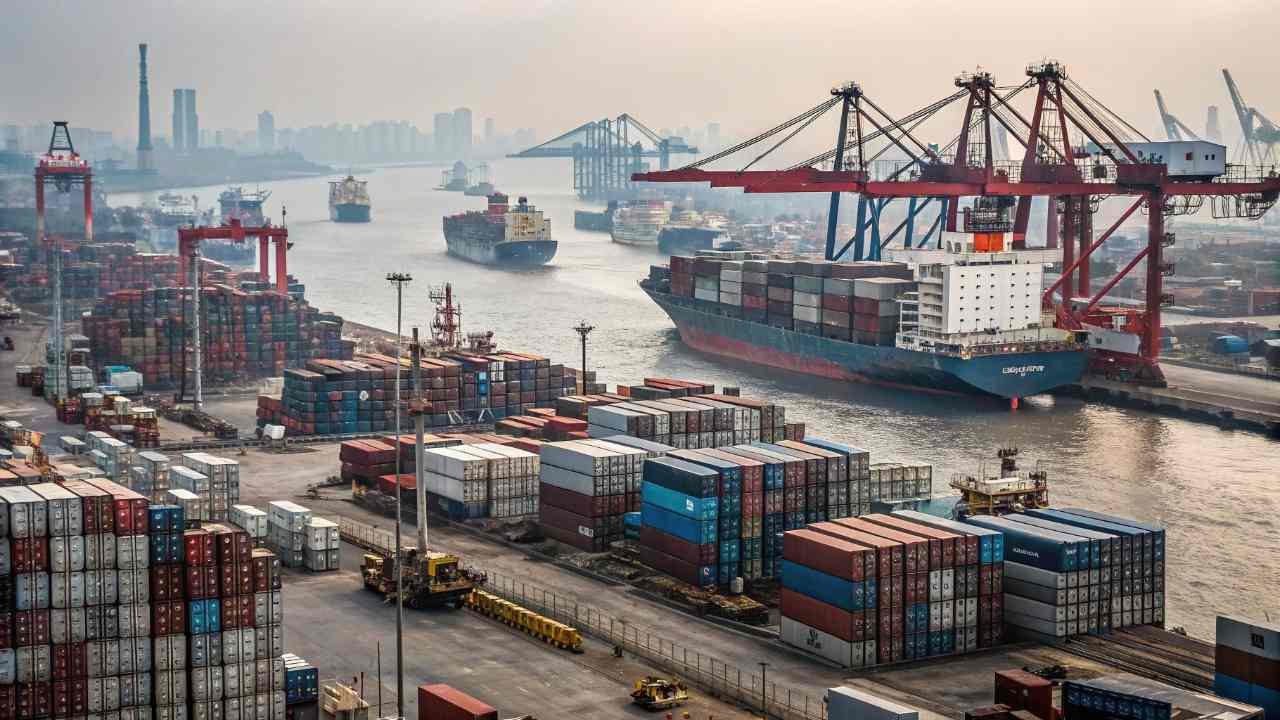
The weeks before CNY are a logistical frenzy. Every exporter in China is trying to ship at the same time, which causes freight rates to spike5 and makes it very difficult to secure space on a ship. Even with a booking, your container can be "rolled" to the next vessel. The only solution is to plan and book early6. We work with our clients to book their pre-CNY shipments as early as November to secure space at a reasonable rate and ensure a timely departure.
Seasonal Logistics Pressure from China:
| Period | Demand for Vessel Space | Freight Rates | Risk of Delays (Rolling) |
|---|---|---|---|
| Jan (Pre-CNY) | Extremely High | Peak | High |
| Feb (During CNY) | Very Low | Low | Low (no sailings) |
| Mar (Post-CNY) | Ramping Up | Stabilizing | Moderate (Blank Sailings) |
Conclusion
Seasonality in the Taurine market is predictable. Through proactive planning and a strong partnership, these challenges can be easily managed for a stable, reliable supply chain.
-
Understanding the impact of CNY on supply chains can help businesses plan better and avoid disruptions. ↩
-
Exploring how Taurine factories prepare can provide insights into effective supply chain management during peak periods. ↩
-
Exploring this link will provide insights on effective supply chain strategies and the importance of proactive ordering. ↩
-
This resource will help you understand how to communicate your needs effectively and improve supplier relationships. ↩
-
Understanding the factors behind freight rate spikes can help you plan better and save costs during peak shipping times. ↩
-
Exploring this topic will provide insights on how early planning can secure better rates and space, ensuring timely shipments. ↩