
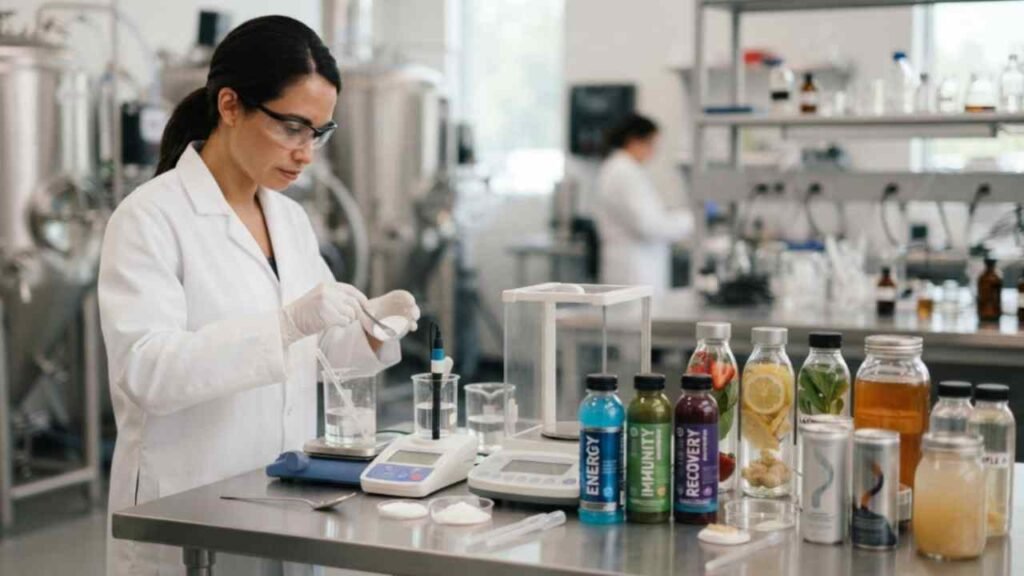
Formulating wellness foods with unoptimized arginine compounds ruins product taste profiles, triggers protein denaturation, and causes severe browning during heat pasteurization. Incompatible formulation choices compromise market acceptance.
Integrating the arginine series into functional foods and beverages requires managing its high alkalinity, masking bitter soapy off-notes, preventing Maillard browning reactions with reducing sugars, and optimizing pH stability using specialized salt forms.
Successfully manufacturing high-quality health supplements and foods requires a disciplined approach to evaluating biochemical structures and physical powder properties. Sourcing managers must examine changing functional and regulatory guidelines to build competitive consumer lines. Sourcing partners like FINETECH simplify factory checks, verify production compliance, and secure competitive pricing directly in China to guarantee bulk deliveries. This guide explains how the arginine series is used in functional food and beverage formulations.
Which Functional Foods Commonly Contain Arginine Series Ingredients?
Launching functional food lines without incorporating targeted nitrogen-rich ingredients limits biological recovery claims and reduces product efficacy. Vague nutritional additions fail to excite consumers. Certified bioactives ensure success.
Common functional foods incorporating the arginine series include sports protein bars, meal replacement powders, clinical nutrition enteral formulas, cognitive wellness beverages, and specialized recovery gel packs.
Dive Deeper into Protein Bars and Clinical Enteral Formulas
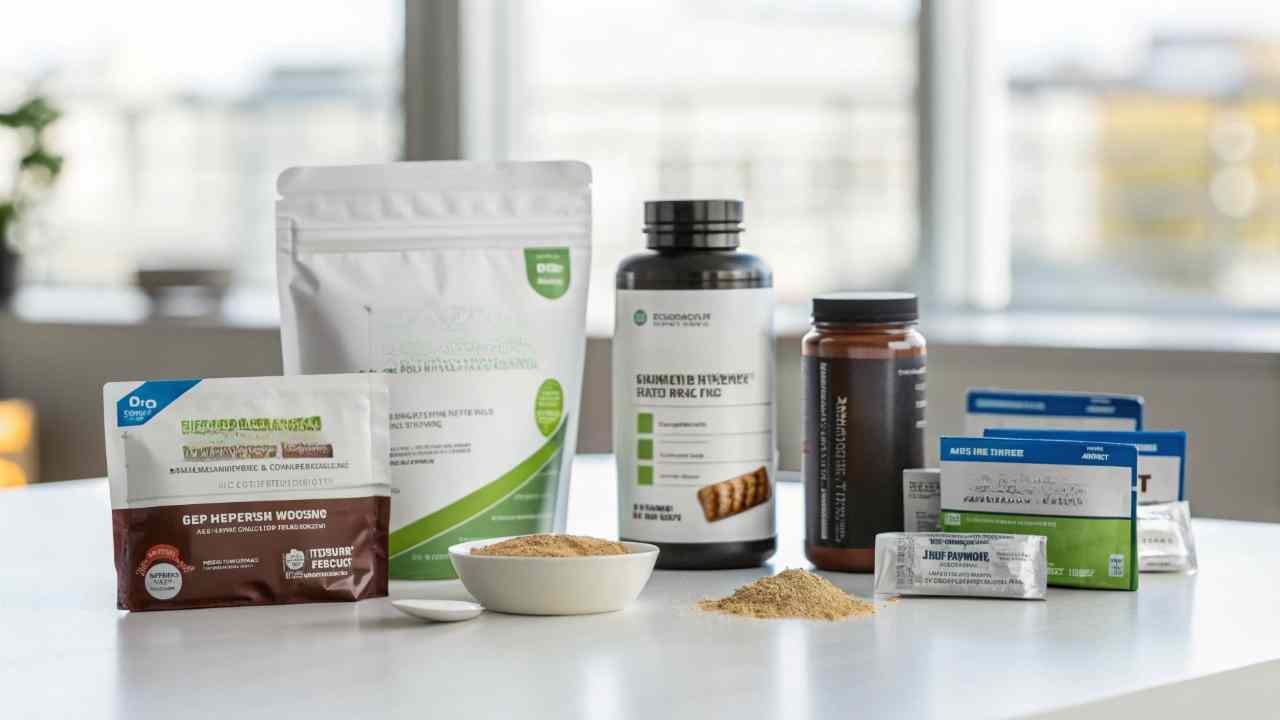
The integration of the arginine series into commercial food systems spans a diverse range of functional products designed for athletes, clinical patients, and health-conscious consumers. In the sports nutrition1 retail space, L-Arginine, L-Arginine HCl, and AAKG are primary additions to compressed protein bars, sports chewables, energy gel packs, and powdered meal replacement shakes. These products target active individuals who require portable, fast-digesting nutrients to support blood flow and muscle pump during exercise.
In the medical and clinical nutrition sectors, the application of arginine is even more critical. It is a vital component in specialized enteral tube-feeding formulas and medical foods designed for wound healing, burn recovery, and postsurgical tissue repair. Because arginine is a conditionally essential amino acid2, the human body cannot synthesize sufficient amounts during periods of severe physical trauma, making dietary supplementation necessary. Sourcing partners like FINETECH assist functional food brands by auditing raw material factories in China, verifying that the supplied arginine meets food-grade FCC standards and is free from microbiological contaminants, heavy metals, and residual solvents. This rigorous quality control ensures that the ingredient is completely safe for both retail fitness foods and delicate clinical medical applications.
| Functional Food Category | Primary Arginine Form Used | Nutritional Target | Sourcing Quality Need |
|---|---|---|---|
| Sports Nutrition Bars | L-Arginine HCl | Supports muscular recovery | Free-flowing, non-static powder |
| Wound Healing Formulas | L-Arginine Base | Stimulates tissue repair | High pharmaceutical purity |
| Infant Formulas | L-Arginine Base | Essential growth development | Ultra-low heavy metal thresholds |
| Cognitive Wellness Drinks | L-Arginine HCl | Promotes cerebral circulation | Rapid cold-water solubility |
How Does Arginine Series Improve Nutritional Formulations?
Formulating recovery foods without essential tissue-building substrates results in slow cellular repair and poor immunological benefits for clinical patients. Inadequate protein profiles delay healing. Targeted amino supplementation resolves deficiencies.
Arginine series improves nutritional formulations by driving muscle tissue repair, enhancing immune T-cell function, stimulating growth hormone release, and supporting overall nitrogen balance in clinical medical foods.
Dive Deeper into Tissue Repair and Immunological Support Pathways
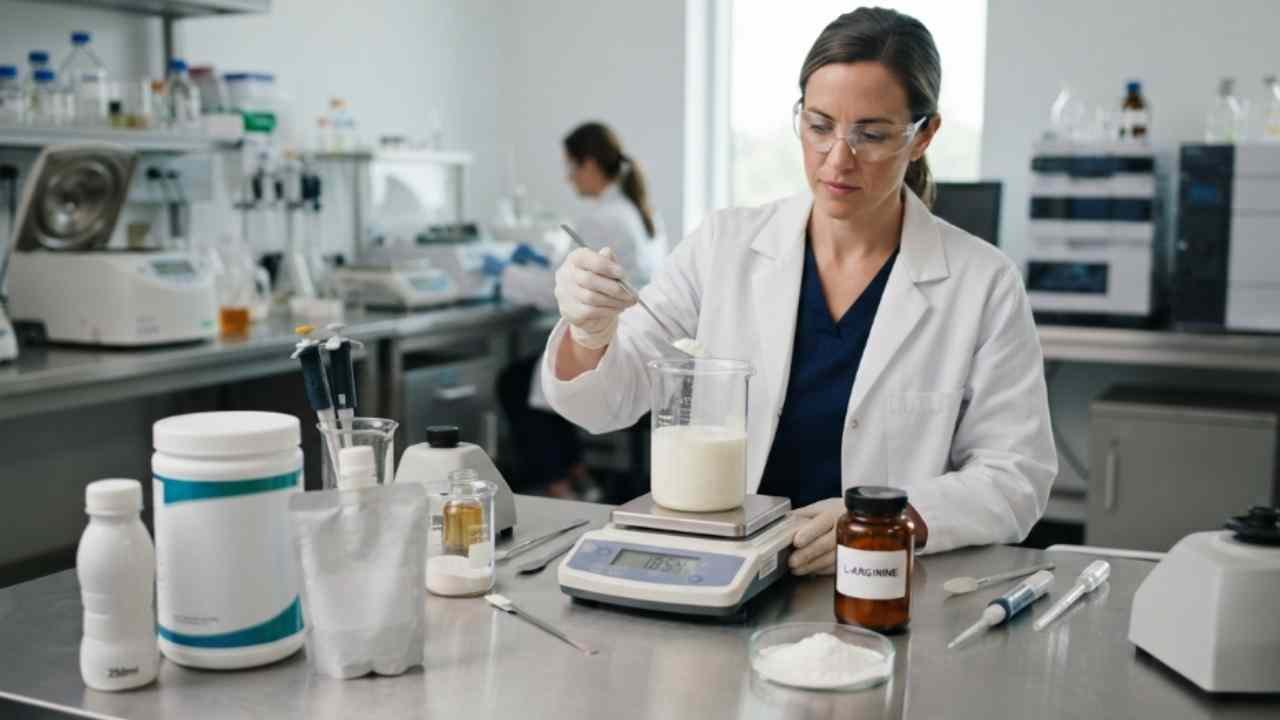
The addition of the arginine series significantly enhances the physiological value of functional food products by supporting key biochemical mechanisms in the human body. As a primary building block of proteins, arginine is directly involved in cellular protein synthesis, which is essential for repairing muscle tissue after strenuous exercise or physical trauma. Furthermore, arginine serves as a key regulator of immune function. It acts as a primary substrate for the synthesis of nitric oxide in macrophages, which is a critical molecule utilized by the immune system to fight off pathogens.
Additionally, arginine stimulates the proliferation of T-lymphocytes (T-cells), enhancing the body's natural defense mechanisms during recovery. In clinical formulations, the inclusion of arginine has been shown to support positive nitrogen balance, which prevents muscle wasting (cachexia) in critically ill patients. It also stimulates the endocrine system, triggering the physiological release of growth hormone, prolactin, and insulin, which further drives cellular tissue regeneration. Sourcing partners like FINETECH help functional food developers secure high-purity, fully certified amino acids, ensuring that the biological efficacy of the final nutritional formulation is preserved across all production batches.
| Biological Benefit | Physiological Pathway | Clinical Significance | Formulation Requirement |
|---|---|---|---|
| Protein Synthesis | Cellular translation pathways | Repairs muscular tissues | High active amino acid payload |
| Immune Response | T-cell proliferation stimulus | Enhances pathogen defense | Strictly vetted bacterial levels |
| Endocrine Stimulus | Triggers pituitary gland release | Promotes growth hormone flow | Consistent batch potency |
| Nitrogen Retention | Prevents muscle catabolism | Protects clinical patients | Fully soluble digestible forms |
What Challenges Does Arginine Series Present in Beverage Production?
Adding highly basic compounds directly into pasteurized liquid lines causes immediate protein precipitation, flavor neutralization, and extensive storage sediment. Alkaline reactions ruin liquid formulas. Neutralized chemical formats resolve instability.
The primary beverage challenges include the strong alkaline pH of arginine base which denatures proteins, severe bitter off-tastes, and rapid browning reactions when pasteurized alongside reducing sugars.
Dive Deeper into Protein Denaturation and the Maillard Browning Reaction
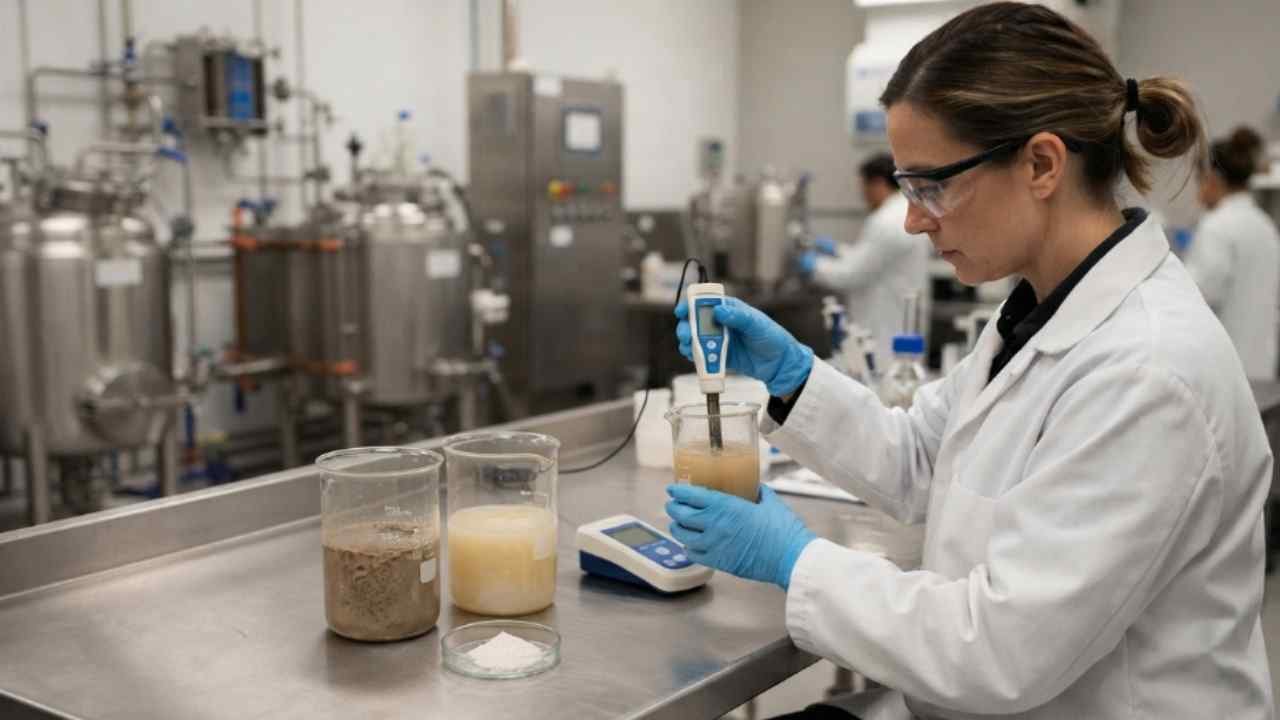
Formulating liquid beverages with the arginine series presents unique biochemical challenges that food scientists must carefully address to prevent product failures. The primary physical challenge is managing the extreme alkalinity of L-Arginine base, which exhibits a pH of approximately 10.5 to 11.5 in solution. When added to protein-containing beverages (such as whey, casein, or soy protein shakes), this high alkalinity shifts the pH away from the protein's isoelectric point, causing immediate protein denaturation, curdling, and precipitation. This basic pH also neutralizes organic acids (such as citric, malic, or tartaric acids) used for flavoring, ruining the desired sour taste profile and compromising the effectiveness of acid-dependent liquid preservatives like potassium sorbate.
Another severe formulation hurdle is the Maillard browning reaction3. Arginine is a highly reactive amino acid with multiple free nitrogen groups. When exposed to heat during liquid pasteurization in the presence of reducing sugars (such as glucose, fructose, or high-fructose corn syrup), it undergoes rapid browning. This reaction produces undesirable off-flavors, visual discoloration, and a significant loss of active nutritional value. Sourcing partners like FINETECH help beverage manufacturers select appropriate, neutral arginine alternatives to avoid these chemical conflicts.
| Technical Challenge | Underlying Mechanism | Formulation Symptom | Sourcing Solution |
|---|---|---|---|
| Protein Denaturation | High alkalinity shifts pH limits | Curdling, clumping, sediment | Use near-neutral L-Arginine HCl |
| Maillard Browning | Thermal reaction with sugars | Dark brown color, off-flavors | Eliminate reducing sugar inputs |
| Taste Defect | Free nitrogen group exposure | Bitter, soapy mouthfeel | Use microencapsulated powders |
| Preservation Loss | High pH neutralizes acid system | Degrades potassium sorbate | Buffer the solution to pH 4.5-5.5 |
How Can Manufacturers Improve the Stability of Arginine Series in Foods?
Exposing raw amino acid beverages to high thermal pasteurization leads to nutrient degradation, off-color development, and shortened shelf lives. Unprotected molecules decay quickly. Advanced stabilization techniques secure chemical integrity.
Manufacturers improve stability by utilizing neutral L-Arginine HCl, applying microencapsulation taste-masking technologies, adjusting organic acid buffer systems, and avoiding reducing sugars to prevent Maillard browning.
Dive Deeper into Microencapsulation and Balanced Acid Buffer Systems
To overcome the stability and sensory challenges associated with arginine in food and beverage production, manufacturers utilize several advanced formulation and processing techniques. The most effective strategy is substituting L-Arginine base with L-Arginine HCl. Because the hydrochloride salt form is near-neutral (pH 5.5 to 6.5) in solution, it does not denature proteins, maintains the stability of organic acid systems, and dissolves rapidly in cold liquids without requiring extensive heating.
For products where taste masking is a priority, such as dry pre-workout powders or chewable tablets, manufacturers utilize microencapsulated arginine4. This process coats the amino acid particles with a thin layer of food-grade lipids, ethylcellulose, or maltodextrin. The coating prevents the active arginine from dissolving on the tongue, masking its bitter, soapy taste while allowing it to release fully in the stomach. Additionally, formulators employ balanced acid buffer systems—such as combining citric acid with sodium citrate—to maintain a stable pH of 4.5 to 5.5 in liquid lines, preventing sediment formation and Maillard browning during pasteurization. Sourcing partners like FINETECH assist by arranging sieve and particle-coating verifications with Chinese suppliers, ensuring that the processed powders perform well on packaging and blending lines.
| Stabilization Tool | Operational Action | Chemical Benefit | Expected Quality Outcome |
|---|---|---|---|
| Hydrochloride Salt | Use L-Arginine HCl form | Maintains near-neutral pH | No protein curdling or clumping |
| Microencapsulation | Lipids coat amino particles | Masks soapy bitter taste | Clean tasting chewable products |
| Acid Buffering | Citric acid + Sodium citrate | Regulates target solution pH | Extends preservative shelf life |
| Sugar Replacement | Switch to stevia or sucralose | Eliminates reducing sugars | Prevents Maillard heat browning |
Why Is Arginine Series Gaining Popularity in Functional Nutrition?
Relying on synthetic, caffeine-heavy energy formulations limits a product’s appeal to health-conscious consumers seeking natural metabolic support. Stimulant-heavy formulas restrict sales. Clean-label cardiovascular bioactives expand market access.
Arginine is gaining popularity in functional nutrition due to rising demands for stimulant-free cardiovascular support, the clean-label vegan fermentation movement, and its expanding application in active aging formulas.

Dive Deeper into Non-Stimulant Vasodilation and Clean-Label Fermentation
The growing demand for the arginine series in functional nutrition is driven by a strong consumer shift toward proactive cardiovascular health, metabolic support, and clean-label dietary options. Modern consumers are increasingly moving away from high-stimulant energy drinks that rely on caffeine, seeking instead functional beverages that provide clean energy and focus through improved circulatory blood flow. Because arginine is the direct biological precursor for nitric oxide, it serves as an ideal active ingredient in these stimulant-free cardiovascular and athletic recovery formulations.
Additionally, the clean-label and plant-based wellness movements have created a strong preference for amino acids produced via sustainable microbial fermentation5 of agricultural starches, such as non-GMO corn. This bio-fermented arginine satisfies consumer demands for vegan, allergen-free, and natural ingredients. Furthermore, as the global population ages, there is a rising demand for active aging products that support muscle maintenance, joint health, and arterial elasticity, which has expanded the application of arginine in daily senior nutrition formulas. Sourcing partners like FINETECH help international brands capitalize on these trends by auditing Chinese fermentation plants to secure high-quality, vegan-certified, and non-GMO verified arginine series products that satisfy modern clean-label retail standards.
| Market Trend | Consumer Lifestyle Need | Formulation Opportunity | Sourcing Specification Need |
|---|---|---|---|
| Stimulant-Free | Avoids caffeine energy crashes | Vasodilators replace caffeine | Highly soluble L-Arginine HCl |
| Plant-Based / Vegan | Avoids animal-derived ingredients | Microbial corn starch fermentation | Non-GMO and allergen statements |
| Active Aging | Cardiovascular and joint care | Combined with vitamins & minerals | Ultra-pure pharmacopoeia grades |
| Clean Labeling | Avoids artificial chemical extras | Pure amino formulations | Low heavy metal levels (<5 ppm) |
Conclusion
The rising popularity of the arginine series in functional food and beverage formulations is driven by its essential tissue-building and immunological benefits, clean-label plant-based fermentation, and advanced stabilization techniques like microencapsulation.
-
An official exercise and sports nutrition review update published in the Journal of the International Society of Sports Nutrition (JISSN) compiling consensus scientific recommendations on dietary supplements. ↩
-
A clinical review in the Journal of Parenteral and Enteral Nutrition (JPEN) analyzing arginine metabolism and the conditions under which it becomes an essential substrate in critically ill patients. ↩
-
A peer-reviewed review in MDPI Foods outlining the chemical pathways, kinetic parameters, and industrial control strategies for the Maillard reaction in processed foods. ↩
-
A technical review in the World Journal of Advanced Research and Reviews analyzing microencapsulation technologies and core-shell parameters used for taste masking in functional foods and pharmaceuticals. ↩
-
A peer-reviewed biotechnology review in Critical Reviews in Biotechnology illustrating strain optimization, metabolic pathway manipulation, and process engineering of Corynebacterium glutamicum for L-arginine fermentation. ↩