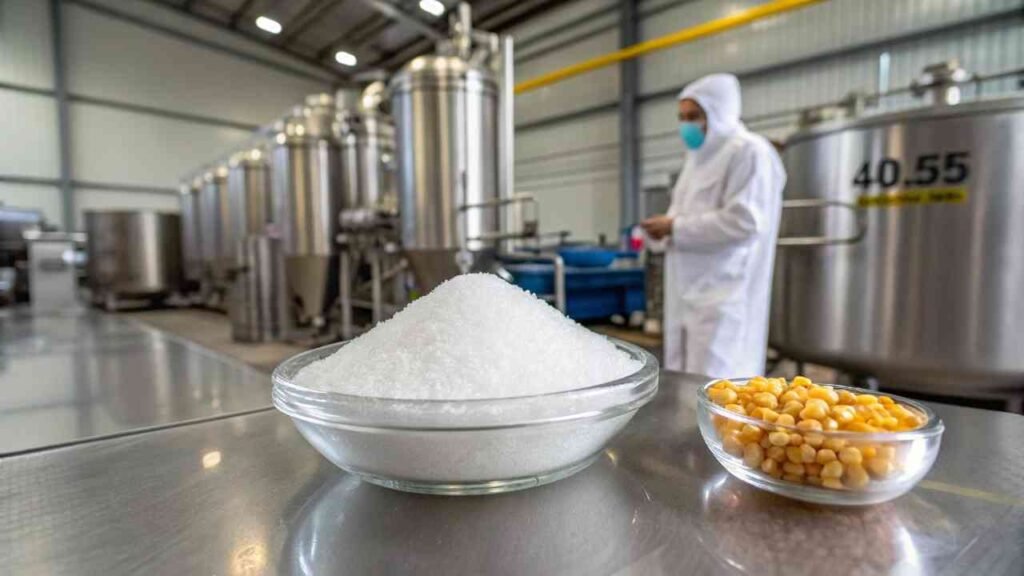
Unreliable Erythritol production leads to batch inconsistency and high costs. This technical failure ruins your product formulation. I explain the industrial process to help you choose the right factory partner.
Industrial Erythritol is produced via microbial fermentation. Producers use yeast strains like Moniliella pollinis to convert glucose from corn starch into Erythritol. The process involves fermentation, high-temperature sterilization, multi-stage filtration, ion exchange purification, and crystallization to achieve 99.5% purity for global food markets.
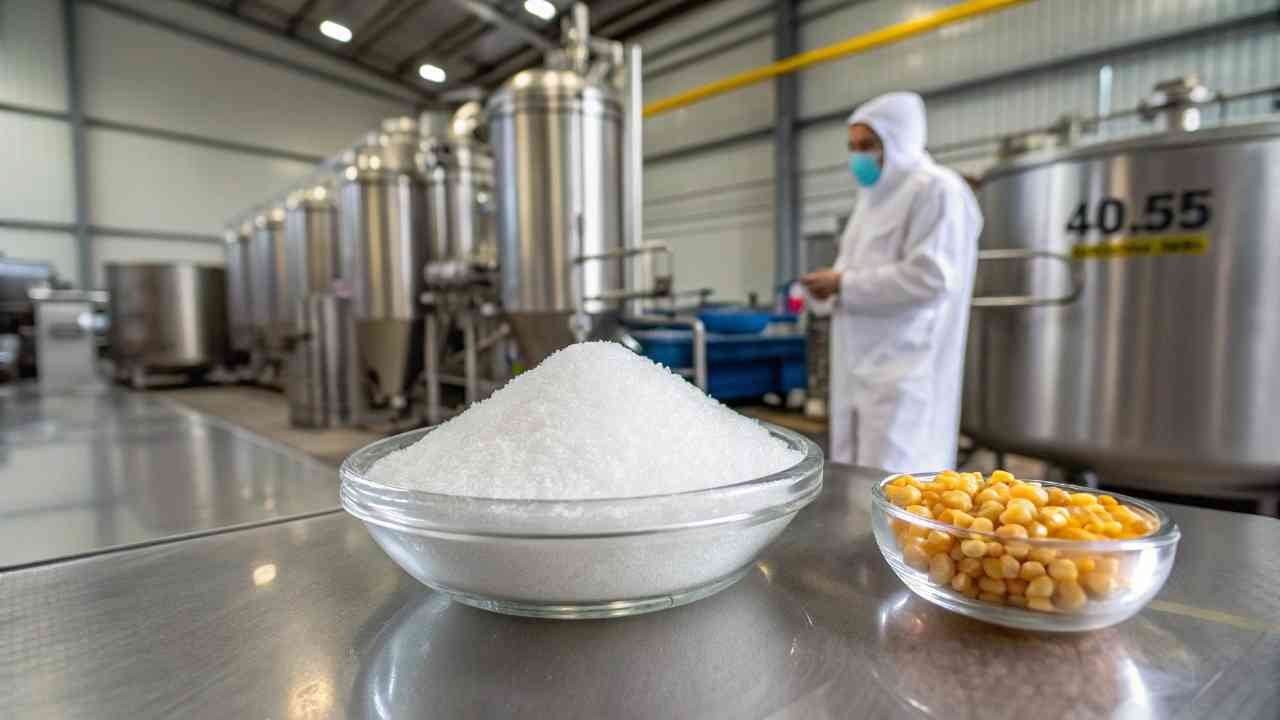
I manage factory selection and oversight for my B2B clients in China. I want to share the technical facts of the production line so you can understand why quality varies between suppliers.
Why is fermentation used in Erythritol production?
Chemical synthesis for Erythritol is expensive and creates toxic waste. This method hurts your margins and the environment. I focus on fermentation to ensure clean, high-purity sweetener supply for you.
Fermentation is used because it is the most cost-effective and natural way to produce Erythritol at scale. Unlike chemical synthesis, microbial fermentation uses renewable corn glucose and yeast, producing a high-yield, non-GMO, and eco-friendly sugar alcohol that meets international safety standards.
The Biological Advantage of Fermentation
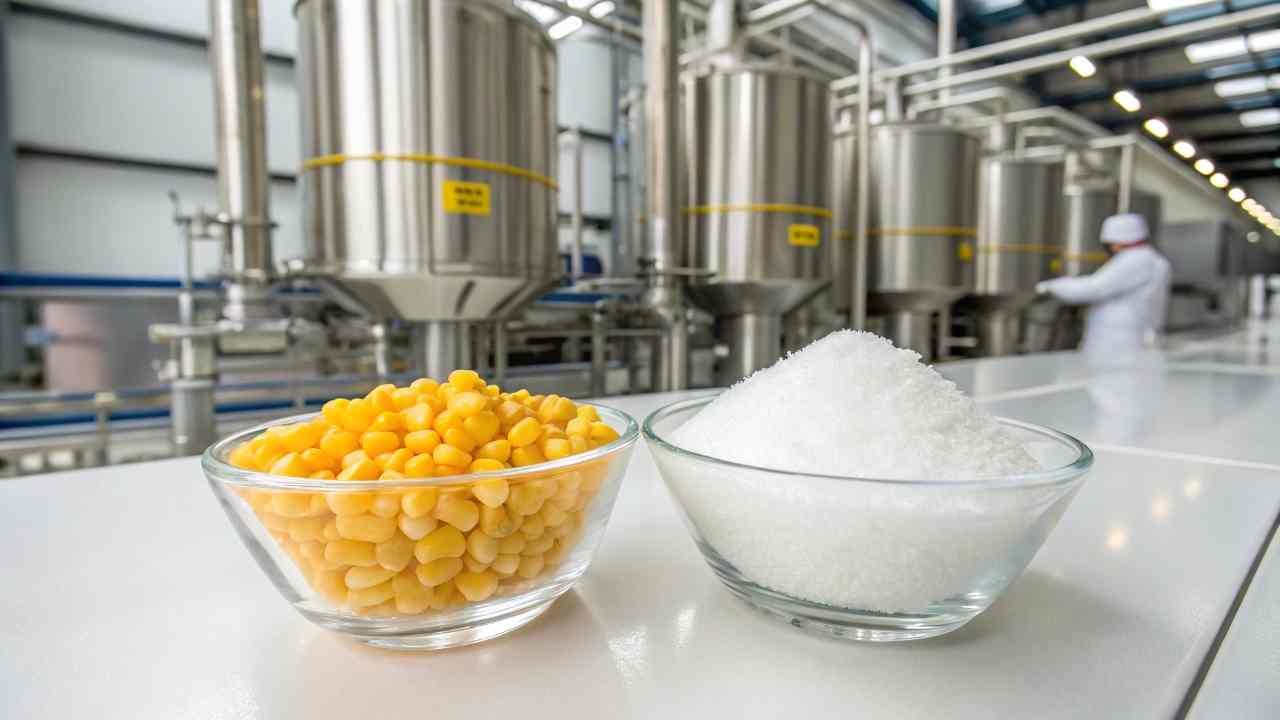
I see that fermentation1 is a natural biological process. It is the heart of the Erythritol industry. Most factories in China use specific yeast strains. These include Moniliella pollinis or Yarrowia lipolytica. The process starts in a small lab. We grow the yeast in a rich broth. Then we move it to giant fermentation tanks. These tanks can hold 100,000 liters. The yeast eats the glucose. It then changes the sugar into Erythritol. This takes about 3 to 5 days. I visit these plants to check the oxygen levels and the temperature. If the temperature is too high, the yeast dies. If it is too low, the yield is bad.
This technical control is why I prioritize factories with high automation. They use sensors to keep everything perfect. This biological method is safe. It is also the reason we can call the product a "natural" sweetener in many markets. It follows the same rules as making bread or beer. I manage the selection of factories that use the best yeast strains. This ensures the taste is clean and the sweetness is 70% of sugar. If the fermentation is not done correctly, the final product will have a strange smell. I act as your technical gatekeeper to avoid these low-quality batches. Using Erythritol2 instead of heavy chemicals makes the product easier to sell to health-conscious consumers.
Comparison of Production Methods
| Feature | Microbial Fermentation | Chemical Synthesis |
|---|---|---|
| Raw Material | Corn Glucose (Renewable) | Petrochemicals |
| Safety | High (Food-grade) | Low (Chemical residues) |
| Cost | Low (Scale efficiency) | High (Expensive catalysts) |
| Environment | Eco-friendly waste | Toxic by-products |
| Market Status | 99% of global supply | Rarely used for food |
What raw materials are used to produce Erythritol?
Poor raw materials lead to impurities and low yields. This lack of quality destroys your final product taste. I monitor the sourcing of every ingredient in the Chinese supply chain for my buyers.
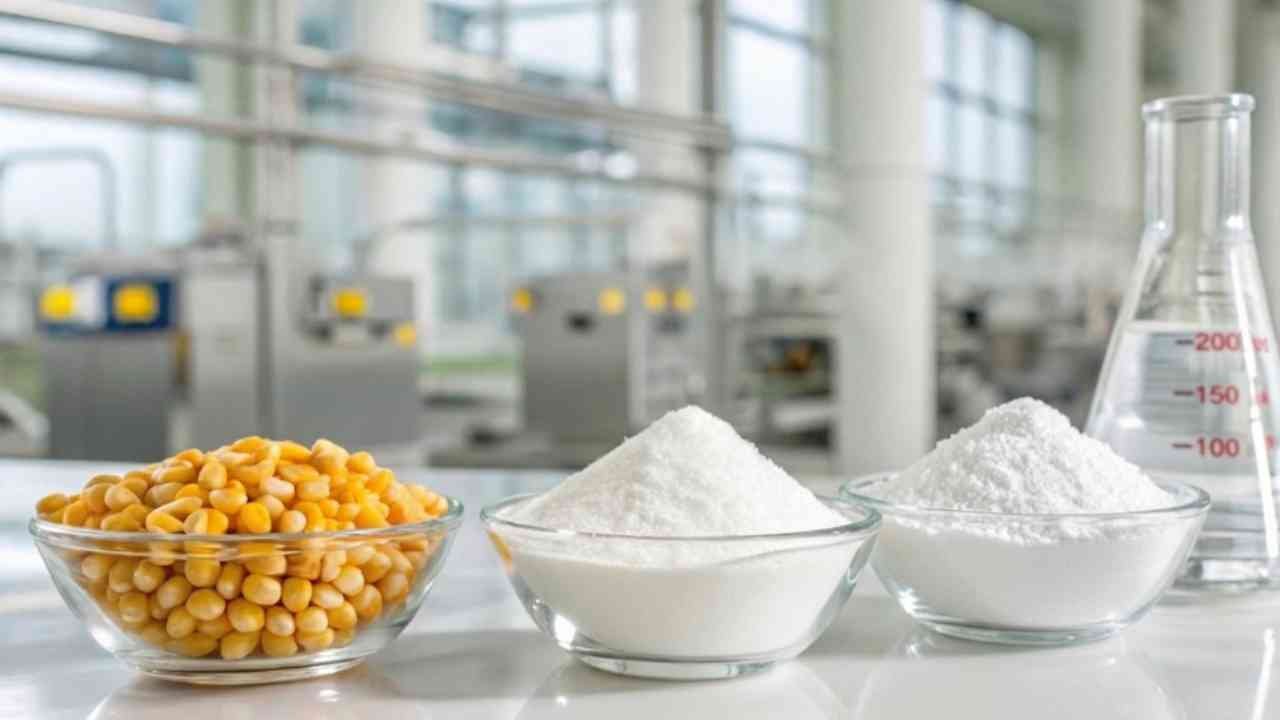
The primary raw material for Erythritol is glucose, which is derived from corn starch. Other essential inputs include high-quality yeast strains, nutrients like nitrogen and minerals for the fermentation broth, and pure water for the dissolution and purification stages of production.
Sourcing the Corn and Nutrients
I see that corn is the king of Erythritol production. China is a major producer of corn. This is why most Erythritol comes from China. The factory buys the corn and turns it into corn starch. Then they use enzymes to turn the starch into glucose. This glucose must be very pure. If the glucose has too many impurities, the yeast will not grow well. I check the quality of the glucose at the factories I audit. For my clients in Europe and Russia, I also ensure the corn is non-GMO3. This is a technical requirement for many food brands. I manage the certificates to prove the origin of the corn.
Other nutrients are also important. The yeast needs "food" to work. This includes nitrogen sources and minerals like magnesium or potassium. I ensure the factory uses food-grade nutrients only. Some cheap factories might use industrial-grade nitrogen. This can lead to heavy metal problems later. I also look at the water source. The factory needs massive amounts of water for the broth and for washing the crystals. I prioritize factories that use advanced water filtration. The water must be free from bacteria and minerals that could change the taste. By controlling the raw materials, I ensure the final Erythritol is snow-white and clean. This attention to detail is how I protect your brand.
Raw Material Technical Specifications
| Input Material | Function | Quality Requirement |
|---|---|---|
| Corn Glucose | Carbon source for yeast | > 95% Dextrose Equivalent |
| Yeast Culture | Biological converter | High-yield, non-pathogenic |
| Nitrogen Source | Growth nutrient | Food-grade organic nitrogen |
| Process Water | Solvent and medium | Deionized / Purified |
| Enzymes | Starch breakdown | Non-GMO / High activity |
How does production efficiency affect Erythritol cost?
Wasteful production lines cause price spikes in your orders. These inefficiencies drain your procurement budget. I select factories with high-yield technology to keep your wholesale prices competitive and stable.
Production efficiency is determined by fermentation time, yeast conversion rates, and energy recovery systems. High-efficiency plants reduce the cost per ton by achieving higher glucose-to-erythritol ratios and minimizing heat loss during the crystallization and drying phases of the process.
Maximizing Yield and Minimizing Waste
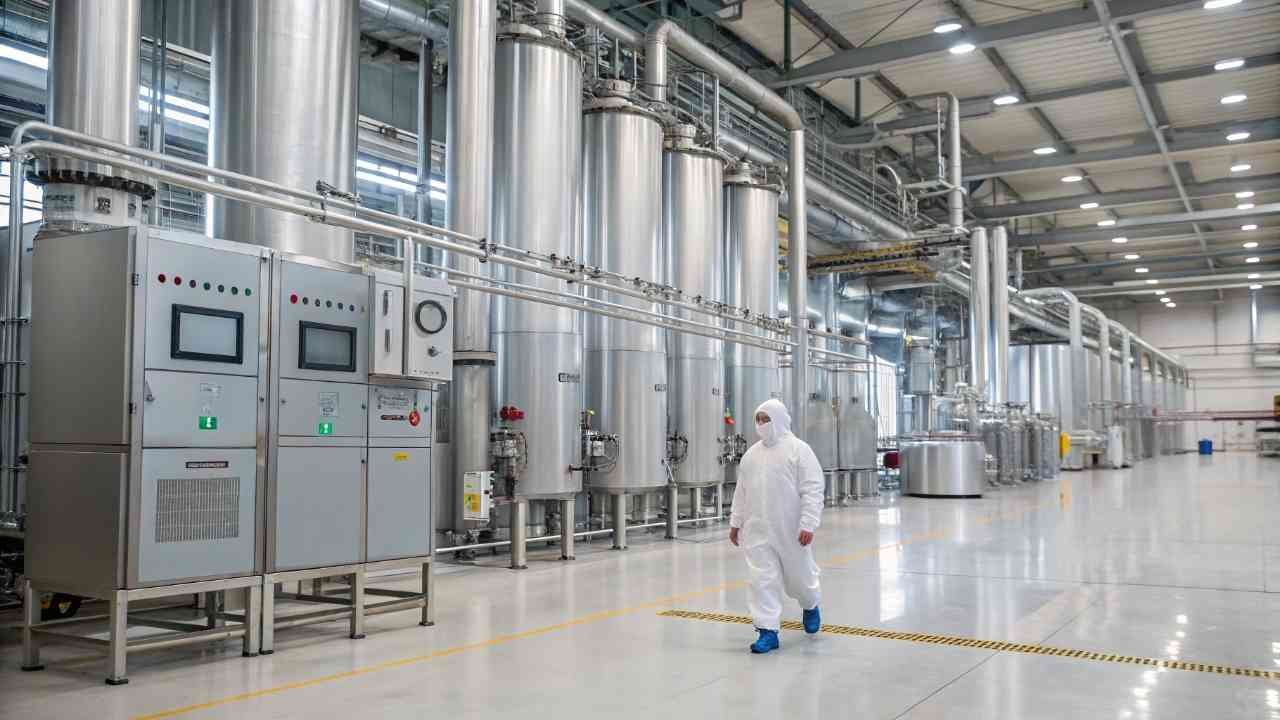
I see that efficiency is the secret to low prices. In the Erythritol market, the profit margins are small. A factory must be very efficient to survive. The most important number is the "Conversion Rate." This is how many kilograms of Erythritol the factory gets from one ton of glucose. Top-tier factories can get a yield of over 45%. I check these records during my site visits. If a factory has a low yield, they will try to raise the price for you. I avoid these plants. I also look at the fermentation time. A faster cycle means more product per year. This lowers the overhead cost.
Energy use is another big factor. Fermentation creates heat. The factory must cool the tanks. Then, they must heat the liquid for crystallization. I choose factories that use "Heat Recovery" systems. They capture the heat from one step and use it for another. This is a technical fact that saves a lot of money on electricity and coal. Plus, automation reduces the cost of labor. I visit the control rooms to see if the factory uses modern computers. A factory with only a few workers and many screens is usually very efficient. This is how I secure the best prices for my wholesalers in Southeast Asia and the Middle East. Efficiency is not just about price. It is also about reliability. An efficient factory is less likely to have a production delay.
Efficiency Metrics in Erythritol Production
| Metric | Industry Average | High-Efficiency Factory | Impact on Price |
|---|---|---|---|
| Glucose Yield | 35% - 40% | 45% - 50% | Direct cost reduction |
| Fermentation Time | 120 Hours | 80 - 96 Hours | Higher output capacity |
| Energy Recovery | Low | High (Recycling) | Stable utility costs |
| Automation | Partial | Full DCS Control | Lower labor overhead |
| Waste Treatment | High Cost | Circular (Fertilizer) | Lower compliance cost |
What purification steps are required for Erythritol?
Residual sugars and off-colors ruin your beverage clarity. This technical error leads to customer complaints. I oversee the purification stages to ensure you receive snow-white, pure crystals for your business.
Essential purification steps include activated carbon decolorization to remove pigments, ion exchange to remove minerals and salts, and membrane filtration to eliminate microbial cell debris. These steps ensure the final product has the neutral taste and high clarity required for premium food applications.
Cleaning the Fermentation Broth
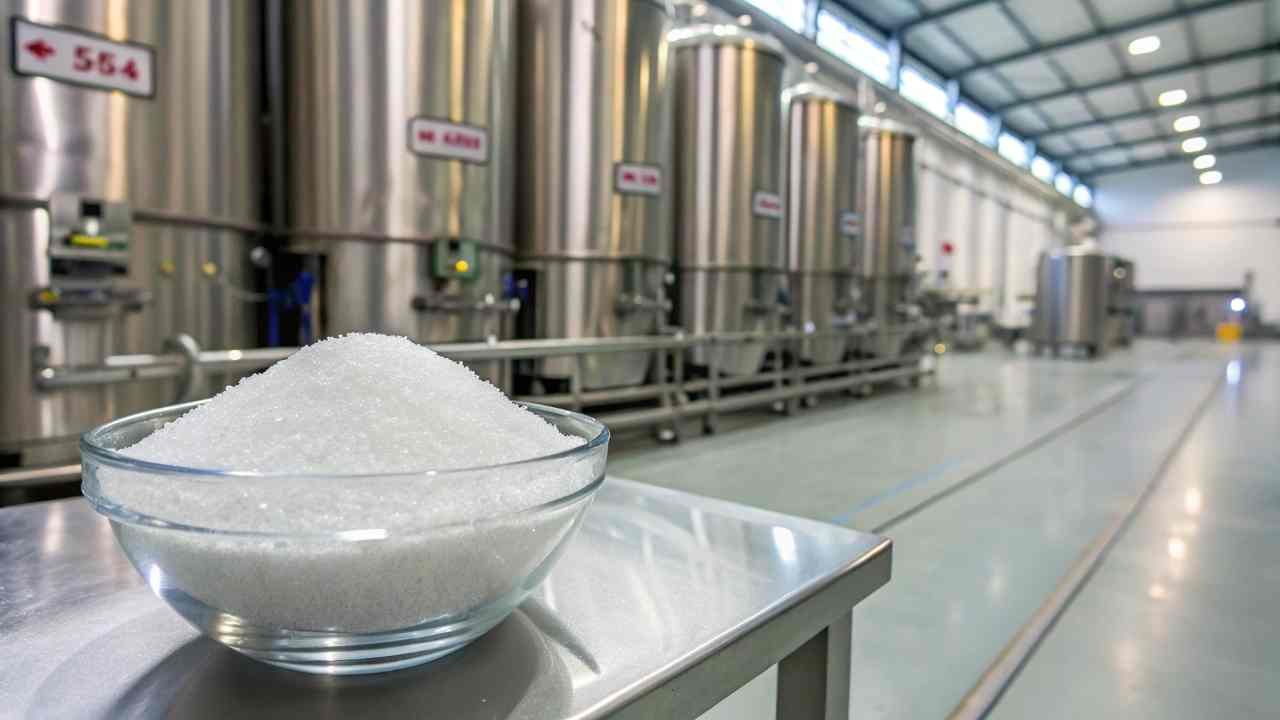
I see that the liquid after fermentation is a mess. It is full of yeast cells, leftover sugar, and minerals. It looks like a muddy soup. We must clean it perfectly. First, the factory uses a centrifuge or a filter press. This removes the solid yeast. I check the filter mesh size. If it is too large, some yeast remains. This will cause the Erythritol to smell like bread. Then we use activated carbon4. This is like a giant magnet for colors. It turns the brown liquid into a clear liquid. I look at the color of the solution in the lab. It must be water-white. If it is slightly yellow, the carbon was not fresh.
The most technical part is the ion exchange. This uses special resin beads to remove minerals. It takes out things like salt and metal ions. This is why the Erythritol has no salty or bitter taste. I audit the resin replacement schedule at the factory. If they use old resin, the purity will be low. Finally, we move to crystallization. We evaporate the water until the Erythritol forms crystals. I manage the cooling rate during this step. If it cools too fast, the crystals are too small. If it cools too slow, they are too big. I ensure the factory hits the 18-60 mesh target for my B2B buyers. This ensures the product dissolves easily in your soda or juice.
Purification Process Stages
| Step | Technical Action | Goal | Resulting Purity |
|---|---|---|---|
| Primary Filtration | Centrifuge / Press | Remove yeast cells | Crude liquid |
| Decolorization | Activated Carbon | Remove pigments | Clear solution |
| Deionization | Ion Exchange Resins | Remove salts/minerals | High chemical purity |
| Crystallization | Controlled Cooling | Form pure crystals | > 99.5% Assay |
| Sieving | Mesh Grading | Standardize size | Uniform 18-60 mesh |
How does technology influence Erythritol quality?
Outdated equipment results in inconsistent particle sizes and moisture issues. This mess clogs your production machinery. I audit factory technology to guarantee stable, high-quality material for every batch you buy.
Advanced technology like Distributed Control Systems (DCS) ensures stable fermentation environments. Precision crystallization equipment controls mesh size distribution, while automated drying and packaging in clean rooms prevent contamination and caking, resulting in a consistent, free-flowing product for international trade.
Automation and Mesh Size Control
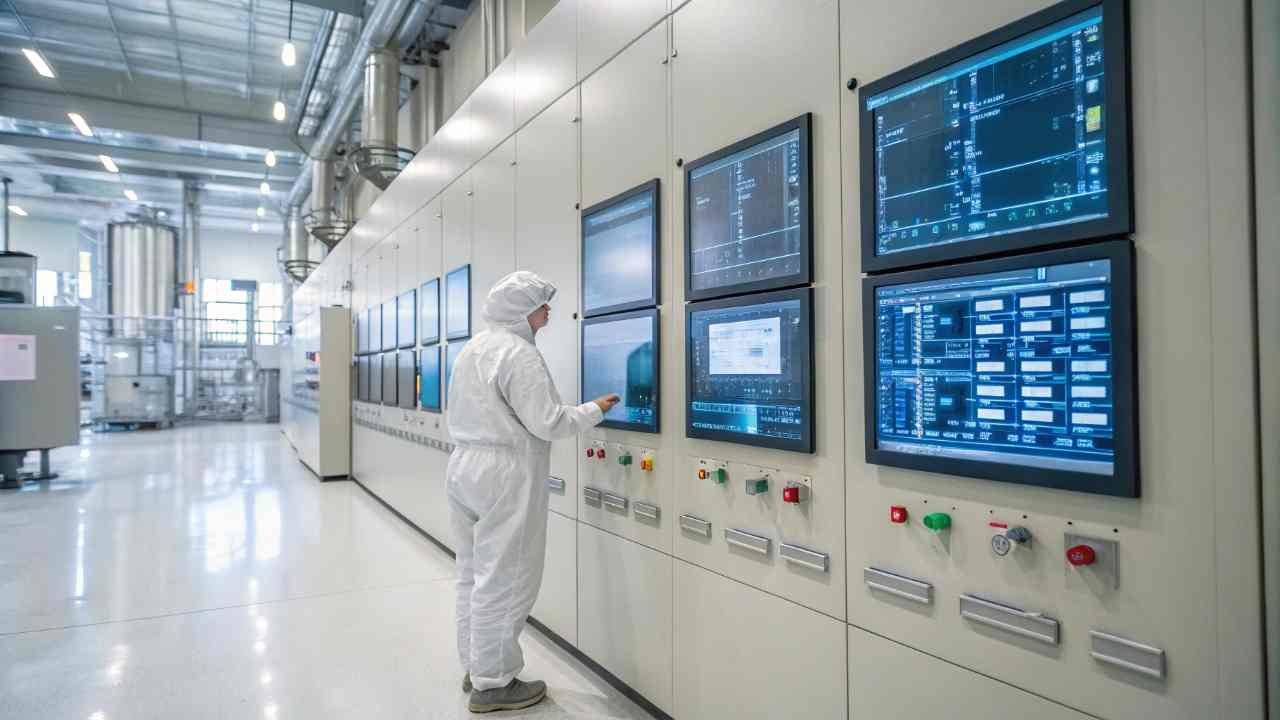
I see that technology is the difference between a "good" batch and a "perfect" batch. Modern factories use DCS systems. These are computers that control every valve and motor. This removes human error. In an old factory, a worker might forget to turn a valve. This ruins the batch. In my partner factories, the computer handles it. This ensures the PH, the pressure, and the temperature are identical every time. This is why the batches I ship are always consistent. You don't have to change your recipe every time you get a new container. This stability is a technical requirement for large food additives5 wholesalers.
I also focus on the drying and packing technology. After crystallization, the Erythritol is wet. We use "Fluidized Bed" dryers. This blows hot air through the crystals while they jump in the air. This ensures every grain is dry. If the moisture is over 0.2%, the material will turn into a hard block inside the bag. This is called "Caking." I check the moisture reports for every batch. I also ensure the packing is done in a Class 100,000 clean room. This prevents dust and hair from getting into the bags. I also look for magnetic separators on the packing line. These catch any tiny metal bits from the machines. This level of technology is what I provide to my clients in Korea and Saudi Arabia. It is how I ensure zero quality claims.
Technology Impact on Final Product
| Equipment Type | Technical Role | Impact on Quality |
|---|---|---|
| DCS System | Batch monitoring | Consistency between orders |
| Fluidized Bed Dryer | Moisture removal | Free-flowing, no caking |
| Ion Exchange | Mineral removal | Clean, neutral taste |
| Auto-Sifter | Size grading | Uniform dissolution rate |
| Metal Detector | Safety screening | Zero physical contaminants |
| Clean Room Pack | Environmental control | Low microbial count |
Conclusion
Industrial Erythritol production combines fermentation with strict purification and advanced technology. I manage these technical steps at FINETECH to ensure your supply is high-quality, cost-effective, and delivered on time.
-
Britannica – A scientific overview of the fermentation process, its biological principles, and its diverse industrial applications. ↩
-
Healthline – Comprehensive overview of Erythritol, its nutritional properties, and its role as a low-calorie sugar alcohol. ↩
-
Non-GMO Project – Explanation of non-GMO standards and the verification process for agricultural raw materials in food manufacturing. ↩
-
ScienceDirect – Scientific overview of activated carbon’s role in decolorization and impurity removal in liquid processing. ↩
-
Codex Alimentarius – International food standards and guidelines for the safe use of food additives in global trade. ↩