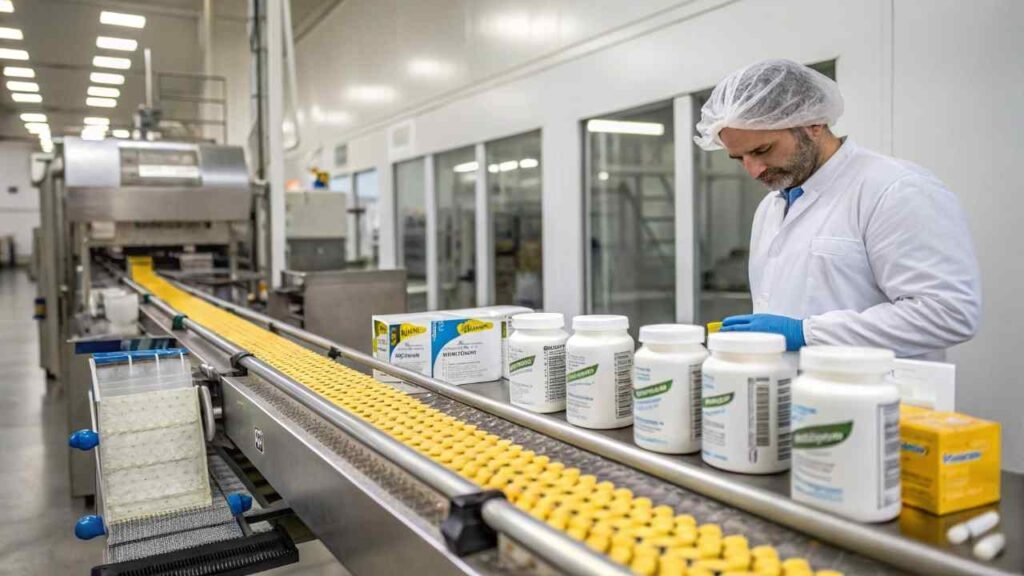
Sourcing raw NAC without analyzing functional food applications, capsulating formats, and biochemical compatibilities leads to formulation failures, strong sulfur odors, and rapid product degradation.
N-Acetyl-L-Cysteine is utilized in dietary supplements and dry functional foods due to its critical role as a glutathione precursor, requiring careful encapsulating strategies, synergistic nutrient pairings, taste-masking technologies, and moisture-controlled packaging.
Successfully manufacturing high-quality health supplements and functional foods requires a disciplined approach to managing active ingredient properties. Sourcing managers must examine physical processing behaviors and biochemical compatibilities to protect their formulations from active potency losses and sensory defects. Sourcing partners like FINETECH simplify factory checks, verify production compliance, and secure competitive pricing directly in China to guarantee bulk deliveries. This guide explains how N-Acetyl-L-Cysteine (NAC) is used in functional food and dietary supplements.
Which Functional Foods Commonly Use N-Acetyl-L-Cysteine (NAC)?
Formulating liquid wellness shots with unstable cysteine compounds results in offensive rotten-egg smells and rapid active oxidation. Unmanaged sensory properties ruin product appeal. Dry functional formats preserve quality.
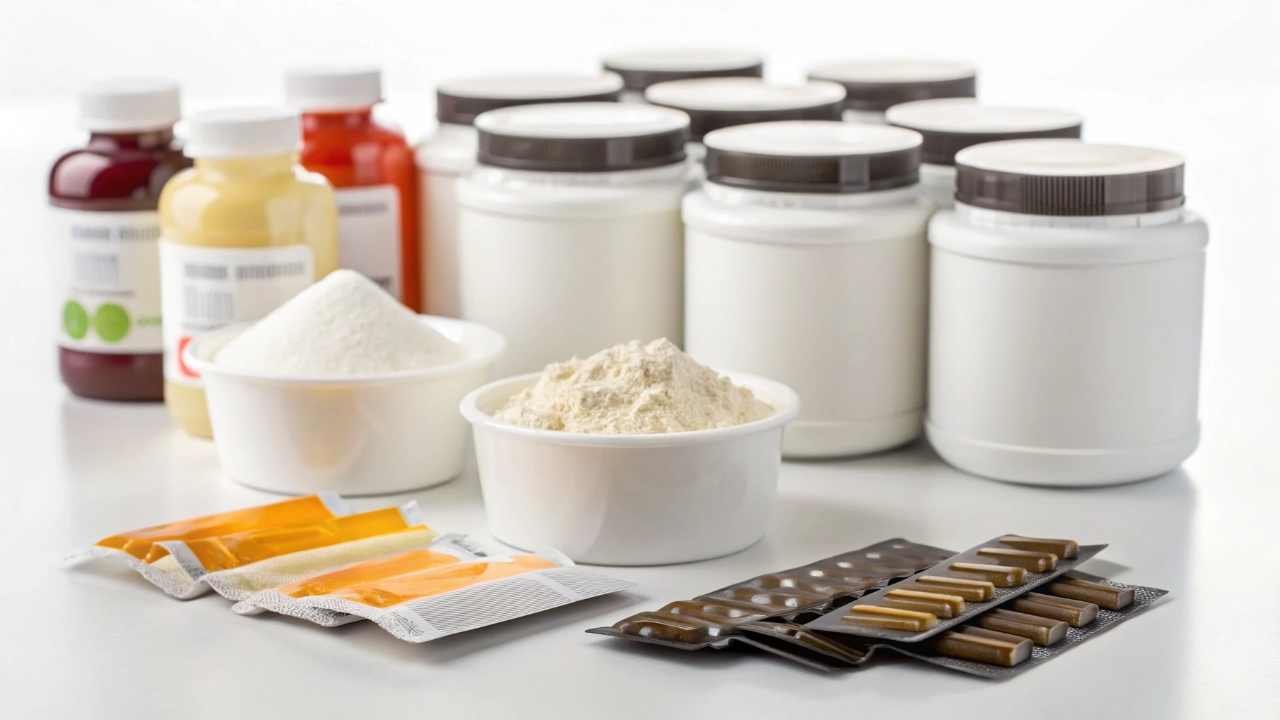
Functional foods commonly incorporating NAC are restricted to dry formats, including sports recovery drink powders, antioxidant-fortified meal replacements, anti-hangover immediate-mix sachets, and specialized nutrient-fortified wellness jellies.
Dive Deeper into Dry Powder Blends and Anti-Hangover Sachet Formulations
While N-Acetyl-L-Cysteine (NAC) is a highly valued bioactive ingredient due to its powerful antioxidant properties, its incorporation into functional foods is limited by its distinct physical and chemical characteristics. Because of its intense sulfurous odor and sharp acidic taste, NAC is rarely used in high-moisture functional foods, such as ready-to-drink bottled beverages or fresh dairy products. Instead, food manufacturers successfully utilize NAC in dry, immediate-mix functional food formats. The most common applications are high-performance sports recovery drink powders, where NAC is blended with branched-chain amino acids (BCAAs)1 and electrolytes to support cellular recovery after intense physical exertion.
Another rapidly growing functional food application is anti-hangover or liver-support sachets. These dry powder mixes, designed to be dissolved in water immediately before or after alcohol consumption, pair NAC with B-complex vitamins and herbal extracts to support metabolic detoxification pathways. Functional health jellies and customized powdered meal replacement shakes also incorporate trace amounts of stabilized, encapsulated NAC to boost their overall antioxidant profiles. Sourcing partners like FINETECH assist food manufacturers by auditing raw material suppliers in China, ensuring they receive low-odor, food-grade FCC-compliant NAC that blends uniformly into dry food matrices.
| Food Product Category | Primary Form of NAC | Targeted Physiological Benefit | Sourcing Quality Requirement |
|---|---|---|---|
| Sports Recovery Mixes | Micro-granulated powder | Reduces muscle oxidation stress | Free-flowing, non-static powder |
| Anti-Hangover Sachets | Highly soluble powder | Supports liver detoxification | Food-grade FCC monograph |
| Nutritional Shakes | Microencapsulated powder | Boosts total antioxidant yield | Neutralized taste and low odor |
| Wellness Jelly Packs | Stabilized salt format | Cellular tissue protection | Strictly low heavy metal limits |
How Is N-Acetyl-L-Cysteine (NAC) Formulated in Dietary Supplements?
Formulating raw active powders in loose containers exposes the sulfurous molecules to moisture, causing intense odor release and product rejection. Loose packaging limits stability. Advanced encapsulating secures consumer appeal.
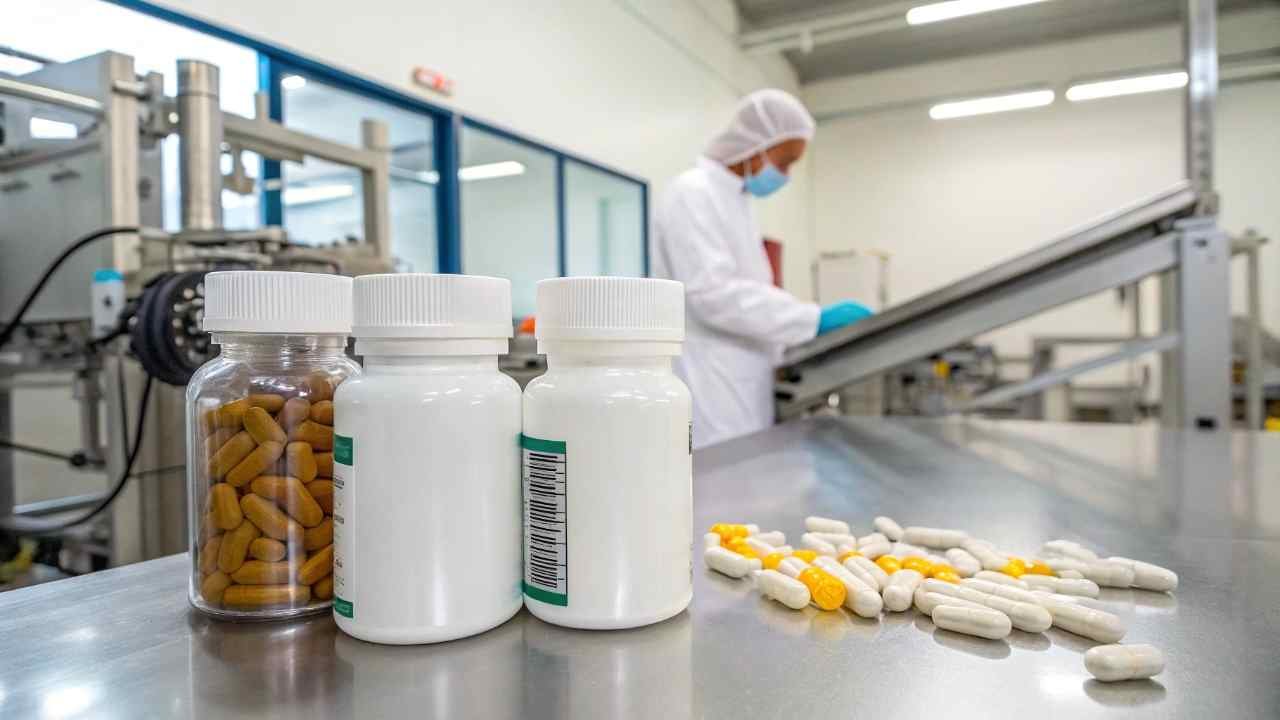
NAC is formulated in dietary supplements primarily using hard vegetable or gelatin capsules to contain sulfur odors, compressed enteric-coated tablets, and nitrogen-purged effervescent tablets for rapid absorption.
Dive Deeper into Hard Capsules, Enteric Coatings, and Effervescent Tablets
In the dietary supplement industry, N-Acetyl-L-Cysteine (NAC) is formulated into several distinct consumer delivery formats, each engineered to address specific stability and sensory requirements. The most prevalent delivery system is the hard capsule, utilizing either gelatin or vegetable-derived hydroxypropyl methylcellulose (HPMC) shells. Encapsulation is highly effective because the physical capsule shell acts as a barrier, containing the characteristic sulfurous odor of the free thiol group and preventing it from reaching the consumer's nose until digestion.
For tablet manufacturing, NAC presents processing challenges because the crystalline powder requires strong binders and lubricating agents to compress successfully. To prevent gastric irritation caused by NAC’s high acidity, manufacturers often apply an enteric coating to the tablets, which allows them to pass through the stomach intact and dissolve in the neutral environment of the small intestine. Effervescent tablets2 represent another highly popular supplement format, particularly in European markets. These tablets use a balanced blend of sodium bicarbonate and citric acid to create a carbonated solution upon contact with water, masking the acidic taste of NAC and promoting rapid absorption. Sourcing partners like FINETECH support supplement brands by evaluating the physical flowability and bulk density of Chinese NAC lots, ensuring compatibility with high-speed encapsulating and tableting machinery.
| Supplement Format | Common Dosage Range | Formulation Advantage | Key Sourcing Parameter |
|---|---|---|---|
| HPMC Veggie Capsules | 500 mg to 600 mg | Masks sulfur odor, vegan-friendly | Low moisture capsule grade |
| Enteric-Coated Tablets | 600 mg to 1000 mg | Prevents gastric acidity irritation | Sturdy, high-compressibility crystal |
| Effervescent Tablets | 200 mg to 600 mg | Rapid liquid absorption, good taste | High-solubility neutral salt |
| Bulk Dry Powders | 1000 mg to 2000 mg | Flexible high-dosage options | Microencapsulated, masked taste |
Which Ingredients Are Compatible with N-Acetyl-L-Cysteine (NAC)?
Blending active amino acids with incompatible alkaline minerals causes immediate chemical neutralization and rapid potency degradation. Uncoordinated mixing ruins formulas. Structuring compatible nutrient matrices secures stability.
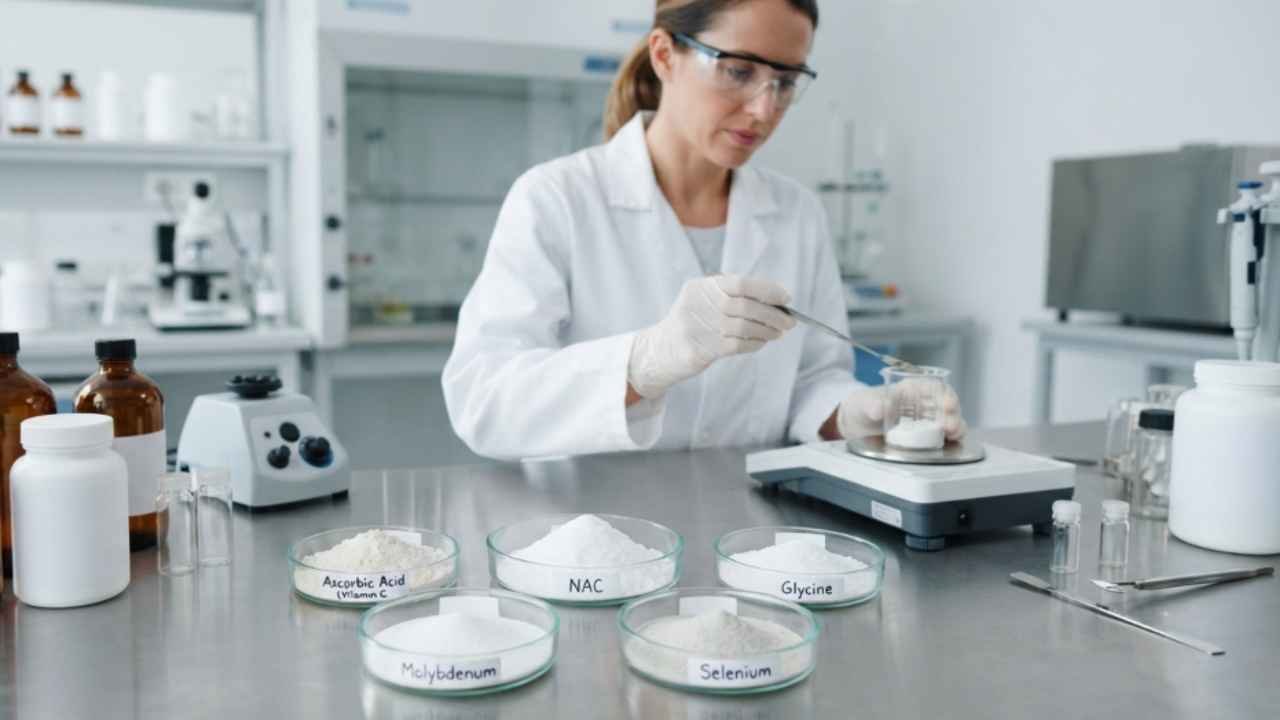
Compatible ingredients that pair well with NAC include ascorbic acid to prevent thiol oxidation, selenium and molybdenum as glutathione cofactors, and glycine to synthesize therapeutic GlyNAC longevity blends.
Dive Deeper into Ascorbic Acid Protection, Glycine Longevity Blends, and Mineral Cofactors
Developing a highly effective, stable dietary supplement formulation requires pairing N-Acetyl-L-Cysteine (NAC) with compatible, synergistic ingredients that enhance its biological activity and protect its chemical structure. Ascorbic acid (Vitamin C) is one of the most compatible partners for NAC. As a powerful oxygen scavenger, Vitamin C helps prevent the active sulfhydryl group on the NAC molecule from oxidizing into the inactive dimer, N,N-diacetyl-L-cystine (di-NAC). This synergistic pairing preserves the potency of the supplement throughout its shelf life.
Additionally, blending NAC with glycine3 has become a major trend in the healthy aging sector, resulting in the highly popular "GlyNAC" combination. Cysteine and glycine, along with glutamic acid, are the three amino acid precursors required by the body to synthesize glutathione; supplementing both NAC and glycine provides the rate-limiting substrates needed to optimize cellular antioxidant defenses. Mineral cofactors, such as selenium and molybdenum, are also highly compatible, as they serve as essential components for the enzymatic activity of glutathione peroxidase and sulfite oxidase. Sourcing partners like FINETECH streamline the procurement of these compatible ingredients, sourcing high-purity Vitamin C, glycine, and mineral chelates directly from certified Chinese suppliers to ensure consistent batch quality.
| Partner Ingredient | Synergistic Mechanism | Formulation Benefit | Sourcing Target |
|---|---|---|---|
| Ascorbic Acid (Vit C) | Serves as oxygen scavenger | Prevents NAC oxidation to di-NAC | Food-grade FCC standard |
| Glycine | Direct glutathione precursor | Drives GlyNAC cellular longevity | High purity USP standard |
| Selenium | Glutathione enzyme cofactor | Boosts cellular immune defense | Safe mineral chelate form |
| Milk Thistle Extract | Synergistic liver protection | Enhances hepatoprotective action | Standardized silymarin assay |
What Formulation Challenges Should Manufacturers Consider for N-Acetyl-L-Cysteine (NAC)?
Ignoring extreme acidity levels and high thiol oxidation kinetics during compounding causes gelatin capsule dissolution and active potency loss. Incompatible processing ruins bulk batches. Vetted stabilizers secure shelf life.
Primary formulation challenges include masking the strong sulfurous odor of free thiol groups, neutralizing the low acidic pH to protect capsules, and preventing oxidative dimerization into inactive di-NAC.
Dive Deeper into Sulfur Masking, Acidic pH Mitigation, and Nitrogen Blanketing
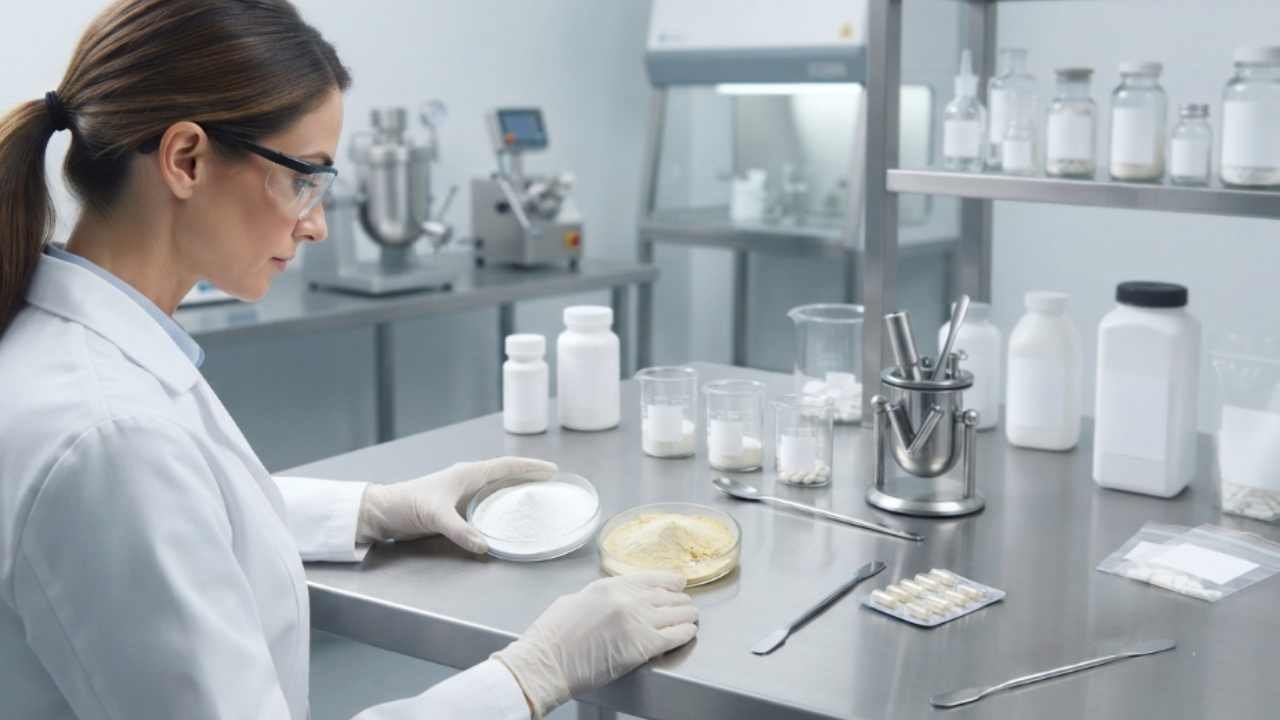
Manufacturers must navigate several significant formulation and processing challenges when working with N-Acetyl-L-Cysteine (NAC) to ensure product quality and consumer acceptance. The primary challenge is the sensory profile. The free sulfhydryl group naturally releases trace amounts of hydrogen sulfide gas, creating a distinct, unpleasant rotten-egg odor. To manage this, supplement brands utilize microencapsulated4 NAC, which coats the individual particles in a thin ethylcellulose or food-grade lipid barrier to lock in the smell. In dry powder drink formulations, strong taste-masking technologies, such as combining natural sweeteners (sucralose, stevia) with organic acidulants (citric or malic acid) are required to blend with the natural sourness.
Another hurdle is the high acidity of NAC, which exhibits a pH of approximately 2.0 to 2.8 in aqueous solution. This low pH can degrade gelatin capsule shells if moisture is present and can cause gastrointestinal discomfort. To mitigate this, manufacturers use HPMC veggie capsules or add buffering agents like calcium carbonate to neutralize excess acidity. Finally, protecting the powder from oxygen during high-shear blending requires operating closed-loop mixing machinery under a nitrogen blanket. Sourcing partners like FINETECH assist manufacturers by coordinating physical particle-size audits and flavor-masking consults with Chinese factories, ensuring consistent processing performance.
| Formulation Hazard | Underlying Mechanism | Manufacturing Symptom | Sourcing Protection Step |
|---|---|---|---|
| Sulfur Off-Odor | Free thiol releases hydrogen gas | Rotten-egg smell in containers | Use microencapsulated powder |
| High Acidity | Solution pH levels below 2.8 | Capsule degradation, stomach ache | Formulate with HPMC shell veggie capsules |
| Rapid Oxidation | Thiol converts to di-NAC dimer | Potency loss, gray discoloration | Require active nitrogen-purged blending |
| Hygroscopic Caking | Water vapor absorption | Hard clumping in storage drums | Keep raw moisture below 0.5% |
Why Is Consumer Demand Increasing for N-Acetyl-L-Cysteine (NAC)?
Pitching traditional single-vitamin supplements to modern wellness consumers limits market reach in an era focused on cellular longevity. Legacy ingredients lose relevance. Targeting cellular aging captures demand.
Consumer demand is increasing due to the popularity of cellular longevity trends like GlyNAC, rising awareness of liver detoxification, and growing preferences for respiratory and immune system support.

Dive Deeper into Cellular Longevity, Liver Detoxification, and Respiratory Support
The global demand for the arginine series and other specialized amino acid derivatives like N-Acetyl-L-Cysteine (NAC) is expanding rapidly, driven by major consumer shifts toward preventative wellness, healthy aging, and immune support. A primary driver is the rising popularity of the cellular longevity trend. As scientific research continues to highlight the role of mitochondrial health5 and oxidative stress in the aging process, consumers are seeking supplements like GlyNAC that directly boost intracellular glutathione levels, which are known to decline naturally with age.
In addition to healthy aging, the modern wellness market has embraced NAC for liver detoxification and metabolic support. Many consumers use NAC daily as a liver-support supplement or as an anti-hangover aid to assist in the metabolism of alcohol byproducts. Furthermore, the post-pandemic focus on respiratory health has maintained a steady demand for NAC, as its established mucolytic properties help thin mucus in the lungs and support bronchial pathways. Sourcing partners like FINETECH help international brands capitalize on these growing consumer demands by auditing Chinese chemical and fermentation plants, securing premium, non-GMO, and vegan-certified NAC that satisfies clean-label standards for modern retail supplement markets.
| Consumer Lifestyle Trend | Targeted Health Benefit | Supplement Opportunity | Sourcing Requirement |
|---|---|---|---|
| Cellular Longevity | Boosts glutathione synthesis | Combined GlyNAC healthy aging lines | High purity USP standard |
| Liver Detoxification | Supports alcohol metabolism | Daily liver-care formulations | Vegan-certified non-animal origin |
| Respiratory Wellness | Natural mucolytic action | Bronchial pathway support | Standardized pharmaceutical DMF |
| Clean Labeling | Avoids chemical additives | Organic non-allergen capsules | Non-GMO origin declaration |
Conclusion
N-Acetyl-L-Cysteine is expanding in functional food and dietary supplement markets due to its vital role as a glutathione precursor, requiring closed-loop nitrogen capsule formulation, synergistic pairings with Vitamin C and glycine, advanced taste-masking, and alignment with modern healthy aging trends.
-
A professional guide in Nutritional Outlook explaining how branched-chain amino acids (BCAAs) are utilized by athletes to reduce muscle fatigue and improve recovery. ↩
-
A technical manufacturing guide on Pharmaceutical Technology detailing the formulation principles, acid-base chemistry, and production processes for effervescent solid dosage forms. ↩
-
A clinical trial in PubMed Central showing that GlyNAC (a combination of glycine and NAC) corrects glutathione deficiency, mitochondrial dysfunction, and oxidative stress in older adults. ↩
-
An industry article by Nutritional Outlook detailing how microencapsulation technologies are utilized by formulators to mask the unpleasant odor and taste of active amino acids and botanicals. ↩
-
A business and formulation guide by Makers Nutrition examining the commercial rise of longevity, cellular energy, and mitochondrial health ingredients in dietary supplements. ↩