Unstable acid quality ruins your food formulas and production schedules. This leads to costly batch rejections and wasted time. I explain the industrial production methods to help you choose the right grade.
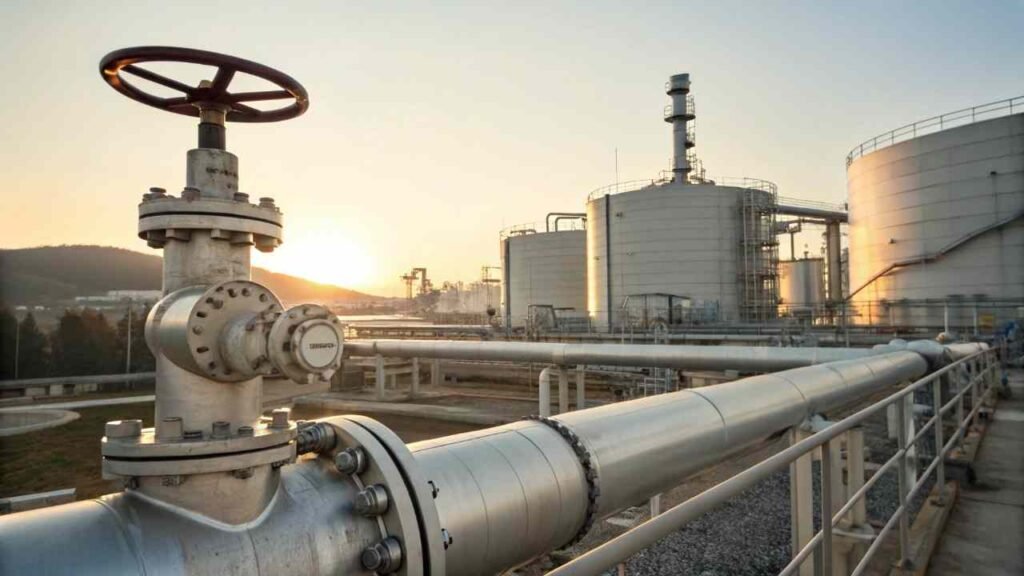
Industrial phosphoric acid is produced using two main methods: the wet process and the thermal process. The wet process treats phosphate rock with sulfuric acid, primarily for fertilizers. The thermal process burns elemental phosphorus to create high-purity acid, which is essential for food-grade and electronic applications.
I manage factory audits and oversee production for my B2B clients at FINETECH. I want to share the technical facts about these processes so you can source more effectively.
What is the difference between wet process and thermal process Phosphoric Acid?
Choosing the wrong production process for your food application leads to chemical contamination. This puts your brand and your customers at risk. I clarify the technical differences between these two common methods.
The wet process uses chemical digestion of phosphate rock with sulfuric acid, making it cost-effective for fertilizers. The thermal process involves smelting phosphate rock in electric furnaces to produce elemental phosphorus, which is then hydrated into ultra-pure acid for food and industrial use.
Technical Divergence in Manufacturing
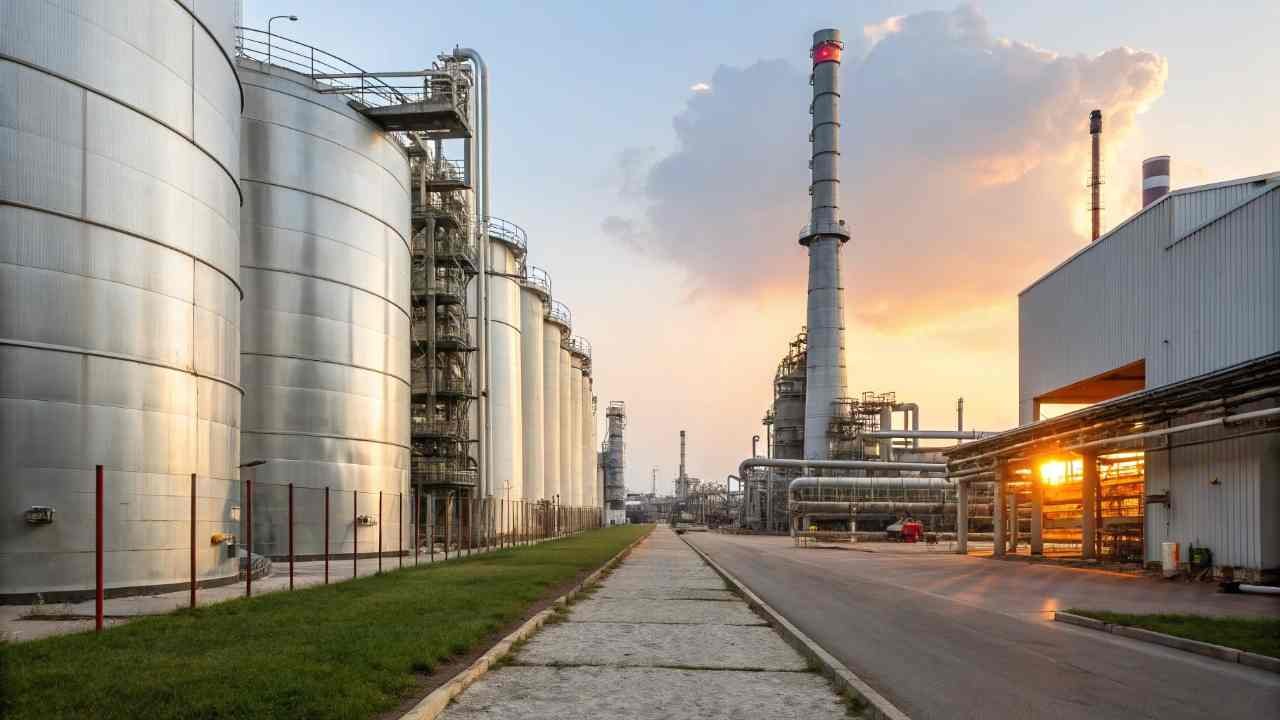
I see that the wet process is the most common method in the world. It is basically a chemical reaction. We take phosphate rock and mix it with sulfuric acid. This creates phosphoric acid and a byproduct called phosphogypsum1. This process is very fast and produces large volumes of acid. But it leaves many impurities from the rock inside the acid. I find that most agricultural phosphoric acid comes from this path. It is cheap but it is not clean enough for soda or food preservation without a lot of extra cleaning steps. The liquid often looks green or black before it is refined.
The thermal process is very different. It is a physical and chemical transformation. We put the rock into a giant electric furnace with coke and silica. We heat it to about 1,500 degrees Celsius. This turns the phosphorus into a gas. We cool it down to get elemental phosphorus, which we call yellow phosphorus. Then we burn this phosphorus in air and add water. The result is "Thermal Acid." This acid is naturally very pure. It has almost no heavy metals. I prioritize thermal acid for my food-grade clients because it is safer. It costs more because it uses a lot of electricity. But the quality is much higher than the standard wet process. I act as your strategic office in China to pick the right process for your budget.
Technical Comparison of Methods
| Feature | Wet Process | Thermal Process |
|---|---|---|
| Primary Reaction | Chemical Digestion | High-heat Smelting |
| By-products | Phosphogypsum | Slag and Ferrophosphorus |
| Energy Source | Chemical Energy | High-voltage Electricity |
| Output Color | Green or Brownish | Clear and Colorless |
| Standard Purity | 70% - 75% P2O5 | 85% - 99% H3PO4 |
| Primary Industry | Fertilizers | Food and Electronics |
How does production method affect Phosphoric Acid purity?
Low-purity acid contains heavy metals that fail food safety tests. You cannot risk a product recall. I show you how the manufacturing path decides the final purity of your acid.
Production methods dictate purity by controlling the level of residual minerals and heavy metals. Thermal process acid is naturally 99% pure. Wet process acid requires multiple purification stages, like solvent extraction, to reach food-grade standards, which often results in different trace element profiles.
Purity Levels and Contamination Risks
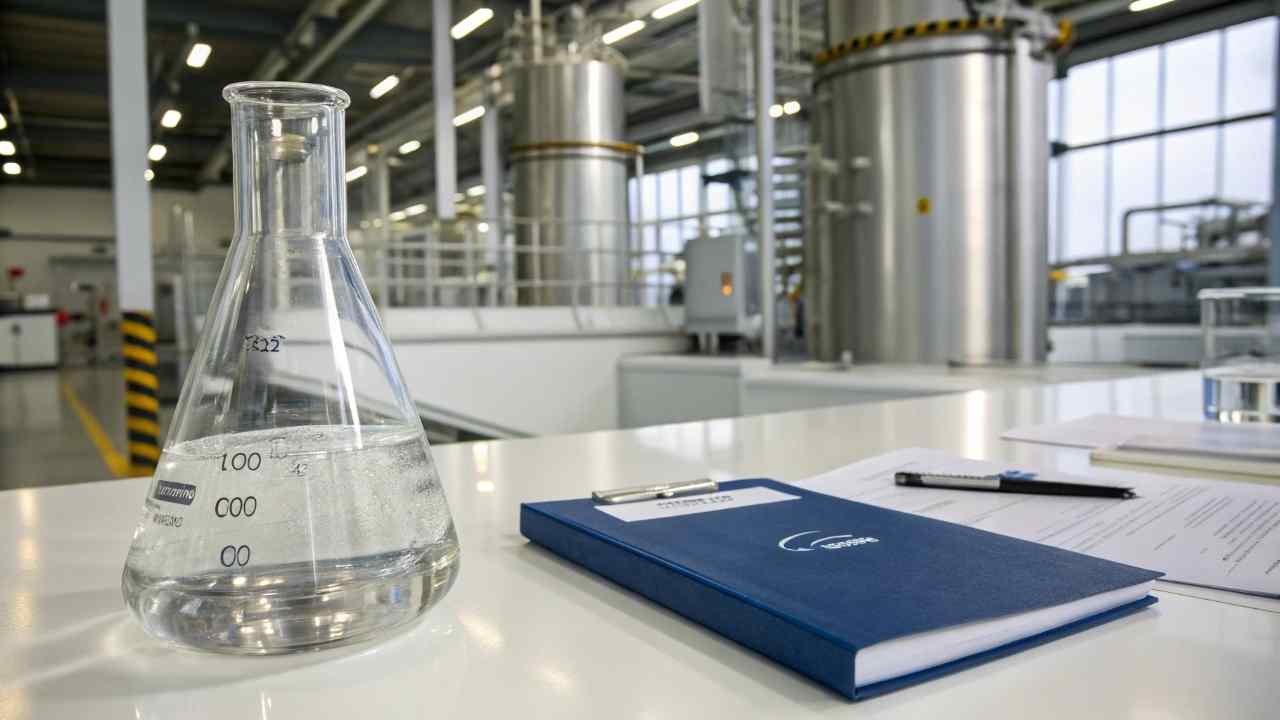
I see that purity starts at the source. In the wet process, the acid is quite dirty at first. This is because it has a lot of organic matter and metals like iron or aluminum from the rock. To make it food-grade, the factory must use "Purification Columns." They use solvents to pull the phosphoric acid away from the waste. If the factory uses old filters, the lead and arsenic2 levels stay high. I check the lab reports for these specific metals. Even "Purified Wet Acid" can have more trace minerals than thermal acid. I act as your technical gatekeeper to ensure the purity fits your specific needs and local laws.
Thermal acid is the "Gold Standard" for purity. Because the phosphorus turns into a gas in the furnace, the heavy metals stay in the waste at the bottom. The gas is very clean. When we turn that gas back into liquid acid, the purity is very high. It usually has less than 1 part per million (ppm) of lead. This is why it is used in the electronics industry for cleaning microchips3. For food use, it provides a very clean taste. It does not have the metallic aftertaste that some wet-process acids have. I visit the refining sections of the plants to see their filtration systems. A modern plant uses automated sensors to monitor purity in real-time. This ensures that every IBC tank I ship has the same high assay.
Impurity Limits by Method
| Impurity | Purified Wet Process | Thermal Process |
|---|---|---|
| Arsenic (As) | < 1.0 ppm | < 0.1 ppm |
| Lead (Pb) | < 1.0 ppm | < 0.1 ppm |
| Fluoride (F) | < 10.0 ppm | < 1.0 ppm |
| Iron (Fe) | < 20.0 ppm | < 5.0 ppm |
| Sulfate (SO4) | < 200.0 ppm | < 20.0 ppm |
| Color (APHA) | 20 - 30 | < 10 (Crystal Clear) |
What raw materials are used in Phosphoric Acid production?
Rising raw material costs lead to sudden price hikes on your invoice. You need to know what drives these costs to plan your budget. I identify the essential materials used in the factory.
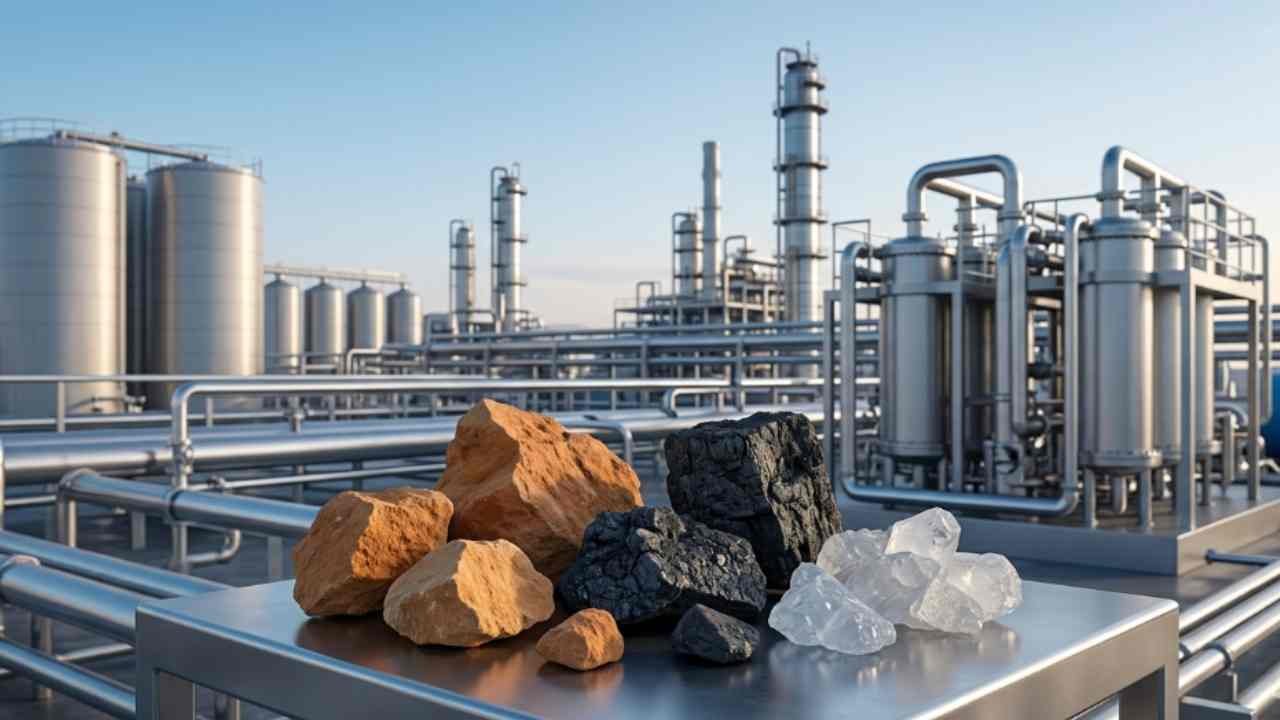
The primary raw materials are phosphate rock and sulfuric acid for the wet process. The thermal process requires phosphate rock, coke, and silica. Availability of high-grade phosphate rock is the biggest factor affecting global production volume and wholesale pricing for B2B buyers.
Sourcing and Resource Quality
I see that phosphate rock4 is the most important ingredient. It is a non-renewable resource. Most of it comes from mines in China, Morocco, or the USA. The quality of the rock is measured by the "P2O5" content. High-grade rock makes production much easier. If the rock has too much fluoride or magnesium, the factory must spend more money to clean it. I monitor the mining reports in Yunnan and Guizhou. These provinces supply the rock for our partner factories. When mining stops due to rain or government rules, the price of the acid goes up immediately. I warn my clients when I see these mining trends.
The second material is sulfuric acid for the wet process. Sulfur5 is a byproduct of oil and gas refining. This means the price of phosphoric acid is linked to the global oil market. If oil prices rise, sulfur prices usually follow. For the thermal process, we need "Reducing Agents" like coke and "Flux" like silica. Coke comes from coal. This links the price of thermal acid to the energy and coal markets. I also check the water quality at the plants. Purified water is a technical requirement for food-grade acid. If the water has minerals, the acid will not be clear. I act as your strategic partner to track these material costs. This helps you understand why your procurement budget changes month to month.
Raw Material Requirements
| Production Method | Main Raw Materials | Auxiliary Materials |
|---|---|---|
| Wet Process | Phosphate Rock, Sulfuric Acid | Water, Flocculants |
| Thermal Process | Phosphate Rock, Coke, Silica | Water, Electricity, Air |
| Purification | Organic Solvents | Active Carbon, Filters |
How does production efficiency impact Phosphoric Acid cost?
Wasted energy in a factory means higher prices for your business. You should not pay for a factory's mistakes. I explain how modern efficiency keeps our wholesale prices competitive.
Production efficiency impacts cost through energy consumption and raw material yield. Factories with heat recovery systems and automated electric furnaces use less power per ton. High-efficiency plants maximize the extraction of phosphorus from the rock, which lowers the overall unit cost for bulk wholesale orders.
Energy Management and Yield Optimization
I see that energy is the second biggest cost after raw materials. In the thermal process, electricity is the main expense. Giant electrodes melt the rock. If the furnace is old, it leaks heat. This wastes money. I prioritize factories in China that use "Waste Heat Recovery." These plants take the heat from the furnace and use it to dry other materials or make steam. This lowers the total electricity bill. When the factory saves money on power, I can negotiate a better price for you. I visit the utility rooms of these plants to check their energy meters. Efficiency is a technical fact that saves you money.
Yield efficiency is also important. This means how much phosphorus we get out of the rock. A bad factory might leave 10% of the phosphorus in the waste. A good factory gets nearly 98% out. We call this the "Extraction Rate." I check the production logs at the factories to see their yield data. Higher yield means lower cost per ton. I also look at their automation systems. Modern plants use "DCS" (Distributed Control Systems). These computers manage the chemical flow perfectly. They reduce human error and stop waste. I choose these high-tech plants for my clients at FINETECH. This ensures we provide top quality at a competitive price, even when market costs are rising.
Cost Efficiency Indicators
| Indicator | Low Efficiency Plant | High Efficiency (FINETECH) | Cost Impact |
|---|---|---|---|
| Power Use | > 14,000 kWh/ton | < 12,500 kWh/ton | - 8% Price |
| P2O5 Recovery | < 92% | > 97% | - 5% Price |
| Heat Recovery | No recovery | Integrated boilers | - 4% Price |
| Automation | Manual valves | Full DCS control | Higher stability |
| Waste Loss | High spill rates | Closed-loop systems | - 2% Price |
What risks exist in scaling Phosphoric Acid production?
Sudden production stops lead to missed delivery dates. This hurts your business and your reputation. I outline the technical and environmental risks that can impact your supply chain.
Scaling risks include environmental compliance, waste management, and energy shortages. Large-scale plants produce significant amounts of phosphogypsum waste, which requires complex disposal. Power rationing in industrial hubs like China can also lead to sudden production halts, affecting global supply.
Managing Operational and Policy Risks
I see that "Environmental Risk" is the biggest challenge for scaling. Phosphoric acid production is not a clean process by nature. For every ton of wet-process acid, the factory makes five tons of phosphogypsum. This is a white powder that must be stored safely. If the storage pile leaks, it can damage the soil. The Chinese government is very strict about this. They often close factories that do not have enough waste storage. I check the environmental permits of every factory I select. This protects you from sudden supply gaps. You need a partner who understands these local rules to keep your supply steady year-round.
Energy risk is another major factor. Because the thermal process uses so much power, the government often rations electricity during the peak season. In winter, they might cut power to heavy industry to keep homes warm. This stops the electric furnaces. I keep a buffer stock for my B2B clients to manage this risk. I also look at "Scale Inconsistency." When a factory tries to make too much acid too fast, the purity can drop. The filters might get clogged more often. I use pre-shipment inspections (PSI) to check the purity of every batch. This technical oversight ensures that the scale of the factory does not ruin the quality of your order. I act as your risk manager in China to keep your procurement safe and professional.
Risk Assessment for Bulk Buyers
| Risk Factor | Probability | Impact on Buyer | FINETECH's Protective Step |
|---|---|---|---|
| Power Rationing | Moderate | Supply delay | Monitor provincial grid |
| Waste Compliance | High | Factory shutdown | Audit env. permits |
| Filter Failure | Low | Lower purity | Lab test before loading |
| Rock Scarcity | Moderate | Price spike | Use integrated plants |
| Logistics Delay | Moderate | Port congestion | Book 3 weeks early |
| Policy Change | Low | Export tax / Quota | Track government news |
Conclusion
Industrial Phosphoric Acid production relies on the wet and thermal processes. I manage these technical factors at FINETECH to ensure you receive stable quality and competitive wholesale pricing.
-
ScienceDirect – Comprehensive overview of phosphogypsum’s environmental impact and its potential for sustainable reuse in various industries. ↩
-
World Health Organization – Fact sheet detailing the health risks of arsenic and the necessity of strict regulatory limits in food and water. ↩
-
ASML – An industry leader's guide to how microchips are manufactured and why high-purity chemical environments are essential for semiconductors. ↩
-
USGS – Official mineral commodity summaries detailing global phosphate rock reserves, mining production, and market dynamics. ↩
-
Britannica – A comprehensive overview of sulfur's chemical properties, its occurrence in nature, and its vital role in the chemical industry. ↩