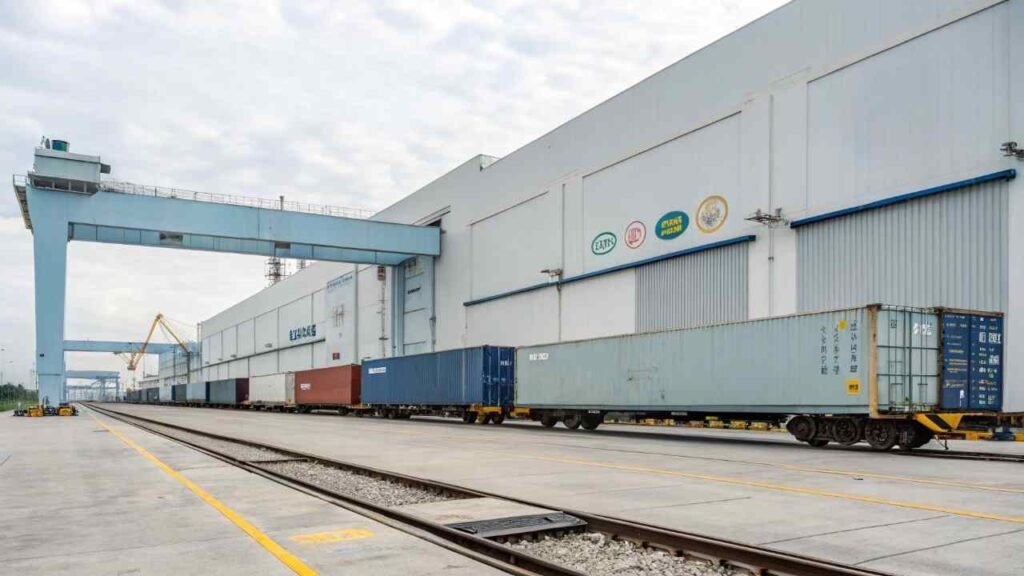
Complex global trade rules cause shipping delays and extra costs for Sodium Erythorbate buyers. These errors stop your production and waste your budget. Understanding the export process ensures a smooth supply chain.
Sodium Erythorbate is exported from China through quality testing, international documentation, and specialized packaging. Exporters must comply with regional food safety laws, use correct HS codes for customs, and coordinate sea or rail freight to reach markets in the Middle East, Southeast Asia, and Europe.
I manage the entire export cycle for my clients at FINETECH. I will explain the essential steps to move this food additive from our Chinese factories to your warehouse safely and legally.
What Export Documents Are Required for Sodium Erythorbate?
Missing or incorrect paperwork leads to cargo rejection at the port. This causes high storage fees and disrupts your manufacturing schedule. Accurate documentation is the foundation of successful international trade.
Essential export documents for Sodium Erythorbate include the Bill of Lading (B/L), Commercial Invoice, Packing List, and Certificate of Analysis (COA). Buyers in specific regions also require Health Certificates, MSDS, and religious certifications like HALAL or KOSHER to satisfy local import laws.
Technical and Safety Paperwork
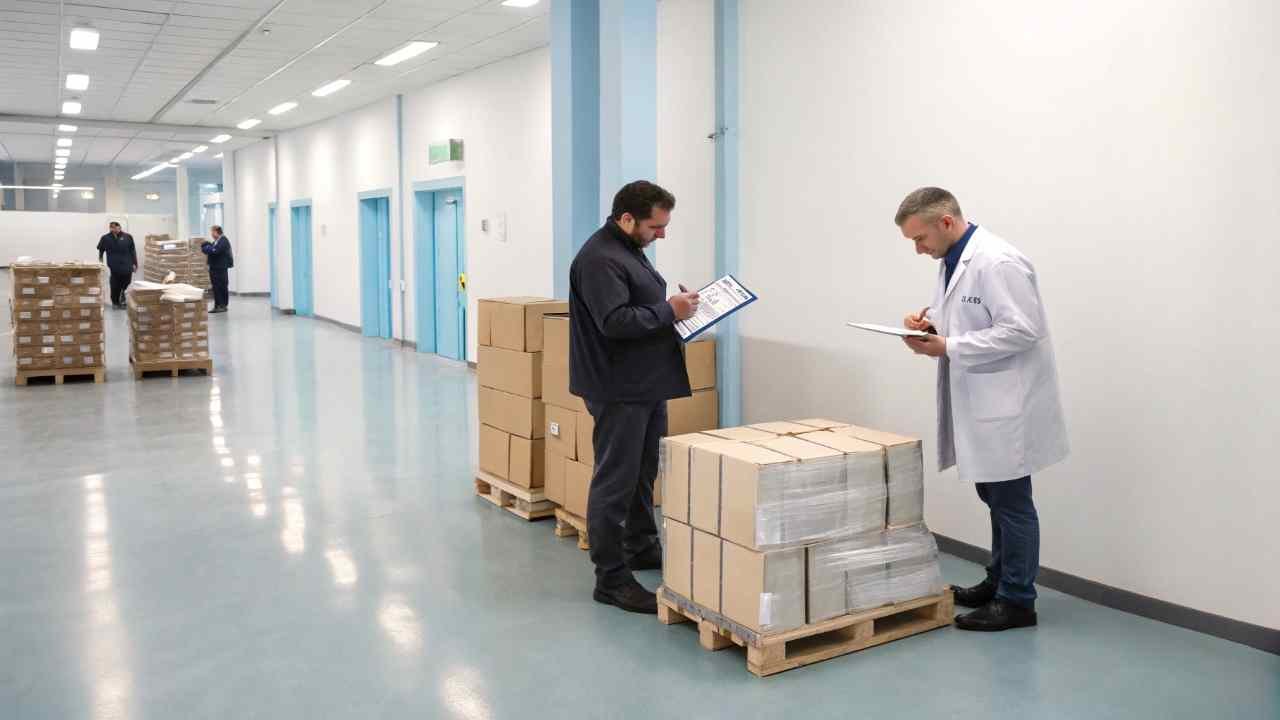
I provide a Certificate of Analysis (COA) for every batch of Sodium Erythorbate. This document is the most important for quality control. It proves the purity, pH levels, and heavy metal content of the product. Customs officers and health inspectors use the COA to verify that the additive is safe for food use. Without a valid COA, your cargo cannot enter countries like Germany or Korea. I also include a Material Safety Data Sheet (MSDS)1. This document explains how to handle the chemical safely. It is required by shipping lines and port authorities to prevent accidents during transport.
For my clients in the Middle East, such as Saudi Arabia and the UAE, a Health Certificate is mandatory. This document is issued by Chinese government authorities. It confirms that the Sodium Erythorbate is produced in a hygienic factory and is fit for human consumption. In Southeast Asian markets like Indonesia or Malaysia, HALAL certification is a critical requirement. I ensure that all religious and safety certificates are up to date and valid for the specific region of the buyer. This attention to detail prevents administrative delays and ensures the cargo moves quickly through the port. I also handle the Bill of Lading (B/L) and offer telex release for faster processing.
Documentation Summary for Buyers
| Document Type | Purpose | Critical Info |
|---|---|---|
| COA | Quality Verification | Purity, Heavy Metals |
| MSDS | Safety Guidance | Handling and Hazards |
| Health Certificate | Safety Compliance | Fitness for Consumption |
| Bill of Lading | Title of Goods | Port and Vessel Info |
| HALAL / KOSHER | Religious Compliance | Production Standards |
How Do Customs Regulations Affect Sodium Erythorbate Shipping?
Strict customs inspections can hold your Sodium Erythorbate for weeks. These delays lead to product spoilage and lost sales opportunities. You must follow local regulations to avoid fines and ensure timely delivery.
Customs regulations affect shipping through mandatory inspections, tax assessments, and the verification of HS codes. In China, Sodium Erythorbate is classified under HS code 293220. Accurate classification and compliance with regional health standards, like E316 in Europe, are required for smooth clearance.
Regional Standards and HS Classification
Each region has its own health authority that regulates food additives. In the European Union, Sodium Erythorbate is known by its E-number, E316. I must ensure the product meets the specific purity standards set by the European Food Safety Authority (EFSA)2. If the heavy metal levels are even slightly too high, the customs officers in Greece or Germany will reject the shipment. In Saudi Arabia, the SFDA has very strict rules for labeling and shelf life. I customize the packaging and the labels to meet these local requirements. This proactive approach saves my clients from expensive legal problems and rejected cargo.
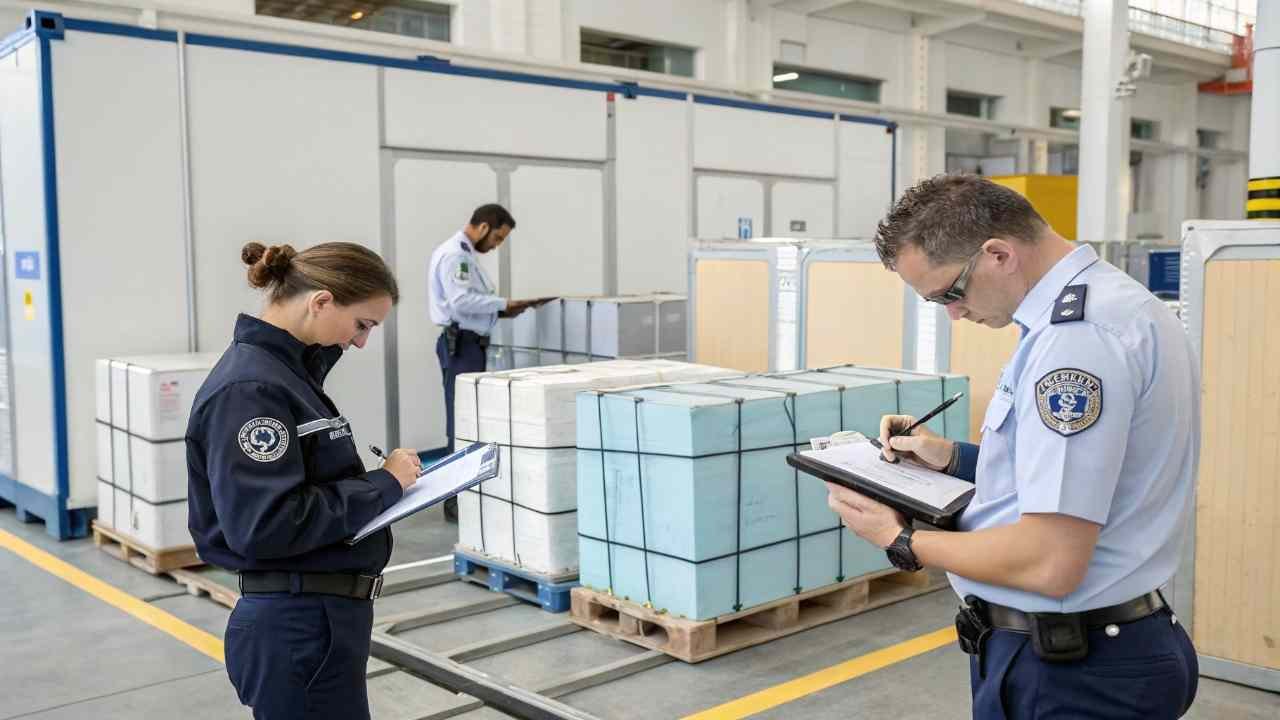
Customs departments also perform random physical inspections. I ensure that the packaging is easy to reseal and that every bag is labeled clearly. If the labels are confusing or do not match the paperwork, the inspection will fail. The HS code 2932203 determines the import duty and taxes you must pay. I help my clients verify the specific tax rate for their country. Some regions have lower taxes because of trade agreements. I provide the necessary Certificate of Origin to help you get these discounts. For example, buyers in Southeast Asia often benefit from the ASEAN–China Free Trade Area4. Using the correct paperwork can save you thousands of dollars in import fees.
Customs Compliance Overview
| Region | Authority | Key Compliance Factor |
|---|---|---|
| European Union | EFSA | E316 Purity Standards |
| Saudi Arabia | SFDA | Arabic Labeling & Shelf Life |
| Indonesia | BPOM | HALAL and Safety Permits |
| Global | JECFA | Safety and ADI Levels |
What Packaging Standards Ensure Safe Sodium Erythorbate Export?
Damaged packaging allows moisture and oxygen to ruin the Sodium Erythorbate powder. This causes clumping and reduces the antioxidant power of the additive. High packaging standards are necessary to preserve the quality during long sea voyages.
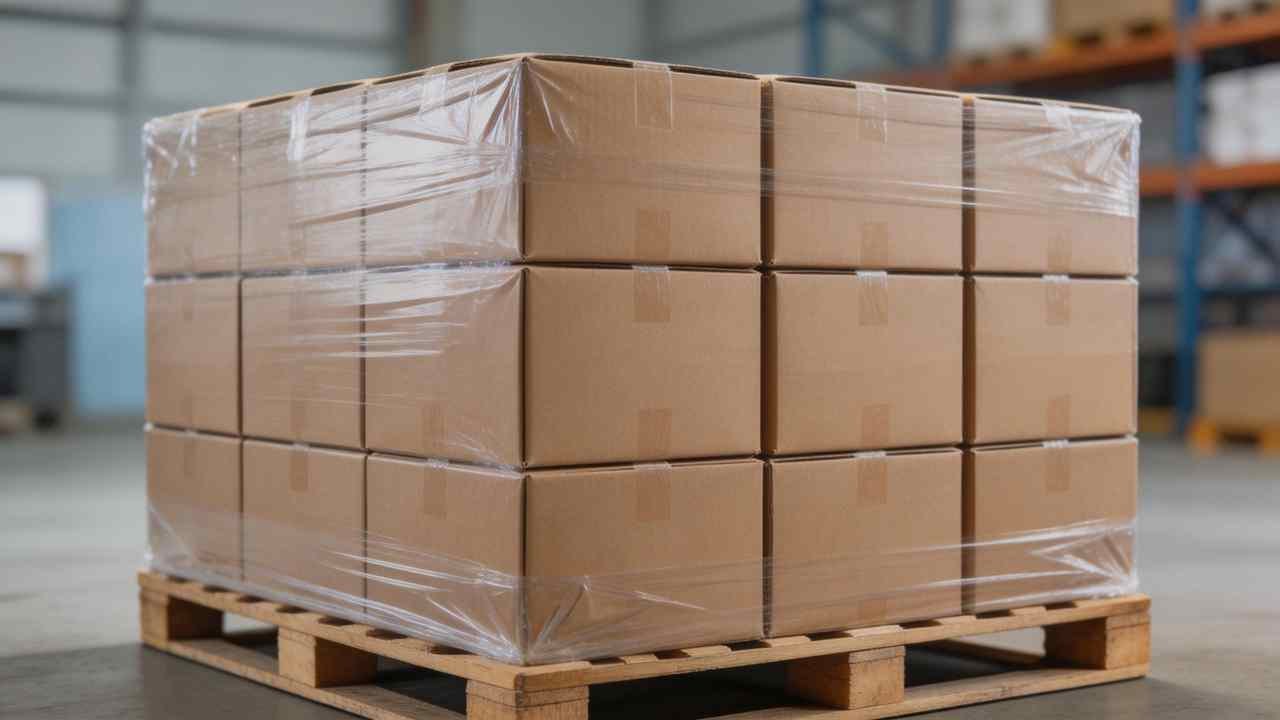
Export packaging standards require 25kg multi-layer cartons or bags with heat-sealed PE liners. These units are placed on pallets and secured with heavy-duty shrink wrap. This structure provides a barrier against light, moisture, and physical impact during international shipping.
Multi-Layer Protection Systems
I use 25kg corrugated cartons for most of my international shipments. These cartons provide a strong outer layer that resists crushing. Inside the carton, I use two layers of polyethylene (PE) liners. These liners are heat-sealed to be airtight. Sodium Erythorbate is very sensitive to air. If it oxidizes, the white crystals turn yellow. This changes the color of your food products and reduces effectiveness. The double-liner system is a standard requirement for my export orders. It provides a dry and dark environment for the powder. This protection is especially important for my clients in humid regions like Malaysia and Vietnam.
For large-scale food processors, I also offer 25kg multi-layer kraft paper bags or jumbo bags for buyers who have automated mixing systems. However, for most wholesale orders, the 25kg carton remains the most popular choice. It is easy for workers to handle and stack. We never ship cartons individually for sea freight; we always use pallets. We place 40 cartons on one pallet and then use a stretch wrap machine to secure them. This prevents the cartons from shifting when the ship moves. I also use corner protectors to keep the pallet stable. This makes unloading much faster for your warehouse team.
Export Packaging Components
| Component | Material | Function |
|---|---|---|
| Inner Liner | Double-layer PE | Moisture and Air Barrier |
| Outer Container | Corrugated Carton | Physical Protection |
| Pallet | Heat-treated Wood | Easy Mechanical Handling |
| Wrapping | LLDPE Stretch Film | Stability and Dust Protection |
How Can Exporters Handle International Sodium Erythorbate Orders?
Poor order management leads to supply chain gaps and late deliveries. This hurts your reputation with your customers. Efficient order handling is necessary to keep your business running smoothly and avoid manufacturing stops.
Handling international orders involves production planning, quality oversight, and logistics coordination. I manage the process by selecting the right factory batch, conducting lab tests, and booking reliable shipping lines. This end-to-end service ensures the product meets your specs and arrives on time.
From Planning to Dispatch
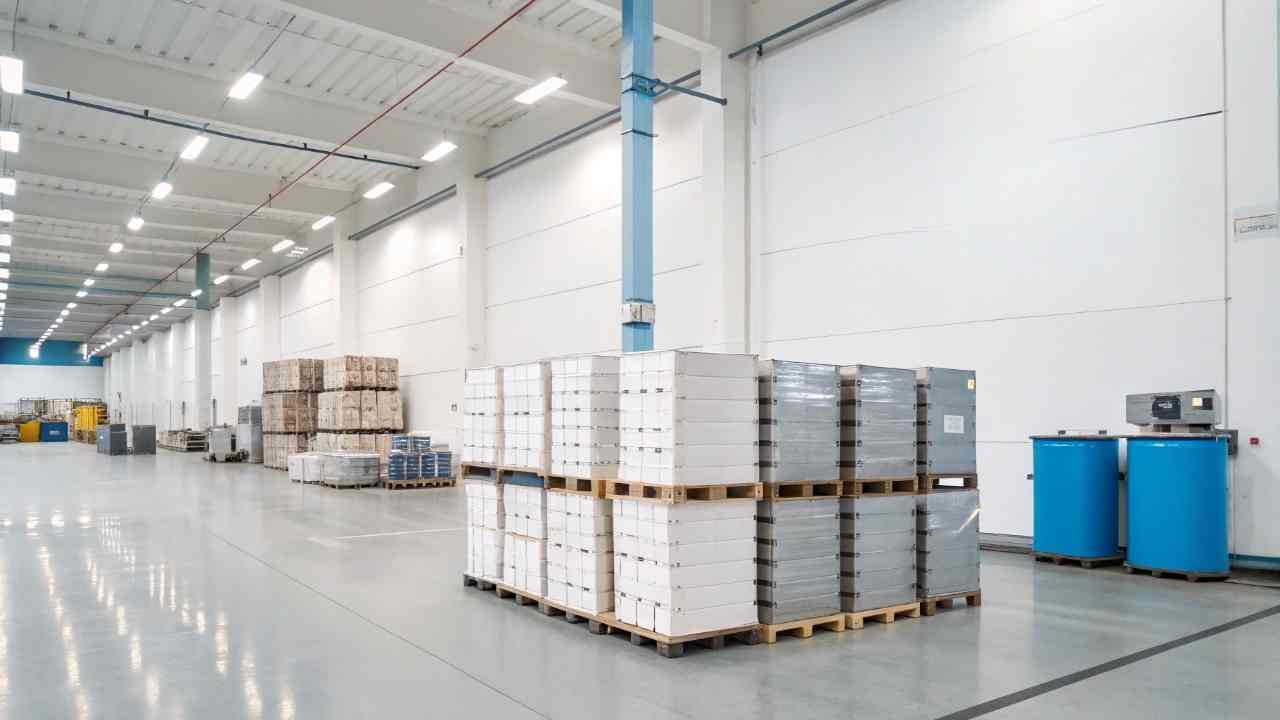
When I receive an order from a buyer in Korea or Russia, the first step is production planning. I work with factories that have the most recent production batches. This ensures the maximum shelf life for the product. I oversee the production to make sure the assay levels and heavy metal counts are perfect. I also conduct an internal lab test before the bags are packed. This double-check system allows me to guarantee quality to my clients. I also handle the customization of the order, such as specific mesh sizes or special markings on the bags.
Logistics is the most complex part of handling an international order. I book the shipping space at least two weeks in advance. This ensures we get a spot on a fast vessel. I also coordinate the inland transport from the factory to the port of Qingdao Port5 or Tianjin. I provide my clients with regular updates on the status of their order. I send photos of the production, the packaging, and the container loading. This transparency helps the buyer plan their own sales and inventory. I am always available to answer questions about the shipment to ensure a reliable partnership.
Order Management Stages
| Stage | Key Action | Benefit |
|---|---|---|
| Planning | Batch Selection | Fresh stock / Max shelf life |
| Production | Quality Oversight | Reliable technical specs |
| Testing | Lab Check | No quality surprises |
| Logistics | Vessel Booking | On-time delivery |
| Reporting | Status Updates | Better inventory control |
How Do Trade Agreements Impact Sodium Erythorbate Prices?
High import duties make your raw materials too expensive. This reduces your profit margins and makes it hard to compete. Trade agreements are a powerful tool to lower your costs and improve your business results.
Trade agreements, such as RCEP and ASEAN-China deals, reduce or remove import duties on Sodium Erythorbate. These agreements lower the total landed cost for buyers. By providing a formal Certificate of Origin, I help my clients take advantage of these lower tax rates.
Leveraging Free Trade Areas
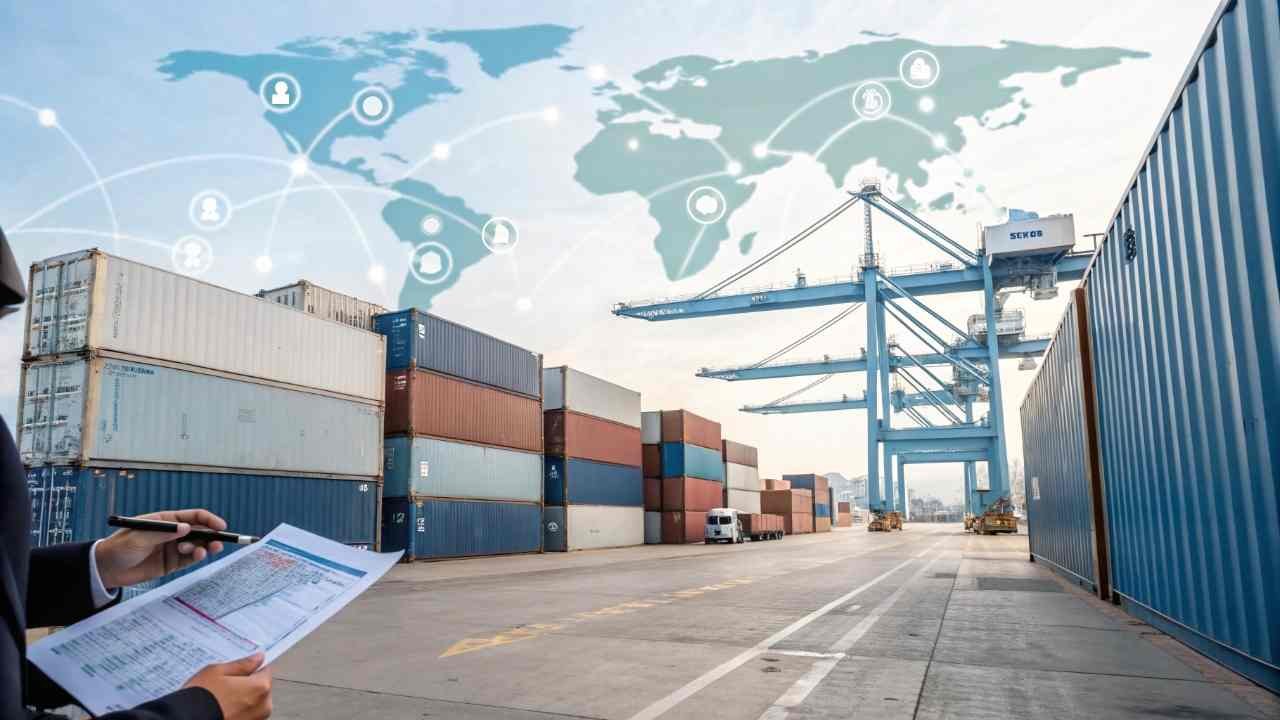
Many of my clients in Southeast Asia, such as Indonesia and Vietnam, benefit from the ASEAN-China Free Trade Agreement. Under this deal, the import duty for Sodium Erythorbate can be as low as 0%. To get this rate, I must provide a "Form E" Certificate of Origin. This document is issued by the Chinese government and proves that the product was made in China. I handle all the paperwork to get this certificate for every shipment. This saves my clients a lot of money on every ton they buy and makes the Chinese product more competitive.
The Regional Comprehensive Economic Partnership (RCEP)6 is another important agreement that includes countries like Korea and Japan. This deal simplifies the rules of origin and reduces the administrative work for exporters. I stay updated on these trade deals to help my clients get the best possible price. By lowering the tax burden, these agreements allow wholesalers to offer better prices to their own customers. Trade agreements also help stabilize the supply chain by providing clear rules and lower risks for the buyer. I focus on these financial details to give my buyers a competitive advantage in their local food additives market.
Trade Agreement Benefits
| Agreement | Regions | Impact on Duty |
|---|---|---|
| ASEAN-China FTA | China and SE Asia | Duty as low as 0% |
| RCEP | China, Korea, Japan | Duty reduction / Simpler rules |
| Bilateral Deals | Specific Country Pairs | Target tax reductions |
| WTO MFN | Global | Standard low tax rates |
Conclusion
Exporting Sodium Erythorbate involves complex documentation, strict customs rules, and high packaging standards. I manage these variables to ensure your wholesale orders arrive safely and at a competitive price.
-
MSDS requirements are defined under global hazard communication standards to ensure safe handling and transport of chemical products. ↩
-
EFSA is the official authority responsible for food additive safety evaluation and purity standards within the European Union. ↩
-
HS Code 293220 is used globally to classify lactones and related compounds for customs duty and trade statistics. ↩
-
The ASEAN–China Free Trade Area reduces or eliminates tariffs for qualifying goods traded between China and ASEAN member states. ↩
-
Qingdao Port is one of China’s largest export hubs for food additives and chemical products. ↩
-
RCEP is the world’s largest free trade agreement, streamlining rules of origin and reducing trade barriers across Asia-Pacific markets. ↩