Environmental taxes and supply chain audits now threaten your profit margins. Ignoring sustainability leads to legal risks and lost clients. I help you navigate green chemistry for long-term business growth.
Sustainability influences the phosphoric acid industry through energy-efficient thermal processes and advanced waste recycling. Key impacts include the repurposing of phosphogypsum waste, the use of renewable energy in production hubs, and strict compliance with global environmental regulations to ensure a stable, eco-friendly wholesale supply chain.
I manage factory selection and oversee production for my B2B clients at FINETECH. I want to share the technical facts about sustainability so you can build a more resilient and ethical supply chain for your food additives business.
What are eco-friendly production methods for Phosphoric Acid?
Traditional mining and processing damage the environment and your brand image. This negative impact can lead to consumer boycotts and lost sales. I track the most sustainable production paths in China today.
Eco-friendly production methods focus on heat recovery in thermal processing and low-waste wet-process technology. Modern plants use furnace heat for steam generation and implement closed-loop water systems. Integrated mining that restores local landscapes also defines a sustainable manufacturing approach for high-purity acid.
Energy Recovery and Green Power
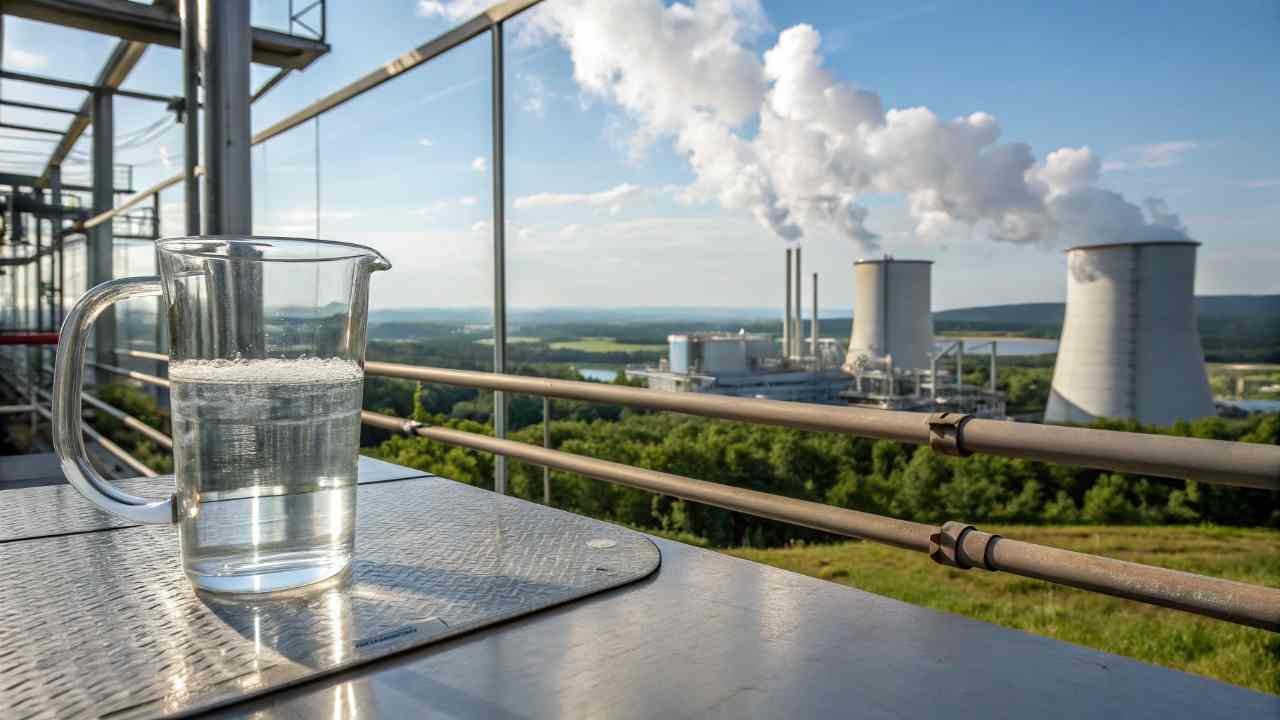
I see that energy use is the biggest challenge for sustainability in this industry. Traditional thermal furnaces eat a lot of power. This power often comes from coal. Modern Chinese plants are moving to "Green Electricity1" from hydro or solar sources. I visit plants in Yunnan where hydropower is common. These factories have a much lower carbon footprint. They also use "Heat Recovery Systems." When the phosphorus burns, it creates a lot of heat. Efficient factories use this heat to make steam for other parts of the plant. This reduces the total energy needed for every ton of acid. I act as your technical gatekeeper to find these efficient producers.
The second method is the "Purified Wet Process." This method uses less energy than the thermal process but creates more waste. To make it sustainable, factories must use better chemicals for solvent extraction. I look for factories that recycle their solvents in a "Closed-Loop System." This means no chemicals leak into the local water supply. I check the water treatment logs on my factory visits. A sustainable factory treats its waste water until it is safe for the environment. This protects your supply from being stopped by environmental fines. I prioritize these high-tech plants for my wholesale clients. Using these methods ensures your supply is safe from future energy taxes.
Energy and Waste Efficiency Table
| Method Type | Energy Source | Waste Level | Sustainability Rank | FINETECH's View |
|---|---|---|---|---|
| Traditional Thermal | Coal Power | Moderate | Low | High carbon risk |
| Modern Thermal | Hydro / Solar | Low | High | Best for ESG goals |
| Standard Wet | Chemical / Coal | Very High | Low | High waste risk |
| Purified Wet | Chemical / Gas | Moderate | Moderate | Good middle ground |
| Closed-Loop Wet | Renewable | Low | High | Excellent for bulk |
| Recycled Source | Urban Mining | Very Low | Extreme | Future technology |
How can waste be reduced in Phosphoric Acid production?
Accumulating chemical waste creates huge environmental liabilities and potential government fines. This waste threatens your supplier's business continuity and your stock security. I identify factories that prioritize waste-to-resource technology for your safety.
Waste is reduced by repurposing phosphogypsum for use in construction materials and road building. Modern factories also capture fluorine gas during the reaction to produce aluminum fluoride. These circular economy practices minimize landfill use and lower the total environmental footprint of every ton produced.
The Circular Economy in Chemical Plants
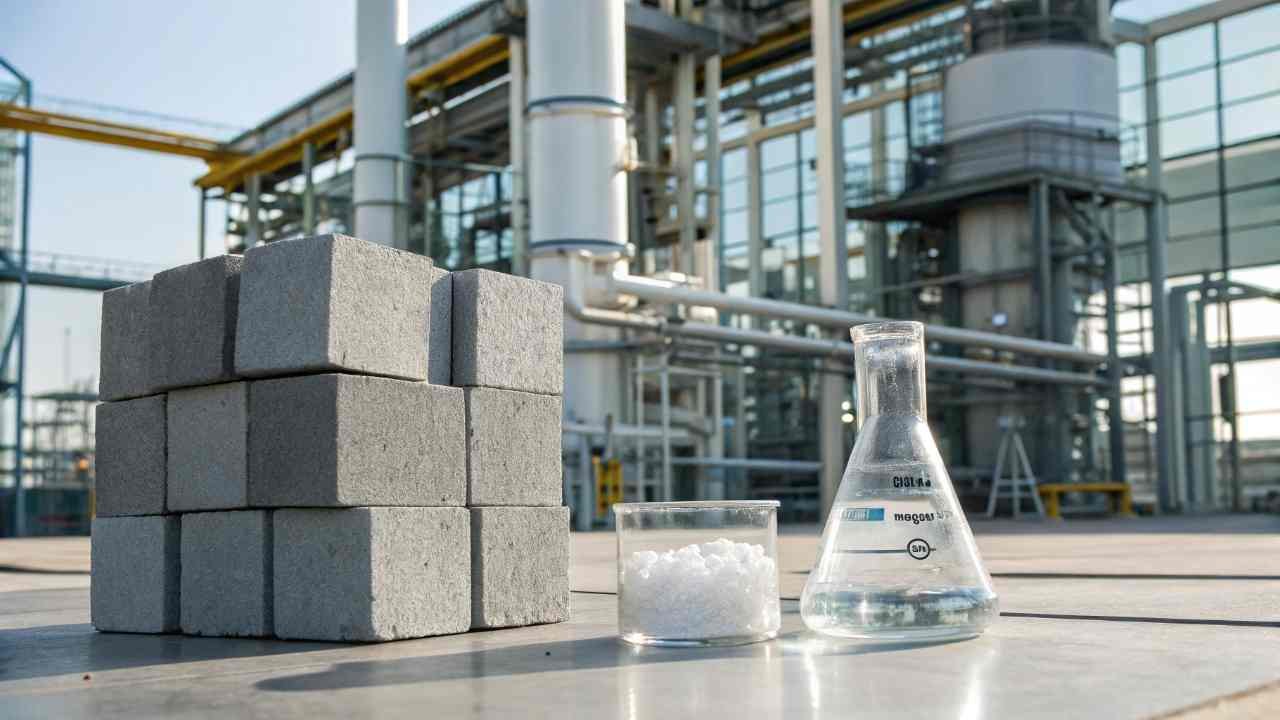
I see that phosphogypsum2 is the largest waste problem in our industry. For every ton of phosphoric acid made by the wet process, the factory makes five tons of gypsum waste. In the past, factories just piled this waste in mountains. This is now illegal in many parts of China. I work with factories that have built "Gypsum Transformation" plants. They turn this waste into plasterboard for houses or cement for roads. This "Circular Economy3" model is very important. It means the factory does not run out of storage space. If a factory runs out of space, the government will stop their production. I monitor these waste levels to ensure your supply never stops.
Fluorine recovery is the second technical waste solution. When phosphate rock reacts with acid, it releases fluorine gas. This gas is toxic and dangerous. Modern plants use "Scrubbers" to catch this gas. They then turn it into valuable chemicals like Aluminum Fluoride for the aluminum industry. This turns a waste problem into a profit center. I visit the gas treatment sections of our partner plants to verify these systems. I also check for "Slag Recycling" in thermal plants. The solid waste from the furnace can be used to make glass or bricks. I act as your strategic partner to find factories that waste nothing. This level of efficiency leads to more stable pricing for your wholesale orders.
Waste-to-Resource Table
| Waste Product | Traditional Action | Sustainable Use | Technical Benefit |
|---|---|---|---|
| Phosphogypsum | Landfill Piles | Cement / Wallboard | Prevents soil pollution |
| Fluorine Gas | Air Emission | Aluminum Fluoride | Prevents air toxicity |
| Furnace Slag | Landfill | Construction Glass | Saves mining resources |
| Tail Heat | Released | Steam Generation | Lowers total energy cost |
| Process Water | Discharge | Irrigation / Recycle | Saves local water |
| Acidic Sludge | Neutralization | Fertilizer Base | Recovers phosphorus |
Why do buyers care about sustainable Phosphoric Acid sourcing?
Consumers now demand transparent and ethical supply chains for every food ingredient. Sourcing "dirty" chemicals puts your final food product at risk of bad publicity. I help you meet your ESG goals through audited and sustainable factories.
Buyers care about sustainable sourcing to protect their brand reputation and meet ESG requirements. Sustainable sourcing reduces the risk of supply chain breaks caused by environmental shutdowns. It also ensures long-term compliance with increasingly strict global trade policies and retail standards for food additives.

Protecting Brand Reputation and Compliance
I see that my clients in Europe and the Middle East face a lot of pressure from their customers. Consumers want to know if their cola or processed meat was made with respect for the planet. If you use phosphoric acid from a factory that pollutes local rivers, your brand will suffer. I act as your eyes in China to prevent this. I only select factories that have a clean environmental record. This protects you from "Greenwashing" accusations. Many large food companies now have "ESG Scorecards4" for their suppliers. I provide the technical data you need to get a high score on these audits.
Supply chain stability is another major reason to care. Environmental laws in China are getting stricter every year. If you source from a small, dirty plant, they might be closed tomorrow by a government inspector. This would leave you with no product to sell. I prioritize factories that have already invested in green technology. These factories are "Future-Proof." They are less likely to be shut down during an environmental audit. I monitor the provincial government reports to see which factories are on the "Green List." This is part of my technical service for B2B buyers. Sourcing sustainably is not just about being kind; it is about being smart and reducing your business risk.
| Stakeholder | Concern | Sustainable Solution | FINETECH's Role |
|---|---|---|---|
| End Consumer | Pollution / Health | Eco-certified supply | Provide factory audits |
| Retailer | ESG Scores | Transparent sourcing | Provide CSR documents |
| Regulator | Carbon Emissions | Low-energy production | Track energy certificates |
| Shareholder | Compliance Risk | Fully licensed plants | Audit environmental permits |
| Warehouse | Leakage / Safety | UN-approved packaging | Inspect tank integrity |
| Wholesaler | Supply Continuity | Modern, stable plants | Monitor gov shutdowns |
How does environmental regulation affect Phosphoric Acid supply?
Sudden "Blue Sky" policies in China can stop production overnight. This leaves your warehouse empty and your customers angry. I monitor these environmental laws to safeguard your bulk procurement plans and inventory levels.
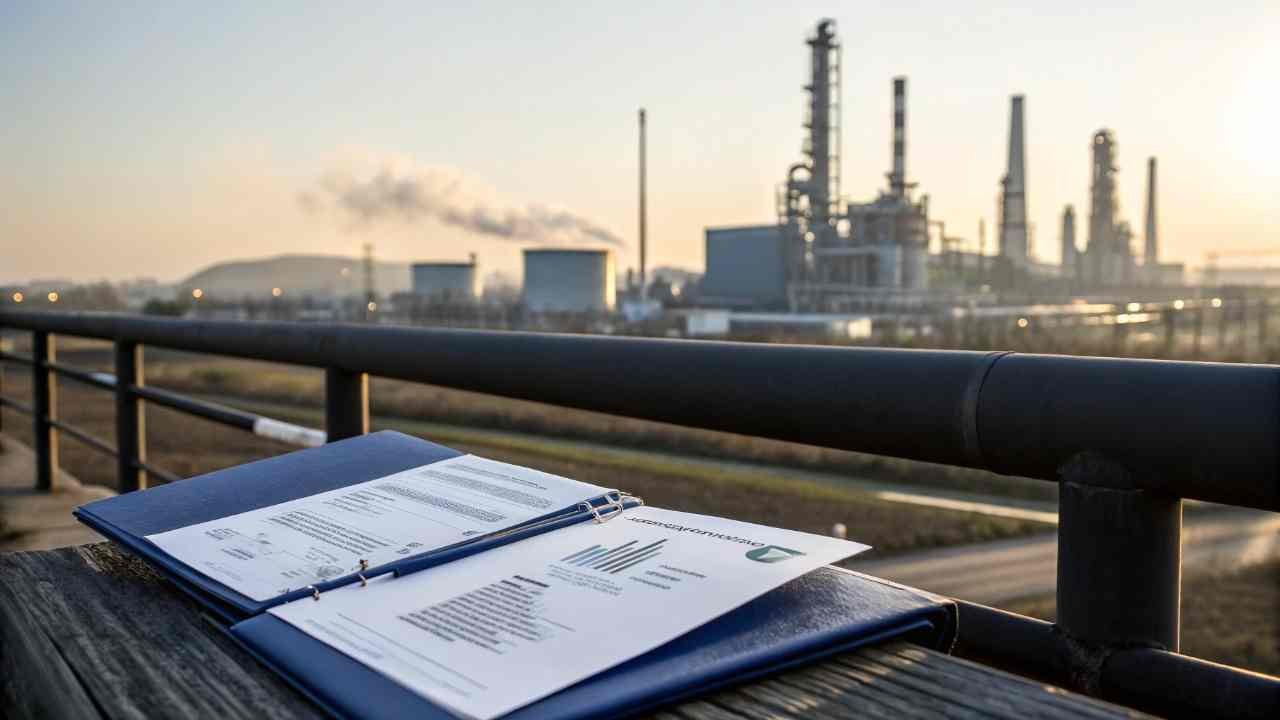
Environmental regulations affect supply by forcing the closure of inefficient, high-pollution plants. Strict emission limits and waste disposal laws in China lead to seasonal production halts. This reduces total market volume but ensures that the remaining supply comes from stable, compliant, and modern facilities.
Regulatory Pressure and Market Consolidation
I see that regulations are the biggest driver of market change in China. The "Three Phosphorus" campaign in the Yangtze River basin is a perfect example. The government inspected thousands of phosphate mines and plants. Many small factories that could not afford waste treatment were closed permanently. This led to a huge drop in total supply and a spike in prices. I act as your strategic partner to move your production to larger, state-backed plants. These plants are built to comply with the strictest laws. They are much safer for your long-term supply than small, independent producers.
Environmental taxes are also changing the pricing structure. In China, factories must pay taxes based on their air and water emissions. Sustainable factories pay less tax because they have better filters. This means their "Total Cost" stays competitive. Factories that pollute more must pay more tax, which raises their prices. I monitor these tax changes to help you understand the price trends in the market. I also watch for "Seasonal Closures." During winter, the government often orders heavy industry to stop production to reduce smog. I help my clients build a 30-day "Safety Stock" before these closures happen. This technical foresight is how I keep your business running while others are out of stock.
Regulation Impact Matrix
| Regulation Type | Target | Effect on Supply | FINETECH's Mitigation |
|---|---|---|---|
| Emission Limits | Air & Water | Closes old plants | Audit filtration systems |
| Waste Tax | Landfill waste | Higher prices for some | Use waste-recycling plants |
| Water Protection | River basins | Relocation of plants | Sourcing from inland zones |
| Power Rationing | High-energy use | Production stops | Use integrated plants |
| Export Quotas | Local supply | Limited global volume | Secure annual contracts |
| Safety Audits | Plant management | Temporary halts | Monitor audit schedules |
What certifications support sustainable Phosphoric Acid trade?
Unverified "green" claims are just marketing noise without proper documentation. You risk accusations of greenwashing without technical proof. I verify the certifications that prove a factory is truly sustainable and ethical.
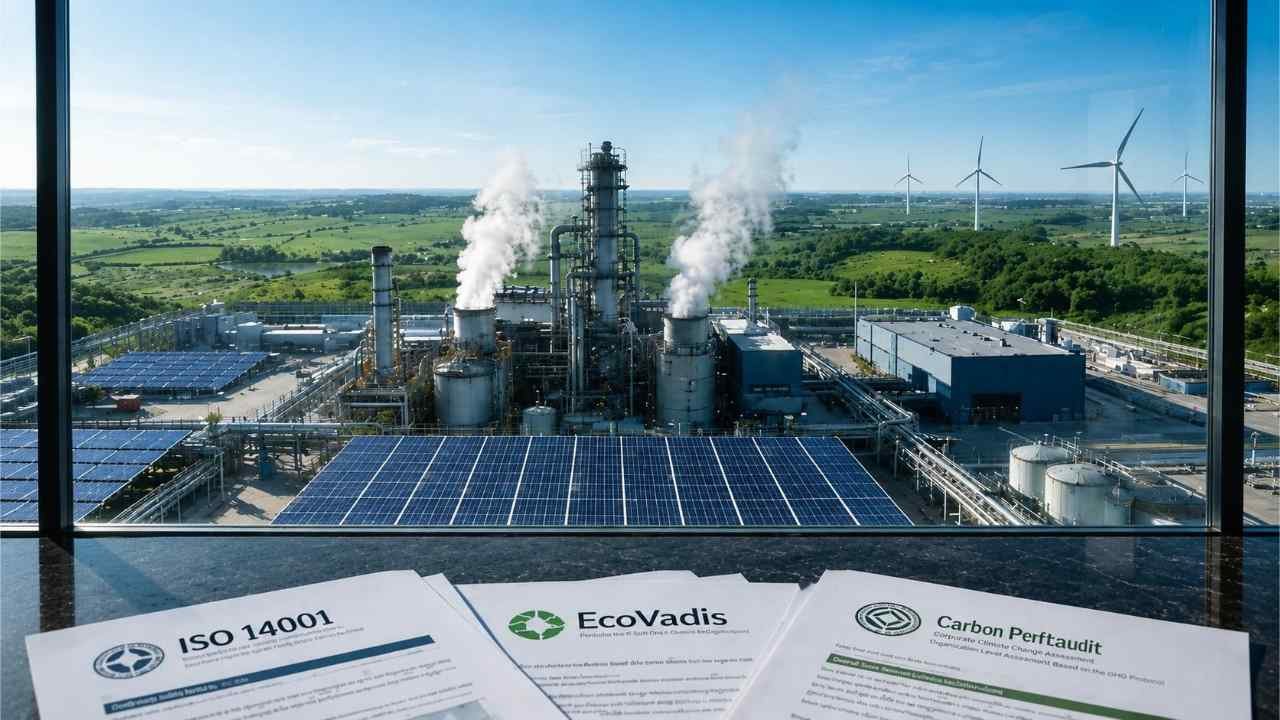
Key certifications include ISO 14001 for environmental management and EcoVadis for CSR performance. For food use, ISO 22000 and HACCP ensure safety. Carbon footprint labeling and third-party sustainability audits further support transparent and ethical trade in the global phosphoric acid market.
Verifying Environmental and Social Standards
I see that certifications are the "Trust Link" between a factory and a buyer. ISO 140015 is the most basic requirement. It proves the factory has a technical system to manage its environmental impact. I check these certificates for all our partner plants. But I also look for more advanced proof like "EcoVadis" ratings. These ratings look at labor rights, ethics, and sustainable procurement too. For my clients in the Middle East and Southeast Asia, these documents are vital for their corporate audits. I act as your technical office in China to collect and verify these papers before you sign a contract.
Carbon footprinting is the next big trend. Some of my high-end food clients now ask for the "CO2 per ton" of phosphoric acid. This is a technical calculation. It includes the energy used in mining, the power used in the furnace, and the fuel used for shipping. I work with factories that are beginning to track these numbers. We also look for "Responsible Sourcing" labels. These labels prove the phosphate rock was not mined in a way that destroyed local communities. I visit the factories twice a year to perform my own audits. I do not just trust the paper; I want to see the waste treatment plant with my own eyes. This is how I guarantee a truly sustainable product for your brand.
Essential Sustainability Certificates
| Certificate | Focus Area | Why it Matters | FINETECH's Verification |
|---|---|---|---|
| ISO 14001 | Environmental Mgmt | Proves basic compliance | Check valid date and body |
| EcoVadis | CSR / Ethics | Broad sustainability proof | Review score and report |
| ISO 22000 | Food Safety | Safe for human use | Audit production lines |
| HACCP | Risk Analysis | Prevents contamination | Check control points |
| CFP (Carbon) | Carbon Footprint | ESG reporting needs | Verify math and data |
| Green Plant | Gov Recognition | Top-tier sustainability | Check provincial lists |
Conclusion
Sustainability is transforming Phosphoric Acid production through energy efficiency and waste recycling. I manage these environmental factors at FINETECH to ensure your supply is stable, compliant, and ethical.
-
IEA (International Energy Agency) – Analysis of global renewable capacity and the transition to clean energy in industrial sectors. ↩
-
ScienceDirect – A scientific resource detailing the composition and environmental challenges associated with phosphogypsum waste in the fertilizer industry. ↩
-
Ellen MacArthur Foundation – A professional guide explaining the principles of circularity and waste elimination in global supply chains. ↩
-
MSCI – ESG rating methodology and how organizations measure the environmental and social impact of their suppliers. ↩
-
ISO – Official standards portal for the ISO 14001 framework, which specifies requirements for an effective environmental management system. ↩