
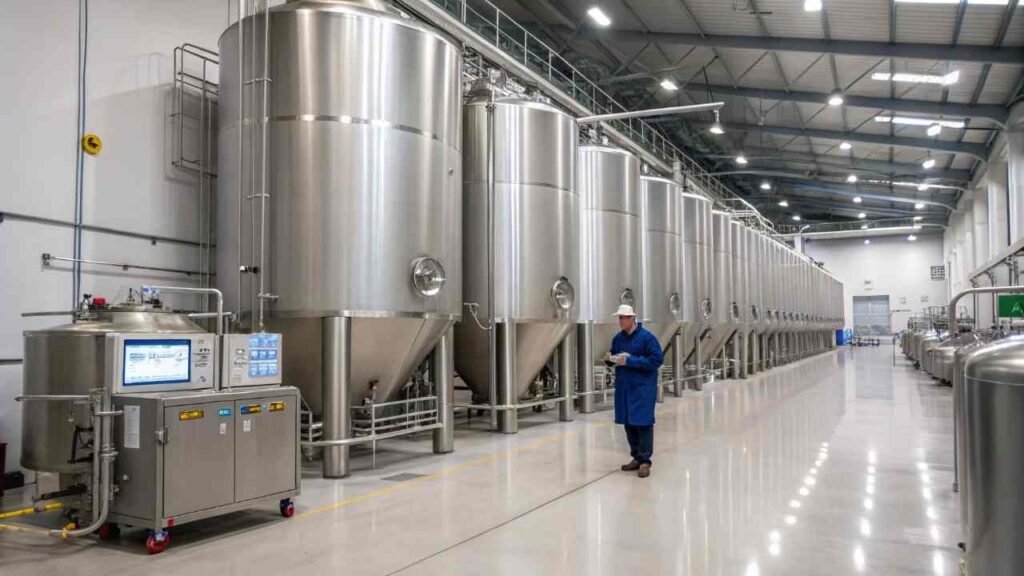
Sourcing bulk arginine without tracking global starch crops and regional fermentation capacities leads to sudden material shortages, inflated spot rates, and severe production deficits. Uncontrolled supply chains compress margins.
The global arginine series supply market is changing through the expansion of large-scale starch fermentation in China, the concentration of high-purity pharmaceutical output in Japan, rising feedstock volatility, and biological production risks that affect bioreactor availability.
Successfully navigating the international raw materials trade requires a disciplined approach to analyzing global agricultural trends and manufacturing capacities. Importers must examine changing regional output dynamics to justify large-scale bulk procurement. Sourcing partners like FINETECH simplify factory checks, verify production compliance, and secure competitive pricing directly in China to guarantee bulk deliveries. This guide explains how the global arginine series supply market is changing.
Which Countries Lead the Production of Arginine Series Products?
Procuring active amino acids from unverified regional suppliers increases the risk of logistics delays and specification mismatches. Unreliable sourcing channels disrupt planning. Targeting global production leaders ensures supply.
China leads global arginine production for food and feed grades due to its massive agricultural starch processing, while Japan remains a primary producer of high-purity pharmaceutical-grade arginine series products.
Dive Deeper into Starch Fermentation Hubs and Pharmaceutical Manufacturing
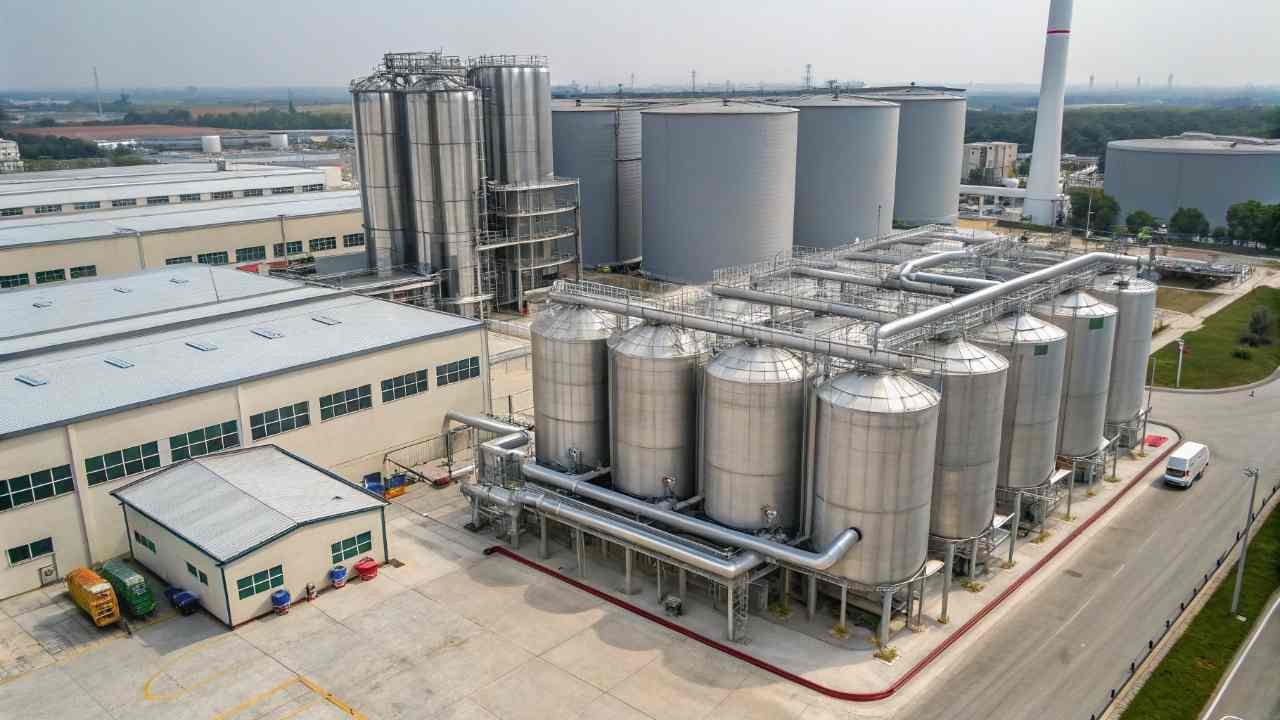
The global manufacturing footprint for the arginine series—including L-Arginine base, L-Arginine HCl, and specialized derivatives like AAKG—is highly concentrated within a few key geographical regions. China stands as the undisputed volume leader, controlling over seventy percent of global manufacturing capacity. This dominant position is supported by massive industrial fermentation zones located in agricultural provinces such as Ningxia, Inner Mongolia, and Hebei. Large-scale Chinese producers, such as Meihua Holdings and Hebei Huayang, utilize abundant local corn starch and glucose feedstocks to run continuous bioreactors1, making China the primary exporter of food-grade, feed-grade, and increasingly refined pharmaceutical-grade arginine.
While China leads in total volume, Japan remains a highly influential producer, particularly for premium, ultra-pure pharmaceutical-grade arginine used in medical injectables, clinical nutrition, and advanced infant formulas. Legacy Japanese producers, such as Ajinomoto, maintain strict quality control protocols and hold extensive Drug Master Files (DMF) across global markets. However, Western importers face rising costs when sourcing exclusively from Japan or domestic repackagers, driving many to approve high-tier Chinese manufacturers that have upgraded their plants to satisfy international pharmacopoeia monographs. Sourcing partners like FINETECH help buyers navigate this regional landscape, auditing Chinese fermentation facilities to secure compliant, cost-effective volume allocations.
| Manufacturing Region | Market Capacity Status | Primary Grade Specialty | Sourcing Advantage |
|---|---|---|---|
| China | Global volume leader | Food, Feed, and Pharma grades | Lowest wholesale bulk pricing |
| Japan | High-end specialized | Pharma-grade USP, JP monographs | Superior chemical purity profiles |
| United States | High compliance, high cost | Clinical, high-purity excipients | Localized supply for US healthcare |
| Europe | Moderate growth, high value | Parenteral nutrition compounding | Complies with strict EU regulations |
What Factors Influence the Global Supply of Arginine Series?
Ignoring unstable corn starch prices and rising coal tariffs can leave your purchasing department vulnerable to sudden supplier surcharges. Unmonitored material costs compress margins. Monitoring supply variables protects budgets.
The global supply is heavily influenced by the pricing of agricultural feedstocks like corn and sugar cane, regional energy costs for fermentation steam, and strict environmental wastewater compliance laws.
Dive Deeper into Feedstock Economics and Environmental Auditing
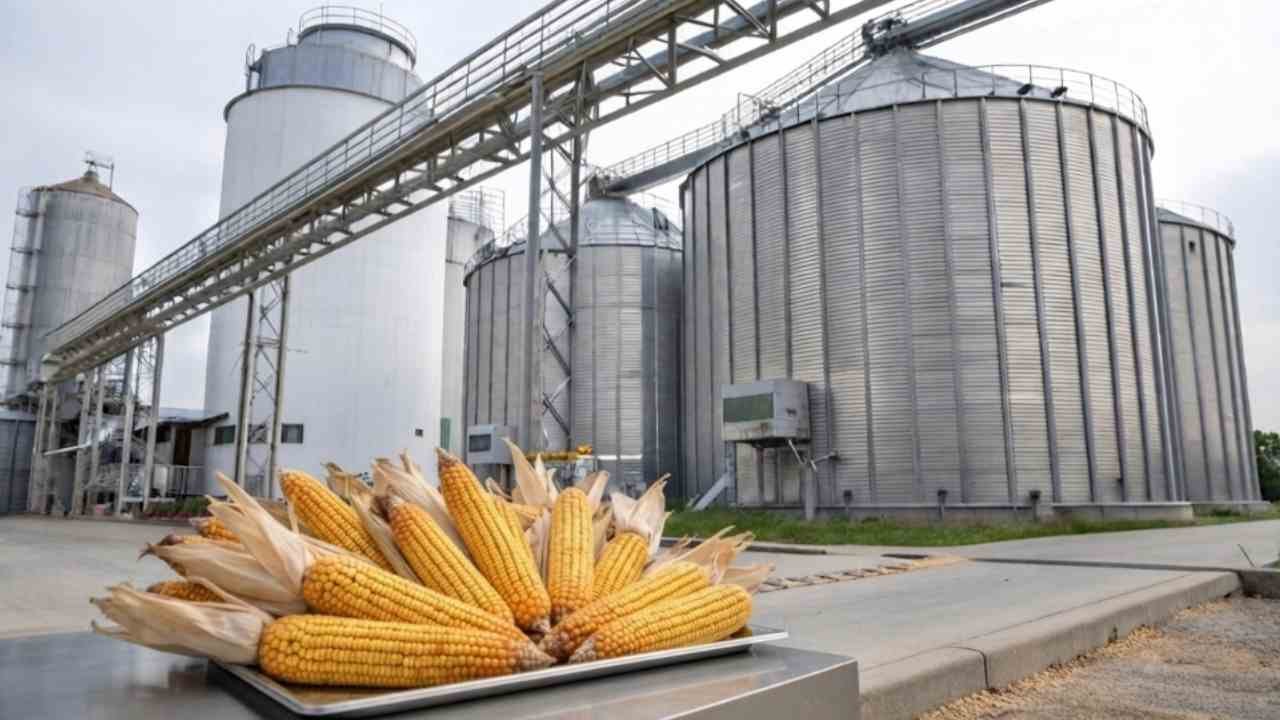
Evaluating the factors that shape the global supply of the arginine series requires an analysis of agricultural feedstock economics and industrial operating overheads. Unlike glycine, which is synthesized chemically from petrochemical precursors, L-Arginine is produced biologically via microbial fermentation2. The primary raw material cost is corn starch, glucose, or liquid sugar, which serves as the carbon source for the amino-acid-producing bacteria. Consequently, any price fluctuations in global grain and sugar markets—driven by weather patterns, crop yields, or biofuel demands—directly affect the baseline manufacturing cost of arginine.
In addition to feedstock inputs, the fermentation process is highly energy-intensive. Running massive bioreactors and sterilizing growth media require continuous steam and electricity. High coal or natural gas tariffs in manufacturing regions can quickly increase processing overheads. Furthermore, fermentation plants generate large volumes of organic wastewater and mycelium waste, making them primary targets for local environmental agencies. In China, strict environmental protection laws3 require factories to operate fully compliant waste treatment systems. Plants that fail to satisfy these standards face mandatory capacity reductions during regional pollution audits, instantly tightening spot supply. Sourcing partners like FINETECH mitigate these risks by pre-screening factories in China to ensure they operate sustainable, fully permitted environmental systems.
| Supply Chain Variable | Primary Raw Material | Downstream Impact | Strategic Sourcing Action |
|---|---|---|---|
| Starch Feedstocks | Corn starch / Sugar cane | Fluctuating manufacturing costs | Use index-linked pricing formulas |
| Energy Utility Tariffs | Coal, natural gas, electricity | Increases processing overheads | Partner with energy-stable plants |
| Environmental Audits | Wastewater treatment systems | Sudden factory shutdowns | Select modern, fully compliant plants |
| Precursor Shortages | Ammonia, liquid glucose | Lowers overall bioreactor yields | Pre-allocate safety cargo reserves |
How Does Fermentation Capacity Affect Arginine Series Availability?
Underestimating biological production risks in large bioreactors can leave your business vulnerable to sudden manufacturing stops and delayed shipments. Biological instability halts logistics. Monitoring industrial capacities ensures volume.
Fermentation capacity dictates availability because arginine is produced biologically, meaning bioreactor allocation choices by major chemical conglomerates and biological strain vulnerabilities directly control spot-market volumes.
Dive Deeper into Bioreactor Allocations and Biological Strain Risks
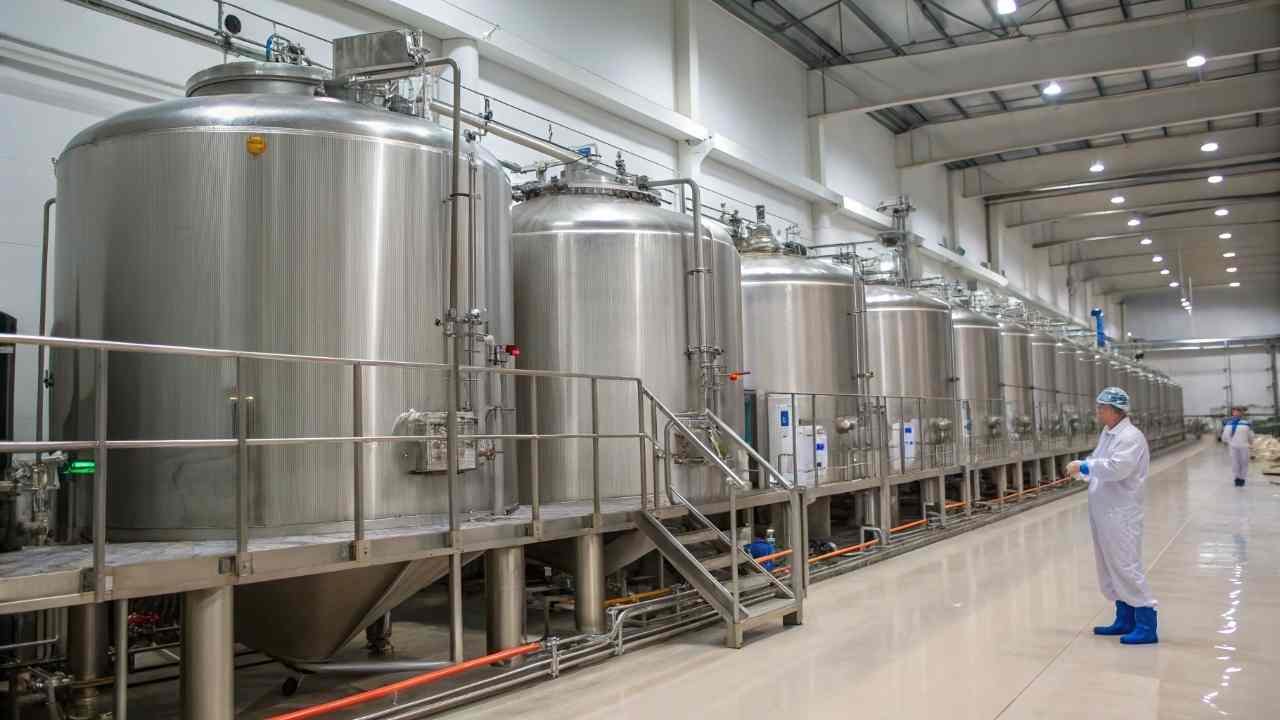
Because L-Arginine is produced exclusively through biological fermentation, its market availability is highly sensitive to bioreactor capacity allocations and biological production risks. Large-scale amino acid manufacturers operate multi-purpose fermentation lines that can be switched to produce different amino acids—such as L-Lysine, L-Threonine, L-Tryptophan, or L-Valine—depending on which compound offers the highest profit margins. If the demand and pricing for livestock feed lysine spike, producers may choose to allocate more bioreactor volume to lysine production, reducing the capacity available for arginine and causing a sudden tightening of global arginine supplies.
Furthermore, biological fermentation is vulnerable to strain-specific production risks. The specialized bacteria strains used to synthesize arginine are highly sensitive to genetic mutation and bacteriophage (viral) contamination4. If a bacteriophage infection enters a factory's fermentation tanks, it can destroy entire cultures, halting production lines for weeks while the bioreactors are thoroughly sterilized and re-inoculated. This biological vulnerability can cause sudden, unpredicted supply gaps that cannot be resolved quickly. Sourcing partners like FINETECH help buyers manage these industrial vulnerabilities by monitoring factory production plans and raw materials allocations in China, providing early warnings to help importers secure volume before biological shutdowns affect market availability.
| Fermentation Variable | Manufacturing Dynamic | Supply Risk Impact | Buyer Mitigation Strategy |
|---|---|---|---|
| Bioreactor Switching | Multi-purpose production lines | Sudden capacity drops for arginine | Secure long-term volume contracts |
| Phage Infection | Bioreactor contamination | Halts output for deep sterilization | Qualify alternative production plants |
| Strain Performance | Variable biological mutation | Lowers active extraction yields | Monitor batch consistency logs |
| Media Formulation | Starch and nitrogen ratios | Fluctuating manufacturing speeds | Partner with highly integrated plants |
What Supply Chain Risks Should Arginine Series Buyers Consider?
Relying on single-source suppliers exposes your business to immediate line shutdowns during regional agricultural failures or ocean shipping crises. Unmitigated trade risks compromise sales. Identifying logistics threats preserves operations.
Buyers must evaluate key supply chain risks including feedstock price spikes, biological contamination of fermentation batches, sudden environmental emission restrictions, and volatile international container freight rates.
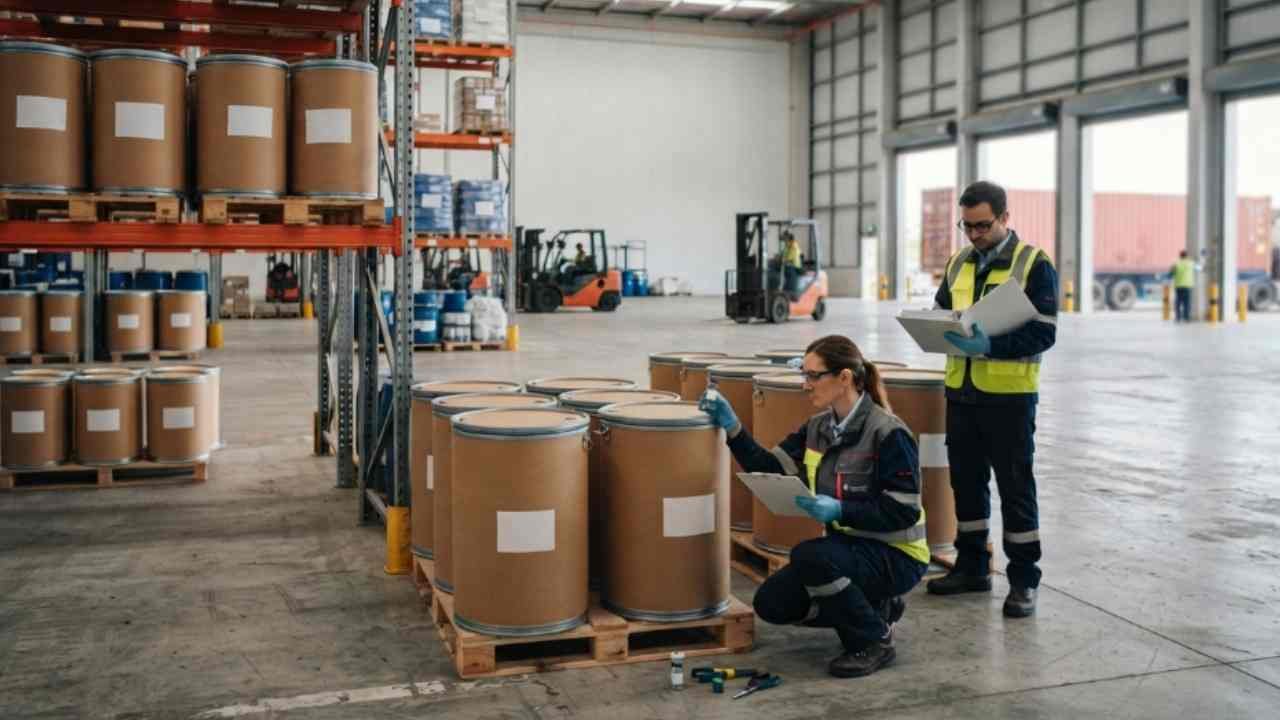
Dive Deeper into Crop Failures and Geopolitical Trade Barriers
Procurement managers must identify and mitigate a variety of complex risks within the arginine series supply chain to protect their manufacturing lines from costly disruptions. The primary biological risk is crop failure. Since arginine fermentation depends on starch, extreme weather events or pest infestations in major corn-producing regions can reduce agricultural outputs, driving up glucose costs and forcing chemical plants to scale back production. This agricultural dependency makes the supply chain highly vulnerable to global climate events.
In addition to raw material constraints, international trade policies and geopolitical tensions represent a significant risk. Importers in the United States and Europe must navigate complex tariff frameworks and strict customs compliance audits. For instance, exporting chemicals from Asian hubs requires strict GHS safety labeling, up-to-date REACH registrations5 for European ports, and precise country-of-origin documentation to avoid unexpected anti-dumping duties. Finally, volatile maritime shipping rates and route disruptions can delay shipments by weeks, causing cargo caking due to prolonged heat exposure inside containers. Sourcing partners like FINETECH protect international buyers from these risks by verifying shipping labels, checking REACH compliance, and auditing packaging configurations in China to ensure that the arginine arrives safely and clears customs without delays.
| Sourcing Risk Group | Primary Risk Impact | Sourcing Vulnerability | Buyer Prevention Strategy |
|---|---|---|---|
| Crop Failures | Spikes glucose feedstock costs | Inflates baseline arginine prices | Diversify to multi-starch producers |
| Trade Tariffs | Unexpected import duty charges | Lowers purchasing margins | Verify and trace product origin |
| Logistics Delays | Extended transit times | Causes powder caking in transit | Use double-lined bags with desiccants |
| Compliance Holds | Custom clearance port rejections | Stops cargo at destination | Pre-audit REACH and GHS labels |
How Can Buyers Secure a Reliable Source of Arginine Series?
Purchasing bulk chemical compounds strictly on the spot market exposes your supply chain to extreme price volatility and sudden inventory gaps. Spot buys increase costs. Standardized controls secure consistency.
Buyers can secure a reliable source by qualifying alternative production plants, executing forward contracts with index-linked pricing, and partnering with local sourcing agents to manage direct factory logistics.

Dive Deeper into Multi-Sourcing and Sourcing Agent Partnerships
Establishing a resilient supply chain in a volatile chemical market requires moving away from short-term spot transactions toward long-term strategic planning. Because the global arginine market is highly consolidated, relying on a single manufacturing facility exposes your company to extreme supply risks if that factory experiences an environmental halt, raw material shortage, or biological batch failure. To mitigate this vulnerability, buyers must establish a multi-source supplier network, qualifying and approving alternative production facilities across different geographic provinces.
Furthermore, negotiating annual volume frame agreements with pricing formulas linked to transparent feedstock and energy indexes protects both parties from sudden market shocks. Sharing rolling demand forecasts with the chosen manufacturer also ensures that raw material safety stocks are pre-allocated during peak agricultural seasons. Working with a dedicated local sourcing representative is critical for managing these overseas relationships. Sourcing partners like FINETECH provide this essential local representation in China. They conduct physical audits of fermentation facilities, evaluate batch consistency logs, and manage pre-shipment composite sampling, helping international buyers secure a stable, high-purity, and highly competitive supply of arginine series products.
| Sourcing Action Plan | Sourcing Activity | Sourcing Operational Benefit | Expected Quality Outcome |
|---|---|---|---|
| Multi-Sourcing Plans | Approve alternative factories | Eliminates single-source failures | Continuous production stability |
| Annual Frame Contracts | Lock in volume allocations | Stabilizes prices against spikes | Consistent supply security |
| Forecast Sharing | Send rolling demand updates | Pre-allocates factory raw starch | Eliminates seasonal stockouts |
| Local Sourcing Experts | Partner with firms like FINETECH | Direct physical plant audits | Guarantees batch specification purity |
Conclusion
Securing a stable, high-quality supply of the arginine series requires tracking regional fermentation capacities, monitoring agricultural starch feedstocks, navigating complex trade tariffs, and utilizing local sourcing agents in China.
-
A peer-reviewed research paper in Fermentation evaluating optimization parameters, continuous nitrogen feeding regimes, and metabolic controls for L-arginine synthesis within industrial bioreactors. ↩
-
A peer-reviewed study available on PubMed Central (PMC) detailing genetic and pathway optimizations of Escherichia coli designed to enhance microbial fermentation of L-arginine. ↩
-
The official database of the Ministry of Ecology and Environment of the People's Republic of China, providing codified texts and implementation policies for national environmental protection laws. ↩
-
A peer-reviewed review paper in Pathogens detailing bacteriophage infection mechanisms, historical contamination cases, and decontamination guidelines for commercial bacterial fermentation processes. ↩
-
The official support and registration portal of the European Chemicals Agency (ECHA), outlining regulatory procedures and dossier submission steps for companies executing REACH registrations for imported chemicals. ↩