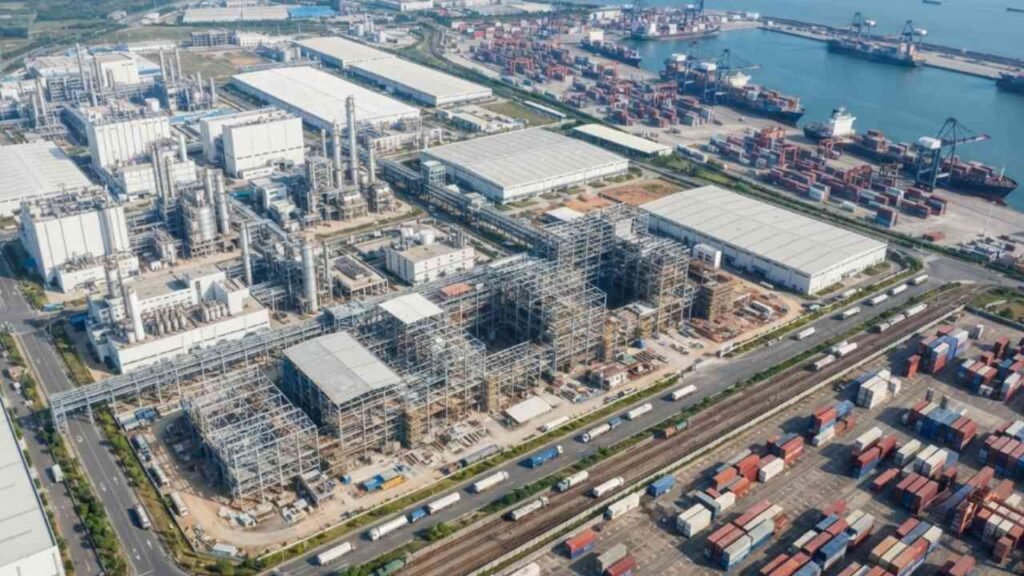
Ignoring macro shifts in global DL-Methionine manufacturing creates a highly vulnerable supply chain subject to unexpected logistics delays and inflated procurement costs. Unsecured procurement limits growth. Tracking capacity dynamics ensures stability.
The global DL-Methionine supply market is changing as China consolidates its position as the largest manufacturing nation, international leaders execute strategic capacity expansions in Singapore and Spain, and buyers navigate raw material volatility linked to geopolitical tensions and energy transitions.
Successfully optimizing chemical raw material sourcing requires a disciplined approach to analyzing international manufacturing trends. Sourcing managers must evaluate global output shifts to protect their commercial feed and food pipelines. Sourcing partners like FINETECH simplify factory checks, verify production compliance, and secure competitive pricing directly in China to guarantee bulk deliveries. This guide analyzes how the global DL-Methionine supply market is changing.
Which Countries Are the Major Producers of DL-Methionine?
Sourcing chemical amino acids from unverified regional brokers can expose your supply chain to sudden export restrictions and quality variations. Inconsistent sourcing channels strain operations. Targeting major production hubs secures volume consistency.
Major producers of DL-Methionine are highly concentrated in China, Singapore, Belgium, Spain, France, and the United States, with China representing the largest single producing region, controlling approximately forty percent of global manufacturing capacity.

Dive Deeper into Regional Manufacturing Centers and Hubs
The manufacturing of DL-Methionine is highly concentrated due to the complex, multi-step chemical synthesis required to produce the amino acid. The global supply landscape is dominated by a few key nations that possess the advanced industrial chemical infrastructure needed to handle hazardous precursors like methyl mercaptan1, acrolein, and hydrogen cyanide. China has emerged as the world's leading production base, accounting for approximately forty percent of total global capacity. Key Chinese manufacturers, such as NHU and Adisseo, run massive, highly integrated plants that supply both domestic and international markets.
In addition to China, Singapore has established itself as a critical world-scale hub. For instance, Evonik operates its largest integrated production complex on Jurong Island2, which recently expanded by 40,000 metric tons to reach an annual output of 340,000 metric tons. European countries, specifically Belgium (Antwerp), France, and Spain (Burgos), also represent major production centers. The United States, with major facilities located in Mobile, Alabama, remains a vital producer to satisfy North American livestock demands. Sourcing partners like FINETECH help B2B buyers navigate this regional distribution, connecting importers with certified plants in China to secure reliable, factory-direct shipments.
| Producing Country | Global Capacity Role | Key Local Manufacturers | Primary Sourcing Benefit |
|---|---|---|---|
| China | Largest global producer | Adisseo, NHU | Highly competitive bulk pricing |
| Singapore | High-volume Asian hub | Evonik Industries | Sustainable, large-scale output |
| Belgium | European gateway hub | Evonik MetAMINO | Strict quality standard compliance |
| United States | North American anchor | Evonik, Novus | Localized supply for US livestock |
What Factors Are Driving Demand for DL-Methionine?
Ignoring demographic dietary changes can cause feed blenders to miscalculate target stock requirements, resulting in severe seasonal shortages. Misjudged consumer trends disrupt raw material planning. Tracking protein consumption secures reserves.
DL-Methionine demand is driven by the global expansion of poultry and swine farming, the optimization of feed conversion ratios, rising consumer protein consumption in developing regions, and growing aquaculture feed supplementation.
Dive Deeper into Livestock Nutrition and Feed Conversion
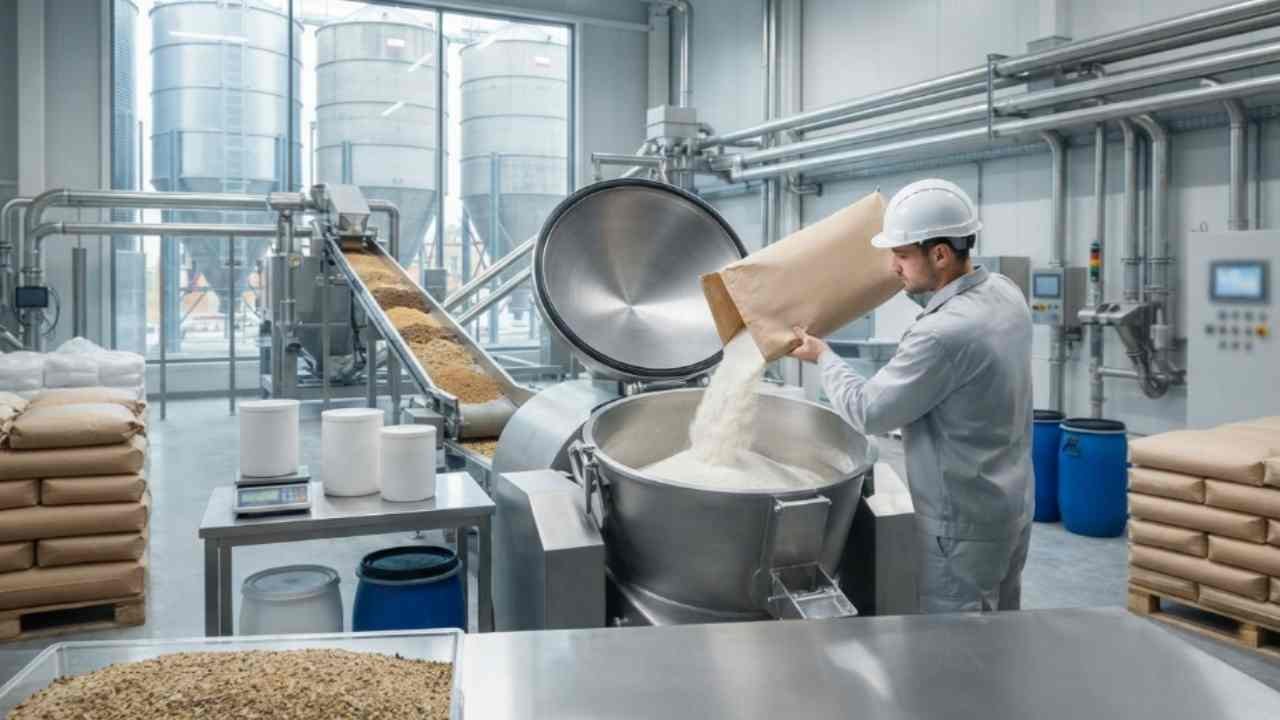
The sustained growth in global DL-Methionine consumption is fundamentally linked to the rising demand for animal protein in human diets. As populations and disposable incomes expand, particularly in Asia-Pacific and Latin America, meat consumption3 continues to rise, driving commercial livestock production. Because DL-Methionine is a sulfur-containing amino acid and typically the first limiting amino acid in poultry and aquaculture feeds, it is widely used as a critical ingredient to initiate protein synthesis.
To optimize the feed conversion ratio (FCR), commercial poultry feed manufacturers include synthetic methionine in approximately sixty-eight percent of broiler chicken feed formulations. By matching the precise amino acid requirements of animals, feed mills can reduce overall feed usage and lower nitrogen waste emissions, supporting environmental and cost-saving goals. The rapid growth of the aquaculture sector also represents a significant demand driver, as methionine is used to replace fishmeal with plant-based proteins without compromising fish health or growth. Sourcing partners like FINETECH help buyers monitor these livestock demand shifts, helping brands secure long-term raw material contracts before seasonal consumption surges drive spot prices upward.
| Demand Driver | Target Industry Segment | Chemical Role in Formulation | Expected Market Impact |
|---|---|---|---|
| Poultry Broilers | Commercial poultry feed | 1st limiting amino acid | High, consistent volume demand |
| Swine Nutrition | Swine production | Improves lean muscle building | Steady, year-round purchasing |
| Aquaculture | Aquafeed formulations | Replaces marine fishmeal | Rapidly growing specialty sector |
| Pharmaceuticals | Therapeutic compounds | Treats liver conditions | High-purity, premium-margin demand |
What Challenges Are Affecting the DL-Methionine Supply Chain?
Operating without a clear risk-mitigation plan exposes chemical buyers to sudden logistics delays and severe cost spikes at international borders. Unmonitored logistics risk delivery failures. Identifying supply chain disruptions safeguards cargo.
The supply chain faces challenges from volatile petrochemical precursor costs (acrolein, methyl mercaptan), geopolitical tensions affecting energy prices and trade routes, and temporary factory maintenance shutdowns during peak seasons.
Dive Deeper into Petrochemical Feedstocks and Energy Volatility
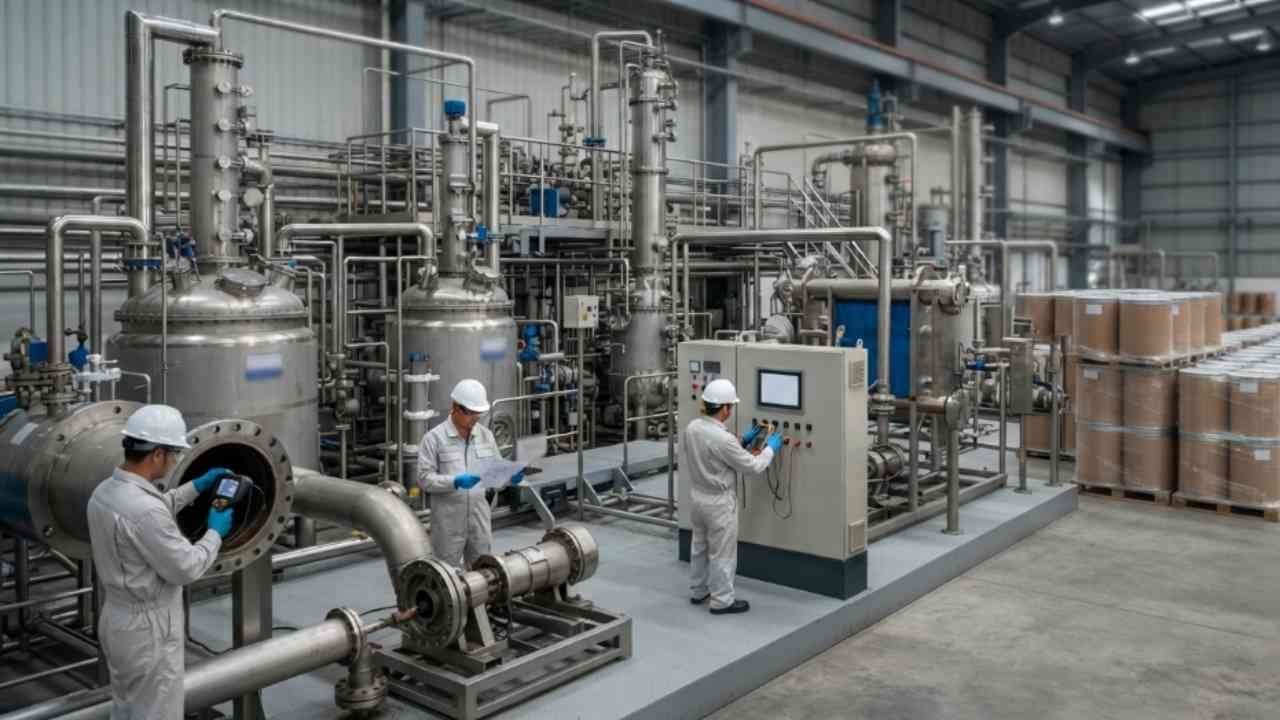
The international logistics of DL-Methionine are vulnerable to complex geopolitical, economic, and operational challenges. Unlike fermented amino acids that rely primarily on agricultural starches, DL-Methionine is produced through petrochemical synthesis, making its production cost directly dependent on crude oil and natural gas prices4. Geopolitical tensions in major transit corridors can drive up energy tariffs and basic chemical precursor costs, such as acrolein, methyl mercaptan, and hydrogen cyanide. These raw material fluctuations can force manufacturers to issue global price increases to maintain margins.
Additionally, the physical supply chain is subject to disruption from scheduled factory maintenance shutdowns. Because methionine production involves hazardous chemical reactions, manufacturing plants must conduct periodic safety tie-ins and equipment overhauls. For example, when a major Singapore complex scales back production for several months to complete upgrades, it can temporarily reduce global availability and tighten spot-market supplies. Sourcing partners like FINETECH mitigate these supply chain risks for importers. They coordinate with alternative, fully compliant factories in China to arrange pre-shipment quality checks and secure backup allocations, protecting buyers from unexpected logistics bottlenecks.
| Supply Chain Challenge | Primary Source Cause | Operational Impact | Sourcing Prevention Action |
|---|---|---|---|
| Precursor Volatility | Oil & gas price changes | Fluctuating wholesale prices | Use index-linked pricing formulas |
| Maintenance Stops | Scheduled safety tie-ins | Temporary output reductions | Pre-allocate cargo buffer stocks |
| Geopolitical Issues | Shipping route conflicts | High ocean freight tariffs | Optimize container consolidation |
| Emission Audits | Strict local environmental rules | Forced factory slowdowns | Source from modern green plants |
How Does Global Capacity Influence DL-Methionine Availability?
Relying on spot purchases during periods of tight global capacity leads to severe supply shortages and inflated purchase prices. Unmonitored capacity risks stock depletion. Tracking production volumes secures inventory.
Global capacity heavily influences availability due to the high concentration of production among a few leading chemical companies, meaning any brownfield expansion or factory halt directly alters international spot prices.
Dive Deeper into Industry Concentration and Capital Expansion
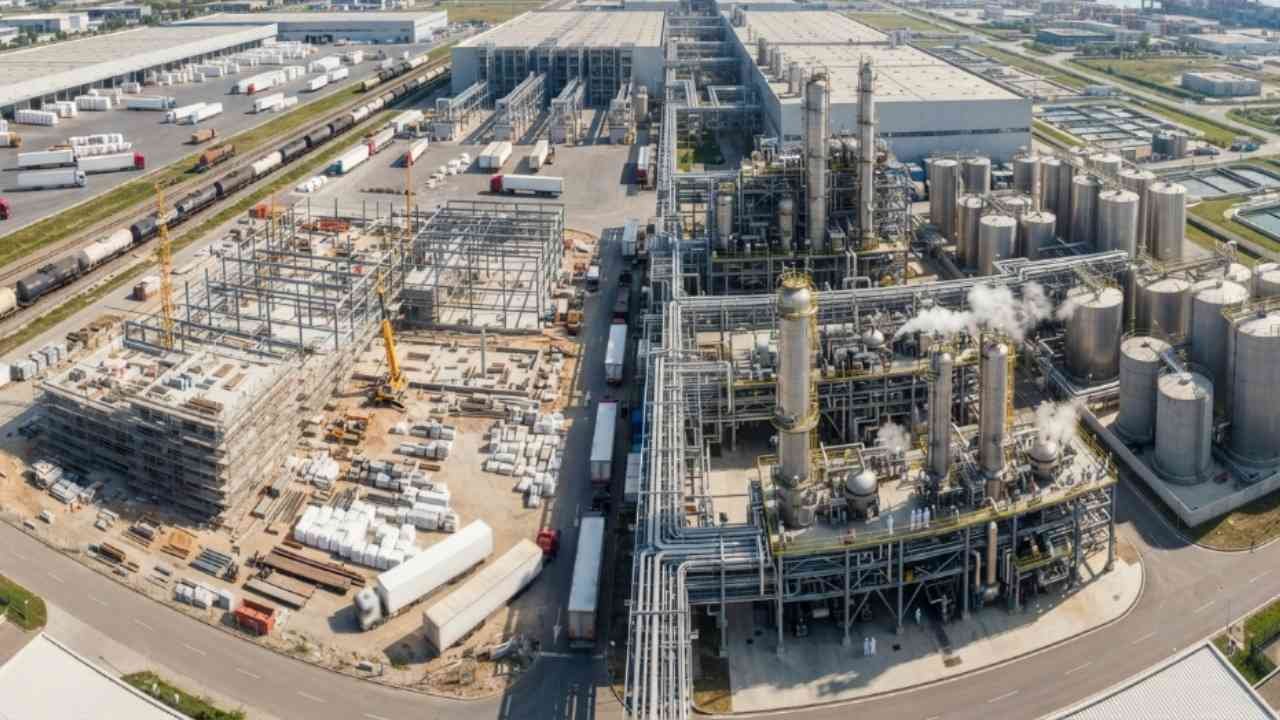
The global methionine industry is characterized by high market concentration, with the top few chemical manufacturers controlling a vast majority of global production volumes. Because establishing a new, integrated DL-Methionine synthesis plant requires massive capital expenditure, long regulatory approval timelines, and complex hazard management systems, new market entrants are rare. Consequently, global availability is heavily dependent on the operational status and strategic expansions of these established market leaders.
When leading companies execute strategic brownfield expansions, such as adding liquid or solid capacity in Nanjing, China, or Singapore, the global supply curve shifts, stabilizing market prices. Conversely, when multiple facilities schedule maintenance shutdowns in the same quarter, or when raw material constraints limit operations, the spot market can tighten rapidly, driving prices upward. Sourcing partners like FINETECH help B2B buyers navigate this highly concentrated market. By tracking global capacity expansions and factory output trends in China, they provide buyers with the market intelligence needed to secure large-scale allocations before capacity constraints affect global spot availability.
| Capacity Dynamic | Industry Influence | Market Pricing Impact | Sourcing Strategy |
|---|---|---|---|
| High Concentration | Top producers control volumes | Vulnerable to sudden spikes | Diversify factory approvals |
| Brownfield Expansion | Modest capacity additions | Stabilizes wholesale prices | Lock in long-term contracts |
| High Capital Barriers | Prevents new competitors | Protects market leadership | Build strong factory relations |
| Liquid Transition | Growing liquid capacity | Offers diverse formulation forms | Assess processing machinery compatibility |
What Should Buyers Know About the DL-Methionine Supply Market?
Purchasing bulk chemicals without understanding pricing structures and quality standards can lead to receiving off-spec materials and paying inflated broker markups. Uninformed purchasing strains capital. Understanding market mechanics protects margins.
Buyers must understand regional pricing structures (FOB and CIF terms), verify critical quality standards like racemic optical neutrality, demand feed-safety certifications (FAMI-QS), and utilize on-the-ground sourcing partners to navigate factory-direct procurement.

Dive Deeper into Sourcing Strategies and Local Verification
Navigating the global DL-Methionine supply market requires a comprehensive understanding of both commercial and technical parameters. Buyers must look beyond basic unit prices and evaluate the complete landed cost, analyzing spot prices on Free on Board (FOB) or Cost, Insurance, and Freight (CIF) terms. To ensure product efficacy and prevent manufacturing issues, importers must verify that the raw material meets strict quality specifications, including a minimum active assay of ninety-nine point zero percent and a maximum moisture content of zero point three percent.
Furthermore, buyers must verify that their suppliers hold active, globally recognized certifications, such as FAMI-QS5 for animal feed additives, FSSC 22000 for food safety, and Halal or Kosher standards for dietary applications. Partnering with an on-the-ground expert is critical to manage these variables. Sourcing partners like FINETECH provide this essential representation in China, which has become the primary production base for feed-grade amino acids. They negotiate direct factory contracts, verify active certifications, and manage pre-shipment quality checks, protecting international buyers from broker markups and ensuring consistent supply quality.
| Sourcing Factor | Critical Buyer Check | Sourcing Risk Solved | Value Delivered |
|---|---|---|---|
| Landed Cost | FOB vs CIF port pricing | Unexpected logistics fees | Predictable procurement budgets |
| Active Assay | Minimum 99.0% content | Low-potency active cargo | Accurate feed formulation dosage |
| Feed Safety | Active FAMI-QS certificate | Customs border rejections | Seamless import customs clearance |
| Local Agent | Partners like FINETECH | Inconsistent batch quality | Direct factory pricing and safety |
Conclusion
The global DL-Methionine supply market is experiencing significant shifts, driven by capacity expansions in China and Singapore, rising demand for precision livestock nutrition, and the need for secure, certified logistics channels.
-
This US Patent (US3833651A) provides technical details of the multi-step chemical synthesis of DL-methionine from precursors including methyl mercaptan and acrolein. ↩
-
Official announcement from the Singapore Economic Development Board (EDB) regarding the completion of Evonik's MetAMINO® (DL-methionine) facility expansion on Jurong Island. ↩
-
The official OECD-FAO Agricultural Outlook (2026–2035) providing comprehensive ten-year projections on global meat consumption, production, and trade dynamics. ↩
-
This market report by ChemAnalyst tracks real-time global methionine pricing and production costs against oil, natural gas, and petrochemical intermediate feedstock trends. ↩
-
The official regulatory portal of FAMI-QS, containing global feed safety codes of practice, audit checklists, and certification standards for specialty animal feed additives. ↩