
Neglecting shifts in global glycine production capacity causes sourcing teams to face unexpected tariff exposures, quality inconsistencies, and sudden raw material stockouts. Volatile channels limit growth. Identifying market trends secures inventory.
The global glycine supply market is evolving through the concentration of high-volume production in China, the exit of legacy Western manufacturing facilities, rising quality demands for pharmaceutical-grade excipients, and cost pressures driven by the agricultural glyphosate herbicide sector.
Successfully optimizing chemical raw material sourcing requires a disciplined approach to monitoring global capacity and trade dynamics. Sourcing managers must evaluate regional output shifts to protect their commercial feed, food, and pharmaceutical pipelines. Sourcing partners like FINETECH simplify factory checks, verify production compliance, and secure competitive pricing directly in China to guarantee bulk deliveries. This guide analyzes how the global glycine supply market is changing.
Which Countries Are the Leading Glycine Producers?
Sourcing specialized chemical compounds from unverified local brokers can expose your supply chain to sudden factory closures and quality variations. Inconsistent sourcing channels strain operations. Targeting major production hubs secures volume consistency.
The leading producers of glycine are concentrated in China, which controls over seventy percent of global capacity, with high-end pharmaceutical-grade output also supported by specialized manufacturers in Japan, Germany, and the United States.

Dive Deeper into Regional Manufacturing Capacities and Market Restructuring
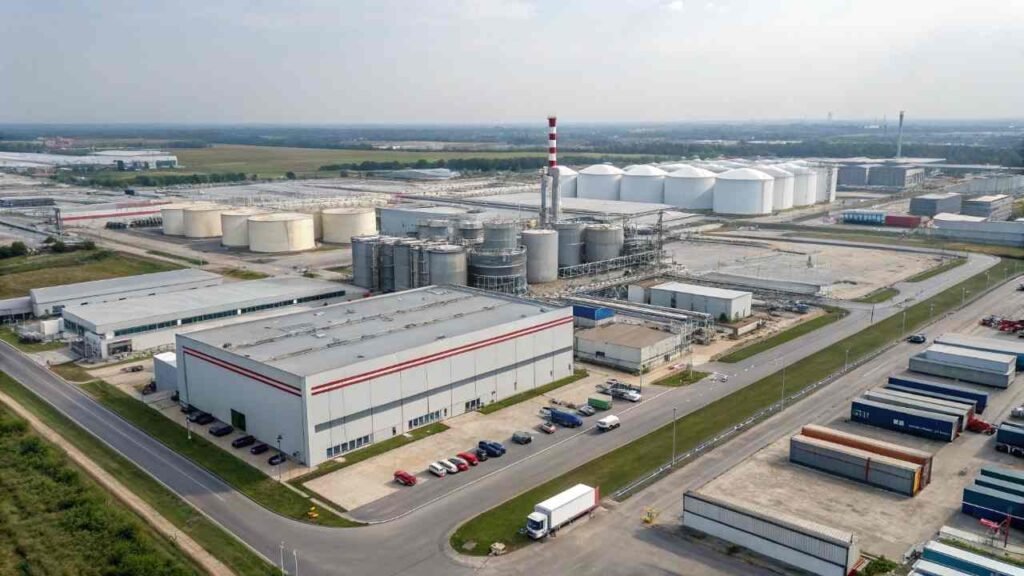
The global manufacturing landscape for glycine is highly centralized and undergoing a period of structural realignment. China stands as the undisputed global leader in glycine production1, controlling over seventy percent of the total global capacity. This dominant position is supported by fully integrated chemical manufacturing parks, particularly in provinces like Hebei, Hubei, and Shijiazhuang. Large-scale Chinese producers, such as Shijiazhuang Donghua Jinlong and Hebei Donghua Jiheng, operate massive industrial facilities capable of synthesizing tens of thousands of metric tons of both technical-grade and refined food, feed, and pharmaceutical-grade glycine annually.
Conversely, Western markets are experiencing a steady exit of domestic bulk capacity due to high operational, labor, and environmental compliance costs. This shift was highlighted by major restructuring initiatives among European and American chemical firms, which has further concentrated high-volume synthesis in Asia. While the United States and Germany maintain sophisticated manufacturing capabilities for premium, high-purity pharmaceutical-grade glycine used in specialized medical and biological formulations, these regions increasingly import tech-grade and food-grade bases to satisfy downstream demands. Sourcing partners like FINETECH help international buyers navigate this shifting landscape, connecting them directly with compliant, high-volume Chinese producers to secure reliable, factory-direct allocations.
| Producing Region | Market Capacity Status | Primary Grade Specialty | Sourcing Advantage |
|---|---|---|---|
| China | Global volume leader | Technical, Food, Feed, Pharma | Lowest wholesale bulk pricing |
| Japan | High-end specialized | Pharma-grade USP, JP monographs | Superior chemical purity profiles |
| United States | High compliance, high cost | Clinical, high-purity excipients | Localized supply for US healthcare |
| Germany | Strategic medical hub | Parenteral nutrition compounding | Complies with strict EU regulations |
What Factors Influence the Global Glycine Supply Chain?
Ignoring volatile petrochemical feedstock costs can leave your purchasing department vulnerable to sudden supplier surcharges and budget deficits. Unmonitored material costs compress operating margins. Tracking chemical precursors protects budgets.
The global supply chain is heavily influenced by the cost of petrochemical raw materials like monochloroacetic acid and ammonia, regional energy utility tariffs, and strict environmental emissions audits in major manufacturing zones.
Dive Deeper into Precursor Chemistry and Environmental Compliance
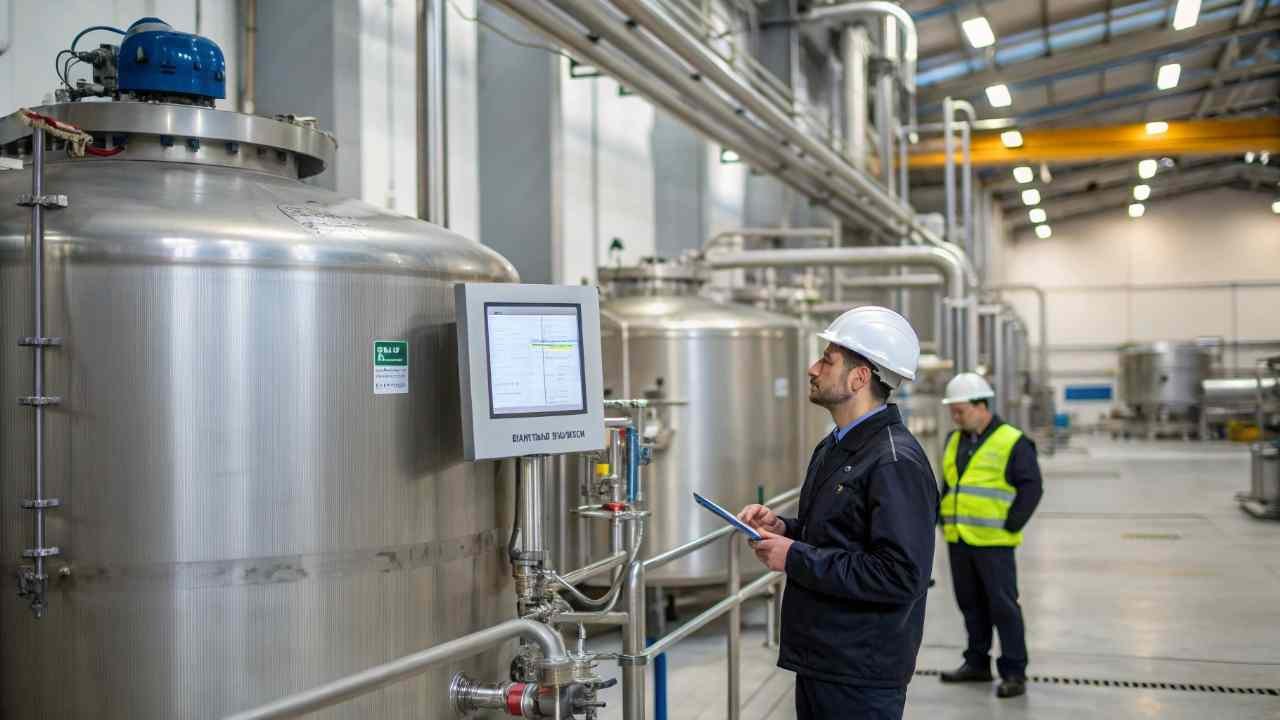
Understanding the variables that dictate glycine availability requires an analysis of upstream chemical feedstocks and manufacturing utility costs. The commercial synthesis of glycine relies predominantly on chemical processes, utilizing raw materials like monochloroacetic acid (MCA) and ammonia, or the Strecker process2 which combines formaldehyde, hydrogen cyanide, and ammonium chloride. Because these primary intermediates are derivatives of petrochemical and agricultural feedstocks, any price fluctuations in global natural gas, coal, or crude oil markets instantly affect the production cost of glycine.
Furthermore, environmental regulations play a critical role in supply chain stability. The synthesis of glycine generates high-chemical-oxygen-demand3 wastewater that contains concentrated nitrogen and salt residues. In major manufacturing hubs like China, environmental protection agencies conduct regular, strict emissions audits. Facilities that fail to operate modern, fully compliant waste treatment systems face immediate, mandatory production halts or capacity restrictions, which can instantly tighten spot-market availability and drive global prices upward. Sourcing partners like FINETECH mitigate these supply chain risks by pre-auditing Chinese factories, ensuring that the selected suppliers operate with fully certified, continuous waste treatment systems to guarantee uninterrupted year-round manufacturing.
| Supply Chain Variable | Primary Raw Material | Downstream Impact | Strategic Sourcing Action |
|---|---|---|---|
| Petrochemical Cost | Monochloroacetic acid / Gas | Fluctuating wholesale prices | Use index-linked pricing formulas |
| Environmental Audits | Wastewater treatment systems | Sudden factory shutdowns | Select modern, fully compliant plants |
| Energy Utility Tariffs | Coal, natural gas, electricity | Increases processing fees | Partner with integrated producers |
| Precursor Shortages | Ammonia, formaldehyde | Lowers total synthesis yields | Pre-allocate safety cargo reserves |
How Does Industrial Demand Affect Glycine Availability?
Scheduling bulk orders during sudden industrial demand surges results in paying premium prices and experiencing long shipping delays. Unbalanced market capacity strains budgets. Aligning purchases with consumption cycles preserves capital.
Availability is heavily affected by demand cycles in the agricultural herbicide market, where glycine is a primary raw material for glyphosate synthesis, alongside rising demand for feed additives and pharmaceutical excipients.
Dive Deeper into Glyphosate Cycles and Pharmaceutical Excipients
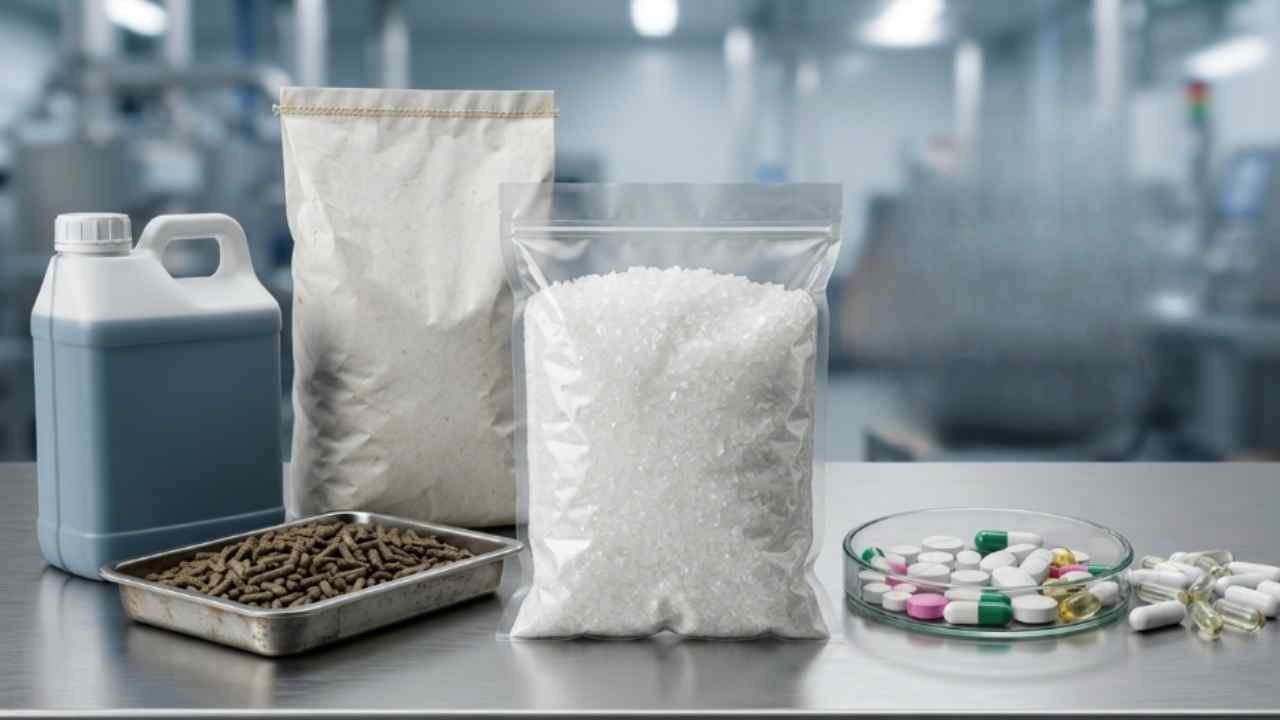
The global availability of glycine is unique because its pricing and supply are heavily dictated by a massive downstream agricultural sector. In the agrochemical industry, technical-grade glycine is the key precursor utilized in the glycine-process synthesis of glyphosate and glufosinate herbicides. When global agricultural demand spikes during spring planting seasons, or when herbicide prices enter an upward cycle, agrochemical giants purchase massive volumes of technical-grade glycine. This sudden surge in agricultural purchasing consumes available production capacity, pulling raw materials away from refined crystallization lines and causing a rapid tightening of food, feed, and pharmaceutical-grade glycine supplies.
Simultaneously, the pharmaceutical and healthcare sectors are demanding larger volumes of high-purity glycine. It is widely used as a critical stabilizer and buffering excipient in biologics, injectable drug formulations, and parenteral nutrition solutions. The rapid growth of biopharmaceutical production, particularly in North America and Europe, has created a highly competitive segment for USP-grade glycine. Sourcing partners like FINETECH help B2B buyers navigate these overlapping demand cycles, tracking the Chinese agrochemical market to advise food and pharma brands on the optimal weeks to secure their bulk allocations before agricultural demand spikes.
| Downstream Industry | Applied Glycine Grade | Key Functional Application | Expected Market Impact |
|---|---|---|---|
| Agrochemicals | Technical-industrial grade | Precursor for glyphosate synthesis | Massively shifts spot-market capacity |
| Pharmaceuticals | USP / EP Pharma grade | Injectable stabilizer, buffer | Consistent, high-premium demand |
| Animal Nutrition | Feed-safety additive grade | Protein feed supplementation | Growing demand in swine & poultry |
| Food & Beverage | FCC Food grade | Sweetener, bitterness masker | Steady, volume-based consumption |
What Challenges Are Facing the Glycine Export Market?
Shipping bulk chemical powders without managing complex trade tariffs and hazardous labels results in immediate port customs seizures and expensive storage fines. Missing paperwork halts logistics. Navigating regulations avoids transit locks.
The export market faces challenges from strict international trade tariffs, including US anti-dumping duties on Chinese glycine, complex chemical REACH registration requirements in Europe, and volatile maritime ocean shipping freight rates.
Dive Deeper into Trade Tariffs and International Compliance
Navigating the global trade routes for glycine requires a comprehensive understanding of international regulatory and political frameworks. The primary barrier affecting the export market is the presence of strict trade remedy measures, such as the anti-dumping and countervailing duties4 imposed by the United States on glycine originating from China, India, Japan, and Thailand. These tariffs are designed to protect domestic manufacturers but complicate supply chain logistics for international buyers, requiring careful origin verification and administrative tracking to avoid unexpected import duties at destination ports.
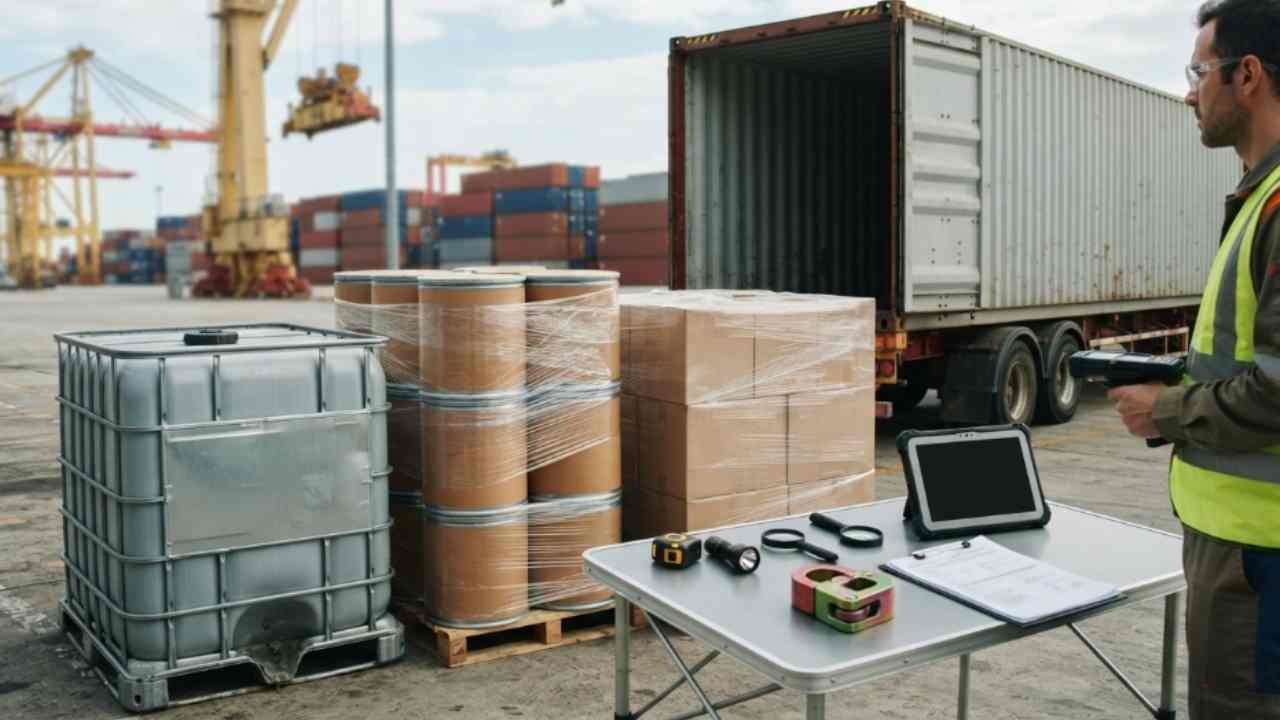
In addition to trade tariffs, compliance with chemical safety regulations represents a significant challenge. Importers wishing to sell glycine into the European Union must complete exhaustive REACH registrations5 to prove that the chemically synthesized compound is safe for human and environmental exposure. Furthermore, because fine glycine dust can form explosive mixtures with air during dry transport, exporters must provide Globally Harmonized System (GHS) compliant safety labels and complete Material Safety Data Sheets (MSDS). Sourcing partners like FINETECH simplify this complex export environment, verifying tariff codes, checking REACH registrations, and auditing chemical labels in China, ensuring that every container clears international customs without administrative delays.
| Export Challenge | Primary Regulatory Impact | Sourcing Vulnerability | Buyer Mitigation Strategy |
|---|---|---|---|
| Anti-Dumping Duties | High tariffs on specific origins | Inflates total landed import costs | Verify and trace product origin |
| EU REACH Compliance | Strict chemical safety audits | Restricts access to European ports | Partner with REACH-registered plants |
| Safety Labeling | GHS hazard pictograms on bags | Customs clearance delays | Pre-audit packaging labels at factory |
| Ocean Freight Spikes | High shipping container tariffs | Volatile shipping transit times | Consolidate cargo shipments |
How Can Buyers Secure a Stable Glycine Supply?
Relying on spot-market transactions exposes your chemical supply chain to sudden price spikes and unexpected material shortages. Spot buys increase cost risks. Implementing strategic purchasing controls protects margins.
Buyers can secure a stable supply by implementing a multi-source supplier approval plan, executing annual frame agreements with price-adjustment formulas, and utilizing local sourcing agents to manage factory relations.

Dive Deeper into Multi-Sourcing and Sourcing Agent Partnerships
Establishing a resilient supply chain in a volatile chemical market requires moving away from short-term spot transactions toward long-term strategic planning. Because the global glycine market is highly concentrated, with a vast majority of production based in Chinese chemical parks, any unexpected factory shutdown, environmental inspection, or local logistics bottleneck can quickly restrict spot availability. To mitigate these risks, procurement managers must implement a multi-source supplier approval plan, qualifying and approving alternative factories across different geographic provinces to ensure supply continuity.
Furthermore, signing annual volume-frame contracts with pricing formulas linked to transparent raw material and energy indexes protects buyers from sudden market price spikes. Sharing rolling demand forecasts with the chosen manufacturer also ensures that raw material safety stocks are pre-allocated during high-demand seasons, preventing winter stockouts. Working with an experienced local sourcing partner is equally critical to manage these variables. Sourcing partners like FINETECH provide direct on-the-ground representation in China. They monitor local environmental compliance records, track regional chemical feedstocks, verify active certificates, and manage pre-shipment quality checks, protecting buyers from unexpected market disruptions and ensuring consistent, safe, and stable glycine deliveries.
| Sourcing Action Plan | Sourcing Activity | Sourcing Operational Benefit | Expected Quality Outcome |
|---|---|---|---|
| Multi-Sourcing Plans | Approve alternative factories | Eliminates single-source failures | Continuous production stability |
| Annual Frame Contracts | Lock in volume allocations | Stabilizes prices against spikes | Consistent supply security |
| Forecast Sharing | Send rolling demand updates | Pre-allocates factory raw starch | Eliminates seasonal stockouts |
| Local Sourcing Experts | Partner with firms like FINETECH | Direct physical plant audits | Guarantees batch specification purity |
Conclusion
Securing a stable, high-quality glycine supply chain requires tracking regional capacity shifts, monitoring the agricultural herbicide market, navigating complex international trade tariffs, and utilizing on-the-ground sourcing partners in China.
-
An industry market report from AgriBusiness Global analyzing the concentration of global glycine capacity in China, local environmental enforcement trends, and the interdependency of glycine feedstock allocations. ↩
-
A peer-reviewed 2024 study in The Journal of Physical Chemistry Letters utilizing ab initio molecular dynamics and machine learning to map out and characterize the thermodynamic reaction networks of the prebiotic Strecker synthesis of glycine. ↩
-
An official patent publication detailing advanced treatment processes, chemical parameters, and recovery systems for reducing high chemical oxygen demand (COD) and ammonium nitrogen in glycine condensation wastewater. ↩
-
The official US Federal Register notice detailing the Department of Commerce's affirmative determinations to continue the countervailing and anti-dumping duty orders on glycine originating from China, India, Japan, and Thailand. ↩
-
The official European Chemicals Agency (ECHA) support portal detailing dossier compliance guidelines, registration phases, and safety parameters required to legally register imported chemicals under REACH. ↩