Volatile raw ingredient costs and unexpected regulatory changes on animal-derived additives disrupt chemical purchasing budgets. Operating without strategic supply foresight risks costly delays. Comprehensive trend analysis solves these issues.
The global Vitamin D3 supply chain is undergoing structural changes driven by tighter environmental rules, shifting EU import classifications for animal-origin materials, and rising consolidation in China, which controls approximately 85% of total manufacturing capacity through key players like Zhejiang Garden Biochemical.
Maintaining continuous industrial production requires a reliable raw material pipeline and strict quality verification. B2B buyers must use strategic sourcing to minimize exposure to upstream bottlenecks. Sourcing partners like FINETECH simplify factory checks, verify production compliance, and secure competitive pricing directly in China to guarantee bulk deliveries. This comprehensive analysis covers the changing global Vitamin D3 supply chain.
What Raw Materials Support Vitamin D3 Series Production?
Sourcing biochemicals without understanding their foundational inputs leaves your production plans vulnerable to sudden upstream chemical shortages. Unmonitored materials increase business risks. Analyzing raw materials secures supply.
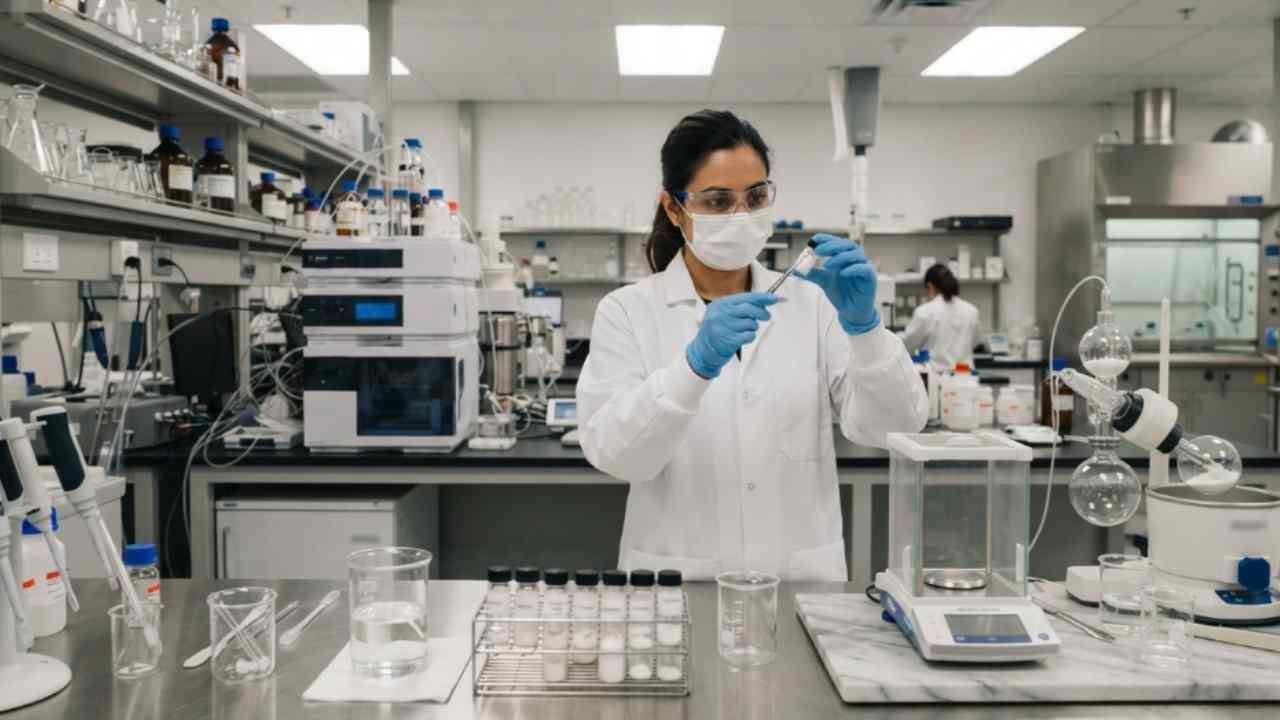
Vitamin D3 series production relies on NF-grade cholesterol as its core raw material, which is extracted from wool grease (lanolin) and chemically converted into 7-dehydrocholesterol (7-DHC) before undergoing ultraviolet irradiation and thermal isomerization to yield cholecalciferol.
Dive Deeper into Cholesterol and Synthesis Pathways
The industrial synthesis of Vitamin D3 (cholecalciferol) is a highly specialized chemical process that is deeply connected to natural animal byproducts. The foundational starting material is raw wool grease, commonly known as lanolin1, which is secreted by the sebaceous glands of sheep. Through a complex series of extraction and purification steps, manufacturers isolate National Formulary (NF) grade cholesterol2 from the lanolin. This refined cholesterol must achieve a minimum purity of ninety-five percent to be legally utilized for vitamin synthesis, as animal-derived inputs are highly regulated globally.
Once isolated, the NF-grade cholesterol undergoes multiple chemical reactions to form the intermediate compound 7-dehydrocholesterol3 (7-DHC). To complete the transformation, manufacturers apply ultraviolet (UV) light irradiation to 7-DHC, replicating the natural process of vitamin synthesis that occurs in skin exposed to sunlight. A final thermal isomerization step stabilizes the irradiated compound into active Vitamin D3. Because the entire synthesis pipeline depends on refined lanolin-derived cholesterol, any disruption in upstream chemical refining immediately halts final vitamin production. Sourcing partners like FINETECH monitor these precursor chemical steps in China to warn buyers of potential supply contractions before they impact global prices.
| Production Stage | Chemical/Material Input | Technical Process | Sourcing Significance |
|---|---|---|---|
| Lanolin Extraction | Raw sheep wool grease | Saponification and extraction | Foundation of the cholesterol supply |
| Precursor Refining | NF Cholesterol (>95% purity) | Complex chemical crystallization | Critical bottleneck for synthesis |
| Intermediate Step | 7-Dehydrocholesterol (7-DHC) | Multi-step chemical conversion | Precursor directly before UV exposure |
| Final Synthesis | Vitamin D3 (Cholecalciferol) | UV irradiation & thermal isomers | Finished active ingredient |
How Does Lanolin Supply Affect Vitamin D3 Series Availability?
Depending on seasonal livestock shearing cycles can make your chemical supply lines unpredictable and vulnerable to sudden price spikes. Unstable agricultural markets disrupt operations. Assessing lanolin trends protects inventory.
Lanolin supply directly dictates Vitamin D3 availability, as wool grease is the only legal commercial source for NF-grade cholesterol. Variations in global sheep farming, wool demand, and regional shearing seasons immediately alter raw material supplies for chemical refineries.
Dive Deeper into Agricultural Dependencies and Refineries
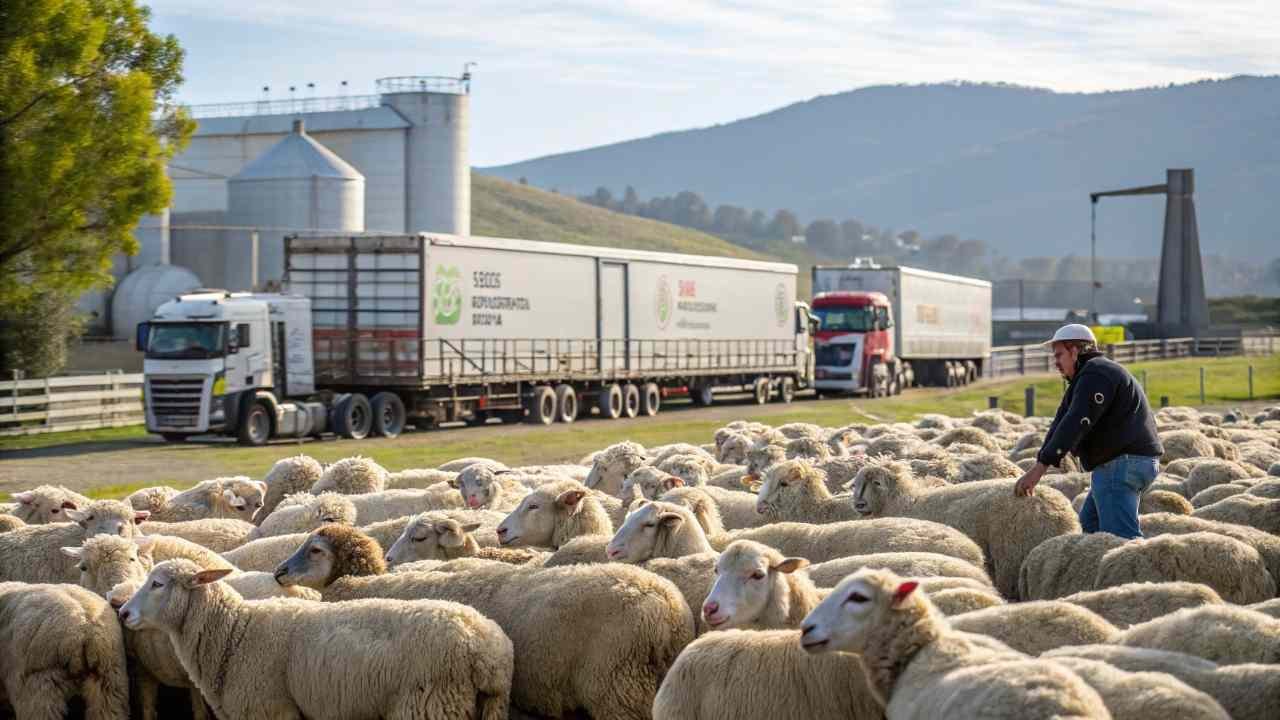
The Vitamin D3 supply chain is unique because its chemical synthesis is entirely dependent on global livestock agriculture. Lanolin is a natural byproduct of the wool scouring4 industry. The primary producers of raw wool grease are Australia, New Zealand, and China, which together control the vast majority of global wool harvesting. Because wool grease is an agricultural byproduct, its supply is not determined by chemical demand. Instead, it fluctuates based on global sheep populations, environmental weather conditions, and international wool apparel demand.
When the global wool textile industry experiences a downturn, wool scouring operations slow down. This slowdown directly reduces the volume of raw lanolin available for chemical refiners. Additionally, extracting NF-grade cholesterol from raw lanolin is a technically difficult process with high environmental wastewater treatment costs. Only a few specialized chemical companies globally, led by Zhejiang Garden Biochemical, possess the industrial capacity to refine lanolin into high-purity cholesterol at scale. A shortage in wool grease instantly restricts cholesterol refining output, creating a bottleneck that reduces final Vitamin D3 availability. Sourcing teams like FINETECH track these agricultural wool trends to help buyers predict raw material shortages.
| Regional Origin | Global Lanolin Share | Primary Industry Role | Supply Chain Vulnerability |
|---|---|---|---|
| Australia | ~35% of global output | Raw wool grease harvesting | Subject to agricultural weather |
| New Zealand | ~20% of global output | Premium wool grease exporter | Environmental livestock policies |
| China | ~13% of global output | Major importer and refining hub | Strict local environmental audits |
| Other Regions | ~32% of global output | Localized textile byproducts | Fragmented, inconsistent volumes |
Which Regions Lead the Production of Vitamin D3 Series?
Sourcing from regionally isolated chemical plants can leave your manufacturing lines vulnerable to sudden logistics delays and localized trade restrictions. Concentrated production risks supply security. Evaluating regional hubs secures imports.
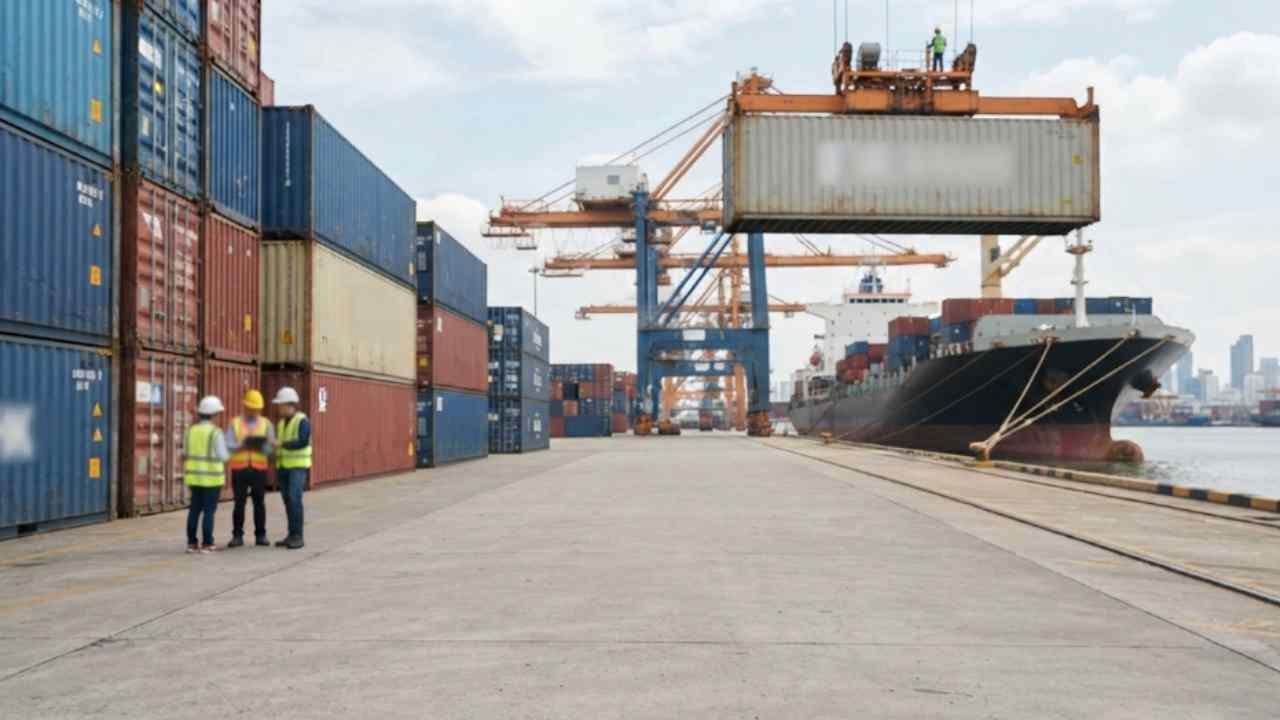
China leads the global production of the Vitamin D3 series, manufacturing approximately 85% of the total global volume. India serves as the secondary global producer, while European refiners depend heavily on importing starting cholesterol from Asia.
Dive Deeper into Regional Hubs and Market Consolidation
The global manufacturing landscape for the Vitamin D3 series is highly consolidated, with a single country anchoring the entire international supply chain. China represents approximately eighty-five percent of global Vitamin D3 production. This dominant market position is driven by Chinese chemical giants like Zhejiang Garden Biochemical High-Tech, Zhejiang NHU, and Kingdomway. These companies operate massive, integrated industrial facilities that manage the entire process from raw lanolin refining to final vitamin isomerization. This vertical integration allows Chinese suppliers to offer unmatched volume consistency.
India serves as the secondary production hub, with prominent manufacturers like Fermenta Biotech exporting high-quality grades globally. In contrast, Western manufacturing has declined significantly over the past two decades. While some Vitamin D3 refining occurs in the European Union, these European facilities are not self-sufficient. They do not produce cholesterol locally and rely almost entirely on importing NF-grade cholesterol from China and Japan. Sourcing managers must understand this geographic concentration when planning their raw material budgets. Sourcing partners like FINETECH help B2B buyers navigate this consolidated market by auditing major Chinese facilities to secure stable, long-term procurement agreements.
| Manufacturing Region | Estimated Global Share | Industry Scale and Role | Regional Sourcing Risk |
|---|---|---|---|
| China | ~85% of total volume | Absolute volume and integration | Local policy and power rationing |
| India | Secondary global exporter | High-quality formulations | Dependence on raw material imports |
| Europe / UK | Minor local refining | Premium pharmaceutical niche | Total reliance on imported cholesterol |
| Japan | Specialized extraction | High-purity cholesterol supply | High operating and labor costs |
What Supply Risks Should Buyers Watch in the Vitamin D3 Series Market?
Unpredicted customs rejections and sudden regulatory changes on animal-origin imports can freeze your cargo at the port and halt production. Unmanaged compliance risks cause financial losses. Examining supply threats prevents blocks.
Buyers must watch supply risks including extreme production consolidation, Chinese environmental checks on chemical waste, volatile shipping freight rates, and strict European Union animal-origin import regulations (POAO) that impact cholesterol and Vitamin D3 trade.

Dive Deeper into Regulatory and Operational Obstacles
Navigating the global Vitamin D3 market requires a proactive risk-management strategy. The first critical risk is regulatory compliance, particularly in the European Union. In recent years, draft European regulations proposed classifying Vitamin D3 and its starting material, cholesterol, as products of animal origin (POAO) rather than standard organic chemicals. This classification requires the originating country to hold listed third-country status under EU animal health laws. Because the raw cholesterol is extracted from sheep's wool grease, these strict border-control rules can cause significant customs delays for importers who do not possess compliant paperwork.
The second major risk is the high level of industry consolidation. With only a few manufacturers controlling the global supply of NF-grade cholesterol, any unexpected event, such as a factory fire, technical failure, or environmental closure in China, can trigger immediate global price spikes. Sourcing managers must also monitor the environmental compliance costs of Chinese refiners, who face strict regional waste emission checks. Sourcing partners like FINETECH manage these operational and regulatory risks. They conduct thorough factory audits, inspect laboratory testing logs, and check export documentation to ensure shipments clear customs without delays.
| Supply Risk Area | Primary Root Cause | Sourcing Impact | Importer Mitigation Action |
|---|---|---|---|
| Regulatory Policies | EU POAO animal-origin rules | Complex border customs holds | Verify listed country status logs |
| Supply Concentration | Few cholesterol manufacturers | Rapid, artificial price surges | Establish backup supplier contracts |
| Environmental Audits | Chemical waste cleanroom checks | Temporary factory closures | Choose plants with waste recycling |
| Ocean Freight Delays | Port congestion and routing delays | Late cargo arrivals at ports | Maintain a 3-month safety buffer stock |
How Can Importers Build a Stable Vitamin D3 Series Supply Chain?
Relying on a single factory or import broker can cause your production to halt instantly if that plant faces an unexpected shutdown or compliance audit. Unsecured supply lines disrupt operations. Implementing systematic security steps protects shipments.
Importers can build a stable supply chain by implementing a multi-sourcing model, securing fixed-price quarterly contracts, holding a consistent safety buffer stock, verifying compliant animal-health export documents, and partnering with experienced local sourcing experts like FINETECH.

Dive Deeper into Strategic Sourcing and Compliance Vetting
Building a stable procurement pipeline for the Vitamin D3 series requires a systematic approach to quality and logistics. Sourcing managers should avoid relying on a single manufacturing facility. Instead, they must implement a multi-sourcing model5. This practice involves auditing and approving backup factories in different regional hubs, such as partnering with suppliers in both North and East China. If one factory faces an unexpected environmental audit, technical failure, or local power regulation, the backup facility can quickly fulfill the orders, preventing costly manufacturing halts.
Additionally, buyers should secure quarterly or annual fixed-volume contracts. These agreements shield businesses from sudden spot market surges during seasonal factory shutdowns. Sourcing partners like FINETECH simplify this complex process for international B2B buyers. They conduct in-person audits of Chinese factories, inspect laboratory testing logs (HPLC/GC), verify international certificates (FSSC 22000, Kosher, Halal), and organize pre-shipment quality checks. Partnering with a dedicated sourcing team allows buyers to purchase high-quality Vitamin D3 and cholesterols with low MOQs, protecting businesses from receiving off-spec batches and securing stable, long-term procurement pipelines.
| Sourcing Security Element | Technical Sourcing Requirement | Main Operational Benefit | Sourcing Implementation Action |
|---|---|---|---|
| Multi-Sourcing Model | Approved backup factories | Prevents local shutdown halts | Approve alternate regional facilities |
| Contract Locking | Fixed-volume quarterly deals | Protects budgets from spikes | Sign volume deals during low seasons |
| Quality Verification | HPLC testing and safety certs | Guarantees import compliance | Request batch-specific COAs before loading |
| Sourcing Partners | Work with experts like FINETECH | Handles factory audits & low MOQ | Consolidate purchases with local specialists |
Conclusion
Building a stable Vitamin D3 supply chain requires multi-regional sourcing, buffer stocks, and verified supplier checks. Partnering with a reliable sourcing team keeps your import pipeline highly consistent.
-
Encyclopaedia Britannica – Industry reference outlining the commercial processing of raw lanolin, its physical-chemical properties, and its role as a key raw material in chemical and pharmaceutical manufacturing. ↩
-
Wikipedia – Reference page presenting the molecular structure, biosynthetic pathways, dietary sources, and industrial extraction of cholesterol from wool grease. ↩
-
ChemicalBook – A specialized B2B chemical directory detailing physical properties, safety datasheets, commercial suppliers, and industrial synthesis pathways of 7-dehydrocholesterol for Vitamin D3 production. ↩
-
The Woolmark Company – Industry processing guide detailing the mechanical stages of wool scouring and carbonizing, focusing on the recovery of raw wool grease to maximize circular supply chain value. ↩
-
Procurement Tactics – A strategic procurement guide explaining the execution of multi-sourcing, detailing how diversifying suppliers reduces supply chain risk, drives cost efficiency, and improves negotiation power. ↩