
Worried about Sucralose price volatility and supply shocks? Planning your 2026 procurement with outdated information is a major risk. A new market dynamic is emerging.
In 2026, the global Sucralose supply is changing towards greater stability, driven by consolidated, environmentally compliant production in China. While demand remains strong, supply is becoming more predictable, rewarding buyers who prioritize long-term partnerships over spot-market gambling.
The days of reacting to a chaotic Sucralose market are ending. The landscape in 2026 is being shaped by forces that started years ago. Understanding these changes is the key to moving from a reactive buyer to a strategic procurement partner. The market of 2026 will reward planners, not gamblers.
What factors affect Sucralose production this year?
Does Sucralose production seem unpredictable? A single factory shutdown in China can cause ripples worldwide. Understanding the real production drivers is key to forecasting stability.
Sucralose production in 2026 is primarily affected by three factors: the continued enforcement of strict environmental regulations in China, rising energy costs favoring large-scale efficient producers, and the consolidation of the market around a few technologically advanced manufacturers.
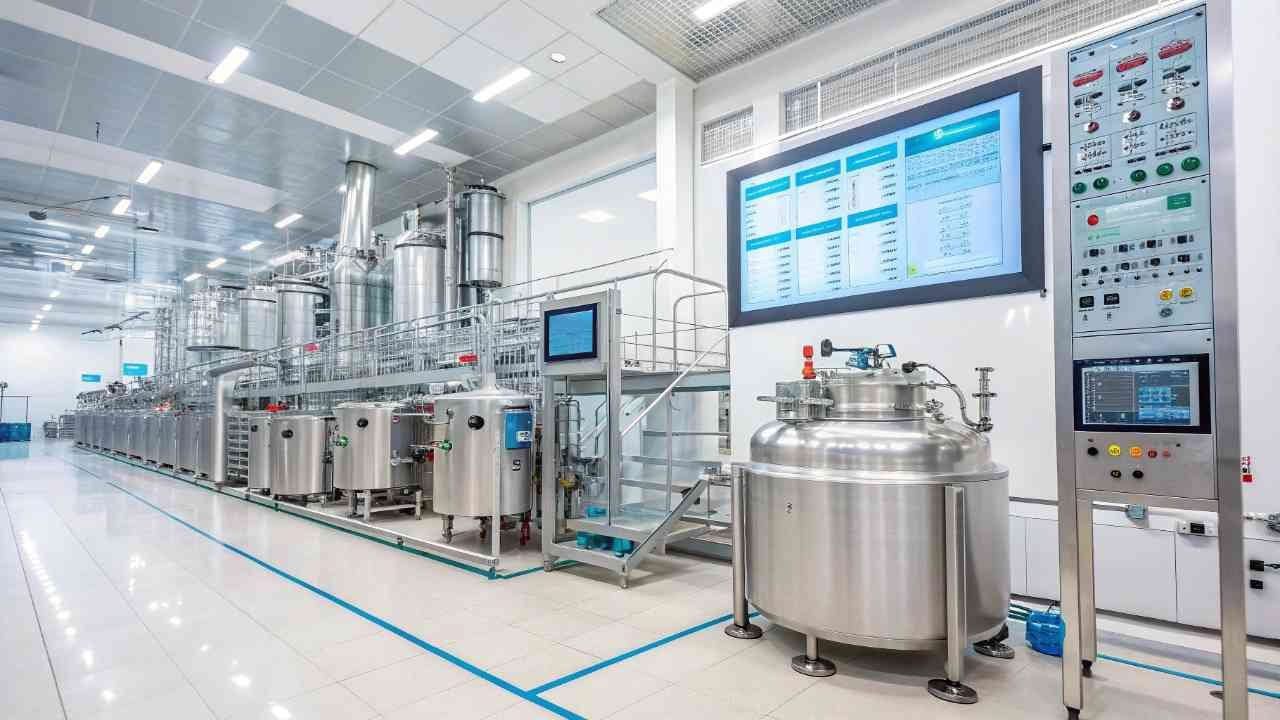
The era of many small, inconsistent Sucralose producers is over. The market has matured, shaped by strict environmental regulations1 in China that shut down non-compliant factories. This, combined with high energy costs2, favors large-scale producers with economies of scale. The result is a consolidated market led by a few technologically advanced producers who compete on efficiency and purity, leading to a more stable and reliable supply for buyers.
"Old" Sucralose Market vs. "2026" Sucralose Market:
| Factor | Old Market Reality (Pre-2020) | 2026 Market Reality |
|---|---|---|
| Number of Producers | Many small, inconsistent producers. | Fewer, larger, more professional producers. |
| Key Driver | Price, often at the expense of compliance. | Efficiency, technology, and environmental compliance. |
| Supply Stability | Volatile, prone to sudden factory shutdowns. | More stable and predictable. |
Which regions are increasing Sucralose output?
Are you hoping a new production hub in another country will emerge to challenge China? While diversification is a good goal, the reality of Sucralose production is more concentrated than ever.
China remains the undisputed global center for Sucralose production in 2026. The increase in output is not coming from new regions, but from expansions at the existing, compliant mega-producers in China who have absorbed the market share of smaller factories.
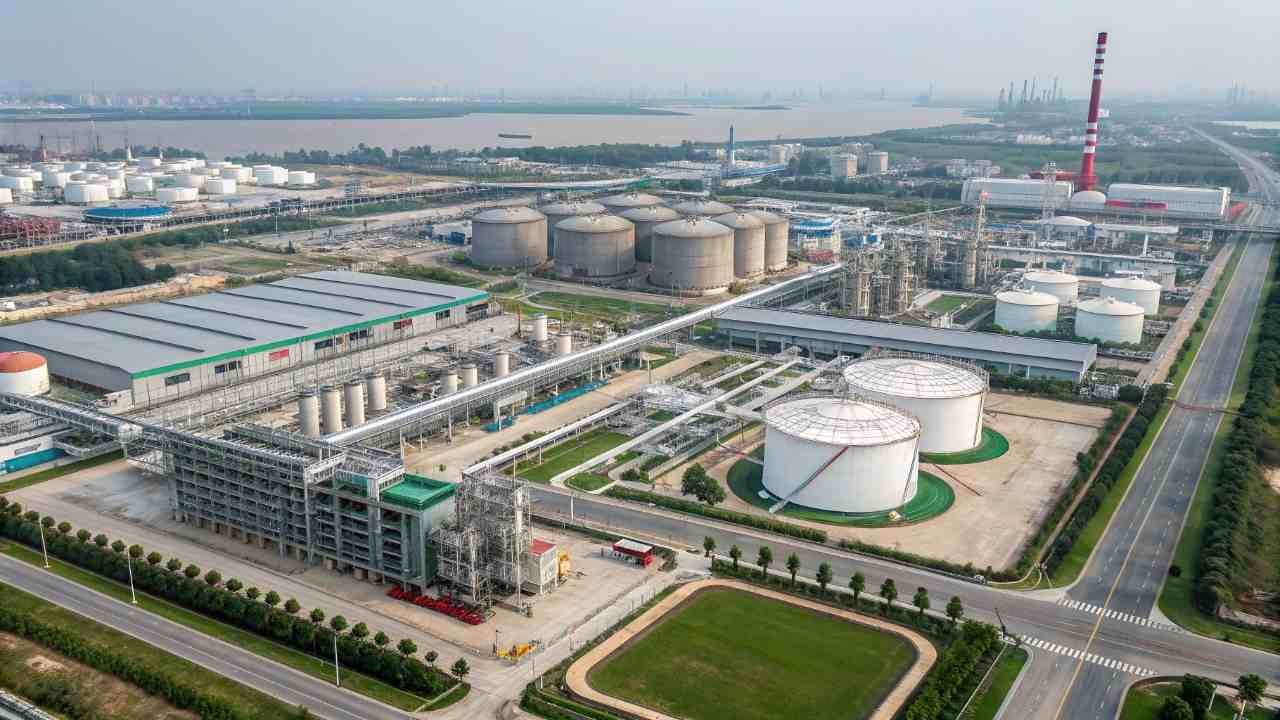
Sucralose production is a complex and capital-intensive process, creating a high barrier to entry3. This means that China's dominance as the global production hub is secure for the foreseeable future. The key trend is consolidation within China, where a few large, professional producers are expanding their capacity. For a buyer, the strategy is not to find a new country, but to build a strong partnership with a supplier who has reliable access to these top-tier Chinese manufacturers.
2026 Production Region Analysis:
| Region | 2026 Production Status | Key Strengths / Weaknesses |
|---|---|---|
| China | Dominant Global Hub (Consolidated) | Strengths: Scale, Experience, Cost. Weakness: Concentration risk. |
| India / SEA | Niche / Emerging | Strength: Diversification. Weaknesses: Lack of scale, higher cost. |
How does global demand impact Sucralose supply?
Is the demand for sweeteners a passing fad? Or is it a stable trend you can rely on to plan your long-term procurement strategy?
Strong and stable global demand, driven by the permanent "sugar reduction" health trend, has a stabilizing effect on the Sucralose supply. It gives the large producers the confidence to invest in long-term, efficient capacity, leading to a more predictable and reliable supply chain.
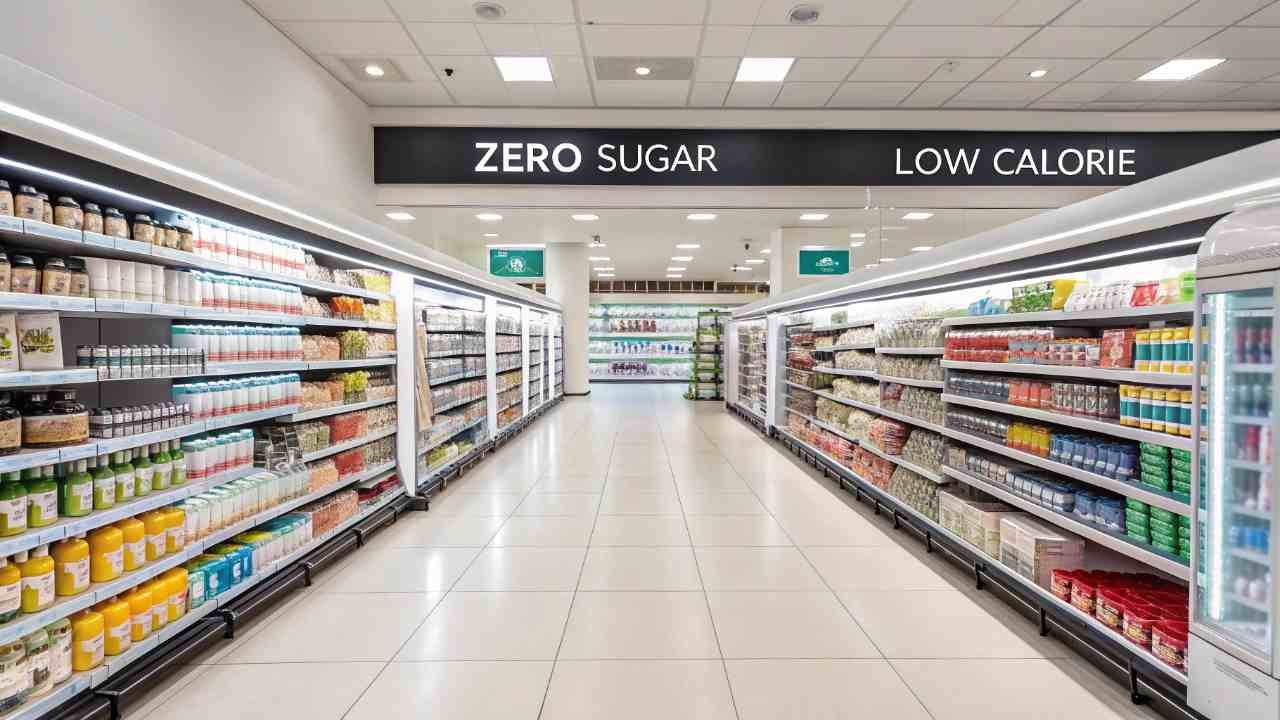
The demand for Sucralose is strong and stable, driven by the enduring "war on sugar4." This is not a fad but a permanent shift in consumer behavior. This predictable demand gives large producers the confidence to invest in efficient, long-term capacity. Furthermore, the rising popularity of sophisticated sweetener blends5 ensures Sucralose remains a foundational ingredient in a formulator's toolbox, solidifying its place in the market and contributing to overall supply chain stability.
2026 Sucralose Demand Drivers:
| End-Use Industry | Demand Trend | Impact on Supply Chain |
|---|---|---|
| Beverages | Strong & Stable (Zero Sugar Focus) | Creates a predictable, high-volume baseline demand. |
| Food & Bakery | Growing, focus on blends | Diversifies demand, requiring suppliers to offer a portfolio. |
How do raw material trends influence Sucralose availability?
Does the price of Sucralose seem to change for no reason? The key is to look one step back in the supply chain to the raw materials it is made from.
Sucralose availability is influenced by two key raw materials: sugar, its primary feedstock, and other chemical reagents linked to the petrochemical market. The price volatility of these raw materials directly impacts the production cost and, therefore, the final price of Sucralose.

The final price of Sucralose is directly linked to its inputs. The first is sucrose (sugar), so global agricultural commodity prices have a direct impact on cost. The second is various chemical reagents derived from the petrochemical industry, which means the price of crude oil has an indirect but real influence. In the 2026 market, large producers manage this volatility by securing long-term contracts for their own raw materials, which in turn helps them offer more stable pricing to their key partners.
Key Raw Material Price Influences:
| Raw Material | Market Driver | Impact on Sucralose Price |
|---|---|---|
| Sucrose (Sugar) | Global harvests, agricultural policies. | Direct and significant. High sugar prices increase costs. |
| Chemical Reagents | Crude Oil Prices, petrochemical supply/demand. | Indirect but significant. High oil prices increase costs. |
How can buyers secure stable Sucralose supply?
In this new, more stable but consolidated market, what is the best strategy for a professional buyer? Chasing the lowest price on the spot market is a recipe for failure.
Buyers can secure a stable supply in 2026 by shifting their strategy from tactical spot buying to building long-term partnerships. This involves diversifying across at least two reliable suppliers and negotiating long-term contracts to lock in price and volume.

The winning strategy for 2026 is about building resilience. First, supplier diversification is crucial. With production so concentrated, qualifying at least two suppliers protects you from a single point of failure. Second, in a more stable market, long-term contracts are a powerful tool. They lock in price and, more importantly, guarantee your allocation in any market tightness. Finally, focus on "total value". Choose partners based on reliability, not just the lowest price.
Key Buyer Strategies for 2026:
| Strategy | Action | Benefit |
|---|---|---|
| Supplier Diversification | Qualify and use at least two reliable suppliers. | Reduces risk of a single point of failure. |
| Long-Term Contracts | Negotiate fixed price and volume for 6-12 months. | Provides price stability and supply security. |
| Partnership Focus | Choose suppliers based on reliability and total value, not just price. | Creates a resilient, low-risk supply chain. |
Conclusion
The Sucralose market of 2026 is defined by stability and professionalism. Success will come to buyers who embrace this change and build strong, strategic, long-term supplier partnerships.
-
Understanding these regulations can provide insights into market dynamics and compliance challenges for producers. ↩
-
Exploring this topic reveals the economic factors influencing production efficiency and market stability. ↩
-
Understanding this concept is crucial for grasping market dynamics and competition. ↩
-
Understanding the war on sugar can provide insights into changing consumer preferences and market trends. ↩
-
Exploring sophisticated sweetener blends reveals innovative solutions in the food industry, enhancing product offerings and consumer satisfaction. ↩