
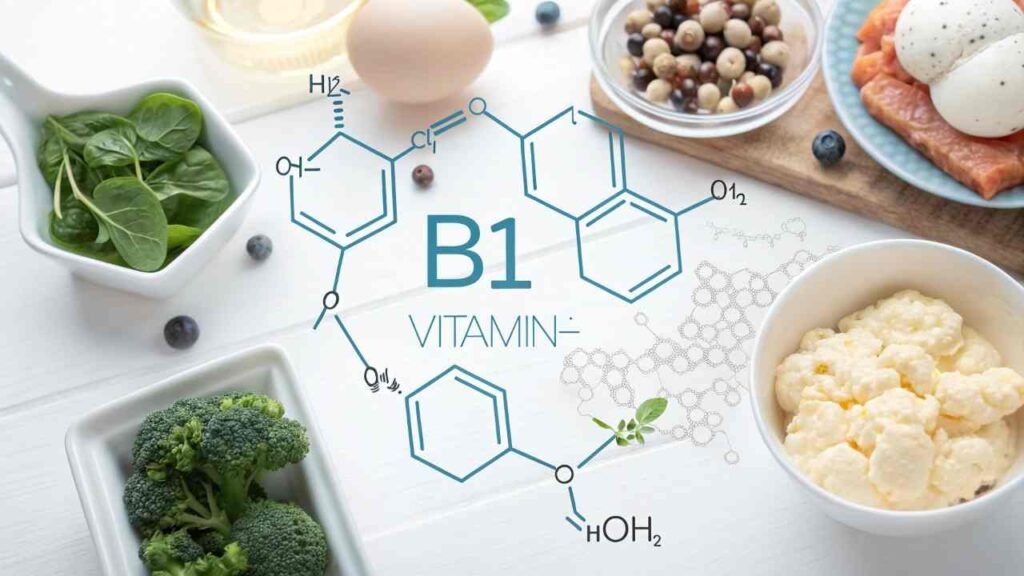
Using Vitamin B1? Confused by global rules? Let's quickly simplify the regulations and labeling for this vital nutrient in foods.
Vitamin B1 (thiamine) is globally approved for food use. Label it as "thiamine mononitrate" or "Vitamin B1." Health claims are regulated. Purity standards and specific fortification levels apply.
At FINETECH, knowing regulations is as vital as quality. Clients need ingredients like Vitamin B1 to meet all rules for global markets. Compliance is key. Let's briefly cover Vitamin B1 rules.
What international approvals exist for using Vitamin B1 in food?
Using B1 in products for different countries? Is it accepted globally? Let's check its international status.
Vitamin B1 is widely approved for food fortification worldwide. Major bodies like Codex, FDA (USA), and EFSA (EU) recognize its safety and importance for public health.

Vitamin B1 (thiamine) is an essential nutrient, not controversial. Its use is well-supported globally.
- Codex Alimentarius (FAO/WHO)1: Provides guidelines for food fortification, including B1. Serves as a global reference.
- FDA (USA)2: Thiamine forms (mononitrate, hydrochloride) are GRAS (Generally Recognized As Safe). Mandatory for some "enriched" foods (flour, rice).
- EFSA (EU)3: Authorized for addition to foods. Specific forms approved, purity criteria set.
- Other Countries: Most nations permit B1 fortification, often aligning with international standards. Common forms used are thiamine mononitrate (for dry goods) and thiamine hydrochloride (for liquids).
Global Status:
| Body | B1 Status | Key Point |
|---|---|---|
| Codex | Recommended | Global reference |
| FDA | GRAS, Mandatory for some enriched foods | US approval |
| EFSA | Authorized | EU approval, purity rules |
| Others | Generally Approved | National rules align |
How should Vitamin B1 be listed on ingredient labels by FDA and EFSA?
Using B1? How to list it on US or EU labels? Let's clarify.
List Vitamin B1 by its chemical name (e.g., "thiamine mononitrate") or as "Vitamin B1" / "thiamin(e)". Rules vary slightly by region (ingredient list vs. nutrition panel).
Accurate labeling is vital.
- FDA (USA):
- Ingredient List: Usually "thiamine mononitrate" or "thiamine hydrochloride." "Thiamin" also used.
- Nutrition Facts: "Thiamin".
- EFSA (EU):
- Ingredient List: Usually "thiamine mononitrate" or "thiamine hydrochloride." Can be "Vitamin B1 (thiamine mononitrate)."
- Nutrition Declaration: "Thiamin" or "Vitamin B1."
Always list ingredients by weight. For precision, the chemical form is common on ingredient lists. FINETECH provides specs to help clients label correctly.
Labeling Names:
| Region | Ingredient List (Example) | Nutrition Panel |
|---|---|---|
| USA | Thiamine mononitrate | Thiamin |
| EU | Thiamine mononitrate | Thiamin / Vit B1 |
Clarity is key for consumers.
What health claims about Vitamin B1 can be made on food packaging globally?
Want to highlight the benefits of Vitamin B1 in your product? Wondering what you're allowed to say on the label? Let's explore approved health claims.
Approved health claims for Vitamin B1 usually cover its role in energy, nervous system, and heart function. Claims need scientific backing and regulator approval (FDA, EFSA).
Health claims are tightly regulated.
- EU (EFSA): Authorized claims (if food is a "source of" B1):
- "Thiamine contributes to normal energy-yielding metabolism."
- "...normal functioning of the nervous system."
- "...normal psychological function."
- "...normal function of the heart."
- USA (FDA):
- Nutrient Content Claims: "Good source of Thiamin."
- Structure/Function Claims: "Thiamin helps convert food into energy" (needs disclaimer).
- Other Regions: Rules vary. Check local regulations.
Claims must be truthful and not misleading.
Approved Claim Themes:
| Function | EU Example Claim | US Example Idea (Needs Disclaimer) |
|---|---|---|
| Energy | "...normal energy-yielding metabolism" | "Helps convert food to energy" |
| Nerves | "...normal functioning of nervous system" | "Supports nerve health" |
| Heart | "...normal function of the heart" | "Supports heart function" |
Are there set limits or recommended levels for adding Vitamin B1 to foods?
Adding B1 to food? Are there max limits or target levels? Let's discuss.
Yes, recommended levels exist for B1 fortification (e.g., for enriched flour). Tolerable Upper Intake Levels (ULs) for thiamine are generally not set due to its low toxicity (excess is excreted).

Vitamin B1 fortification levels are based on public health needs and safety.
- Mandatory Levels4: For "enriched" staples (flour, rice), regulations often set specific minimum (and sometimes maximum) amounts.
- Voluntary Levels: For other foods (cereals, drinks), levels often aim for "source of" claims (e.g., 15% DV/NRV) or to restore processing losses.
- Safety (UL): Vitamin B1 is very safe. No UL is set by major bodies because high oral intakes don't usually cause harm. Still, Good Manufacturing Practices (GMP)5 mean using appropriate amounts.
Fortification Level Drivers:
| Food Type | Driver | Level Guide |
|---|---|---|
| Enriched Flour | Public Health, Regulations | Set by FDA/local rules |
| Cereals | Claims, Marketing | ~15-50% DV/NRV per serving |
| Infant Formula | Essential Nutrient | Strict regulatory levels |
Follow local rules and GMP.
What quality certifications are important when buying Vitamin B1 for food?
Sourcing B1? How to ensure quality and safety? Let's see key certifications.
Key certifications: GMP, ISO, HACCP for manufacturing. Compliance with pharmacopoeial standards (USP, Ph. Eur., FCC) for purity. Kosher/Halal may also be vital.
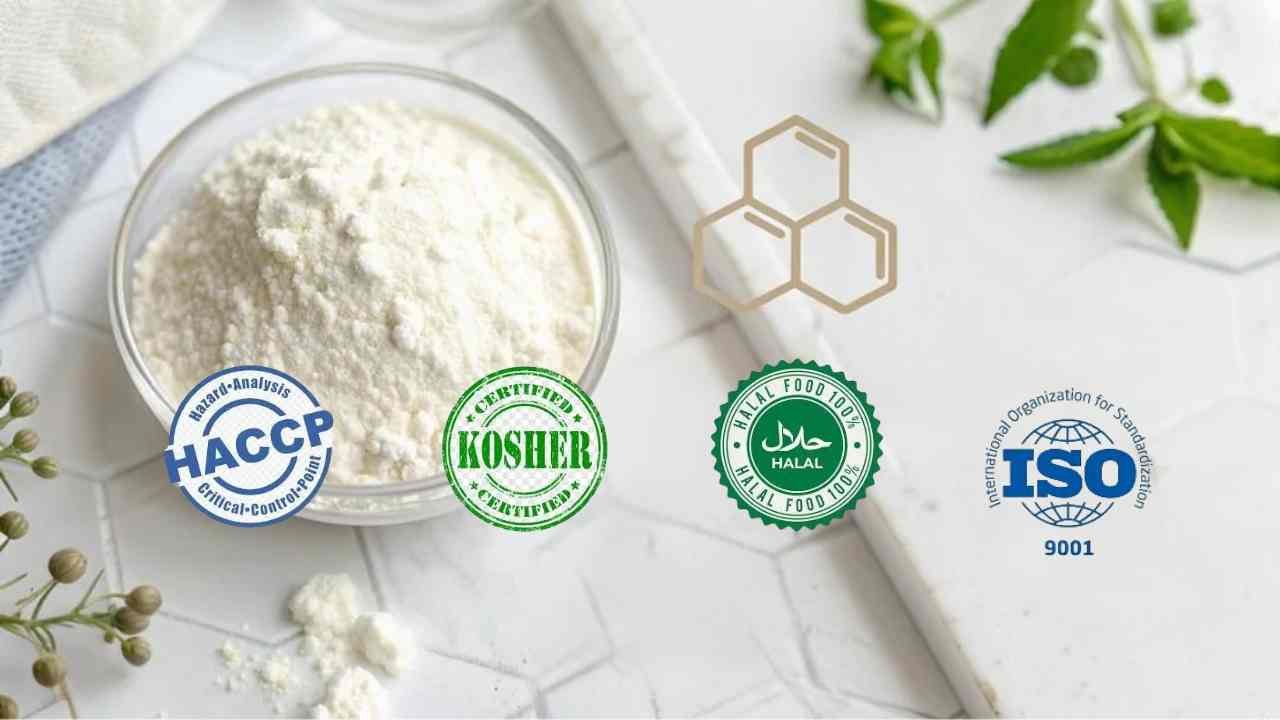
Certifications ensure standards are met. This is crucial for buyers like Victor.
- Manufacturing Certs:
- GMP (Good Manufacturing Practice): Fundamental for consistent quality.
- ISO 9001/22000: Quality/food safety management systems.
- HACCP: Hazard control.
- Product Purity Certs/Compliance:
- USP/Ph. Eur./FCC: Shows B1 meets strict purity and identity standards from these pharmacopoeias/codices.
- Certificate of Analysis (CoA): Batch-specific test results against specs.
- Dietary Certs:
- Kosher/Halal: For specific market/consumer needs.
Key Certs for B1:
| Certification | Focus Area | Importance |
|---|---|---|
| GMP | Manufacturing Quality | Essential for safety |
| ISO | Quality/Food Safety Systems | Systemic approach |
| USP/FCC etc. | Product Purity | Guarantees ingredient quality |
| Kosher/Halal | Religious Dietary Rules | Market access |
FINETECH ensures Vitamin B1 meets these vital certifications.
Conclusion
Vitamin B1 is globally approved, labeled by chemical name or "Vitamin B1." Health claims and fortification levels are regulated. Quality certifications (GMP, USP/FCC) ensure purity and safety for food use.
-
Explore how Codex Alimentarius sets global standards for food safety and nutrition, including the fortification of essential nutrients like B1. ↩
-
Learn about the FDA's regulations and safety assessments for thiamine, ensuring the safety of enriched foods in the USA. ↩
-
Discover EFSA's guidelines and approval processes for thiamine, which help maintain food safety and nutritional quality in the EU. ↩
-
Exploring mandatory levels can provide insights into regulations that ensure food safety and nutritional adequacy. ↩
-
Learning about GMP can help manufacturers maintain quality and safety in vitamin fortification processes. ↩