Unregulated Vitamin B1 leads to legal penalties and consumer health risks. These failures destroy your brand reputation and stop your growth. Compliance ensures product safety and stable market access.
Vitamin B1 is regulated by global standards like the Food Chemicals Codex (FCC), USP, and EP. It requires a 98% to 102% purity assay and strict heavy metal limits. Mandatory certifications like ISO 22000 and HACCP ensure Thiamine is safe for food fortification and pharmaceutical use globally.
I help many wholesalers in the Middle East and Southeast Asia follow these rules. I will explain how these regulations protect your business and ensure product safety.
What Food Regulations Apply to Vitamin B1 (Thiamine)?
Unverified food additives cause rejected shipments and high financial waste. This makes international trade difficult and risky. Using materials that meet global benchmarks protects your budget and your customers.
Key food regulations for Vitamin B1 are defined by the FCC and the USP. These standards set mandatory purity levels and thresholds for contaminants like lead and arsenic. Adhering to these rules ensures the vitamin is safe for human consumption in fortified foods and supplements.

Technical Standards and Purity Thresholds
I see that professional food manufacturers1 always demand USP or FCC grade material. These are the top standards in the additive industry2. The FCC provides criteria for the identity and purity of ingredients. For Vitamin B1, the assay must be between 98.0% and 102.0%. This purity ensures the vitamin provides the right nutrition without unknown side-products. If a batch is below this range, it is not legally food-grade. I check these levels on every COA before any cargo leaves China.
Heavy metal limits are also vital in these regulations. Thiamine is made by chemical synthesis, so trace metals can remain. Standards like the USP set strict limits for lead at 2 ppm and arsenic at 1 ppm. These toxic metals build up in the body, so health authorities3 check them closely. I also check for residual solvents. These are chemicals like ethanol used in the factory. They must be removed by drying to meet safety laws. I verify that our factories use advanced tests to meet these limits for every order.
Global Market Compliance
In my work with buyers in Germany and Greece, I often see requests for EP (European Pharmacopoeia) standards. USP and EP are very similar, but they have small differences in solubility tests. Most large factories in China make Vitamin B1 that meets both standards. This helps you sell your finished products in different regions without changing your raw material source. I select these high-quality batches to ensure your products are compliant in both North America and Europe.
| Standard | Region | Assay Requirement | Main Focus |
|---|---|---|---|
| FCC | Global | 98.0% - 102.0% | Food ingredient safety |
| USP | USA / Global | 98.0% - 102.0% | Purity and identity |
| EP / BP | Europe / UK | 98.5% - 101.0% | Pharma and food use |
| JECFA | Global (WHO) | 98.0% Minimum | Safety evaluations |
Which Certifications Are Required for Vitamin B1 (Thiamine)?
Missing the right certificates leads to legal bans in specific markets. This limits your sales and stops your business from expanding. Providing products with correct certifications is the only way to grow.
Required certifications include ISO 22000 and HACCP for food safety management. For specific cultural markets, HALAL and KOSHER certifications are mandatory. These documents prove the factory is clean and follows global hygiene and dietary laws for food and pharmaceutical additives.
Safety and Quality Management Systems
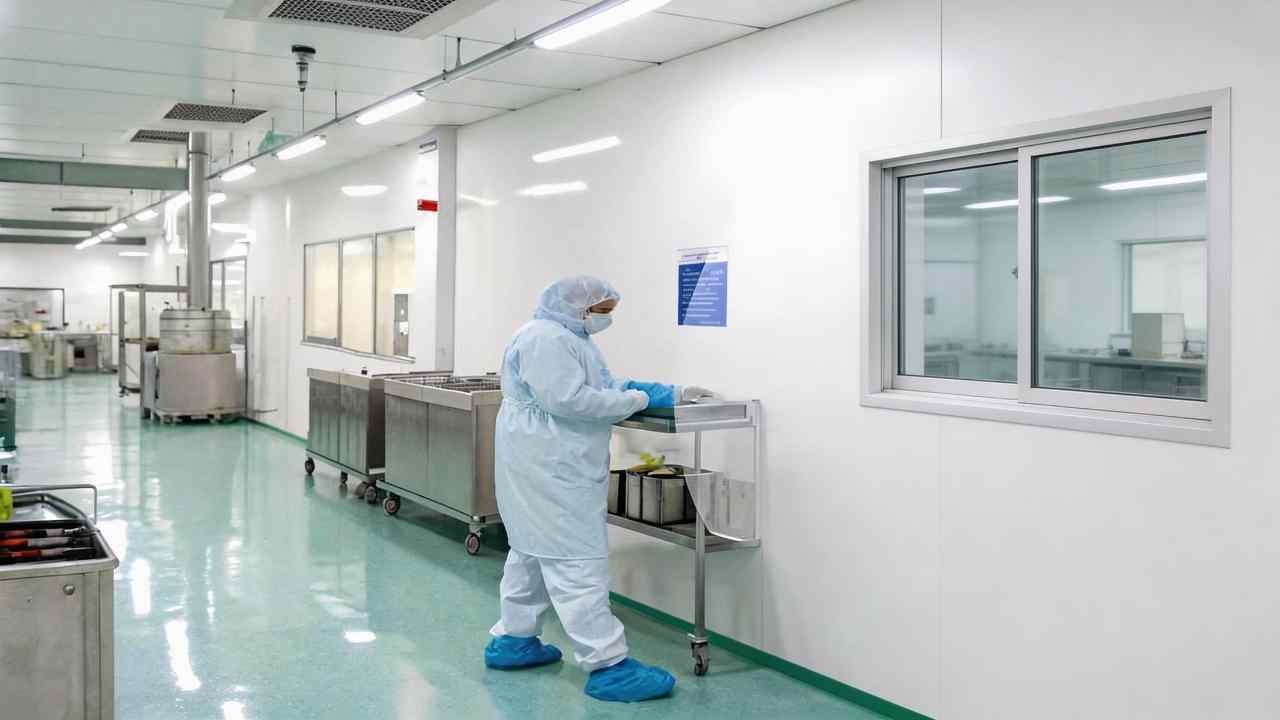
I prioritize factories that hold ISO 9001 and ISO 220004 certifications. ISO 9001 shows the factory has a stable management system. ISO 22000 is for food safety. It ensures the manufacturer looks at every production step to find risks. For example, they must have a system to stop cross-contamination between batches. HACCP is also a top requirement. It means the factory has a plan to stop physical or chemical hazards before they reach the bag.
These certificates are proof of a professional factory. When I visit a factory in China, I check their internal audit logs. I want to see if they follow their HACCP plans every day. If a factory lacks these certificates, I do not use them for my clients. Large company buyers5 and distributors need these papers to pass their own audits. Having these documents ready speeds up your buying process. It also protects your brand from product recalls due to poor hygiene at the source.
Religious and Special Market Access
For my clients in Indonesia, Malaysia, and the Middle East, HALAL certification is a must. It proves that no forbidden materials are used in production. Vitamin B1 is made through synthesis, so it is naturally plant-based. But the factory must be certified to show no animal-derived solvents are used. KOSHER certification is also important for the USA and Europe. I ensure all religious certificates come from recognized bodies. This lets you sell to more customers without religious or cultural barriers.
| Certification | Focus | Market |
|---|---|---|
| ISO 22000 | Food Safety | Europe / Global |
| HACCP | Hazard Control | All Large Food Buyers |
| HALAL | Islamic Law | Middle East / SE Asia |
| KOSHER | Jewish Law | USA / Europe |
| ISO 9001 | Quality Systems | General Manufacturing |
How Do Import Rules Affect Vitamin B1 (Thiamine) Trade?
Unexpected import rules stop your cargo at the port. This causes delivery delays and high storage fees. Monitoring international trade policies ensures a smooth shipping and clearance process for your wholesale orders.
Import rules affect trade through mandatory documents, customs inspections, and tax rates. Correct HS codes (293622) are needed for classification. Countries also set health permits and labeling laws that must be met to enter markets in Southeast Asia, Europe, and the Middle East.
Documentation for Customs Clearance
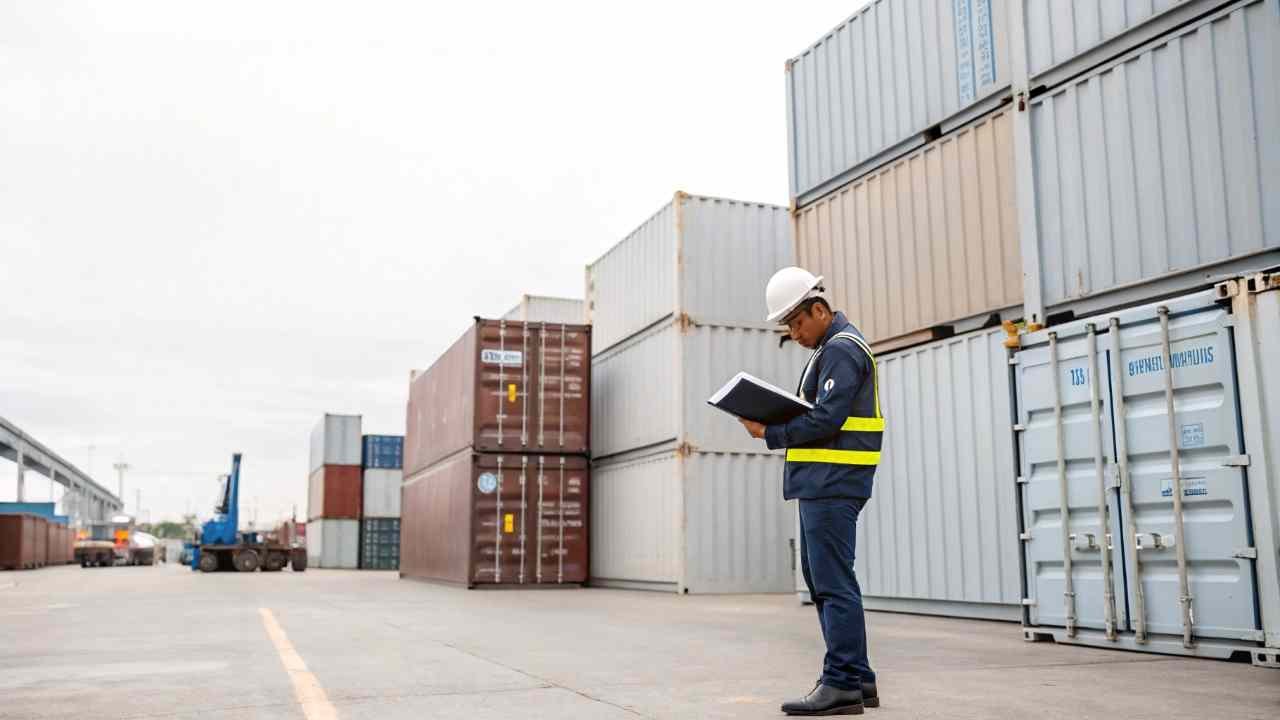
I see many shipments delayed because of paperwork errors. The Certificate of Analysis (COA) is the most important paper for customs. It must show test results for the specific batch in your container. It proves the product meets local health laws. The Material Safety Data Sheet (MSDS) is also needed. It tells port authorities how to handle the material safely. In Saudi Arabia or Russia, you also need a Health Certificate from the Chinese government. I prepare all these papers before the ship leaves to avoid bottlenecks.
Labeling is another part of import rules6. Each bag must show the product name, batch number, and production date. For food-grade vitamins, the label must say "Food Additive" clearly. In some countries, labels must be in the local language, like Arabic or Russian. I customize the labeling to fit your specific country's laws. If labels are wrong, the customs officer might reject the whole container. This is a big risk that I manage for you. I double-check every label against your local import guide before loading.
HS Codes and Tax Savings
Vitamin B1 uses HS code 293622. This code tells customs what the product is and how much tax to charge. I help my clients check the duty rates for their region. Some countries have trade deals with China that lower these taxes. For example, Southeast Asian buyers often get zero-duty under the ASEAN-China Free Trade Area. Using the right HS code and providing a Certificate of Origin saves you thousands of dollars. I focus on these details to lower your total landed cost and improve your profit margins.
| Region | Key Body | Specific Requirement |
|---|---|---|
| Middle East | SFDA / GSO | HALAL and Health Certificate |
| SE Asia | BPOM / JAKIM | Food permits and HALAL |
| Europe | EFSA | E-number and REACH rules |
| Russia | EAC | Quality declaration and EAC mark |
| USA | FDA | FSMA compliance and FCC spec |
How Can Exporters Ensure Vitamin B1 (Thiamine) Compliance?
Suppliers who ignore rules put your business in danger. Poor factory management leads to bad batches and legal issues. Overseeing the production process ensures your Vitamin B1 meets all safety requirements.
Exporters ensure compliance by selecting certified factories and conducting internal lab tests. They track production batches from raw materials to final bags. Reliable exporters also stay updated on global food safety laws to suggest the best grades for each specific region and application.
Factory Oversight and Quality Control
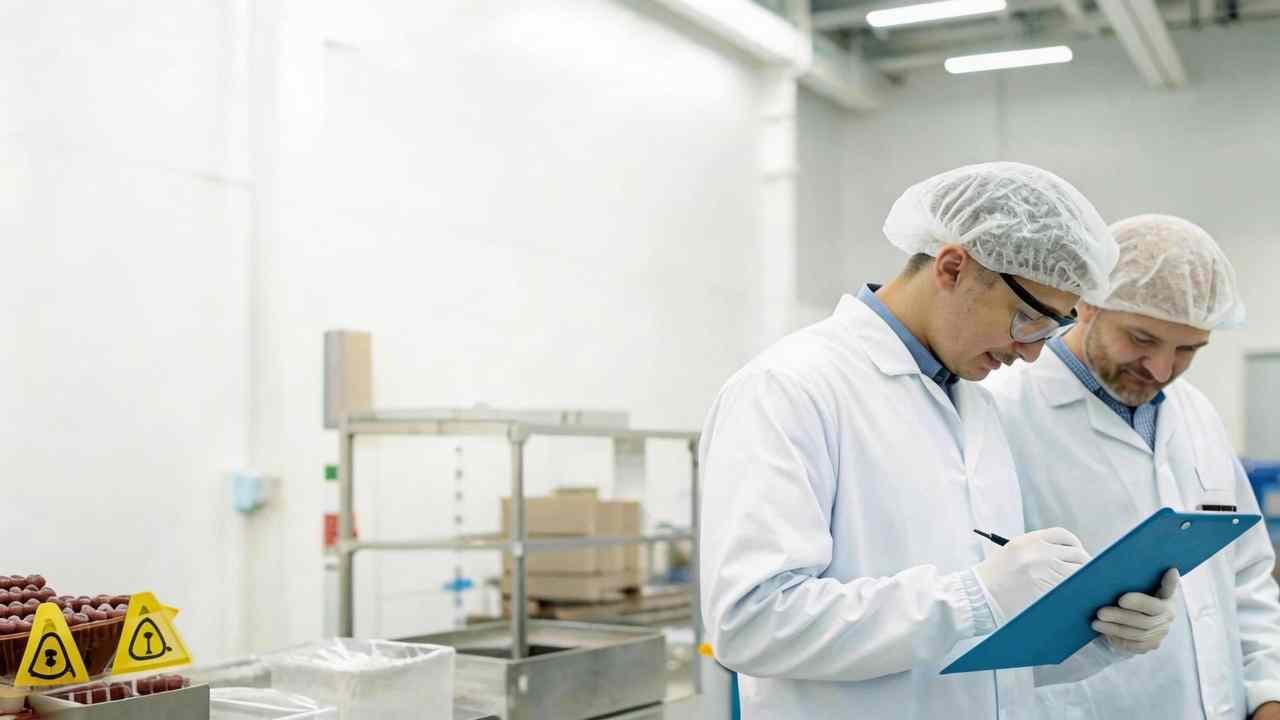
I only work with factories that have a long history of high quality. I check their lab equipment and their testing staff7. A compliant factory must have an HPLC machine to test purity. If they do not have this, they cannot guarantee the COA results. At FINETECH, I oversee the production to make sure the factory follows the agreed specs. This oversight is the only way to be 100% sure about the quality before the material leaves China.
Consistency is a key part of compliance. I check that the factory uses the same raw material sources for every batch. If they switch to a cheaper intermediate, the final product might have different impurities. I visit our regular partners to audit their supply chains. This control is vital for pharmaceutical and high-end food use. I also ensure every batch has a unique number. This allows for full traceability. If there is a question, we can look up the exact production day and the testing records. This builds long-term trust with wholesalers.
Technical Paperwork Management
Compliance also means having the right papers for your local authorities. I manage the stability data and heavy metal reports. If your government needs extra proof of safety, I work with the factory to get those documents. For large company buyers, I can arrange pre-shipment inspections by labs like SGS. This gives an independent report on the quality of the goods. My goal is to handle these technical details so you can focus on sales. I act as your technical consultant in China to ensure every ton is safe and legal.
| Compliance Step | Exporter Action | Buyer Benefit |
|---|---|---|
| Factory Audit | Verification of GMP/ISO | Reduced safety risks |
| Batch Testing | Internal lab HPLC check | Guaranteed active purity |
| Documents | Preparing COA/MSDS | Faster customs clearance |
| Traceability | Linking numbers to batches | Easier inventory tracking |
| Market Advice | Suggesting USP vs. EP | Better local compliance |
What Risks Come from Non-Compliant Vitamin B1 (Thiamine)?
Non-compliant vitamins result in expensive product recalls and huge fines. These failures can also cause health emergencies for your consumers. Maintaining strict quality control prevents any risk of non-compliance for your business.
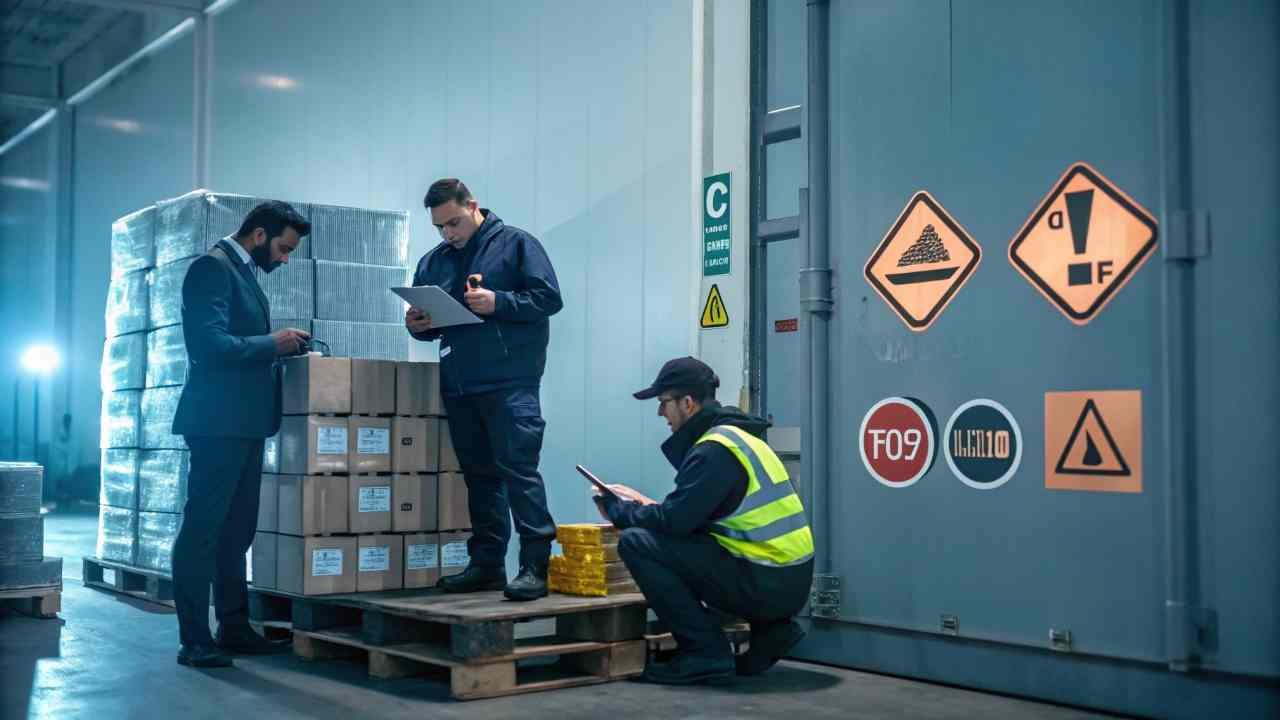
Risks include cargo rejection at customs, high financial penalties, and damage to brand reputation. Non-compliant products may contain toxic heavy metals or unknown impurities. This leads to potential product recalls, legal lawsuits, and the permanent loss of consumer trust in your food products.
Financial and Legal Damages
If your Vitamin B1 does not meet local laws, customs might destroy the shipment. You lose the cost of the product and the freight. In some regions, you might also pay a large fine for importing unsafe additives. This hurts your profit margins. Legal risks are even more dangerous. If a consumer gets sick from an impure vitamin, they can sue your company. This leads to high legal fees and bad news. For large buyers, one bad batch can ruin years of work. I focus on compliance to protect your money from these risks.
Reputation is your most valuable asset. If your products are recalled, consumers stop buying your brand. Rebuilding trust takes a long time and a lot of money. I see this happen to distributors who buy from cheap, unverified traders. These traders only care about one sale, not long-term safety. I choose our factory partners carefully to avoid these situations. My service ensures every bag is safe for your customers to eat. The cost of high-quality Vitamin B1 is much lower than the cost of a business failure.
Health Hazards and Safety
The most serious risk is the health of the consumer. Non-compliant Vitamin B1 can contain heavy metals like lead or arsenic. These metals are toxic to the human brain and nervous system. If you sell vitamins with high metal levels, you put people in danger. Some poor batches might also have bacteria or mold if the factory was dirty. These contaminants spoil your food products and cause illness. I provide full lab reports and oversight to ensure our products are clean. Safe additives are the only way to run a professional food business.
| Risk Type | Immediate Result | Long-term Damage |
|---|---|---|
| Customs | Cargo rejection | Loss of import license |
| Health | Consumer illness | Brand death and lawsuits |
| Financial | Fines and fees | Bankruptcy risk |
| Quality | Inconsistent nutrition | Loss of regular customers |
Conclusion
Compliance with food safety regulations is essential for Vitamin B1 trade. I help you navigate these complex rules to ensure your orders are safe, legal, and high-quality.
-
Food Processing – An industry resource for food enterprises and manufacturers to stay updated on processing technology. ↩
-
World Health Organization (WHO) – International safety standards and essential information regarding the use of food additives. ↩
-
EFSA – European health authorities responsible for independent scientific advice and food safety risk assessments. ↩
-
ISO – The international standard for food safety management systems, used by manufacturers to ensure safe production. ↩
-
Procurement Academy – A professional development resource for company buyers to optimize global sourcing and procurement strategies. ↩
-
Trade.gov – An official resource for international trade orientation, providing guidance on export and import rules. ↩
-
Eurofins – A global leader in laboratory testing, providing technical personnel for the chemical analysis of food ingredients. ↩