
Delivery delays for Vitamin B3 cause production stops and heavy financial losses. This uncertainty hurts your business reputation. I manage every logistics step to ensure your cargo arrives safely and on time.
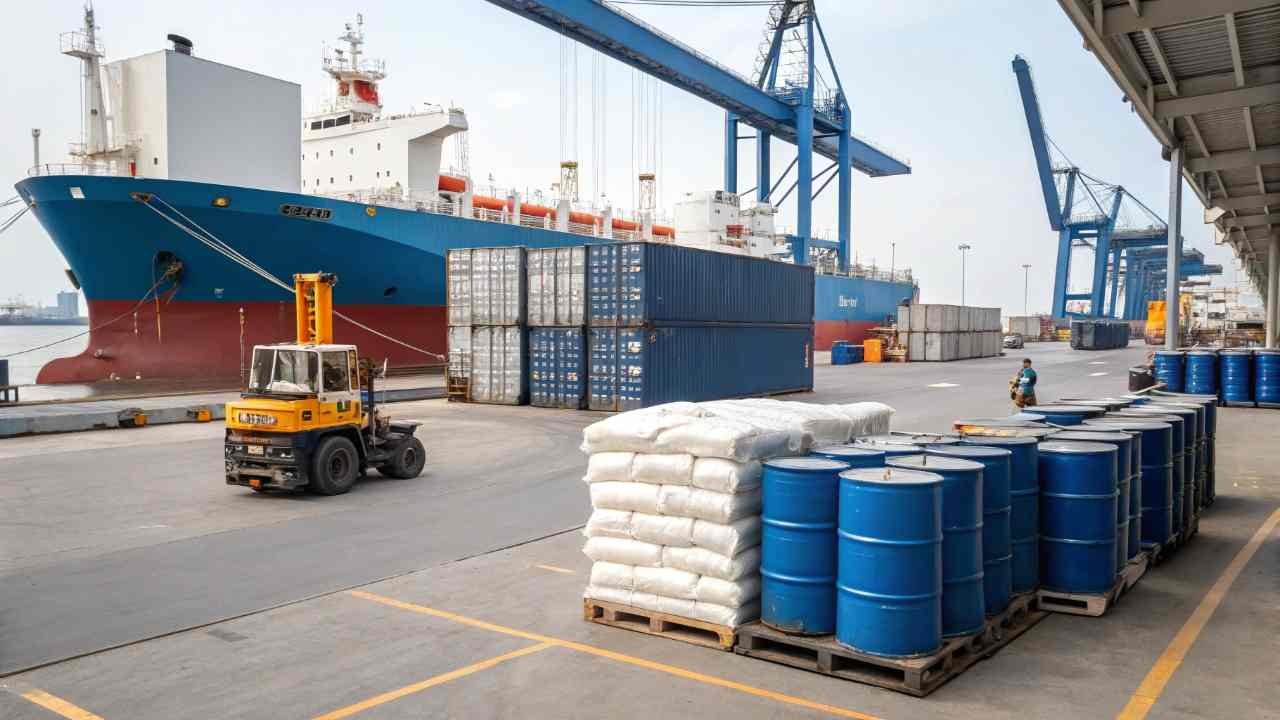
Vitamin B3 is delivered globally via sea freight (FCL/LCL), air freight for urgent pharmaceutical needs, and rail for land routes like Russia. Most bulk orders use 20ft containers (10-15 tons). The process includes factory-to-port transport, customs clearance in China, and international shipping to destination ports.
I manage factory selection and quality oversight for my B2B clients at FINETECH. I want to explain how we handle the technical side of Vitamin B3 delivery to keep your supply chain moving without errors.
What Shipping Methods Are Common for Vitamin B3 (Niacin)?
Wrong shipping choices lead to high costs or damaged vitamins. This drains your budget and ruins your product quality. I help you choose the best transport method for your specific volume and timeline.
Sea Freight (FCL) is the standard for bulk wholesale orders above 10 tons. Less than Container Load (LCL) is used for smaller pallet orders. Air freight is reserved for urgent pharmaceutical batches, while rail freight is a fast option for buyers in Russia and Central Europe.
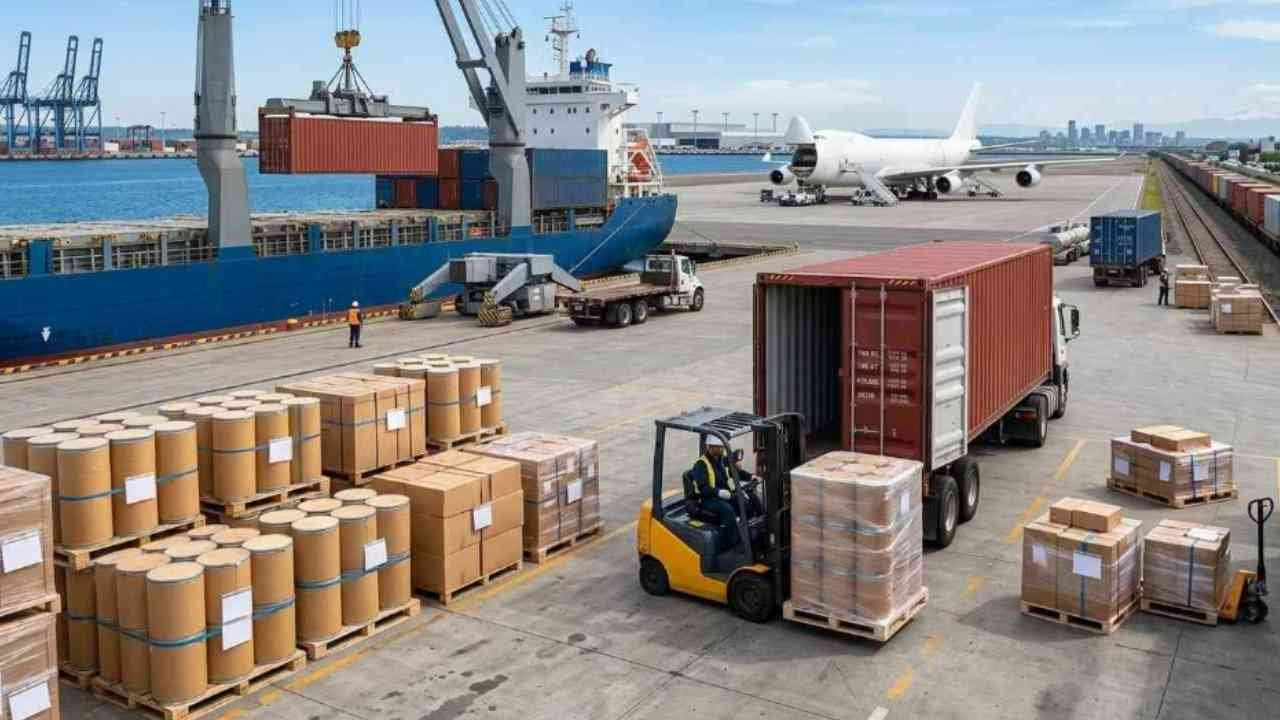
Choosing the Right Transport Mode
I manage sea freight1 for the majority of my buyers in the Middle East and Southeast Asia. We use 20ft containers for most Vitamin B3 shipments. A full 20ft container holds about 12 to 15 tons of Niacin in fiber drums. This is the most cost-effective way to move vitamins over long distances. For smaller wholesalers2, I suggest LCL. This means we share a container with other cargo. I am very careful with LCL. I ensure your Vitamin B3 is not placed next to smelly or dangerous chemicals. I select the shipping lines that have the best safety records and the fastest direct routes to your port.
For land-locked regions like Russia, rail freight is a very strong choice. It is faster than sea freight but much cheaper than air freight. I use the "China-Europe Railway" for these routes. It takes about 15 to 22 days to reach most major hubs. Air freight is only for emergencies. If your factory is about to stop because you ran out of stock, we can ship a few hundred kilograms by air. I work with major airlines to get your Vitamin B3 delivered in 5 to 7 days. I oversee the loading at the factory to make sure the drums are palletized correctly. This prevents any movement or damage during the long journey.
Comparison of Shipping Methods
| Shipping Method | Typical Volume | Delivery Speed | Relative Cost | Best Use Case |
|---|---|---|---|---|
| Sea Freight (FCL) | 10 - 20 Tons | 25 - 45 Days | Lowest | Bulk inventory / Food Mill |
| Sea Freight (LCL) | 500kg - 2 Tons | 30 - 50 Days | Moderate | Small wholesalers / Trials |
| Rail Freight | 1 - 20 Tons | 15 - 22 Days | Moderate | Land routes (Russia / EU) |
| Air Freight | 100kg - 1 Ton | 5 - 7 Days | Highest | Emergency / Pharma Grade |
What Is the Typical Lead Time for Vitamin B3 (Niacin)?
Unknown lead times lead to empty warehouses and lost sales. This uncertainty stops your business from growing. I provide clear timelines for production and shipping to help you plan your inventory perfectly.
Typical lead time for Vitamin B3 includes 1 week for production and quality testing, plus 2 to 6 weeks for shipping. Southeast Asian ports take 10-15 days, while shipments to the Middle East and Europe take 30-45 days from the port of Qingdao.
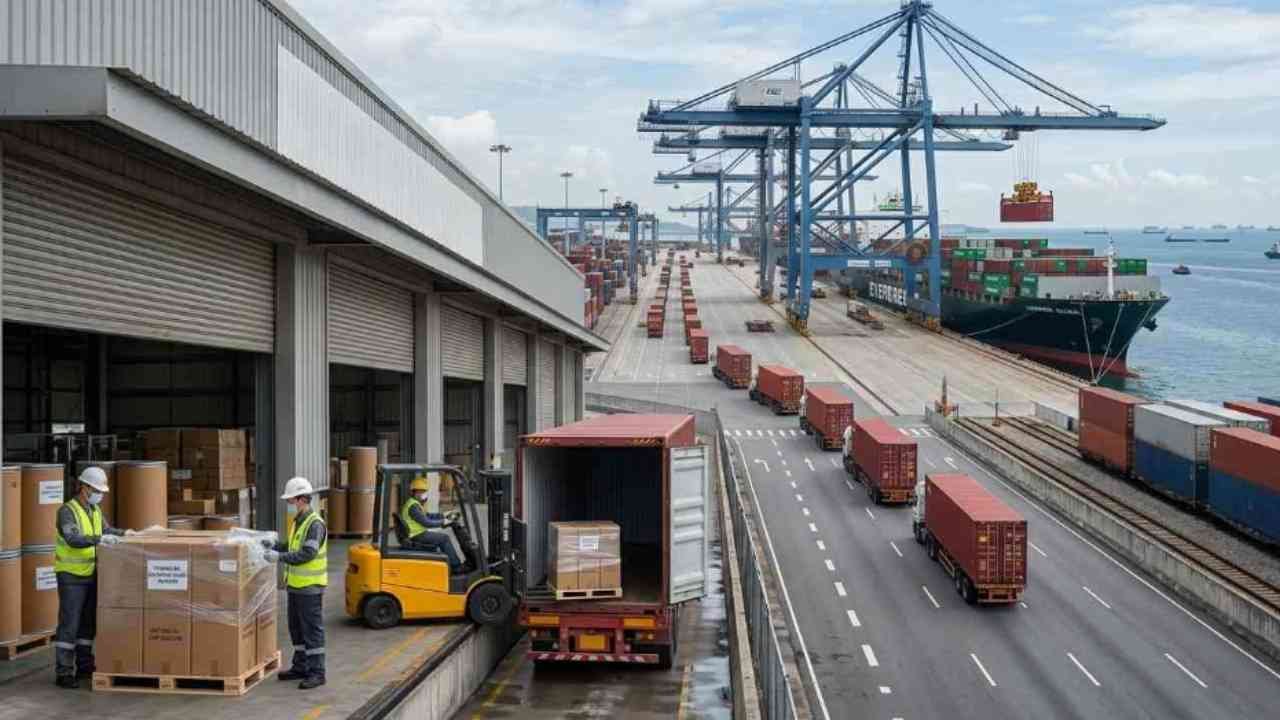
Breaking Down the Lead Time Stages
I want you to know that lead time is more than just the ship voyage. It starts the moment you place the order. First, the factory needs 3 to 7 days to prepare the batch and pack the drums. Then, the lab needs 2 days to finish the HPLC purity tests3. I do not allow any cargo to leave without a passed COA. Then, we book a truck to the port of Qingdao. This takes 1 day. The port needs about 3 to 5 days for customs clearance and loading. I manage all the paperwork early to avoid any "technical delays" at the dock. This stage is where many exporters fail, but I oversee it daily.
The sea voyage is the longest part. For my clients in Indonesia or Vietnam, the time is very short. It only takes 10 to 14 days. For Saudi Arabia or the UAE, it takes 25 to 30 days. For Germany or Greece, it can take up to 45 days. I track the ship's location every week. I give you updates so your warehouse team is ready. You also need to count the time for customs in your own country. This is usually 3 to 5 days. I send the documents via DHL or use "telex release" to make this faster. By managing every tiny step, I ensure the total lead time is as short as possible.
Estimated Regional Lead Times
| Destination Region | Production & Port | Sea / Rail Voyage | Total Lead Time |
|---|---|---|---|
| Southeast Asia | 10 Days | 10 - 15 Days | ~25 Days |
| Middle East | 10 Days | 25 - 30 Days | ~40 Days |
| Europe (Sea) | 10 Days | 35 - 45 Days | ~55 Days |
| Russia (Rail) | 10 Days | 15 - 22 Days | ~32 Days |
| North America | 10 Days | 30 - 40 Days | ~50 Days |
How Can Delays Affect Vitamin B3 (Niacin) Supply?
One week of delay can stop an entire food factory. This chaos creates huge financial penalties from your customers. I explain why delays happen so we can build a stronger supply chain for your company.
Delays cause production shutdowns, lost retail contracts, and high port storage fees. Supply chain gaps force buyers to use expensive local spot markets. This unplanned spending can reduce your overall profit margins by 20% to 50% for that specific period.
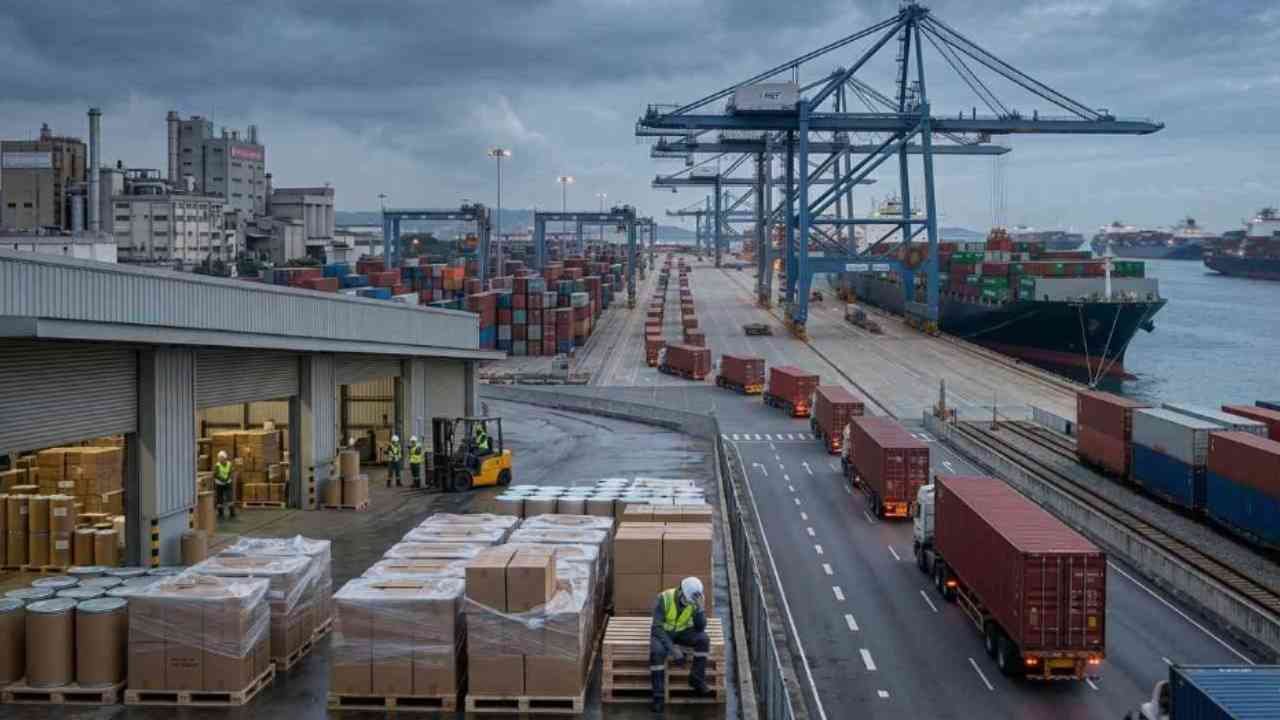
The Financial Cost of Late Shipments
I see that many buyers underestimate the cost of a delay. If your Vitamin B3 is late, your mixing line stops. You still have to pay your workers and your factory rent. This is "dead money." Also, if you supply large food companies, they have strict contracts. If you are late, they might fine you or cancel the deal. This ruins your reputation. I have seen wholesalers lose their best clients because of one shipping error. This is why I focus so much on "logistics oversight4." I want to protect your profit and your brand. Being late is simply too expensive for any professional trader.
External factors also cause delays. In China, the Spring Festival holiday stops all production for two weeks. If you do not plan for this, you will have no stock in March. Also, port congestion5 can happen. If the port is too busy, the ship must wait outside for days. This adds "demurrage" fees. These are fees you pay for keeping the container too long. I manage these risks by booking with the most reliable shipping lines. I also help you calculate a "safety buffer." You should always have extra stock to survive a 2-week delay. I act as your eyes in China to warn you about these risks early.
| Delay Risk Factor | Impact Duration | Main Consequence | Mitigation Strategy |
|---|---|---|---|
| Chinese Holidays | 2 - 3 Weeks | No production / No ships | Buy extra stock in November |
| Port Congestion | 1 - 2 Weeks | High storage fees | Negotiate 21 days free time |
| Lab Failure | 1 Week | Shipment postponed | Batch testing before booking |
| Weather / Storms | 3 - 7 Days | Delayed arrival | Safety stock buffer |
| Doc Errors | 5 - 10 Days | Customs blockage | Use a managed exporter |
How Do Suppliers Ensure On-Time Vitamin B3 (Niacin) Delivery?
Unreliable suppliers promise dates they cannot keep. This lying destroys your business planning. I use strict factory management and expert logistics to guarantee your Vitamin B3 is delivered as promised.
Suppliers ensure on-time delivery by monitoring factory schedules, booking vessels three weeks in advance, and managing customs documents early. Using "telex release" for the Bill of Lading and providing digital COAs speeds up the final handover at the destination port.
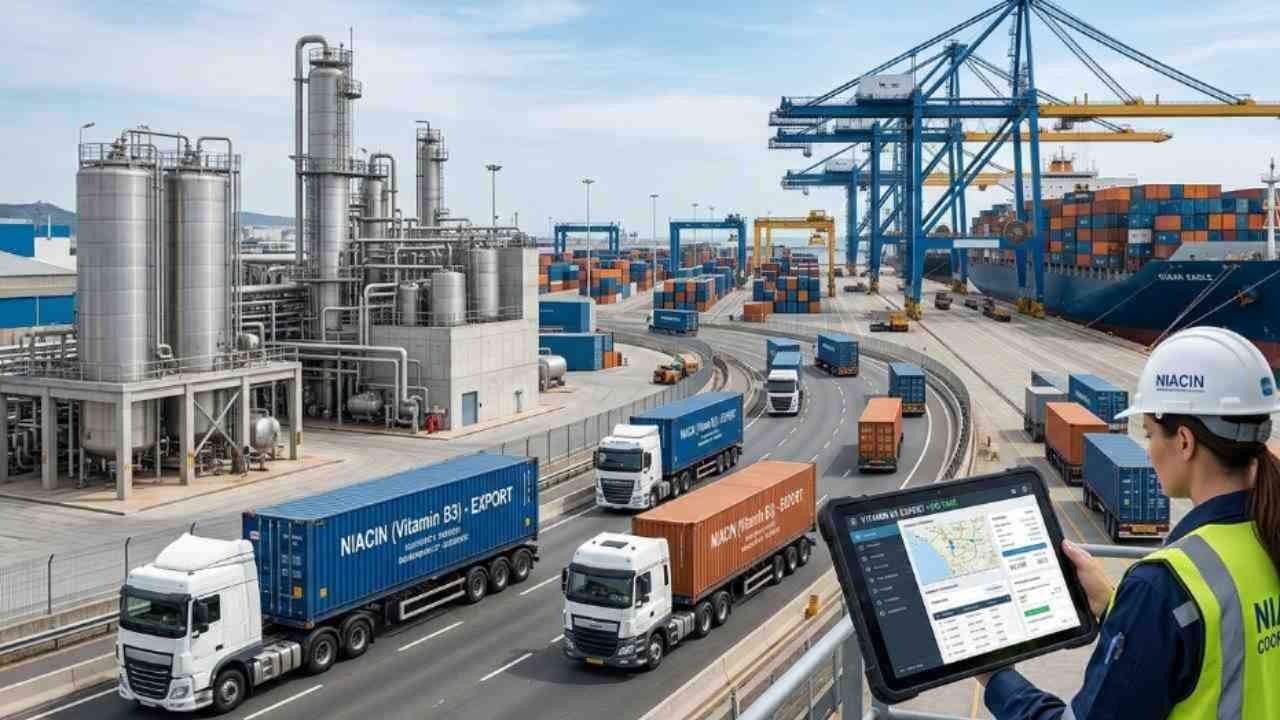
Professional Logistics and Document Management
I work with factories that have a consistent production history. I do not use factories that are always behind schedule. I book the container 14 to 21 days before the goods are ready. This ensures we have a slot on the ship. Many exporters wait until the last minute, and then they find the ship is full. I also manage the documentation with high precision. I check every word on the COA, Health Certificate, and Packing List. If there is one typo, the customs will stop the goods. I prevent this by doing a "pre-filing" check. This oversight is how I keep our delivery record so clean.
I also use modern shipping tools. I prefer "telex release" for the Bill of Lading6. This means I send a digital message to the shipping line. You do not need the original paper to pick up the goods. This saves 3 to 5 days of courier time and the cost of DHL. I also use moisture-absorbing bags inside every container. This is a technical detail that protects the fiber drums from getting soft in the humid sea air. If a drum is soft, it might break during unloading, and that causes a delay at your warehouse. I oversee the loading to make sure the pallets are secure. This "end-to-end" management is my commitment to your business.
Logistics Management Steps
| Task | Timing | Eric's Action | Value to Buyer |
|---|---|---|---|
| Production Audit | Weekly | Verify batch progress | No surprise delays |
| Vessel Booking | 3 Weeks Early | Secure container space | Guaranteed shipping date |
| Doc Verification | 2 Days Early | Check all specs and codes | Fast customs clearance |
| Loading Oversight | During Loading | Take photos and check seal | Zero physical damage |
| Tracking Update | Every Friday | Email status report | You can plan sales |
| Telex Release | After Balance | Send digital release | Instant cargo pickup |
How Can Buyers Plan Orders to Avoid Vitamin B3 (Niacin) Shortages?
Last-minute orders lead to high prices and missing stock. This desperation makes you vulnerable. I provide a systematic planning guide to ensure you never run out of Vitamin B3 for your production.
Buyers avoid shortages by using a "Reorder Point" (ROP) system and maintaining 60 days of safety stock. Planning orders three months in advance and using annual volume contracts with fixed delivery schedules provides the highest level of supply security and price stability.
Implementing a Systematic Ordering Plan
I suggest you use a simple math formula for your inventory. You should calculate your average daily usage. Then multiply this by the lead time (for example, 45 days). Then add 20% as a safety buffer. This is your "Reorder Point." When your stock hits this level, you must place the next order. I help my clients in Southeast Asia and the Middle East with these forecasts. We look at their sales growth for the year. If your sales are growing by 10%, we increase the orders by 10%. This data-driven way of buying is how you beat your competitors. It keeps your warehouse full and your prices stable.
I also suggest annual contracts. We can fix the shipping dates for the whole year. For example, we ship one container every two months. This ensures the factory reserves a production slot for you. It also protects you from price spikes in China. You don't have to worry about the market every day. I manage the schedule and the quality for every single shipment. Also, remember the "China factor." You must order extra in October to survive the Chinese New Year in February. I act as your strategic partner to warn you about these timing issues. By planning together, we make your procurement safe and simple.
Annual Procurement Planning Timeline
| Month | Activity | Goal |
|---|---|---|
| September | Review annual usage | Forecast for next year |
| October | Sign annual contract | Lock in price and volume |
| November | Order Q1 safety stock | Prepare for Chinese New Year |
| February | Monitor market dips | Buy extra if price is low |
| May | Quality audit check | Review batch consistency |
| July | Logistics review | Optimize shipping routes |
Conclusion
International delivery of Vitamin B3 requires careful shipping choices, lead time management, and proactive planning. I manage these logistics at FINETECH to ensure your business stays successful and safe.
-
Flexport – Professional guide explaining the mechanics and logistics of ocean freight and maritime trade orientation. ↩
-
Investopedia – Defining the role of wholesalers in bridging large-scale manufacturers and retailers in the global supply chain. ↩
-
Waters – Technical application notes for laboratory personnel on using high-performance liquid chromatography to verify chemical purity. ↩
-
Supply Chain Dive – Industry publication covering news and analysis on supply chain management and logistics risk oversight. ↩
-
Container News – Trade-oriented news platform providing real-time updates on global port congestion and shipping reliability. ↩
-
International Chamber of Commerce (ICC) – The official global standard-setting body for trade documentation like the Bill of Lading and Incoterms. ↩