
Unstable Vitamin B3 supply lines threaten your production and profit margins. This risk creates stress for your business. I provide technical facts to help you secure a reliable supply.
Vitamin B3 is supplied globally primarily through large-scale chemical synthesis. China is the leading producer, followed by India and Europe. The market provides two main forms: Niacin (Nicotinic Acid) and Niacinamide, distributed in bulk 25kg drums to food, feed, and pharmaceutical industries.
Understanding the global supply landscape for Vitamin B3 is essential for your procurement planning and business stability.
Where Is Vitamin B3 (Niacin) Mainly Produced?
Relying on unknown sources leads to quality failures and legal risks. This uncertainty damages your brand reputation. I guide you to the world's most reliable production hubs for high-purity Niacin.
China dominates global Vitamin B3 production, accounting for over 60% of total capacity. Major manufacturing clusters are located in provinces like Hubei and Jiangsu. Other significant producers operate in India and Switzerland, focusing on high-grade pharmaceutical Niacinamide and specialized food applications.
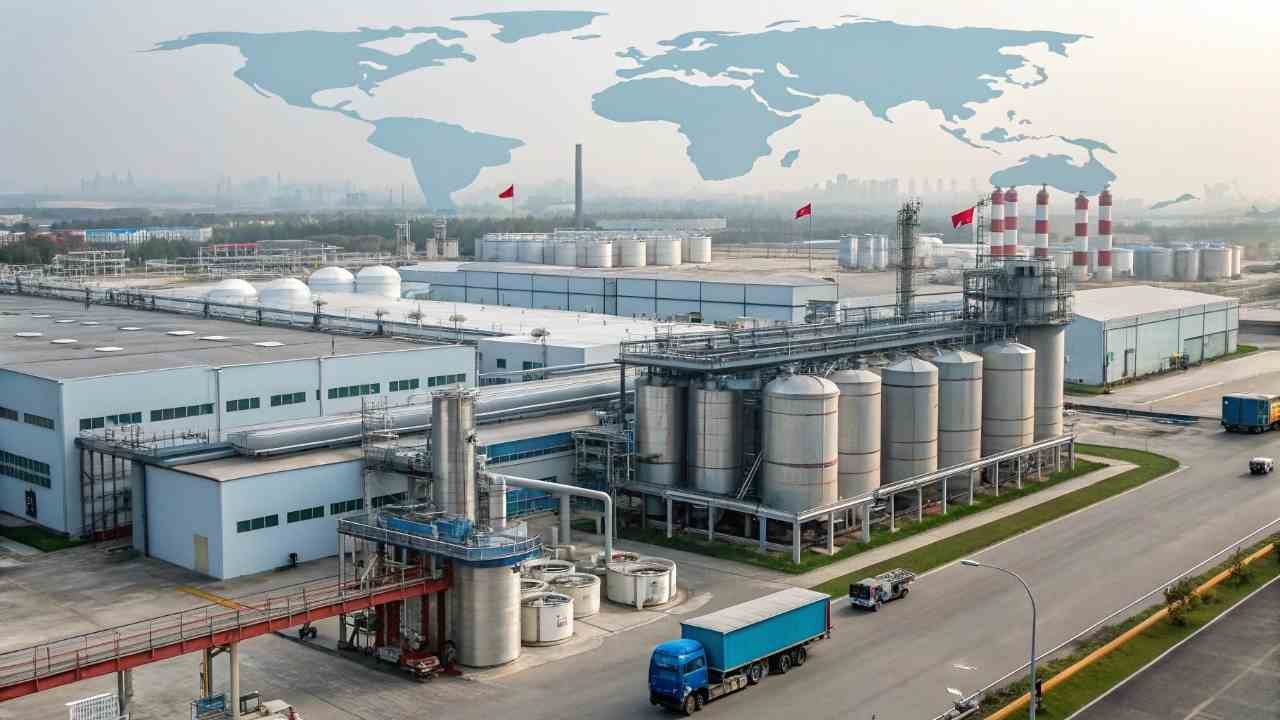
The Dominance of Chinese Manufacturing
I observe that China is the undisputed leader in Vitamin B3 production. Most of the world's Niacin and Niacinamide comes from large chemical parks in China. These factories use 3-picoline as the primary raw material. This chemical is a byproduct of pyridine production. Since China has a massive pyridine industry, the factories here have a huge cost advantage. I visit these plants to ensure they meet international standards like ISO 22000 and GMP. The scale of these factories allows them to offer competitive prices and high volumes. This is why most global wholesalers and food processors1 source their bulk B3 from China. I help my clients select the best factories in these clusters to ensure quality and price stability.
Other regions also play important roles in the global market. India has a growing presence in the Vitamin B3 sector. Many Indian factories focus on Niacinamide for the pharmaceutical and cosmetic industries. In Europe, countries like Switzerland have long histories of vitamin production. These producers often target niche markets that require very high purity or specific particle sizes. In the United States, some production remains to serve the domestic fortification market. But the higher costs in these regions often make them less attractive for bulk wholesale buyers2. I compare these different sources to find the best fit for your specific business needs. I focus on ensuring that even the most cost-effective source meets all USP or BP standards.
| Production Region | Global Share | Primary Form | Target Industry |
|---|---|---|---|
| China | 60% - 65% | Niacin / Niacinamide | Food / Feed / Pharma |
| India | 15% - 20% | Niacinamide | Pharma / Cosmetics |
| Europe | 10% - 15% | High-Purity B3 | Pharma / Specialized Food |
| North America | 5% | Fortification Grade | Domestic Food |
Which Regions Import the Most Vitamin B3 (Niacin)?
Ignoring global demand trends makes you vulnerable to price spikes. This lack of insight hurts your buying strategy. I analyze regional import data to help you time your purchases and protect your budget.
The largest importers of Vitamin B3 are Europe, North America, and Southeast Asia. These regions require massive volumes for animal feed, enriched human foods, and cosmetic manufacturing. Emerging markets in the Middle East, such as Saudi Arabia, are also showing rapid import growth.

Demand Centers in Developed and Emerging Markets
I see that Europe and North America remain the largest consumers of Vitamin B3. These regions have very strict laws for food fortification. Bread, cereals, and flour must be enriched with Niacin to prevent deficiency. This creates a massive and stable demand. Also, the animal feed industry in these areas is huge. Poultry and swine farmers use Vitamin B3 to ensure healthy growth in their livestock. I manage many shipments to Germany and Greece for these industrial uses. The pharmaceutical sector in these regions also buys large amounts of Niacinamide for multivitamins. This high demand means these markets are very sensitive to any supply changes in China.
I also see fast growth in Southeast Asia and the Middle East. In countries like Indonesia and Vietnam, the food processing industry is expanding rapidly. They are building more factories for snacks and beverages. These factories need Vitamin B3 for both nutrition and functional claims. In the Middle East, specifically Saudi Arabia and the UAE, there is a strong focus on local food security3. They are investing in flour mills and livestock farms. This leads to a rising need for bulk food-grade vitamins. I focus on helping buyers4 in these regions secure their supply before prices rise due to global demand. My experience in these markets helps me provide the correct documents, like HALAL certificates, for smooth customs clearance.
| Import Region | Primary Demand Driver | Dominant Grade | Market Growth |
|---|---|---|---|
| Europe | Feed / Human Food | Food & Feed Grade | Stable |
| North America | Supplements / Food | Pharma & Food Grade | Moderate |
| Southeast Asia | Food Fortification | Food Grade | High |
| Middle East | Flour Mills / Livestock | Food & Feed Grade | Very High |
How Stable Is the Current Vitamin B3 (Niacin) Supply?
Sudden shortages stop your production lines and drain your cash. This instability is a major threat to your business. I track global market signals to ensure your supply chain remains moving without interruptions.
The Vitamin B3 supply is currently stable but remains sensitive to raw material costs and environmental regulations in China. Production is centralized among a few large players. Any technical failure or policy change at a major plant can cause immediate global price volatility and stockouts.
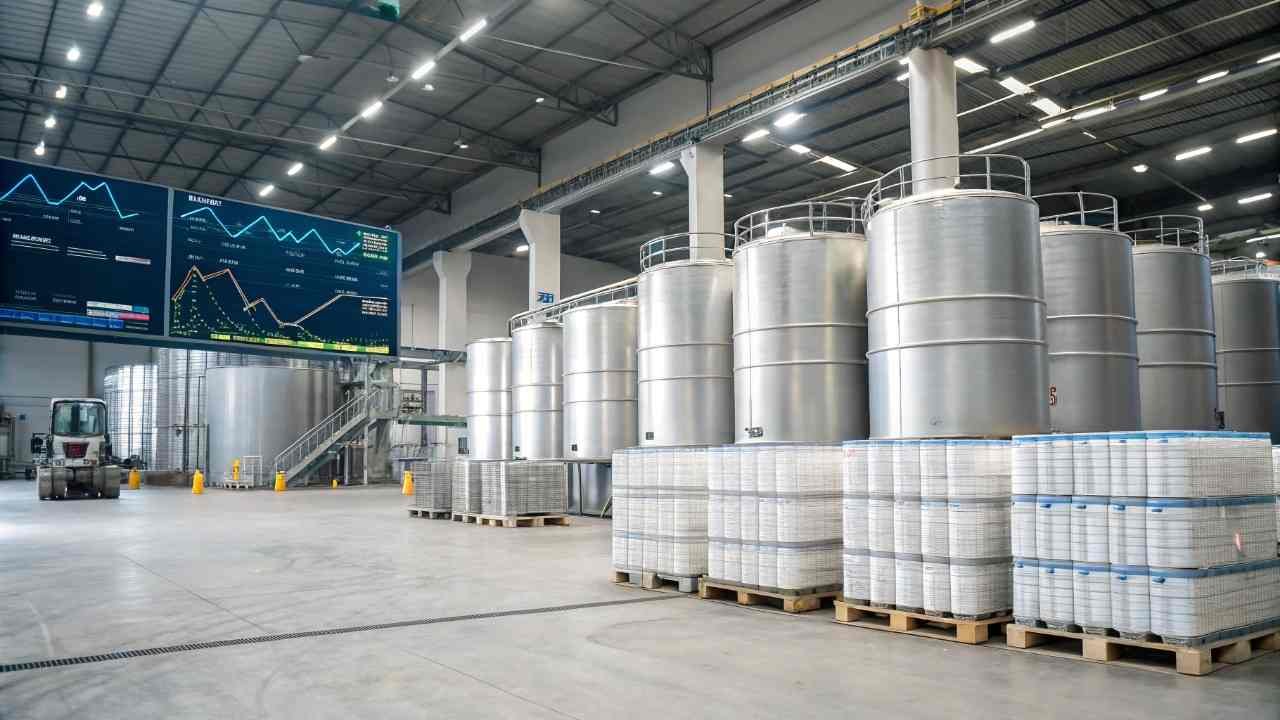
Centralized Production and Environmental Risks
I want you to understand that the Vitamin B3 market is very centralized. Only a handful of companies produce the majority of the world's supply. This means the market is not as fragmented as other additives5. If one large factory in China has a fire or a technical breakdown, the global price can jump in one day. I monitor the operational status of these major players constantly. I look for any news about maintenance schedules or production stops. This information helps me warn my clients early. In a centralized market, having a relationship with multiple factories is the only way to ensure stability. I manage these relationships so you always have an alternative source if one factory fails.
The supply is also affected by Chinese government policies. Niacin production is a chemical process that requires energy and creates waste. During environmental audits, some factories must reduce their output. Also, energy power limits in certain provinces can stop the fermentation or chemical tanks. I track these policies in Hubei and other manufacturing hubs. If I see a new environmental rule coming, I tell my buyers to increase their safety stock. This proactive approach is how my partners stay competitive. You cannot wait for the shortage to happen before you act. By tracking these technical factors, I ensure your supply remains stable even when the market is volatile.
| Stability Factor | Current Status | Risk Level | Effect on Supply |
|---|---|---|---|
| Factory Operation | High Utilization | Moderate | Stable but no buffer |
| Raw Material | Stable Price | Low | Predictable costs |
| Env. Policy | Strict Enforcement | High | Potential sudden stops |
| Global Demand | Rising | Moderate | Tightens available stock |
What Factors Affect Vitamin B3 (Niacin) Availability?
Blindness to raw material shifts leads to unexpected stockouts. This ignorance costs you money and lost sales. I explain the technical factors that control how much Niacin reaches the global market so you can plan better.
Key factors include the price of 3-picoline, environmental policies in China, and global logistics efficiency. Seasonal demand from the animal feed industry, especially during peak livestock growth cycles, also significantly impacts the available stock for other food and pharmaceutical sectors.
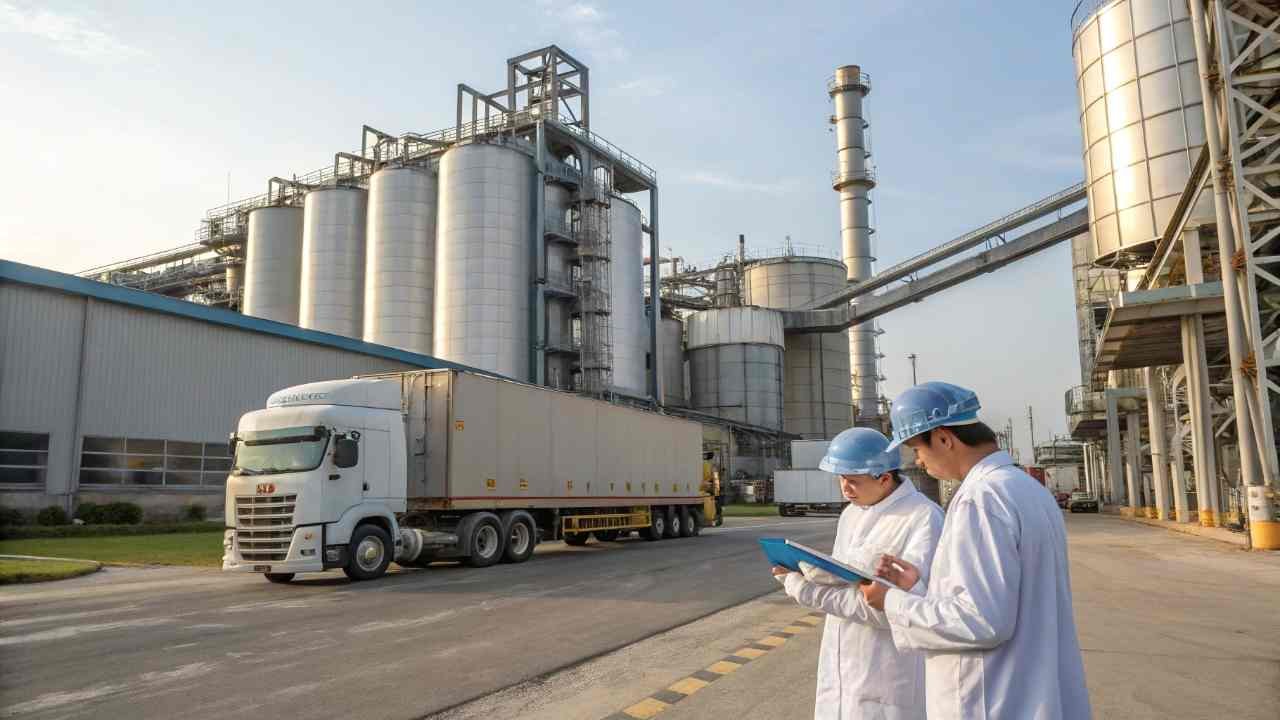
Feedstock and Seasonal Influences
I see that the availability of Vitamin B3 is tied to the pyridine market. As I mentioned before, 3-picoline is a key feedstock. If the demand for other pyridine derivatives rises, it can affect the supply of B3. Also, the price of ammonia is a factor. These are the basic building blocks of Niacin. I monitor the global chemical markets for these raw materials. If the cost of 3-picoline goes up, the factories will raise the price of B3 or reduce their production. I ensure that the factories I select have secure, long-term contracts for their raw materials. This stability is passed on to you as a wholesale buyer. It prevents sudden price spikes that can ruin your budget.
Availability also changes with the seasons. The animal feed industry has peak times when they buy large volumes of Vitamin B3. This usually happens before the winter or during large livestock growth cycles. When the feed industry buys millions of tons, the stock for the food and pharma industries gets tight. I help my clients plan their orders around these peaks. Also, logistics play a role. If there is a shortage of containers at the port of Qingdao or Shanghai, the product stays in the warehouse. I manage the shipping process to ensure your cargo is booked early. This technical oversight6 ensures that even if the market is tight, your Vitamin B3 is on the water and moving toward your port.
| Variable | Impact | Timing | Priority |
|---|---|---|---|
| Feedstock Cost | Changes production cost | 1 - 2 Months | High |
| Energy Limits | Causes factory stops | Immediate | Very High |
| Feed Demand | Tightens global stock | Seasonal | Moderate |
| Shipping Delays | Cargo stays at port | 2 - 4 Weeks | High |
How Can Buyers Secure Long-Term Vitamin B3 (Niacin) Supply?
Buying on the spot market makes your budget unpredictable and risky. This instability prevents your company from growing. I help you build a secure, long-term strategy for your Vitamin B3 procurement to ensure your success.
Buyers secure supply by signing annual volume contracts and working with managed exporters in China. Maintaining a safety stock of 2 to 3 months and diversifying factory sources across different provinces reduces the risk of sudden supply chain disruptions and ensures consistent product quality.
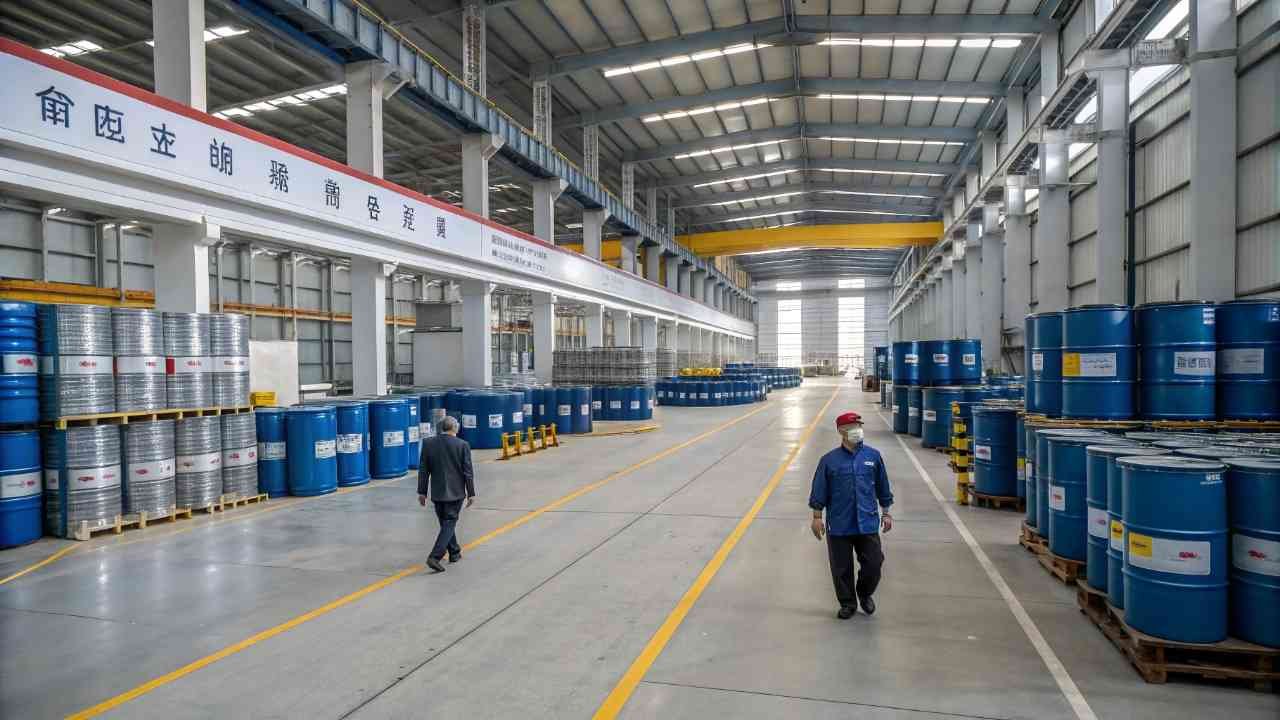
Strategic Planning and Risk Diversification
I always suggest that my regular partners use annual contracts. This is the best way to secure your volume and your price. We agree on a total amount for the year and a delivery schedule. The factory then reserves a production slot for you every month. This protects you from price spikes and shortages. Even if the market price doubles, your contract price stays the same. I manage these contracts with the top factories in China to ensure they are honored. This stability allows you to give fixed prices to your own customers. It is a powerful competitive advantage for any wholesaler or distributor. I focus on long-term relationships that prioritize your supply security.
I also believe in "regional diversification." I do not buy all your Vitamin B3 from one single factory. I use a network of trusted producers in different provinces. If one area has an environmental shutdown, I can move your order to a factory in another region. This spread of risk is vital for a stable supply chain. Also, I tell my clients to keep a safety stock. You should always have 60 to 90 days of inventory in your local warehouse. This buffer protects you from port strikes or shipping delays. I help you manage your reorder points to maintain this level. By combining contracts, diversification, and safety stock, you create a supply chain that is almost impossible to break.
| Strategy Component | Purpose | Action | Benefit |
|---|---|---|---|
| Annual Contract | Price & Volume lock | Sign for 12 months | Budget security |
| Factory Network | Risk spreading | Use 2+ sources | No single point failure |
| Safety Stock | Logistics buffer | Keep 2 months stock | No production stops |
| Market Monitoring | Early warning | Get reports from Eric | Act before price hikes |
Conclusion
Securing Vitamin B3 requires understanding global production and market drivers. I manage these technical details at FINETECH to ensure your business stays profitable and safe.
-
Food Processing – An industry resource for food enterprises and manufacturers to stay updated on production and processing trends. ↩
-
Investopedia – A trade-oriented explanation of the role and scale of bulk wholesale buyers in global industrial markets. ↩
-
FAO – Information on global food safety and food security standards essential for international food trade and availability. ↩
-
CIPS – The professional body for procurement and supply, detailing the strategic responsibilities of buyers in organizational procurement. ↩
-
WHO (Additives) – Official safety evaluations and definitions of food additives used in commercial manufacturing. ↩
-
ScienceDirect – Technical documentation and oversight guidance for technical personnel managing industrial quality control. ↩