
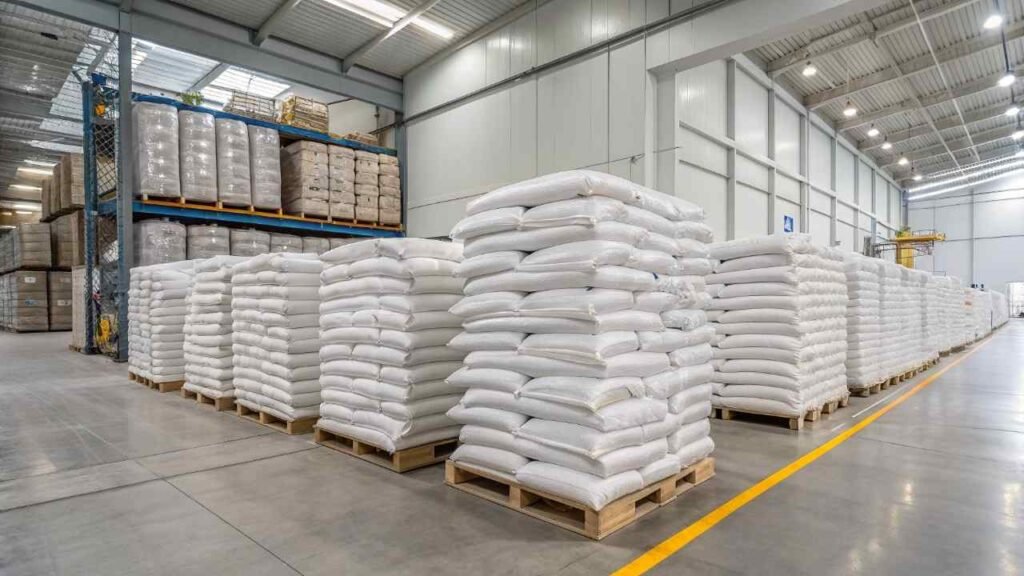
Improper storage leads to clumping and degradation of CMC powder. This results in production delays and financial loss. Following strict storage protocols is necessary to maintain the functional properties of the ingredient.
Carboxymethyl Cellulose (CMC) must be stored in a cool, dry, and well-ventilated warehouse. It should be kept away from direct sunlight, heat, and moisture. Maintaining temperatures between 10°C and 30°C and humidity below 60% ensures the powder remains free-flowing and maintains its specified viscosity levels.
Ensuring the stability of CMC requires attention to environmental variables and handling procedures. The following sections outline the technical requirements for maintaining CMC quality from arrival to use.
What Storage Conditions Are Recommended for Carboxymethyl Cellulose (CMC)?
Exposure to high heat and humidity compromises the chemical structure of CMC. Uncontrolled environments cause the powder to lose its thickening efficiency. Proper climate control is the primary defense against product spoilage.
The optimal storage conditions for CMC include a temperature range of 10°C to 30°C and relative humidity below 60%. The area must be clean and separated from volatile chemicals or strong odors. These conditions prevent moisture absorption, thermal degradation, and contamination of the food-grade additive.

Temperature and Airflow Requirements
Temperature stability1 is vital for the long-term storage of CMC. High temperatures can cause the physical properties of the powder to change over time. While the chemical itself is stable, sustained heat can accelerate the aging process of the polymer chains. It is important to keep pallets away from external walls that absorb solar heat. This is especially true in regions with extreme climates like the Middle East.
Ventilation plays a dual role in moisture and odor control. Constant airflow prevents the buildup of localized humidity "pockets" within the stacks. CMC is a porous material that can absorb ambient odors. Storing it near aromatic compounds or industrial chemicals will result in a tainted product. This is a critical factor for B2B buyers supplying the beverage or dairy industries where flavor purity is essential.
Sanitation and Environmental Barriers
A sanitary warehouse environment prevents physical and biological contamination. Dust and debris on the exterior of bags can enter the production line during the opening process. Pests also pose a threat to the integrity of the packaging. Once a bag is punctured, the CMC is immediately exposed to the surrounding air, leading to rapid moisture uptake.
| Storage Factor | Technical Requirement | Functional Reason |
|---|---|---|
| Temperature | 10°C - 30°C | Prevents thermal degradation of polymers |
| Humidity | < 60% RH | Prevents hygroscopic clumping |
| Light | Indirect / Dark | Prevents packaging material fatigue |
| Ventilation | Continuous | Controls moisture and air quality |
We ensure that all FINETECH shipments are palletized and wrapped before leaving China. This provides an initial barrier, but the local warehouse must maintain these standards to ensure the product remains within specification for the end-user.
How Long Is the Shelf Life of Carboxymethyl Cellulose (CMC)?
Expired CMC often fails to meet the required viscosity targets in food formulas. Using stock past its prime can lead to inconsistent batches and product recalls. Monitoring shelf life is essential for efficient inventory management.
Standard food-grade CMC has a shelf life of 24 months from the date of manufacture. This period is only valid if the product remains in its original, unopened packaging under recommended conditions. After 24 months, the viscosity may gradually decrease, affecting its performance as a thickener.

Factors Influencing Viscosity Retention
The primary indicator of CMC aging is a loss in viscosity2. CMC is composed of long cellulose chains. Over time, these chains can undergo slow oxidative degradation. This process is significantly faster if the storage temperature exceeds 30°C. When these chains break into shorter segments, the powder loses its ability to create a strong thick network in water.
Packaging integrity is the second most important factor. High-quality multi-layer bags with polyethylene liners provide a moisture barrier. If this barrier is compromised, the chemical interaction with oxygen and water vapor accelerates. At FINETECH, we focus on the Degree of Substitution (DS)3 during production. A higher DS generally provides better stability, but the 24-month window remains the industry standard for performance guarantee.
Quality Assessment of Aged Stock
Stock that has exceeded the 24-month mark should not be used in critical food applications without testing. A viscosity test can determine if the batch still meets the original COA (Certificate of Analysis) parameters. If the viscosity has dropped by more than 10-15%, the dosage in the final recipe may need adjustment, or the product should be diverted to non-critical industrial uses.
| Age Profile | Quality Status | Recommended Action |
|---|---|---|
| 0-12 Months | Optimal | No testing required |
| 12-24 Months | Standard | Regular visual inspection |
| 24+ Months | Variable | Viscosity and microbial testing |
| Damaged Bag | Compromised | Use immediately or discard |
I advise all wholesalers to maintain a strict inventory log. By tracking batch numbers and production dates, you can ensure that the oldest stock is used before any degradation occurs. This practice protects the reputation of the distributor and the quality of the final food product.
How Does Moisture Affect Carboxymethyl Cellulose (CMC) Performance?
Moisture is the most common cause of CMC failure in industrial settings. It changes the physical state of the powder and interferes with the dissolving process. Understanding the hygroscopic nature of CMC is key to preventing caking.
CMC is highly hygroscopic, meaning it actively absorbs water vapor from the air. This causes particles to stick together, forming hard clumps or "caking." Moisture also reduces the percentage of active CMC in a given weight, leading to lower-than-expected viscosity and potential microbial growth.

The Mechanism of Caking and "Fish Eyes"
When CMC powder absorbs moisture, the surface of the granules becomes gelatinous. This makes the particles adhere to one another. Once hard clumps form, they become very difficult to disperse in water. During production, these clumps often result in "fish eyes"—large lumps that are hydrated on the outside but dry and powdery on the inside. This leads to an uneven texture in the final product and can clog industrial filters.
In high-humidity regions4 like Southeast Asia, the risk of caking is significantly higher. If the moisture content of the powder rises above 10%, the flowability of the product decreases. This creates issues for automated weighing and dosing systems in large factories. Ensuring the bags are tightly sealed after every use is the most effective way to prevent this interaction.
Microbial Stability and Active Content
Moisture also affects the purity of the additive. While dry CMC does not support microbial growth, the presence of excess water can create a suitable environment for mold or bacteria. Additionally, moisture acts as a diluent. If a buyer purchases CMC with a 10% moisture content instead of the standard 8%, they are receiving less active functional material per ton. This impacts the cost-effectiveness of the ingredient.
| Moisture Content | Physical Impact | Production Risk |
|---|---|---|
| < 8% | Free-flowing | None; standard performance |
| 8% - 12% | Soft clumping | Minor mixing delays |
| > 12% | Hard caking | High risk of "fish eyes" |
| Saturated | Gelatinous | Total loss; microbial risk |
What Warehouse Practices Protect Carboxymethyl Cellulose (CMC)?
Standardizing warehouse operations prevents accidental damage and stock expiration. Even high-quality CMC will fail if handled poorly by staff. Implementing structured practices ensures that the product remains in a saleable and functional condition.
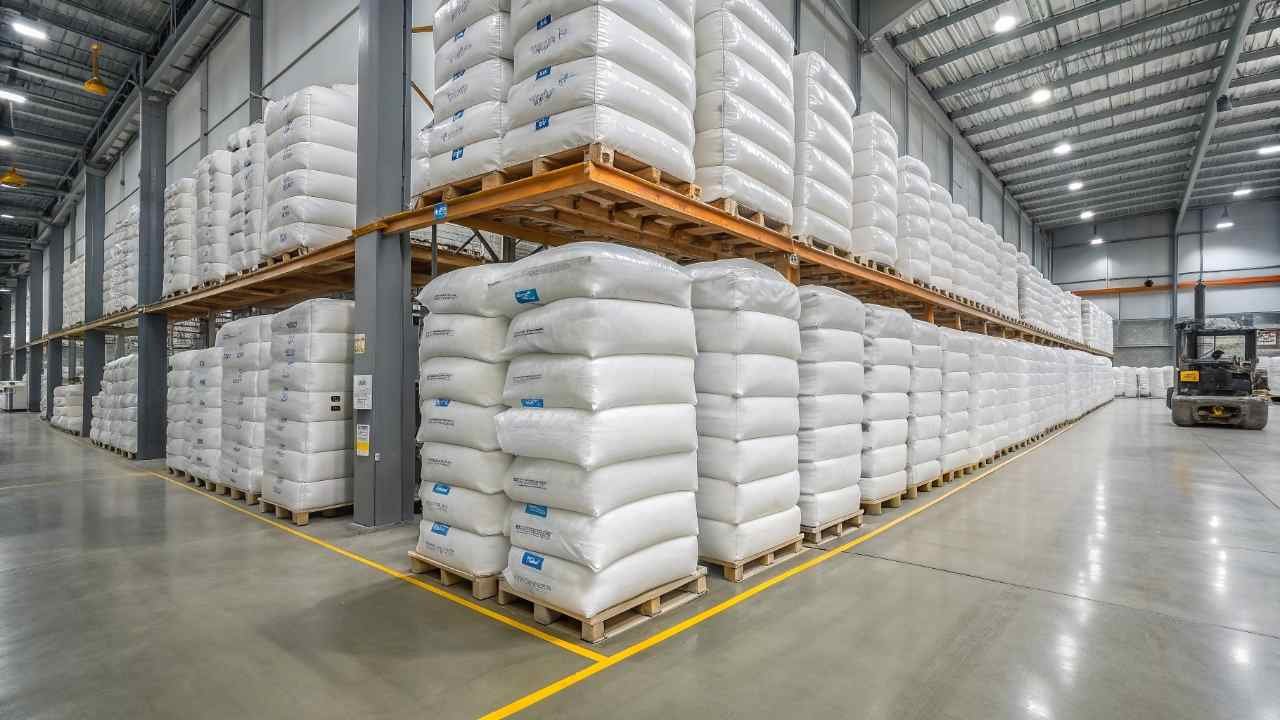
Proper warehouse practices include the First-In, First-Out (FIFO) inventory system and the use of pallets to keep bags off the floor. Stacking heights should be limited to prevent pressure caking. Staff must use proper handling equipment to avoid puncturing bags and exposing the product to the air.
Inventory Control and FIFO
The First-In, First-Out (FIFO)5 method is the most effective way to manage CMC stock. By ensuring that the oldest batches are shipped or used first, you minimize the risk of inventory exceeding its shelf life. This requires clear labeling of all pallets with the arrival date and batch number. Without this system, older pallets often get pushed to the back of the warehouse, leading to dead stock and financial loss.
I recommend a monthly inventory audit for all food additives. This audit should check for bag integrity, expiration dates, and any signs of moisture ingress. Clear aisle organization allows for easier inspection and reduces the likelihood of forklift accidents that can burst multiple bags at once.
Physical Handling and Stacking Limits
| Practice | Implementation | Technical Benefit |
|---|---|---|
| FIFO | Date-coded labeling | Prevents expiration and degradation |
| Palletization | 10cm minimum height | Prevents floor moisture absorption |
| Stacking Limit | Max 2 pallets high | Avoids mechanical pressure caking |
| Sealing | Immediate reseal | Prevents ambient moisture uptake |
How Can Buyers Reduce Storage Loss of Carboxymethyl Cellulose (CMC)?
Reducing storage loss directly increases the profitability of the procurement process. Buyers must take a proactive approach to supply chain management and local storage. Strategic planning and quality control are the most effective tools for minimizing waste.
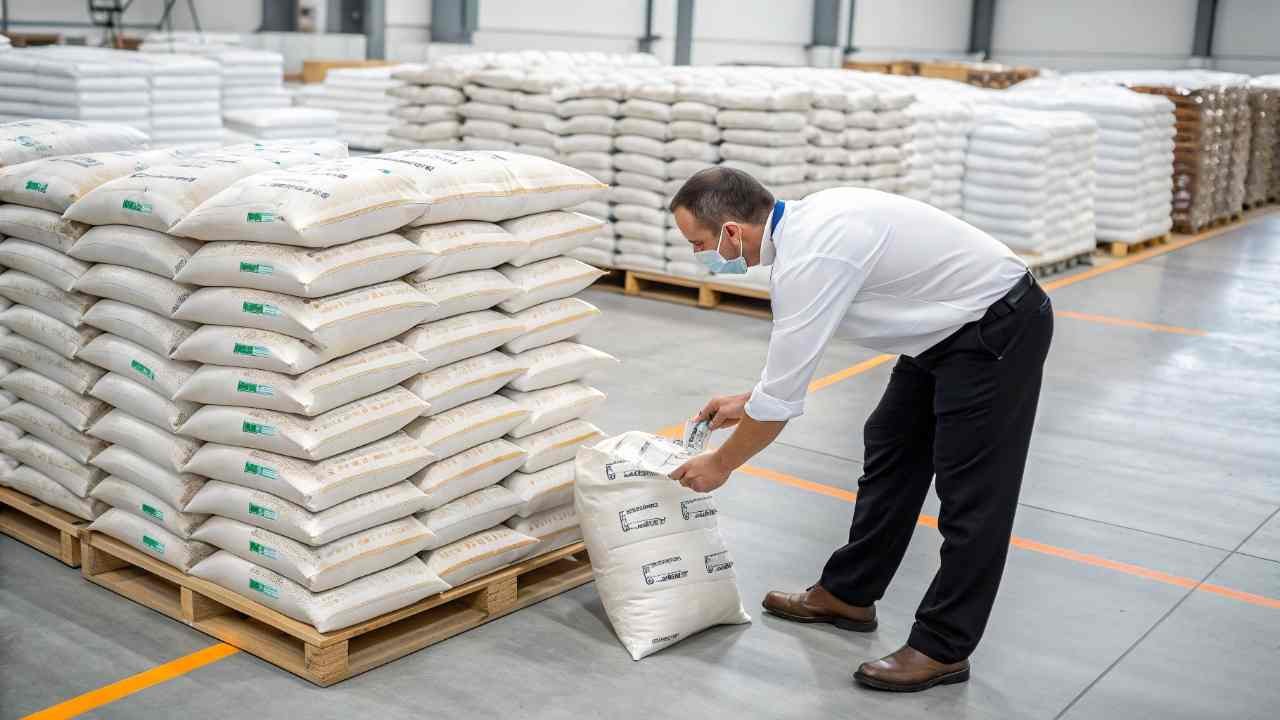
Buyers can reduce loss by aligning order volumes with actual consumption rates and conducting immediate inspections of arriving shipments. Investing in dehumidification and temperature-controlled storage rooms significantly lowers the risk of environmental damage. Regular staff training on handling protocols also prevents accidental packaging failure.
Strategic Procurement and Just-in-Time (JIT)
Over-ordering is a primary cause of storage loss6. While bulk purchasing offers lower per-unit costs, the "hidden" costs of storage and the risk of degradation often outweigh the savings. I recommend that buyers analyze their 3-month consumption average and maintain a buffer stock that does not exceed a 6-month supply. This ensures the product is always fresh and reduces the time it is exposed to the local environment.
At FINETECH, we support this by offering low MOQs and flexible shipping schedules. This allows distributors in Europe and Southeast Asia to maintain leaner inventories. By receiving more frequent, smaller shipments, the overall risk of storage-related quality issues is greatly reduced.
Incoming Quality Control (IQC)
| Strategy | Action Step | Financial Impact |
|---|---|---|
| Lean Inventory | Order based on 90-day cycle | Lowers capital tie-up and loss risk |
| Climate Control | Install hygrometers/dehumidifiers | Eliminates moisture-related waste |
| IQC Protocol | Digital photo log of arrivals | Simplifies insurance and supplier claims |
| Staff Education | Handling safety workshops | Reduces bag breakage and spills |
By treating CMC as a sensitive chemical rather than a commodity, buyers can significantly improve their bottom line. Our role at FINETECH is to provide the highest quality product and the logistical support needed to get it to your warehouse safely.
Conclusion
Proper CMC storage requires a cool, dry environment and smart warehouse habits like FIFO. By controlling moisture and heat, you protect your investment and ensure consistent product quality.
-
Understanding temperature stability is crucial for ensuring the quality and longevity of CMC, especially in extreme climates. ↩
-
Understanding the causes of viscosity loss in CMC can help in improving product stability and performance. ↩
-
Exploring the impact of DS on CMC can provide insights into optimizing formulations for better quality. ↩
-
This resource will provide insights into the challenges of storing powders in humid environments and best practices to mitigate risks. ↩
-
Understanding FIFO is crucial for effective inventory management, ensuring you minimize waste and maximize efficiency. ↩
-
Understanding the causes of storage loss can help businesses optimize their inventory and reduce waste. ↩