
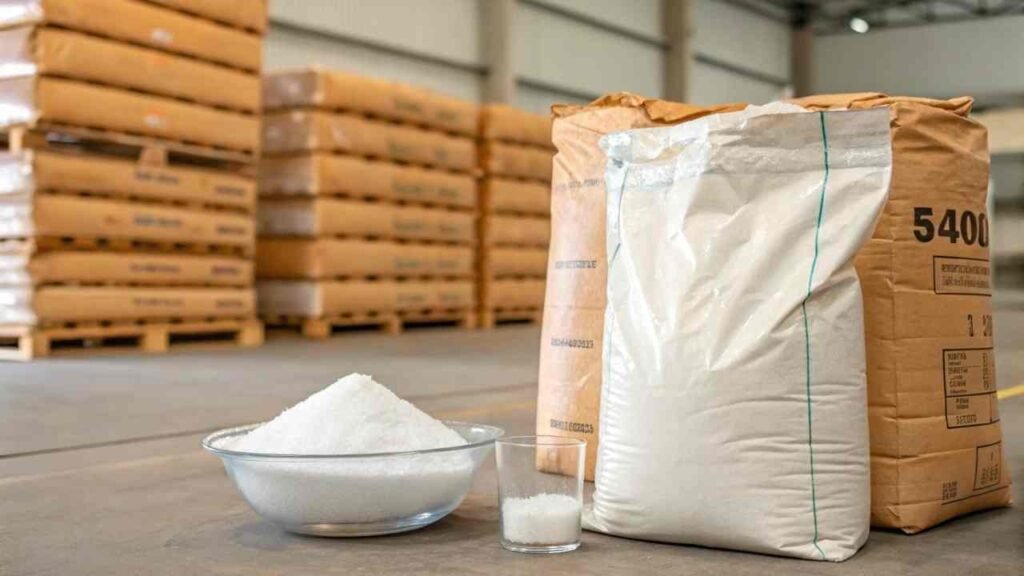
Broken bags and moisture ruin your MSG shipment. This waste costs you thousands in profit. I explain the technical packaging standards to protect your investment and ensure safe delivery.
Proper MSG export packaging requires multi-layer kraft paper bags or PP woven bags with internal polyethylene (PE) liners. These materials block moisture, prevent caking, and withstand sea freight. Standard weights include 25kg bags and 1,000kg jumbo bags, typically palletized for safe handling and efficient unloading.
I manage factory selection and oversee production for my B2B clients at FINETECH. I want to share the technical facts about packaging so you can avoid inventory loss during international transport.
What packaging options are used for MSG export?
Choosing the wrong bag type leads to leaks during sea transit. These leaks cause inventory loss and mess. I identify the standard packaging options for wholesale MSG orders.
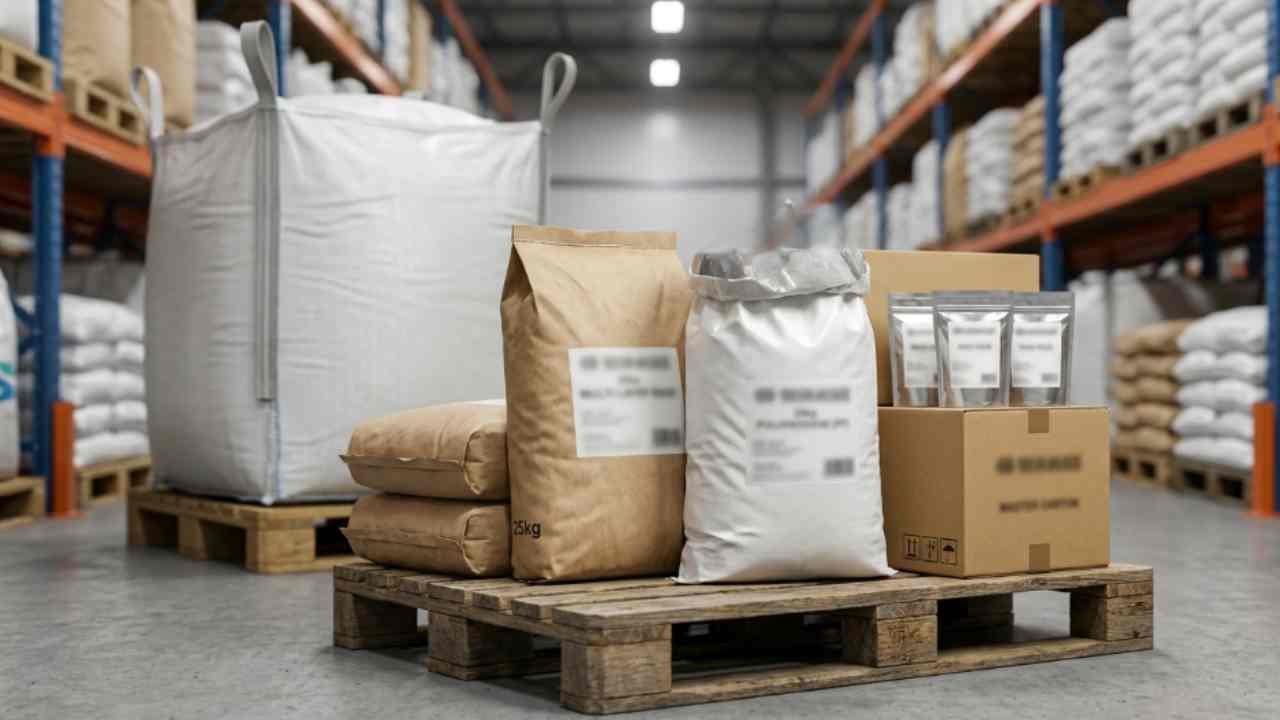
MSG is primarily exported in 25kg multi-layer kraft paper bags or PP woven bags with PE liners. For high-volume industrial users, 1,000kg jumbo bags are used. Retailers may also request small-format OEM pouches inside larger master cartons for easier distribution.
Selecting the Right Material
I see that most wholesalers prefer the 25kg multi-layer kraft paper bag. These bags are very popular in Europe and the Middle East. They look professional and provide a strong barrier. We use at least three layers of high-strength paper. I also ensure there is a plastic liner inside. Without this liner, the paper would absorb moisture from the air. This would make the bag weak. I visit the factories to check the paper quality. It must be thick enough to resist punctures from hooks or pallet corners.
The second option is the PP (Polypropylene) woven bag. These are very tough and cost less than paper. I recommend these for markets with rough handling or humid climates like Southeast Asia. They do not tear easily. For my industrial clients, I suggest 1,000kg jumbo bags (FIBC). These bags save a lot of time. One worker with a forklift can move one ton in seconds. I check the "Safety Factor" of these jumbo bags. They must be rated for at least 5:1. This means they can hold five times their weight without breaking. I act as your technical partner to pick the material that fits your local warehouse equipment.
Packaging Material Comparison
| Packaging Type | Material | Typical Weight | Best For |
|---|---|---|---|
| Kraft Paper Bag | Multi-layer Paper + PE | 25kg / 50lb | Premium wholesale / Europe |
| PP Woven Bag | Woven Plastic + PE | 25kg / 50lb | General wholesale / SEA |
| Jumbo Bag (FIBC) | Heavy-duty Woven PP | 1,000kg | Industrial food factories |
| OEM Pouches | Plastic film | 454g / 1kg | Retailers and traders |
| Master Carton | Corrugated Cardboard | 10kg - 20kg | OEM retail distribution |
How does MSG packaging protect product quality?
Humidity turns free-flowing MSG into hard, useless blocks. This clumping ruins your customer's food production. I explain how technical packaging barriers maintain the MSG quality until arrival.
Packaging protects MSG quality by providing a moisture-proof barrier through thick PE liners. These liners prevent caking and clumping. Robust outer layers protect against physical punctures, while palletization and shrink-wrapping prevent shifting and crushing during rough ocean transit and port handling.
The Science of Moisture Protection
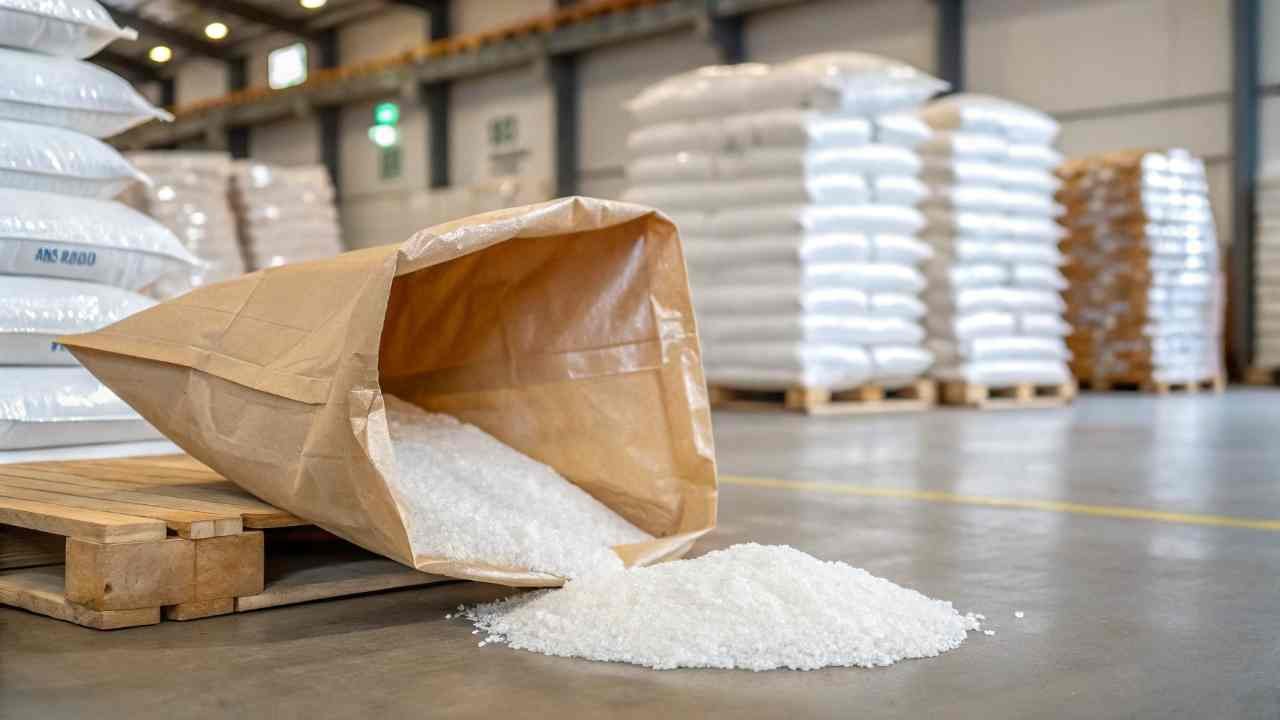
I see that MSG is "Hygroscopic1." This is a technical term. It means MSG loves to suck moisture out of the air. If it gets damp, the crystals stick together. This is called "Caking." To stop this, I insist on high-quality PE (Polyethylene) liners. These liners must be at least 0.05mm thick. I check the heat-sealing of these liners at the factory. If the seal is loose, air will get in. I want the bag to be airtight. For my clients in Saudi Arabia or the UAE, the heat is very high. This makes moisture control even more important. I act as your quality gatekeeper to ensure the liners are perfect.
Physical protection is the second part of the job. A container on a ship moves a lot. Bags at the bottom of a stack can be crushed. I use high-strength outer bags to handle this pressure. I also suggest "Palletization2." We put the bags on wooden or plastic pallets. Then we wrap the whole pallet in stretch film. This film keeps the bags tight. They do not slide around. I also use "Edge Protectors." These are hard cardboard pieces on the corners of the pallet. They stop the straps from cutting into the bags. This technical oversight is how I ensure your MSG arrives in the same condition it left the factory.
Protection Features Table
| Layer | Component | Technical Function | Benefit to Buyer |
|---|---|---|---|
| Inner Layer | PE Plastic Liner | Moisture barrier | Prevents caking / mold |
| Middle Layer | Kraft or PP Woven | Physical strength | Prevents leaks / tears |
| Outer Layer | Stretch Wrap Film | Load stability | No shifting in container |
| Base Layer | Heat-treated Pallet | Ground protection | Easy forklift handling |
| Top Layer | Pallet Cap / Cover | Dust / Rain protection | Keeps bags clean |
What bag sizes are common for MSG shipments?
Incompatible bag sizes slow down your customer's unloading process. This inefficiency increases labor costs. I list the common bag sizes used in international MSG trade for better planning.
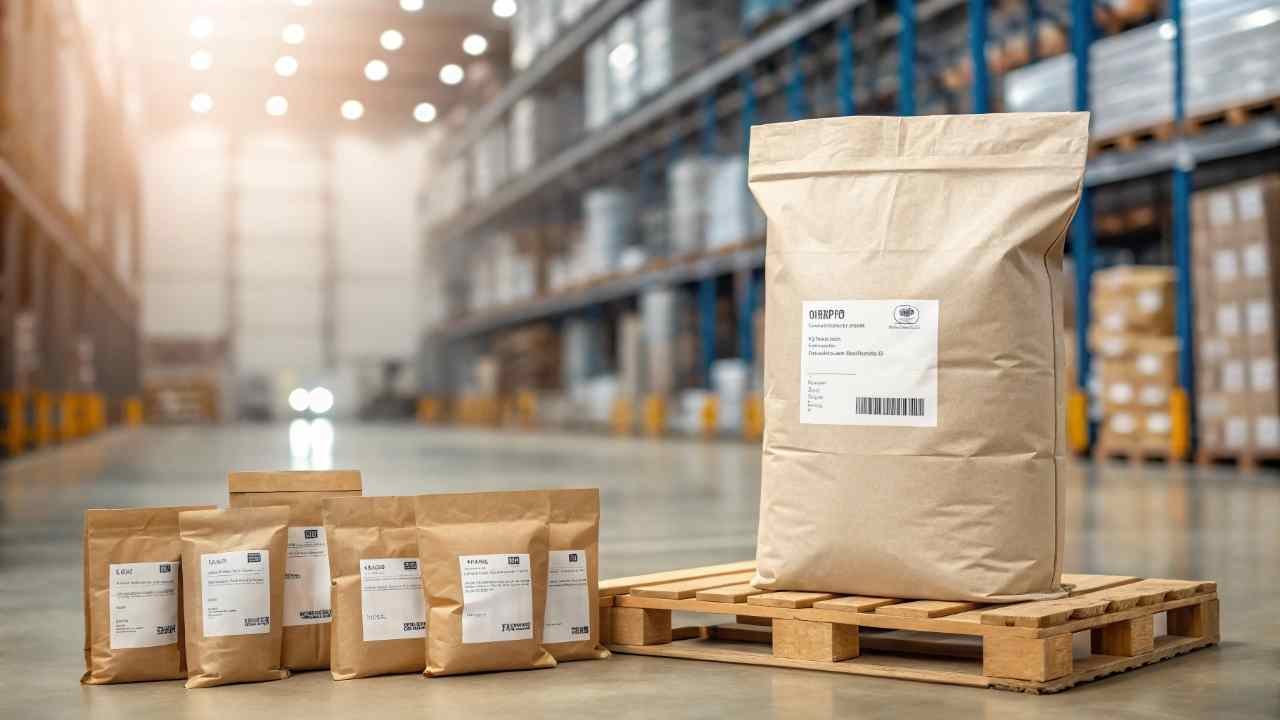
The 25kg (55lb) bag is the industry standard for wholesale MSG. Smaller 1kg, 454g, or 100g pouches are common for retail distributors. Industrial plants often prefer 1,000kg jumbo bags to reduce handling time and minimize packaging waste in large-scale food manufacturing.
Matching Bag Size to Business Model
I see that your business model decides your bag size. If you sell to other wholesalers, you must use 25kg bags. This is the global standard. It is easy for one person to lift. Most food factories also use this size because their recipes are based on 25kg units. I provide these bags with my brand name or your private label. For my traders in Southeast Asia, I often see demand for small pouches. We can pack MSG into 454g (1lb) or 1kg bags. We then put 20 or 40 of these pouches into one big master carton. This is a technical requirement for retail shelves.
Jumbo bags are the best choice for giant factories. If a customer uses 10 tons of MSG a day, they do not want to open 400 small bags. They want to hang one jumbo bag over their mixing tank. I oversee the loading of these 1,000kg bags into containers. We can fit 20 jumbo bags into one 20ft container. This is a very efficient way to ship. I also manage "Bespoke" sizes. If your local market needs 50lb bags instead of 25kg, I can arrange that. I act as your strategic partner in China to ensure the bag size fits your customer's machines. This level of detail makes your business more professional.
Bag Size and Buyer Profile
| Bag Size | Buyer Type | Advantage | FINETECH's Note |
|---|---|---|---|
| 100g - 500g | Retail Consumers | High margin / Shelf ready | Needs master cartons |
| 1kg - 5kg | Small Restaurants | Easy to store | Good for distributors |
| 25kg (Std) | Wholesalers / MFG | Global trade standard | Best for general stock |
| 50lb (US Std) | North American MFG | Fits US machinery | Check label requirements |
| 1,000kg | Large Food Plants | Lowest labor cost | Needs forklift / hoist |
How does packaging affect MSG transport costs?
Poorly designed packaging reduces your container capacity. You pay for empty space instead of product. I show how packaging choices directly impact your total shipping and landed costs.
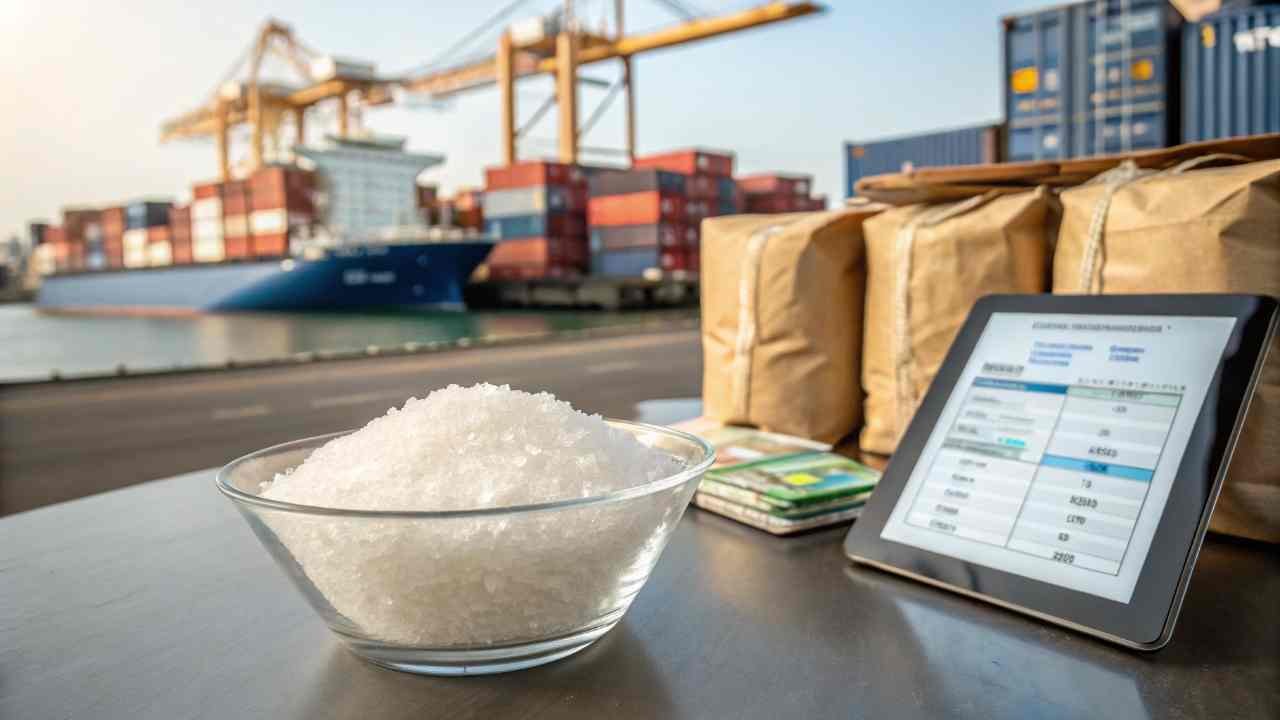
Packaging affects transport costs by determining container load efficiency. Using 25kg bags without pallets (floor loading) maximizes space to 25 tons per 20ft container. Palletization reduces capacity to 20-22 tons but speeds up unloading, lowering labor costs at the destination port.
Optimizing Container Load Capacity
I see that "Landed Cost" is what matters to your profit. Freight is a big part of that cost. If we use floor loading, we stack the bags directly on the floor of the container. This lets us fit 25 tons of MSG into a 20ft container. This is the lowest shipping cost per ton. However, you must pay workers to carry every bag out by hand. I recommend this for markets where labor is cheap. If you are in Europe or the Middle East, labor is expensive. I suggest using pallets. Even though we only fit 20 to 22 tons, a forklift can unload the whole container in 30 minutes.
Pallet choice also affects the cost. Wooden pallets are cheaper but they must be "ISPM-153" heat-treated. This is a technical rule for international trade. I manage this paperwork to ensure customs does not stop your goods. Plastic pallets are more expensive but they are lighter and cleaner. I also look at "Slip Sheets." These are thin plastic sheets that replace pallets. They take up zero space, so you can still fit 25 tons. But you need a special "Push-Pull" attachment on your forklift. I act as your logistics office to calculate which method gives you the lowest total cost. Proper packaging strategy can save you $20 to $50 per ton.
| Loading Method | Capacity (20ft) | Unloading Time | Labor Cost |
|---|---|---|---|
| Floor Loading | 25 Tons | 4 - 6 Hours | High (Manual) |
| Palletized | 20 - 22 Tons | 30 Minutes | Low (Forklift) |
| Jumbo Bags | 20 Tons | 20 Minutes | Very Low |
| Slip Sheets | 24 - 25 Tons | 45 Minutes | Low (Special tool) |
| Mixed Load | Variable | Variable | Moderate |
What labeling rules apply to MSG export packaging?
Incorrect labels lead to customs seizures and heavy fines. This delay kills your delivery schedule. I outline the mandatory labeling requirements to ensure your MSG clears customs smoothly.
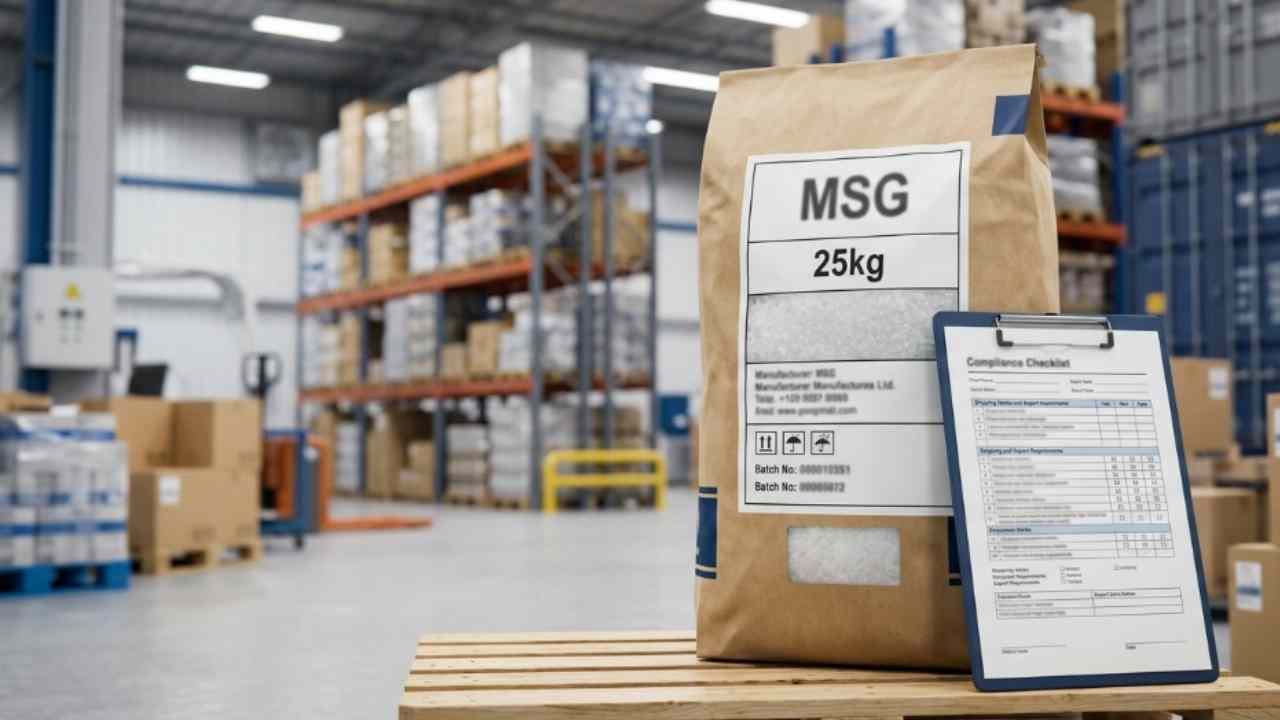
Mandatory labels include the product name (Monosodium Glutamate), purity (99%), mesh size, and batch number. Labels must also show production and expiry dates, manufacturer info, net weight, and mandatory certifications like Halal or Kosher. Some regions require bilingual labels in the local language.
Compliance and Regulatory Labeling
I see that "Labels" are a technical document on a bag. They are not just for decoration. Every country has different rules. For example, the European Union needs the "E6214" code on the bag. Saudi Arabia needs the labels in both Arabic and English. If the Arabic is missing, the SFDA (Saudi Food & Drug Authority) will reject the container. I manage these translations for my clients. I ensure the font size and the placement of the text meet the local laws. I visit the printing plant to check the ink quality. It must not smudge during the long sea journey.
The batch number and dates are also critical. I ensure the production date on the bag matches the COA (Certificate of Analysis). This is for "Traceability5." If there is a quality question later, we can track the exact day the MSG was made. I also add storage instructions. For MSG, it must say "Store in a cool, dry place." I also include the "Net Weight" and "Gross Weight" clearly. For my B2B clients, I can also add your company logo or a QR code. This helps your customers find your website. I act as your strategic partner to ensure your labels are 100% legal and professional. Good labeling is the final step in a safe supply chain.
Label Requirements by Region
| Information Needed | Europe (EU) | Middle East (GCC) | SE Asia |
|---|---|---|---|
| Product Name | Required (E621) | Required | Required |
| Language | English + Local | Arabic + English | English + Local |
| Purity / Grade | Mandatory | Mandatory | Mandatory |
| Halal Logo | Optional | Mandatory | Mandatory |
| Batch Number | Required | Required | Required |
| Production/Expiry | Required | Required | Required |
| Storage Info | Required | Required | Required |
Conclusion
Correct MSG packaging involves multi-layer protection, moisture-proof liners, and compliant labeling. I manage these technical details at FINETECH to ensure your sweetener arrives safely and at the lowest possible cost.
-
ThoughtCo – Scientific explanation of hygroscopy, detailing how certain materials absorb moisture and its impact on physical stability. ↩
-
MHL News – Material handling insights regarding the advantages and disadvantages of palletization in global logistics. ↩
-
International Plant Protection Convention – Official standards for ISPM-15 regarding the regulation of wood packaging material in international trade. ↩
-
European Food Safety Authority – Regulatory information and safety assessments for food additives like Monosodium Glutamate (E621). ↩
-
GS1 Global – International standards for supply chain traceability to ensure product safety and transparent logistics. ↩