

You bought Potassium Sorbate in bulk to save money. But now you worry about it spoiling in your warehouse, turning that smart investment into a total loss.
For long-term use, Potassium Sorbate must be stored in a cool, dry, and dark environment in its original sealed packaging. A strict First-In, First-Out (FIFO) inventory system is essential to manage its shelf life and ensure it remains a free-flowing, effective preservative.
For a professional buyer, the warehouse is a critical point in the quality control process. Improper storage is a common and costly mistake—but one that is entirely preventable. It simply requires discipline and a clear understanding of the product’s key risk factors.
What Storage Conditions Are Recommended for Potassium Sorbate?
Your warehouse is hot in the summer and sometimes damp. Are you sure this is a safe environment for your valuable Potassium Sorbate inventory?
The recommended storage conditions are simple: "cool, dry, and dark." Specifically, this means a temperature below 25°C (77°F), low relative humidity, and away from direct sunlight or any other sources of UV light.
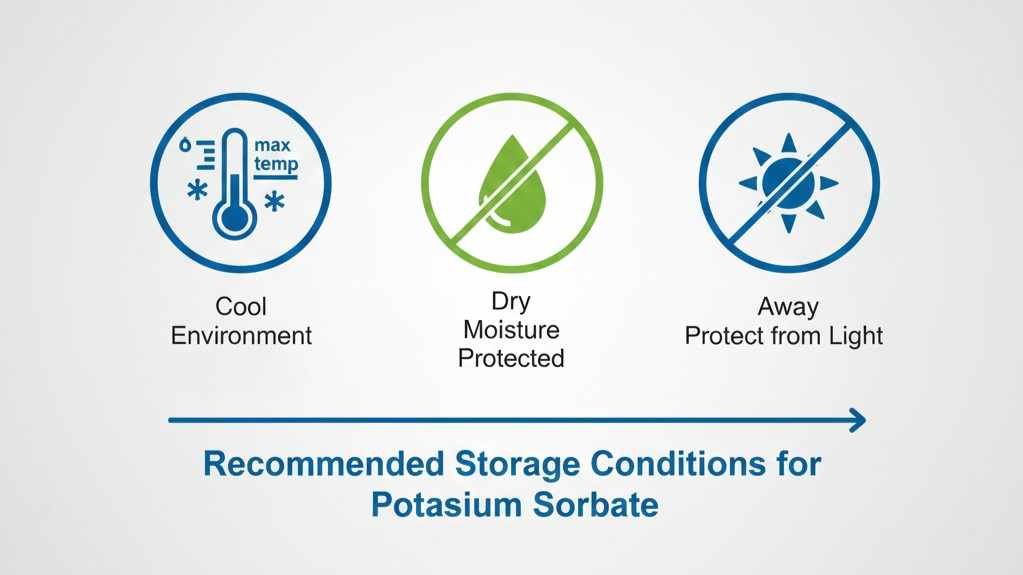
These three words are the golden rule of chemical storage. Cool (below 25°C) slows any potential degradation. Dark prevents the white powder from yellowing due to UV light exposure. Most importantly, Dry is essential. Potassium Sorbate is hygroscopic1 and will absorb moisture from the air, causing it to form hard, unusable clumps (caking). A dry environment is the number one priority.
Ideal vs. Poor Storage Conditions:
| Condition | Ideal Storage Environment | Poor Storage Environment (High Risk) |
|---|---|---|
| Temperature | Below 25°C (77°F) | Above 30°C, direct sunlight on the warehouse. |
| Humidity | Low, controlled humidity. | High humidity, damp floors or walls. |
| Light | Away from windows and direct UV light. | Next to a window or under strong lights. |
How Long Is the Shelf Life of Potassium Sorbate?
You found a pallet of Potassium Sorbate at the back of your warehouse that is over a year old. Is it still good to use, or is it a financial loss?
When stored correctly in its original unopened packaging, the standard shelf life of Potassium Sorbate is two years (24 months) from the date of manufacture. The specific expiry date is always printed on each bag and the Certificate of Analysis (COA).
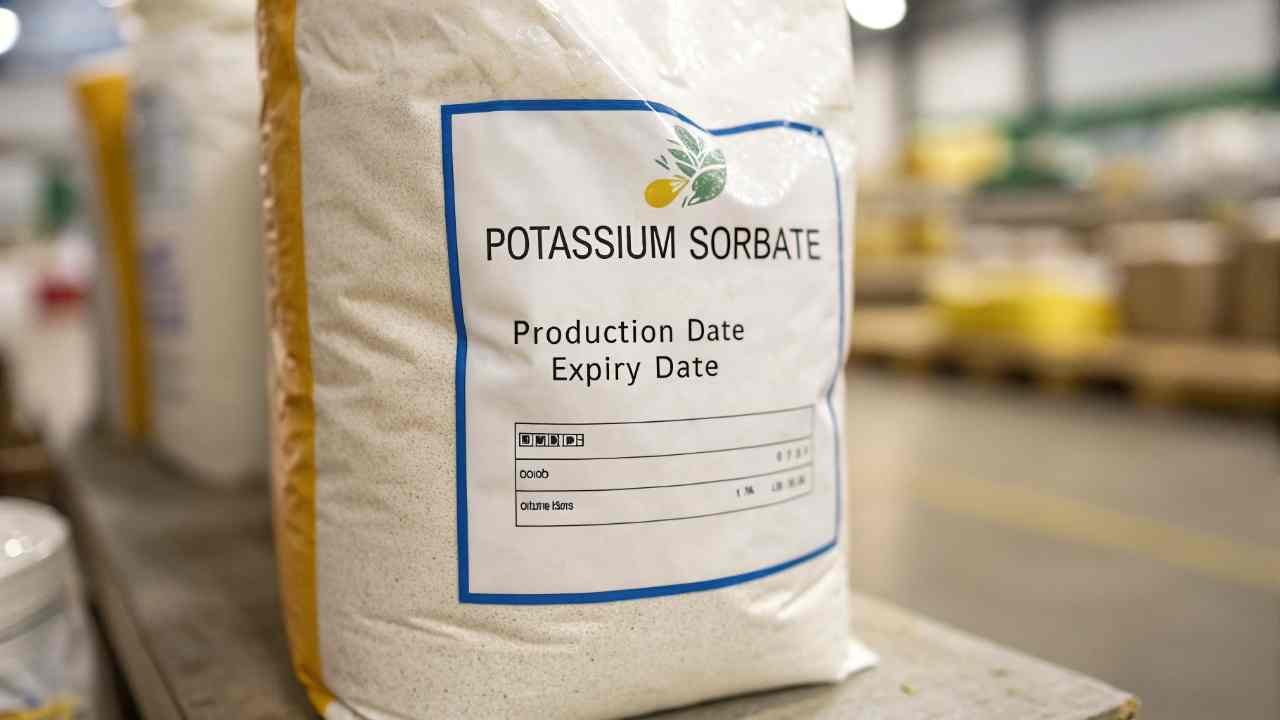
The shelf life is a supplier's quality guarantee, but it is only valid under proper storage conditions. Every bag is marked with a Production Date2 and an Expiry Date3 (typically 24 months later). This information is critical for your inventory management. Using an expired ingredient is an unacceptable quality risk for any food manufacturer. Remember, poor storage in a hot or humid environment can reduce the effective shelf life, causing problems long before the official expiry date.
Factors Affecting Effective Shelf Life:
| Storage Factor | Impact on Shelf Life |
|---|---|
| Ideal Conditions | Product will meet specifications for the full 24 months. |
| High Heat | May accelerate slow degradation, potentially reducing potency. |
| High Humidity | Will cause caking, making the product unusable before expiry. |
| UV Light Exposure | Will cause yellowing, a quality defect. |
How Does Poor Storage Affect Potassium Sorbate Performance?
You used a batch of poorly stored Potassium Sorbate, and now your final product is spoiling on the shelf. This is a brand disaster, and it was completely preventable.
Poor storage, especially exposure to humidity, causes severe caking. This makes the powder impossible to dose accurately. Other effects include discoloration (yellowing) from light exposure and a potential loss of preservative potency, leading to a shorter shelf life for your final product.
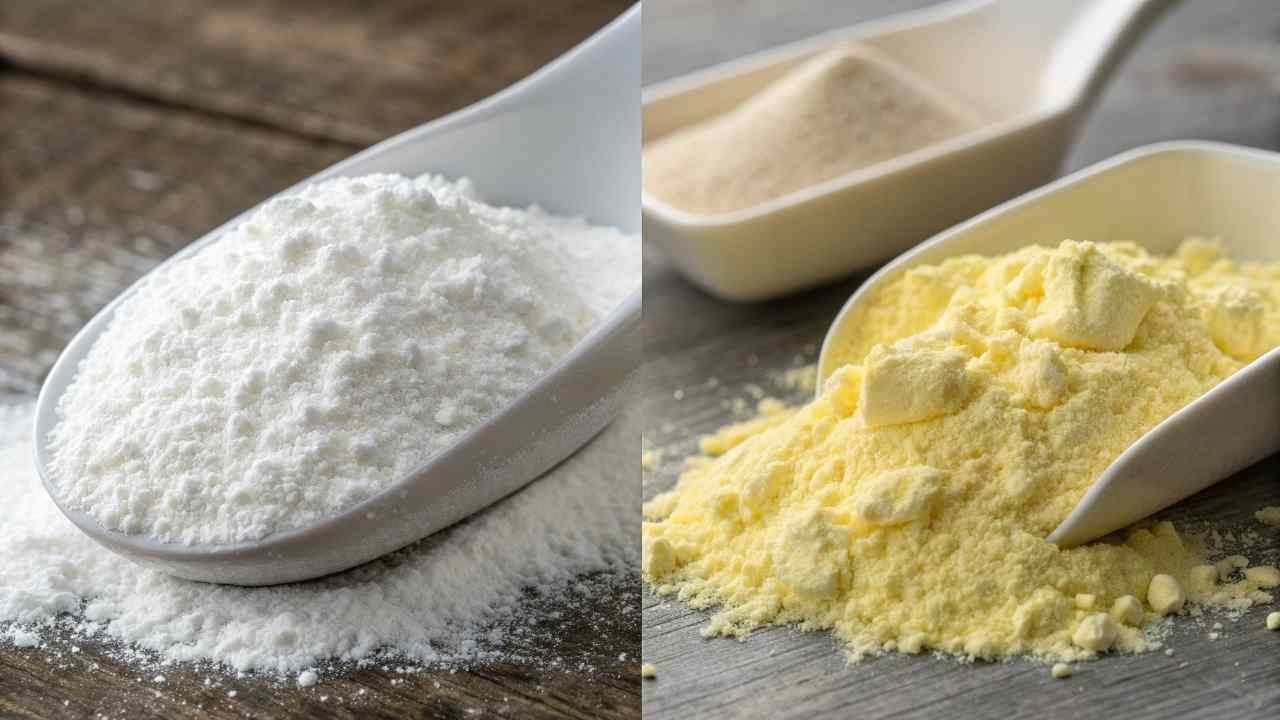
The consequences of poor storage are severe. The most common is caking4 from humidity, which makes the product impossible to dose accurately and ruins its solubility. Discoloration (yellowing) from light exposure is a clear visual quality defect. The most dangerous, "silent killer" is a potential loss of potency5. A less effective preservative can lead to premature spoilage of your final product, causing customer complaints and brand damage.
Consequences of Poor Storage:
| Poor Condition | Physical Effect on Powder | Impact on Your Business |
|---|---|---|
| High Humidity | Caking, Clumping. | Production stoppage, inaccurate dosing, inconsistent final product. |
| UV Light | Yellowing. | Ingredient rejection by QC, sign of unprofessional handling. |
| High Heat | Potential slow degradation. | Reduced preservative effect, risk of premature product spoilage. |
What Warehouse Practices Protect Potassium Sorbate?
You have a good warehouse, but your team is not following the right procedures. Are simple mistakes in handling putting your entire inventory at risk?
The most critical warehouse practice is a strict First-In, First-Out (FIFO) system. Other key practices include keeping products on pallets, maintaining a clean environment, and ensuring that bags are only opened immediately before use to protect them from ambient humidity.

Professional warehouse practices are simple but essential. The golden rule is FIFO (First-In, First-Out)6: always use your oldest stock first to prevent expiry. Always keep bags on pallets, never on the floor, to prevent moisture damage. Maintain a clean environment to prevent contamination. Finally, keep bags sealed until the moment they are needed for production to protect the powder from humidity.
Good Warehouse Practices Checklist:
| Practice | Action | Why It Is Important |
|---|---|---|
| FIFO (First-In, First-Out) | Always use the oldest inventory first. | Prevents losses from expired stock. |
| Use Pallets | Keep all bags off the floor on clean, sturdy pallets. | Prevents moisture damage and allows for safe handling. |
| Maintain Cleanliness | Implement regular cleaning and pest control schedules. | Prevents contamination of a food-grade ingredient. |
| Keep Bags Sealed | Only open a bag immediately before it is used in production. | Protects the powder from humidity and caking. |
How Can Buyers Reduce Potassium Sorbate Storage Losses?
Are you worried about writing off expired or damaged stock? These financial losses are a direct hit to your profitability and are almost always preventable.
Buyers reduce storage losses by implementing a strict FIFO inventory system, optimizing their order frequency to improve stock turnover, and performing a thorough receiving inspection on every shipment to reject any damaged goods before they enter the warehouse.

Reducing storage losses is a three-step process. First, practice optimized ordering based on an accurate forecast so you do not carry excessive stock. Second, perform a thorough receiving inspection on every shipment and reject any damaged goods before they enter your inventory. Third, enforce the unbreakable rule of FIFO to ensure proper stock rotation. Together, these three disciplines will virtually eliminate losses from spoilage or expiry.
Loss Prevention Strategies:
| Strategy | Description | Impact on Preventing Loss |
|---|---|---|
| Optimized Ordering | Using forecasts to order the right amount at the right time. | Reduces the amount of excess inventory being held. |
| Thorough Receiving Inspection | Inspecting and rejecting any damaged goods upon arrival. | Prevents damaged product from becoming a loss later. |
| Strict FIFO System | Ensuring the oldest stock is always used first. | Virtually eliminates the risk of expiry losses. |
Conclusion
Proper storage is a critical part of quality control. The simple rules of "cool, dry, dark" and a strict FIFO system will protect your investment and ensure quality.
-
Learn about hygroscopic substances and their effects on chemical storage, which is crucial for maintaining product integrity. ↩
-
Understanding the significance of the Production Date helps ensure quality control and effective inventory management. ↩
-
Exploring the role of the Expiry Date is crucial for maintaining food safety and preventing quality risks. ↩
-
Understanding caking can help you prevent product loss and maintain quality. ↩
-
Exploring this topic can help you ensure your products remain effective and safe for consumers. ↩
-
Understanding FIFO is crucial for effective inventory management and minimizing waste. ↩