
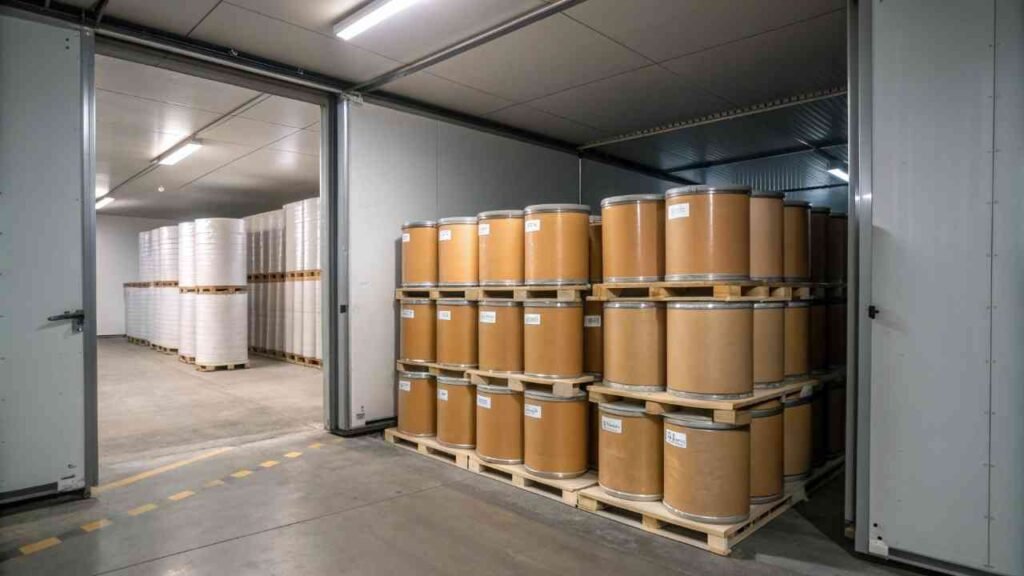
Poor Vitamin B2 storage leads to fast potency loss and clumping. This waste ruins your production budget and stops your factory. I provide the storage facts to protect your inventory value.
To maintain Vitamin B2 quality, you must store it in a cool, dry, and dark environment. Keep temperatures below 25°C and humidity under 60%. Use airtight, opaque containers to block UV light and moisture. This prevents chemical breakdown and ensures the vitamin stays effective for manufacturing.
I manage factory selection and quality oversight for many global buyers. I want to explain the technical storage rules to help you keep your Riboflavin in perfect condition for your business.
What Is the Shelf Life of Vitamin B2 (Riboflavin)?
Using expired Vitamin B2 creates nutritional gaps in your food products. This failure leads to customer complaints and potential legal risks. Knowing the exact shelf life helps you plan your procurement and avoid waste.
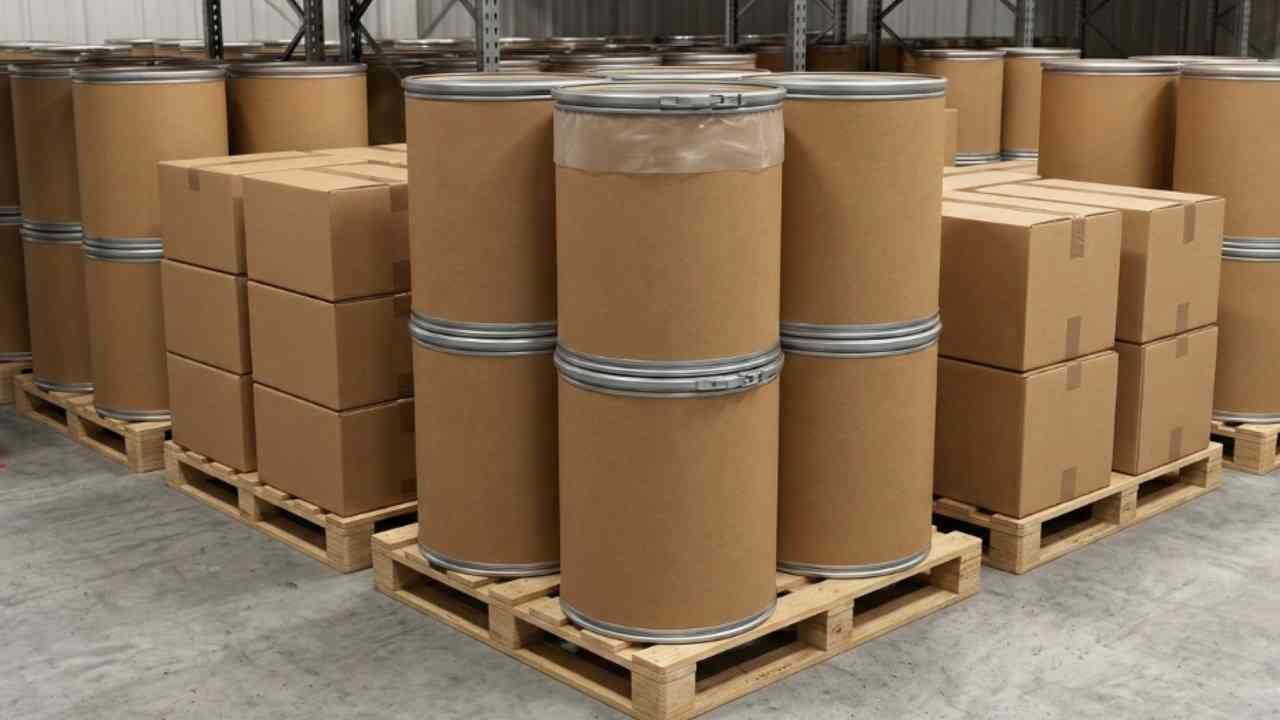
Vitamin B2 typically has a shelf life of 24 to 36 months when kept in its original, unopened packaging. The exact duration depends on the chemical grade and the quality of the moisture-barrier liners used by the manufacturer during the initial packing process in China.
Factors Affecting Stability Over Time
I see that Vitamin B2 is a very stable molecule if you treat it right. In my experience with wholesalers in the Middle East and Europe, the 36-month shelf life is standard for food-grade 98% purity1. However, this clock starts the day the factory packs the drum. If the goods sit in a hot port for two months, the stability drops. I check the production dates for every batch I ship to ensure you receive fresh material. The chemical form also matters. Thiamine Mononitrate is often more stable than Hydrochloride, and Riboflavin follows similar rules regarding its crystalline structure. I ensure our liners are thick enough to prevent oxygen from entering the bag over these three years.
Grade Variations and Storage Life
Not all Riboflavin grades last the same amount of time. Feed-grade B2 80% often has a shorter shelf life than high-purity 98% food-grade material. This is because feed-grade contains more fermentation residues like proteins and fats. These residues can go rancid or attract moisture faster. I manage the selection of grades based on your storage capacity. If your warehouse is not climate-controlled, I suggest buying the more stable 98% food-grade. It costs more but has a much lower risk of failing a lab test2 after two years. I provide stability data from the factory to help my clients understand these differences clearly.
| Vitamin B2 Grade | Standard Shelf Life | Best Storage Form | Stability Level |
|---|---|---|---|
| Food-Grade 98% | 36 Months | Fiber Drum + PE Liner | High |
| Pharma-Grade 100% | 36 Months | Aluminum Foil Bag | Very High |
| Feed-Grade 80% | 24 Months | Cartons / Bags | Moderate |
| Liquid Prep (Niche) | 12 Months | Dark Plastic Jugs | Low |
How Does Light Exposure Affect Vitamin B2 (Riboflavin)?
Direct light destroys Vitamin B2 potency in just a few hours. This photodegradation turns your bright yellow powder into useless brown waste. You must use light-proof systems to ensure your raw materials stay active and valuable.
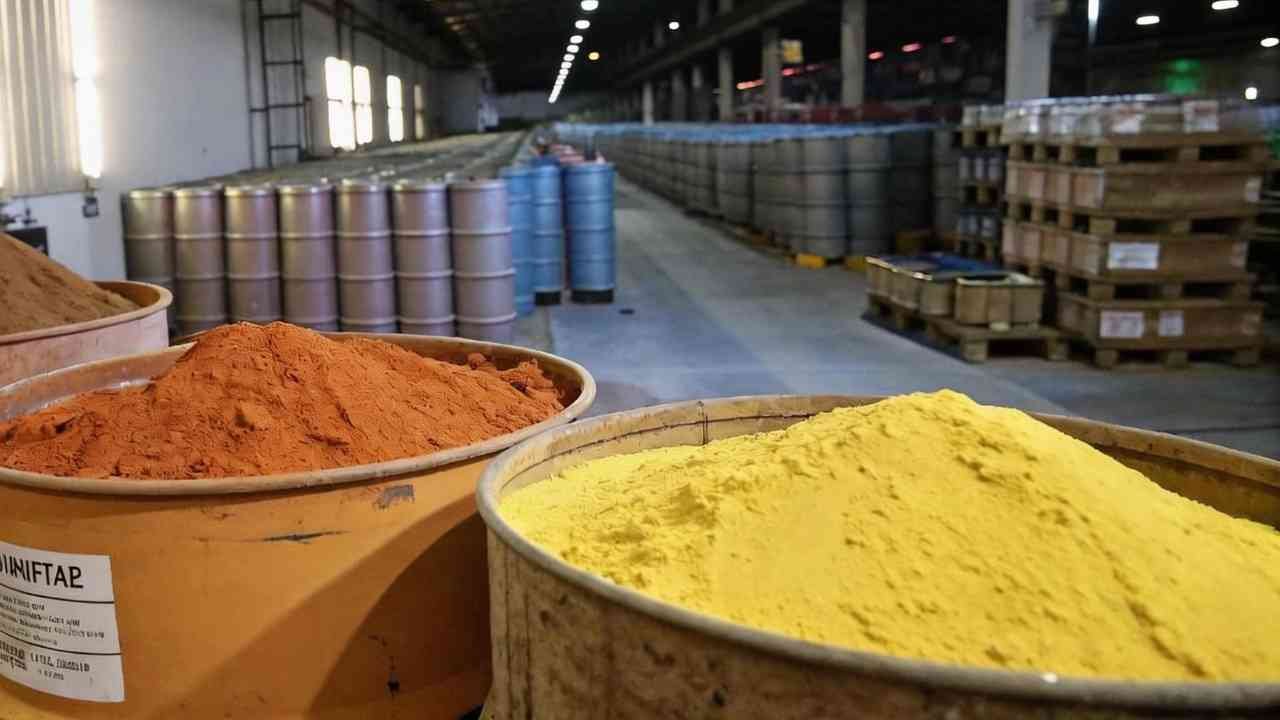
Light exposure causes rapid photodegradation of Vitamin B2, breaking down its chemical side chains. This process reduces potency and changes the color from yellow to dark orange or brown. UV light is the most damaging, making opaque packaging essential for all international trade.
The Science of Photodegradation
I want you to understand that Riboflavin is highly photosensitive. When UV rays hit the molecule, they trigger a chemical reaction that breaks the ribityl side chain. This creates by-products like lumichrome or lumiflavin. These chemicals have no nutritional value. In fact, they can change the flavor of your final food product. I have seen buyers in Southeast Asia lose whole pallets because they left them under bright warehouse lights. I manage the packaging process in China to ensure we use 100% opaque fiber drums. These drums act as a total shield against light during the long sea voyage to your port.
Visual Clues and Quality Checks
You can see light damage with your own eyes. Fresh Vitamin B2 is a bright, vibrant yellow or orange-yellow powder. If the powder looks dull, grey, or dark brown, it has been exposed to too much light. I always check the color of the retainer samples in the factory lab. If the color is off, the assay level will also be low. This is a technical fact. I also suggest that you do not open the internal PE liners until you are ready to use the material. Even a few minutes of direct sunlight during a quality check can start the degradation process. I provide my clients with clear handling guides to prevent these simple but expensive mistakes.
| Packaging Layer | Light Block % | Material Type | Protection Level |
|---|---|---|---|
| Fiber Drum Wall | 100% | High-density Kraft | Ultimate |
| Corrugated Box | 95% | 5-layer Cardboard | High |
| Aluminum Foil Bag | 100% | Metalized film | Ultimate |
| Clear PE Liner | 10% | Plastic | Very Low |
| Black PE Bag | 90% | Tinted Plastic | Moderate |
What Storage Conditions Are Recommended for Vitamin B2 (Riboflavin)?
Wrong storage temperatures cause Vitamin B2 to lose its chemical strength. This inventory loss forces you to buy more often at higher prices. Following strict storage metrics is the only way to protect your business profits.
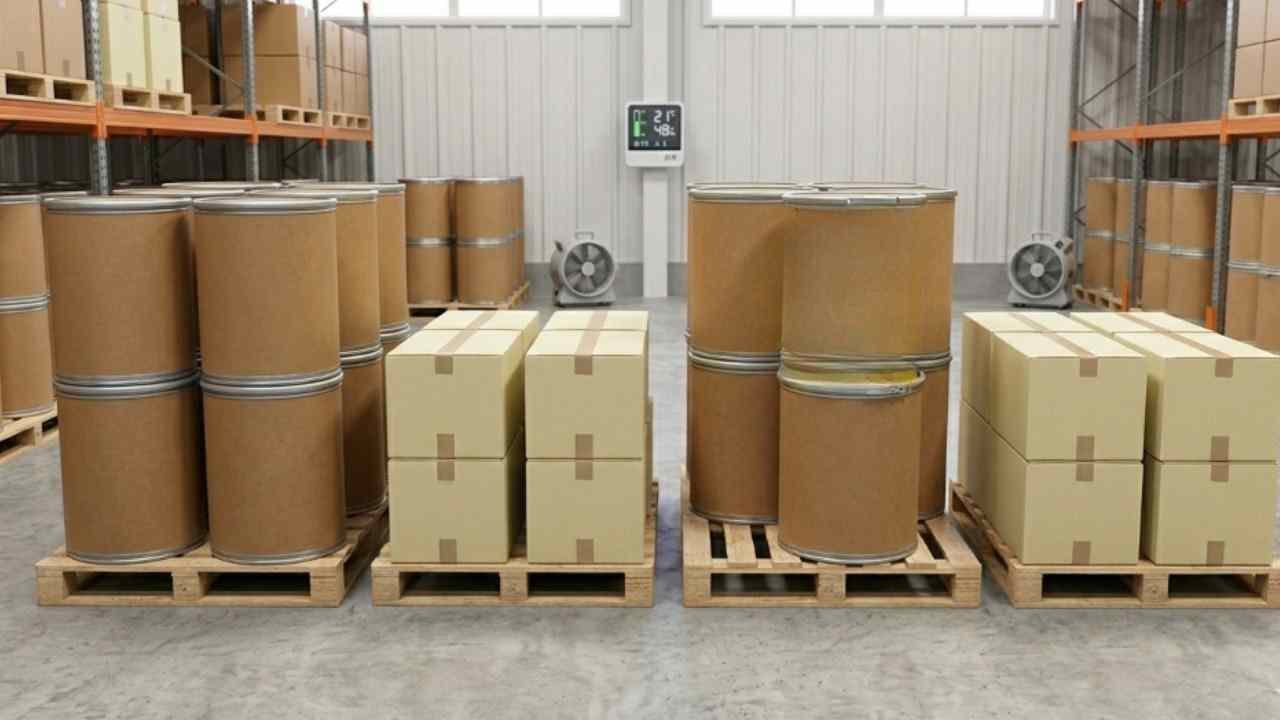
Recommended storage conditions for Vitamin B2 are a temperature below 25°C and relative humidity below 60%. The warehouse must be clean, well-ventilated, and protected from direct sunlight. Pallets should be used to keep drums off the floor and away from damp walls.
Managing Temperature and Humidity
I always tell my buyers in the Middle East and Indonesia to watch their humidity. Heat is bad, but humidity is worse for Vitamin B2. High moisture in the air can cross the PE liners if the seals are not perfect. This causes the powder to clump3 and become hard. I manage the packing process in a low-humidity cleanroom in China to lock dryness inside the bag. I suggest you use a dehumidifier in your warehouse if you live in a tropical area. Also, keep the material away from heaters or steam pipes. Every 10-degree rise in temperature can speed up the natural degradation of the vitamin molecules.
Warehouse Layout and Safety
The way you stack your pallets matters too. I suggest you keep at least 50cm of space between the pallets and the warehouse walls. This allows air to move and prevents moisture from the walls from affecting the drums. I also tell my clients to store Vitamin B2 away from strong-smelling chemicals or volatile solvents. Riboflavin can absorb odors, which ruins its use in delicate foods like infant formula or energy drinks. I manage the logistics to ensure our containers are not placed near heat sources on the ship. This attention to detail ensures the goods arrive at your warehouse in the same condition they left the factory.
| Storage Metric | Ideal Range | Risk if Exceeded |
|---|---|---|
| Temperature | 10°C - 25°C | Assay loss / Potency drop |
| Humidity | 35% - 60% | Clumping / Caking |
| Airflow | Constant | Mold / Odor absorption |
| Stacking | Max 2 pallets high | Physical drum damage |
| Light Level | Dark / Low light | Chemical breakdown |
How Can Improper Storage Damage Vitamin B2 (Riboflavin)?
Caked and yellowed Vitamin B2 is impossible to mix into your recipes. This physical damage leads to production delays and high waste. You must identify storage risks early to prevent these failures in your supply chain.
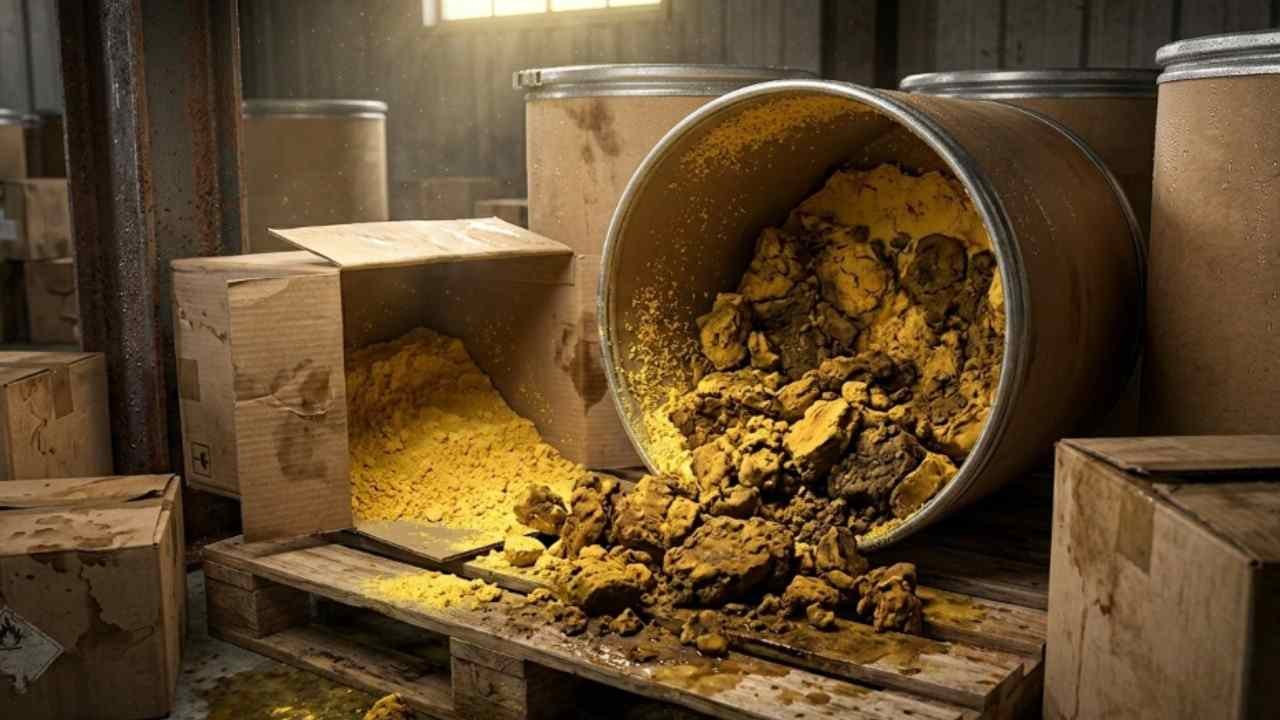
Improper storage causes caking, yellowing, and a drop in the purity assay. Moisture absorption creates hard lumps that clog mixing machinery. High heat and light exposure reduce the active Riboflavin content, making the additive fail to meet its nutritional claims on your food labels.
Physical Failure and Caking
I see "caking" as the most common physical damage. This happens when the powder absorbs water and then dries again. It becomes hard like a stone. If your workers have to break these lumps by hand, you are wasting labor and increasing the risk of contamination. Also, caked powder does not dissolve evenly in liquids. If you are making a beverage, you will have yellow spots at the bottom of the bottle. I manage the sealing of our double PE liners to prevent this. I check that every drum has a tight metal ring to keep the environment stable. Proper storage is a technical requirement for manufacturing success.
Chemical Potency and Assay Loss
The most dangerous damage is what you cannot see without a lab test. This is the loss of the assay level. If you buy 98% pure B2 but store it in a hot warehouse for a year, it might drop to 94%. If you use your original recipe, your final food product will be under-fortified. This can lead to government fines and a loss of consumer trust. I provide Certificate of Analysis (COA) for every batch, but that number is only true if the storage is correct. I help my buyers set up an internal testing schedule to check their old stock. This proactive management keeps your brand safe from nutritional failures.
| Damage Type | Visual Sign | Internal Result |
|---|---|---|
| Moisture Ingress | Hard lumps / Clumps | Poor solubility |
| UV Breakdown | Brownish tint | Zero nutritional value |
| Oxidation | Dull yellow color | Assay level drop |
| Contamination | Strange smell | Product recall risk |
| Heat Stress | Yellowing | Accelerated aging |
How Can Buyers Manage Vitamin B2 (Riboflavin) Inventory Safely?
Old stock sitting in your warehouse is a financial risk. If you don't track your dates, you will end up with expired material. A smart inventory system ensures you always use the freshest and most potent Vitamin B2.
Buyers manage inventory safely by using a First-In, First-Out (FIFO) system and tracking batch numbers. Regular warehouse audits should verify temperature and packaging integrity. Keeping a two-month safety stock while monitoring Chinese production cycles ensures a steady supply of fresh Riboflavin for your factory.
Implementing the FIFO System
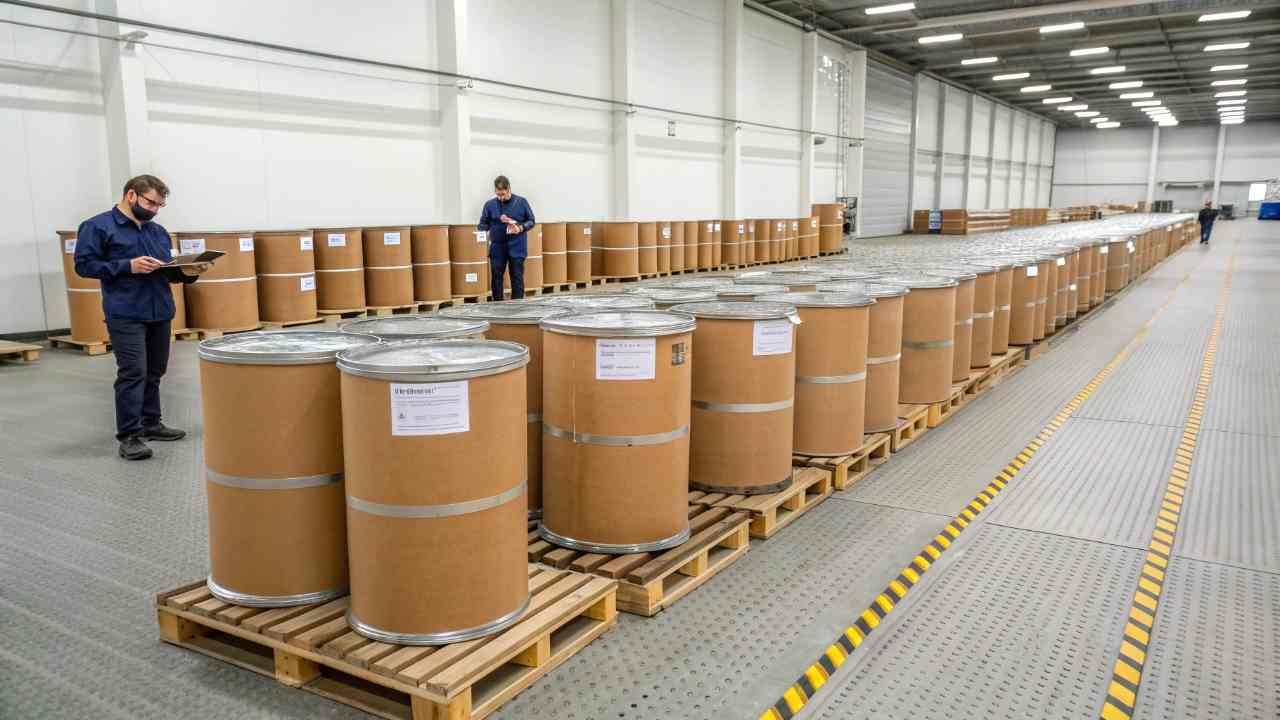
I always suggest the FIFO method to my wholesale clients4. This means you use the oldest batch first. Every drum I ship has a clear production date and batch number. You should organize your warehouse so the new shipments are placed at the back. This simple system ensures that no drum sits for three years and expires. I help my clients calculate their reorder points based on their monthly usage. This ensures you never have too much stock sitting idle. Too much stock increases the risk of storage damage and ties up your cash. Lean inventory is a sign of a professional business.
Traceability and Batch Tracking
Traceability5 is vital for food safety audits. If a customer has a problem, you must know which batch of Vitamin B2 was used in that specific production run. I provide a full technical file for every shipment, including the COA and Health Certificate6. You should record these batch numbers in your own system. I also suggest you keep a small sample of every batch in a cool, dark drawer. This is your "retainer sample." If there is a quality dispute, we can test that sample to find the truth. I manage this same process at the factory in China to protect my buyers. This level of oversight is why distributors in Korea and Russia trust my service.
| Management Step | Frequency | Action |
|---|---|---|
| Temp Check | Daily | Record warehouse thermometer |
| Visual Audit | Weekly | Check for torn bags or drum dents |
| FIFO Check | Monthly | Move older stock to the front |
| Assay Test | Every 6 months | Verify potency of old stock |
| Order Planning | Quarterly | Check usage vs lead times |
Conclusion
Correct Vitamin B2 storage preserves potency, prevents clumping, and protects your profit margins. I help you manage these technical storage and quality details to ensure your business stays successful.
-
PubChem – Detailed technical overview of manufacturing and purity standards for food-grade Vitamin B2. ↩
-
Waters Corp – Advanced technical application notes for laboratory technicians on chemical analysis and lab testing of vitamins. ↩
-
Food Safety Magazine – Technical analysis on moisture control for food additives to prevent physical damage like clumping. ↩
-
Investopedia – Trade-oriented guide for wholesale clients on managing industrial supply chains and distribution. ↩
-
GS1 – Global standards organization providing the framework for end-to-end traceability in the food processing industry. ↩
-
FAO – International guidelines for trade-oriented professionals regarding the issuance and verification of a Health Certificate for additives. ↩