
Improper storage kills Vitamin B6 potency and ruins your investment. This waste stops your production and drains capital. I provide the facts to keep your stock active and profitable for your business.
Store Vitamin B6 (Pyridoxine HCl) in a cool, dry, and dark place. Keep temperatures below 25°C and relative humidity under 60%. Use airtight, opaque containers like fiber drums with PE liners to prevent light-induced degradation and moisture clumping for up to 36 months of stable use.
I manage factory selection and quality oversight for my B2B clients at FINETECH. I want to explain the technical storage rules for Vitamin B6 to help you protect your inventory and business results.
What Is the Shelf Life of Vitamin B6(Pyridoxine)?
Using expired vitamins leads to failed nutritional audits and product recalls. This ruins your reputation and brand trust. Knowing the exact shelf life helps you plan your procurement safely and efficiently.
The standard shelf life of Vitamin B6 is 36 months from the date of manufacture. This depends on keeping the original seal intact. Once opened, exposure to air and light speeds up chemical aging, reducing the effective period for food and pharmaceutical manufacturing processes.
Factors Determining Long-term Stability
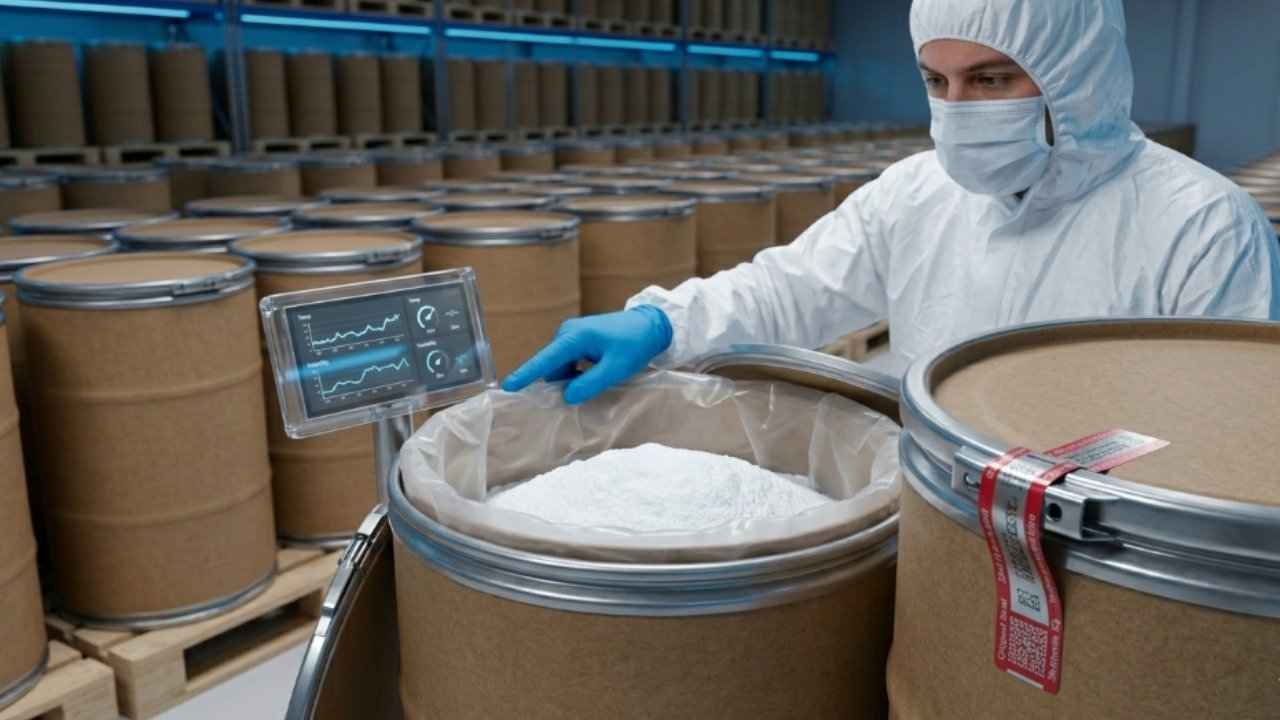
I see that Vitamin B6 is a very stable molecule if you treat it right. In my experience with wholesalers in the Middle East and Europe, the 3-year shelf life is the industry standard. However, this clock starts the day the factory in China packs the drum. If the goods sit in a hot port for two months, the stability drops. I check the production dates for every batch I ship. I ensure you receive fresh material with at least 30 months remaining. This protects your inventory value. Pyridoxine Hydrochloride is the most common form because the HCl salt is very robust. It resists breakdown much better than liquid forms.
I also observe that the packaging quality is a technical fact of shelf life. We use double-layer PE liners inside thick fiber drums. This creates a mini-environment for the powder. Even if the outside air is damp, the powder stays dry. I suggest you do not open the internal liners until you are ready to use the material. Every time you open the bag, you let in oxygen and moisture. This starts the degradation process. I provide a Certificate of Analysis (COA)1 for every batch. This paper shows the exact expiry date. I help my clients track these dates so they never use old material in their recipes. Proper planning is the only way to avoid waste.
Shelf Life and Storage Impact Comparison
| Storage Condition | Environment | Expected Shelf Life | Quality Result |
|---|---|---|---|
| Ideal | 20°C / Dry / Dark | 36 Months | 99% + Potency |
| Standard | 25°C / Ambient | 24 - 30 Months | Normal aging |
| Poor | 35°C / Humid | < 12 Months | Clumping / Assay drop |
| Exposed | Open air / Sunlight | < 3 Months | Color change / Fail |
| Extreme | > 45°C (Port heat) | 1 - 2 Months | Rapid breakdown |
How Does Temperature Affect Vitamin B6(Pyridoxine) Stability?
High heat in tropical warehouses destroys Vitamin B6 molecules silently. You will not see the damage until your product fails a lab test. I help you manage temperature risks effectively for your procurement.
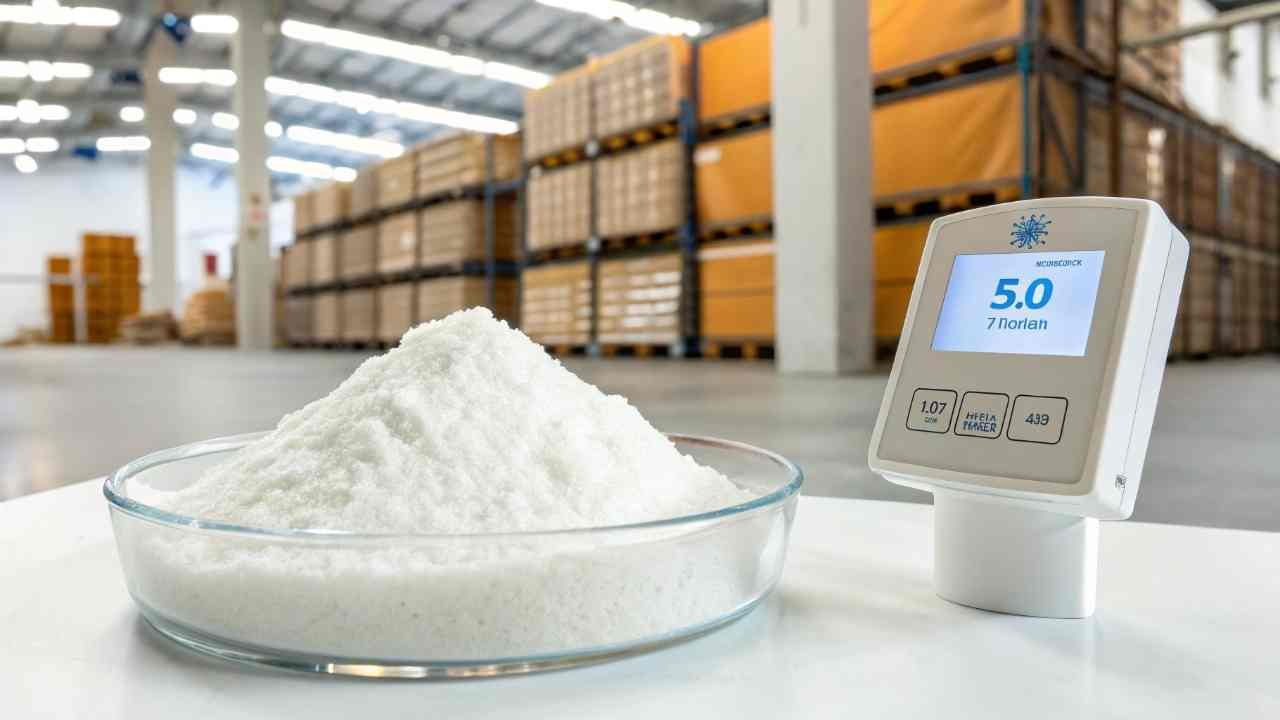
Vitamin B6 is heat-stable during short processing but degrades under prolonged high storage temperatures. Keeping stock at 10°C–25°C preserves chemical structure. Temperatures above 40°C accelerate oxidation, leading to a significant drop in the active assay level and discoloration of the white powder.
Thermal Degradation of Pyridoxine
I want you to understand that storage is different from processing. Vitamin B6 can survive the heat of a bakery oven for a few minutes. But it cannot survive a hot warehouse for months. When the temperature stays high, the chemical bonds in the molecule start to vibrate too much. They eventually break. This is called thermal degradation. I monitor the shipping routes for my buyers in Southeast Asia and the Middle East. I select shipping lines that have faster transit times. This reduces the time the Vitamin B6 spends in a hot container on the ocean. Heat also makes the moisture inside the bag move around. This causes the powder to stick together.
I see that "hot spots" in your warehouse are a hidden danger. If you store drums near a heater or a steam pipe, that specific drum will fail. I suggest using a thermometer with a memory function. This allows you to see the highest temperature reached during the night. If the warehouse hits 35°C regularly, you must move your vitamins to a cooler zone. I select factories in China that use climate-controlled packing rooms. This ensures the product is cool when it enters the drum. I focus on these technical details to ensure the assay level is 99% when you open it. Consistent temperature is the key to consistent quality for your food manufacturing2 customers.
Temperature and Assay Retention Data
| Temperature Level | Nature of Risk | Assay Retention (1yr) | Visual Change |
|---|---|---|---|
| 5°C - 15°C | Best Stability | 99.8% | None |
| 15°C - 25°C | Safe Standard | 99.5% | None |
| 26°C - 35°C | Moderate Risk | 97.0% | Slight dulling |
| 36°C - 45°C | High Risk | 92.0% | Yellow tint |
| > 45°C | Critical Failure | < 85.0% | Hard clumping |
How Does Humidity Influence Vitamin B6(Pyridoxine) Quality?
Damp air turns your free-flowing powder into hard, unusable rocks. This caking clogs your machinery and stops your factory line. I provide moisture-proof solutions to protect your wholesale cargo from damage.
High humidity causes Vitamin B6 to absorb moisture, leading to caking and clumping. Moisture also acts as a catalyst for chemical breakdown and microbial growth. Maintaining relative humidity below 60% ensures the powder remains free-flowing and compliant with USP/BP quality standards for manufacturing.

Moisture Ingress and Physical Caking
I observe that Vitamin B6 is slightly hygroscopic. This means the crystals love to suck water out of the air. When the crystals get wet, their surfaces become sticky. They bind to each other and form hard clumps. In my business, I see this as the most common physical complaint. If you try to put a caked powder into your mixing machine, the machine will jam. Or even worse, the vitamin will not dissolve evenly in your recipe. This leads to "hot spots" where one part of your food has too much vitamin and another part has none. I prevent this by managing the sealing quality in China. We use industrial heat sealers for the PE bags.
Humidity also brings biological risks. Bacteria and mold need water to grow. If your vitamin powder stays damp, it becomes a food source for microbes. This is a disaster for food safety3. I ensure the "Loss on Drying" (LOD) test on my COA is below 0.5%. If the powder is dry when it leaves the port, it is very safe. I also suggest my buyers in Indonesia and Vietnam use dehumidifiers in their storage rooms. I also use moisture-absorbing bags inside the shipping container. These bags catch the "container rain" that happens during the sea voyage. By keeping the product dry, I ensure it passes your local health inspections every time.
Humidity Risk Level Matrix
| Humidity Level (RH) | Physical Risk | Storage Safety | Action Required |
|---|---|---|---|
| < 40% | Very Low | Excellent | Standard sealing |
| 40% - 55% | Low | Safe | Keep drums closed |
| 56% - 70% | Moderate | Warning | Use dehumidifier |
| 71% - 85% | High | Dangerous | Improve AC / Sealing |
| > 85% | Very High | Failure | Total climate control |
What Storage Conditions Are Recommended for Vitamin B6(Pyridoxine)?
Poor warehouse layout exposes your vitamins to light and contamination. This kills your product value instantly. I show you how to set up the perfect storage environment for your Vitamin B6 procurement.
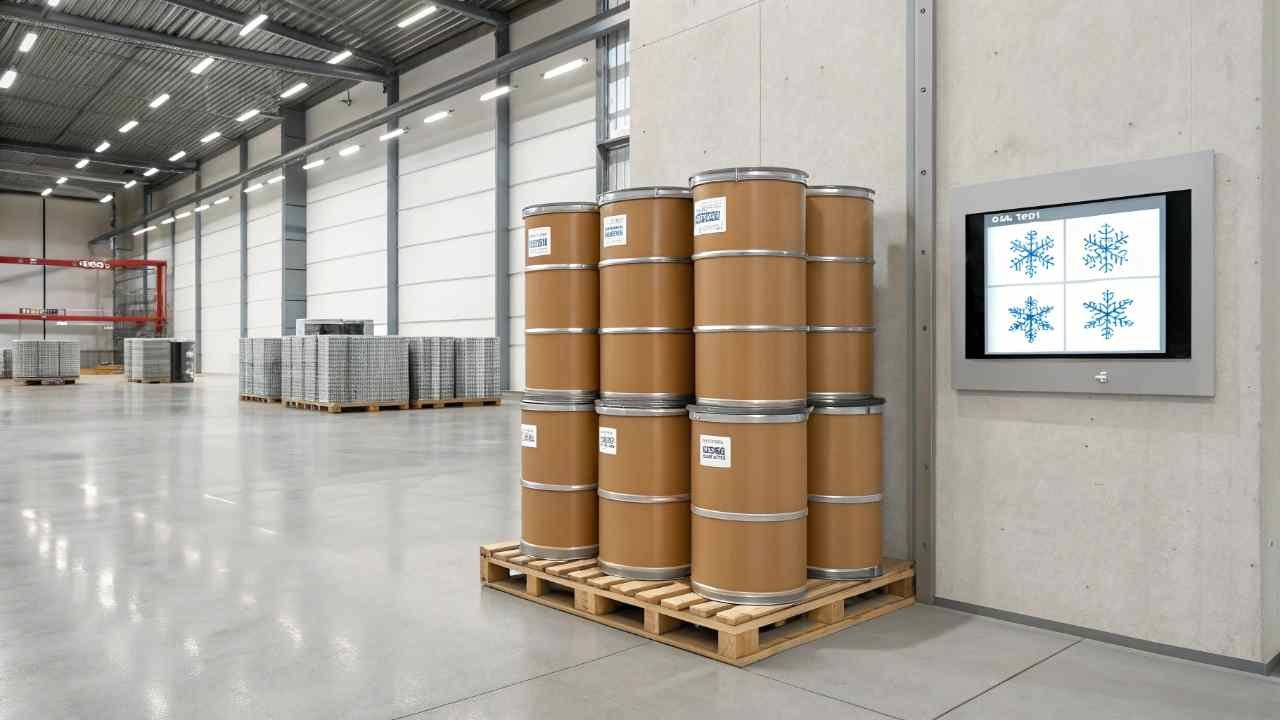
Recommended storage includes a climate-controlled warehouse (10°C-25°C) with humidity below 60%. Keep drums on pallets off the floor and away from strong odors. The area must be dark and well-ventilated to prevent heat buildup and UV-induced degradation of the Pyridoxine crystals.
Building a Compliant Storage Environment
I suggest you start with the location of your pallets. Do not put drums near the warehouse door. When the door opens, the hot and damp outside air hits the drums. This creates temperature spikes. I also tell my clients to use plastic or heat-treated wooden pallets. Do not put the drums directly on the concrete floor. Concrete holds moisture that can move into the bottom of the drum. I ensure our factories use pallets that meet ISPM 15 rules for international trade4. This keeps your warehouse clean and compliant with health rules. You should also keep the storage area dark. Vitamin B6 is light-sensitive. Opaque drums help, but a dark room is the ultimate protection.
Also, ventilation is a technical requirement. You need airflow to prevent "pockets" of hot air. I suggest you keep at least 50cm of space between your pallet rows. This allows your forklift to move safely and helps the air circulate. I also monitor the surrounding stock. Do not store Vitamin B6 near strong-smelling chemicals or perfumes. Pyridoxine can absorb odors through the PE liners over time. This spoils the flavor of your energy drinks or food mixes. I manage the logistics5 to ensure our containers are not placed next to dangerous chemicals on the ship. This end-to-end oversight is how I help you maintain a professional and safe inventory.
Ideal Storage Parameter Checklist
| Storage Parameter | Target Range | Technical Why |
|---|---|---|
| Temperature | 10°C - 25°C | Slows chemical aging |
| Relative Humidity | 35% - 60% | Prevents powder caking |
| Light Level | Dark / Low light | Prevents UV breakdown |
| Pallet Height | 10cm - 15cm | Blocks moisture from floor |
| Air Circulation | Continuous | Prevents heat pockets |
| Cleaning Schedule | Weekly | Prevents pest attraction |
How Can Buyers Manage Vitamin B6(Pyridoxine) Inventory Safely?
Old stock sitting in corners is a financial time bomb. Expired material wastes your space and capital. I provide a systematic inventory plan to ensure you always use the freshest and most potent Vitamin B6.
Manage inventory using a First-In, First-Out (FIFO) system and digital batch tracking. Regular physical audits and monitoring the Chinese production cycle help prevent stockouts. Maintaining a 60-day safety stock protects your business against global shipping delays or sudden factory shutdowns.

Strategic Inventory and Batch Tracking
I always suggest the FIFO (First-In, First-Out) method. This is the only way to manage vitamins correctly. When a new shipment arrives from China, put it at the back of your warehouse. Use the older drums first. Every drum I ship has a clear batch number and production date. I provide these same numbers on the COA and the Invoice. This makes it easy for your team to track the age of your stock. I see that companies with a digital tracking system have almost zero waste. It ensures that your customers always receive the freshest material. I help my regular clients in Indonesia and Saudi Arabia build these ordering calendars to match their usage.
You must also plan for the "China Factor." Every year, the Spring Festival holiday stops all production for two weeks. I see many buyers forget to stock up in time. They realize their mistake too late and face a stockout in March. I tell my partners to stockpile material in November and December. This safety stock allows you to survive the holiday and any port congestion. I also suggest a "Reorder Point" (ROP). You should place a new order when you still have 60 days of stock left. This buffer covers the 45-day lead time from China plus a 15-day delay buffer. This data-driven way of buying is how you beat your competitors and stay profitable.
Inventory Control Best Practices
| Task | Frequency | Purpose |
|---|---|---|
| Temp/Humidity Log | Daily | Detects climate control failure |
| FIFO Verification | Weekly | Ensures oldest stock moves first |
| Physical Audit | Monthly | Checks for drum damage or leaks |
| Batch Matching | Per Shipment | Links stock to COA documents |
| ROP Alert Check | Weekly | Prevents emergency stockouts |
| Shelf Life Review | Quarterly | Identifies stock near expiration |
Conclusion
Proper Vitamin B6 storage ensures potency, prevents waste, and protects your profit margins. I manage these technical details at FINETECH to keep your supply chain safe, reliable, and successful for the long term.
-
Lab Manager – Explains the technical importance of COAs (Certificate of Analysis) in ensuring chemical purity and regulatory compliance in laboratories. ↩
-
Food Processing – A leading platform for food manufacturing professionals covering technology, equipment, and industry trends. ↩
-
World Health Organization – Global standards and facts regarding food safety to protect consumers from biological and chemical risks. ↩
-
World Trade Organization (WTO) – Information on technical barriers to trade and the agreements governing international trade of food and chemical products. ↩
-
Inbound Logistics – Educational resources and insights for managing global supply chains and trade logistics for temperature-sensitive goods. ↩