
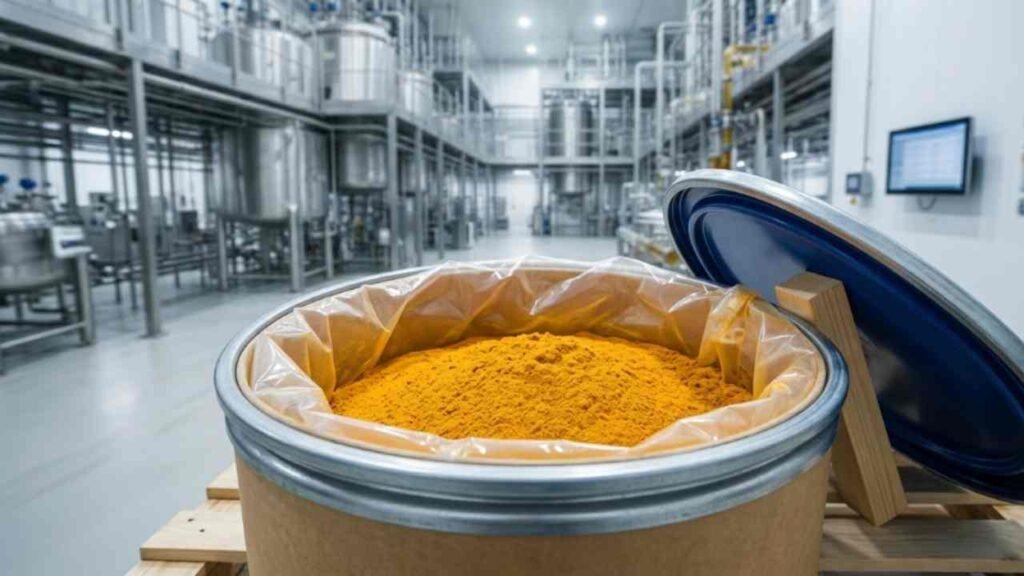
Improper storage destroys Vitamin B9 potency and wastes your investment. This loss ruins your production and profit. I provide technical storage facts to keep your inventory safe and effective.
Store Vitamin B9 (Folic Acid) in a cool, dry, and dark place. Keep temperatures below 25°C and humidity under 60%. Use airtight, opaque containers to block UV light and moisture. Proper storage preserves the standard 36-month shelf life and ensures chemical stability for manufacturing.
I manage factory selection and quality oversight for my B2B partners at FINETECH. I want to explain the technical details of Folic Acid storage to help you protect your procurement and business results.
What Is the Shelf Life of Vitamin B9(Folic Acid)?
Using expired vitamins leads to failed health audits and product recalls. This risk destroys your brand. I provide shelf-life data to help you manage your inventory safely and professionally.
The standard shelf life of Vitamin B9 is 36 months when stored in original, unopened packaging. This assumes the seal remains intact. Once opened, exposure to oxygen and light accelerates degradation, potentially reducing the effective period for food and supplement manufacturing.

Factors Determining Long-term Stability
I track production dates1 for every batch I ship from China. The 36-month clock starts the day the factory packs the drum. If the goods sit in a hot port or a damp container, this clock ticks faster. I ensure you receive fresh material with at least 30 months of remaining shelf life. This protects your capital. The chemical structure of Folic Acid is relatively stable but it is sensitive to time. By managing the factory schedule, I ensure you do not get "old stock" that has been sitting in a trader's warehouse for a year.
I also observe that the packaging quality2 is a technical fact of shelf life. We use opaque fiber drums. These drums block all light. Inside, we use double-layer PE liners. I visit our factories to check these liners and seals. Heat-sealed bags create a mini-environment that blocks out air. I provide a batch-specific COA for every shipment. This paper shows the exact manufacturing and expiry dates. I help my buyers in the Middle East and Russia track these dates in their systems. This professional oversight ensures that your Folic Acid remains active and safe for your customers throughout its intended life.
Shelf Life and Quality Retention
| Storage Condition | Typical Temperature | Expected Shelf Life | Quality Result |
|---|---|---|---|
| Ideal / Controlled | 10°C - 20°C | 36 Months | 99% + Potency |
| Standard Warehouse | 21°C - 25°C | 24 - 30 Months | Normal aging |
| Hot / Humid | 30°C - 35°C | < 12 Months | Assay drop / Clumping |
| Exposed to Light | Variable | < 3 Months | Rapid discoloration |
| Extreme Heat | > 45°C | 1 Month | Chemical failure |
How Does Temperature Affect Vitamin B9(Folic Acid)?
High heat in tropical warehouses silently breaks down Vitamin B9 molecules. You will not see the damage until your product fails a lab test. I explain how to manage temperature risks.
Temperature significantly impacts Vitamin B9 stability. Keeping stock between 15°C and 25°C is ideal. Temperatures exceeding 30°C accelerate chemical oxidation and can cause discoloration. Prolonged heat exposure reduces the active assay level, making the powder ineffective for nutritional fortification.
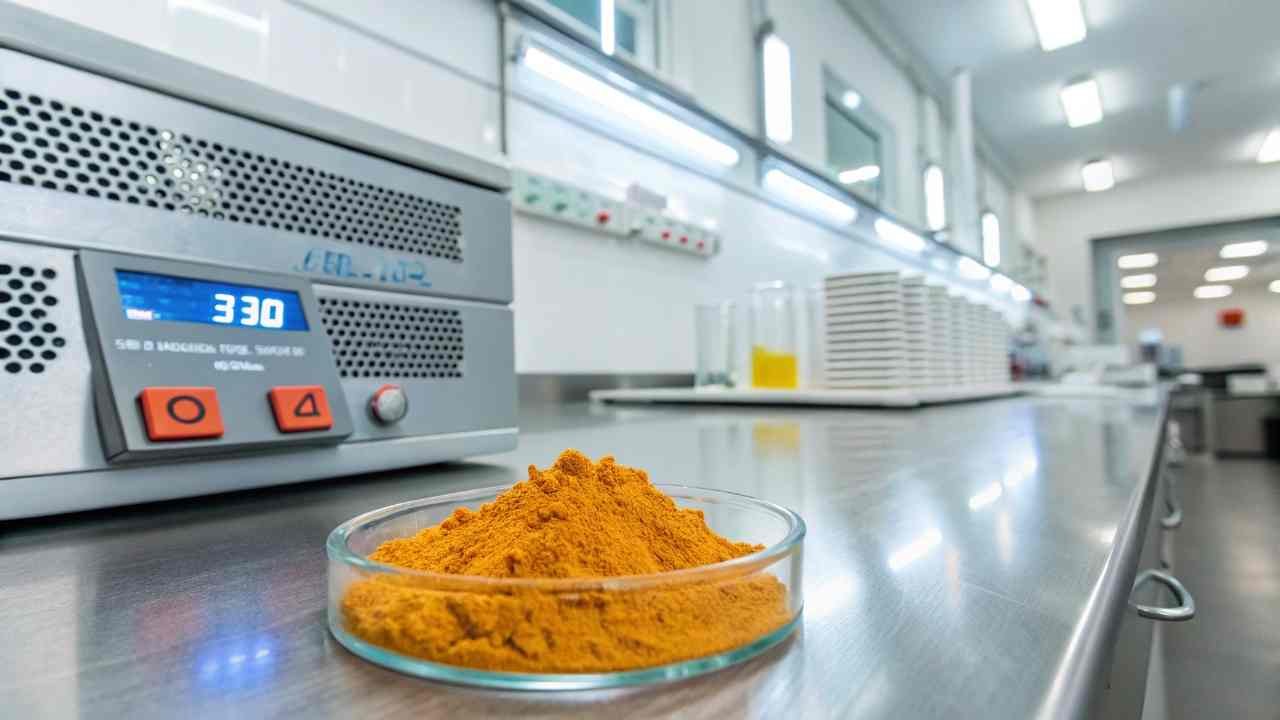
Thermal Degradation and Molecular Health
I see that temperature is a major risk for my buyers in Southeast Asia and the Middle East. Folic Acid can survive baking heat for a short time. This is why it works in bread. But it cannot survive a hot warehouse for months. High heat makes the chemical bonds in the molecule unstable. This is called thermal degradation. I monitor shipping routes to reduce the time your goods spend in hot containers. I select the fastest ships to ports like Jeddah or Jakarta. This reduces the "heat stress" on the crystals before they reach your warehouse.
I tell my clients to avoid storing drums near heaters or steam pipes. Even one hot spot in your warehouse can ruin a whole pallet. I suggest using digital thermometers with memory functions. This allows you to see if your warehouse hits 35°C during the day. If it does, you must move your vitamins to a cooler zone. I select factories in China that use climate-controlled packing rooms. This ensures the product is cool when it enters the drum. I focus on these technical facts to ensure the assay level is 99% when you open it. Consistent temperature is the key to consistent quality for your food manufacturing3 customers.
Temperature Management Guidelines
| Zone | Temperature Range | Risk Level | Action Required |
|---|---|---|---|
| Cold Storage | 5°C - 10°C | Very Low | Best for long-term stock |
| Cool Standard | 11°C - 20°C | Low | Ideal for daily operations |
| Ambient Upper | 21°C - 26°C | Moderate | Monitor weekly |
| Warning Zone | 27°C - 35°C | High | Improve air circulation |
| Danger Zone | > 35°C | Critical | Move stock immediately |
How Does Humidity Influence Vitamin B9(Folic Acid) Quality?
Damp air turns free-flowing powder into hard rocks. This caking clogs your mixing machines and stops production. I provide moisture-proof solutions to protect your Folic Acid cargo from humidity damage.
High humidity causes Vitamin B9 to absorb moisture, leading to clumping and physical caking. Moisture also acts as a catalyst for chemical degradation and microbial growth. Maintaining relative humidity (RH) below 60% is critical for preserving the orange-yellow powder's physical and nutritional integrity.
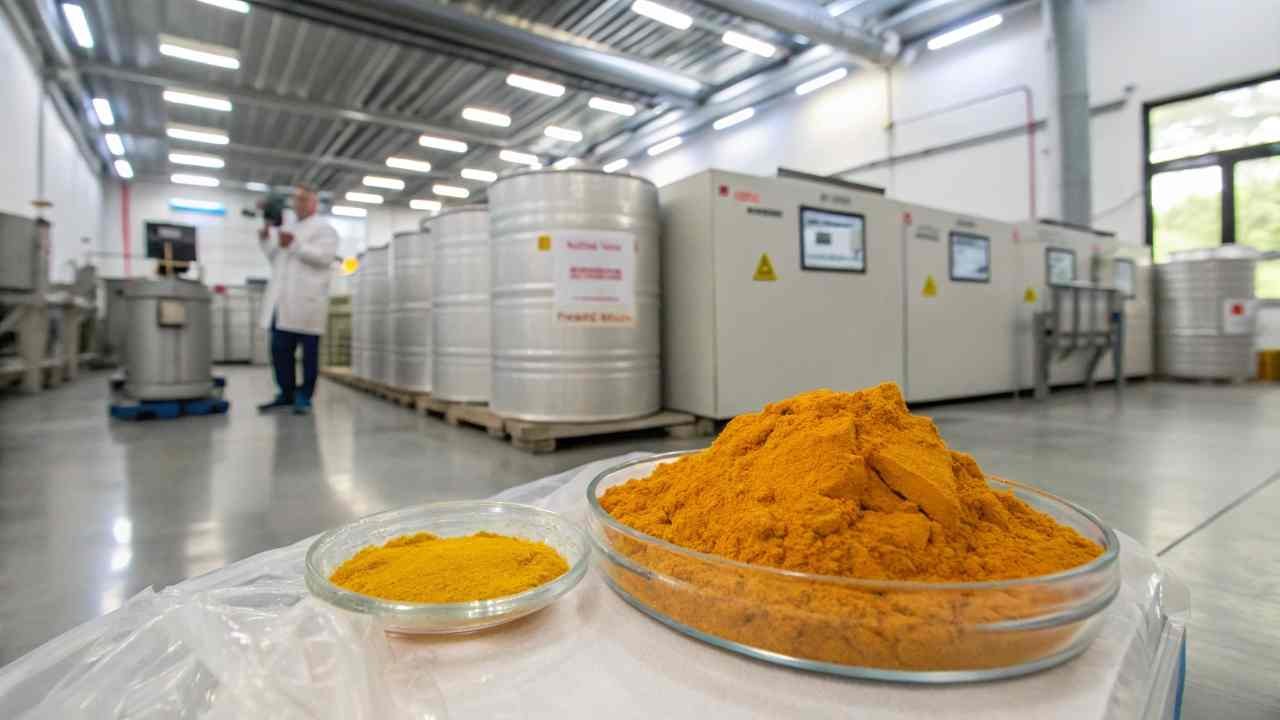
Moisture Ingress and Physical Caking Risks
I observe that Folic Acid is slightly hygroscopic. It loves to pull water from the air. When the crystals get wet, their surfaces become sticky. They bind together and form hard blocks. In my business, this is a common physical complaint. If you try to put a caked powder into your mixing machine, the machine will jam. This results in downtime and repair costs. I prevent this by using thick, heat-sealed PE liners inside every fiber drum. I check these seals before every shipment to damp regions like Indonesia or Vietnam. My oversight ensures the powder stays dry and free-flowing.
Humidity also brings biological risks. Bacteria and mold need water to grow. If your vitamin powder stays dry, it is a very safe environment. The USP standard for Folic Acid moisture is below 8.0%. I help my buyers in the food sector meet their strict microbial limits by ensuring the powder stays well below this limit. I also use moisture-absorbing bags inside the shipping container. These bags catch the "container rain" that happens during the sea voyage. By keeping the product dry, I ensure it passes your local health inspections. I act as your technical gatekeeper in China to prevent these moisture problems from hurting your profit.
Humidity and Product Quality Correlation
| Humidity Level (RH) | Physical Effect | Quality Impact | Risk to Production |
|---|---|---|---|
| < 40% | Very Dry | Excellent | None |
| 40% - 55% | Stable | Standard | Low |
| 56% - 65% | Slight Softening | Possible Clumping | Moderate |
| 66% - 80% | Heavy Moisture | Caking / Hard Rocks | High |
| > 80% | Saturated | Chemical Breakdown | Critical |
What Storage Conditions Are Recommended for Vitamin B9(Folic Acid)?
Poor warehouse layouts expose your vitamins to light and dirt. This kills your product value instantly. I provide the recommended setup to keep your Vitamin B9 in top condition always.
The recommended storage for Vitamin B9 is a cool, dry, well-ventilated warehouse with temperatures between 10°C and 25°C. Drums should be placed on pallets away from direct sunlight and strong odors. Keeping the original factory seal intact provides the best protection against environmental factors.

Building a Compliant Storage Environment
I suggest you start with the location of your pallets. Do not put drums near the warehouse doors or windows. When the doors open, damp or hot outside air hits the drums. This creates temperature spikes. I tell my clients to use plastic or heat-treated wooden pallets. Do not put the drums directly on the concrete floor. Concrete holds moisture that can move into the bottom of the drum. Pallets keep the drums clean and safe from ground dampness. I ensure our factories in China use pallets that meet ISPM 15 standards for international trade4. This keeps your warehouse compliant with health rules.
I also advise on light and odor protection. Folic Acid is extremely light-sensitive. Opaque fiber drums are good, but a dark room is the ultimate protection. UV rays break the molecule down quickly. This turns the orange-yellow powder into a dull color. I also advise keeping B9 away from strong-smelling chemicals or perfumes. The powder can absorb these smells through the PE liners over time. This ruins the taste of your food products or energy drinks. I manage the logistics to ensure our containers are not placed next to smelly chemicals on the ship. My goal is to provide a "plug-and-play" solution. You receive the goods, and they are already perfectly prepared for your local storage system.
Storage Environment Parameters
| Parameter | Target Range | eric's Advice | Why it Matters |
|---|---|---|---|
| Temperature | 10°C - 25°C | Avoid door areas | Prevents aging |
| Humidity (RH) | 35% - 55% | Use dehumidifiers | Prevents caking |
| Light Exposure | Total Darkness | Keep drums closed | Prevents UV loss |
| Floor Clearance | 10cm - 15cm | Use ISPM pallets | Blocks moisture |
| Odor Control | Neutral | Separate from chemicals | Prevents tainting |
| Ventilation | Continuous | Use industrial fans | Prevents heat pockets |
How Can Buyers Manage Vitamin B9(Folic Acid) Inventory Safely?
Old stock sitting in corners is a financial loss. Expired material wastes your space and capital. I provide an inventory plan to ensure you always use fresh Vitamin B9.
Safe inventory management requires a First-In, First-Out (FIFO) system and digital batch tracking. Regular physical audits and monitoring of the Chinese production cycle help prevent stockouts. Maintaining a 60-day safety stock protects your business against global logistics delays or sudden factory shutdowns.

Strategic Inventory and Batch Tracking
I always suggest the FIFO (First-In, First-Out) method. This is the only way to manage vitamins correctly. When a new shipment arrives from China, put it at the back of your warehouse. Use the older drums first. Every drum I ship has a clear batch number and production date. I provide these same numbers on the COA and the Invoice. This makes it easy for your team to track the age of your stock. I see that companies with a digital tracking system have almost zero waste. It ensures that your customers always receive the freshest material. I help my regular clients in Indonesia and Saudi Arabia build these ordering calendars5.
You must also plan for the "China Factor." Every year, the Spring Festival stops all production for two weeks. I see many buyers forget to stock up in time. They realize their mistake too late and face a stockout in March. I tell my partners to stockpile material in November and December. This 60-day safety stock is your insurance. It covers port strikes or vessel delays. I help you calculate your reorder point based on your monthly usage. By using a systematic planning tool, you remove the emotion from buying. You buy based on data, not fear. I act as your strategic partner in China to manage these stock levels for you. My focus on planning facts keeps your supply line moving.
Inventory Control Best Practices
| Task | Frequency | Purpose | Goal |
|---|---|---|---|
| Temperature Log | Daily | Track climate stability | No heat damage |
| Batch Check | Per Order | Ensure FIFO compliance | Use oldest stock first |
| Reorder Point | Weekly | Trigger new procurement | No emergency buys |
| Physical Audit | Monthly | Check for drum leaks | Zero spills / Waste |
| Shelf Life Check | Quarterly | Identify expiring lots | Avoid total loss |
| Seal Inspection | Monthly | Verify liners are tight | No moisture entry |
Conclusion
Proper storage and inventory management are vital for maintaining Vitamin B9 stability. I manage these technical details at FINETECH to keep your supply chain safe, reliable, and profitable.
-
Food Quality & Safety – Technical article about the science of shelf-life calculation and the importance of tracking production dates for ingredient stability. ↩
-
IFT (Institute of Food Technologists) – Professional resources for technical staff on how packaging quality and materials protect sensitive active ingredients. ↩
-
Food Processing – An industry portal providing operational news and technological updates for food manufacturing enterprises looking for supply chain reliability. ↩
-
ICC Incoterms – The official international trade rules that define responsibilities for buyers and sellers, essential for managing global logistics risks. ↩
-
ISM (Institute for Supply Management) – A leading association providing tools and standards for professional buyers to help manage inventory and plan ordering calendars. ↩