Exposure to heat and oxygen destroys Vitamin A during processing and long-term storage. Unstable ingredients cause rapid nutrient degradation in your formulations. Implementing scientific stability controls prevents this loss.
The Vitamin A series is naturally unstable, but its stability during storage and processing can be significantly enhanced. Utilizing specialized ester forms, microencapsulation technologies, and protective packaging shields the active compound from heat, light, oxygen, and trace minerals, maintaining long-term potency.
Managing vitamin stability is a primary challenge for food, feed, and supplement manufacturers. Understanding the chemical vulnerabilities of the Vitamin A series prevents unexpected potency drops. Sourcing teams like FINETECH support B2B buyers by selecting high-quality, stabilized vitamin forms and managing strict logistics. This analysis explores how the Vitamin A series responds to storage and industrial processing conditions.
What Factors Affect Vitamin A Series Stability?
Unidentified environmental factors can quietly degrade your stored vitamins, leading to failed potency tests. Ignoring these variables ruins product shelf life. Examining the core stability triggers protects inventory.
Vitamin A stability is primarily affected by oxygen, light, heat, moisture, acidic pH, and trace minerals. These factors trigger chemical oxidation or isomer conversion, which rapidly reduces the biological activity of the vitamin raw material.

Dive Deeper into Environmental Degradation Triggers
The chemical structure of the Vitamin A series makes it highly reactive. The molecule contains a system of conjugated double bonds, which are easily attacked by environmental agents. Oxygen is the most destructive factor. When exposed to air, Vitamin A undergoes rapid autoxidation1, forming inactive peroxides and polymers. Light, especially ultraviolet light, is another major trigger. Exposure to sunlight isomerizes the active all-trans retinoid structure into less active cis-isomers within hours.
Furthermore, heat accelerates all these degradation reactions. For every ten-degree Celsius rise in temperature, the rate of vitamin degradation increases significantly. Moisture and high relative humidity are also problematic, particularly for powder formulations. Moisture can soften the protective starch or gelatin walls of microencapsulated2 beadlets, allowing oxygen to reach the active core. Finally, contact with trace minerals like iron or copper acts as a catalyst for oxidation. Sourcing teams like FINETECH help manufacturers analyze their storage environments. Understanding these factors allows buyers to establish optimal climate controls and handle materials safely.
| Environmental Factor | Chemical Action on Vitamin A | Severity Level | Industrial Protection Method |
|---|---|---|---|
| Oxygen | Autoxidation of double bonds | High | Nitrogen-flushing and vacuum sealing |
| UV Light | Isomerization to cis-forms | High | Opaque aluminum barrier packaging |
| High Heat | Accelerates chemical reactions | Medium to High | Cold-chain storage and transport |
| Moisture | Weakens protective beadlet shell | Medium | Controlled low-humidity warehousing |
| Trace Minerals | Catalyzes oxidative reactions | Medium | Formulate with chelating agents |
How Does Heat Processing Impact Vitamin A Series?
High temperatures in food and feed production quickly destroy sensitive nutrient additions. Thermal processing often results in sub-standard final vitamin levels. Analyzing heat tolerance safeguards your manufacturing formulas.
Heat processing impacts the Vitamin A series by accelerating thermal degradation and chemical oxidation. While pure vitamin oil degrades rapidly under heat, utilizing microencapsulated beadlets protects the active compound, allowing it to survive pasteurization and feed pelleting processes.

Dive Deeper into Thermal Processing Survival
Industrial food and feed manufacturing often involves harsh thermal treatments. Processes like extrusion, pasteurization, and feed pelleting subject ingredients to temperatures ranging from seventy to over one hundred and twenty degrees Celsius. Under these conditions, unprotected Vitamin A degrades rapidly. The combination of heat, pressure, and moisture destroys the molecular structure, leading to massive potency losses.
To survive these conditions, manufacturers must use microencapsulated forms of Vitamin A, such as retinyl palmitate or acetate beadlets. Microencapsulation wraps the vitamin droplets in a heat-resistant matrix, such as gelatin or cross-linked starch. This physical barrier slows heat transfer and shields the active ingredient from surrounding steam and oxygen. Additionally, food and feed manufacturers routinely apply a "vitamin overage" during formulation. This means adding ten to thirty percent more vitamin than the target label claim. The excess compensates for the expected thermal loss during processing, ensuring the final product meets regulatory requirements at the end of the production line.
| Processing Method | Temperature Range | Unprotected Loss Rate | Microencapsulated Survival |
|---|---|---|---|
| Feed Pelleting | 70°C - 90°C | High (30% - 50%) | Excellent (85% - 95% retention) |
| UHT Pasteurization | 135°C - 140°C (brief) | Medium | Good (90% retention) |
| Extrusion | 110°C - 140°C | High (40% - 60%) | Fair (70% - 80% retention) |
| Standard Baking | 160°C - 200°C | Medium | Good (85% retention) |
What Packaging Is Best for Vitamin A Series Protection?
Poor packaging materials allow light and air to penetrate, ruining expensive raw materials before use. Standard drums are insufficient for sensitive vitamins. Selecting high-barrier packaging preserves inventory value.
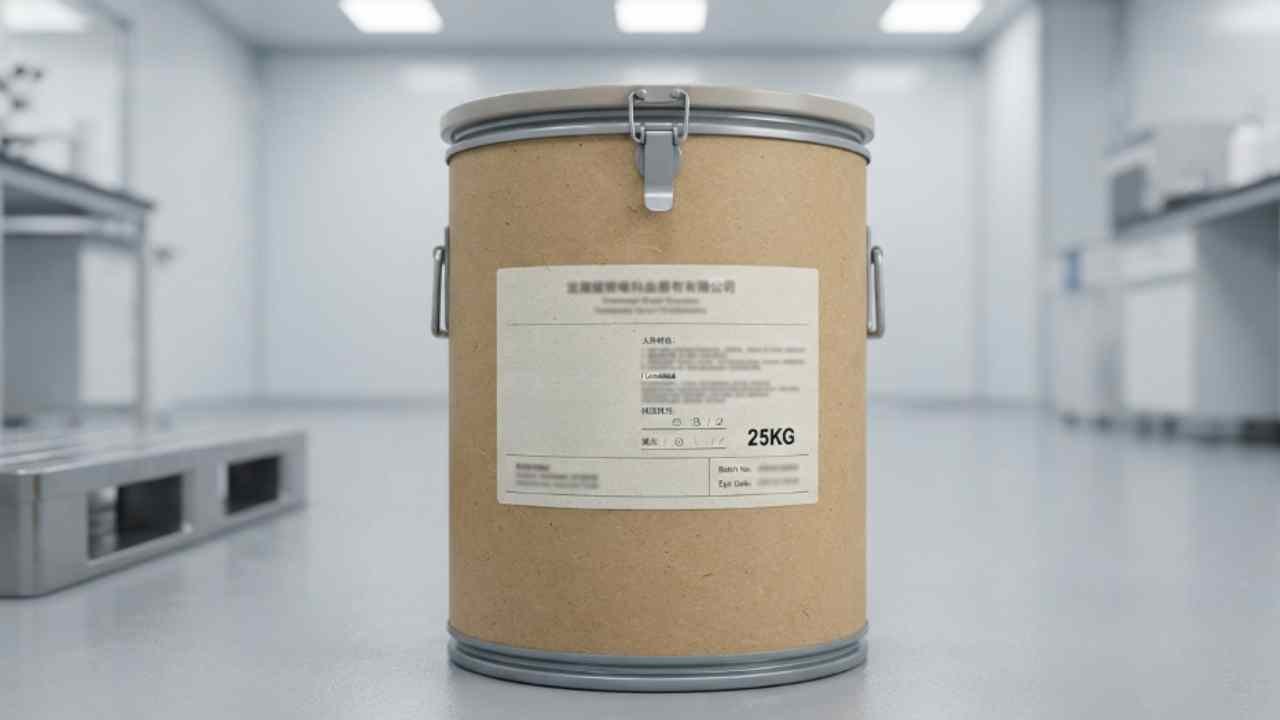
The best packaging for the Vitamin A series is multi-layer aluminum foil bags, oxygen-impermeable drums with food-grade inner liners, and vacuum sealing with nitrogen flushing. This setup provides an absolute barrier against light, oxygen, and ambient moisture.
Dive Deeper into High-Barrier Packaging Technology
The choice of packaging material is a vital factor in maintaining the shelf life of the Vitamin A series. Standard plastic containers or paper bags are semi-permeable, meaning they allow microscopic amounts of oxygen and moisture to pass through over time. To prevent this, manufacturers must use high-barrier packaging systems. For powder formulations, multi-layer laminated bags containing a thin layer of aluminum foil are the industry standard. Aluminum provides an absolute barrier to light, water vapor, and gases, protecting the sensitive microencapsulated beadlets inside.
For liquid oil formulations, steel drums with specialized food-grade inner coatings are utilized. During the filling process, the air inside the packaging must be completely evacuated and replaced with inert nitrogen gas. This nitrogen-flushing process3 reduces the residual oxygen level to below two percent, halting any potential oxidative reactions. Sourcing teams like FINETECH carefully monitor the packaging specifications of partner factories. They ensure that all bulk packages remain tightly sealed and undamaged during transit to overseas markets, ensuring that buyers receive materials in optimal condition.
| Packaging Type | Material Composition | Primary Protection | Best Applied To |
|---|---|---|---|
| Aluminum Foil Bags | Multi-layer plastic & aluminum | Light, moisture, and gas barrier | Microencapsulated beadlets |
| Nitrogen-Flushed Drums | Coated steel with inner liner | Oxygen exclusion, mechanical strength | Retinyl palmitate oils |
| Amber Glass Bottles | UV-filtering glass | Light protection | Laboratory-grade liquid samples |
| Vacuum Sealing | Heavy-duty polymer film | Gas exclusion | Retail-grade pre-blended powders |
How Should Vitamin A Series Be Stored for Long Shelf Life?
Storing vitamins in hot, humid warehouses triggers rapid chemical breakdown and shortens raw material lifespan. Improper storage conditions cause costly inventory losses. Establishing controlled storage standards protects material potency.
Vitamin A series must be stored in a cool, dry place, ideally at temperatures below 15°C, away from direct sunlight and moisture. Once opened, containers should be sealed immediately under a nitrogen blanket to prevent oxidation of the remaining stock.
Dive Deeper into Warehouse Storage Standards
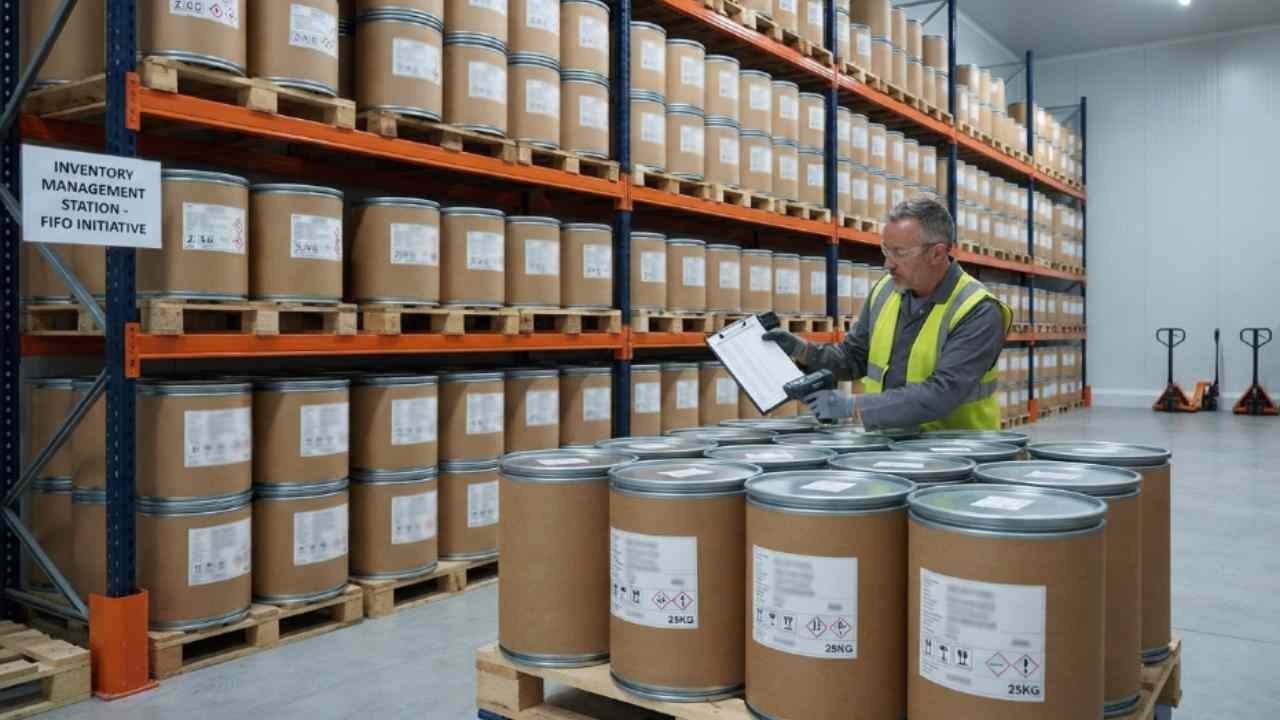
Maintaining correct warehouse storage conditions is critical for safeguarding the commercial value of the Vitamin A series. The chemical rate of vitamin degradation doubles with every significant temperature increase. Therefore, warehouses must maintain a cool climate, ideally below fifteen degrees Celsius. For highly sensitive grades, cold storage4 at five degrees Celsius is recommended. Furthermore, humidity control is equally vital. The relative humidity in the storage area should be kept below sixty percent to prevent moisture absorption, which causes powder caking and damages the protective beadlet coating.
Additionally, warehouse operators must practice strict inventory management, utilizing "first-in, first-out5" (FIFO) protocols. This practice ensures that older batches are used first, minimizing the risk of expired inventory. When a large bulk container is opened for sampling or partial use, the remaining material is exposed to fresh air. Operators must immediately flush the container with nitrogen gas before resealing it. This simple step prevents the onset of rapid oxidation, preserving the potency of the remaining raw materials for future production batches.
| Storage Parameter | Target Specification | Degradation Risk if Violated | Recommended Control Equipment |
|---|---|---|---|
| Temperature | Below 15°C (or cold storage 5°C) | Accelerated thermal oxidation | Industrial air conditioning |
| Humidity | Below 60% Relative Humidity | Beadlet softening and caking | Commercial dehumidifiers |
| Light Exposure | Complete darkness / closed drums | Rapid UV isomerization | Opaque storage racking systems |
| Air Exposure | Sealing with nitrogen gas | Immediate rancidity and decay | Nitrogen gas cylinder injection |
What Are Common Degradation Risks of Vitamin A Series?
Unnoticed degradation of Vitamin A raw materials leads to under-fortified products and regulatory non-compliance. Undetected quality drops damage brand reputation. Identifying common degradation signs protects product quality.
The most common degradation risks of the Vitamin A series include loss of biological potency (due to trans-to-cis isomer conversion), rancidity and off-odors (from lipid oxidation), powder caking, and color darkening, which renders the raw material unusable.

Dive Deeper into Degradation Chemistry and Identification
Degradation of the Vitamin A series occurs through complex physical and chemical pathways. The most common chemical pathway is oxidation, which leads to the breaking of the molecule's carbon double bonds. This oxidation produces volatile aldehydes and ketones, which generate a distinct, unpleasant metallic or rancid odor. This off-odor is a clear indicator that the vitamin oil or powder has lost its nutritional value. Additionally, physical degradation in powder grades often manifests as color change. Fresh Vitamin A beadlets are typically pale yellow or beige. When degraded, they darken to a deep brown color, signaling oxidation of the protective matrix.
Isomer conversion is another hidden degradation risk. While the total chemical quantity of retinoids may remain the same, the active all-trans isomer converts into inactive cis-isomers when exposed to thermal or light stress. This change is invisible to the naked eye and can only be detected using precise HPLC analysis. Sourcing teams like FINETECH advise buyers to inspect batch colors and odors upon arrival. Routine testing of peroxide values and active isomer ratios ensures that only high-quality, fully active ingredients are used in final formulations.
| Degradation Sign | Root Chemical Cause | Visual / Sensory Indicator | Analytical Testing Method |
|---|---|---|---|
| Potency Loss | Trans-to-cis isomerization | None (invisible) | HPLC active isomer assay |
| Rancidity | Lipid oxidation | Strong metallic or sour odor | Peroxide value calculation |
| Color Change | Matrix oxidation and decay | Darkening from yellow to brown | Visual color comparison |
| Caking | High moisture absorption | Hard lumps in powder | Physical sieve testing |
Conclusion
Vitamin A stability requires controlled environments, protective microencapsulation, and high-barrier packaging. Partnering with professional sourcing teams guarantees consistent, high-potency raw materials for your processing needs.
-
Heliyon (PMC) – Study examining the stability of Vitamin A, E, C and thiamine under different storage environments, detailing the autoxidation process of retinol-containing powdered matrices. ↩
-
ACS Applied Bio Materials – Comprehensive journal review evaluating the preparation methods, protective coating materials, and performance of microencapsulated systems in functional food matrices. ↩
-
Frontiers in Sustainable Food Systems – Academic paper examining the preservation benefits, quality retention, and microbial safety of modified atmospheres utilizing N2 gas flushing in food processing. ↩
-
Foods (PMC) – Comprehensive review detailing the biochemical effects of cold storage, freezing, and chilling on the preservation and lipid quality of perishable matrices. ↩
-
AR Racking – Industrial storage expert guide explaining the physical workflow, layout design, and operational advantages of the first-in, first-out (FIFO) inventory management method. ↩