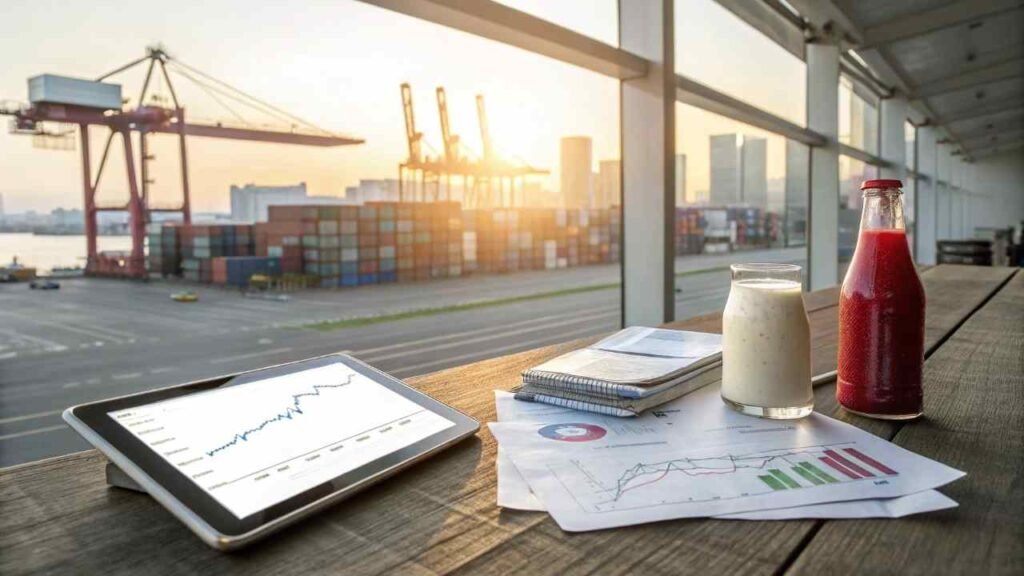
High sugar taxes and rising obesity rates threaten your product sales. Consumers now avoid artificial sweeteners. I show you how the massive growth in Stevia demand solves these market challenges.
Yes, global demand for Stevia is increasing rapidly, with a projected annual growth rate of over 8%. This rise is driven by the beverage and dairy sectors seeking natural, zero-calorie alternatives to sugar to meet government health regulations and consumer preferences for clean-label ingredients.
I manage factory selection and oversee production for my B2B clients at FINETECH. I see the global market shifts first-hand. I want to share the technical facts about Stevia demand so you can prepare your inventory for the future.
Which food and beverage sectors consume the most Stevia globally?
Stagnant product lines in traditional sectors hurt your growth. Missing out on the biggest buyers limits your wholesale potential. I identify the top industries driving the bulk of Stevia consumption worldwide.
The beverage sector is the largest consumer, accounting for over 40% of global Stevia use. This is followed by the dairy industry, including yogurts and flavored milks. The bakery, confectionery, and tabletop sweetener sectors also represent significant shares of the industrial Stevia market.
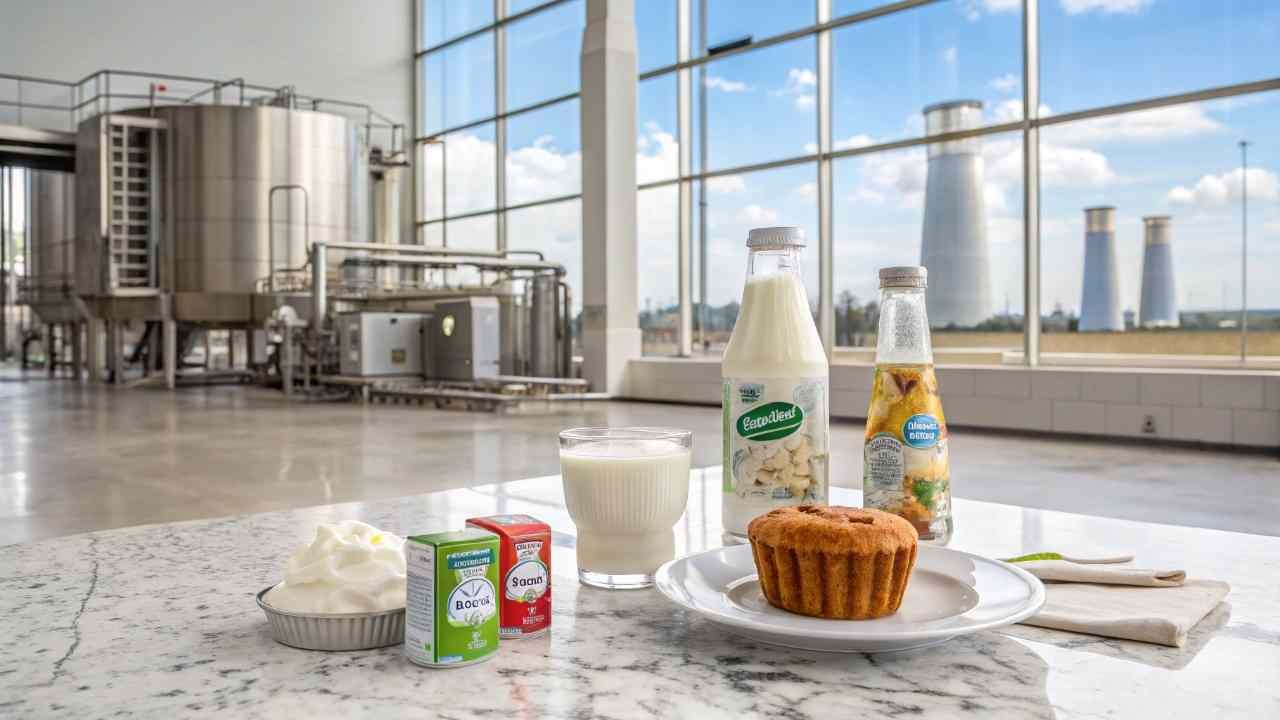
Dominant Sectors and Consumption Patterns
I see that the beverage industry1 is the undisputed leader in Stevia procurement. Big brands in the Middle East and Southeast Asia are reformulating their soft drinks to reduce sugar. Carbonated sodas, energy drinks, and ready-to-drink (RTD) teas use high-purity Reb A and Reb M. I visit the factories in China to ensure the 85% and 95% extracts meet the clarity and solubility needs of these bottling plants. The beverage sector moves the most volume, and I prioritize my shipping schedules to match their fast-fill production lines.
The dairy sector is catching up quickly. Manufacturers use Stevia in drinkable yogurts and ice creams to reduce calories without losing the creamy mouthfeel. I often source enzymatic Stevia for dairy clients in Europe and Korea. This grade removes the bitter notes that can clash with milk proteins. In the bakery and confectionery worlds, Stevia is often blended with other bulking agents like Erythritol2. This is because Stevia is too concentrated to provide the physical bulk of sugar. I act as your strategic partner to navigate these industry-specific needs. We analyze which grade of Stevia fits each sector so you can sell more effectively to your local manufacturers.
Sector-Wise Stevia Consumption Table
| Industry Sector | Consumption Share | Preferred Stevia Grade | Technical Reason |
|---|---|---|---|
| Beverages | ~45% | Reb A 97% / Reb M | High solubility & clean taste |
| Dairy | ~20% | Reb M / Enzymatic | Protein and fat compatibility |
| Bakery | ~10% | Stevia Blends | Heat stability for baking |
| Confectionery | ~8% | High Purity Extracts | Synergistic sweetness |
| Tabletop | ~12% | Reb A 95% | Cost-effective bulk packs |
| Others (Pharma) | ~5% | USP/FCC Grade | Masking bitter medicinal notes |
Why are consumers shifting from sugar to Stevia-based products?
Excessive sugar consumption causes long-term health risks for your customers. This negative image lowers your brand value. I explain the technical and social reasons why consumers now choose Stevia as their primary sweetener.
Consumers are shifting to Stevia because it is a plant-based, natural sweetener with zero calories and a zero glycemic index. It is perceived as safer than artificial sweeteners like aspartame. Its natural origin appeals to health-conscious buyers looking for clean-label products without synthetic chemicals.
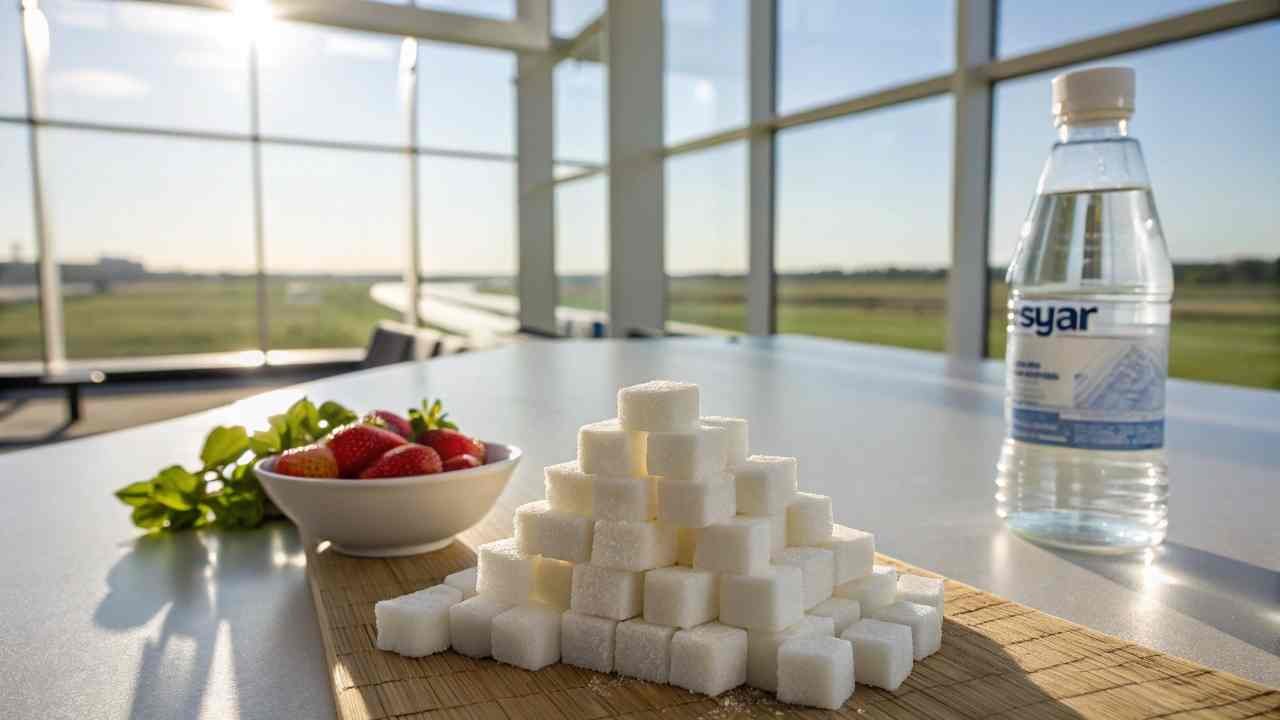
Health Awareness and Natural Labeling
I see that the "Health Revolution" is a real force in global trade. People are now very afraid of diabetes and obesity. Sugar is seen as a "poison" in many markets. Stevia offers a way out. It does not raise blood sugar levels3. This makes it perfect for diabetic-friendly food lines. I act as your technical gatekeeper to ensure the Stevia you buy is truly natural. We verify the extraction process at the factory. We make sure they use water or food-grade ethanol instead of harsh chemical solvents. This natural process is what the end consumer wants to see on the label.
The "Clean Label" trend is the second big reason. Parents in Europe and the Middle East check every ingredient on the package. They do not want to see long, chemical names. "Stevia Leaf Extract" sounds safe and familiar. This trust allows you to charge a premium price for your products. I visit our partner plants to audit their non-GMO and organic certifications. These documents prove the plant source is clean. When a consumer sees "Stevia" on a juice bottle, they feel better about the purchase. I manage the supply chain to keep these high-quality, natural extracts available for your brand.
| Consumer Driver | Technical Benefit | Market Impact |
|---|---|---|
| Diabetes Control | Zero Glycemic Index | High demand in health sectors |
| Weight Loss | Zero Calories | Popular in sports nutrition |
| Clean Label | Plant-based origin | Increases retail brand trust |
| Safety Concerns | Non-synthetic | Replaces artificial sweeteners |
| Dental Health | Non-fermentable | Used in tooth-friendly candy |
| Natural Choice | Leaf extraction | Higher premium pricing |
How is the low-calorie trend driving Stevia market growth?
Standard high-calorie products are losing market share to light versions. This shift forces you to change your entire sourcing strategy. I analyze how the global "Low-Cal" trend is creating new opportunities for Stevia wholesalers.
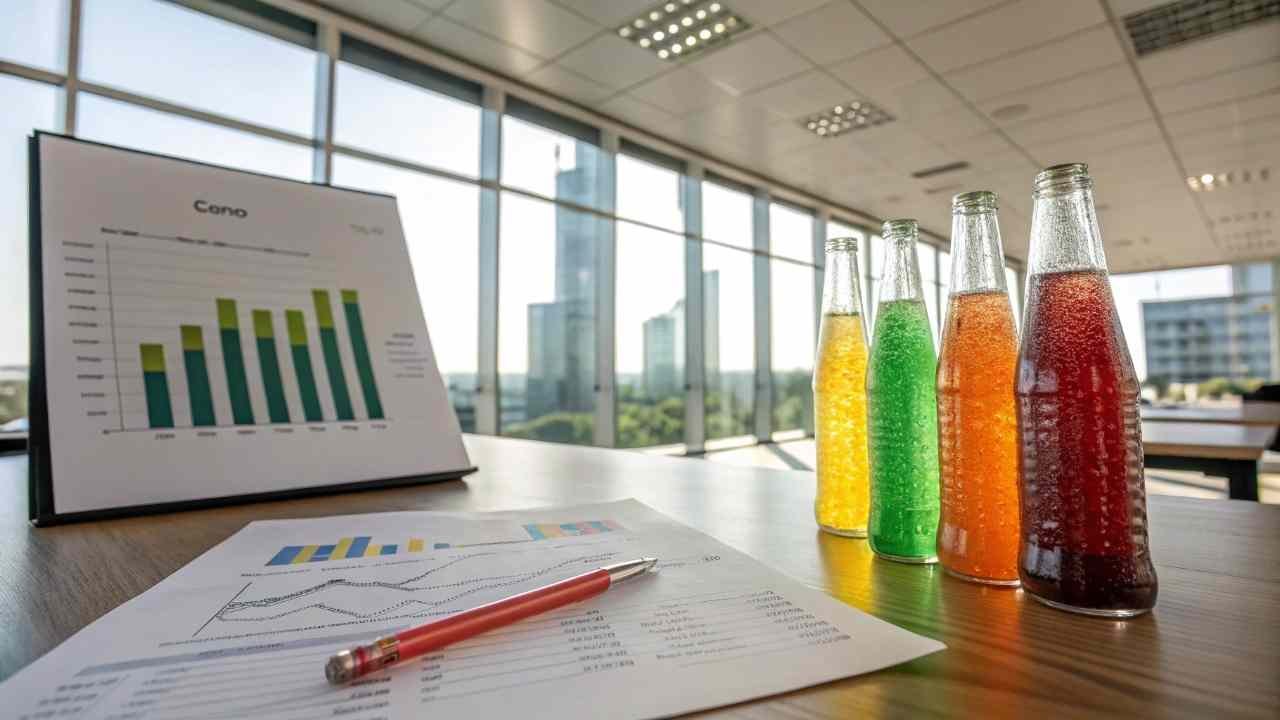
The low-calorie trend drives growth by forcing manufacturers to reformulate high-sugar products to meet "Light" or "Zero" standards. Government sugar taxes in over 50 countries further accelerate this trend. Stevia is the top choice for calorie reduction because it maintains sweetness without the bulk of sugar.
Government Policy and Market Adaptation
I see that government laws are the biggest driver of the low-calorie trend. Many of my clients in the UAE and Southeast Asia face new taxes on sugary drinks. If a drink has too much sugar, the price goes up. To keep the price low, manufacturers must use Stevia. This is not just a health choice; it is a financial one. I help these companies calculate the "Sweetness Replacement" ratio. Since Stevia is 200 to 300 times sweeter than sugar, it is the most efficient way to drop calories and avoid taxes. I act as your strategic office to provide the technical data for these new formulations.
The "Fitness Culture" also plays a huge role. Young people in places like Russia and Korea spend more on protein powders and healthy snacks. They want "Zero Calorie" labels. This demand creates a massive market for bulk Stevia. I manage the production schedules for factories in China to ensure we have enough high-purity stock for these sectors. We focus on Reb A 98% and Reb M because they provide the best taste for low-calorie products. As the trend grows, the volume of Stevia used in place of sugar will keep rising. I ensure you have a stable supply to meet this growing hunger for healthy options.
Low-Calorie Market Metrics Table
| Market Metric | Sugar-Heavy Era | Low-Calorie Trend Era | Role of Stevia |
|---|---|---|---|
| Primary Goal | Taste and Texture | Health and Weight Mgmt | Provides zero-cal sweetness |
| Government Tax | Minimal | High (Sugar Tax) | Avoids tax completely |
| Brand Image | Traditional | Modern / Healthy | Supports "Natural" claims |
| Recipe Design | Simple (Sugar) | Technical (Blends) | Key high-intensity component |
| Sales Growth | Stagnant | Fast Growing | Essential for "Lite" lines |
| Target Audience | General | Health-conscious / Youth | Core ingredient for fitness |
Which countries are the largest importers of Stevia ingredients?
Focusing on the wrong export markets wastes your logistics budget. You need to know where the high-volume demand is located. I identify the global powerhouses that import the most Stevia from China.
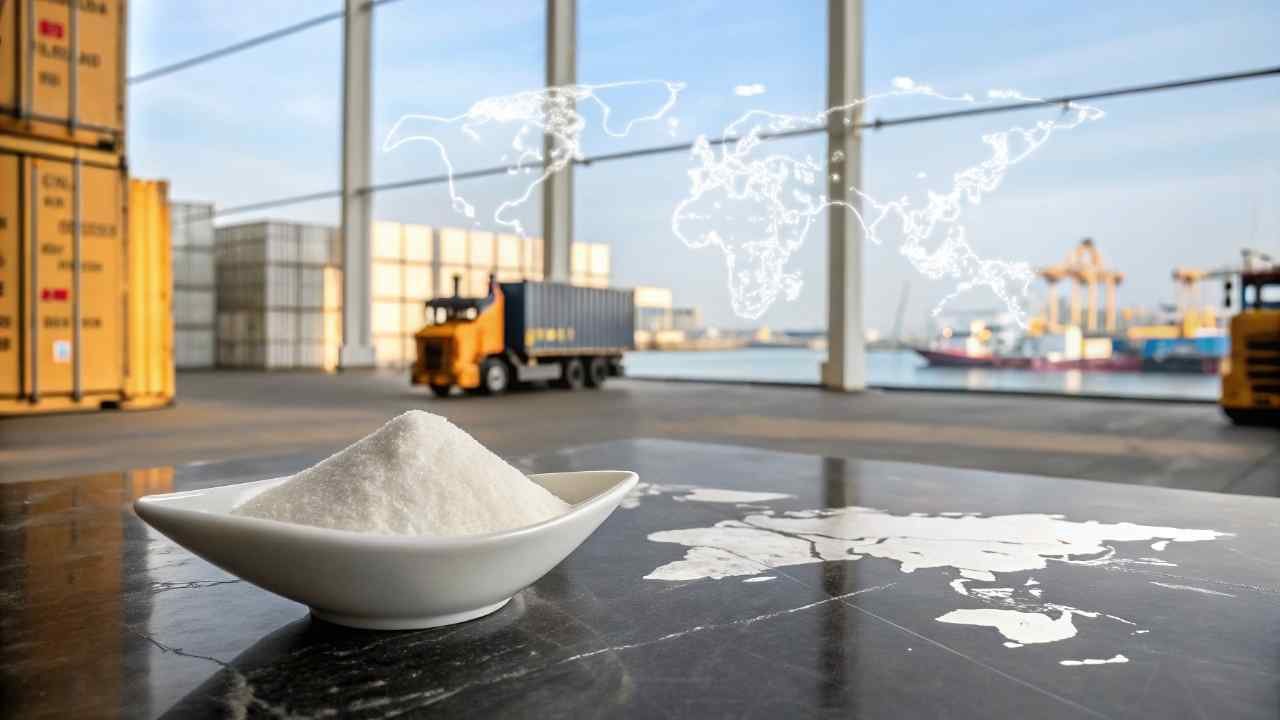
The United States is the largest importer of Stevia, followed by the European Union (Germany, France). In emerging markets, Brazil, Japan, and Mexico are major buyers. Recently, the Middle East and Southeast Asian countries like Indonesia and Vietnam have seen the fastest growth in Stevia import volumes.
Regional Demand and Market Expansion
I see that the US and Europe remain the "Big Two" for Stevia. They have very mature health food markets. They demand the highest purity, like Reb M and organic Stevia. I manage the documentation, including REACH4 for Europe and FDA registrations for the US. This ensures the cargo passes customs without a problem. But the real excitement is in the "Emerging Markets." My clients in Saudi Arabia and the UAE are building massive food cities. They need thousands of tons of Stevia to power their new factories. I act as your strategic partner to move this volume from China to the Middle East efficiently.
Southeast Asia is another high-growth zone. Indonesia and Vietnam have huge populations and a growing middle class. They are moving away from traditional cane sugar because of health concerns. Japan is also a unique market. They have used Stevia for decades, and they have very high standards for enzymatic Stevia. I visit the top Chinese plants to ensure the quality matches these strict Japanese and European specs. I also monitor the trade routes to Russia and Greece. These markets are smaller but very stable. By understanding these regional needs, I help you position your wholesale business for the highest profit in each territory.
| Country/Region | Demand Level | Key Focus | FINETECH's Role |
|---|---|---|---|
| USA | Very High | High Purity / Organic | Manage FDA compliance |
| European Union | High | REACH / Non-GMO | Verify EU safety certs |
| Middle East | Rapid Growth | Halal / Sugar Tax | Manage Halal verification |
| Southeast Asia | High Growth | Cost / Fast Delivery | Optimize logistics speed |
| Japan | Stable | Enzymatic / Tech | Audit high-tech plants |
| Russia | Steady | Food Processing | Ensure customs docs |
What emerging applications are expanding Stevia demand worldwide?
Relying only on sodas limits your long-term sales potential. New industries are now discovering the technical benefits of Stevia. I reveal the emerging applications that will drive the next wave of global demand.
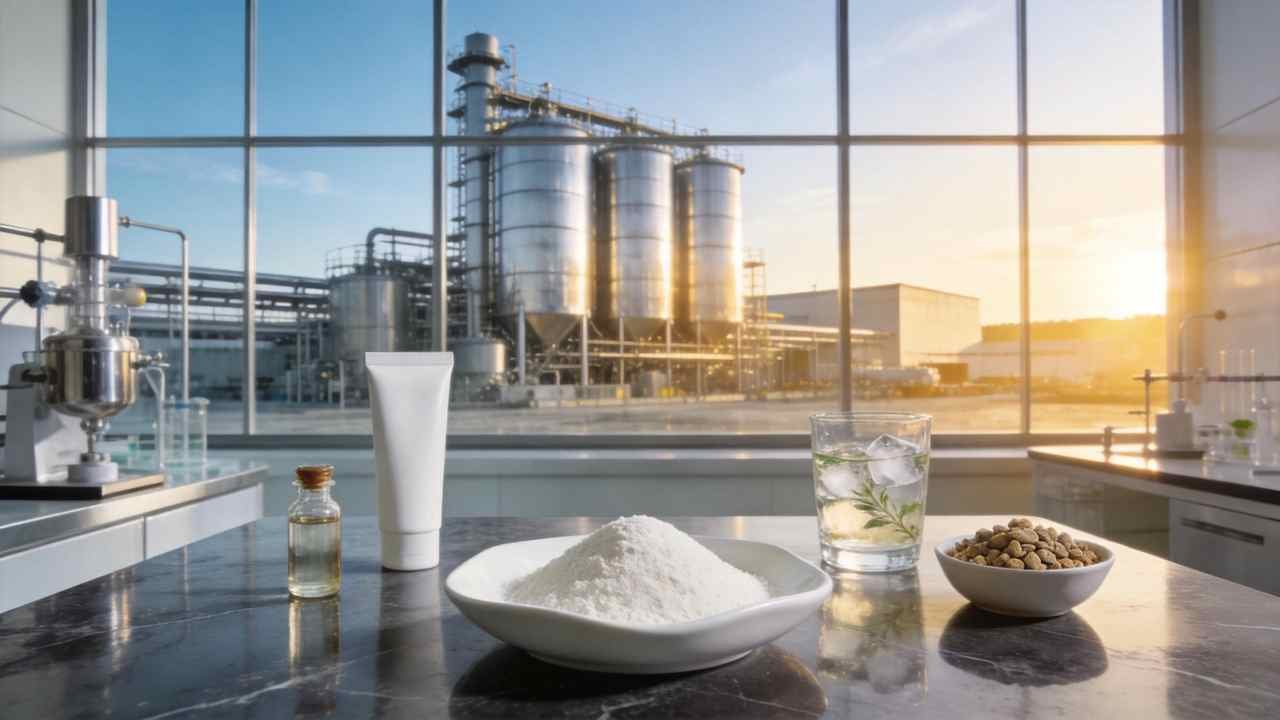
Emerging applications include the pharmaceutical industry for sweetening medications and the personal care sector for oral hygiene products like toothpaste. Stevia is also gaining traction in the animal feed industry and in alcoholic beverages where a natural, low-sugar profile is desired by consumers.
Diversification into Pharma and Personal Care
I see that "Pharma" is the next big frontier for Stevia. Tablets and cough syrups often taste bitter. In the past, companies used sugar or aspartame. Now, they want natural Stevia. It is heat-stable and does not interact with most medicines. I work with factories that have pharmaceutical5-grade certifications. This is a very technical market. We check for ultra-low heavy metals and high bacterial control. I act as your technical advisor to find the right grade for these medical uses. Stevia in pharma is a high-margin business for wholesalers.
Personal care is the second new growth area. Toothpaste and mouthwash brands are switching to Stevia. It is non-fermentable, so it does not cause cavities like sugar does. This "Tooth Friendly" label is very powerful. I also see growth in the animal feed industry. Farmers use Stevia to make feed taste better so animals eat more. Since it is natural, it fits the "Organic Meat" trend. I even see Stevia in craft beer and hard seltzers. People want to enjoy a drink without the "Sugar Hangover." I act as your strategic office to source for these new sectors. This diversification keeps your wholesale business safe from market shifts in the beverage world.
| Emerging Application | Technical Benefit | Market Driver | FINETECH's Strategy |
|---|---|---|---|
| Pharmaceuticals | Masking bitterness | Pediatric health | Audit pharma certifications |
| Toothpaste | Non-fermentable | Anti-cavity marketing | Focus on high solubility |
| Animal Feed | Natural flavoring | Organic meat trend | Offer bulk industrial grades |
| Alcoholic Drinks | Low sugar profile | Hard seltzer growth | Supply high-purity Reb A |
| Sauces / Dressings | Acid stability | "Lite" condiment trend | Check pH stability logs |
| Pet Food | Palatability | Healthy pet trends | Manage low MOQ trials |
Conclusion
Global Stevia demand is surging as the food industry moves toward natural, low-calorie solutions. I manage the sourcing and quality of these essential sweeteners at FINETECH to keep your B2B supply chain stable and profitable.
-
BeverageDaily – A leading industry source for news, market trends, and technical developments in the global beverage manufacturing sector. ↩
-
Healthline – A detailed nutritional profile of Erythritol, explaining its function as a zero-calorie sweetener often paired with high-intensity extracts. ↩
-
Mayo Clinic – Medical guidelines on monitoring glucose and the role of sugar substitutes in managing long-term blood sugar health. ↩
-
European Commission – Official environment department resource explaining the REACH regulation's requirements for chemical safety and compliance in the EU. ↩
-
Pharmaceutical Technology – A professional platform detailing ingredient standards and manufacturing technologies within the medicine and drug development sectors. ↩