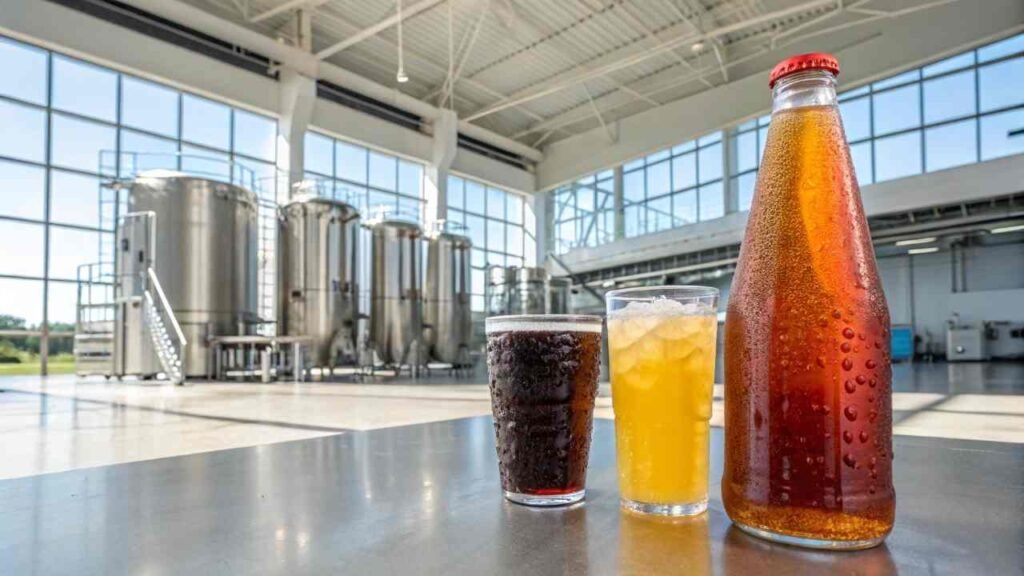
High sugar taxes and health-conscious consumers are killing traditional soda sales. If you do not switch to natural sweeteners, your brand will lose market share and profit.
Stevia is the preferred sweetener for sugar-free beverages because it is plant-based, zero-calorie, and heat-stable. It allows manufacturers to meet clean-label demands while providing a natural alternative to artificial sweeteners like aspartame, making it ideal for carbonated drinks, juices, and tea.
I manage factory selection and oversee production for my B2B clients at FINETECH. I want to share technical facts about Stevia in drinks to help you secure better quality for your brand.
How does Stevia compare with artificial sweeteners in beverages?
Artificial sweeteners like aspartame face massive health scrutiny and negative press. This ruins consumer trust. Stevia provides a natural and safe exit from synthetic chemicals.
Stevia differs from artificial sweeteners by being plant-derived and more heat-stable. While aspartame can break down in acidic or warm conditions, Stevia maintains its sweetness. It also avoids the "chemical" label, allowing for a cleaner and more marketable ingredient list.
Technical Stability and Perception
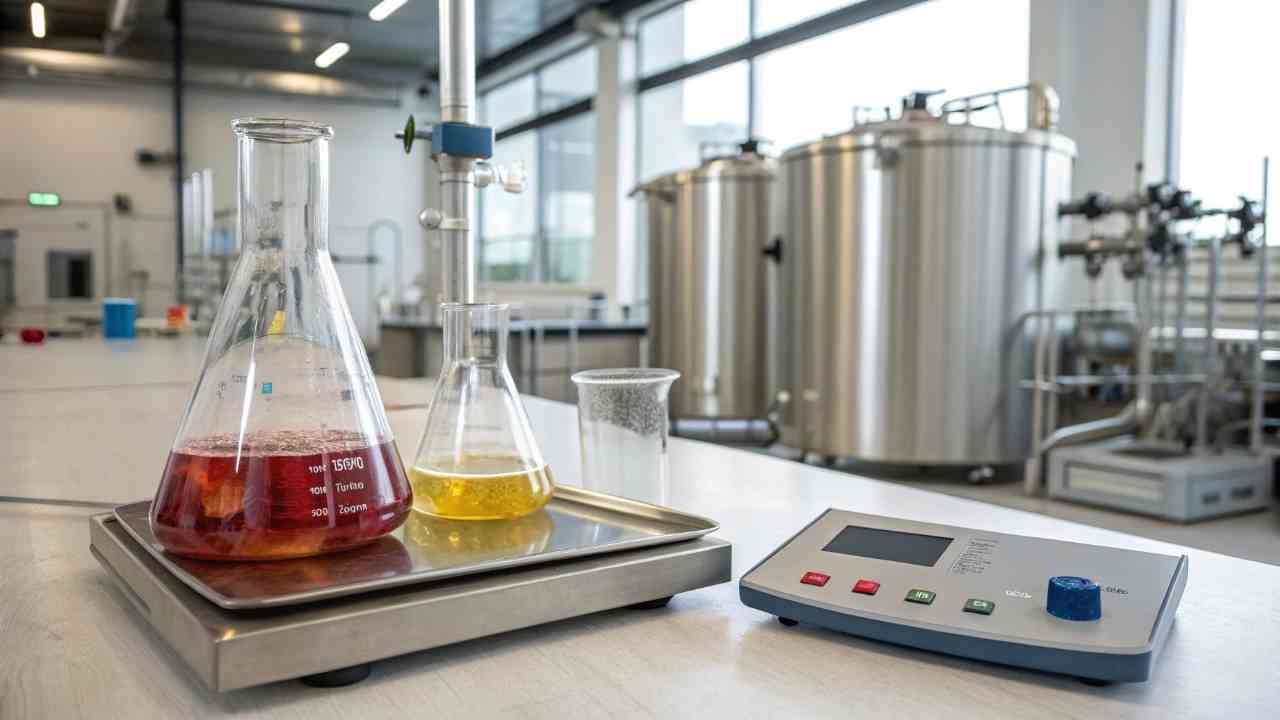
I see that many beverage manufacturers in the Middle East and Europe are moving away from aspartame1 and acesulfame-K. The main reason is stability. Artificial sweeteners often lose their sweetness over time when the drink is stored in a warm warehouse. Stevia is different. It is very stable in high temperatures. It also works well in acidic drinks like fruit juices or sodas with a low pH2. I visit our partner factories in China to check their stability test reports. This ensures the Stevia powder you buy will keep your drink sweet until the end of its shelf life.
Consumer perception is also a big factor. People recognize the name "Stevia Leaf Extract" as something from nature. They do not trust long chemical names. I act as your strategic office to find Stevia with the highest purity. We focus on Reb A 97% or 98% because these grades have a very clean taste. Low-grade Stevia can be bitter, but high-purity extracts can match the flavor of artificial sweeteners without the safety concerns. I manage the sourcing for my clients to ensure they get a product that is both stable and consumer-friendly.
Comparison Table: Stevia vs Artificial Sweeteners
| Feature | Stevia (High Purity) | Aspartame / Sucralose | FINETECH's Technical View |
|---|---|---|---|
| Origin | Natural Plant Leaf | Synthetic Chemical | Stevia wins on clean label |
| Heat Stability | High (UHT stable) | Low (can break down) | Stevia is better for pasteurization |
| Acid Stability | Excellent | Varies | Stevia works in all sodas |
| Sweetness Level | 200x - 300x sugar | 200x - 600x sugar | Both are high-intensity |
| Calorie Count | Zero | Zero / Low | Both help reduce sugar taxes |
| Consumer Trust | High | Decreasing | Stevia is the future trend |
Why is Stevia widely used in energy drink formulations?
Energy drink consumers want performance without a sugar crash. Artificial ingredients often turn away high-spending health enthusiasts. Stevia satisfies the need for zero calories and natural branding.
Energy drinks use Stevia to achieve zero-calorie status without the metallic aftertaste of some synthetics. It pairs well with caffeine and B-vitamins, providing a clean sweetness profile that complements the strong flavors typical of functional and performance beverages.
Synergy with Functional Ingredients
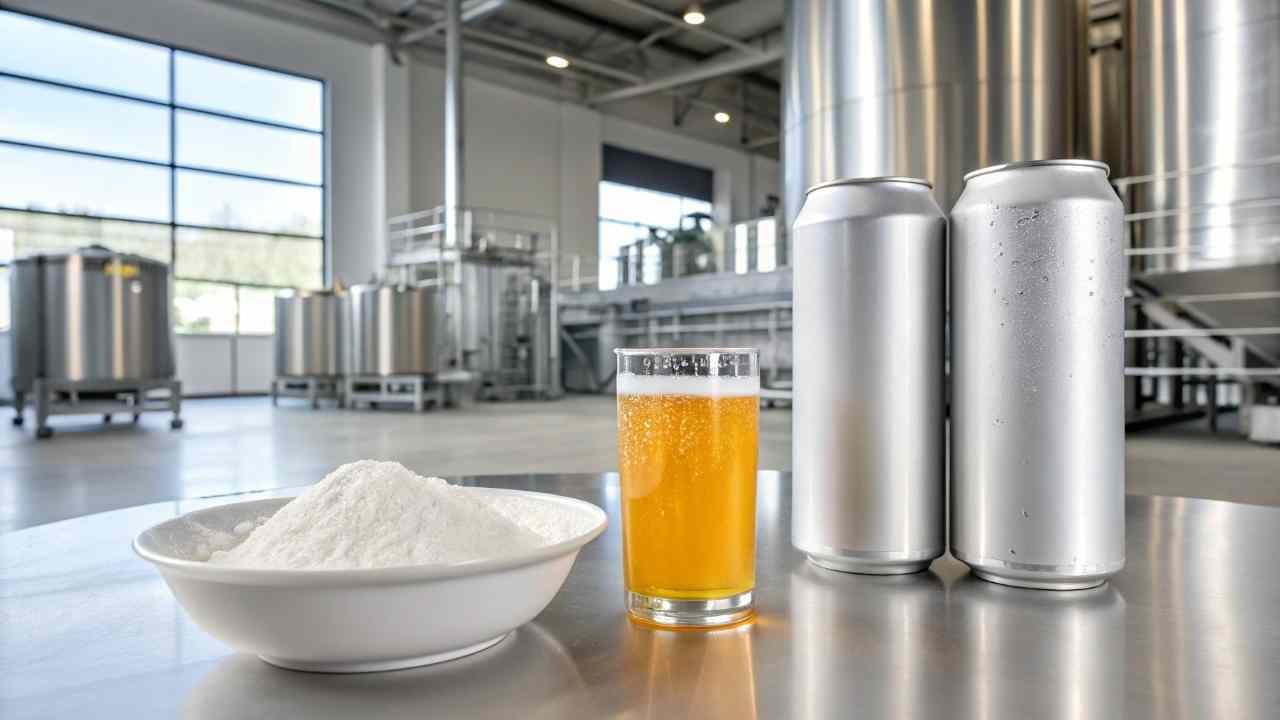
I see that energy drinks3 have a very complex flavor profile. They often contain caffeine, taurine, and various vitamins. These ingredients can have a bitter or medicinal taste. Stevia is a great choice here because it has a strong sweetness that can mask these notes. I often suggest my clients in Southeast Asia use Stevia blends for their energy drinks. We find that combining Stevia with a small amount of sugar or other natural sweeteners creates a very balanced profile. I visit the labs in China to see how our Stevia interacts with active ingredients. This technical oversight prevents flavor clashes in your final product.
Marketing is the second reason for Stevia in this sector. Energy drinks are often sold to athletes and people with active lifestyles. These people read labels carefully. They want to see "Natural Sweetener" instead of "Artificial Sweetener." I act as your quality gatekeeper to ensure the Stevia we source is non-GMO4 and has a clear certificate of origin. This allows you to market your energy drink as a premium, healthy choice. My goal is to help you build a brand that stands out in a crowded market by using the best raw materials available.
Sweetener Selection for Energy Drinks
| Ingredient | Interaction with Stevia | Result for Formulation |
|---|---|---|
| Caffeine | Stevia masks bitter notes | Smoother taste profile |
| B-Vitamins | Stable sweetness | No nutrient degradation |
| Citric Acid | Enhanced tartness | Refreshing flavor balance |
| Fruit Flavors | Natural synergy | Realistic fruit taste |
| Electrolytes | No chemical reaction | Stable mineral content |
| Preservatives | Compatible | Safe long-term storage |
What formulation challenges exist when using Stevia in drinks?
Simply replacing sugar with Stevia can lead to a thin mouthfeel and a bitter finish. This makes your drink taste "cheap" and unappealing. You must address these technical gaps to keep your customers.
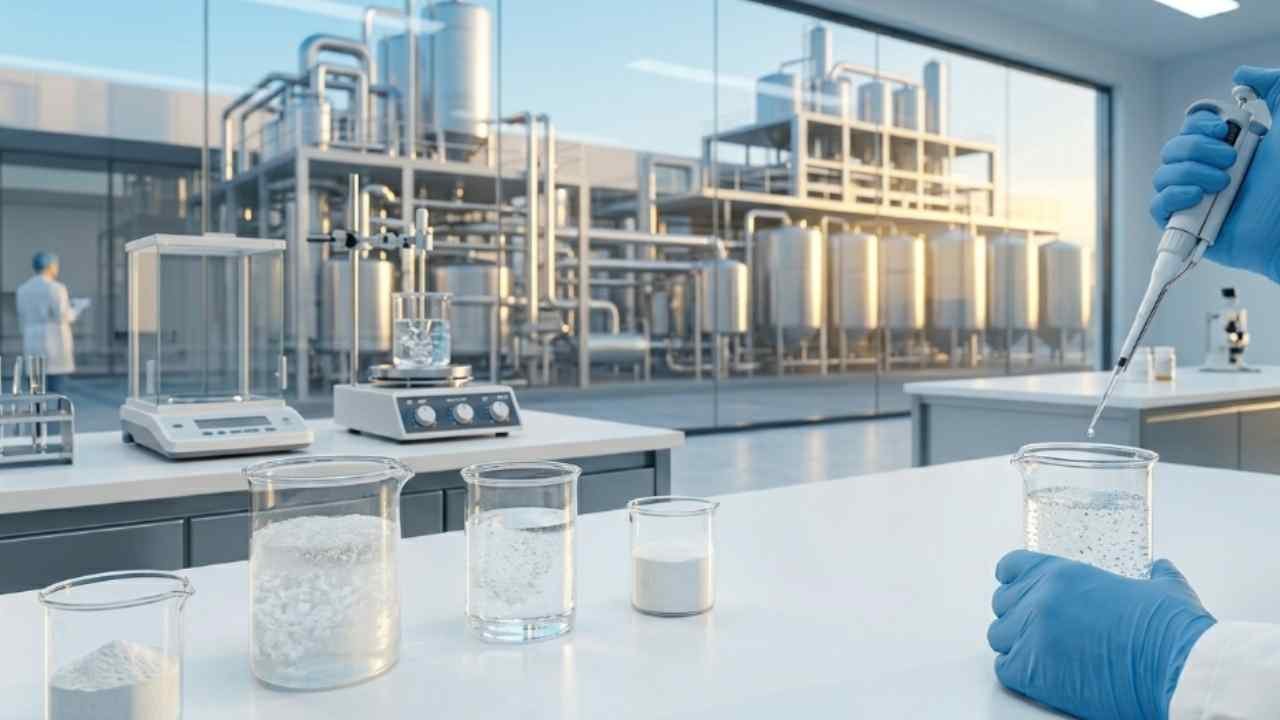
The main challenges are the lingering bitter aftertaste and the loss of "body" once sugar is removed. High-purity Reb A or Reb M is needed to reduce bitterness, while hydrocolloids or fibers are often added to restore the beverage's original mouthfeel.
Managing Aftertaste and Texture
I see that the "Stevia Linger" is the most common complaint. If you use a low-purity extract, the sweetness stays on the tongue too long and turns bitter. I solve this for my clients by sourcing Reb M. Rebaudioside M is a specific part of the leaf that tastes exactly like sugar. It is more expensive but it removes the aftertaste problem completely. I act as your technical advisor to check the HPLC reports from the factory. These reports show exactly which glycosides are in the powder. I ensure you are not buying a "cheap" blend that will ruin your drink.
The second challenge is the loss of volume. Sugar provides bulk and a "syrupy" feel. When you take the sugar out, the drink feels like water. I suggest using bulking agents to fix this. Ingredients like erythritol or polydextrose5 add the weight back without the calories. I also oversee the selection of stabilizers. A tiny amount of pectin or xanthan gum can make a sugar-free soda feel rich again. I visit the factories in China to see their testing labs. They mix our Stevia with different stabilizers to find the perfect match. This technical work is how we make a zero-sugar drink taste like a full-sugar one.
Formulation Issues and Solutions
| Problem | Cause | Technical Solution |
|---|---|---|
| Bitterness | Low-purity glycosides | Switch to Reb M or Reb A 98% |
| Thin Mouthfeel | Loss of sugar solids | Add Erythritol or Polydextrose |
| Delayed Sweetness | Stevia molecule structure | Blend with small amount of sugar |
| Licorice Taste | High Stevioside content | Use Reb A with 95% + purity |
| Cloudy Liquid | Poor solubility | Use granulated or high-mesh powder |
| Flavor Masking | High intensity | Adjust flavor concentrations |
How can manufacturers improve mouthfeel in Stevia beverages?
Watery beverages fail to satisfy consumers who are used to the syrup-like texture of sugar. This leads to poor reviews and low repeat sales. I show you how to fix this texture problem using technical additives.
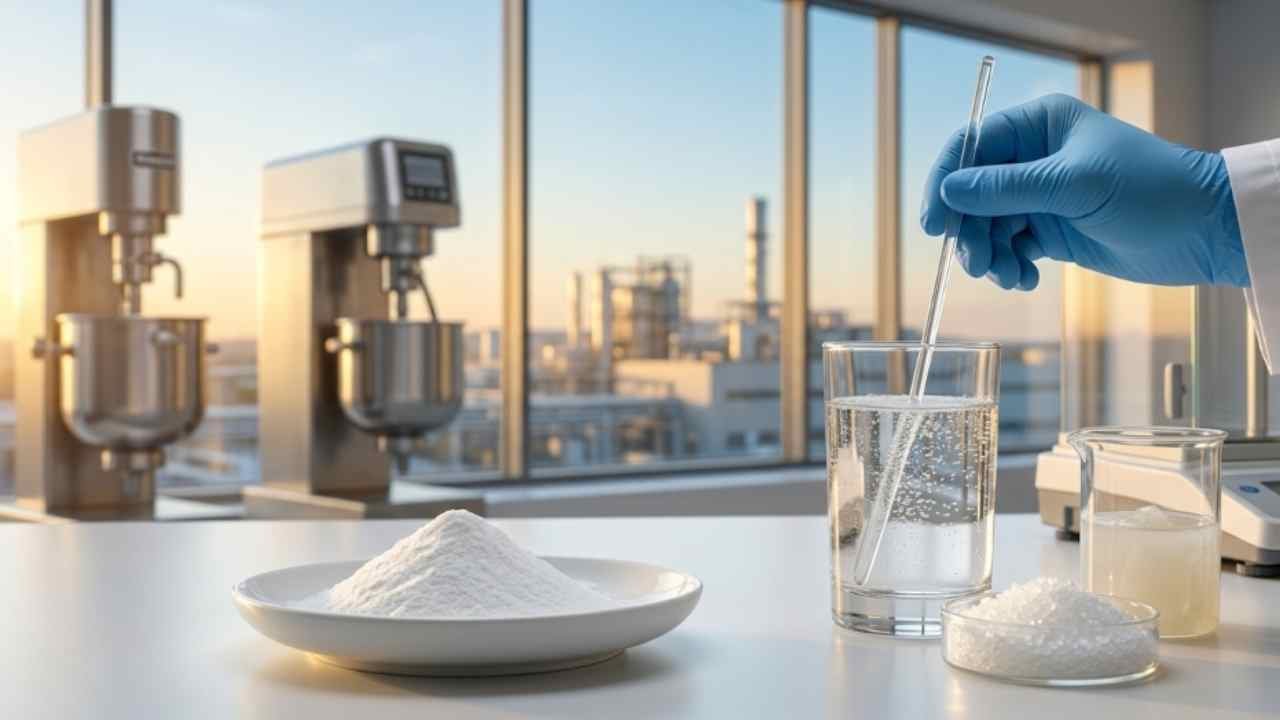
Manufacturers improve mouthfeel by adding bulking agents like erythritol or texturizers like pectin and xanthan gum. These additives mimic the viscosity of sugar. Using specific Stevia blends also helps create a more rounded and immediate sweetness profile that feels more substantial in the mouth.
Bulking Agents and Texturizers
I see that texture is just as important as taste. When I manage factory selection for my clients, I look for plants that also produce other additives. Blending Stevia with Erythritol is the most popular solution. Erythritol is about 70% as sweet as sugar but has a very similar bulk. It also has a cooling effect that works well in sodas. I act as your strategic office to source these ingredients together. This ensures they are compatible and arrive in the same shipment. By using this blend, you can create a drink that has the "weight" of a traditional soda.
Texturizers are the next tool. I suggest using natural fibers or gums. These ingredients change how the liquid moves in the mouth. A very small dose of gum arabic or pectin can make a juice drink feel thick and premium. I visit the production lines in China to ensure the mesh size of our Stevia is very fine. Fine powder dissolves better and helps create a smooth texture. I also oversee the "Blending Ratio" for my wholesale clients. We test different percentages of Stevia and texturizers to find the sweet spot. This technical approach ensures your sugar-free drink does not feel "empty."
Additives for Mouthfeel Enhancement
| Additive Category | Common Examples | Effect on Beverage |
|---|---|---|
| Bulking Agents | Erythritol, Xylitol | Adds weight and volume |
| Fibers | Inulin, Polydextrose | Improves "body" and health label |
| Gums | Xanthan, Arabic, Guar | Increases viscosity and thickness |
| Fruit Solids | Pectin, Pulp | Mimics natural juice texture |
| Polyols | Sorbitol, Maltitol | Adds syrup-like mouthfeel |
| Minerals | Calcium, Magnesium | Rounds out the flavor profile |
What beverage categories are driving Stevia adoption globally?
Relying on old product categories limits your revenue growth. New beverage trends are moving fast in every global market. You need to know where the biggest demand for Stevia exists today to secure your future sales.
Carbonated soft drinks, ready-to-drink (RTD) teas, and flavored waters are the top categories driving Stevia adoption. Increased demand in these sectors comes from government sugar taxes and the global shift toward "Zero" or "Light" drink options in the Middle East, Southeast Asia, and Europe.

Market Trends and Category Growth
I see that the "Zero Sugar" soda market is the biggest user of Stevia. Large companies in Saudi Arabia and the UAE are reformulating their classic brands. They need thousands of tons of high-purity Stevia. I act as your logistics partner to ensure these large volumes arrive on time. The second big category is RTD tea. Tea is naturally healthy, so a natural sweetener like Stevia is a perfect fit. I often suggest my clients in Korea and Indonesia use Stevia for their bottled green tea. It keeps the calorie count low while maintaining the refreshing taste of the leaf.
Flavored water is another fast-growing sector. Consumers want something better than plain water but with no sugar. I manage the supply for many "functional water" brands. These drinks often include electrolytes or vitamins. Stevia is the best sweetener for these products because it is so concentrated. You only need a tiny amount to sweeten a whole bottle. This saves space in the warehouse and lowers your shipping costs. I visit the exhibitions and factories to stay ahead of these trends. By knowing which categories are growing, I can help you plan your inventory and pick the right products for your market.
Growth of Stevia in Beverage Categories
| Beverage Category | Demand Level | Key Region | FINETECH's Growth View |
|---|---|---|---|
| Carbonated Sodas | Very High | Middle East / USA | Driven by sugar taxes |
| RTD Teas | High | Southeast Asia / China | Fits the "Natural" image |
| Flavored Waters | High | Europe / Russia | Fast growth in "Health" sector |
| Energy Drinks | Moderate | Global | Premium sugar-free versions |
| Juice Blends | Moderate | Europe / SE Asia | Reduces total sugar load |
| Plant Milks | Growing | Europe / USA | Complements vegan labels |
Conclusion
Stevia is a superior, natural choice for sugar-free beverages due to its stability and clean-label appeal. I provide high-purity Stevia through FINETECH to ensure your drinks have the best taste and meet global quality standards.
-
WHO – Official risk assessment results on aspartame, explaining its regulatory status and health considerations. ↩
-
Food Safety Magazine – A technical guide on the chemical factors, including pH and acidity, that determine beverage shelf-life. ↩
-
Mordor Intelligence – Market research report detailing global growth trends and consumer preferences in the energy drinks sector. ↩
-
Non-GMO Project – Resource explaining the importance of non-GMO verification in food ingredients and labeling transparency. ↩
-
ScienceDirect – A technical guide to the functional properties of polydextrose used to restore mouthfeel and bulk in calorie-reduced food products. ↩