
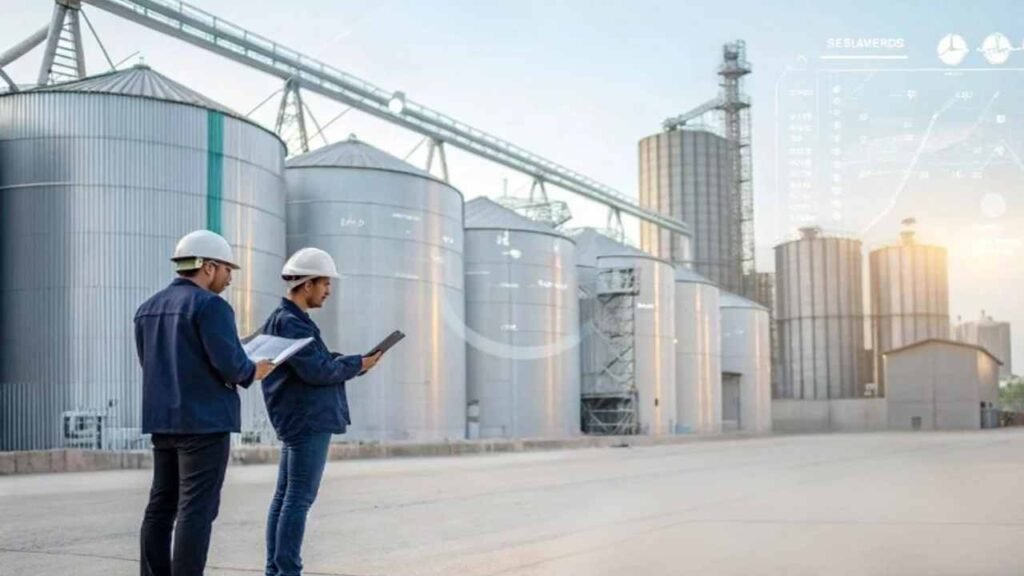
Unstable protein supply stops your production and ruins your profit margins. Sudden price spikes make budget planning impossible for your business. I explain how to navigate current soy protein market risks.
The global Isolated Soy Protein (ISP) market is currently stable but faces risks from raw material costs and logistics. China dominates global production capacity. Buyers secure stability by using long-term contracts, diversifying suppliers, and monitoring soybean crop yields in major regions like Brazil, the USA, and China.
I manage factory selection and oversee production for my B2B clients at FINETECH. I visit Chinese plants to audit their production lines because your brand safety depends on technical facts. I want to share the technical reality of the Isolated Soy Protein market so you can secure your supply chain.
What factors are affecting the global Isolated soy protein supply chain?
Shipping delays and energy costs ruin your delivery schedules. These hidden factors cause sudden price jumps in your soy protein orders. I identify the forces moving the supply chain today.
Key factors include international freight costs, energy prices for drying processes, and environmental regulations in China. Currency fluctuations and changes in meat processing demand also impact availability. Understanding these variables helps buyers predict price trends and plan their procurement cycles more effectively.
Dive Deeper into Supply Chain Drivers
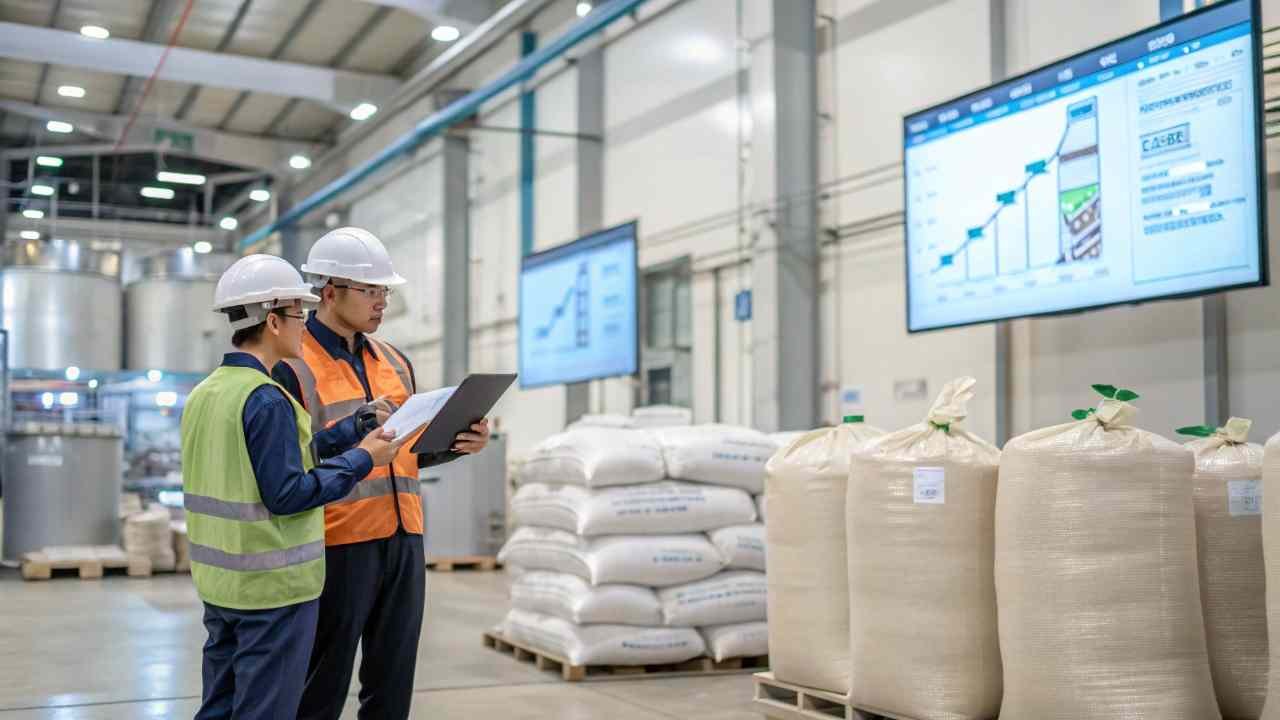
I see that logistics is the biggest variable for my clients in the Middle East and Southeast Asia. Isolated Soy Protein1 is a high-volume product. It takes up a lot of space in a container. When sea freight prices go up, the landed cost of your protein isolate increases instantly. I act as your strategic office to monitor these shipping rates daily. I also watch the energy market in China. Making ISP requires a lot of heat for the spray-drying process2. If coal or natural gas prices rise, the factory must increase their prices to stay profitable. I oversee these cost changes to give you early warnings.
Environmental policy is another technical factor. The Chinese government often shuts down factories that do not meet emission standards. This happens mostly in the winter or during big national events. I prioritize factories that have modern filtration and waste-treatment systems. These plants are less likely to be closed by the government. I also track the global demand for plant-based meats. When this demand grows, the supply of ISP for traditional meat processing gets tight. I use this market data to help you time your bulk purchases. This way, you buy when the supply is high and the price is low.
Primary Supply Chain Variables
I created this table to show the technical factors I monitor for my wholesale clients.
| Factor | Technical Impact | Risk Level | Eric's Monitoring Strategy |
|---|---|---|---|
| Sea Freight | Increases landed cost | High | Track Shanghai Containerized Freight Index |
| Energy Costs | Raises production price | Moderate | Monitor natural gas and coal prices |
| Environment Laws | Causes factory shutdowns | Moderate | Audit factory emission certificates |
| Exchange Rate | Affects USD/CNY pricing | Moderate | Monitor daily currency shifts |
| Meat Demand | Changes market supply | Low | Track global protein consumption trends |
| Port Efficiency | Causes delivery delays | High | Check congestion levels at major ports |
Which countries dominate Isolated soy protein production capacity?
Buying from the wrong region leads to higher taxes and slow shipping. You need to know where the protein is made to save money. I map the world's production hubs for you.
China is the global leader in Isolated Soy Protein production capacity, accounting for over 50% of the total supply. The USA and Brazil also have significant capacity due to their massive soybean harvests. European producers focus more on non-GMO specialty grades for local food safety requirements.
Dive Deeper into Global Production Hubs
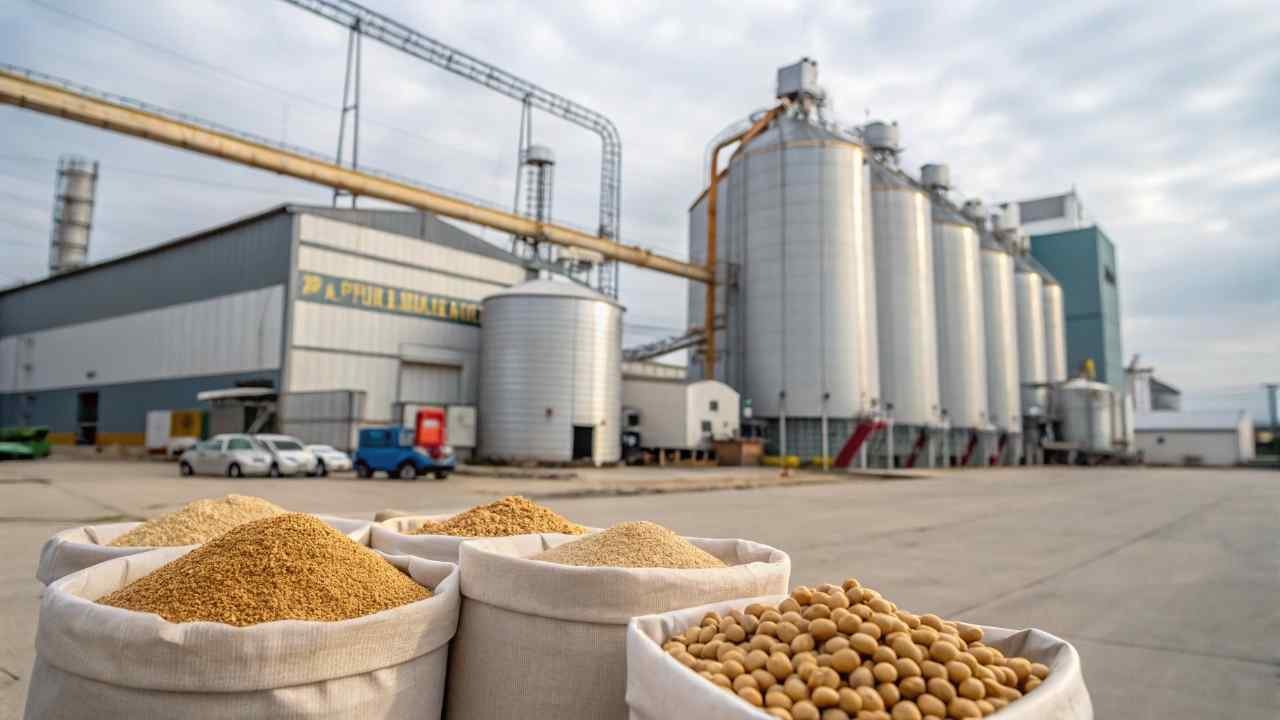
I see that China is the heart of the ISP industry. The factories here have the largest spray-drying towers in the world. This scale allows them to offer the most competitive prices for bulk orders. Most of these plants are in Shandong and Henan provinces. I visit these regions often to audit the production quality. China has a complete supply chain. We have the farms, the crushing plants, and the refining factories all in one place. This vertical integration3 makes the supply very stable for international buyers. I act as your technical eyes to pick the best factory from hundreds of options.
The USA and Brazil are also important, but they work differently. US factories often use their soy protein for their own domestic food brands. This means they have less volume available for export to regions like Southeast Asia. Brazil is growing fast as a producer because they have so much land for soybeans. However, their technology for "Functional" protein is still developing. European producers are the leaders in "Non-GMO" and "Organic" soy protein. They have very high standards but also very high prices. I help my clients choose the right country based on their local import taxes and quality needs. If you need high-volume, functional ISP, China is usually the best technical choice.
Comparison of Production Regions
| Region | Market Share | Main Strength | Recommendation |
|---|---|---|---|
| China | > 50% | Price and Capacity | Best for bulk wholesale and meat plants |
| USA | ~ 20% | Quality Consistency | Best for high-end US domestic brands |
| Brazil | ~ 10% | Raw Material Access | Good for basic food-grade isolate |
| Europe | ~ 5% | Non-GMO Standards | Best for clean-label EU products |
| India | ~ 5% | Growing capacity | Alternative for Asian markets |
| Others | ~ 10% | Local supply | Best for small regional traders |
How does soybean availability influence Isolated soy protein supply stability?
Bad weather in South America can stop your protein shipments in Asia. Raw material shortages always lead to higher ISP prices. I show you the link between crops and your supply.
Soybean availability is the primary driver of ISP supply. Droughts or floods in Brazil and the USA reduce the supply of soy meal, which is the raw material for ISP. High soybean demand from the animal feed industry can also limit the amount diverted to protein isolate production.
Dive Deeper into Raw Material Linkage
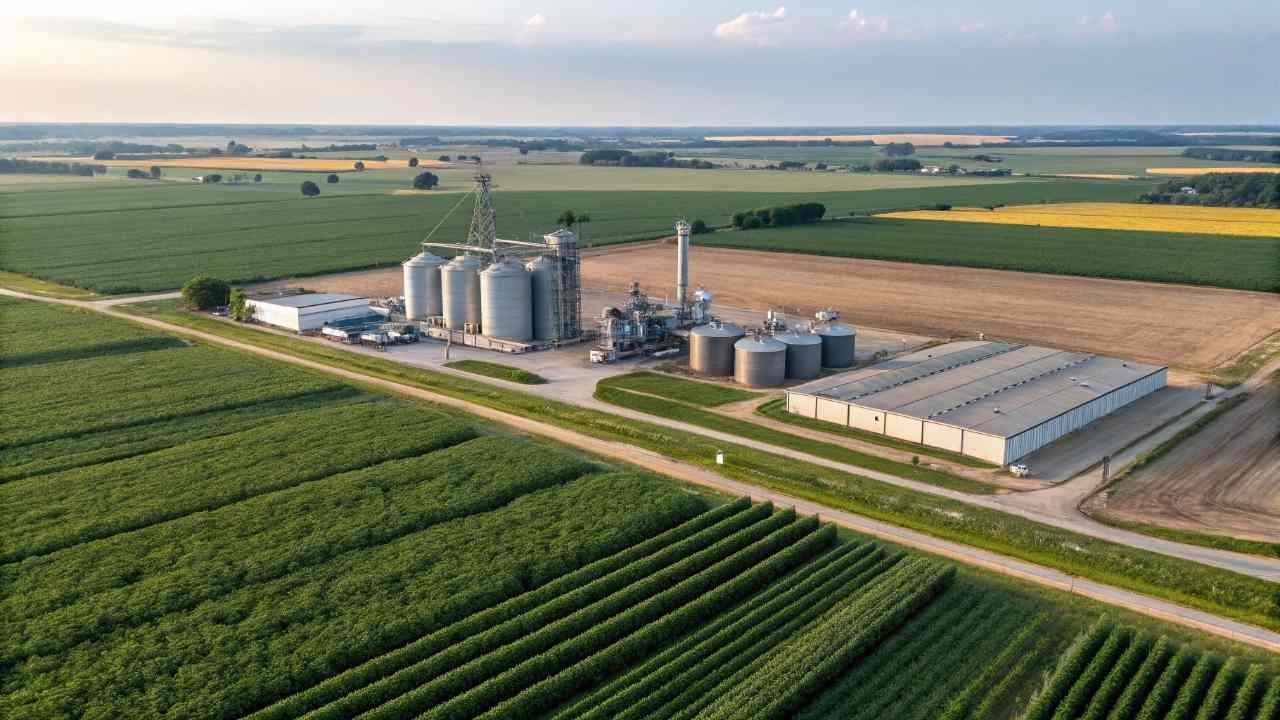
I see that ISP is a "downstream" product. To make protein isolate, you first need soybean meal. This meal is what is left after you take the oil out of the bean. If the soybean crop fails, the price of meal goes up. This forces the ISP factory to raise their prices. I act as your strategic partner to track the "USDA Crop Reports4." These reports tell us the health of the soy plants in the USA and South America. If I see a bad forecast, I tell my clients to lock in their prices for the next six months. This prevents them from being hit by a sudden price jump.
Competition with the animal feed industry is another factor. Most soybean meal goes to feed pigs and chickens. If the price of meat is high, farmers buy more meal. This leaves less meal for the protein isolate factories. I prioritize factories in China that have long-term contracts with soy crushers. This ensures they always have raw material, even when the market is tight. I also check for "Non-GMO" availability. Non-GMO soybeans are harder to grow and more expensive. If your market requires Non-GMO, we must plan your orders 3 to 4 months in advance. I oversee this planning to ensure your production line never runs out of the right grade of protein.
| Raw Material Risk | Impact on ISP | Technical Solution | Value |
|---|---|---|---|
| Crop Failure | High price spikes | Use fixed-price contracts | Monitor weather and crop data |
| Feed Competition | Shortage of supply | Secure priority supply | Direct factory relationships |
| GMO Contamination | Regulatory rejection | Strict lab testing | Audit Non-GMO certificates |
| Export Bans | Blocked shipments | Diversify sourcing | Find alternative factory regions |
| Pesticide Residue | Quality failure | Batch-level screening | Oversee third-party lab tests |
| Storage Issues | Mold or toxins | Climate-controlled silos | Audit raw material storage |
Why is supply concentration a risk in the Isolated soy protein market?
Depending on one factory or one country makes your brand vulnerable. Trade wars or local policy shifts can block your protein supply instantly. I explain the dangers of market concentration.
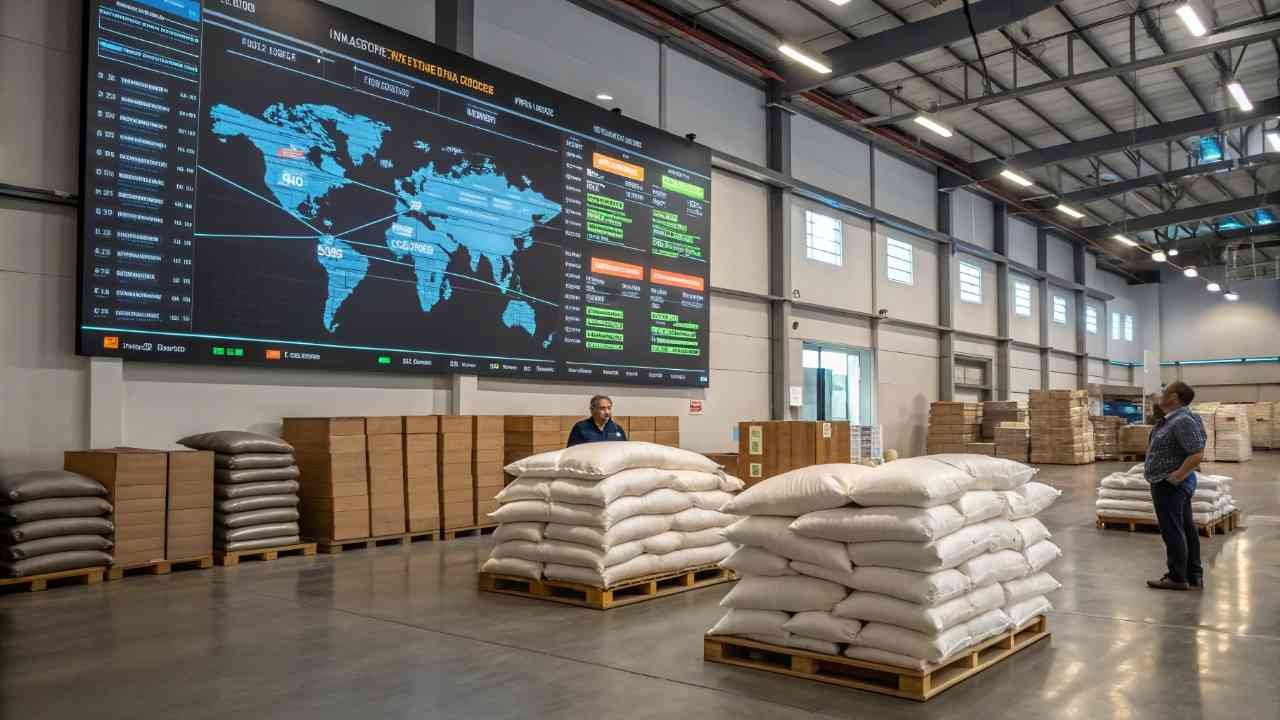
Supply concentration in China creates risks related to trade policies, tariffs, and regional disruptions. If one major production hub faces energy caps or environmental shutdowns, the global market sees immediate shortages. Diversification is necessary to protect your business against localized political or economic shocks.
Dive Deeper into Concentration Risks
I see that having too many eggs in one basket is a dangerous strategy. Since China makes so much of the world's soy protein, any change in China affects everyone. For example, if the US or the EU adds a "Duty" or "Tariff5" on Chinese protein, your costs will go up overnight. I act as your technical advisor to monitor these trade laws. I also watch the "Power Rationing" in China. Sometimes, the government tells factories to only work three days a week to save electricity. If all the big ISP plants are in the same province, the whole market stops. I prioritize working with factories in different parts of China to reduce this risk.
Political tension is another factor. Trade wars can lead to shipping bans or higher inspections at the port. This causes delays that ruin your inventory plan. I help my clients by finding "Alternative Hubs." While we buy most protein from China, I keep contacts in India and Brazil. This is my "Plan B" for your business. I visit these other regions to audit their quality too. Even if the price is a little higher, having a second source is a strategic win. I oversee the quality to ensure the protein from different regions works the same in your recipe. This technical consistency allows you to switch suppliers quickly if a crisis happens.
| Concentration Risk | Possible Impact | Mitigation Strategy | Strategic Role |
|---|---|---|---|
| Trade Tariffs | Higher import costs | Source from duty-free zones | Advise on best HS codes |
| Energy Caps | Lower production volume | Diversify factory locations | Audit energy use in plants |
| Local Policy | Sudden plant closures | Maintain safety stock | Track local government news |
| Logistics Hubs | Port congestion | Use different exit ports | Coordinate varied ship routes |
| Currency Risk | Unstable pricing | Use fixed USD contracts | Negotiate long-term deals |
| Single Vendor | Supply chain failure | Use multi-vendor strategy | Manage several factory audits |
How can importers secure stable long-term Isolated soy protein supply?
Running out of stock kills your customer trust and your revenue. Searching for last-minute protein is expensive and risky. I share the best strategies for a secure supply line.
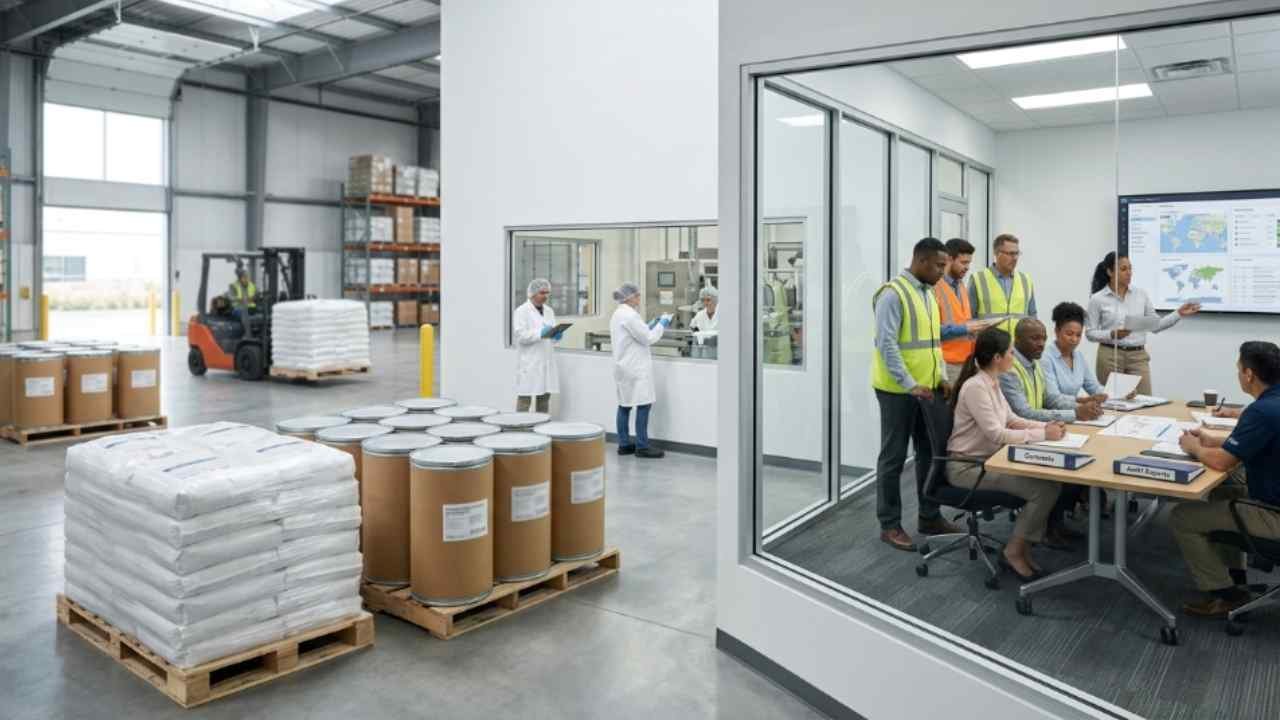
Importers secure supply through annual volume contracts and by establishing direct relationships with reputable Chinese manufacturers. Working with strategic partners like FINETECH helps manage quality audits and logistics. Keeping a safety stock of 2-3 months also mitigates short-term supply chain disruptions.
Dive Deeper into Security Strategies
I see that "Planning" is the most important part of my job. You cannot buy soy protein like you buy a shirt. It requires a long-term view. I always suggest my clients sign "Annual Framework Agreements." We do not fix the price for a whole year, but we fix the "Volume." This ensures the factory saves production space for you. I visit the factory directors to negotiate these deals for you. I act as your strategic office in China. When the market gets tight, the factory will ship to my clients first because we have a signed commitment. This "Priority Status" is vital for your peace of mind.
Safety stock is the second strategy. I see many buyers try to be too "Lean." They only keep one week of stock. If a ship is late by ten days, their factory stops. I suggest keeping 60 to 90 days of ISP in your warehouse. This is a technical buffer. It protects you from port strikes, weather delays, and factory problems. I also manage the "Quality Continuity." We use the same factory for every order. This ensures the protein always has the same "Gelling" and "Emulsion" properties. If you change factories every month to save $10, you will have quality problems. I oversee the production to ensure your recipe never has to change. This consistency is the foundation of a successful food brand.
| Security Strategy | Business Benefit | Technical Requirement | Value |
|---|---|---|---|
| Annual Contracts | Guaranteed volume | Signed delivery schedule | Negotiate priority terms |
| Safety Stock | No production stops | Warehouse space | Calculate lead-time buffers |
| Single Sourcing | Quality consistency | Same batch parameters | Oversee factory SOPs |
| Quality Oversight | Zero rejected cargo | Pre-shipment testing | Audit every batch personally |
| Logistics Buffer | Stable delivery | Extra 2-week planning | Track vessels in real-time |
| Partner Audits | Factory reliability | Annual on-site visit | Inspect machines and labs |
Conclusion
The global Isolated Soy Protein market is stable but requires careful planning to avoid logistics and raw material risks. I manage these technical factors at FINETECH to ensure your supply chain stays reliable, high-quality, and cost-effective.
-
ScienceDirect – Scientific encyclopedia entry explaining the nutritional composition, production methods, and industrial uses of soy protein isolate. ↩
-
ScienceDirect Topics – A comprehensive engineering reference explaining the mechanisms, equipment, and industrial applications of spray-drying technology. ↩
-
Investopedia – Business definition and analysis of vertical integration as a strategy to streamline operations and ensure supply chain stability. ↩
-
USDA (United States Department of Agriculture) – Official source for global crop production data, essential for tracking raw material availability and pricing forecasts. ↩
-
WTO (World Trade Organization) – International trade resource explaining how tariffs and duties function as tools in global commerce and trade policy. ↩