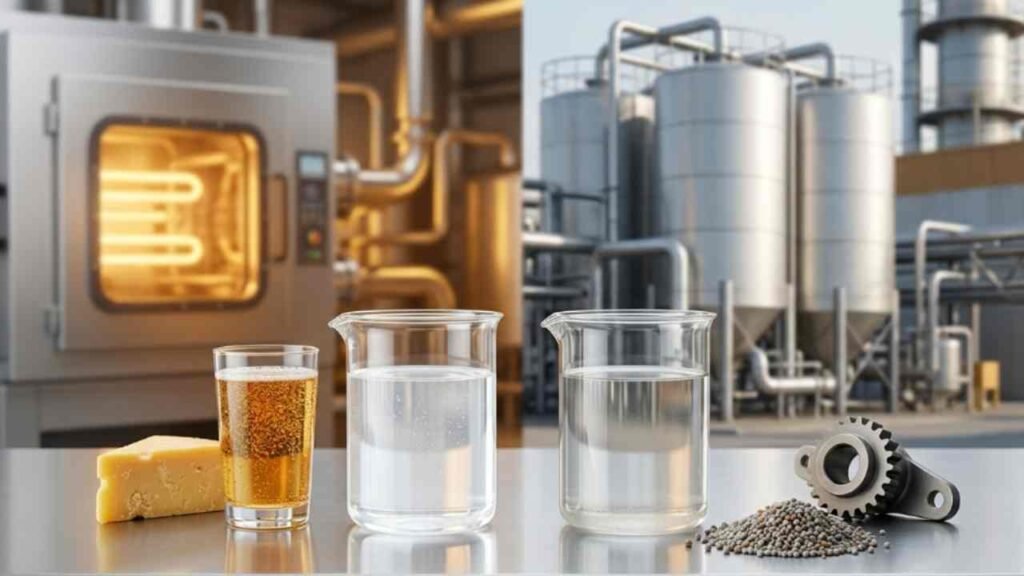
Using industrial-grade acid in food causes toxicity risks and legal fines. This mistake ruins your brand reputation. I explain the technical specs to keep your supply chain safe and professional.
The main difference lies in impurity levels and production methods. Food-grade Phosphoric Acid (E338) requires ultra-low heavy metals like lead and arsenic, usually produced via the thermal process. Industrial grade allows higher impurities and is primarily used for fertilizers, metal treatment, and industrial cleaning.
I manage factory selection and oversee production for my B2B clients at FINETECH. I want to share the technical facts about these grades so you can source the correct material for your business.
What defines food grade Phosphoric Acid purity?
Low purity acid poisons your food products and your customers. This risk causes massive recalls and financial loss. I verify the technical standards that define safe, food-grade quality.
Food-grade Phosphoric Acid is defined by a minimum H3PO4 concentration of 85% and strict contaminant limits. According to the Food Chemicals Codex (FCC), lead must be under 0.5 ppm, arsenic under 0.5 ppm, and fluoride under 10 ppm to ensure human safety.
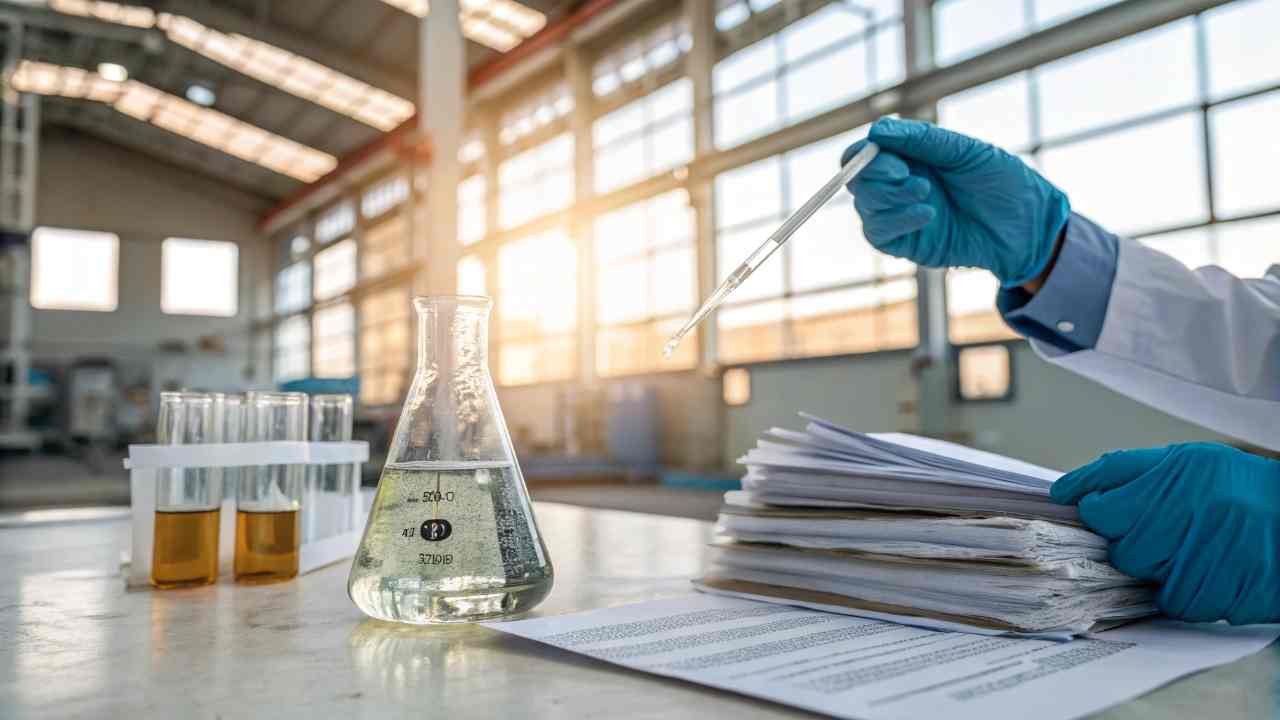
The Technical Standards of E338
I see that food-grade acid must meet very specific international codes. In the European Union, it is known as E3381. In the United States, we follow the Food Chemicals Codex (FCC). These standards are not just suggestions; they are legal requirements. For my clients in the Middle East and Southeast Asia, I always provide a Certificate of Analysis (COA) that shows these heavy metal levels. We use a method called "Thermal Process" to reach this purity. We burn elemental phosphorus to create the acid. This method is cleaner than the wet process used for fertilizers. It ensures that the acid is clear, colorless, and odorless.
Physical properties are also a key part of the definition. Food-grade 85% acid must have a specific gravity2 of around 1.685 at 25°C. If the density is lower, the acid is diluted or impure. I visit the labs in our Chinese factories to see the titration tests. I want to see that the "Assay" is exactly 85.0% or higher. If the assay is 84.5%, it is not food grade. I also check for "Volatile Acids." Food-grade acid should not have any chemical smell. Any smell means there are organic impurities left from the rock. I act as your technical gatekeeper to ensure these specs are perfect before the goods are packed in new IBC tanks.
Food Grade Specification Table
| Parameter | FCC/Food Grade Standard | Why it Matters | FINETECH's Risk Control |
|---|---|---|---|
| H3PO4 Assay | Min 85.0% | Correct acidity for food | Verify via titration |
| Lead (Pb) | Max 0.5 ppm | Prevents heavy metal poisoning | ICP-MS Lab testing |
| Arsenic (As) | Max 0.5 ppm | Prevents long-term toxicity | Audit every batch |
| Fluoride (F) | Max 10 ppm | Prevents chemical taint | Monitor rock source |
| Heavy Metals | Max 5 ppm (Total) | General safety index | Full lab report review |
| Clarity | Clear / Water-like | Indicates high purification | Visual inspection |
How does industrial Phosphoric Acid differ in composition?
Buying the wrong chemical composition stalls your industrial machines or ruins your fertilizer batch. This technical error leads to expensive downtime. I show you what is inside industrial-grade Phosphoric Acid.
Industrial Phosphoric Acid contains higher levels of residual minerals like iron, aluminum, and sulfates. It is usually produced via the "Wet Process," where phosphate rock reacts with sulfuric acid. While the P2O5 content is high, it is not purified for human consumption.
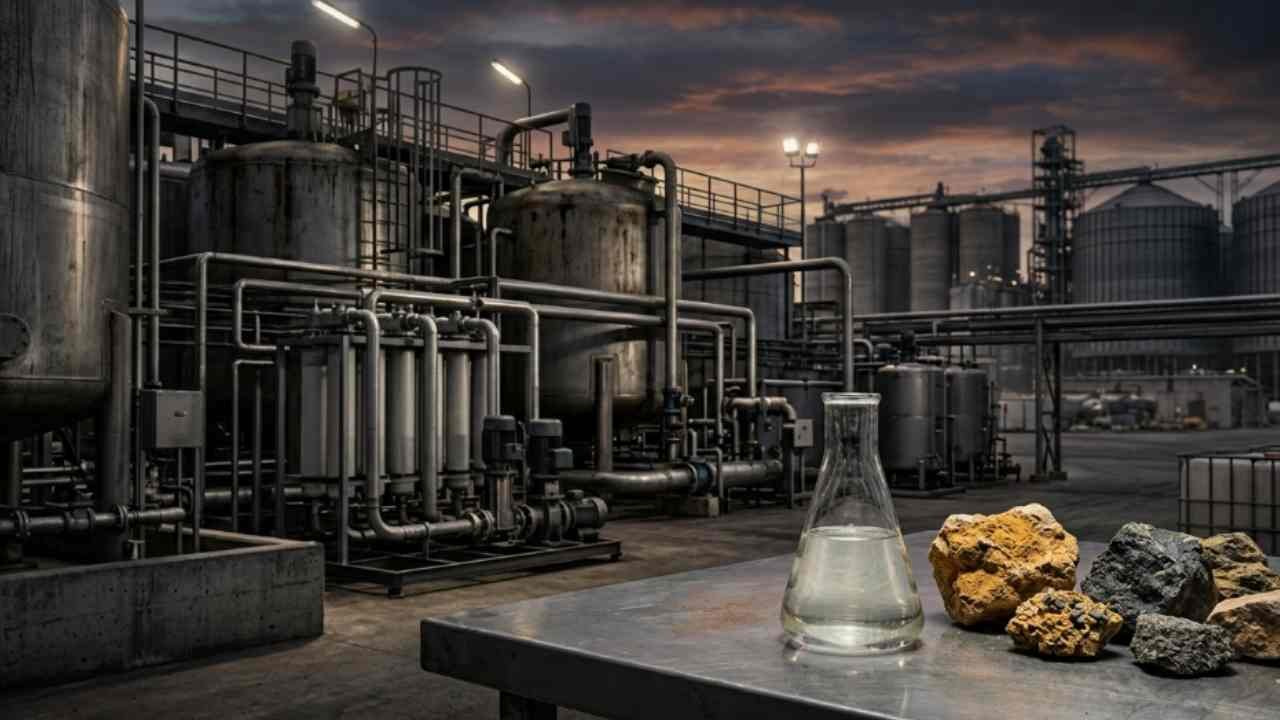
Residual Impurities in Industrial Grade
I see that industrial-grade acid is much "dirtier" than food-grade acid. This is because the "Wet Process" does not remove all the elements from the phosphate rock. For example, industrial acid can have iron levels above 100 ppm. This iron can cause the acid to look slightly yellow or green. For making fertilizer, this does not matter. But for a beverage factory, this iron would ruin the taste of the soda. I also see higher levels of sulfate in industrial grades. This sulfate comes from the sulfuric acid3 used in the reaction. It can cause unwanted chemical reactions in sensitive industrial processes.
Fluoride levels are also much higher in industrial grades. In the mines of China, phosphate rock is naturally high in fluoride. Food-grade acid goes through extra steps to strip this fluoride out. Industrial grade skips these steps to keep the price low. I also look at the "Organic Matter." Industrial acid can contain carbon residues that make the liquid look dark. If you use this in metal plating, it can leave spots on the metal surface. I act as your strategic partner to analyze these composition reports. I make sure you do not pay for food-grade purity if your industrial process can handle a lower, cheaper grade.
Industrial vs. Food Grade Composition
| Component | Industrial Grade (Typical) | Food Grade (E338) | Technical Impact |
|---|---|---|---|
| Assay (H3PO4) | 75% - 85% | 85% Minimum | Concentration strength |
| Iron (Fe) | 50 - 200 ppm | < 5 ppm | Color and taste stability |
| Sulfate (SO4) | 500 - 1000 ppm | < 20 ppm | Chemical reactivity |
| Arsenic (As) | 5 - 20 ppm | < 0.5 ppm | Human toxicity risk |
| Lead (Pb) | 5 - 10 ppm | < 0.5 ppm | Human toxicity risk |
| Appearance | Yellowish / Cloudy | Clear / Colorless | Purity indicator |
Why is food grade Phosphoric Acid more expensive?
Overpaying for chemicals hurts your bottom line. But underpaying for food safety is very dangerous. I explain why high-purity acid costs more to produce in our partner factories in China.
Food-grade acid is more expensive because it requires the energy-intensive "Thermal Process" or complex "Solvent Extraction." The cost of electricity for electric furnaces and the price of specialized purification chemicals for removing heavy metals create a technical price premium for buyers.
The Cost of Purification and Energy
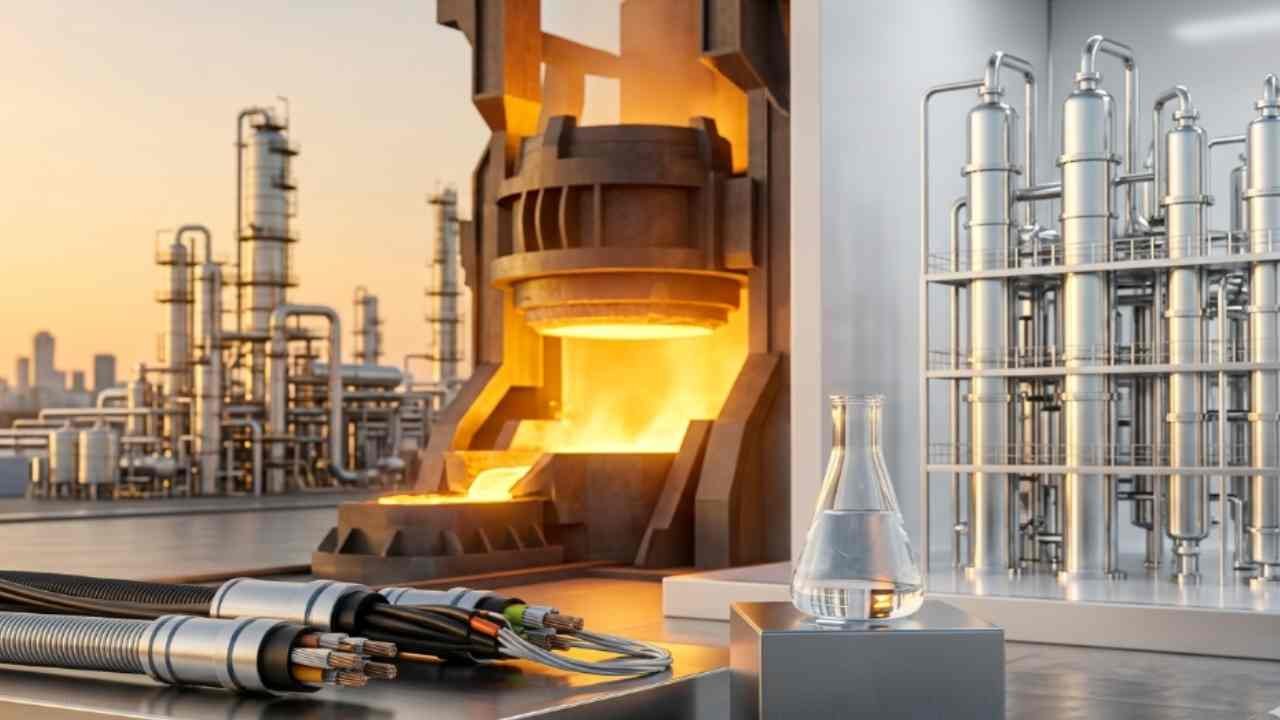
I see that the "Thermal Process" is the biggest reason for the price gap. To make high-purity acid, we first make yellow phosphorus in a giant electric furnace. These furnaces use a massive amount of electricity. In provinces like Yunnan, electricity prices change every season. When power is expensive, the price of food-grade acid goes up. Industrial-grade "Wet Acid" does not need this furnace. It just needs a chemical tank and sulfuric acid. This makes the industrial grade much cheaper to make. I track these power costs to help my clients time their wholesale orders.
The second cost is "Multi-Stage Filtration." To get lead and arsenic below 0.5 ppm, we must use expensive ion-exchange resins or organic solvents. These chemicals are not cheap. The factory must also have a very clean production line. They cannot use the same pipes for industrial acid and food acid. This "Dedicated Line" increases the overhead cost. I also check the cost of testing. Food-grade batches must be tested in high-tech labs using ICP-MS machines. These machines cost hundreds of thousands of dollars to run. I act as your strategic office in China to find the most efficient producers. By picking factories with heat-recovery systems, I get a better price for your high-purity acid.
Cost Driver Analysis Table
| Cost Factor | Industrial Grade | Food Grade | Impact on Final Price |
|---|---|---|---|
| Energy Use | Low (Chemical heat) | Very High (Electricity) | + 20% - 30% |
| Raw Material | Crude Rock | Yellow Phosphorus | + 15% - 25% |
| Purification | Minimal | Multi-stage solvents | + 10% - 15% |
| Lab Testing | Basic Titration | Advanced ICP-MS | + 2% - 5% |
| Production Line | Bulk / Multi-purpose | Dedicated Food Grade | + 5% - 10% |
| Packaging | Standard tanks | New, UN-approved tanks | + 3% - 5% |
Which industries require high-purity Phosphoric Acid?
Using the wrong grade for sensitive processes causes product failure and waste. This wastes your raw materials and your time. I identify the specific industries that must use the highest purity acid.
The beverage, processed meat, and dairy industries require food-grade acid for flavor and safety. Ultra-high purity acid is also essential in the electronics industry for etching semiconductor wafers. Pharmaceutical companies use it to manufacture phosphate salts for medicines and supplements.
Critical Applications and Quality Needs
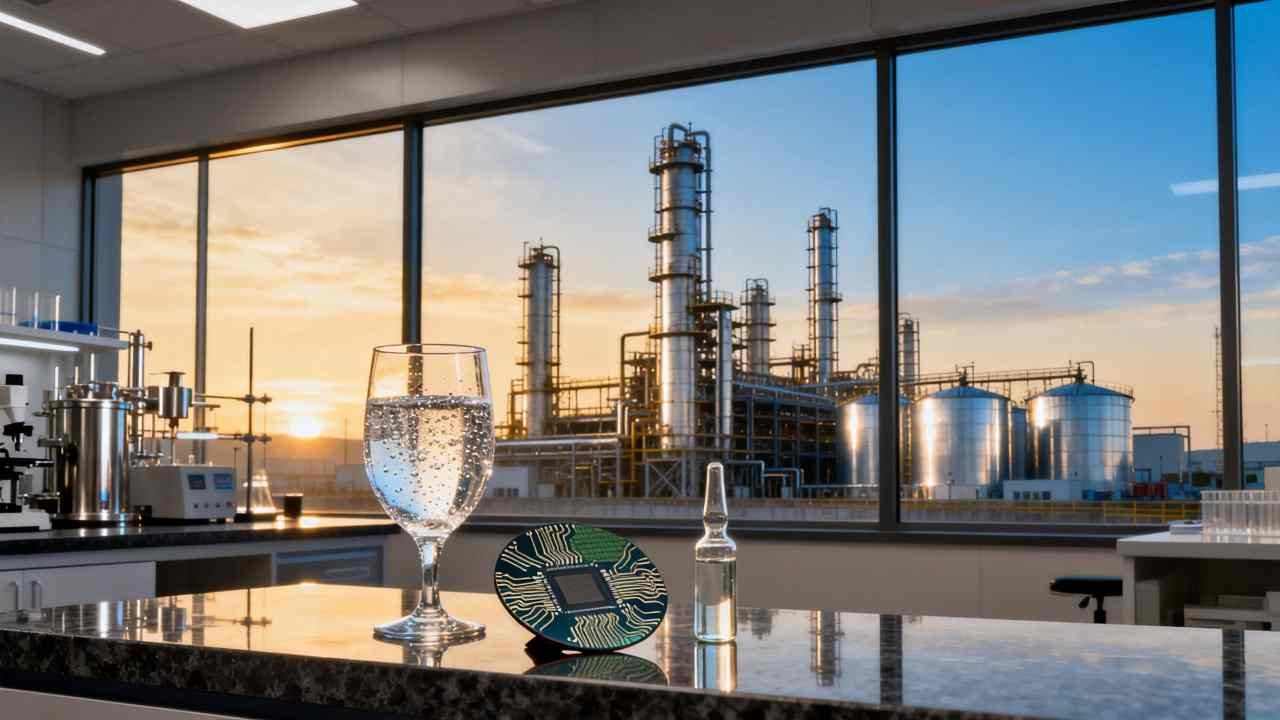
I see that the beverage industry4 is the top user of food-grade 85% acid. Colas need that sharp, clean "bite." If the acid has even 10 ppm of iron, the flavor changes. My clients in the Middle East buy this grade for their soda bottling plants. The meat industry also needs it. They use it to make "Polyphosphates" which hold water in sausages. If the acid is not food-grade, the heavy metals will be concentrated in the meat. This is a major health risk. I visit these industrial zones to understand how my acid is used. This helps me suggest the right grade for your specific production line.
The electronics industry has the highest standards of all. They need "Electronic Grade" acid, which is even purer than food grade. They use it to clean silicon wafers. One tiny speck of metal can ruin a computer chip. I also manage supply for the pharmaceutical sector5. They use Phosphoric Acid to make dental cements and medicines. For these clients, I provide a full "Traceability" report. We track the acid from the mine to the final IBC tank. I act as your technical partner to ensure your grade matches your industry. If you are in metal rust-proofing, I will suggest a cheaper industrial grade to save you money.
Industry Grade Requirements Table
| Industry Sector | Recommended Grade | Primary Function | FINETECH's Strategy |
|---|---|---|---|
| Beverages (Cola) | Food Grade 85% | Acidulant / Flavor | Low heavy metal COA |
| Meat Processing | Food Grade 85% | Water retention | Verify Halal status |
| Electronics | Electronic Grade | Silicon etching | Ultra-pure 99.9% |
| Fertilizer | Industrial Grade | Nutrient source | Bulk price focus |
| Rust Proofing | Industrial Grade | Metal phosphatizing | Focus on P2O5 content |
| Pharma | Pharma / Food Grade | Salt synthesis | Full GMP audit |
How should buyers select the right Phosphoric Acid grade?
Choosing the wrong grade leads to legal trouble or wasted money. This decision is critical for your procurement and your profit. I provide a checklist to help you choose the right grade every time.
Select the grade by checking your local food safety laws and your final product requirements. Always request a batch-specific COA and verify certifications like ISO 22000 for food use. Choose integrated producers in China who own their mines to ensure the quality matches the grade you paid for.
Strategic Selection and Factory Auditing
I see that "Application" is the first thing you must define. If your product touches human skin or enters the human body, you must buy food-grade acid. There is no shortcut here. I help my clients in Europe and Southeast Asia check their local "Additives Code." I then match these codes to our factory's output. The second step is checking the "COA" (Certificate of Analysis). Do not just look at the 85% number. Look at the heavy metals. If the lead is missing from the report, the supplier is hiding something. I act as your eyes in China to verify these reports in independent labs like SGS.
Factory integration is the final part of the selection. I prefer factories that own their own mines in Yunnan or Guizhou. These factories have a "Stable Baseline." If a factory buys rock from different small mines, the impurities change every month. This makes it hard to keep the quality consistent. I also check for "DCS Automation" in the factory. This computer system ensures that the 85% concentration does not drift. I act as your strategic office to manage these audits. By choosing a modern, integrated plant, you get the grade you need at a price that makes sense. We focus on long-term stability so your food formula never fails.
Selection Checklist for B2B Buyers
| Selection Step | Technical Goal | FINETECH's Support |
|---|---|---|
| Define Use Case | Avoid over-spec or under-spec | Recommend grade based on app |
| Verify COA | Check Pb, As, and F levels | Review batch lab data |
| Check Certs | Verify ISO 22000 / HACCP | Audit valid dates on-site |
| Inspect Factory | Confirm "Thermal Process" use | Direct factory visit in China |
| Packaging Check | Use new, UN-approved tanks | Inspect IBCs before loading |
| Test Sample | Confirm 85% concentration | Coordinate third-party testing |
Conclusion
Food-grade Phosphoric Acid has much lower heavy metal limits than industrial grade and requires more expensive production. I manage these technical differences at FINETECH to ensure you receive the correct grade for your business.
-
EFSA – Detailed information on food additive E338 (Phosphoric Acid) and its safety evaluations in the European market. ↩
-
Britannica – Scientific explanation of specific gravity and its role in identifying chemical concentration and purity. ↩
-
ScienceDirect – Chemical overview of sulfuric acid and its industrial applications in fertilizer and acid production. ↩
-
BeverageDaily – Industry news and analysis focusing on ingredients and market trends for the global beverage manufacturing sector. ↩
-
Pharmaceutical Technology – Resource for industry standards and chemical applications within medicine and dental product manufacturing. ↩